

Last updated: October 2026
Selling scrap copper is more straightforward when you know what you have before arriving at the yard. Copper pipe, electrical wire, tubing, fittings, and copper-bearing equipment can all be worth recycling, but coatings, solder, insulation, corrosion, and attached hardware affect how the material is graded.
This guide explains how to prepare copper for sale, when stripping wire may or may not make sense, how the drop-off process works in Etobicoke, and how to combine copper with other recyclable materials in one efficient visit.
By Preet Dass | Refreshed October 24, 2026
What counts as scrap copper?
Scrap copper is previously used copper recovered from renovation work, electrical systems, plumbing, HVAC equipment, appliances, and electronics. A recycler sorts and processes the material so the metal can re-enter manufacturing instead of being discarded.
Not every copper-looking item is the same. A clean, uncoated conductor is handled differently from insulated cable, while a copper pipe with solder or brass fittings may fall into a different category from clean pipe. Sorting before you leave helps the yard inspect your material efficiently.
Common copper materials
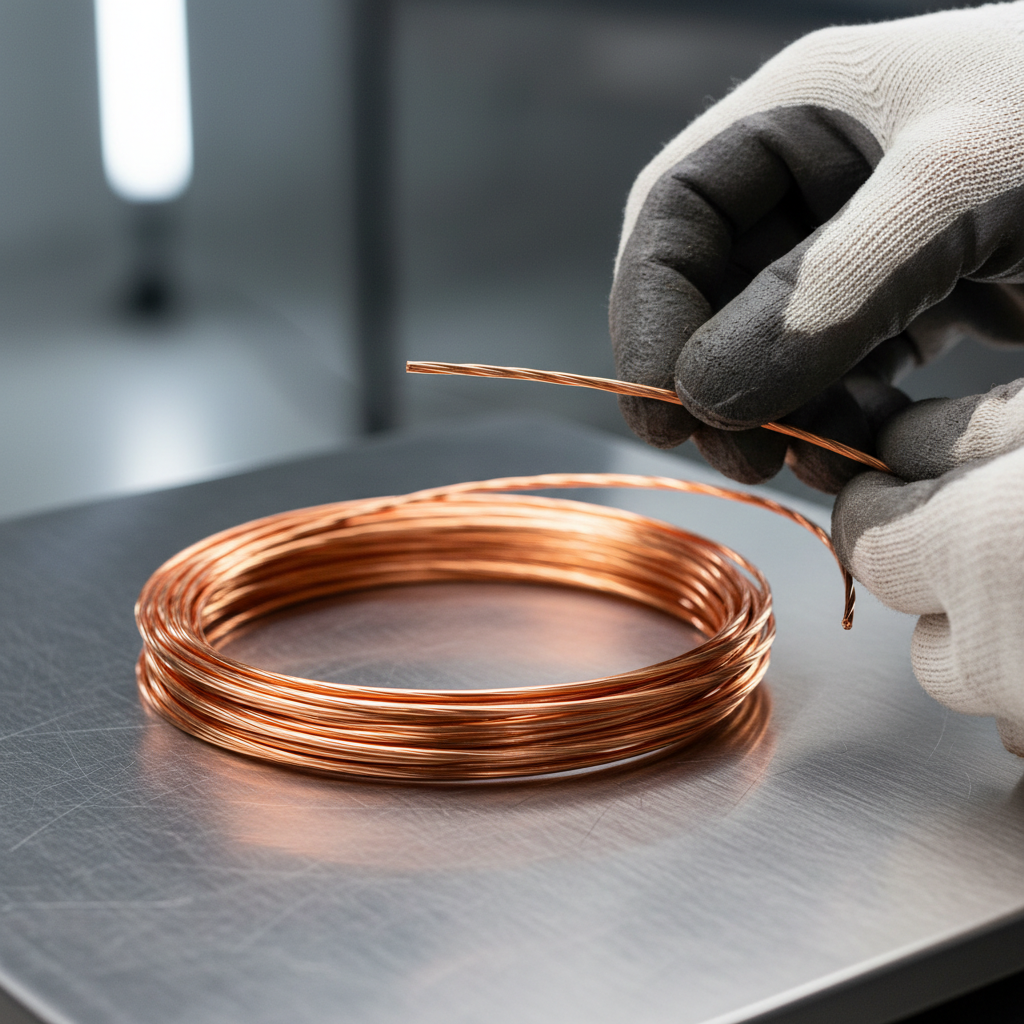
- Bare bright wire: Clean, shiny, uncoated copper wire with no insulation, paint, tinning, or significant corrosion.
- #1 copper: Clean copper pipe, bus bar, wire, or tubing with minimal oxidation and little or no attached non-copper material.
- #2 copper: Copper affected by solder, paint, oxidation, fittings, or other contamination that prevents it from meeting a cleaner grade.
- Insulated copper wire: Copper conductor covered by plastic or rubber insulation, including many electrical cables, cords, and harnesses.
- Copper-bearing equipment: Appliances and electronic equipment that may contain copper along with steel, aluminum, circuit boards, or other materials.
Quick Scrap Metal buys common copper forms as well as aluminum, brass, nickel, stainless steel, steel, appliances, electronics, and other recyclable materials. That makes it practical to organize a mixed cleanout while keeping each material separated for inspection.
How copper grades affect sorting
The most useful preparation step is separating material by visible condition. A yard makes the final grade determination after inspection, so treat the categories below as a sorting guide rather than a guaranteed classification.
| Category | Typical examples | What to check | Preparation tip |
|---|---|---|---|
| Bare bright | Stripped house wire and clean copper strands | No coating, tinning, paint, oil, or heavy corrosion | Keep separate and coil without mixing other metals |
| #1 copper | Clean pipe, tubing, and unpainted bus bar | Minimal oxidation and no significant solder or fittings | Remove obvious valves, screws, and attached hardware |
| #2 copper | Painted or soldered pipe and copper with fittings | Some contamination or oxidation is present | Separate from cleaner copper rather than downgrading the whole bin |
| Insulated wire | Extension cords, cable, and wire harnesses | Copper remains inside plastic or rubber insulation | Bundle by similar thickness and do not mix with bare wire |
How to identify copper safely
Copper is not magnetic, so a small magnet can help distinguish copper from ferrous attachments. Colour alone is not conclusive: brass, plated metal, painted pipe, and copper-coloured plastic can look similar. Avoid cutting into pressurized, energized, or hazardous equipment simply to identify a material.
A utility knife or side cutter can help with loose insulation and wire preparation, but only use tools and methods you can handle safely. Never burn insulation to remove it. If stripping a cable takes substantial time or creates a safety risk, keeping it as insulated copper wire may be the more sensible choice.
How to sell scrap copper in Etobicoke
At Quick Scrap Metal, the usual process is to bring sorted material to 407 Rexdale Blvd, follow the yard’s unloading directions, and present valid government-issued photo ID. The team weighs and inspects the load, identifies the applicable categories, and pays qualifying sellers on the spot.
1. Collect and inspect the material
Gather copper from renovation offcuts, plumbing replacements, electrical work, appliance dismantling, or a household cleanout. Remove obvious rubbish and set aside items that contain batteries, refrigerants, liquids, or other hazards rather than placing them in a copper bin.
2. Separate grades and materials
Use different bins for bare bright wire, clean copper, lower-grade copper, and insulated wire. Keep brass fittings, aluminum, steel, stainless steel, circuit boards, and general e-waste in separate containers so they can be assessed appropriately.
3. Remove practical attachments
Take off loose plastic, steel screws, brackets, valves, and fittings when doing so is safe and does not damage the material. Do not spend hours trying to convert every item into a higher grade; preparation should improve the load without creating unnecessary injury or equipment risks.
4. Keep the load clean and dry
Brush away dirt and keep copper out of standing water, oil, and construction waste. Moisture and debris make handling less efficient and can complicate grading. Lidded bins, sturdy boxes, and covered vehicle beds are useful during wet or snowy Etobicoke weather.
5. Secure the vehicle and visit the yard
Distribute heavy material safely, tie down long pipe, and secure loose wire and bins before driving. At the yard, follow signs and staff directions, unload only where permitted, and keep closed-toe footwear and suitable work gloves available.
6. Weigh, confirm, and receive payment
The yard weighs and inspects the material before confirming the categories. Ask questions if you want to understand why an item was separated or graded a certain way. Because live rates can change, contact the yard directly for the current grade-based rate rather than relying on an old online figure.
Etobicoke drop-off tips for copper sellers
Quick Scrap Metal is located at 407 Rexdale Blvd near HWY 27 and Rexdale, serving Etobicoke, Toronto, Mississauga, Brampton, and the broader GTA. The location is suitable for homeowners, contractors, property teams, and businesses consolidating recyclable material.
Traffic can be busier around Woodbine Mall and Fantasy Fair, so allow extra time when planning a larger load or a trip during a busy period. If you are bringing a substantial mixed cleanout, calling ahead can help you understand the best way to organize unloading.
Quick Scrap Metal emphasizes extended weekday hours and Sunday availability. Confirm the current opening schedule before setting out, especially on holidays or when transporting a large load. Bring identification and, for job-site material, keep work orders, receipts, or other ownership documentation available where appropriate.
What affects the amount you receive?
The amount paid for scrap copper depends on the material category, weight, cleanliness, and the yard’s current rate. Rates are not fixed, so a past price or an online estimate should not be treated as a promise for today’s transaction.
Grade and purity
Clean, uncoated copper generally requires less sorting than painted, soldered, or insulated material. Separating higher-quality pieces from lower-grade copper gives the yard a clearer load to inspect and prevents a small amount of contamination from being mixed through an entire bin.
Weight and preparation
Weight matters, but adding dirt, water, plastic, or unrelated metal does not improve the value of the copper. The goal is a dry, accurately sorted load that contains as much recoverable copper as practical.
Market conditions
Copper rates can change with market conditions and the yard’s current buying schedule. For a same-day decision, ask Quick Scrap Metal about the rate for your specific grade and load rather than comparing an unverified figure from another date or location.
What else can you bring with copper?
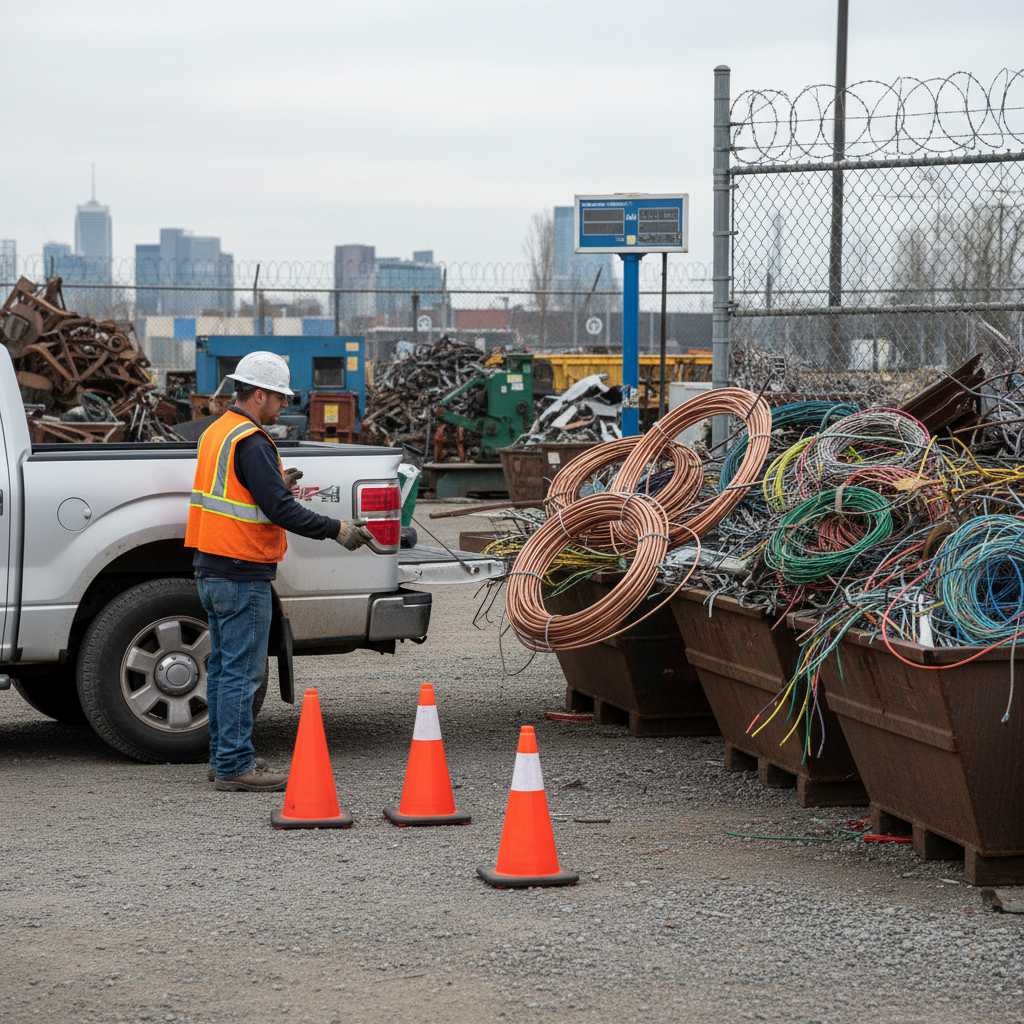
A copper load often comes from a larger renovation, property cleanout, or commercial job. Quick Scrap Metal also accepts common ferrous and non-ferrous metals, appliances, and a wide range of electronic components and e-waste, allowing sellers to plan one organized drop-off.
Use the copper scrap buyers guide when deciding which copper materials to bring. For rate-related planning, review the scrap copper pricing factors, then check the current rate directly with the yard before loading a large vehicle.
If your cleanout includes several metals, the Toronto scrap metal price guide provides broader planning context. For local drop-off information, see the page about scrap metal recycling in Etobicoke. Phones, computers, televisions, circuit boards, and related items can be reviewed through the electronics recycling information before you load them.
Tools and safety checklist
You do not need specialized equipment to prepare a typical copper load. A small set of practical tools can make sorting easier, but safety should take priority over trying to reach a particular grade.
- Cut-resistant work gloves and eye protection
- A small magnet for identifying ferrous attachments
- Side cutters or a utility knife for loose wire and plastic
- Sturdy, labelled bins for each copper category
- Zip ties or tape for bundling similar wire
- Rags for removing loose dirt without adding water or chemicals
Do not dismantle sealed refrigeration systems, batteries, energized equipment, or unfamiliar electronics without appropriate knowledge and safety controls. Keep sharp pipe ends and cut wire secured, and never burn cable insulation. A clean but unstripped load is preferable to an unsafe preparation job.
Practical examples of organized copper loads
Home renovation load
A homeowner may have short lengths of copper plumbing, soldered joints, electrical cable, and an old appliance after a kitchen or bathroom project. Keeping pipe, insulated wire, and the appliance separate makes the load easier to inspect than placing everything into one box.
Electrical or HVAC work
A contractor can keep one non-ferrous tote on the truck and sort wire, tubing, and fittings at the end of each job. Regular separation reduces the chance that clean offcuts become buried under general construction debris and makes the eventual yard visit faster.
Property cleanout
A property manager may collect copper, steel appliances, aluminum, and electronics during a turnover. Labelled containers prevent cross-contamination and make it easier to ask the yard how each group should be handled during one coordinated visit.
Before-you-go checklist
At home or the job site
- Identify copper pipe, wire, tubing, and copper-bearing equipment.
- Separate bare bright, #1, #2, and insulated wire.
- Remove loose non-copper attachments where it is safe and worthwhile.
- Keep copper dry, covered, and free from general rubbish.
- Set aside appliances, electronics, brass, aluminum, and steel.
Before driving to 407 Rexdale Blvd
- Secure bins and tie down long or sharp material.
- Bring valid government-issued photo ID.
- Keep ownership documentation for job-site materials where appropriate.
- Confirm current hours and ask about larger or mixed loads.
- Bring only material you can transport and unload safely.
Frequently Asked Questions
What is the best way to sell scrap copper?
Sort copper by condition, separate insulated wire from bare material, remove safe-to-remove attachments, and keep everything dry. Bring the organized load and valid photo ID to a scrap yard such as Quick Scrap Metal for weighing and grading.
Should I strip insulated copper wire before selling it?
Not necessarily. Stripping can improve the category for some heavier wire, but it takes time and may be unsafe without suitable tools. If stripping is not practical, keep the cable intact, bundle it by type or thickness, and let the yard assess it.
How do I prepare copper pipe for a scrap yard?
Separate copper pipe from other metals, remove loose plastic and obvious steel or brass attachments when safe, and keep soldered or painted pieces apart from clean pipe. Do not mix all pipe together if some sections are visibly cleaner than others.
What do I need to bring when selling copper in Etobicoke?
Bring the copper in secure containers, valid government-issued photo ID, and ownership documentation for job-site material where appropriate. If you are bringing appliances, electronics, or a large mixed load, organize each material separately and confirm current yard hours before travelling.
Bring your sorted copper to Quick Scrap Metal
When you are ready to sell scrap copper, sort the material, keep it clean and dry, secure the load, and visit Quick Scrap Metal at 407 Rexdale Blvd in Etobicoke. The team can weigh and grade copper and handle other metals, appliances, and electronics in the same visit.
Contact Quick Scrap Metal to confirm current hours and the day’s grade-based rate before you leave.