
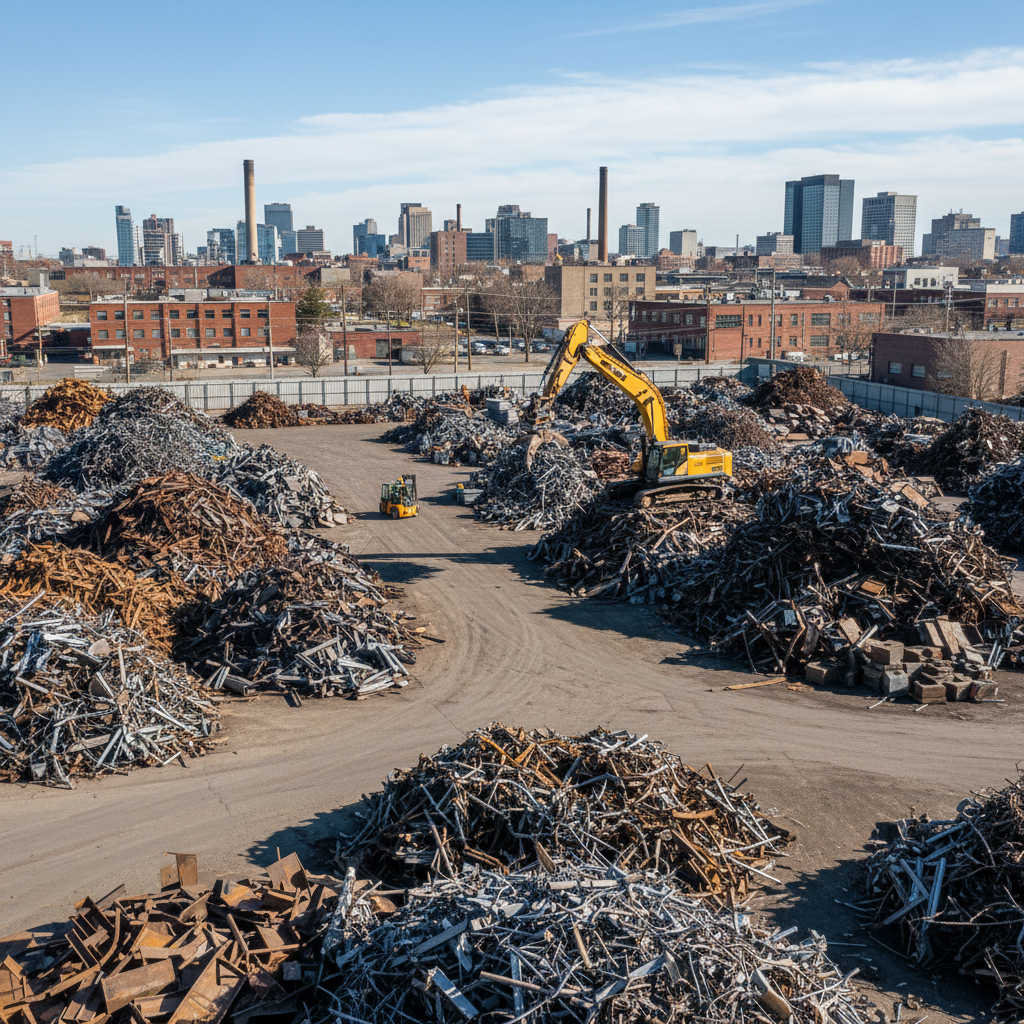
Steel scrap value is the market worth of recyclable steel based on grade, weight, and cleanliness. For sellers near 407 Rexdale Blvd in Etobicoke, it reflects how well items are sorted, prepared, and timed to current demand. At Quick Scrap Metal, you can turn ferrous items into fast cash while ensuring responsible recycling.
By Preet Dass • Last updated: 2026-06-01
Quick Summary
Steel scrap value depends on four controllable factors: correct grading, accurate weight, minimal contamination, and timing your drop-off with market demand. Sort steel by type, remove non-metal parts, keep loads dry, and bring ID. In Etobicoke, Quick Scrap Metal makes the process fast, transparent, and eco-friendly.
Here’s what you’ll get from this complete guide and how to use it right now:
- Definition, factors, and grades: Understand how steel scrap value is set and what affects your payout.
- Step-by-step process: See how weigh-ins, inspection, and payment work at our Etobicoke yard.
- Preparation tips: Simple actions that increase value and speed up your visit.
- Local guidance: Etobicoke/Toronto considerations for traffic, seasonality, and yard access.
- Action tools: Checklists, common grades, and an easy drop-off workflow to follow.
What Is Steel Scrap Value?
Steel scrap value is the price recyclers pay for reusable steel, determined by grade, weight, cleanliness, and live market conditions. Sellers improve value by sorting materials, removing contaminants, and timing drop-offs. Transparent weigh-ins and clear categorization turn old steel into dependable cash returns.
Put simply, steel scrap value refers to how much a buyer will pay for recyclable steel today based on its type (grade), quantity (weight), and quality (cleanliness). It’s dynamic because supply, demand, and mill schedules shift. Your preparation makes a measurable difference at the scale.
- Grade matters: Plate and structural, heavy melt, cast iron, rotors, and shred each trade differently.
- Weight is objective: Accurate scale readings, consistent tare weights, and bulk loads help.
- Cleanliness counts: Less plastic, rubber, oil, wood, or dirt reduces downgrades.
- Real-time markets: Global steel demand and local mill intake influence daily categories.
For context, mild steel has a density around 7.85 g/cm³, so even compact loads add up quickly. A typical passenger-car brake rotor often weighs 15–30 lb per piece, which scales fast in a full bucket or bin.
Why Steel Scrap Value Matters in Etobicoke and Toronto
Optimizing steel scrap value keeps more metal in circulation and less in landfills. For Etobicoke and the Toronto metro, better sorting and preparation means faster yard visits, cleaner loads, and higher acceptance. Sellers gain cash, while local mills and recyclers secure reliable feedstock.
You benefit in three concrete ways: faster cleanups, more efficient hauls, and a smoother yard experience. Businesses free up floor space after renovations or demo jobs. Homeowners clear garages in a single Saturday run. Tradespeople turn weekly offcuts into consistent returns.
- Space back today: One pickup bed of steel often weighs several hundred pounds; clearing it can free 40–60 sq. ft. of floor area.
- Environmental upside: Recycling steel uses significantly less energy than primary production and reduces raw-material extraction.
- Predictable routine: A regular drop-off rhythm (weekly or monthly) stabilizes your workflow and storage.
In our experience working with contractors across the GTA, consistent preparation (magnet test, quick sort, remove non-metals) trims yard time by 20–30 minutes per visit and reduces re-sorts at the scale house.
How Steel Scrap Value Is Determined
Buyers determine steel scrap value by identifying the correct grade, weighing the net load, checking for contamination, and aligning to current market categories. Clean, sorted steel in common grades moves faster and qualifies for better acceptance at the scale.
Here’s the common evaluation flow you’ll see at 407 Rexdale Blvd:
- Check-in: You arrive, present ID, and share what’s in your load.
- Weigh-in: We capture gross weight and guide you to the proper offload zone.
- Visual inspection: We confirm grade(s) and look for attached non-metals.
- Offload and re-weigh: We calculate net steel weight after tare.
- Ticket and payout: We print the ticket and complete same-day payment.
Each step reduces uncertainty and keeps your visit quick. Keeping items dry and free of mud or snow prevents deductions and speeds inspection. As a rule of thumb, separating cast iron, rotors, and light iron up front removes most grading uncertainty.
| Factor | What It Means | How You Can Improve It |
|---|---|---|
| Grade | Category such as heavy melt, P&S, rotors, or cast | Sort by item type; keep like with like |
| Weight | Net pounds after tare | Consolidate trips; load evenly for safe transport |
| Cleanliness | Amount of non-metal attached or trapped | Remove plastic, rubber, oil, wood, and wiring |
| Moisture | Water, snow, or mud in the load | Store under cover; tarp during rain or snow |
| Market timing | Live demand at mills and processors | Batch materials and watch category updates |
Want a broader context on ferrous categories? Explore our ferrous metal recycling guide for definitions and preparation tips tailored to GTA sellers.
Local considerations for Etobicoke
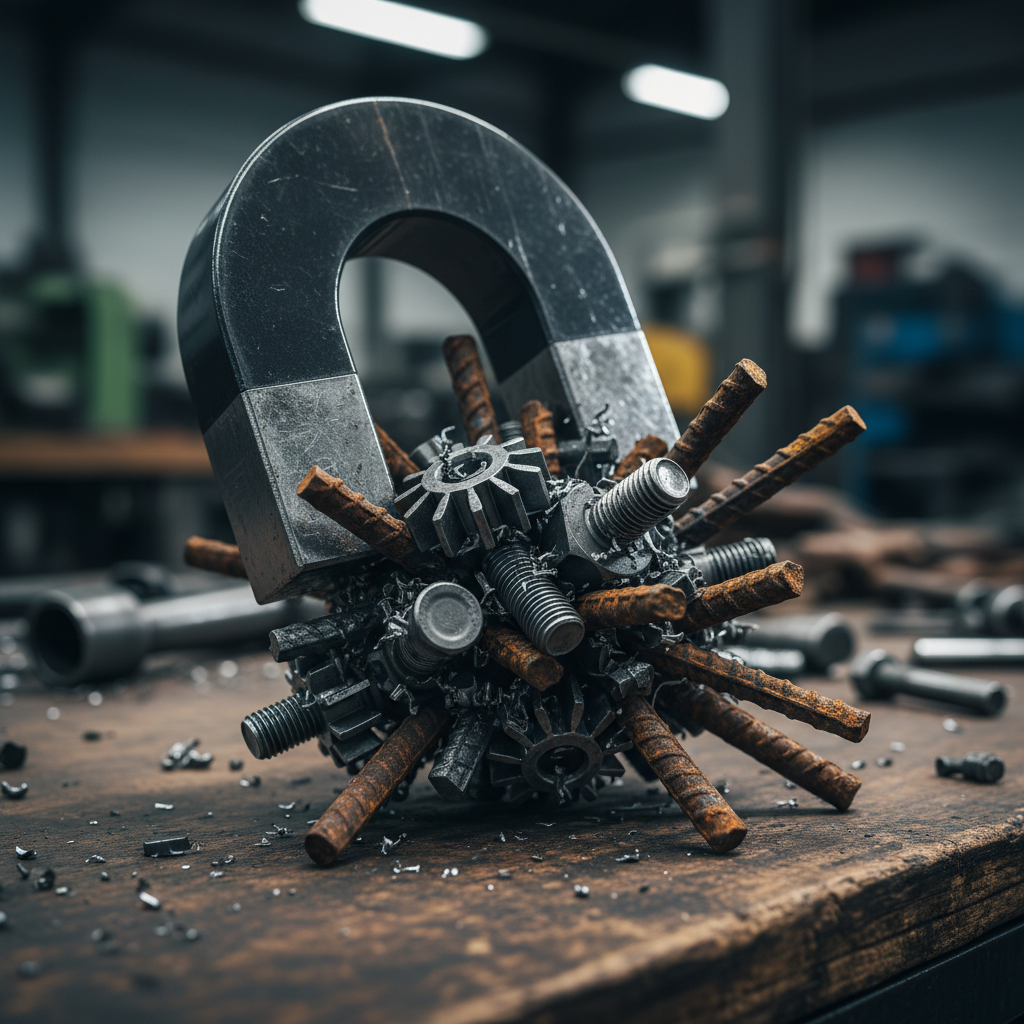
- Plan drop-offs between midday and early afternoon to avoid HWY 27 congestion; yard access is straightforward from Rexdale Blvd near Woodbine Mall & Fantasy Fair.
- Winter and spring thaws add moisture; keep steel covered so water weight doesn’t affect your ticket.
- Contractors with recurring loads: pre-sort into stackable bins by grade to reduce on-site handling and turnaround.
Types of Steel Scrap (Grades You’ll See Most)
Common ferrous categories include light iron/shred, heavy melt, plate and structural, cast iron, and brake rotors. Sorting by these everyday grades speeds inspection, improves acceptance, and keeps your payout aligned to real market categories in the GTA.
While exact specifications vary by buyer, these categories cover most homeowner, trades, and light commercial loads:
- Light iron / shred: Thin-gauge items like shelving, wire racks, siding offcuts, and mixed light steel.
- Heavy melt (HMS): Thicker items like beams, machinery frames, and industrial scrap.
- Plate & Structural (P&S): Cut plate, structural shapes, and dense sections; often from demo jobs.
- Cast iron: Engines, radiators, old tubs, and certain cookware; dense and brittle.
- Brake rotors: Separated rotors are easy to weigh and stack; many passenger rotors weigh 15–30 lb.
Keep in mind that stainless steel and tool steels are different families; a quick magnet test and a spark test can prevent misclassification. Stainless typically contains at least 10.5% chromium, which helps resist corrosion—useful to note when sorting mixed shop scrap.
For step-by-step selling help focused on steel, see our How to Sell Steel Scrap walkthrough built for Etobicoke and the GTA.
Best Practices to Maximize Your Steel Scrap Value
You raise steel scrap value by sorting clean grades, removing non-metal attachments, keeping loads dry, and batching enough weight per trip. A 15-minute prep routine often saves 20–30 minutes on-site and helps avoid downgrades that reduce your ticket.
Simple prep steps that pay off
- Sort by grade: Keep rotors with rotors, cast with cast, and light iron separate. Dedicated bins help.
- Strip non-metals: Remove rubber feet, plastic housings, insulation, and wood handles.
- Drain and dry: Empty oil from engines and compressors; keep material out of the rain.
- Cut to size: Safe, legal transport and manageable pieces speed unloading and weighing.
- Magnets and spark tests: A pocket magnet confirms ferrous; spark patterns help ID alloys.
Examples from real drop-offs
- Home appliance day: A washer (~150–200 lb empty), a dryer (~100–125 lb), and a steel range hood add up to a solid ferrous run.
- Brake job cleanup: Ten passenger rotors at ~15–30 lb each produce 150–300 lb—enough to justify a dedicated trip.
- Light demo bundle: Mixed studs, track, and ductwork compress well; bundle with tie wire for tidy unloading.
Looking to squeeze more value from each visit? Our Etobicoke-focused guide, how to get the best price for scrap metal, outlines a proven routine for homeowners and trades across the GTA.
Tools and Resources for Steel Sellers
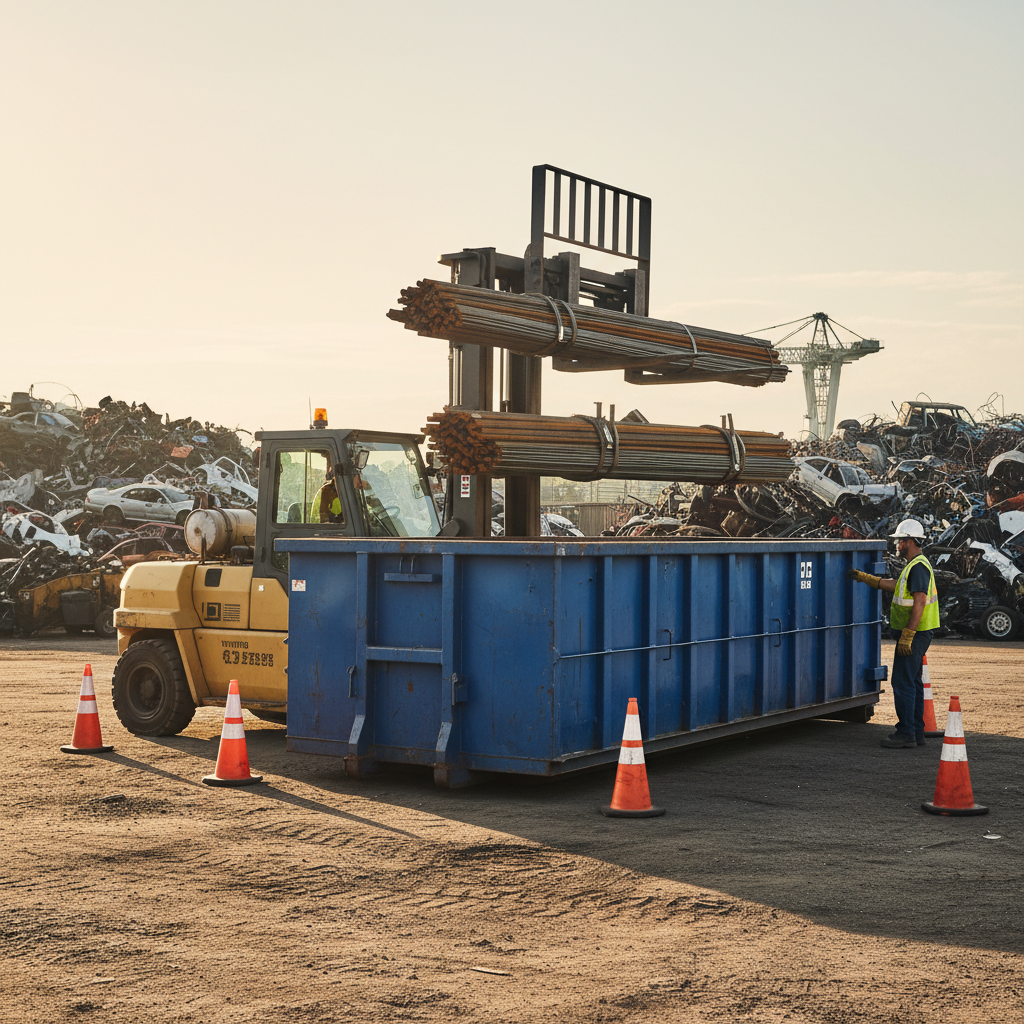
A basic kit—magnet, work gloves, eye protection, a saw for overlength, and stackable bins—covers most prep. Add a simple checklist for sorting and a routine drop-off cadence. Local guides and trade resources help you ID grades accurately and avoid mix-ups.
Use this short list to stay organized and safe:
- Magnet: Fast ferrous check; strong attraction confirms steel or iron.
- Safety gear: Gloves, eye protection, and boots reduce common handling injuries.
- Cutting tool: A reciprocating saw or angle grinder helps reduce bulky sections.
- Stackable bins: Label rotors, cast iron, light iron/shred, P&S, and heavy melt.
- Moisture control: Tarps or covered storage prevent water weight and rust flaking.
For context on structural steel items you might encounter during renovation tear-outs, see this steel studs overview. If your job involves reinforcing bar, this rebar guide and this rebar supply resource explain common profiles you’ll recognize in demolition and offcuts.
Want to understand how ferrous fits alongside mixed loads? Our scrap metal recycling primer explains how to combine steel with non-ferrous items without slowing down your visit.
Quick yard check, faster turnarounds: If you’re bringing a mixed steel load, swing by our scale house for a 60-second check. We’ll point you to the right lane and confirm your grades before you unload.
Ready to go? Review current categories on our scrap metal categories page and plan your drop-off.
Case Studies and Local Examples
Real-world examples show how preparation improves steel scrap value. In the GTA, pre-sorting rotors, bundling light iron, and separating cast iron cut average yard time by 20–30 minutes and reduce disputes at the scale. Clean, dry loads move through the queue faster.
Etobicoke homeowner: basement purge
A homeowner near Flagstaff Park cleared a furnace shell, ductwork, and a bin of tools. The total weight exceeded 300 lb after sorting, with the ductwork stacked flat to speed unloading. The visit, including weigh-in and ID, took under 25 minutes.
Mississauga contractor: weekly offcuts
A small contractor batched plate offcuts, rebar trimmings, and studs. By labeling bins (P&S, rotors, light iron), they trimmed check-in and inspection time to about 10 minutes. Staff proceeded straight to the correct offload lane.
Brampton auto tech: rotor routine
An auto shop saved space by stacking used rotors on a pallet. With an average of 20 rotors per pickup, the shop created a reliable weekly run and offloaded in less than 10 minutes, maximizing bay space for paying work.
Thinking about retiring an old vehicle? Our team handles ferrous components from end-of-life cars. Review our scrap car process overview before you schedule a pickup or drop-off.
Pricing Factors, Timing, and Your Workflow
You can’t control the market, but you can control preparation and timing. Batch by grade, keep materials dry, and consolidate trips. Watch category updates and bring ID. A consistent routine turns steel scrap into a steady, low-effort cash stream.
Here’s a simple framework you can apply each month:
- Collect and stage: Accumulate steel in labeled bins by grade. Keep under cover.
- Set a cadence: Choose a weekly or monthly drop-off window and stick to it.
- Pre-check categories: Glance at our current categories before you load.
- Weigh safely: Distribute weight in your vehicle; confirm tie-downs.
- Arrive prepared: Bring ID; tell the scale house what’s in your load.
| Your Action | Immediate Effect | Typical Result |
|---|---|---|
| Sort by grade | Cleaner inspection | Reduced downgrades and faster line time |
| Keep loads dry | Accurate net weight | Fewer questions at the scale |
| Remove non-metals | Less rework | Better acceptance and smoother payout |
| Bundle light iron | Safer handling | Quicker offload, minimal scatter |
If you work with both non-ferrous and ferrous items, our team can point you to the right lanes so you unload once. For heavier demo jobs, call ahead so we can coordinate equipment and reduce turnaround time.
Steel Scrap Value: Frequently Asked Questions
Get direct answers to the most common steel scrap value questions. Learn how grading, sorting, and moisture affect your ticket; what to bring; and the best way to combine steel with other recyclable materials during a single Etobicoke drop-off.
What documents do I need to bring to sell steel?
Bring a valid government-issued photo ID and your vehicle information. If you’re dropping off for a business, bring your business name and contact details. These help us create a compliant ticket and keep your payout process smooth and fast.
How do I tell if an item is steel or another metal?
Use a strong magnet. If it sticks firmly, you’re dealing with a ferrous metal like steel or iron. For borderline cases, a spark test or a quick look by our team at check-in will confirm the grade before you unload.
Can moisture or mud affect my steel scrap value?
Yes. Water, snow, and mud add non-recyclable weight and can cause deductions or re-sorts. Keep materials covered and stored off the ground. Arriving with dry, clean steel speeds inspection and helps you avoid delays at the scale.
Should I combine steel with non-ferrous metals in one trip?
Yes—if you separate materials into labeled bins. Tell the scale house what you have, and we’ll direct you to the right unloading lanes. This way, you make one trip and still keep the grading and payout process simple.
What’s the easiest steel to prepare for drop-off?
Separated brake rotors and clean plate or structural pieces are the simplest. They stack well, weigh consistently, and unload quickly. Light iron also moves fast if you bundle it to prevent scattering in the yard.
Conclusion and Next Steps
Maximize your steel scrap value by sorting smart, keeping loads dry, batching weight, and following a steady drop-off routine. With clear categories and quick weigh-ins at our Etobicoke yard, turning old steel into cash is simple, safe, and sustainable.
Key takeaways
- Sort by common grades—rotors, cast, light iron, P&S—to speed inspection.
- Keep steel dry to protect accurate net weight and avoid delays.
- Bundle light pieces; cut overlength items for safer handling.
- Use labeled bins and a regular drop-off cadence for consistent returns.
- Ask our scale team to pre-check mixed loads for the fastest visit.
Ready to clean up your space and get paid the same day? Review our Etobicoke scrap and junk removal tips or head straight to our steel selling guide to plan your visit.
Visit Quick Scrap Metal — 407 Rexdale Blvd, Etobicoke. Bring sorted steel, a valid ID, and we’ll handle the rest. Have a question? Our team is on-site late on weekdays and open Sundays to fit your schedule.