
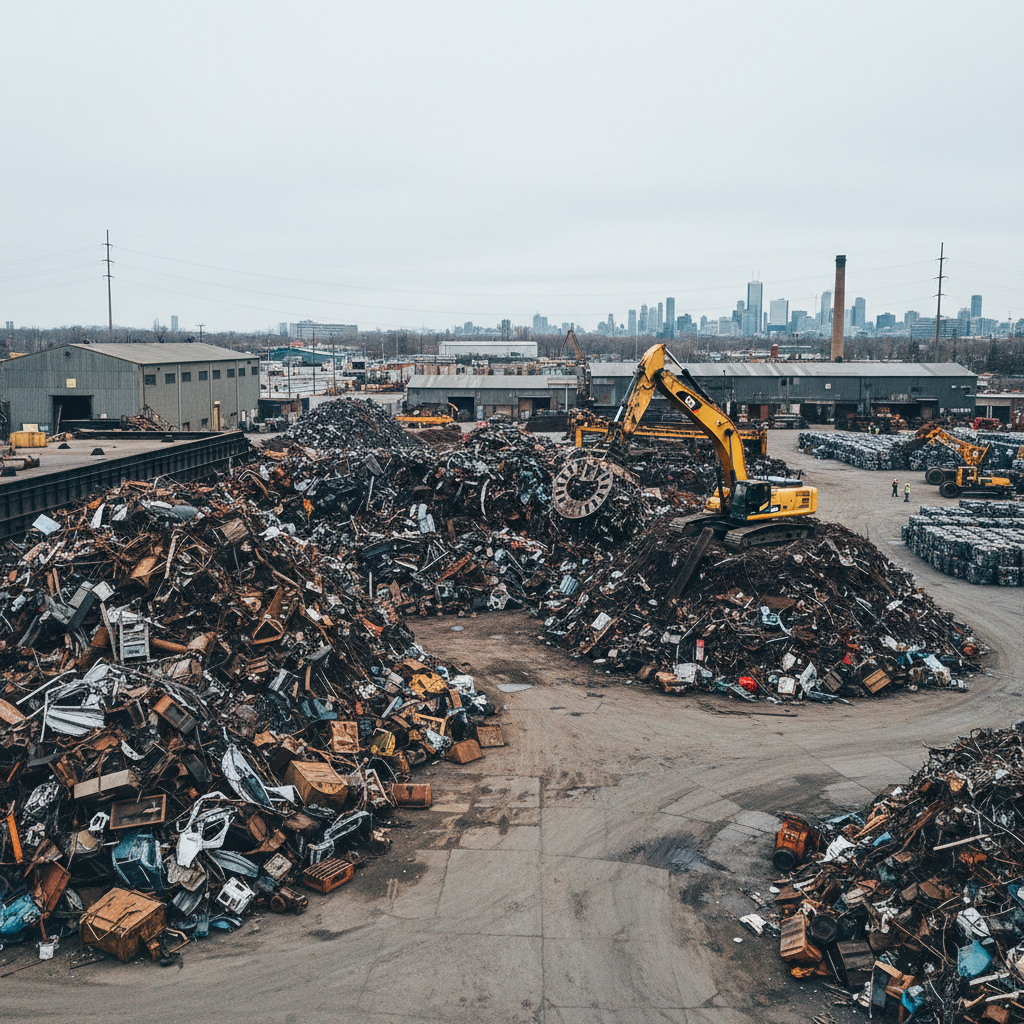
Scrap iron is any end-of-life iron-based metal that’s ready for recycling, including cast iron, steel, and wrought iron items. It’s magnetic, widely available, and easy to sort at home. If you’re near 407 Rexdale Blvd in Etobicoke, you can turn scrap iron into quick cash by dropping it at Quick Scrap Metal—open late and on Sundays.
By Preet Dass — Quick Scrap Metal
Last updated: 2026-06-02
Summary
Scrap iron includes ferrous items like cast iron, steel, and wrought iron. Use a magnet test, quick spark check, and weight feel to sort it fast. Clean, separated loads move faster at the yard and typically earn better consideration. In Etobicoke, Quick Scrap Metal offers simple drop-off with extended hours for convenient recycling.
This complete guide shows you what counts as scrap iron, how to identify it in minutes, and how to prepare a load that moves quickly at the scale. You’ll also find local tips for Etobicoke and Toronto, a step-by-step drop-off walkthrough, and practical tools you can use today.
- Understand what scrap iron is and isn’t
- Identify cast iron vs. steel with simple tests
- Prepare home, contractor, and auto scrap correctly
- Follow an easy, five-step drop-off process
- Recycle responsibly in the GTA with one stop
What Is Scrap Iron?
Scrap iron is recyclable ferrous metal collected from end-of-life products and offcuts, such as cast iron cookware, brake rotors, pipes, and steel beams. In Etobicoke and the Toronto metro, it’s commonly sorted by type and cleanliness at local yards, where prepared loads help you move through scales faster and recycle responsibly.
At its core, scrap iron refers to iron-containing metals ready for a second life. Most household and jobsite iron falls into three buckets: cast iron, mild or carbon steel, and wrought iron. Each behaves differently and benefits from quick identification before drop-off.
- Cast iron: Brittle, heavy, coarse grain (rotors, radiators, old tubs).
- Steel: Ubiquitous in construction, appliances, and auto frames.
- Wrought iron: Decorative gates, older hardware; tougher to find today.
Why it matters: faster sorting means a smoother experience, safer handling, and better outcomes for recycling.
Why Scrap Iron Matters
Recycling scrap iron conserves natural resources, reduces landfill use, and keeps valuable metals in circulation. Clean, sorted ferrous scrap supports efficient steelmaking and helps households and contractors clear space while earning on-the-spot payouts at local yards focused on responsible practices.
Iron is one of the world’s most recycled materials, and for good reason: it’s everywhere, it’s magnetic, and it’s straightforward to process. Keeping iron in the loop saves energy compared with producing virgin material from ore, and it helps declutter garages, job sites, and commercial spaces.
- Environmental impact: Divert heavy metals, coatings, and plastics from landfills by recycling fixtures, tools, and appliances.
- Space and safety: Remove sharp offcuts and bulky items that can cause trips or damage.
- Community benefit: Local yards serve as hubs where residents and tradespeople recycle in one stop.
In our experience at Quick Scrap Metal, organized drop-offs take less time at the scale and reduce rework in the yard. That translates into quicker service and more consistent outcomes.
How Scrap Iron Recycling Works
Scrap iron is collected, identified, and weighed, then aggregated for downstream processors. Yards use magnets, shears, and magnets-on-excavators to load and sort. Clean, separated ferrous categories streamline processing and support efficient, responsible recycling across the Greater Toronto Area.
Here’s the general flow you’ll see when you bring ferrous metal to 407 Rexdale Blvd:
- Arrival and safety check: Follow yard signage; secure loose materials.
- Weigh-in: Stop at the scale house for direction.
- Unload: Staff directs you to the proper ferrous bay.
- Weigh-out: You return to the scale after unloading.
- Quick payout: You receive on-the-spot payment for eligible scrap.
For households, this usually means a single vehicle load with mixed steel (shelving, tools) and cast iron (rotors, radiators). For contractors, it may include rebar offcuts, beams, and siding tear-out. Sorting these ahead of time reduces handling and keeps lines moving.
Types of Scrap Iron and Fast Identification
Most scrap iron you’ll bring in is cast iron or steel. Use three quick checks—magnet, spark, and weight/texture—to tell them apart. Labeling small batches at home (e.g., “rotors,” “steel pipe”) speeds drop-off at the yard and supports cleaner recycling streams.
Three quick tests that work
- Magnet test: If a magnet sticks strongly, it’s ferrous; iron-based metals are magnetic.
- Spark test: Brief grinder contact shows spark patterns (coarse burst for cast iron; longer streaks for steel). Use only if you’re trained and wearing PPE.
- Weight and texture: Cast iron feels heavier and more brittle; steel is less brittle and often bends before breaking.
Common sources you can spot fast
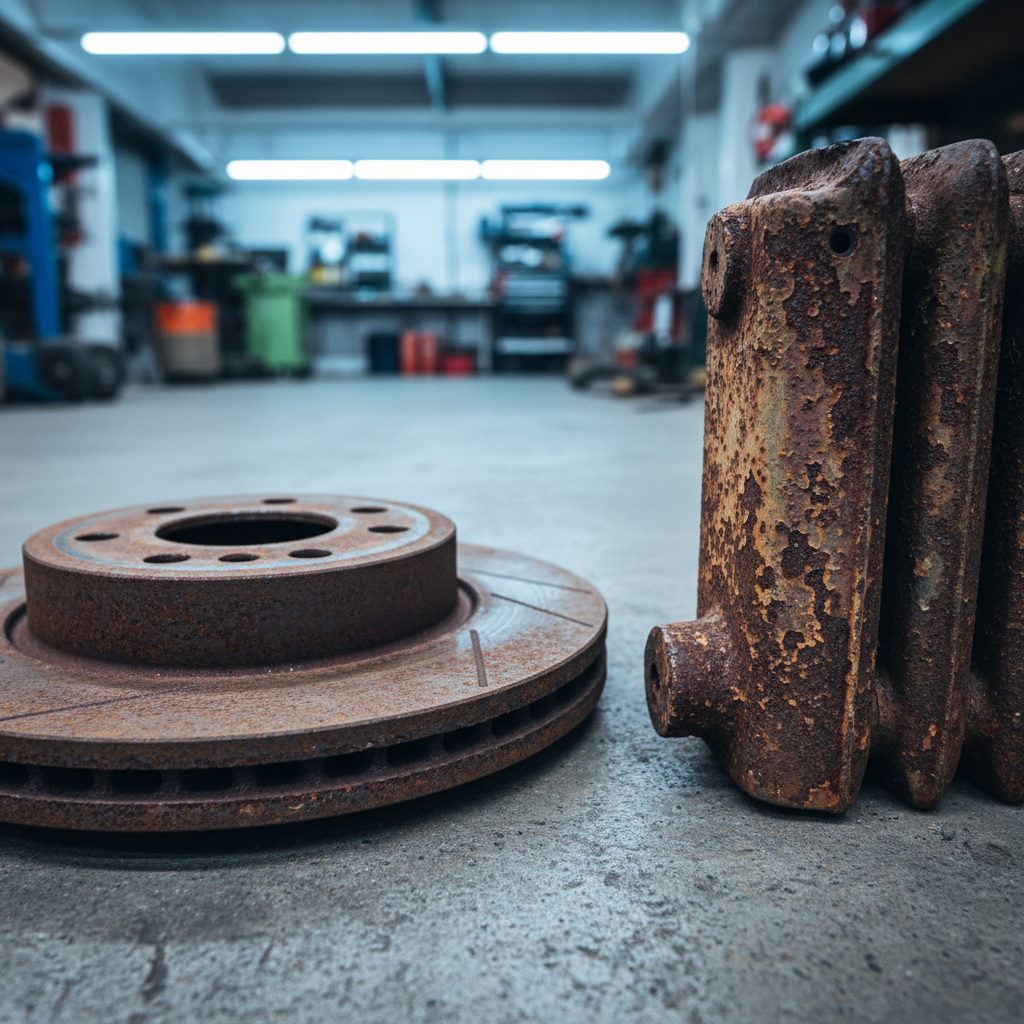
- Cast iron: Brake rotors, older radiators, cookware, sewer grates, engine blocks.
- Steel: Rebar, beams, shelves, appliances, tools, lawn mowers, ducting.
- Wrought iron: Decorative gates, fence panels, vintage hardware.
| Ferrous type | Typical items | Quick ID | Preparation tips |
|---|---|---|---|
| Cast iron | Rotors, cookware, radiators | Very heavy; coarse grain; short spark burst | Remove grease where easy; keep separate from steel |
| Steel | Rebar, beams, tools, appliances | Magnetic; longer spark stream; bends before breaking | Remove obvious non-metal parts; flatten bulky items if safe |
| Wrought iron | Gates, fence sections | Tough, fibrous feel; often decorative | Bundle panels; separate hardware and fasteners |
If you’re unsure, bring it in—our team helps verify on site. For broader ferrous insights, see our overview of ferrous metal recycling.
Best Practices to Prepare and Sort Scrap Iron
The best approach is simple: separate cast iron from steel, remove easy non-metal attachments, and bundle like-with-like. Label small batches (“rotors,” “rebar”) and keep batteries, fluids, and electronics aside for the proper recycling stream at the yard.
Preparation checklist
- Separate by type: Cast iron vs. steel (and keep non-ferrous like copper out of ferrous piles).
- Remove non-metal parts: Plastics, foam, wood, glass. Focus on parts you can remove without special tools.
- Bundle safely: Tie rebar and long stock to prevent shifting in transit.
- Drain and detach: Empty fuel from mowers; detach hoses from radiators where practical.
- Keep hazards out: No loose needles, pressurized cylinders, or chemicals in ferrous scrap.
Appliances and mixed items
- Washers, dryers, and stoves: Remove loose shelves and visible plastic where simple; cords can stay attached if you can’t safely remove them.
- Radiators and A/C units: Keep separate—coils and refrigerants belong in dedicated streams handled at the yard.
- Lawn equipment: Drain fuel and oil; bring the unit as-is if you’re not equipped to dismantle.
Want more on timing your sale? Explore our iron scrap value guide and our notes on scrap metal prices in Toronto.
Tools and Resources for Fast Sorting
You only need a few tools to sort ferrous scrap well: a strong magnet, gloves and eye protection, a permanent marker for labels, and optional bolt cutters for long stock. Pair these with a simple plan and labeled bins for a smooth trip through the scale.
Simple toolkit
- Shop magnet: Confirms ferrous vs. non-ferrous instantly.
- PPE: Cut-resistant gloves, safety glasses, and boots for handling heavy items.
- Basic hand tools: Wrenches, screwdrivers, or bolt cutters to remove easy attachments.
- Markers and bins: Label “steel,” “cast iron,” and “non-ferrous” for quick unloading.
Helpful references and examples
- See structural examples like rebar and cut-length handling in this steel rebar guide.
- Curious about fabrication offcuts and safe bundling? This rebar fabrication primer shows typical sizes you’ll encounter on jobs.
- Renovation debris with light-gauge steel? Review framing context in this steel studs overview for what’s likely steel vs. non-ferrous.
Contractors often build a simple “three-bin” system in their trucks: cast iron, steel, and non-ferrous. This keeps job sites tidy and makes drop-offs faster.
Step-by-Step: Drop-Off at Quick Scrap Metal (Etobicoke)
Bring sorted ferrous scrap to 407 Rexdale Blvd, follow scale-house directions, unload in the ferrous bay, and return for quick payout. We’re open late on weekdays and Sundays, making it easy to recycle between jobs or after work.
- Plan your route: Load heavier items first and strap long stock. Keep non-ferrous, batteries, and e-waste separate for their dedicated streams.
- Arrive and check in: Follow signage to the scale house. Our team will direct you to the correct bay.
- Unload safely: Use gloves and maintain a clear zone behind your vehicle.
- Return to the scale: Weigh out and confirm your slip.
- Receive quick payment: Eligible materials are paid on the spot.
Local considerations for Etobicoke
- If you’re combining a family errand with a drop-off, plan around peak times near Woodbine Mall & Fantasy Fair to avoid traffic congestion.
- Winter loads freeze together. Store scrap under cover so unloading takes minutes, not longer in the cold.
- Contractors working multiple Toronto sites should bundle rebar offcuts by length to speed unloading and keep projects on schedule.
New to selling steel? Our quick primer on how to sell steel scrap covers common mistakes to avoid.
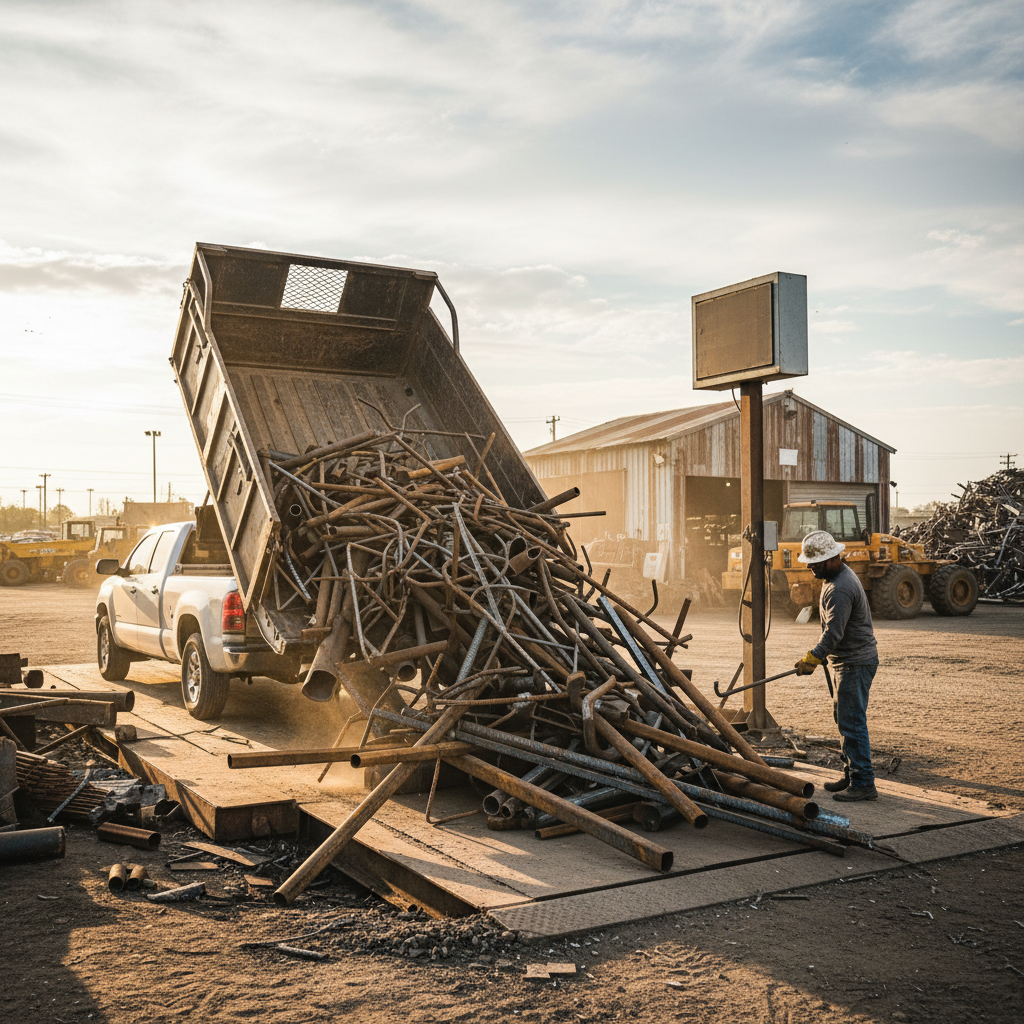
Friendly help, fast drop-offs. Have a mixed load of cast iron, steel, and appliances? Swing by 407 Rexdale Blvd. Our team will guide you to the right bays and handle e-waste and appliances responsibly in one visit.
How to Tell Scrap Iron from Lookalikes
Use a magnet first. If it sticks firmly, you’ve got ferrous metal. Then check texture and shape: cast iron is grainy and heavy; steel is smoother and may flex. Keep copper, aluminum, and stainless separate—those non-ferrous items go to different streams at the yard.
Quick “do/don’t” checks
- Do test with a magnet; it’s the fastest filter.
- Do separate non-ferrous like copper and aluminum—they follow different recycling paths.
- Don’t include sealed tanks or pressurized cylinders in ferrous scrap.
- Don’t mix batteries or electronics with iron scrap—bring them to our e-waste station.
Still unsure? Bring a small sample on your first trip, or ask our staff on arrival. We help customers every day with quick IDs.
Why Prepared Loads Earn Better Consideration
Prepared, sorted loads reduce yard handling and speed up processing. That efficiency helps you move quickly at the scale and supports better outcomes compared with mixed, contaminated loads. Clean ferrous scrap also improves downstream recycling quality and safety.
- Less contamination: Fewer plastics and fluids mean fewer delays and safer unloading.
- Faster unloading: Bundled rebar and labeled bins make bay time short and predictable.
- Better downstream value: Cleaner inputs support efficient processing for mills and foundries.
For practical strategies on timing and organization, see our notes on getting the best results in Etobicoke.
Contractor & Trades Guide to Ferrous Scrap
Contractors benefit from a simple, repeatable system: keep a magnet in your pouch, set three on-truck bins (cast iron, steel, non-ferrous), and bundle rebar by length. This keeps crews safe and speeds every drop-off at the yard.
On-site habits that pay off
- Three-bin system: Minimize mixing and reduce sorting time later.
- Bundle long stock: Rebar, angle, and pipe tied in manageable packs.
- Weekly pickup plan: Reduce clutter and risk between inspections.
- Document materials: Keep quick notes so office staff plan drop-offs.
Working across the GTA? A consistent checklist keeps projects moving regardless of site conditions. When in doubt, ask our team for bay directions before unloading.
Household Examples and Quick Wins
Start with heavy, obvious ferrous items: brake rotors, old tools, steel shelving, and worn lawn equipment. Use a magnet to confirm. Keep cords attached if you don’t have tools—our staff will direct those items to the right stream when you arrive.
- Garage sweep: Rotors, jacks, shelving, and tool heads go in the ferrous pile.
- Basement/utility: Old radiators, pipe sections, and appliance shells.
- Yard shed: Mower decks and snow blower housings (drain fluids first).
Many residents clear a corner of the garage in a single weekend. Label boxes, stack heavy items low, and plan a weekday evening or Sunday drop-off.
Case Studies and Local Examples
Two quick stories: a family cleared a garage corner by separating rotors and steel shelves, finishing their drop-off in one visit; a contractor bundled rebar offcuts by length and cut bay time significantly. Simple prep made both experiences faster and safer.
Household mini-case
A Rexdale homeowner sorted four brake rotors (cast iron) and a stack of steel shelves in labeled bins. With items separated and ready, they moved through the scale and out of the bay in a single, efficient loop.
Contractor mini-case
A Toronto framing crew set a “bundle by length” rule for rebar and angle. Their weekly drop-offs ran predictably, crews stayed organized, and unloading became a quick stop between sites.
Want to understand which ferrous items typically move fastest? Our team’s overview of what scrap metal pays most shares practical patterns we see locally.
Frequently Asked Questions
People ask how to ID scrap iron, what prep helps most, and what not to bring. Use a magnet, separate cast iron from steel, and keep batteries, fluids, and electronics out of ferrous piles. Our staff helps with edge cases at the scale house.
How do I tell steel from cast iron quickly?
Use a magnet first to confirm it’s ferrous. Cast iron feels heavier and more brittle, often with a coarse texture, while steel tends to flex and shows longer spark streams if lightly touched to a grinder under proper safety.
Can I bring appliances with my scrap iron?
Yes. Keep appliances separate from loose iron. If you can, remove obvious plastic shelves or panels and drain fuel from outdoor equipment. Our team will route appliances and electronics to the right recycling streams when you arrive.
Do I need to remove every fastener and wire?
No. Focus on easy removals that don’t require specialty tools. Separate non-ferrous, keep batteries and fluids out, and label small batches. If something’s stubborn or unsafe to remove, bring it as-is and ask our team for guidance.
What shouldn’t be mixed with ferrous scrap?
Avoid sealed tanks, pressurized cylinders, chemicals, loose needles, and electronics. Keep copper, aluminum, stainless, and batteries separate so they can go to the correct recycling streams.
Key Takeaways
Use a magnet, separate cast iron from steel, and bundle long stock. Keep appliances, e-waste, and batteries aside for the right stream. With a few labels and simple prep, your Etobicoke drop-off is fast, safe, and responsible.
- Scrap iron = ferrous items like cast iron, steel, and wrought iron.
- Three tests—magnet, spark, weight/texture—cover 90% of IDs.
- Prepared loads move faster and support cleaner recycling.
- Quick Scrap Metal handles metals, appliances, and e-waste in one stop.
Conclusion: Your Next Easy Win
Sort once, label twice, and bring your load to 407 Rexdale Blvd. You’ll recycle responsibly, clear space, and move through the yard quickly. We’re open late on weekdays and on Sundays to fit your schedule.
Ready to go? Start with the heavy, obvious items—rotors, shelves, tools, and pipe offcuts. Keep a magnet handy, set three bins, and plan a quick stop after work. For more tips, scan our guides on selling steel scrap and local scrap metal price patterns.