
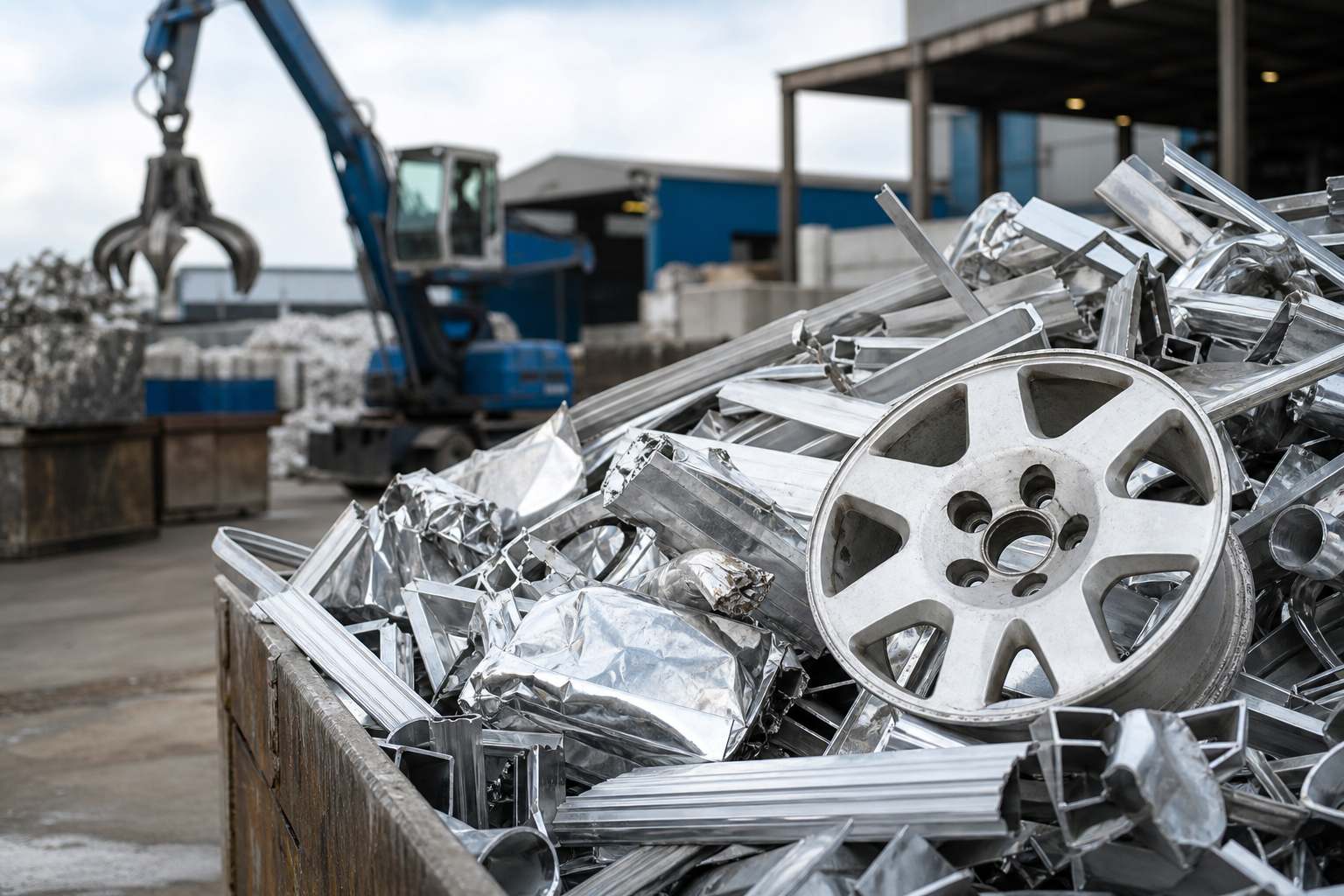
Short answer and what this article covers
If you are asking how much is scrap aluminum worth, the short answer is simple: there is no single number. Payable value depends on alloy and grade, the form and cleanliness of the material, total weight, and local market conditions on the day you sell. This article focuses on the decision checks and common seller mistakes that reduce payouts, practical steps to prepare aluminum for better offers, how to compare local yards, and what to expect when you bring material to Quick Scrap Metal in Etobicoke. For more examples and form-specific guidance, see our aluminum scrap value guide.
Key value drivers for aluminum scrap
Sellers get higher offers when they address the specific factors yards use to value aluminum. The main drivers are:
- Alloy and grade: Clean alloys and easily identifiable grades attract higher prices because they require less sorting and return more usable metal to smelters.
- Form: Extrusions, sheet, radiators, cast parts and beverage cans are processed differently. Some forms are bulkier and cost more to handle per kilogram.
- Contamination: Non-metal attachments such as plastic, rubber, paint, insulation and residual oils reduce the payable metal weight and may trigger downgrades or deductions.
- Cleanliness and corrosion: Bright, dry metal is easier to process. Heavy oxidation, deep corrosion or mixed soiled material can be graded down.
- Weight and density: Small, light-volume loads may receive lower per-kilogram rates because handling and transport costs are proportionally higher.
- Local market conditions: Supply and demand, smelter interest and regional price swings affect what yards will pay on any given day.
Focus prep on separating common forms and removing obvious contaminants. That approach reduces handling time for the yard and increases the portion of your load that qualifies for top grades.
Seven common mistakes that reduce what you get paid

Below are seven frequent seller mistakes, why each lowers payout and the exact decision check to avoid it.
Mistake 1: mixing different alloys and grades together
Why it matters: Mixed alloys force yards to either sort the load or grade the whole lot down to the lowest common denominator. Sorting at the yard increases labour and usually lowers your rate. Decision check: separate obvious types at home. Keep extrusions, sheet, cast parts and cans in distinct piles or containers.
Mistake 2: leaving non-metal attachments or contaminants
Why it matters: Plastics, rubber, wood, glass and oil add gross weight without adding payable metal. Yards may charge for contamination removal or deduct weight for non-metal content. Decision check: remove visible non-metal parts and drain fluids where safe and legal to do so. Keep batteries and circuit boards separate for proper e-waste handling.
Mistake 3: bringing dirty, corroded, or crushed material without sorting
Why it matters: A single mixed pile of clean extrusions and heavily corroded scraps often causes the yard to downgrade the entire load. Decision check: segregate clean, bright pieces from corroded or heavily soiled items so each receives the appropriate grade at the scale.
Mistake 4: failing to separate forms (extrusion, sheet, cans, radiators)
Why it matters: Different forms are routed to distinct processing streams with different pricing. For example, beverage cans are thin but produced in high volume and are processed separately from industrial extrusions. Decision check: sort by form and, when possible, label bins or bundles to reduce inspection time and disputes.
Mistake 5: not preparing bulky items or appliances safely
Why it matters: Appliances, A/C units and radiators can contain refrigerant, oils or hazardous components. If the yard must remove fluids or non-metal parts, you may face labour fees or rejection of the item. Decision check: consult yard policies before you cut or strip hazardous components. If you can safely drain fluids and remove non-metal parts following local rules, do so. Otherwise call ahead to confirm acceptance procedures.
Mistake 6: not checking local yard policies, hours, and weighing procedures
Why it matters: Yards vary on tare weight rules, ID requirements, payment methods and opening hours. Arriving without required ID or at the wrong time can delay payment or require an extra visit. Decision check: confirm the yard’s hours, ID and payment policies before you travel. Quick Scrap Metal lists its location, extended weekday hours and Sunday opening on its website and notes on-the-spot cash payouts for qualifying transactions, so call or check the site before you go.
Mistake 7: accepting the first offer without asking for documentation
Why it matters: A verbal offer without a visible scale read or printed receipt can lead to disputes. Transparent transactions record weight, classification and price per unit. Decision check: request a printed ticket or receipt that shows material description, gross and net weight, price per kilogram and total payout. If the yard will not provide documentation or refuses to show the scale reading, consider taking your load elsewhere.
How to prepare aluminum for the best local offers
Preparation often produces more cash than simply bringing a larger volume of mixed scrap. Use this practical checklist before you leave home.
Sort and label by form and obvious alloy where possible
- Separate extrusions, sheet metal, cast parts, radiators and cans in different bins or tied bundles.
- Label each pile when practical, for example “extrusion” or “sheet”, to reduce inspection time at the yard.
Remove non-metal parts, oils, and loose contaminants
- Take off plastic trim, rubber seals, glass and wiring where safe to do so.
- Drain oils and refrigerants according to local regulations. If you cannot remove them safely, call the yard to confirm acceptance rules.
- Keep batteries and printed circuit boards separate for certified e-waste recycling.
Document weight and take photos before you go
- Photograph the full load and each labelled pile. Photos help prevent later disputes about what you delivered.
- If you want an independent reference, a public truck scale check before the yard weigh-in can help you validate the yard’s numbers.
How to compare offers and spot lowball practices
When you arrive, ask clear, specific questions so you can compare different yards on neutral criteria. The following questions will expose opaque pricing and help you avoid poor deals.
Questions to ask on arrival
- How do you weigh vehicles and loads, and can I see the scale reading?
- Do you deduct a tare weight for trucks or trailers, and how is it calculated?
- How will you classify the material I brought, and can you show a sample price for that form?
- What ID do you require and what payment methods do you offer?
- Can I get a printed ticket or receipt listing weight, price per unit and the total payout?
Warning signs and red flags
- No visible scale or refusal to let you view the scale reading.
- Inability or refusal to provide a printed ticket or receipt.
- Inconsistent sample pricing when you ask about the specific form you brought.
- Evasive answers about contamination deductions or the handling of hazardous items.
- Recent local reviews that mention unexplained pricing discrepancies or disorganised yard operations, which you should verify on the business profile.
Local logistics: drop-off, pickup and what to expect at Quick Scrap Metal in Etobicoke

Quick Scrap Metal is located at 407 Rexdale Blvd in Etobicoke and serves Toronto and the broader GTA. The company advertises extended weekday hours and Sunday opening for convenience, and it offers on-the-spot cash payments for qualifying materials. For aluminium-specific preparation tips and form examples, see the aluminum scrap value guide. If you need household scrap removal or scrap vehicle pickup, call ahead to confirm availability, required documentation and whether the yard can accept the particular form of aluminum you have.
Decision checklist: quick checks before you drive to the yard
- Have you separated extrusions, sheet, radiators and cans into labelled piles?
- Are non-metal attachments removed and fluids drained where safe to do so?
- Did you photograph your load and keep a short inventory list?
- Did you call the yard to confirm hours, ID requirements and acceptance of bulky items?
- Are you prepared to request a printed ticket with the scale reading and price breakdown?
When not to sell: low-value and hazardous alternatives
Some items are better handled by specialised programmes. Very small, heavily contaminated mixed loads may have more labour cost than payout. Items containing refrigerant, mercury switches, loose batteries or other hazardous components often require certified handling. In those cases, consider municipal hazardous waste programmes or certified e-waste recyclers instead of a general scrap yard. Quick Scrap Metal accepts many metal and e-waste types, but always call ahead if you suspect an item is regulated or hazardous.
Frequently asked questions
How do yards grade different types of aluminum and why does it matter?
Yards grade aluminum by alloy, form and contamination level. Clean extrusions, sheet and beverage cans are commonly separated because each has different processing costs and downstream demand. Grades influence the price per kilogram because they affect sorting, transport and smelting costs. See the aluminum scrap value guide for common grade descriptions and examples.
Do I need ID or paperwork to sell aluminum at a Toronto or Etobicoke scrap yard?
Many yards require basic identification for certain transactions, especially for vehicle drop-off or large loads. Quick Scrap Metal posts contact and operational details on its website, so call ahead to confirm what to bring and whether forms are required for pickups or larger transactions.
Should I cut up large aluminum items or bring them intact?
Do not cut if it creates a safety risk or risks releasing regulated fluids. For appliances and radiators, draining oils and refrigerants safely is essential. When safe and allowed, cutting bulky items into manageable pieces can reduce labour surcharges. Always confirm with the yard before cutting to avoid reducing value or violating handling rules.
Why do aluminum payouts differ by form, for example extrusions versus cans?
Different forms vary in alloy composition, density and processing needs. Beverage cans, extrusions and cast parts travel through different recycling streams and have different market demand and processing costs. Those differences explain why yards often price forms separately.
How can I tell if an offer is a lowball before I unload my load?
Ask to see the scale, request a sample price for the exact form you brought and ask for a printed ticket. If the yard refuses to show the scale reading, will not provide a receipt, or gives vague answers about classification and deductions, treat that as a warning sign and get a second opinion from another local yard or consult the aluminum scrap value guide before agreeing to the deal.
Ready to bring your aluminum to Quick Scrap Metal at 407 Rexdale Blvd, or would you like a quick quote over the phone before you head in?