Short answer: what determines how much scrap brass is worth
If you ask “how much is scrap brass worth” expect a value range, not a single universal price. Brass value depends on alloy and grade, how clean and separated the metal is, whether it contains non‑metal contaminants, the local market and the buyer’s pricing method, and any fees or deductions the yard applies. Preparing material correctly and asking the right questions often affects your payout more than small market fluctuations.
Before you drive to a yard, resolve seven common mistakes sellers make that can cost real money. The checklist below explains each issue, gives practical steps you can take in Etobicoke and the GTA, and points to local Quick Scrap Metal resources to review before you sell.
7 costly mistakes to avoid before you ask “how much is scrap brass worth”

1. Misidentifying brass grade or alloy
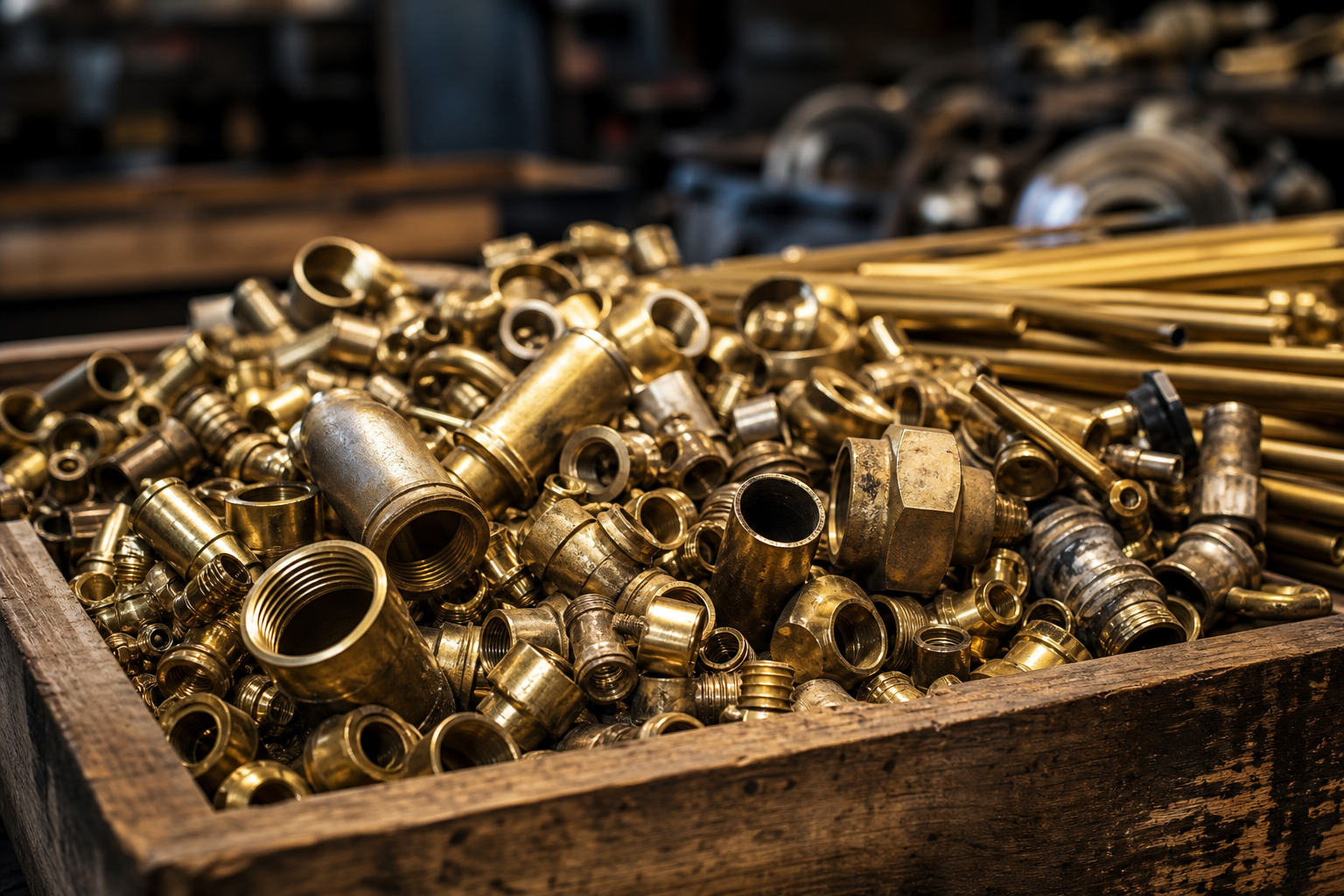
Brass is an umbrella term for multiple copper‑zinc alloys and some bronze‑like mixes. Different alloys have different commercial values. Confusing free‑cutting brass, naval brass or bronze‑like alloys can lead to reclassification at the yard and a lower payout.
- Ask the buyer how they define grades and categories so you know what they will pay for each type.
- Perform simple checks: colour differences, surface texture and a basic magnet test to rule out ferrous metals.
- Separate obvious single‑alloy items such as fittings, radiators and extrusions and label mixed batches so the yard inspects rather than automatically downgrades them.
For practical ID and prep tips, see the brass scrap value tips on the Quick Scrap Metal site.
2. Selling mixed or contaminated brass without cleaning and sorting
Brass mixed with plastics, rubber seals, paint, solder or heavy corrosion will be downgraded and often incurs processing deductions. Removing non‑metal parts and sorting brass from other metals is time well spent.
- Remove screws, plastic inserts and rubber seals and keep them separate from metal bundles.
- Group similar items together, for example all fittings in one bag and extrusions in another.
- Avoid chemical cleaning that creates hazardous waste; simple mechanical cleaning such as brushing or rinsing is usually best.
Consult the brass scrap value tips page for a printable prep checklist before you head to the yard.
3. Accepting a price before checking weighing and scale policy
Agreeing to a price before the item is weighed or inspected is risky. Confirm the yard’s scale procedure: do they use certified scales, will they weigh your empty vehicle first, and do they provide a printed scale ticket you can keep? Disputes often come from unclear weighing practices.
Ask to witness the weigh and request a printed ticket showing gross, tare and net weights. The industry checklist of questions to ask your recycler recommends confirming weighing and settlement procedures as part of routine due diligence.
If you have concerns about weighing or settlement, bring up the Iron and Metals Inc. list of questions to ask recyclers when comparing yards.
4. Not asking how the buyer calculates price and what fees apply
Yards quote prices in different ways: per pound or kilogram, by alloy category, or using a percentage of a market index. Some apply deductions for contamination, cutting or transport. Without clarifying the calculation and fees you cannot compare offers fairly.
- Ask whether the quoted price is per pound or per kilogram and whether it is before or after deductions.
- Find out how they classify mixed, degraded or soldered brass and what deductions apply.
- Confirm settlement method: cash on site, e‑transfer, or delayed payment, and whether ID is required for cash.
Write answers down during each call or visit to compare offers objectively.
5. Overlooking paperwork, ID and e‑waste or appliance rules
Many yards require government photo ID for cash payments and have specific rules for appliances and electronics that contain refrigerants, batteries or PCB components. Appliances often include mixed metals plus hazardous parts.
- Remove batteries and loose hazardous parts before you travel and confirm whether the yard accepts appliances with refrigerant.
- Ask what documentation you will receive for the sale, and keep scale tickets and receipts for your records.
- Call ahead if you are unsure about whether a yard accepts certain e‑waste or appliance items.
Quick Scrap Metal publishes accepted materials and hours so you can plan a compliant drop‑off.
6. Failing to compare local offers and ignoring buyer red flags
Do not assume the first offer is the best. Check at least two local yards so you understand the range of offers in Etobicoke and the GTA. When comparing, use the same set of questions about grading, weighing, fees and paperwork.
- Call two or three yards and note their answers to the same questions.
- Check recent reviews for patterns rather than single complaints.
- Watch for warning signs: vague category definitions, no printed receipts, or evasive answers about scale tickets.
Quick Scrap Metal is one local option; use comparison calls to verify expectations on grade definitions, scale procedures and settlement timing.
7. Overlooking yard logistics, payment timing and what to expect on drop‑off
Plan logistics before you arrive. Know the yard address, hours and whether they accept large loads by appointment. For heavy or bulky loads it is wise to call ahead so staff can allocate scale time and a safe unloading area.
- Bring photo ID for cash payouts, a way to transport sorted material safely, and gloves for handling sharp parts.
- Expect to wait for the scale ticket to be printed and to be asked to separate items during inspection.
- If you disagree with a weigh or classification, ask for the scale ticket and request a manager review.
Quick Scrap Metal lists its Etobicoke address at 407 Rexdale Blvd and publishes extended weekday hours and Sunday opening to help you plan a visit. Call ahead for pickups or large loads.
What to do if a yard’s price seems low

If an offer seems low, stop and ask for a breakdown. Request to see the scale ticket, confirm the grade category and verify deduction reasons. If the yard cannot clearly explain the calculation or refuses to provide written documentation, walk away and compare offers. Small differences in preparation, classification and scale procedure can cost you much more than the time it takes to ask clear questions.
Frequently asked questions
Do I need ID to sell scrap brass in Etobicoke and what forms are accepted
Many yards require government photo ID for cash payouts and record keeping. Bring a driver’s licence or provincial ID and ask the yard in advance what they accept. Calling ahead will save time.
Do household appliances contain brass and will yards pay for it
Some appliances contain brass components such as valves, fittings and connectors. Yards may pay for recoverable brass, but they will deduct for non‑metal components and hazardous parts. Remove batteries and confirm refrigerant handling rules with the yard before drop‑off.
Can I sell mixed brass and expect full value or should I separate items
Separating brass by type and removing non‑metal contaminants generally yields higher value. Mixed or heavily contaminated loads are often downgraded. For step‑by‑step separation tips, see the brass scrap value tips page before you visit.
How do scrap yards weigh brass and what can I do if I dispute the scale
Reliable yards use certified scales and print a scale ticket the customer can keep. Request to witness the weigh when possible and keep the printed ticket. If you dispute the weigh, ask for a manager review and retain the ticket as evidence.
Are scrap brass payouts taxable in Canada and should I keep records
Proceeds from selling scrap may be taxable depending on your overall situation. Keep records such as scale tickets and receipts and consult an accountant about tax treatment if you sell frequently or in large amounts.
Key takeaway and next steps
How much scrap brass is worth depends on grade, cleanliness, market and buyer rules. Avoid the seven common mistakes above by identifying alloys, cleaning and separating material, confirming a yard’s weighing and pricing policies, checking acceptance rules for appliances and e‑waste, comparing local offers, and planning logistics before you go. Start with the brass scrap value tips and the local scrap brass price page on Quick Scrap Metal and call yards ahead to compare answers to the same set of questions.
For local sellers in Etobicoke and the GTA, if you want a quick on‑site quote or more prep guidance visit the brass scrap value tips page, check today’s local brass price, or contact Quick Scrap Metal to confirm hours and acceptance rules.
Brass scrap value tips | Today’s brass price | Quick Scrap Metal
Additional reference: Questions to Ask Your Scrap Metal Recycler by Iron and Metals Inc.