
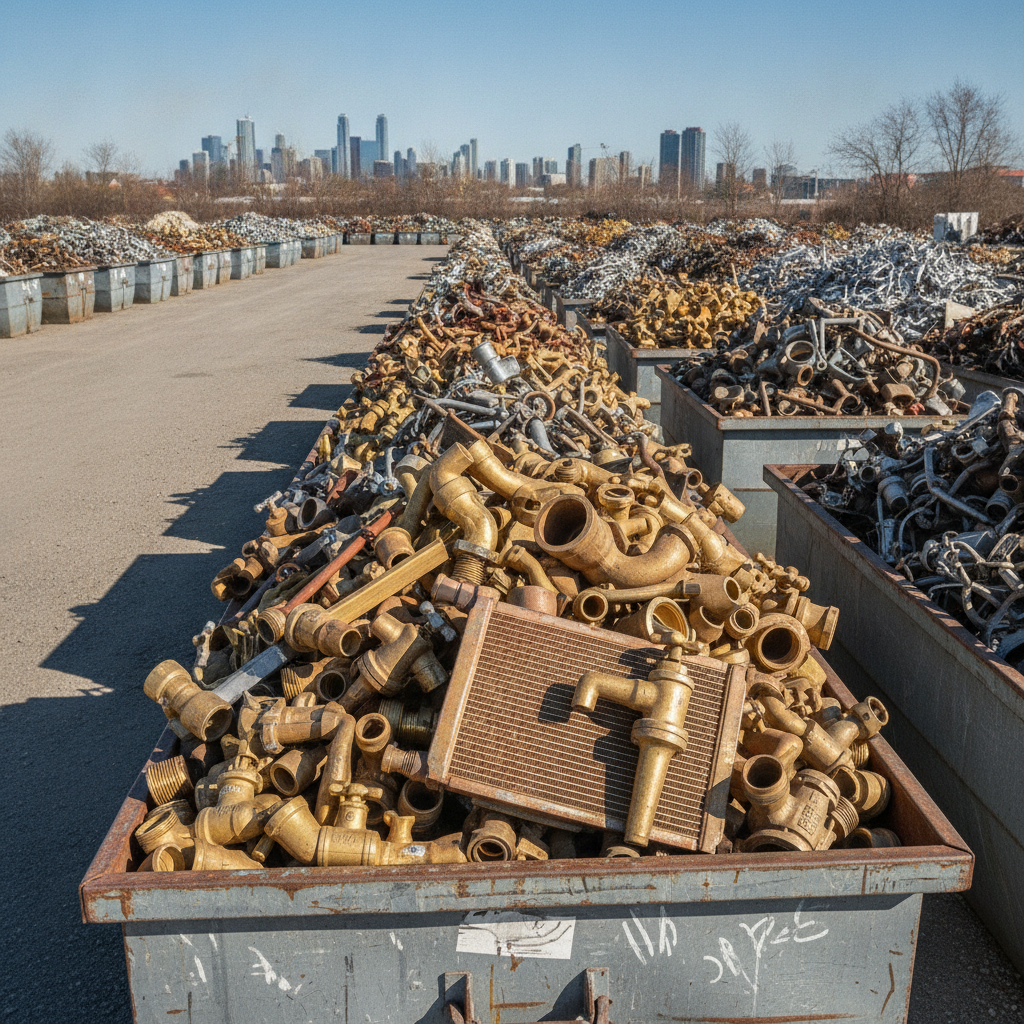
Brass recycling is the collection, sorting, and return of brass alloys—plumbing fittings, valves, faucets, and radiators—back into manufacturing. It saves energy versus new metal and turns renovation leftovers into immediate value. In Etobicoke, Quick Scrap Metal buys brass daily with same-day drop-off and on-the-spot payment—no appointment required.
By Preet Dass — Last updated: 2026-07-10
| In business since | 1986 |
|---|---|
| Service area | Etobicoke, Toronto, Mississauga, Brampton, GTA |
| Hours | Mon–Fri 8:00–19:00; Sat 8:00–17:00; Sun 9:00–17:00 |
| Average rating | 4.1 (Google reviews) |
| Key services | Scrap metal buying, brass recycling, e-waste & appliance recycling, scrap car removal |
| Payments | On-the-spot payouts at drop-off |
| Access | Easy in/out near HWY 27 & Rexdale |
Summary
This guide shows how Etobicoke homeowners, plumbers, and contractors can sort, prep, and drop off brass in one efficient trip. You’ll learn practical grades (red, yellow, plumbing), what we accept, our scale/payout flow, and yard-tested timing tips to get in and out fast—even on weekends.
If you just ripped a bathroom or cleared a job site, you probably have a truck bed of mixed faucets, hose bibbs, and valves. We’ll help you decide what to tear down, what to toss in a mixed bucket, and whether today’s load is worth the drive right now—or better to stack for your next visit.
What Is Brass and Why Recyclers Want It
Brass is a copper–zinc alloy that holds quality through many recycling loops. It’s common in household plumbing and HVAC parts, so it’s a steady non-ferrous category that reliably converts clutter into value for the public and trades.
Real-world cue: brass feels dense in your hand. Scratch it—under the finish you’ll see yellow to reddish metal. It machines easily and resists corrosion, so manufacturers reuse it. For a local overview of how we process metals in Etobicoke, see our scrap metal recycling guide.
Brass Grades That Pay: Red Brass vs Yellow Brass vs Plumbing Brass
On our scales, most brass falls into three buckets: red brass (older, heavier valve bodies), yellow brass (faucets and hose bibbs), and plumbing brass (mixed faucet bodies once easy attachments are removed). Clean separation keeps weighing quick and accurate.
How to spot each grade fast
- Red brass: Heavier for its size; darker, reddish tone after a scrape. Think 1970s–1990s gate valves and chunky boiler-room fittings.
- Yellow brass: Bright yellow once you scratch past lacquer. Typical for hose bibbs, keys, and many modern faucet bodies.
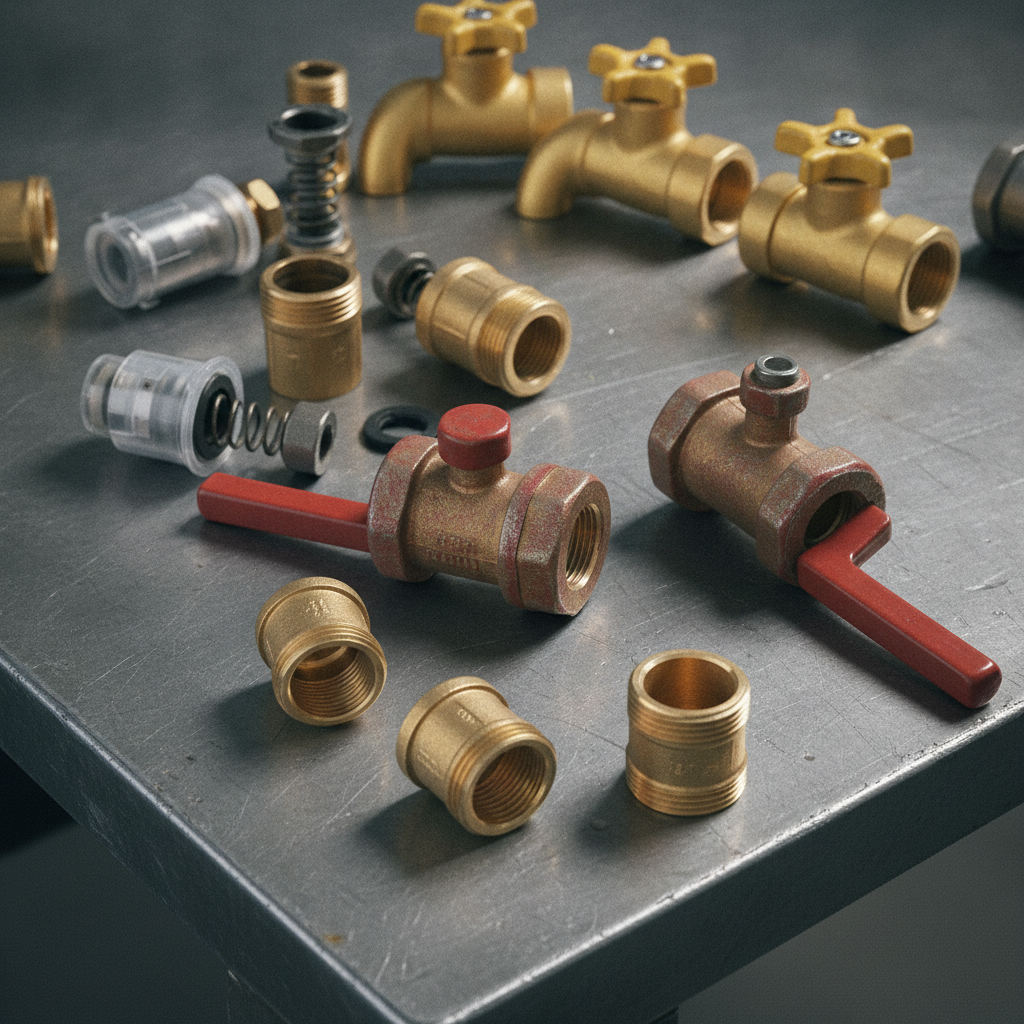
- Plumbing brass (mixed): Faucet bodies that still need cartridges or screws pulled. If teardown slows you down, toss them here and keep moving.
Weight gut-checks we see daily: a faucet body runs about 0.4–0.6 lb, a hose bibb around 0.3–0.5 lb, and a radiator core often 8–12 lb. One core is usually worth a solo run; a single faucet can wait until you’ve got at least a dozen. For background on market drivers, our brass scrap price overview shares trend factors without listing fixed numbers.
What Quick Scrap Metal Accepts (Faucets, Fittings, Valves, Radiators and More)
Bring faucets and bodies, shut-off valves, hose bibbs, backflow parts, radiator and heater cores, and clean brass fittings. We also buy copper, aluminum, and stainless—and accept appliances and electronics—so you can clear more in one visit.
- Plumbing brass: faucet bodies, compression fittings, P-traps, valve bodies, and brass cartridges. See an example of a typical brass P-trap replacement plumbers often bring in after jobs.
- HVAC/auto: radiator and heater cores. Engines/auto cast are separate categories. If the vehicle is end-of-life, licensed partners offer scrap car services that complement a yard drop-off.
- Other non-ferrous: copper pipe/wire, aluminum (plate/extrusion), stainless steel. Contractors who handle reinforcement often coordinate metal offcuts with site deliveries from reinforcement suppliers—keep metals sorted to speed weighing.
Unsure if a piece is brass? Scratch the surface and do a quick magnet test. Our team will confirm at the scale in seconds. If you’re stacking items for a future run, scan our running scrap metal prices overview for context.
How to Sort and Prepare Your Brass Before Drop-Off
Make three buckets (red, yellow, plumbing/mixed), remove obvious non-brass attachments, and keep brass separate from copper or aluminum. Ten minutes of prep at home prevents avoidable downgrades and shortens your time in the yard.
Pro sorting checklist
- Step 1: Three buckets—label them so helpers toss items where they belong.
- Step 2: Pull attachments—steel screws, chrome-plated steel trim, plastic handles, rubber washers, and hoses.
- Step 3: Quick trim—cut attached pipe close to the fitting; no need to polish.
- Step 4: Bag smalls—cartridges and stems get lost easily; bag them if they’re brass.
- Step 5: Don’t overthink it—if you’ve got only a handful, toss them in plumbing/mixed. Time matters more than perfect sorting on tiny piles. Our Etobicoke brass notes highlight what affects grades day-to-day.
Operator opinion: if your brass doesn’t at least cover the bottom of a 5‑gallon bucket, fold it into your next load—unless you’re already passing the yard. The extra trip rarely beats stacking until you’ve got a meaningful bin.
Free yard walkthrough: First time selling brass? Ask our staff for a 60‑second tour of the non‑ferrous scale and unloading zone. We’ll point you to the right bins so your trip is two stops: weigh and payout.
How the Drop-Off and Payment Process Works
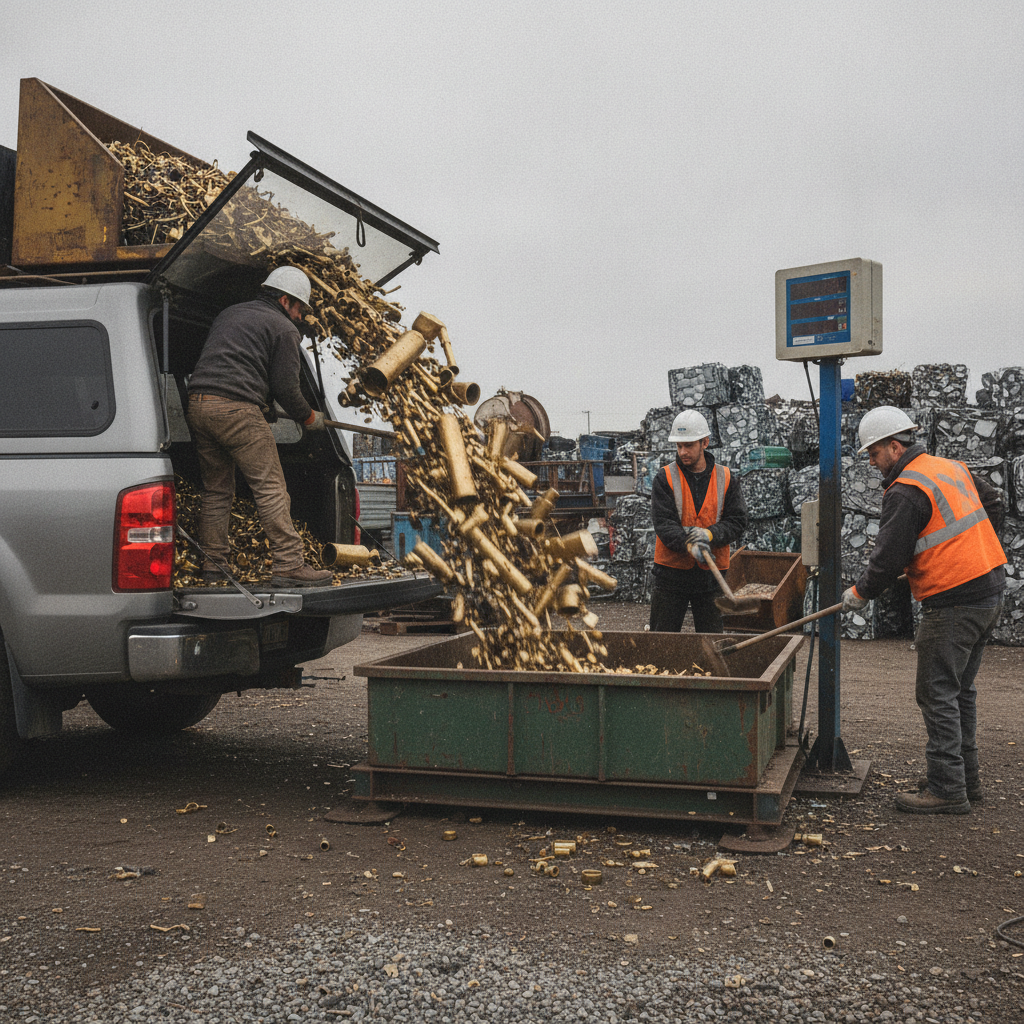
Pull in, follow signs to non‑ferrous, and unload into marked bins. We weigh each brass grade separately, review your ticket with you, and pay on the spot. Pre‑sorted buckets turn a pile into a quick weigh-and-pay visit.
- Arrival: Keep kids and pets in the vehicle; follow staff to the non‑ferrous scale.
- Weigh‑in: We weigh by grade; you can view the readout on request.
- Ticket review: Confirm grades/weights; we’ll re‑weigh anything that looks off.
- Immediate payout: Finish simple paperwork and you’re done.
Safety and flow at the scale
- Use gloves—cut edges on trimmed fittings can be sharp.
- Stage bins in unload order (brass first, then copper, then aluminum).
- Load appliances/e‑waste last so we can clear brass quickly. Our yard overview shows typical flow.
Weekday mornings are usually fastest. Sundays help when weekday work runs late. If you’re weighing broader market context for timing, our scrap metal prices overview explains drivers without quoting fixed numbers.
Local Tip: What Toronto-Area Contractors and Homeowners Should Know
Weekend traffic near major shopping hubs can slow yard entry. Early drop-offs and clearly labeled buckets keep you moving. If you’re mixing brass with copper/aluminum, stage bins in the order you’ll unload.
Beat nearby traffic and breeze through
On weekends near Woodbine Mall & Fantasy Fair, mid‑day traffic can back up lights. Aim for mornings. If you’re coming from the Flagstaff Park side streets, add a few minutes for signals so your timing stays tight.
Local considerations for Etobicoke
- Early weekday drop‑offs shorten wait times and avoid mall surges.
- Winter loads: knock off ice/snow so brass weighs right and unloads safely.
- Bringing mixed materials? Stage brass, copper, and aluminum in separate bins for faster weighing.
Brass Recycling FAQ
These quick answers cover what first‑timers ask most—what’s brass, how to prep it, and whether you need an appointment. If you’re unsure on an item, our team can check it at the scale in seconds.
What items are considered brass for recycling?
Faucets, valves, hose bibbs, cartridges, radiator/heater cores, and many plumbing fittings. If a magnet doesn’t stick and the scratched surface looks yellowish or reddish, it’s likely brass. Bring it—we’ll confirm on site.
Do I need to remove non-brass parts before drop-off?
Yes where it’s quick: steel screws, chrome‑plated steel trim, plastic handles, and rubber washers. Tight on time and only have a few pieces? Toss them in plumbing/mixed and go—the extra sorting isn’t worth a second trip.
Can I bring brass with other materials in one trip?
Yes. We also buy copper, aluminum, and stainless, and accept appliances and electronics. Keep each metal in its own container and load e‑waste or appliances last to speed offloading after the scale.
Do I need an appointment?
No appointment is needed. Drive in during posted hours, follow yard directions, and we’ll guide you. Pre‑sorted loads usually wrap in minutes.
Key Takeaways
Sort brass into red, yellow, and plumbing/mixed. Remove easy non‑brass, keep metals separate, and aim for early drop‑offs. Radiator cores are worth a solo trip; a couple of faucets can wait for your next load. That’s the fastest path to smooth brass recycling.
- Brass retains value through many recycling loops.
- Tactile checks—weight and color under a scratch—beat guesswork.
- Prep takes minutes and prevents avoidable downgrades.
- Extended hours—including Sundays—fit real‑world job schedules.