
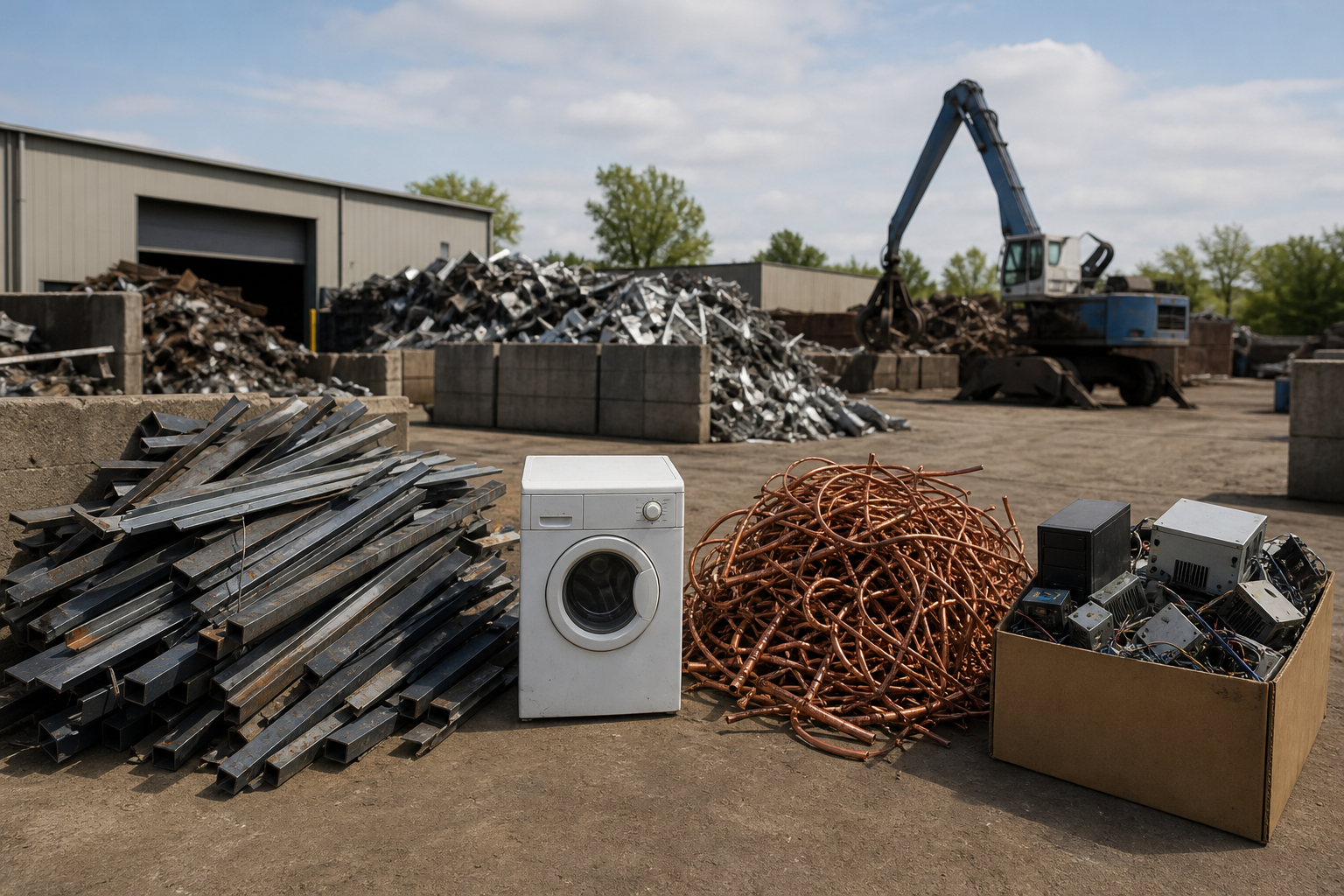
For an ordinary GTA scrap-metal transaction, environmental recycling documentation should include a clear material description, seller or business details, weight information, and a receipt or payment record. Vehicles, batteries, refrigerant equipment, tanks, contaminated materials, and commercial loads may need additional confirmation. Related reading: Mould Remediation Documentation Templates: What to Record Before, During, and After Cleanu….
“Environmental recycling documentation” is useful search language, but it is not the name of an official Ontario program. In practice, it means the records showing what material moved, who transferred it, how it was weighed or paid for, and whether additional handling or regulatory documents may apply.
What Environmental Recycling Documentation Means in the GTA
A recycling record may be a simple receipt for sorted steel or a commercial file containing an inventory, weight records, transfer details, photographs, invoices, and special-material communications. The appropriate record depends on the material, transaction, customer, and reason the evidence is needed.
Ontario describes a waste-processing site as one that manages or prepares waste for reuse or disposal, including sites where received waste is altered. Its Environmental Compliance Approval guidance covers activities such as waste, air, noise, and sewage. A customer should not infer a facility’s approval status or their own legal obligations from an ordinary scrap receipt. See Ontario’s waste-processing guidance.
Ontario’s resource-recovery framework also addresses the creation, maintenance, storage, and availability of documents or data. Organized records can therefore help with business files, property cleanouts, customer reporting, insurance questions, and sustainability reporting. Review Ontario’s resource-recovery legislation for the statutory framework.
The Basic Record Bundle for an Ordinary Scrap Load
For a household or small-business load, build a file that answers five questions: what moved, who transferred it, when and where it moved, how much was weighed, and what transaction occurred.
- Material description: List steel, cast iron, copper wire, aluminum, brass, stainless steel, appliances, and electronics separately.
- Source or ownership: Note the property, job, customer, or owner connected to the material.
- Date and location: Record the pickup or drop-off date and receiving location.
- Weight information: Retain gross, tare, and net weights where provided.
- Transaction record: Keep the receipt, invoice, payment record, or written confirmation.
- Service details: For pickup, retain the address, load description, job number, access notes, and preparation instructions.
Quick Scrap Metal buys scrap metal, appliances, electronics, and qualifying scrap vehicles at 407 Rexdale Blvd in Etobicoke. Its published information describes pricing based on material type, grade, weight, market conditions, and preparation. Ask what documentation is available before transporting an unusual or commercial load. Its scrap pricing information explains why accurate material descriptions matter.
Receipts Are Not Regulatory Documents
| Record | What it usually shows | What it does not automatically prove |
|---|---|---|
| Receipt | A transaction or payment occurred. | Every environmental, tax, insurance, or regulatory requirement was met. |
| Invoice | The parties, materials or services, price, and date. | Downstream processing occurred at a particular facility. |
| Weight ticket | Recorded gross, tare, and net weights. | The load was legally accepted or completely recycled. |
| Transfer record | Material moved between parties or locations. | A permit, approval, or special-handling requirement was satisfied. |
| Manifest | Information about a regulated movement where applicable. | Every scrap-metal load needs one. |
| Recycling certificate or proof of disposition | A specific statement issued by an authorized party. | One is issued for every material or transaction. |
| ECA or EASR registration | A facility or activity’s approval or registration pathway. | A customer receipt substitutes for that approval or registration. |
Ontario’s waste-management framework covers hazardous and non-hazardous waste, recycling, source separation, and industrial, commercial, and institutional waste. Requirements vary with the material and activity, so treat a scrap receipt as a transaction record, not a universal compliance document. See Ontario’s waste-management guidance.
Ontario also explains that prescribed end-of-life vehicle activities may use Environmental Activity and Sector Registry registration instead of an Environmental Compliance Approval application when applicable rules and operational requirements are met. This concerns regulated activities and facilities. It does not mean every vehicle owner needs EASR registration. The end-of-life vehicle EASR guide explains the distinction.
Documentation by Material
Use this matrix as a planning tool. “Request” means a useful transaction record. “Confirm” means stop before loading or transport until the route is clear.
| Material | Prepare | Request or retain | Confirm |
|---|---|---|---|
| Steel, cast iron, copper, aluminum, brass, stainless steel | Separate categories, identify grade or form where known, and photograph large loads. | Material description, weights, receipt or invoice, and payment record. | Acceptance of mixed, coated, sealed, oversized, or contaminated pieces. |
| Appliances | Record type, condition, quantity, and visible components. Do not dismantle hazardous parts. | Pickup or drop-off details, description, weight or transaction record, and handling instructions. | Refrigerant, oil, batteries, sealed systems, damaged units, and acceptance. |
| Electronics | Inventory computers, monitors, televisions, boards, peripherals, and data-bearing devices. | Item description, transfer date, receipt or invoice, and any separately issued data-destruction record. | Broken screens, swollen batteries, mercury components, and unusual equipment. |
| End-of-life vehicles | Record VIN, make, model, condition, ownership, missing parts, and pickup details. | Ownership documents where requested, vehicle information, valuation or weight record, receipt, and payment record. | Ownership requirements, access, plates, missing major components, and pickup terms. |
| Batteries and lead | Identify type and inspect without opening, puncturing, or repairing. Keep intact batteries upright. | Material description, transfer record, receipt, and handling confirmation. | Leaking, cracked, swollen, hot, damaged, or unknown batteries. |
| Refrigerant equipment | Identify the equipment and leave the sealed system intact. | Equipment description, acceptance confirmation, service record, and transaction record. | Recovery, qualified service, special transport, or another route. |
| Tanks and cylinders | Record type and former contents if known. | Written acceptance or handling instructions and final transaction record. | Contents, pressure, valves, residue, and specialized preparation. |
| Contaminated or mixed loads | Separate known contaminants and describe source, substance, and condition. | Acceptance communications, transfer details, and any issued regulated documents. | Acceptance, packaging, transport, and documentation before loading. |
For appliances, Quick Scrap Metal describes evaluation by weight, metal mix, condition, and completeness. For vehicles, identity, ownership, weight, completeness, metal mix, and pickup or drop-off details can affect the process. These factors help you prepare a useful description, but they do not promise a particular document or legal outcome.
Record Bundles by Reader Situation
Homeowners and property managers
Photograph bulky appliances and unusual items, list quantities, note the property address, and save the pickup confirmation or drop-off receipt. Record refrigerators, air conditioners, batteries, damaged electronics, and unknown tanks separately. Ask about acceptance. A receipt for the rest of the load does not document an item that was refused or diverted.
Contractors and demolition teams
Build the file around the job. Include the customer, project address, date, driver, photos before removal, material categories, estimated quantities, and receiving location. Retain weight tickets, invoices, receipts, dispatch notes, and written acceptance decisions.
If a customer needs proof for project closeout or sustainability reporting, ask in advance what detail is expected. Do not promise a recycling certificate that may not be available.
Auto businesses and vehicle owners
For an end-of-life vehicle, record the VIN, ownership, make and model, condition, missing parts, location, access constraints, and service terms. Keep the transaction record and any vehicle-specific document actually issued. Quick Scrap Metal’s scrap car documentation guidance outlines the information to organize before pickup or drop-off.
Recurring commercial accounts
Use a job number or account reference, consistent material names, driver and vehicle details, dates, photographs, weights, receipts, invoices, payment records, and notes about rejected or diverted material. Keep regulatory approvals, registrations, manifests, and downstream certificates separate from ordinary transaction records.
The Documentation Workflow

1. Inventory the load
List identifiable materials before loading. Record quantity, condition, source, and missing or sealed components.
2. Separate ordinary and special materials
A copper-and-steel load is mainly a sorting issue. Leaking batteries, refrigerant systems, unknown cylinders, and chemical residue create an acceptance and safety question first.
3. Confirm acceptance and terms
Describe the load accurately. Ask whether it is accepted, whether pickup or drop-off is available, whether sorting is required, and what record will be supplied.
4. Record weighing and payment
Check the date, material categories, units, gross, tare, and net fields where a weight ticket is supplied. Retain the receipt, invoice, payment record, or transaction confirmation.
5. Reconcile the file
For commercial work, match weights to the job, driver, vehicle, invoice, and payment. Note rejected, reclassified, diverted, or separately handled material.
6. Store the records
Use consistent file names containing date, job number, material, and destination. Retention periods and reporting duties depend on the organization and material, so do not apply one universal period.
Special Materials Need Extra Confirmation

Stop before moving material that is damaged, pressurized, sealed, leaking, contaminated, or difficult to identify. Do not dismantle, puncture, drain, vent, burn, crush, or cut an item if doing so could release refrigerant, acid, oil, mercury, chemical residue, pressure, or battery contents.
- Damaged batteries: Describe leaking, hot, swollen, or cracked units before arranging a route.
- Refrigerants: Leave sealed cooling systems intact and ask about recovery and acceptance.
- Mercury components: Do not break switches, lamps, displays, or other potentially mercury-containing parts.
- Tanks and cylinders: Disclose unknown contents and pressure. Do not modify the container.
- Contaminated metal: Describe the substance and source. Do not mix it with clean scrap.
- Unusual electronics: Identify whole equipment, boards, monitors, batteries, and data-bearing devices separately.
For circuit boards and unusual electronic loads, organize an inventory and disclose the condition before transport. See printed circuit board recycling guidance for preparation considerations.
Four Practical GTA Record Scenarios
Homeowner with a washer and mixed metal
Hypothetical file: List the washer, copper-coloured plumbing, steel shelving, and computer. Photograph the washer and computer, separate categories, record the property source, confirm acceptance, and retain the weight or transaction record. The file proves what was transferred, not a particular downstream treatment unless documentation was issued.
Contractor with demolition steel and copper
Hypothetical file: Use the project address and job number, photograph separated piles, record crew and vehicle details, list material categories, and retain weights and invoices. A clean payment record does not automatically constitute a manifest, environmental approval, or proof that all demolition waste was recycled.
Owner arranging vehicle pickup
Hypothetical file: Record VIN, ownership, condition, missing parts, pickup address, access restrictions, and agreed terms. Retain payment or transfer records and any vehicle-specific document issued. These records support identity and the transaction but do not establish every provincial or municipal requirement.
Business sending recurring mixed loads
Hypothetical file: Use an account reference, consistent categories, driver and date, weights, receipts, invoices, and notes about batteries or refrigerant equipment. A repeatable internal file creates an audit trail but does not replace a permit, registration, manifest, or specialized record where one applies.
Questions to Ask Before Pickup or Drop-Off
- Is each material accepted, including appliances, electronics, batteries, refrigerant equipment, tanks, and damaged items?
- Is pickup or drop-off available for this quantity, condition, and location?
- Should materials be separated before arrival?
- How will each category and weight be recorded?
- Will the transaction produce a receipt, invoice, weight ticket, payment record, or other document?
- Can a job number, account reference, property address, or VIN appear on the record?
- What should happen to batteries, refrigerants, tanks, mercury components, or contamination?
- If an item is refused, will that decision or alternative route be documented?
- Which records should the customer retain?
For appliance-specific preparation and transport considerations, review safe appliance recycling preparation before arranging a trip.
Retention Checklist
- Date, time, and pickup or drop-off location.
- Seller, owner, customer, or company name.
- Property address, job number, account reference, or material source.
- Material categories, quantities, condition, photographs, and inventory.
- Acceptance confirmations and special-material communications.
- Gross, tare, and net weights or other measurement records.
- Receipt, invoice, payment record, and delivery details.
- VIN, ownership information, and vehicle records where relevant.
- Notes about refused, diverted, reclassified, or separately handled material.
- Any manifest, certificate, proof of disposition, or downstream record actually issued.
If a record was not issued, label it as unavailable and retain your own inventory, photographs, communications, and transaction evidence. Confirm formal tax, insurance, customer-reporting, environmental, and retention duties for your organization and material.
Frequently Asked Questions
Is a scrap-metal receipt the same as a recycling certificate?
No. A receipt normally records a transaction or payment. A recycling certificate or proof of disposition is separate and may be issued for a particular material or service.
Do businesses need a manifest for every scrap-metal load?
Not necessarily. Ordinary scrap transactions and regulated-material movements do not automatically use the same paperwork. The answer depends on the material, activity, parties, and applicable requirements.
What should I request for an end-of-life vehicle?
Prepare the VIN, ownership information, vehicle description, condition, pickup or drop-off details, and records supplied for weight, valuation, payment, or transfer. Ask which vehicle-specific documents are available.
What changes for batteries, refrigerants, tanks, or contaminated metal?
Use a stop-and-confirm process. Disclose the type and condition, avoid releasing contents, and ask about acceptance, packaging, transport, specialized handling, and issued records.
How long should a business keep scrap-recycling records?
There is no single period for every business, material, and reporting purpose. Set retention using your organization’s tax, customer, insurance, environmental, and recordkeeping obligations.
What should I ask before commercial pickup?
Ask whether the material is accepted, what must be separated, how weights and categories are recorded, which receipt or invoice is supplied, whether a job reference can be used, and which records you should retain.
Plan Your Next GTA Scrap-Recycling Transaction
Start with an inventory, separate ordinary metal from special materials, and identify the records your household, customer, insurer, or business file requires. Confirm acceptance and documentation before loading anything damaged, sealed, pressurized, contaminated, or regulated.
Quick Scrap Metal buys and recycles metals, appliances, electronics, and qualifying scrap vehicles from 407 Rexdale Blvd in Etobicoke. Contact Quick Scrap Metal about its scrap-metal recycling services.