
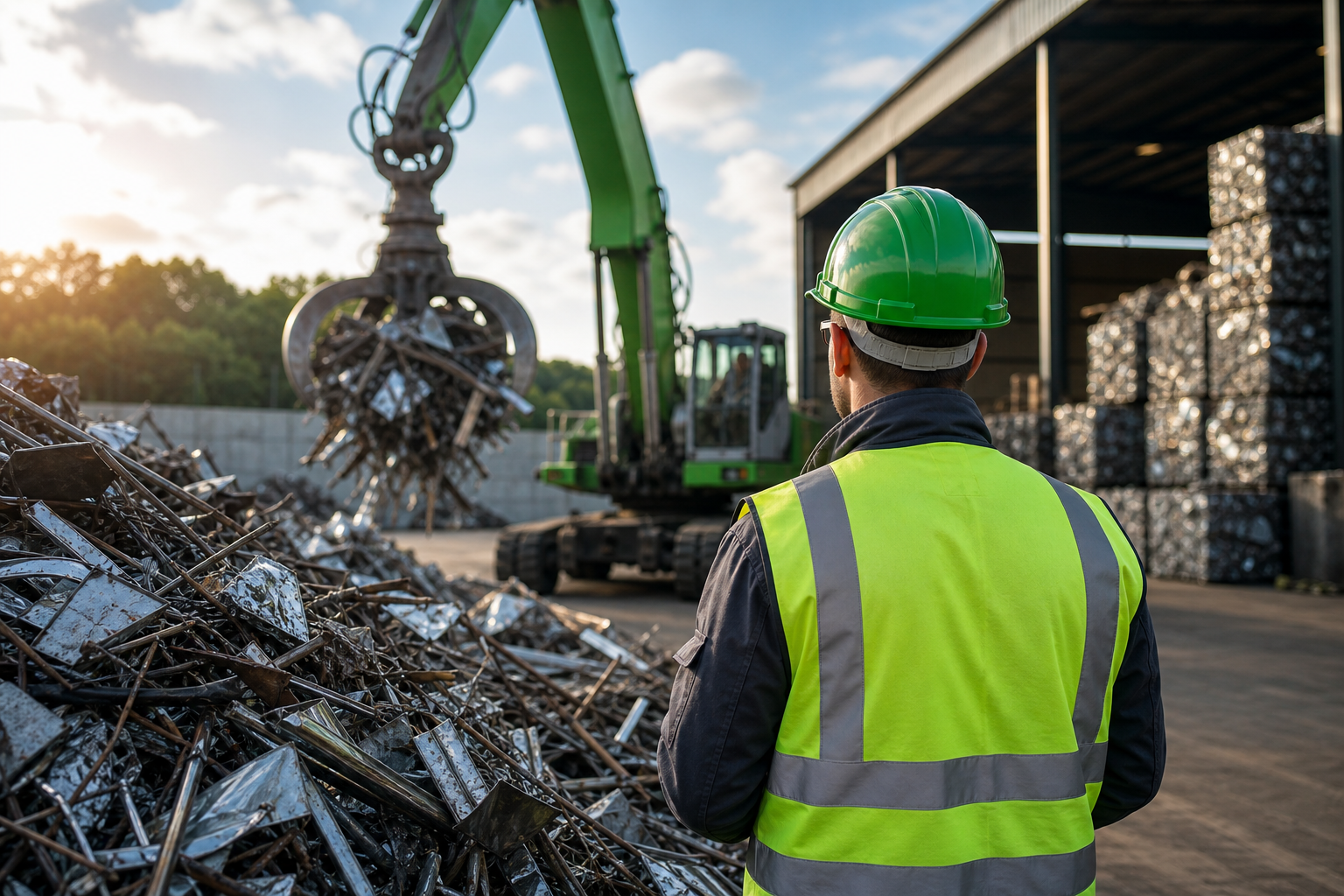
If you have old appliances, copper wiring, scrap cars, or e-waste to remove, choosing an eco-friendly metal recycler protects the environment and preserves the material value of your metals. This article gives five clear steps you can follow today to evaluate local recyclers in Etobicoke and the GTA, prepare materials for drop-off or pickup, verify environmental claims, and finish the transaction with documented paperwork. For related first-party details, review Metal Recycling Centers in Etobicoke: What Pays Best in 2026?.
What eco-friendly metal recycling means and why it matters
The waste hierarchy and where recycling fits
Recycling is one part of a larger approach that prioritizes prevention, reuse, repair and recovery before disposal. That waste hierarchy is the standard recommended by Environment and Climate Change Canada for municipal solid waste planning, and it helps explain why selecting a recycler that reduces contamination and returns materials to manufacturers is important for overall waste reduction (reducing.html).
Energy and resource benefits of recycling metal
Metals such as aluminum and steel are infinitely recyclable without quality loss, and recycling them saves substantial energy compared with making metal from virgin ore. Properly sorted and cleaned metals keep recycling streams efficient and ensure your material has value to downstream processors, which supports lower emissions and fewer raw-material extractions (Let’s Go Green).
Step 1: Inventory what you have and screen for hazardous items
Common household and trade items to sort
Start with a quick inventory: separate ferrous metals (steel, iron) from non-ferrous metals (copper, aluminum, brass), list appliances (washers, dryers, ranges), and note electronics (TVs, computers, printed circuit boards). Knowing what you have before you call or visit saves time and helps a recycler advise on safe handling. Quick Scrap Metal publishes that it accepts a wide range of ferrous and non-ferrous metals, appliances, and electronics, which is useful when planning a local drop-off or pickup (Quick Scrap Metal).
Hazardous items and special handling
Certain materials require special handling or cannot be accepted without prior notice. Examples include lithium batteries, mercury-containing devices, fluorescent tubes, and some refrigerant-containing appliances. Mark these items and contact the recycler ahead of time to confirm acceptance and any special unloading procedures. Removing hazardous items improperly creates safety and environmental risks.
Step 2: Verify a recycler’s eco practices and credentials

What to ask or look for
When a recycler claims to be eco-friendly, ask for specific practices rather than marketing phrases. Useful questions include: do you provide documentation about where materials are sold or processed, do you use segregated storage for e-waste, and do you have policies for hazardous components? Suppliers that disclose recycled-content handling, waste reduction measures, and downstream processors demonstrate more credible environmental practice (Dewintech).
Third-party evidence and transparency
A meaningful sign of responsibility is transparent reporting: weigh tickets, material receipts, or examples of certificates sent to downstream recyclers. Independent audits, certifications, or clear written procedures for e-waste disposal are stronger evidence than unverified claims on a website. Use supplier evaluation criteria such as licensing, compliance records, and documentation systems when making a decision (P&T Metals).
Step 3: Inspect the site and ask specific questions on arrival
Questions to ask front-line staff
On arrival, use a short checklist of practical questions: how is my material weighed, are posted rates or a pricing method available, will I receive a weigh ticket and receipt, and how do you separate non-metal contaminants? Ask whether e-waste is kept in covered containers and whether batteries are removed before processing.
Operational checks and documentation to request
Look for organized separation areas for ferrous and non-ferrous metals, a designated e-waste containment area, and evidence that staff wear appropriate personal protective equipment. Request a printed weigh ticket and a receipt that lists the material type and gross weight. For businesses or high-volume sellers, ask whether the recycler provides regular reports or traceability documentation so you can confirm responsible downstream processing (P&T Metals).
Step 4: Prepare, separate and clean materials before drop-off or pickup
How to separate ferrous from non-ferrous
Separate and label bundles where possible. Ferrous metals (magnetic) include most steel items. Non-ferrous metals such as copper, brass and aluminum are non-magnetic and typically have higher value. Removing non-metal attachments such as wooden handles, plastic housings, rubber hoses, and heavy paint patches increases material value and reduces contamination risks.
Simple cleaning and contaminant removal
Remove loose dirt, heavy oils, and obvious non-metal contaminants before you go. Clean, separated metal is easier and cheaper to process and less likely to be rejected. Recycling guides recommend removing plastics, adhesives and wood where practical to preserve quality and recycling value (Let’s Go Green).
Packaging and safety tips for bulky items and e-waste
Securely fasten loose parts and drain fluids from appliances when safe to do so. For e-waste, remove removable batteries and store them in separate, non-conductive containers. If you are unsure about draining or disassembling, ask the recycler for guidance — some sites offer assistance or specific drop-off instructions. Quick Scrap Metal lists many accepted household appliances and electronics on its site, so confirm acceptance before you transport bulky loads (Quick Scrap Metal).
Step 5: Compare pricing, payment and documentation rules

Transparent pricing methods to prefer
Prefer recyclers who use clear, material-specific weighing with printed tickets or receipts. Some yards post sample rates or explain their pricing method; others base payment on current market rates but still provide a weigh ticket and an itemised receipt. If you need a firm quote for a large load, request it in writing before you arrive.
Payment methods and record keeping
Decide whether you need cash on the spot or an electronic payment. Quick Scrap Metal advertises on-the-spot cash payouts, but it is reasonable to confirm payment options and identification requirements before you travel. Keep the weigh ticket and receipt for your records, especially for business disposal, tax or warranty purposes (Quick Scrap Metal).
When documentation matters most
If you are disposing of a vehicle, selling high-value non-ferrous loads, or acting on behalf of a business, request full documentation including the weigh ticket, a description of materials sold, and the recycler’s contact information. That documentation supports traceability and helps resolve any later questions about pricing or disposal.
Common objections and how to avoid problems
Pricing discrepancies — how to reduce risk
If a price seems low, ask to see the weigh ticket and the method used to separate materials. Avoid unloading large loads before you confirm the pricing method. When in doubt, ask to speak with a manager and keep a photo of your materials before unloading.
On-site confusion or poor traffic flow
Yards can be busy. If staff give conflicting directions, pause the unload and ask for a manager. Good recyclers will explain the flow and assign a safe unloading spot. If the site seems chaotic and staff cannot provide clear directions, consider rescheduling your visit or requesting pickup.
When to walk away
Do not proceed if a recycler refuses to provide a weigh ticket, cannot describe downstream processing for e-waste, or discourages questions about hazardous items. Transparency and documentation are essential for both fair payment and environmental responsibility (P&T Metals).
Local next steps: a quick checklist before you go
Before you leave home
- Sort metals by type and remove obvious non-metal contaminants.
- Secure loose parts and drain fluids from appliances if you can do so safely.
- Separate batteries and label hazardous items to discuss with staff in advance.
- Bring a copy of ID and, for business sellers, any purchase orders or account info.
- Take photos of bulky loads to document condition and contents.
What to bring to Quick Scrap Metal at 407 Rexdale Blvd
If you plan to drop off at Quick Scrap Metal, note the yard is located at 407 Rexdale Blvd in Etobicoke and serves the broader GTA. The company accepts ferrous and non-ferrous metals, appliances and many electronics; confirm current hours and acceptance policy on their website before you travel (Quick Scrap Metal).
How to book or call for a pickup or quote
For large or bulky loads, call ahead to confirm pickup availability, current acceptance of specific e-waste items, and whether any special preparation is required. If you need documentation for business purposes, request it when you call so staff can prepare the proper receipts.
Frequently asked questions
What counts as hazardous e-waste and who handles it in Etobicoke?
Hazardous e-waste includes lithium batteries, mercury devices, certain fluorescent tubes and appliances with refrigerants. Many scrap yards will accept these only with prior notice and special procedures. Contact your recycler before bringing hazardous items so they can confirm acceptance and safe handling procedures.
Do I need ID or proof of ownership to sell a scrap car or appliances?
Identification and proof of ownership requirements vary by yard and by item. For scrap cars you typically need title or proof of ownership. For appliances, a photo ID is commonly requested. Ask the recycler in advance to avoid delays at the yard.
How should I separate and prepare copper, aluminum and steel before drop-off?
Separate non-ferrous metals from ferrous metals and remove non-metal attachments where practical. Keep copper and aluminum in separate bundles if possible, and remove insulation from wiring if you can do so safely. Clean, separated materials are less likely to be rejected and often fetch better returns.
Will I get a written weigh ticket or receipt when I sell scrap metal?
Reputable yards provide a printed weigh ticket and a receipt that lists material type and weight. Request these documents before you accept payment, and keep them for your records, especially if you are selling as a business.
How can I verify a recycler actually recycles my electronics responsibly?
Ask for details about how e-waste is stored, whether hazardous components are removed, and where materials are sent after processing. Request any available documentation or examples of certificates used for e-waste handling. Look for transparency rather than vague marketing language when evaluating claims (Dewintech).
Ready to recycle? Visit Quick Scrap Metal online or call the yard to confirm hours, accepted materials and your best drop-off or pickup option. Whether you have a trailer of mixed metals, a single appliance, or electronics to recycle, a quick call will help you prepare and complete the transaction responsibly.