
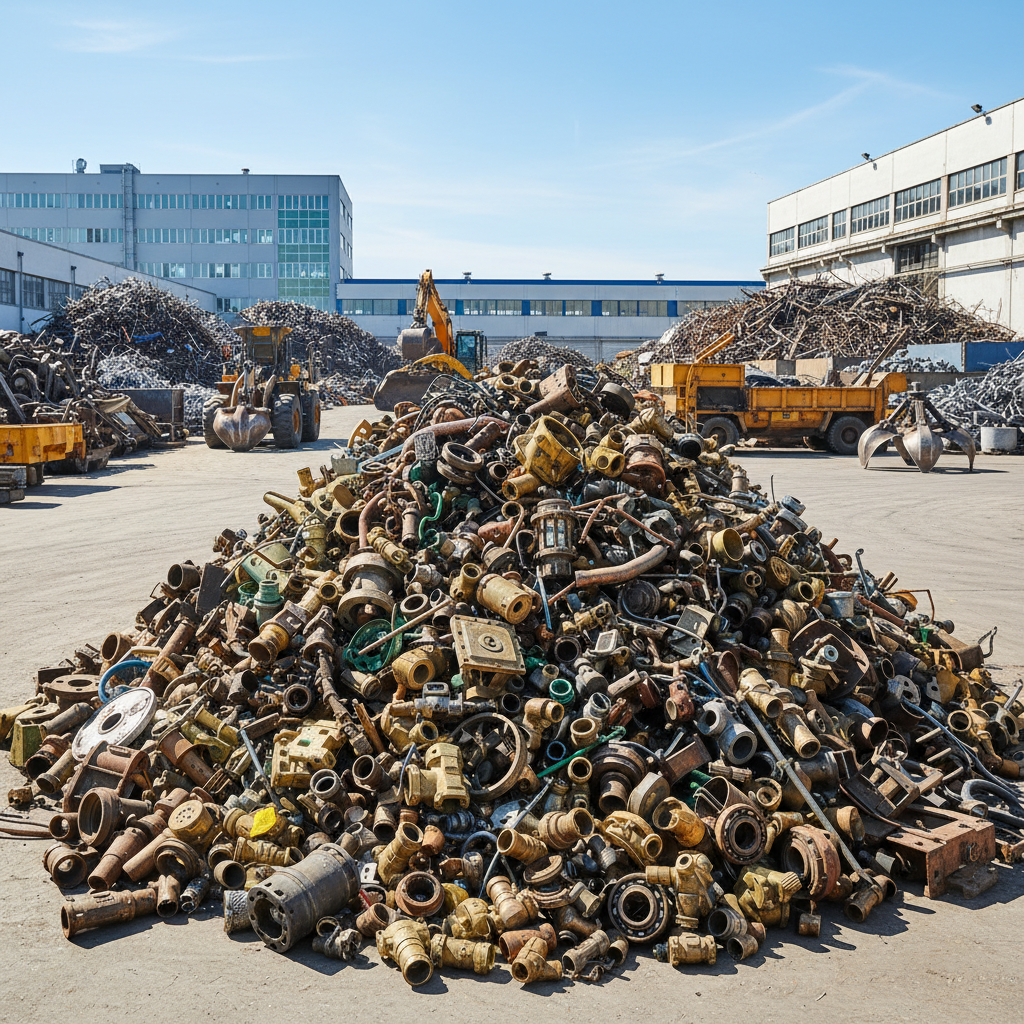
The price of bronze is the market value paid for bronze alloys when you sell them as scrap, and it changes with metal markets, alloy type, and cleanliness. At Quick Scrap Metal (407 Rexdale Blvd, Etobicoke), we weigh your bronze accurately, separate grades, and pay on the spot so you turn clutter into cash fast.
By Preet Dass | Last updated: May 22, 2026
Bronze prices at a glance
Bronze prices reflect alloy content, condition, and real-time demand for copper and tin. Clean, sorted bronze typically earns more than mixed or contaminated material. Sellers maximize value by separating red vs. yellow alloys, removing steel attachments, and bringing larger, dense pieces that scale efficiently.
- What drives value: Copper and tin content, overall purity, and current market sentiment.
- What you control: Sorting by alloy, cleaning off non-bronze parts, and packing for quick, safe unloading.
- What we do: Accurate grading and weighing, clear communication, and immediate payout once material is verified.
- Expected variability: Day-to-day movement based on commodity markets; seasonality and local supply can also influence demand.
- Local advantage: Our Etobicoke yard is easy to access near HWY 27 & Rexdale, so you spend less time in traffic and more time earning.
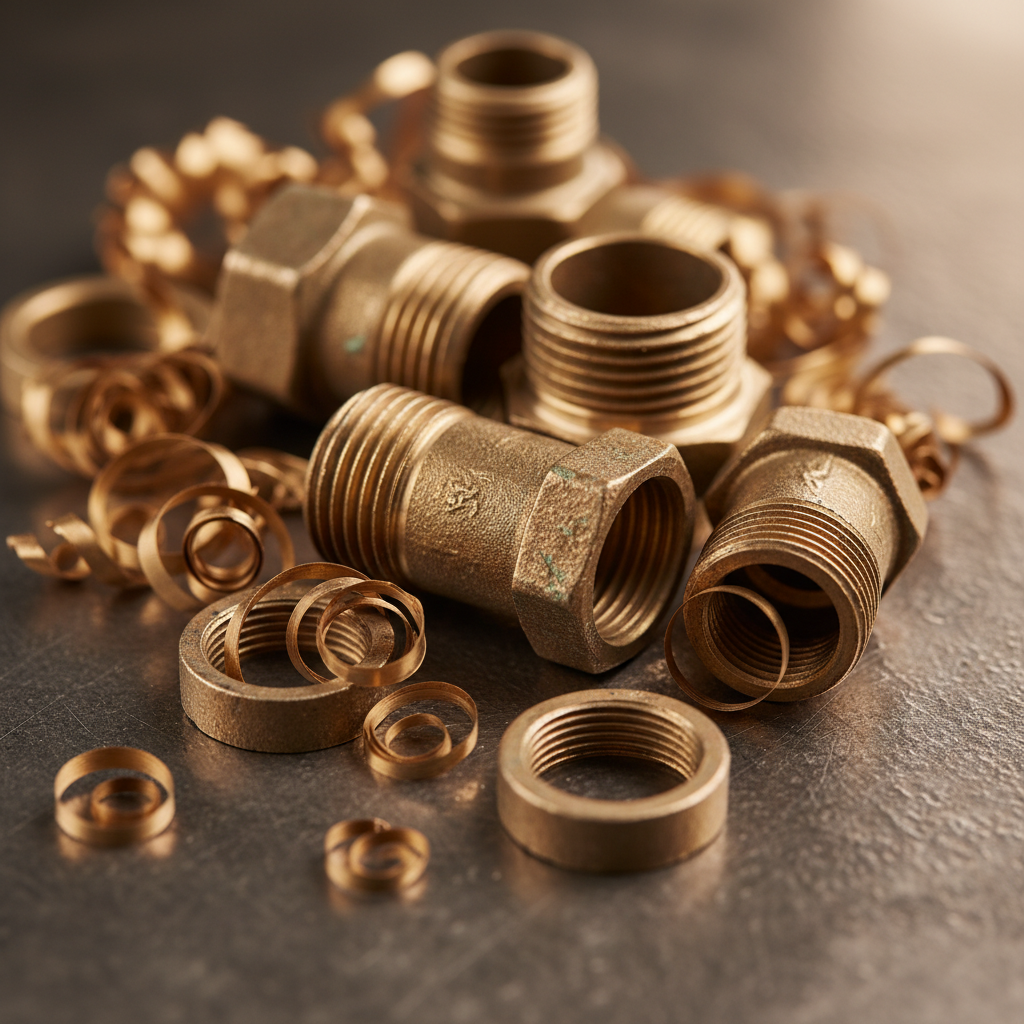
Quick Summary
If you want the best bronze payout, sort, clean, and keep alloys separate. Bring ID, pack safely, and arrive during open hours for smooth drop-off. Our team verifies grades, weighs material, and pays immediately—no delays, no confusion.
- Primary factors: Alloy grade, cleanliness, weight density, and market timing.
- Preparation tips: Remove steel screws, drain oils from bushings, and cut oversized pieces for safer handling.
- On-site process: We grade, scale, explain findings, and complete your payout efficiently.
- Helpful reference: See our metal prices overview for how markets work.
What is the price of bronze?
The price of bronze is the amount buyers pay per unit weight for bronze alloys based on copper/tin composition and cleanliness. It changes with daily market signals, alloy separation, and material condition at drop-off.
Bronze is a family of copper-based alloys that often include tin, aluminum, phosphorus, silicon, or manganese. In scrap, grades vary—from red/valve bronze to phosphor bronze and aluminum bronze. Better separation and minimal contamination help capture stronger returns when selling.
- Common sources: Valves, bushings, bearings, boat hardware, statues, plumbing fittings, and industrial castings.
- Typical composition ranges: Copper often 80–95%, with tin or other alloying elements balancing the rest; composition affects recyclability and yield.
- Condition matters: Dirt, oil, solder, magnets, or iron attachments reduce grade quality and payout potential.
- Practical tip: Keep bronze separate from brass and copper. Mixing bins can lead to downgrade at receiving.
For a deeper dive on non‑ferrous selling strategy, review our best price guide for Etobicoke sellers and check our Toronto scrap prices overview for market context.
Why bronze prices matter in Etobicoke and Toronto
In Etobicoke and across Toronto, bronze prices help homeowners, trades, and small shops turn metal clutter into immediate value. Local demand, quick access to 407 Rexdale Blvd, and efficient grading ensure your time is rewarded with a smooth, transparent payout experience.
When markets move, local supply and buyer demand shift with them. Sellers who understand how bronze is graded, what counts as contamination, and when to sell tend to do better over time. Our extended hours (including Sundays) help you strike while motivation and material availability are high.
- Homeowners: Old faucets, door hardware, and lawn equipment pieces add up. A single well‑sorted bin can make your garage usable again.
- Tradespeople: Plumbers and HVAC techs accumulate fittings and bushings quickly. Keeping labeled pails per alloy cuts sorting time on site.
- Small manufacturers: Bronze bushings, offcuts, and shavings benefit from consistent, dry storage to preserve grade integrity.
- Local access: Our yard’s location reduces detours and idle time—ideal when you’re juggling jobs across the GTA.
Local considerations for Etobicoke
- Plan drop‑offs around weekend traffic near Woodbine Mall & Fantasy Fair to keep unloading efficient.
- Winter and shoulder seasons can impact unloading speed; pack bins so items won’t freeze together outdoors.
- For quick turns between Toronto job sites, stage separate totes per alloy at the shop, then swing by after your last call.
How scrap yards determine bronze value
Scrap yards grade bronze by alloy type, check for contamination, and weigh material on calibrated scales. Clean, clearly separated alloys with no embedded steel or oil typically command stronger payouts than mixed loads.
At Quick Scrap Metal, our intake process is designed for speed and clarity. We verify alloy category (e.g., red/valve bronze, phosphor bronze), inspect for solder, steel fasteners, rubber, oil, or ceramic, then weigh accurately. We explain our findings before payout so you know exactly what influenced your return.
- Intake & safety check: Confirm bins are safe to handle—no pressurized cylinders, batteries, or sharps in the bronze.
- Sorting & grading: Identify alloy families; separate obvious brass or copper to preserve grade integrity.
- Contamination review: Look for steel screws, oil in bushings, or rubber seals that should be removed.
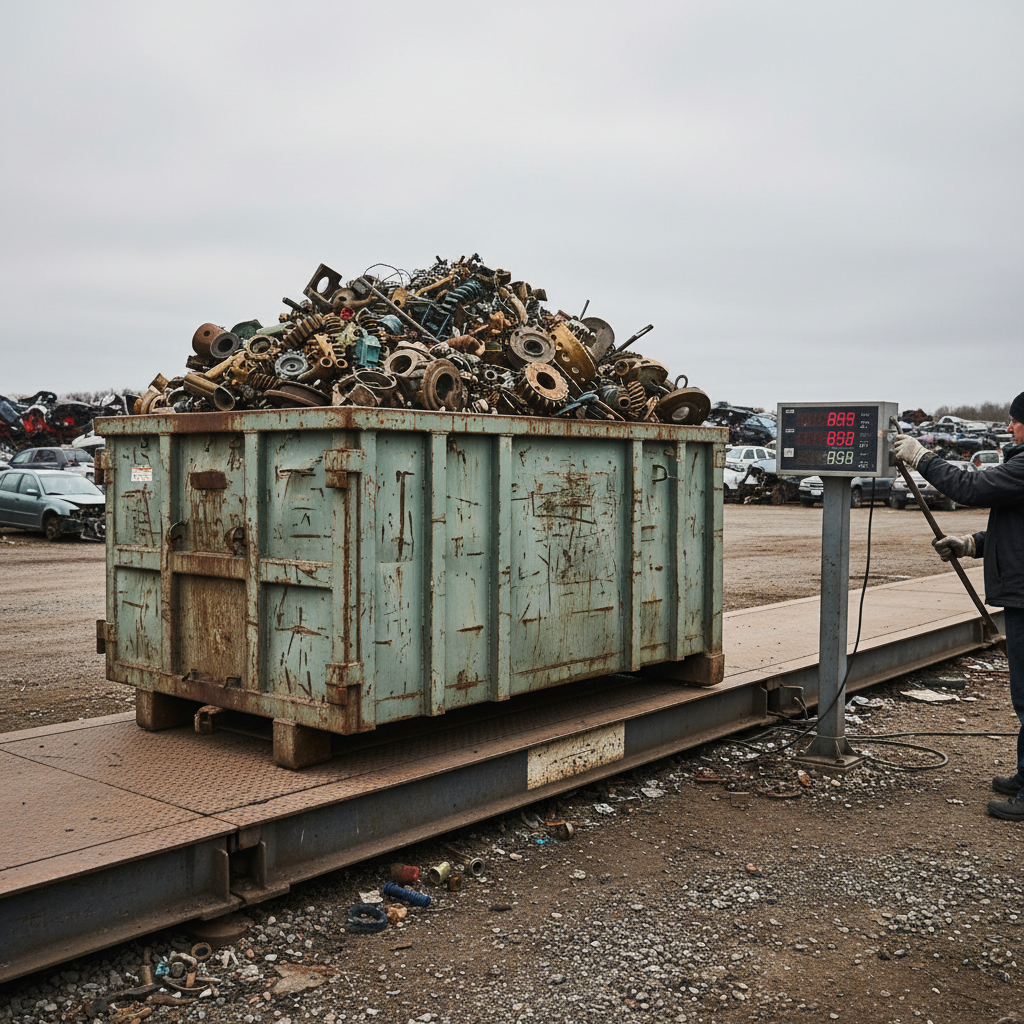
- Weighing: Use calibrated platform scales; larger, dense pieces tend to weigh—and therefore settle—more efficiently.
- Settlement & payout: We summarize grades and weights and pay immediately at the counter.
| Step | What it means | What you can do |
|---|---|---|
| Pre‑sort by alloy | Fewer downgrades at receiving | Label totes: red bronze, phosphor bronze, aluminum bronze |
| Remove attachments | Improves cleanliness | Back out steel screws; cut off mixed‑metal sections |
| Drain fluids | Prevents safety and contamination issues | Empty oil‑filled bushings; wipe residue |
| Right‑size pieces | Safer handling and faster scaling | Cut oversized castings into manageable sections |
| Keep dry | Moisture can affect scale reading | Store indoors or under cover before drop‑off |
Curious how broader construction demand influences non‑ferrous flows? Browse a regional metal supply snapshot like this Toronto studs overview or this Ontario metals tag feed to see how building cycles can affect scrap availability across the GTA.
Types of bronze scrap and grades
Bronze scrap generally falls into red/valve bronze, phosphor bronze, and aluminum bronze. Each alloy family recycles differently and performs best when kept separate and clean.
Red/valve bronze
- Typical items: Valves, fittings, pump bodies, and heavy cast hardware.
- Alloy notes: Copper‑rich with tin; often reddish hue. Heavier cast pieces scale efficiently.
- Prep tips: Remove steel stems and fasteners; keep valves drained and dry.
Phosphor bronze
- Typical items: Bushings, bearings, springs, precision components, and fine shavings.
- Alloy notes: Phosphorus improves wear resistance; material can arrive as turnings—keep them clean and free of oil.
- Prep tips: Store shavings in covered bins; avoid mixing with brass or copper filings.
Aluminum bronze
- Typical items: Marine hardware, propellers, wear‑resistant parts, and some industrial components.
- Alloy notes: Aluminum boosts strength and corrosion resistance; distinct golden color.
- Prep tips: Cut oversized propellers into manageable sections when safe; remove non‑metallic inserts.
Not sure which you’ve got? Bring a small sample to our yard at 407 Rexdale Blvd. We’ll help you identify the alloy family and the best way to sort the rest. For related yellow alloys, our brass scrap guide shows how grades and cleanliness affect value.
What determines the price of bronze?
Four levers set bronze value: market signals for copper/tin, alloy grade, cleanliness, and logistics. Control the last two—sorting and preparation—to consistently earn stronger payouts.
- Market signals: Bronze tracks copper closely, with tin and aluminum influencing certain alloys. Daily movement is normal.
- Grade specifics: Red/valve bronze vs. phosphor bronze vs. aluminum bronze recycle differently; keep them separate.
- Cleanliness: Steel screws, solder, rubber, and oil cause downgrades; remove where safe to do so.
- Logistics & timing: Quick access to our Etobicoke yard helps you sell while motivation is high and storage space is tight.
Want a broader feel for how non‑ferrous categories are evaluated? Our metal prices per pound explainer shares the bigger picture. For copper‑heavy items, see scrap copper basics and how to sell copper in Etobicoke.
Best practices to maximize your payout
Sort by alloy, remove obvious non‑bronze parts, and keep everything dry. Label bins, right‑size heavy castings, and avoid mixing turnings with solids. These small steps add up to smoother grading and stronger returns.
Preparation checklist
- Separate red/valve bronze, phosphor bronze, and aluminum bronze into labeled bins.
- Remove steel screws, stems, springs, and magnets; keep only the bronze alloy.
- Drain and wipe oil‑filled bushings or bearings; never include liquids at drop‑off.
- Right‑size oversized cast items for safe handling and efficient scaling.
- Keep material dry and off the ground to prevent debris and moisture pickup.
Shop workflow ideas
- Place stackable totes at workstations—one tote per alloy family to reduce sorting later.
- Use simple color codes or tags for bins so helpers don’t mix alloys on busy days.
- Stage a no‑go bin for batteries, oily rags, or pressurized items—keep safety cleanly separated.
Turnings and shavings
- Store phosphor bronze turnings dry; cover bins to avoid water or shop debris.
- Don’t mix turnings with solids; they grade differently and can be downgraded when combined.
- Use mesh liners to let residual cutting fluids drain before transport (never bring free liquids).
Looking to apply the same habits across metals? Start with our quick primer on Toronto scrap pricing and bookmark our focused note on bronze worth by the pound.
Free yard walkthrough: Bring a small sample of each bronze alloy. We’ll help you name the grades and map a sorting plan you can roll out at the shop. Quick wins, same‑day clarity.
See how markets move before you load the truck.
Tools, resources, and simple heuristics
Simple tools—magnet, file, and labeled totes—solve most sorting challenges. Consistent bin systems and a quick prep routine beat guesswork and save time at receiving.
- Magnet: Confirms ferrous attachments quickly. If it sticks, remove the steel part where safe.
- Hand file: A light scratch can reveal base color differences between brass, bronze, and copper.
- Labeled totes: Dedicated bins by alloy prevent accidental mixing during rush jobs.
- Cut‑off wheel or bandsaw: Right‑size castings; isolate mixed‑metal sections.
- Shop whiteboard: Remind crews: “No liquids, no batteries, no pressurized tanks in metal bins.”
Want context on regional metals and building cycles? Check a local snapshot like the GTA studs overview. And remember, “bronze, silver, gold” are only naming tiers in marketing—see an unrelated but illustrative example of tiered packages here for terminology—not an indicator of scrap grade.
Mini case studies from the GTA
Sorted, clean bronze moves faster and settles better. These brief, real‑world examples show how simple prep steps at home or in the shop translate to smoother grading and stronger returns at the yard.
Plumbing contractor in Etobicoke
- Challenge: Mixed totes of brass, bronze, and copper created downgrades and re‑sorting delays.
- Action: Switched to three labeled bins and trained apprentices to remove steel stems on intake.
- Result: Faster unloads, fewer downgrades, and more consistent settlements week over week.
Marine shop serving Toronto waterfront
- Challenge: Oversized aluminum bronze propeller sections were cumbersome and risky to handle.
- Action: Pre‑cut sections in‑house, removed rubber inserts, and staged on pallets.
- Result: Safer handling on arrival and quicker scale time with clear grading.
Homeowner near Rexdale
- Challenge: A mixed pail of faucets and hardware with unknown alloys.
- Action: Brought a small sample first; our team identified red bronze vs. brass and outlined a simple at‑home sort.
- Result: Clean, separated second trip that graded smoothly and cleared garage space the same day.
FAQ: Bronze prices and selling tips
These quick answers cover the most common questions sellers ask about bronze value, sorting, and drop‑offs at our Etobicoke yard.
What counts as bronze vs. brass in scrap?
Bronze is copper‑based with tin or other elements; brass is copper with zinc. In scrap, valves and bushings are often bronze, while many yellow plumbing fittings are brass. Keep them in separate bins to avoid downgrades.
How do I prepare bronze turnings or shavings?
Store turnings dry and covered, and avoid mixing with solids. Let residual cutting fluids drain and never include free liquids. Label the bin as phosphor bronze turnings for clear grading on arrival.
Can I bring mixed bronze and brass together?
You can, but mixed bins are usually downgraded. Pre‑sorting into bronze vs. brass often leads to better outcomes. If you’re unsure, bring a small sample—we’ll help you label future bins.
What paperwork do I need when I sell?
Bring a valid photo ID. For business drop‑offs, it helps to have your company details on hand so we can document the transaction accurately and get you in and out quickly.
Do you accept appliances and e‑waste alongside bronze?
Yes. We’re a one‑stop yard for metals, appliances, and electronics. To keep things efficient, stage bronze separately from appliances and e‑waste so each category can be weighed and processed properly.
Key takeaways and next steps
Separate alloys, remove obvious non‑bronze parts, and keep material dry. For an easy win, label three bins—red/valve bronze, phosphor bronze, aluminum bronze—and bring a sample if you’re unsure.
- Know your levers: Grade, cleanliness, and timing are what you control.
- Use simple tools: Magnet, file, and totes solve most sorting issues.
- Leverage our team: We’ll help ID alloys and map a prep routine.
- Stay market‑aware: Skim our scrap pricing overview to understand market movement.
Ready to sell? Drop off bronze at 407 Rexdale Blvd or plan a quick stop after your GTA job runs. For copper‑heavy items, review our scrap copper tips before you load the truck.
Final CTA: Bring your sorted bronze to Quick Scrap Metal in Etobicoke today. We’ll grade fast, weigh accurately, and pay on the spot—EASY | FAST | CONVENIENT.