
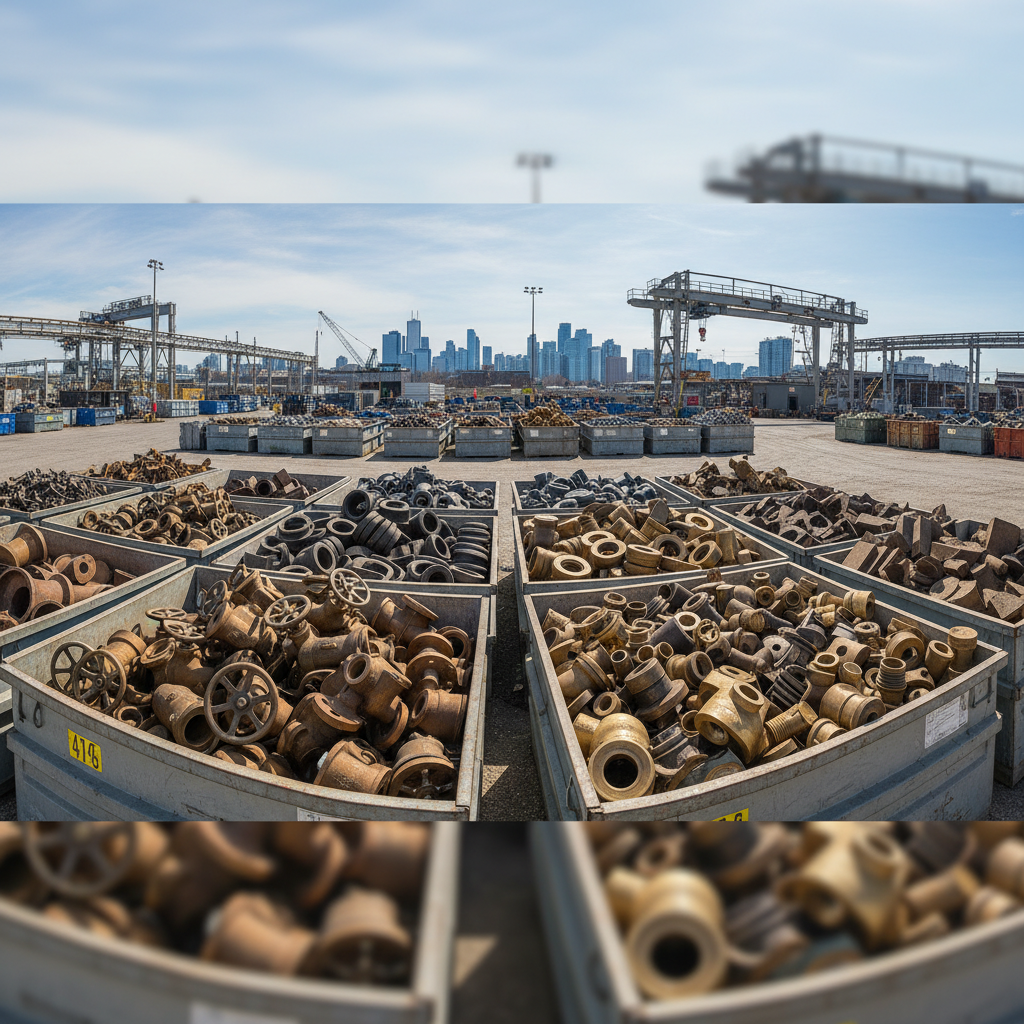
The price of bronze per lb is the amount scrap yards pay or wholesalers quote for bronze, typically adjusted daily based on copper markets, alloy mix, and cleanliness. In Etobicoke, Quick Scrap Metal evaluates grade and weight on-site and pays fast, without publishing fixed prices online.
By Quick Scrap Metal • Last updated: 2026-04-22
Summary
Bronze value depends on copper market trends, grade (clean vs. mixed), and preparation. To maximize payout, separate bronze from brass, remove steel/iron attachments, and bring ID for a smooth check-in. Quick Scrap Metal provides quick weigh-ins and immediate payouts in Etobicoke.
This complete guide explains how bronze pricing works, the factors yards consider, and how to prep material to improve your per-pound consideration. You’ll see practical examples from Etobicoke and the GTA, a quick estimating method, and a category comparison so you can walk in confident and walk out paid.
Ready to squeeze more value from every load? Learn how to sort smarter, avoid downgrades, and time your drop-offs for fast turnarounds.
For a deeper playbook on smart prep, check our practical walkthrough on how to get the best price for scrap in Etobicoke.

What is bronze pricing?
Bronze pricing is a yard’s per‑pound payout for bronze alloys. It’s indexed to copper benchmarks and then adjusted for alloy type, contamination, moisture, and volume. Clean, sorted bronze typically earns stronger consideration than mixed or oily material.
Bronze refers to copper‑based alloys—commonly with tin and trace elements—often falling in a broad range of copper content. Because copper is the main driver, global movements in copper influence local bronze value. Yards then localize those movements by accounting for refining loss, logistics, and on‑the‑ground inventory needs.
In practice, pricing isn’t just a number; it’s a process. Identification, grading, and prep quality play a big role. If you’re new to alloys, start with visual and magnet checks and build confidence by reviewing copper and brass recycling tips so you’re not mixing metals at the scale.
Price of bronze per lb: the key factors
Per‑pound bronze value is driven by copper benchmarks, grade, cleanliness, moisture, quantity, and local yard demand. Sort clean bronze, remove attachments, and deliver consistent loads to improve your per‑pound outcome.
Market linkage to copper
- Benchmark influence: Copper’s daily direction also nudges bronze trends. Yards translate global indicators into local payouts.
- Timing: When copper trends up, prepared sellers often organize their loads sooner to benefit from momentum.
- Reality check: Spreads exist between benchmarks and local payouts due to transportation, refining yield, and inventory.
Grade, alloy, and contamination
- Grade matters: Clean cast bronze typically receives stronger consideration than mixed/attached hardware or oily turnings.
- Alloy variations: Phosphor bronze and aluminum bronze can behave differently in the melt; this influences grading.
- Contaminants: Steel screws, iron hinges, paint, or oil trigger downgrades. A quick de‑attach removes the problem at the source.
Volume and consistency
- Repeatability: Consistent loads reduce handling time and uncertainty at check‑in.
- Packaging: Use sturdy, labeled bins for turnings. Keep solids and shavings separate.
- Workflow fit: For mixed metal runs, plan a one‑trip drop‑off with Quick Scrap Metal’s broad acceptance, including cash for scrap metal in Etobicoke.
Why the bronze per‑pound value matters to you
Knowing how bronze is valued per pound helps you decide when to sell, how to prep, and what to separate. It reduces guesswork, speeds up your yard visit, and turns closets, shops, or job sites into fast, responsible value.
- Homeowners: Old faucets, plaques, or garden hardware can add up. A few minutes of sorting means fewer downgrades on arrival.
- Tradespeople: Keeping bronze bushings and valves separate from brass or copper stabilizes your tickets week to week.
- Contractors: On demo jobs, bronze often rides along with mixed metals. Pre‑sorting and clear labeling protect category strength.
- Time savings: Prepped loads check in faster—less back‑and‑forth at the scale, quicker turnaround to your next stop.
- One‑stop simplicity: With metals, appliances, and e‑waste accepted, Quick Scrap Metal keeps it simple in Etobicoke.
If you’re comparing local options, remember that convenience and processing speed affect your day as much as the headline market direction. Use a nearby, trusted metal scrap yard in Etobicoke to cut drive time and keep your schedule intact.
How bronze pricing works at the yard
At check‑in, bronze is identified, weighed on certified scales, graded by category, and reconciled against current copper‑linked benchmarks. The yard applies local adjustments and issues a fast payout. Better sorting reduces deductions and speeds your visit.
Arrival and check‑in
- Park safely and keep materials accessible. Separate bronze from brass or copper for quicker identification.
- Bring government‑issued ID. Documentation helps protect sellers and streamline the process.
- Expect extended hours—including weekends—so you can drop off when it fits your schedule.
Grading and scales
- Staff confirm the alloy family and look for contamination like paint, oil, or steel fasteners.
- Materials are weighed by category. Turnings are handled differently than solid cast pieces.
- Clear labeling (e.g., “bronze turnings”) helps avoid re‑sorting on the floor.
Ticket and payout
- Your ticket reflects category, weight, and localized benchmark adjustments.
- After reconciliation, Quick Scrap Metal pays immediately—no waiting for a mailed check.
- Keep a personal record of visits to compare performance over time.
New to the process? Review foundational tips on scrap metal recycling in Etobicoke so you can prep with confidence before you arrive.
Common bronze types and how they’re treated
Yards classify bronze by alloy and condition: clean cast bronze, mixed or attached bronze, and turnings/shavings. Clean, solid pieces generally receive stronger consideration than painted or oily material or hardware with steel attachments.
Casting vs. specialty bronzes
- Clean cast bronze: Valves, bushings, statues, plaques; remove paint and steel screws where practical.
- Phosphor bronze: Often used in springs and bearings; higher copper content and specific performance traits.
- Aluminum bronze: Known for strength and corrosion resistance, common in marine and industrial parts.
Mixed/attached and turnings
- Mixed/attached bronze: Fittings with iron hinges, brackets, or non‑metal parts. De‑attach to avoid downgrades.
- Turnings/shavings: Machine shop by‑products; keep dry and minimize oil. Use sealed, labeled containers.
Not sure whether a yellowish fitting is brass or bronze? Brush up on brass identification tips so you don’t cross‑contaminate categories on the scale.
Best practices to maximize your bronze payout
Maximize value by separating alloys, removing ferrous parts, keeping materials dry and oil‑free, and delivering consistent, labeled loads. A short, focused prep session can materially change your grading category and final outcome.
Sorting checklist
- Keep bronze separate from brass and copper; use different bins to avoid mix‑ups.
- Use a magnet to find steel or iron attachments; de‑attach before you hit the scale.
- Wipe off oil where reasonable; avoid painted or tarred pieces if alternatives exist.
- Dry your turnings; store indoors before winter drop‑offs to avoid moisture issues.
Homeowner and contractor tips
- Home projects: Collect bronze faucets and bushings during remodels; label a small bin “bronze only.”
- Trades: Keep a magnet, wrench, and rags in the truck; de‑attach fasteners on site when practical.
- Contractors: For mixed demo runs, plan a one‑trip delivery—metals, appliances, and e‑waste are accepted together at Quick Scrap Metal.
Working through large ferrous piles too? Coordinate your run to include steel or iron, and review local ferrous metal recycling guidance so the heavy stuff doesn’t slow down your bronze.
Local considerations for Etobicoke
- Weekend drop‑offs help homeowners and trades clear bronze and mixed metals when weekday schedules are tight.
- Winter moisture can affect turnings; store bins indoors before transport to reduce downgrades.
- For mixed demo loads, Quick Scrap Metal’s broad acceptance (metals, appliances, e‑waste) simplifies one‑trip drop‑offs.
A simple way to estimate value—without quoting prices
Use a benchmark‑plus method: track copper’s overall direction, assign your bronze to a clean or mixed category, and mentally adjust for contamination or oil. This gives a realistic, non‑numerical sense of where your payout may land before you arrive.
- Check copper trend: Upward or downward direction hints at bronze movement.
- Classify your load: Clean cast vs. mixed/attached vs. turnings/shavings.
- Assess prep: Steel, paint, or oil reduce category strength; remove what you can.
- Plan the run: Confirm hours, bring ID, and arrange bins so categories are accessible.
Want a fuller walkthrough, from prep to drop‑off? Start here to get the best price for scrap in Etobicoke—it covers sorting, timing, and check‑in tips that keep tickets strong and fast.
Bronze categories at a glance
Clean bronze usually earns stronger per‑pound consideration than mixed or oily turnings. Use this table to prep smarter, reduce re‑sorting on the floor, and avoid surprise downgrades during grading.
| Category | Typical Items | Preparation Tips | Relative Payout Trend |
|---|---|---|---|
| Clean Cast Bronze | Valves, bushings, statues | Remove steel; keep paint‑free | Higher |
| Mixed/Attached Bronze | Fittings with screws/iron | Unscrew and separate metals | Moderate |
| Bronze Turnings | Machine shavings/spirals | Keep dry; minimize oil | Lower |
Need a quick Etobicoke weigh‑in?
Bring your clean bronze, mixed metals, and e‑waste in one run. For a refresher on prep that speeds the process, see our hands‑on guide to getting the best scrap price and browse the Etobicoke yard tips for smooth drop‑offs.
Tools and resources to track bronze
Track reliable market indicators for copper, learn basic alloy identification, and kit yourself with simple prep tools. Rely on reputable summaries for big‑picture trends and your local yard for real‑time, on‑the‑ground guidance.
- Valuation concepts: General precious‑metal valuation walkthroughs can sharpen your math and weighing approach; see this calculation guide example for methodology ideas.
- Market mindset: Industry blogs discuss how to think about metal pricing and budgets; skim budget‑friendly metal price insights to broaden perspective.
- Estimating methods: For a structured view on breaking work into measurable pieces, review this estimating methods overview and adapt the logic to scrap prep and planning.
- Prep kit: Magnet, wrench set, rags, labeled bins, work gloves—simple tools that prevent downgrades.
- Local support: Extended hours and one‑stop acceptance at Quick Scrap Metal reduce back‑and‑forth between sites.
Real‑world examples from the GTA
Pre‑sorted, clean bronze almost always grades better than mixed hardware. Homeowners, trades, and contractors across the GTA report faster check‑ins and stronger tickets when they separate alloys and remove obvious steel before arriving.
- Home renovation bundle: A homeowner gathered bronze faucets, bushings, and a plaque. After removing a few steel screws and separating brass pieces, grading was straightforward and the scale time was short.
- Machine shop turnings: A shop delivered dry bronze shavings in sealed tubs. Clear “bronze turnings” labels reduced handling and kept the load in the correct category.
- Contractor mix run: A small contractor combined bronze valves with appliances and wire in one trip. One‑stop acceptance simplified both unloading and paperwork.
- Seasonal cleanout: After winter, a garage bin of mixed metals included bronze fittings. A quick magnet pass and a few minutes of de‑attach eliminated downgrades on arrival.
- Estate items: Vintage bronze hardware and a small statue were kept paint‑free and wrapped. Clean presentation helped confirm category quickly.
- Marine parts: Aluminum bronze components from a service job were boxed separately with notes. Staff verified alloy family and weighed them apart from standard cast pieces.
- School facilities team: Maintenance saved bronze bushings during equipment changeovers, keeping a labeled bin that made quarterly drop‑offs fast.
- HVAC tech kit: A tech carried a magnet, wrench, and rags. On‑site de‑attach meant fittings arrived clean and ready for the scale.
- Community e‑waste day: Volunteers collected small bronze bits along with electronics. Segregating metals at pickup points sped up yard check‑in later.
- Art studio offcuts: Bronze casting sprues were sorted from other metals. Paint‑free, dry pieces helped protect the category.
- Warehouse refresh: Old fixtures were grouped by metal type. Bronze hardware moved through grading without re‑sorting delays.
- Tool crib cleanup: Labeled bins for bronze vs. brass turned a messy drawer into steady, simple quarterly runs.
- Mixed demo tear‑out: The crew staged bronze valves apart from steel and appliances, shaving minutes off unload and minimizing category downgrades.

Frequently Asked Questions
These quick answers cover identification, prep, and yard expectations so you can turn bronze scrap into fast, responsible value at Quick Scrap Metal.
How do I tell bronze from brass?
Bronze leans brown with reddish tones; brass is more yellow. Bronze is usually copper plus tin, while brass is copper plus zinc. A magnet won’t stick to either. If you’re unsure, bring a sample—yard staff can help identify it during check‑in.
What prep helps my payout the most?
Separate bronze from brass and copper, remove steel screws or brackets, and keep turnings dry. Label containers and avoid oil or paint when possible. Ten minutes of prep often prevents downgrades and speeds up your time on the scale.
Do I need ID to sell bronze?
Most yards request government‑issued ID and may ask basic questions about material origin. This protects sellers and helps deter theft. Bring your ID to streamline the process and get your payout faster.
Can I bring bronze mixed with appliances and e‑waste?
Yes—Quick Scrap Metal accepts a wide range of metals, appliances, and electronics, so you can make one trip. Keep items separated by type in the vehicle for a smoother check‑in and grading.
Conclusion
Bronze per‑pound value follows copper markets and your prep quality. Sort clean bronze, remove ferrous parts, and bring consistent loads to improve grading. Quick Scrap Metal in Etobicoke offers fast weigh‑ins, immediate payouts, and extended hours for easy drop‑offs.
- Track copper’s direction to anticipate movement in bronze.
- Prep clean bronze to avoid grading downgrades.
- Leverage one‑stop drop‑offs for metals, appliances, and e‑waste.
- Use certified scales and same‑day payouts at Quick Scrap Metal.
Key takeaways
- The price of bronze per lb reflects copper markets plus grading and prep.
- Clean, dry, de‑attached bronze consistently earns stronger consideration.
- Sorting and labeling save time at the yard and protect category strength.
- One nearby, trusted Etobicoke yard simplifies mixed‑material runs.
Next steps
- Gather your bronze and separate it from brass and copper.
- Remove steel fasteners and keep turnings dry in labeled containers.
- Plan a quick run to Etobicoke’s convenient, customer‑first yard—open late on weekdays and Sundays.
- Skim our guide on how to get the best scrap price before you roll out.