
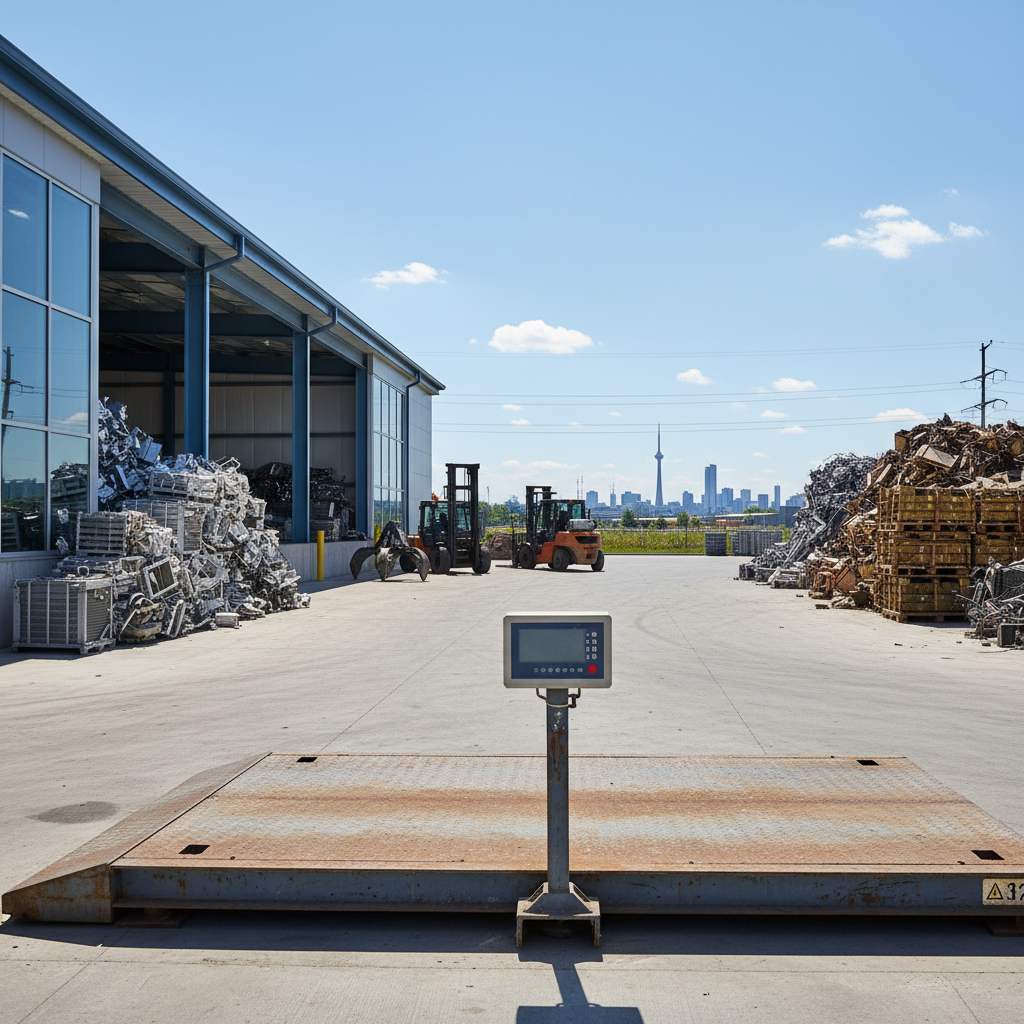
Radiator scrap price is the value paid for used radiators based on metal type, weight, and cleanliness. At Quick Scrap Metal’s Etobicoke yard (407 Rexdale Blvd), Toronto-area sellers can drop off aluminum and copper/brass radiators, get graded on the spot, and turn clutter into fast cash through eco-friendly metal recycling.
By Preet Dass
Last updated: 2026-04-25
Above-Fold: Quick Answer
Radiator scrap prices hinge on three things: metal composition (aluminum vs. copper/brass), cleanliness (no plastic, steel, or trapped coolant), and current commodity trends. Clean, separated grades typically return stronger value. Prep at home, request a quick grade check at the scale, and use a reputable yard for a smooth, fast payout.
If you want a no-hassle drop-off in Etobicoke near HWY 27 & Rexdale, Quick Scrap Metal is built for speed and clarity—extended hours, Sunday service, and friendly grading transparency.
Summary
This complete guide explains how radiator scrap value works and how to prep for the best grade. You’ll learn the differences between aluminum and copper/brass cores, how yards assess cleanliness, what market trends influence value, and the simple steps to complete a safe, efficient drop-off in Etobicoke.
- Identify your radiator type: aluminum vs. copper/brass (heavier, reddish metal).
- Remove non-metal parts: plastic tanks, foam, rubber feet, and steel side straps.
- Drain all fluids thoroughly; sloshing weight never helps your grade.
- Sort loads by metal to speed intake and support better grading outcomes.
- Use extended hours to avoid peak traffic and finish in minutes, not hours.
What Is Radiator Scrap Price?
Radiator scrap price is the per-weight amount recyclers pay for end-of-life radiators. Yards grade by dominant metal, cleanliness, and market direction. Clean aluminum or copper/brass cores usually achieve higher-yield grades than mixed units with plastic tanks, steel brackets, or trapped coolant.
In plain terms, radiators are compact bundles of valuable metal. Modern vehicles and many HVAC systems use lightweight aluminum designs; older vehicles and certain industrial units rely on copper/brass for superior thermal transfer. Your goal as a seller is to present the metal—without extra stuff—so the yard can grade it quickly and fairly.
- Aluminum radiators: Silvery, lighter, very common in late-model cars and A/C condensers.
- Copper/brass radiators: Heavier; copper looks reddish, brass shows a golden-yellow tone.
- Mixed assemblies: Plastic tanks, steel side straps, fan shrouds, and hoses reduce grade.
- Condition matters: Dry, clean metal grades better than wet, contaminated pieces.
For Toronto homeowners, tradespeople, and small fleets, the path is straightforward: identify the metal, remove non-metal parts, drain fluids, and head to our Etobicoke yard for a fast grade and payout.
Why Radiator Scrap Price Matters in Etobicoke and Toronto
For sellers across Etobicoke and the Toronto metro, radiator scrap value converts unused parts into immediate returns while boosting the circular economy. Recycled radiators become new feedstock, reducing energy use and avoiding landfill—simple actions with outsized benefits for urban sustainability.
Here’s the thing: recycling metals typically uses far less energy than producing virgin metal, which means fewer emissions and less reliance on mining. That’s why responsible scrap practices punch above their weight in cities. The cleaner and more consistent your load, the faster it moves through intake, the clearer the grading, and the better the outcome.
Want to stack wins in one trip? Many customers pair radiator drop-offs with organized household metals. Our guidance on getting the most from a run is covered in this best price for scrap metal guide, designed specifically for local sellers.
How Radiator Scrap Valuation Works
Yards value radiators by confirming the dominant metal (aluminum or copper/brass), assessing cleanliness (plastic, steel, and fluids removed), and weighing on a certified scale. Clear prep and grade transparency speed the process and help you capture the strongest practical outcome.
Here’s the typical intake path at a trusted, high-volume yard like ours:
- Intake and ID: Team confirms what you brought—auto radiator, A/C condenser, or industrial core—and notes visible contaminants.
- Grade assessment: Clean metal-only radiators sort higher than mixed pieces with plastic tanks, steel straps, or attached hoses.
- Weigh-in: Calibrated scales record weight tied to the assigned grade, keeping the ticket straightforward.
- Ticket and payout: You receive a clear ticket and fast cash for qualifying scrap without delays.
In our experience with Toronto-area sellers, five minutes of prep—draining coolant, removing steel brackets, and cutting away plastic—frequently shifts a radiator from a mixed grade into a cleaner, higher-yield category. It’s the simplest way to improve your result.
Types of Radiators and Common Grades
Most radiators fall into aluminum or copper/brass categories. Each can grade as clean (metal only, fluids drained) or mixed (plastic tanks, steel frames, hoses attached). Correct ID and quick prep move units into better-yield grades and streamline your drop-off.
Use this table to map likely grades and prep steps. It’s not a price list—just a practical lens on how yards think about metal recovery.
| Radiator Type | Typical Composition | Common Grade | Prep Tips | Where You’ll See It |
|---|---|---|---|---|
| Aluminum radiator | Aluminum fins and tubes; often plastic end tanks | Clean aluminum (tanks removed) or Mixed (with plastic/steel) | Remove plastic tanks and steel brackets; fully drain fluids | Modern passenger vehicles, HVAC condensers |
| Copper/brass radiator | Copper fins/tubes, brass headers, steel side straps | Clean Cu/Brass core or Mixed (with steel/paint) | Cut steel straps; watch solder clumps; drain thoroughly | Older cars, generators, heavy equipment |
| Aluminum/Copper hybrid | Aluminum fins on copper tubes | Mixed composite | Separate if realistic; otherwise disclose as mixed | Specialty or aftermarket units |
| Industrial heat exchanger core | Varies: copper/brass or aluminum; often framed | Grade by dominant metal | Detach steel frames; cap and drain lines | Commercial HVAC, chillers, compressors |
Two quick checks help: if a magnet sticks, you’re seeing steel contamination; if you feel sloshing, more draining will help the grade conversation at the scale.
For a broader look at separating metals (ferrous vs. non-ferrous) before you load, see our iron scrap selling guide—the sorting logic carries over to radiators, too.

Best Practices to Maximize Your Radiator Payout
Maximize value by removing plastic tanks and steel brackets, draining coolant completely, and sorting aluminum from copper/brass before you arrive. Photograph your prep, secure the load, and ask for a quick grade explanation to improve future drop-offs.
- Sort before loading: Keep aluminum radiators, copper/brass cores, and A/C condensers in separate bins.
- Drain all fluids: Use a drain pan; cap open lines and keep absorbent pads handy.
- Strip non-metal: Remove hoses, foam, rubber feet, fan shrouds, and plastic tanks.
- Detach steel: Side straps, bolts, and mounting brackets lower the grade.
- Bundle like with like: Consistent loads move faster and grade more favorably.
- Document prep: Quick photos help resolve questions on busy days.
- Ask for clarity: A two-minute explanation makes your next trip even better.
Want a deeper playbook beyond radiators? Our local-focused walkthrough on maximizing returns is here: get the best price for scrap metal.
Local considerations for Etobicoke
- Time your visit to avoid rushes near HWY 27 & Rexdale; you’ll move through intake faster.
- Winter thaws through early spring can bring heavier volumes—arrive earlier for quick turnaround, including Sundays.
- Combine errands: we’re minutes from Woodbine Mall & Fantasy Fair; or plan a short stop by Flagstaff Park after drop-off.
Soft CTA: Need a quick grade check today? Swing by 407 Rexdale Blvd—open late on weekdays and open Sundays—so you can be in, out, and on with your day.
Tools and Resources for Sellers
A simple kit—magnet, hand tools, drain pan, gloves, and stackable bins—covers radiator prep. Pair that with a local yard’s accepted materials list, extended hours, and clear directions to complete a safe, predictable drop-off without losing a workday.
- Prep kit: Screwdrivers, nut drivers, tin snips, pliers, utility knife, magnet.
- Fluids handling: Drain pan, absorbent pads, sealed containers, and caps or tape.
- Sorting gear: Labeled totes for “Aluminum,” “Copper/Brass,” and “Mixed.”
- Vehicle safety: Ratchet straps, gloves, and a tarp for clean transport.
- Accepted items: Our one-stop yard also takes appliances and e-waste; check the electronics recycling guide.
- Time-savers: Evening hours and Sunday service keep your weekday schedule intact.
If you’re clearing a basement or shop, bundle other metals and appliances for one trip. These step-by-step tips apply: turn household scrap into cash.
Case Studies: Real-World Drop-Off Scenarios
Sellers who separate aluminum and copper/brass, drain fluids, and remove plastic consistently see better grades and faster processing. Whether it’s one radiator or a weekly bin, the same prep principles shorten your time at the yard and improve outcomes.
- Home garage cleanout: One aluminum radiator and an A/C condenser, both drained with hoses removed. Sorted as clean aluminum; quick weigh-in and payout.
- Small contractor bin: Six copper/brass cores from generator swaps; steel straps cut off. Sorted as copper/brass; uniform prep sped handling.
- Fleet maintenance day: Mixed radiators and condensers from vans and pickups. Team pre-sorted by metal and tagged loads; grading was brief and clear.
- HVAC shop turnover: Quarterly drop with condensers, line sets, and a few industrial cores. Pre-drained with lines capped; smooth unload and consistent grades.

For a wider GTA view of what we buy and how we operate, visit our Toronto & GTA overview. It outlines services across metals, appliances, and electronics so you can plan efficient, all-in-one runs.
Pricing Factors and Market Trends (2026)
Radiator values track aluminum, copper, and brass market movement. Clean, metal-only units align with higher-yield grades; mixed or contaminated pieces align with lower-yield categories. Timing large drops with favorable trends can help, but prep quality is the constant that improves results.
Market direction is cyclical—what rises can cool, and vice versa. If you’re sitting on multiple radiators or a seasonal shop turnover, consider bundling into one organized load. Sellers often watch trend direction for a few weeks, then complete a single, efficient run that balances time, fuel, and outcome.
For context on how radiators fit within heating systems, see these practical explainers from a regional trade publisher: a short overview of radiator heating, notes on hydronic heating energy savings, and a basic guide to radiator line leak fixes. While focused on operation, they help new sellers recognize common radiator types and materials.
Frequently Asked Questions
Most radiator questions revolve around metal type, prep essentials, and drop-off logistics. These quick answers help you load confidently, finish the grade conversation in minutes, and recycle responsibly in one stop.
How do I tell if my radiator is aluminum or copper/brass?
Color and weight help: aluminum is silvery and lighter; copper looks red, brass golden. Scratch a hidden spot—copper shines red, brass yellow. A magnet won’t stick to copper, brass, or aluminum, but it may catch steel straps or bolts attached to the frame.
Do I need to remove plastic tanks and hoses?
Yes. Non-metal parts reduce cleanliness and slow processing. Removing plastic tanks, foam pads, rubber feet, and hoses generally supports a better grade and keeps your vehicle cleaner during transport.
Can I bring radiators with coolant still inside?
Please drain all fluids before transport. Trapped coolant adds weight without recyclable value and can contaminate loads. Use a drain pan, seal containers, and keep absorbent pads on hand to prevent spills.
What else should I bring along with radiators?
Many sellers combine trips by adding appliances, cables, or e-waste. Sort metals by type, keep electronics separate, and bundle like items. A single, well-organized run saves time and helps you reclaim more space in one visit.
Conclusion and Next Steps
Identify the metal, prep for cleanliness, and choose a transparent, convenient yard. Those three steps consistently yield better radiator outcomes. Sort clearly, secure the load, and request a quick grade explanation—then turn old heat exchangers into fast cash the responsible way.
- Key takeaways: Clean, drained, and separated units grade better; market timing can help larger drops.
- Action steps: Gather, sort by metal, strip non-metal parts, and plan an off-peak drop-off.
- One-stop efficiency: Pair metals with appliances or e-waste in the same trip—our electronics guide shows how.
Ready to move radiators today? Visit Quick Scrap Metal at 407 Rexdale Blvd for fast grading and on-the-spot payouts—open late on weekdays and open Sundays to fit your schedule across Etobicoke and the Toronto GTA.