
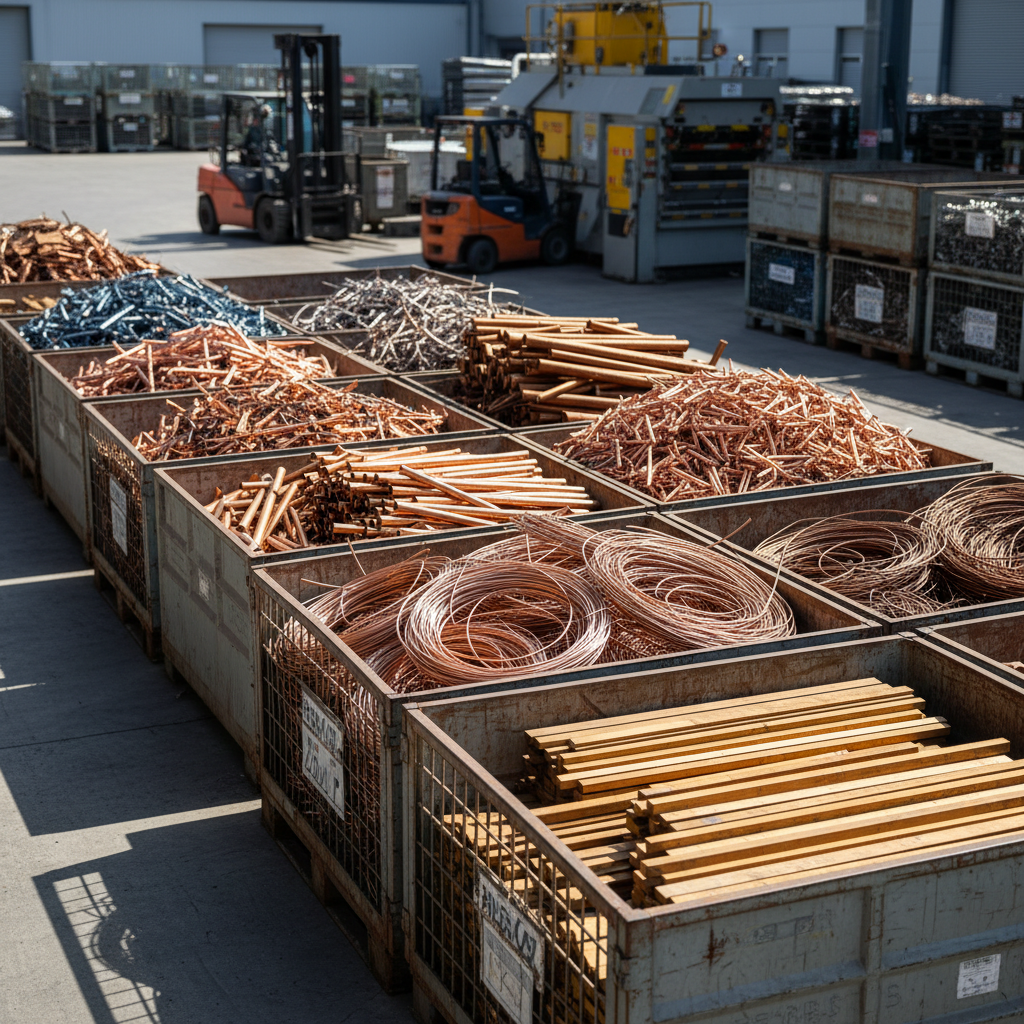
The scrap value of copper is the amount recyclers pay for copper based on purity, form, and current market conditions. At our Etobicoke yard at 407 Rexdale Blvd, we grade, weigh, and pay on the spot. If you’re asking about the scrap value of copper, this guide shows you exactly what drives it—and how to improve it.
By Preet Dass — Last updated: 2026-05-30
Quick Summary
Copper’s scrap value depends on grade (purity and cleanliness), market benchmarks, and preparation. Clean, unalloyed “bare bright” wire commands the highest payouts. Remove insulation, separate alloys, keep metal dry, and bring ID. At Quick Scrap Metal in Etobicoke, we weigh transparently and pay fast for copper in all common forms.
This article is a complete, plain-English guide. You’ll learn how copper is graded, which market forces move prices, and the simple prep that adds real value. We also include Toronto- and Etobicoke-specific tips so you can plan drop-offs around traffic, weather, and weekend hours.
- What “scrap value of copper” means in practice
- How yards grade bare bright, No. 1/No. 2 copper, and insulated wire
- Market forces that move copper pricing day to day
- Step-by-step preparation to boost your payout
- Etobicoke/Toronto logistics to save time on drop-off
What Is the Scrap Value of Copper?
The scrap value of copper is the price recyclers pay for used copper based on purity, form, weight, and real-time market conditions. Yards classify copper into grades (like bare bright, No. 1, No. 2, and insulated wire) and apply transparent weights to determine your final payout at the scale.
Think of scrap value as a function of three inputs: the commodity market for refined copper, the grade of your material, and how efficiently a yard can process it. Because copper retains properties after recycling, clean material is highly sought after by processors.
- Grade-based pricing: Cleaner, purer copper moves closer to refined copper benchmarks.
- Form matters: Pipe, wire, bus bar, and turnings each have different handling and yield considerations.
- Preparation reduces friction: Stripping insulation or removing fittings lowers processing steps and raises value.
At Quick Scrap Metal, our crew sorts with you at the scale, explains the grade, and pays immediately—so you always see how value is calculated. If you want more background before visiting, our scrap copper prices overview outlines common forms we buy every day.
Why Scrap Copper Value Matters in Etobicoke and Across Toronto
In Etobicoke and Toronto, copper scrap value matters because it turns renovation offcuts, old wiring, and appliances into fast cash while keeping metals out of landfills. Extended hours and neighborhood access let homeowners, trades, and businesses recycle efficiently and responsibly.
We serve a wide cross-section of the GTA: homeowners clearing garages, electricians and HVAC techs with tear-out wire, and small contractors finishing jobs. Copper recycling funds the next project, reduces storage headaches, and supports a circular economy.
- For homeowners: Old pipes and cords pile up fast; recycling frees space and pays you back.
- For trades: Consistent, clean sorting adds up over the season—especially for insulated wire and pipe.
- For businesses: Reliable drop-off near HWY 27 & Rexdale shortens downtime and simplifies compliance.
Our yard at 407 Rexdale Blvd is minutes from major routes, with Sunday hours and late weekdays. Planning a bigger clear-out? Skim our scrap metal guide to consolidate multiple metal types in one efficient trip.
How Copper Scrap Pricing Works (Markets, Grades, Preparation)
Copper scrap pricing reflects commodity market benchmarks, minus processing and logistics, adjusted by grade. Bare bright wire tracks closest to market levels. Lower grades with solder, paint, or oxidation trade at discounts. Consistent sorting and clean prep narrow that gap and increase payouts.
Here’s the practical flow. Market benchmarks for refined copper set the background trend. Local supply and demand, fuel, and mill schedules influence regional spreads. Your material’s grade and the effort required to process it set the final yard payout.
- Benchmark trend: Commodity markets influence the general direction for copper.
- Regional dynamics: Transport costs and downstream capacity shape local adjustments.
- Grade delta: Purity and cleanliness determine how close you are to top-tier payouts.
- Prep impact: Removing fittings/insulation and keeping material dry reduce processing loss.
Because we buy seven days a week on many weeks, we see patterns in real time. When contractors finish end-of-month projects, insulated wire volumes often spike; sellers who pre-sort by thickness and insulation type move through the scale faster and see better grading on arrival. For wire specifics, review our insulated copper wire guide.
Types and Grades of Copper Scrap (What Yards Look For)
Yards group copper into categories—bare bright, No. 1, No. 2, and insulated wire—based on purity and contamination. Clean, unalloyed, uncoated copper earns the best grades. Paint, solder, oil, or steel attachments lower grades. Sorting by category before drop-off speeds processing and improves payout consistency.
Below is a quick-reference table. Use it to self-check before you load the truck.
| Grade/Type | What It Looks Like | Common Sources | Issues That Lower Value | Preparation Tip |
|---|---|---|---|---|
| Bare Bright (No. 1 wire) | Shiny, uncoated, unalloyed copper wire, usually thicker gauges | Stripped electrical wire, panel upgrades, commercial tear-outs | Oxidation, mixed metals, moisture | Keep dry, coil neatly, avoid dirt contact |
| No. 1 Copper | Clean copper pipe/tube, uncoated, minimal tarnish | Plumbing renovations, HVAC retrofits | Solder, paint, heavy tarnish | Cut out joints; remove fittings and soldered sections |
| No. 2 Copper | Copper with paint/solder/residue; some oxidation | Older plumbing, mixed demo scrap | Heavy corrosion, oil/grease | Wipe off oils; separate heavily corroded pieces |
| Insulated Copper Wire | Copper conductor with plastic/rubber insulation | House rewires, extension cords, low-voltage wire | Mixed metals (steel/aluminum), moisture | Sort by thickness; strip where practical |
| Mixed/Alloyed Copper | Alloys containing copper (e.g., some bronze/brass forms) | Fixtures, valves, decorative pieces | Non-copper attachments, plating | Separate brass/bronze from pure copper |
Not sure which category you have? Bring a small sample first. Our team will grade it with you, explain the reasoning, and suggest simple prep to lift the category where possible. If you’re primarily selling pipe and wire, skim our sell scrap copper guide for Etobicoke before loading up.
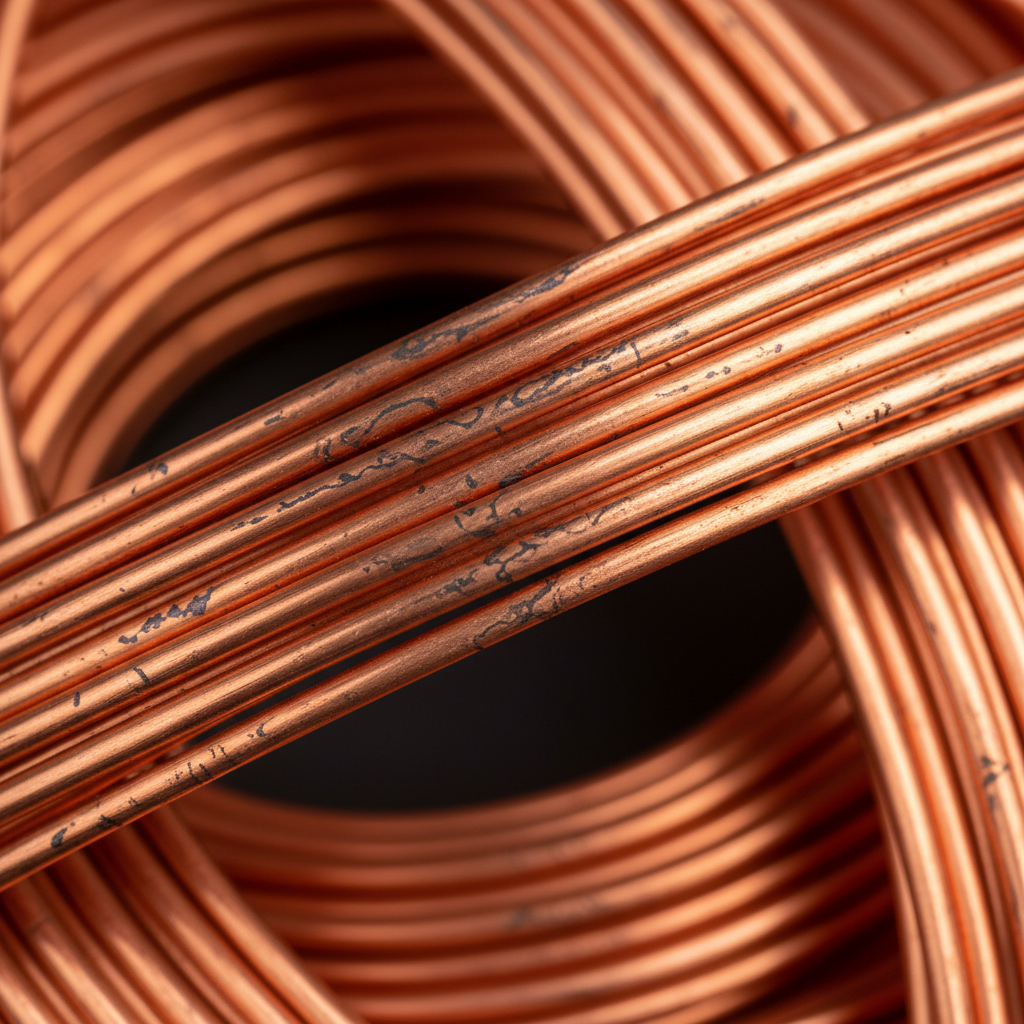
Best Practices to Maximize the Scrap Value of Copper
Maximize copper scrap value by keeping metal clean and dry, removing non-copper attachments, sorting by grade, and stripping high-yield wire. Use clear bins, label materials, and avoid mixing brass or steel with copper. A tidy load grades faster, moves quicker over the scale, and earns stronger payouts.
Action checklist before you drive to the yard
- Keep it clean: Wipe oils and dirt. Dry storage prevents oxidation.
- Remove attachments: Cut off brass valves, steel screws, and soldered joints.
- Sort by type: Separate bare bright, No. 1/No. 2 pipe, and insulated wire.
- Strip selectively: Thick-gauge, high-copper wire often justifies stripping.
- Use clear bins: Transparent totes speed visual grading at the scale.
- Weigh heavy coils safely: Coil neatly with zip ties to prevent tangles.
- Bring ID: Speeds compliance on arrival and reduces wait time.
When to strip insulation—and when not to
Stripping thick, pure copper conductors can meaningfully increase value. Fine-strand and very thin wires may not be worth the time. As a rule of thumb, prioritize larger gauges and cleaner copper first, then evaluate the rest. For wire specifics and common categories we see daily, check our insulated wire reference.
Prep workflow you can reuse
- Lay out all copper on a tarp; keep ferrous tools off the tarp.
- Sort by obvious categories: bare bright, pipe, insulated wire, mixed.
- Remove non-copper attachments and separate alloys.
- Decide what to strip (thicker, cleaner wire first).
- Bin and label each category; coil wire to manageable loops.
- Load heavier bins closest to the tailgate for easier unloading at the yard.
Following the same workflow every time cuts prep time and reduces on-site sorting. Sellers who arrive with clean, sorted loads move through our scale significantly faster and get back to work sooner.
Tools and Resources That Help Sellers
Simple tools—a magnet, basic wire strippers, a hacksaw or tubing cutter, and clear storage bins—help you sort faster and lift grades. For reference, keep a quick list of common copper categories, and bookmark local guides so you can decide what to strip and what to bring as-is.
- Magnet: Confirms whether fittings or screws are ferrous. Copper itself is non-magnetic.
- Wire strippers: Adjustable models make quick work of larger gauges.
- Tubing cutter: Cleanly removes soldered joints from copper pipe.
- Clear bins and labels: Prevent mix-ups that lower grades.
- Gloves and eye protection: Safety first on tear-outs and stripping.
Want more metals context from adjacent trades? This construction-focused primer on steel rebar basics helps explain material identification in jobsite sort piles. And for framing materials used in local construction, see steel studs in the GTA. If your source is plumbing renovations, a trade overview like how plumbers get started may clarify where pipe offcuts originate.
When you’re ready to sell, our copper scrap buyers page outlines what to bring and how we handle grading on arrival. For broader market context across metals, keep our Toronto scrap metal prices page handy.
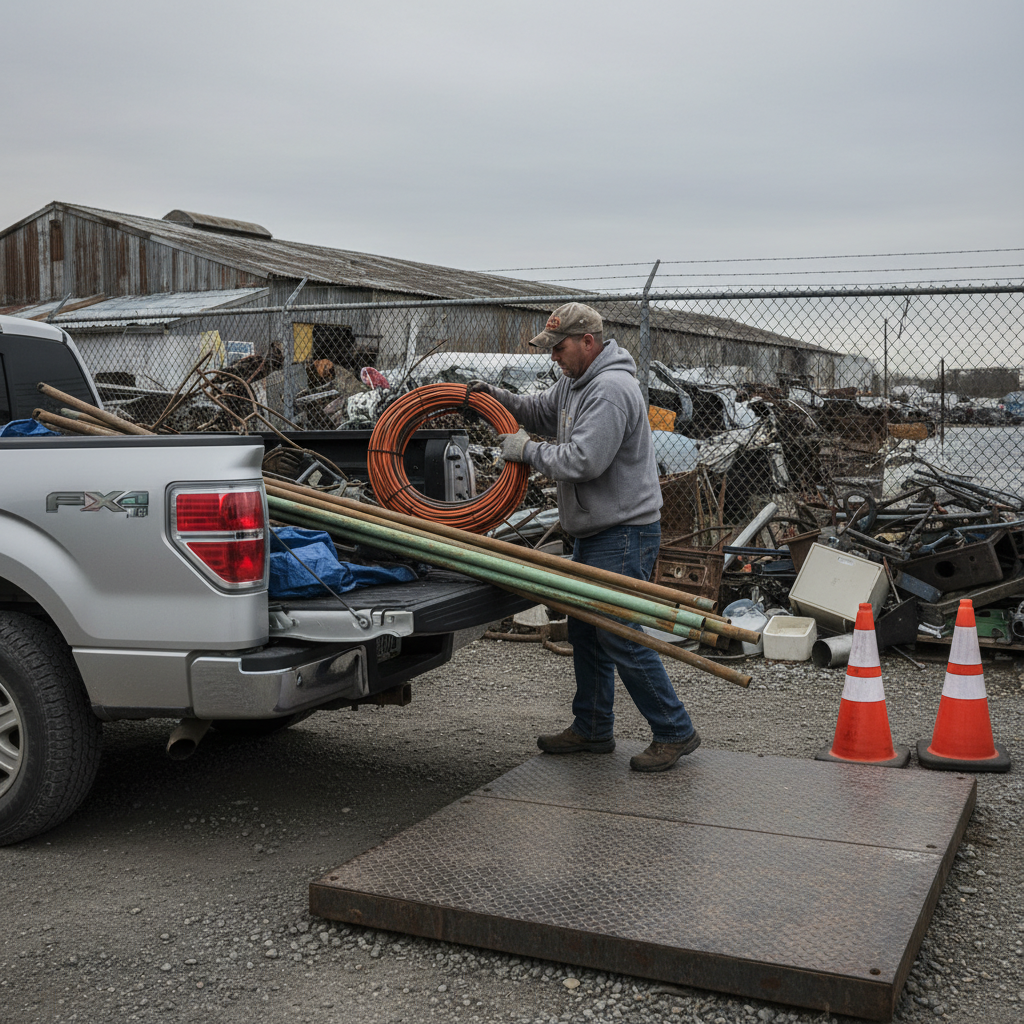
How We Work at the Scale (Step-by-Step at 407 Rexdale Blvd)
Your copper is weighed and graded in the open. We separate by category, explain the grade, and pay fast. Clean, sorted loads move quicker and earn stronger grades. Our extended hours near HWY 27 & Rexdale make drop-offs simple for homeowners, trades, and local businesses.
- Arrival and safety check: Our team directs you to the appropriate lane.
- Unload and sort: We separate copper by grade with you present.
- Grade explanation: We clarify why each piece fits its category.
- Weighing: Certified scale weights are recorded per category.
- Settlement: We pay immediately for qualifying copper and provide documentation.
If you’re combining materials—say copper pipe, insulated wire, plus brass or aluminum—arrive with each type binned separately. That one habit reduces back-and-forth and keeps you in and out quicker. For a full prep refresher, read how to get the best price in Etobicoke.
Real Examples from Etobicoke Sellers (Use Cases)
Common local scenarios include homeowners recycling renovation pipe, electricians selling stripped wire, and small contractors batching mixed metal loads. Clean sorting and smart prep lift grades, shorten yard time, and improve the real-world scrap value of copper on every trip.
Home renovation: kitchen/bath upgrade
- Old copper pipe sections with soldered joints.
- Action: Cut out joints and fittings; separate clean straight lengths.
- Result: More material qualifies as higher-grade pipe.
Electrician: panel and lighting retrofit
- Mixed THHN and extension cords; some thick-gauge conductors.
- Action: Strip thicker wire; coil and label wire types in clear bins.
- Result: A portion grades as bare bright; remaining insulated wire is categorized faster.
Small contractor: end-of-month cleanout
- Combination of copper, brass valves, and aluminum siding.
- Action: Separate alloys; remove steel screws; keep copper dry.
- Result: Each commodity is weighed cleanly with less downgrade risk.
Local considerations for Etobicoke
- Plan weekend drop-offs around traffic near Woodbine Mall & Fantasy Fair; Sunday hours help avoid weekday rushes.
- Winter loads: keep copper dry and covered; snowmelt adds moisture that can lower grades.
- For quick in-and-out, pre-sort at home so unloading at the scale is a single smooth pass.
For bigger mixed loads that include appliances or electronics, remember we’re a one-stop drop-off. Alongside copper, we responsibly recycle washers, dryers, microwaves, computers, and more—saving you extra trips.
Pricing Drivers Without the Jargon
Copper payouts reflect market trend, material grade, and how much processing your load requires. You can’t control the market, but you can control cleanliness, sorting, and moisture. That’s why preparation is the most reliable lever for improving real-world return.
- Market direction: Sets the backdrop. Values rise and fall over time.
- Grade spread: Purity/cleanliness drives the gap between categories.
- Processing friction: Attachments, oil, paint, and moisture reduce value.
- Logistics: Regional transport and downstream schedules influence local adjustments.
We never publish fixed figures; the most current context is at the scale and in our live guidance. If you want a quick orientation across metals before you visit, scan our scrap metal prices for Toronto page and our focused copper pricing explainer.
Trade-Smart Sorting Tips (Electricians, Plumbers, HVAC)
Match your sorting to your trade. Electricians: prioritize stripping thick conductors. Plumbers: cut out soldered joints so straight pipe grades higher. HVAC: separate copper from aluminum or steel right at tear-out to avoid downgrades later.
- Electricians: Strip heavy gauges; bundle low-voltage separately; avoid mixing aluminum wire.
- Plumbers: Remove soldered elbows and valves; wipe flux residue; keep pipe dry in transit.
- HVAC: Split copper from aluminum fins; remove steel screws; isolate clean tubing.
These habits save time on every job and translate directly into better grades when you arrive at 407 Rexdale Blvd. To move beyond copper on your next drop, bring aluminum, brass, and steel too—we buy multiple metals in one trip.
Need a Quick Assessment Before You Drive Over?
Text or call ahead with a quick description of your copper—wire thickness, pipe condition, and quantity. We’ll advise on sorting and whether stripping is worth your time, then confirm what to bring for a smooth, fast drop-off at our Etobicoke yard.
Have coil, pipe, and mixed wire? Share a photo and list of materials, then stop by for transparent grading and fast payment. See how we handle copper on our copper buyers page.
Frequently Asked Questions
Sellers ask about identification, preparation, and what not to mix with copper. Here are clear answers you can use right now, whether you’re a homeowner cleaning up or a contractor wrapping a job in Etobicoke or elsewhere in the GTA.
What is the fastest way to tell if a pipe is copper?
Look for the reddish-brown color and try a small scratch on a hidden spot—copper reveals a bright reddish tone. A magnet won’t stick to copper, but it will stick to steel. If you see strong soldered joints or green oxidation, separate those sections for grading.
Should I strip all my insulated copper wire?
Not always. Focus on thicker, cleaner conductors where time spent stripping meaningfully raises value. Very thin cords or fine-strand wire can take too long to process. Sort by thickness first so you can decide what to strip and what to bring as-is.
Can I bring copper mixed with brass or steel?
Yes, we accept mixed loads, but you’ll earn more when metals are separated. Remove brass valves, steel screws, and other attachments from copper. Clean, single-material bins grade faster and more favorably than mixed piles.
Do you buy copper plus appliances and electronics in one trip?
Absolutely. We’re a one-stop drop-off for copper, other metals, appliances, and electronics. Consolidating multiple categories into one visit saves time and delivers one transparent settlement—no extra trips across town.
Key Takeaways and Next Steps
Copper scrap value improves with cleanliness, separation, and smart stripping. You control those levers. Sort at home, keep loads dry, and focus on higher-yield wire and clean pipe. Then head to 407 Rexdale Blvd for transparent grading and on-the-spot payment.
- Clean, dry, and sorted copper consistently grades higher.
- Stripping thick, clean conductors pays; thin cords often don’t.
- Remove valves, screws, and soldered joints before you arrive.
- Use clear bins and labels to avoid mix-ups that lower value.
- Check our references: copper pricing explainer and Toronto metals overview.
Ready to turn copper clutter into value? Bring your load to our Etobicoke yard. If it’s metal, we buy it—conveniently, responsibly, and fast.
Related Topics You Might Explore Next
If copper’s your focus today, consider bundling other recyclable metals and electronics into the same trip. One-stop drop-offs save time and help you leave with one clear settlement, instead of juggling multiple errands across the city.
When you’re preparing a larger cleanout, these internal references will help you plan the fastest single run: our Scrap Metal Guide for sorting, Copper Scrap Buyers for accepted forms, and Best Price in Etobicoke for load prep.