
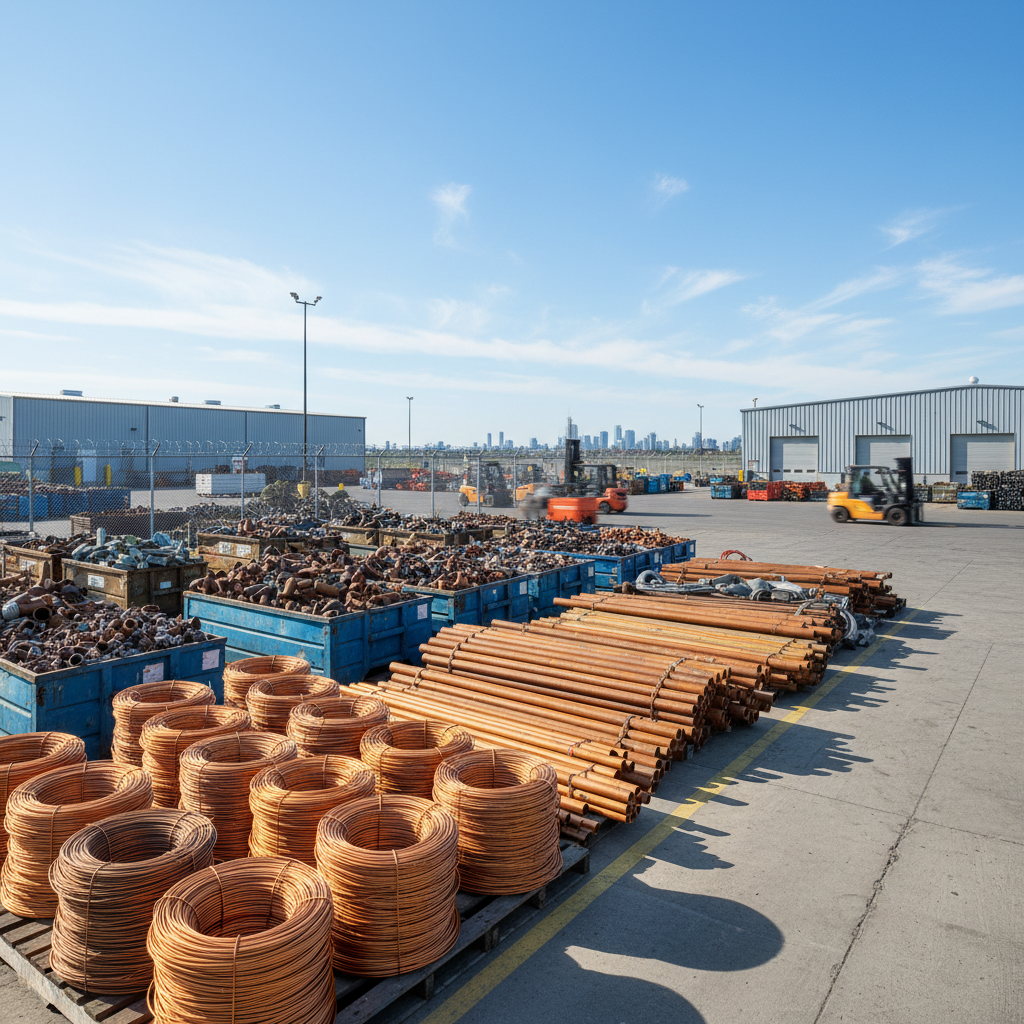
Selling scrap copper is the process of separating, cleaning, and grading copper items so a scrap yard can weigh them and pay you on the spot. To sell scrap copper in Etobicoke, bring prepared copper to 407 Rexdale Blvd during open hours; Quick Scrap Metal buys clean copper, insulated wire, and more.
By Preet Dass | Last updated: May 13, 2026
Summary
To sell scrap copper successfully, identify your copper type (bare bright, #1, #2, insulated wire), keep it clean and sorted, and bring valid ID. At Quick Scrap Metal in Etobicoke, you’ll get fast service, accurate digital weights, and immediate payment for copper, appliances, and electronics in one convenient stop.
Here’s how this complete guide helps you turn copper into cash without guesswork or wasted trips.
- Understand copper grades and what buyers actually look for
- Follow a proven prep-and-sell workflow that saves time
- Avoid common mistakes that reduce your payout
- Learn Etobicoke- and Toronto-specific drop-off tips
- Use checklists, tools, and examples you can copy today
What is scrap copper?
Scrap copper is previously used copper material—like wire, pipe, and fittings—recovered from homes, job sites, and equipment for recycling. Buyers grade it by cleanliness and purity, then process it back into manufacturing streams. Clean, properly sorted copper commands stronger payouts and keeps valuable metal out of landfills.
In practice, “scrap copper” covers a wide range: house wiring, plumbing pipe, HVAC tubing, old appliances, and electronic components. Each piece carries a different grade because coatings, solder, or attached hardware affect purity.
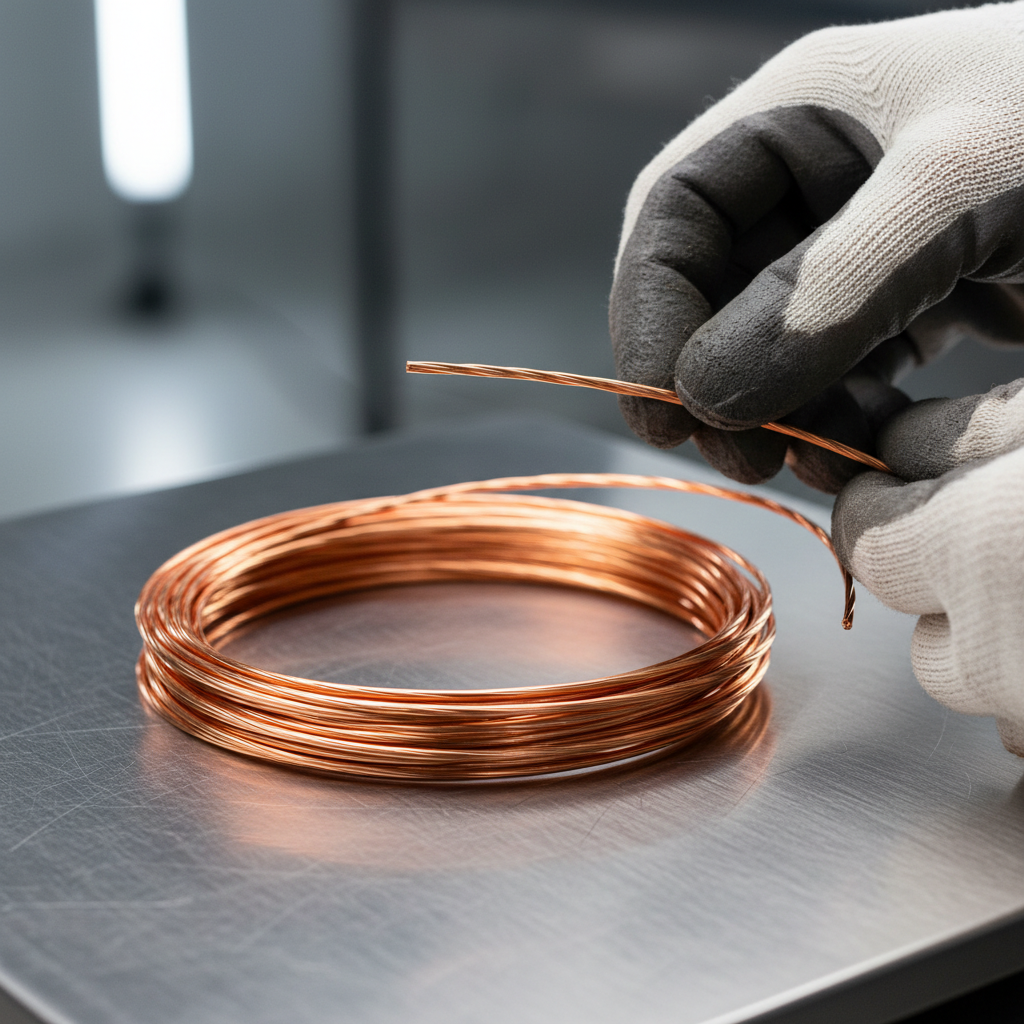
- Bare bright (stripped, shiny wire): Highly pure, no coating, no corrosion.
- #1 copper (clean pipe/wire): Minimal oxidation, no solder or paint.
- #2 copper: Mixed copper with paint, solder, or light corrosion.
- Insulated copper wire (ICW): Copper conductor still inside plastic/rubber.
At Quick Scrap Metal, we purchase all common copper forms alongside non-ferrous metals like aluminum, brass, nickel, and stainless—plus appliances and e-waste—so one trip clears your space responsibly.
Why selling scrap copper matters
Selling scrap copper rewards you twice: you get paid for a valuable metal and you reduce environmental impact by feeding a well-established recycling loop. Clean, separated copper helps recyclers recover more material efficiently, supporting local jobs and lowering demand for newly mined resources.
There’s a practical upside too. Copper shows up everywhere—renovations, old plumbing, seasonal cleanouts, even electronics. Turning that clutter into a same-day payout is a simple win for homeowners, trades, and small businesses. It’s also safer and cleaner than storing sharp offcuts or tangled wire for months.
- Immediate value: Copper is widely accepted and in consistent demand.
- Space back: Free your garage, truck bed, or job box.
- Responsible disposal: Keep metals and e-waste out of landfills.
- One-stop drop-off: Bring metals, appliances, and electronics together.
We’ve seen DIYers finish a bathroom upgrade and walk out with a payout the same afternoon. Tradespeople bring weekly bundles of pipe and wire offcuts—clean, sorted lots make turnaround even faster at the scale house.
How selling scrap copper works in Etobicoke and Toronto
In Etobicoke and the broader Toronto area, selling copper is straightforward: sort your material, bring valid ID, drive to 407 Rexdale Blvd, and our team will weigh, grade, and pay you immediately. Extended hours—including Sundays—make drop-offs flexible for homeowners and contractors.
Here’s the typical flow at Quick Scrap Metal so you know what to expect before you roll in.
- Arrival and safety: Follow yard signs, wear closed-toe shoes, and secure loose items.
- Unload sorted copper: Keep bare bright, #1, #2, and ICW in separate containers.
- Weigh-in: We use accurate scales for fast, transparent measurements.
- Grading check: A quick inspection confirms categories and cleanliness.
- Immediate payout: Qualifying loads are paid on the spot—no delays.
Our location near HWY 27 & Rexdale is simple to reach for the GTA. Many sellers pair copper drop-offs with other items—aluminum, brass, stainless, appliances, and electronics—so everything’s handled in one visit.
Local considerations for Etobicoke
- Plan around neighborhood traffic near Woodbine Mall & Fantasy Fair; mid-mornings typically flow best.
- Winter drop-offs: pack material in lidded bins so snow and ice don’t add moisture or debris to your copper.
- For big cleanouts, call ahead to coordinate unloading so yard time stays quick and efficient.
Types and grades of copper (what buyers look for)
Copper grade is the number-one driver of your payout. Keep bare bright shiny and free of coatings; separate #1 and #2 pipe by cleanliness; and bundle insulated copper wire by type. Clean, sorted copper moves faster at the scale and typically earns stronger returns than mixed, dirty loads.
Use this quick reference to sort with confidence before you drive.
Grade definitions at a glance
- Bare bright: Shiny, uncoated copper wire—no tinning, paint, or corrosion.
- #1 copper: Clean pipe/wire with minimal oxidation; no soldered joints.
- #2 copper: Painted, soldered, or lightly corroded copper; fittings attached.
- Insulated copper wire (ICW): Copper inside plastic/rubber; sort by thickness.
Common examples
- Renovation pipe: Remove valves and brass fittings to upgrade #2 to #1.
- House wiring: Stripped, shiny strands count as bare bright; otherwise ICW.
- HVAC tubing: Cut away steel brackets and non-copper attachments.
- Electronics: Separate boards from wire harnesses; bring PCBs as e-waste.
| Category | Typical Items | Key Requirements | Sorting Tip |
|---|---|---|---|
| Bare bright | Stripped house wire, bright strands | No coating, oil, solder, or corrosion | Coil neatly; keep totally clean |
| #1 copper | Clean pipe, unpainted bus bar | Minimal oxidation, no solder | Cut out joints and fittings |
| #2 copper | Painted or soldered pipe | Coatings or light corrosion allowed | Remove as much non-copper as you can |
| Insulated copper wire | Extension cords, Romex-type cable | Copper conductor under insulation | Bundle by thickness/type |
Tip: A simple magnet and a utility knife tell you a lot. Copper isn’t magnetic; a quick scratch reveals if pipe is painted copper or colored plastic. Only strip wire you can do safely and quickly; sometimes keeping it as ICW is the smarter move.
How to sell scrap copper: step-by-step
Prepare copper by separating grades, removing non-copper attachments, and keeping everything dry and clean. Pack in sturdy bins, bring valid ID, and head to 407 Rexdale Blvd. On arrival, follow yard directions, weigh in, confirm grades, and receive immediate payment.
Prepping your load
- Gather and inspect: Identify wire, pipe, and fittings; separate non-copper.
- Sort by grade: Bare bright, #1, #2, and ICW should never mix.
- Remove attachments: Cut away steel screws, brass valves, and plastic.
- Keep it clean: Brush off dirt; avoid oil or moisture in bins.
- Bundle smart: Coil wire, stack pipe by length; label bins if needed.
On the road and at the yard
- Load safely: Distribute weight, tie down long pieces, and cover bins.
- Bring ID: A government-issued ID is required to complete the sale.
- Check hours: We’re open late on weekdays and open Sundays.
- Follow signs: On arrival, our team will direct you to the right lane.
- Weigh, grade, pay: Digital scales and quick inspection keep you moving.
Want to move even faster? Call ahead if you’re bringing a mixed load with other materials. We also accept aluminum, brass, stainless, appliances, and electronics—one trip, multiple cleanouts.
What affects your copper payout (without talking price)
Your payout is driven by grade, cleanliness, separation, and market conditions. Keep copper free of non-metal attachments, sort each category into its own bin, and avoid moisture. Clean, well-prepared copper moves quickly at the scale and earns stronger returns than mixed or dirty material.
- Grade and purity: Bare bright and clean #1 pipe lead the way.
- Cleanliness: Dirt, solder, paint, or oil push material into lower grades.
- Separation: Mixed loads slow grading and can reduce net payout.
- Moisture content: Wet material adds non-copper weight—keep bins dry.
- Volume and consistency: Regular, sorted deliveries streamline yard time.
- Compliance: Bring ID and ensure material ownership is clear.
You don’t need special equipment to improve outcomes. A basic toolkit—gloves, magnet, cutters, and a few sturdy bins—often turns a random pile into a clean, high-grade load.
Tools and resources to streamline your copper sales
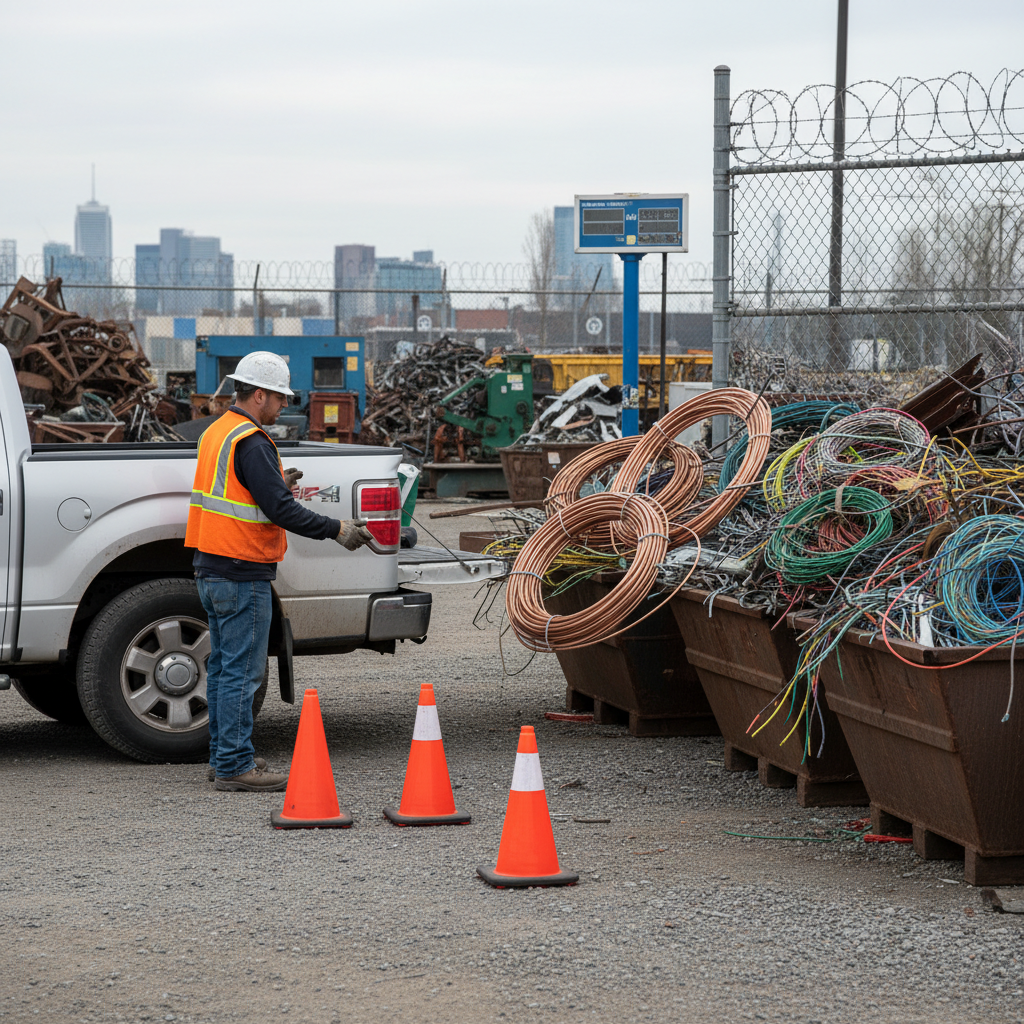
You can maximize your copper results with simple tools: gloves, eye protection, a magnet, a utility knife, side cutters, and stackable bins. For ongoing jobs, add a compact wire stripper and a handheld scale. Organize once at home so your trip through the yard is quick.
Simple toolkit for better grading
- Cutting and stripping: Utility knife, side cutters, and a compact wire stripper.
- Sorting and handling: Stackable bins, zip ties, and painter’s tape for labels.
- Safety: Cut-resistant gloves and eye protection for cutting and stripping.
- Checks: A small magnet to confirm non-ferrous; rags to wipe dirt or oil.
For contractors, keeping a dedicated “non-ferrous” tote on the truck pays off. Copper offcuts from plumbing, electrical, and HVAC jobs add up fast when they’re clean and sorted as you go.
Helpful internal resources on our site include a focused page for copper scrap buyers, current guidance on scrap copper pricing factors, broader scrap metal price insights, and an overview of scrap metal recycling in Etobicoke. If your cleanout also includes phones, laptops, or TVs, see electronics recycling guidance to keep those items out of landfills.
For trades planning build-outs, reading about steel studs for Toronto projects can help you forecast which jobs generate non-ferrous offcuts you’ll later recycle with us. Local service guides—like finding a reliable Etobicoke plumber or kitchen renovation planning—also signal when copper pipe and wire replacements are coming up, so you can set aside a sorting bin in advance.
Real-world examples: how locals turn copper into instant space and value
Homeowners, trades, and small businesses across the GTA maximize copper value with clean sorting and one-stop drop-offs. The pattern is simple: remove obvious attachments, separate by grade, and bring everything—metals, appliances, electronics—to 407 Rexdale Blvd for a quick scale-in and immediate payment.
Etobicoke homeowner post-renovation
After a condo refresh near Woodbine Mall & Fantasy Fair, a homeowner brought two bins of copper pipe (soldered joints removed), a coil of house wire, and an old microwave. With grades separated and appliances added to the load, they cleared a storage closet and left with a same-day payout.
Electrical contractor weekly routine
An electrician serving Toronto and Mississauga keeps a labeled tote for bare bright, another for ICW, and a short section bin for pipe. Friday afternoons, they swing by Rexdale with wire ends, cutoffs, and a retired shop compressor—fast scale time, minimal downtime.
Property manager seasonal cleanout
A small property team in Etobicoke batches spring cleanups: copper pipe from unit turnovers, stray wire from maintenance, plus old fridges and TVs. One organized trip handles metals and e-waste together, simplifying documentation and freeing room in the maintenance cage.
Best practices to avoid common mistakes
Keep copper dry, clean, and separated. Don’t mix metals in one bin, don’t strip low-yield wire unless time allows, and remove obvious non-copper attachments. Labeling bins and coiling wire neatly save minutes at the yard and help you move through the scale faster.
- Don’t mix grades: One fitting can push a clean pipe pile down a category.
- Skip risky stripping: Only strip wire you can do safely and efficiently.
- Protect from weather: Moisture adds weight that isn’t copper.
- Confirm ownership: Keep receipts or work orders for job-site materials.
- Plan your route: Combine copper with other recyclables for one efficient trip.
When in doubt, bring it in. We’re happy to identify categories at the yard and explain simple steps to upgrade material next time.
Quick, clean drop-offs at 407 Rexdale Blvd
Bring your sorted copper, appliances, and electronics to 407 Rexdale Blvd in Etobicoke. We’ll weigh, grade, and pay immediately—with extended weekday hours and Sunday availability to fit your schedule. One trip, multiple cleanouts, fast turnaround.
Need help sorting? Swing by with your bins, or call ahead to discuss larger loads. Our team keeps the process EASY | FAST | CONVENIENT.
Checklists you can copy
Use these quick checklists to prep copper, speed up grading, and avoid rework. Keep a copy in your garage or truck, and you’ll be in and out of the yard faster, with fewer surprises at weigh-in.
Garage/Jobsite checklist
- Set out four bins: bare bright, #1, #2, ICW
- Cut away valves, fittings, steel screws
- Coil wire, bundle by thickness
- Brush off dirt and dust
- Keep everything dry and covered
Before you drive
- Secure long pipe; tie down bins
- Bring valid government ID
- Confirm open hours (late weekdays, Sundays open)
- Group other recyclables for one stop
Frequently Asked Questions
These quick answers address the questions we hear most about selling copper in Etobicoke and across the GTA. If you’re unsure how to sort an item, bring it in—we’ll grade it on the spot and suggest simple ways to upgrade future loads.
How do I tell bare bright wire from #1 copper?
Bare bright is shiny, uncoated copper wire with no tinning, paint, or corrosion. If strands are dull, coated, or lightly oxidized, they likely fall under #1 or #2. When in doubt, keep it separate and we’ll confirm at the yard.
Do I need to strip insulated copper wire before selling?
Not always. Stripping takes time and can be unsafe without proper tools. Heavier-gauge wire sometimes makes sense to strip, but many sellers keep cable as ICW. Bundle by thickness and we’ll guide you at weigh-in.
What identification do I need to sell scrap copper?
Bring a valid government-issued photo ID. Clear proof of ownership for job-site materials is helpful, especially for larger loads. This keeps transactions fast and compliant.
Can I bring copper along with appliances and electronics?
Yes. We’re a one-stop drop-off for metals, appliances, and e-waste. Many sellers pair copper with old fridges, microwaves, TVs, or PCs to clear space and complete responsible recycling in one trip.
Key takeaways
Sort copper by grade, keep it clean and dry, and bring valid ID. Combine metals, appliances, and electronics in one organized trip to 407 Rexdale Blvd for a fast weigh-in and immediate payment. The cleaner and better separated your copper is, the stronger your result.
- Sorting and cleanliness drive your grade
- Use simple tools to prep quickly and safely
- Bundle copper with other recyclables for efficiency
- Our extended hours fit busy schedules
Conclusion and next steps
Selling scrap copper in Etobicoke is easy when you sort by grade, remove non-copper attachments, and keep material clean. Bring your copper, appliances, and electronics to Quick Scrap Metal at 407 Rexdale Blvd—our team will weigh, grade, and pay on the spot with extended hours for your convenience.
Ready to move? Review the grade table above, load your labeled bins, and plan a quick stop at our Rexdale yard. If questions come up, we’re here to help you prep smarter so every future trip is faster and more rewarding.