
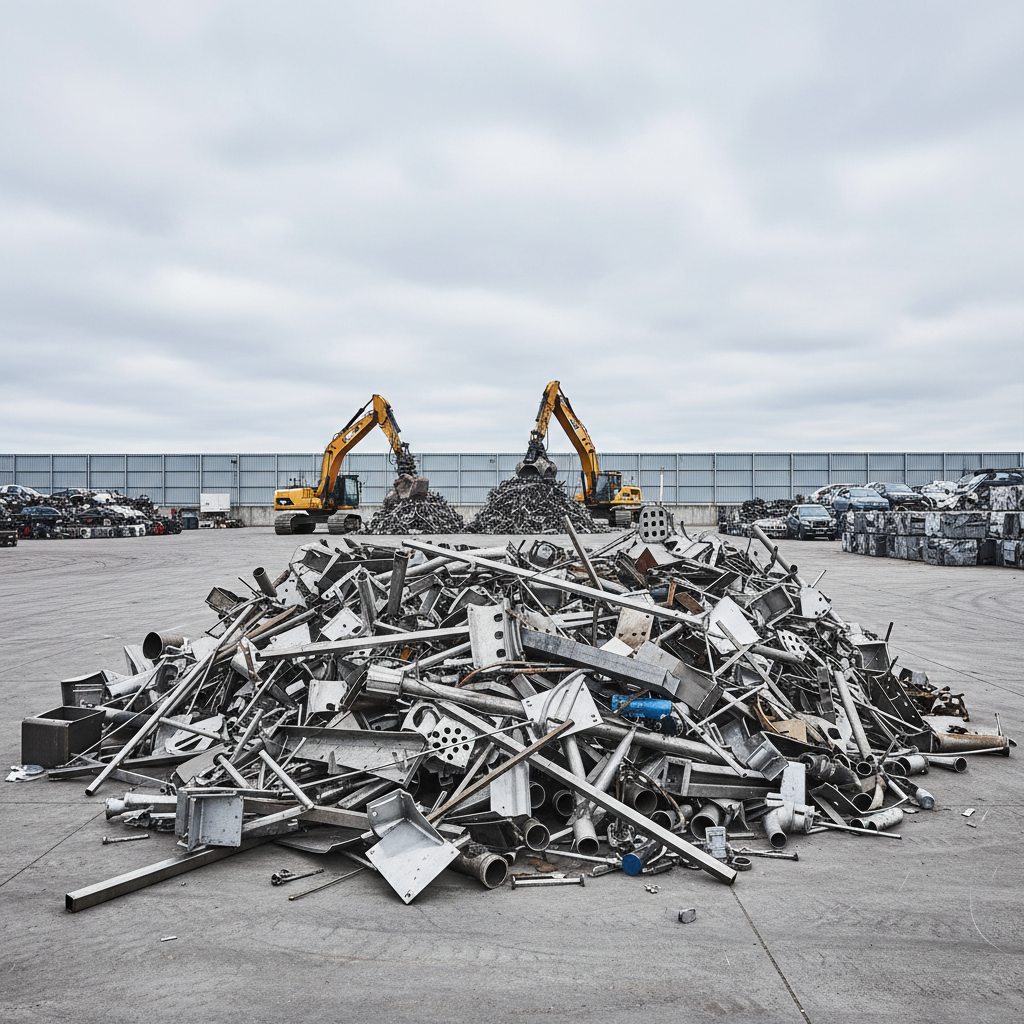
Stainless scrap price per pound is the per-pound rate buyers pay for stainless steel based on alloy grade, cleanliness, weight, and live market signals. At 407 Rexdale Blvd in Etobicoke, Quick Scrap Metal grades 304, 316, and 400-series on arrival and pays competitive, on-the-spot returns for well-prepared loads.
By Preet Dass — Quick Scrap Metal
Last updated: April 30, 2026
Above the Fold: How to Get Paid Fairly for Stainless
Bring clean, sorted stainless, ask for visible scale readouts, and request grade-by-grade weights. Separate 304, 316, and magnetic 400-series, and remove attachments that aren’t stainless. This speeds your drop-off and supports a strong per-pound rate that reflects true composition and current market direction.
You want a fast visit and a fair outcome. Here’s the simple playbook regulars use at our Etobicoke yard near HWY 27 & Rexdale:
- Sort before you drive: 304 vs. 316 vs. magnetic 400-series.
- Remove non-metal: plastics, wood, rubber, labels, insulation.
- Keep turnings separate: chips and shavings aren’t weighed like solids.
- Ask for transparency: visible scale, printed ticket, and grade notes.
- Drop off off-peak: quicker grading often means quicker payout.
New to stainless? Skim the next section, then jump to Best Practices for a checklist you can use today.
Quick Summary
Stainless scrap value depends on alloy grade (especially nickel content), weight, cleanliness, and live market trends. Sort 304/316/400, keep solids separate from turnings, and bring ID. In Toronto’s metro, well-prepared loads move fast and are paid on the spot when documentation and grading are clear.
- Drivers of value: grade chemistry, nickel/chromium content, cleanliness, form.
- Market signals: nickel direction and stainless surcharges shape yard rates.
- Prep wins: remove contamination; separate fasteners and rubber.
- At the scale: ask for grade-by-grade weights and a printed ticket.
- Helpful primer: our best price guide for Etobicoke explains general drop-off strategy.
What Is “Stainless Scrap Price per Pound”?
It’s the per-pound rate buyers pay for stainless steel scrap, set by alloy grade, weight, cleanliness, and market indexes. Higher nickel content alloys (like 316) tend to command stronger outcomes than magnetic 400-series, assuming similar preparation and volume.
When people say stainless scrap price per pound, they mean the yard’s per‑pound payout for items like sinks, tubing, valves, restaurant equipment, and machine shop offcuts. The per‑pound rate reflects:
- Grade chemistry: 300-series (304, 316) vs. 400-series vary in nickel and chromium.
- Form: solids vs. turnings; heavy gauge vs. thin sheet.
- Cleanliness: fewer attachments, coatings, or residues yield better outcomes.
- Volume and consistency: larger, repeatable quantities streamline grading.
Most sellers see stronger outcomes by pre‑sorting, removing plastics, and separating stainless from mixed loads. That’s exactly how we help homeowners, tradespeople, and small shops across Etobicoke and Toronto move faster at drop‑off.
Why Stainless Scrap Value Matters to You
Getting stainless grading right protects your payout and supports circular manufacturing. Clean stainless scrap feeds mills and foundries, conserving raw resources and reducing energy intensity compared with virgin production—benefits you create simply by sorting and recycling properly.
Why should you care about the per‑pound rate?
- Money back for clutter: sinks, prep tables, tubing, grills—small items add up.
- Shop efficiency: machine shops reclaim value from offcuts and turnings.
- Sustainability: recycling stainless reduces primary mining demand.
- Compliance: proper e‑waste and appliance handling avoids disposal risks.
Many stainless grades are engineered for corrosion resistance using chromium (commonly around 18%) and, in 300‑series, nickel. Those alloying elements are why prepared stainless scrap maintains downstream value in the Greater Toronto recycling ecosystem.
How Stainless Pricing Works at a Yard
Yards assess grade and form, weigh your load on certified scales, and apply a per-pound rate tied to market indicators. Clean, correctly sorted 304, 316, and 400-series are weighed separately, and you’re paid on the spot once the ticket is printed and verified.
Here’s the typical flow at Quick Scrap Metal:
- Arrival and ID: pull onto the designated scale lane; present ID when requested.
- Visual grading: we separate 304/316/400, turnings vs. solids, and note contamination.
- Weighing: certified scale readouts capture gross, tare, and net weights.
- Ticket: grade-by-grade weights are listed; you review and confirm.
- Payout: on‑the‑spot cash for qualifying materials, fast and simple.
Turnings (chips) are handled differently from solids due to surface oil and density; keeping them in dedicated bins speeds grading. Appliances with stainless skins often include mixed metals and insulation—separating panels and removing foam reduces deductions and improves turnaround. For other categories, our insulated wire guide and radiator scrap overview show how form affects outcomes.
Stainless Types, Grades, and Common Scrap Forms
Most stainless scrap is 300-series (304 and 316) or 400-series (magnetic). 304 contains chromium and nickel for general corrosion resistance; 316 adds molybdenum for chloride environments. 400-series is typically nickel‑lean and magnetic. Sorting these families correctly is the single biggest lever for your per‑pound result.
Typical stainless scrap you can bring
- 304 solids: restaurant prep tables, sinks, handrails, tubing, fixtures.
- 316 solids: marine hardware, chemical/food‑grade tanks, sanitary pipe.
- 400-series: magnetic appliance trim, some automotive exhaust, knives.
- Turnings: machine shop chips and shavings—keep dry and separate.
- Mixed appliances: dishwashers, ranges, microwaves (often mixed metals).
Quick identification tips
- Magnet test: 400‑series is usually magnetic; 304/316 are generally non‑magnetic.
- Surface clues: 316 parts often live near saltwater or chemicals.
- Mill marks: offcuts may be stamped with grade (e.g., “304L”, “316L”).
- Keep paperwork: if you have MTRs, bring copies to speed grading.
Curious about other metals? See how we handle brass scrap and cast iron so you can plan a single, efficient trip.
What Determines Stainless Scrap Price per Pound?
Grade chemistry (especially nickel), cleanliness, form (solids vs. turnings), and real‑time market signals drive stainless scrap per‑pound payouts. Larger, well‑prepared loads see faster grading and consistent results across visits at reputable yards.
Core pricing factors
- Alloy family: 316 typically outperforms 304; 400‑series tends to grade lower.
- Nickel influence: stainless often follows nickel market direction.
- Cleanliness: attachments, coatings, and residues reduce effective yield.
- Form: dense solids vs. oily turnings; dry, contained chips grade easier.
- Volume and frequency: repeatable loads reduce inspection time.
- Local demand: Toronto processors and mill orders affect day‑to‑day appetite.
For context, 304 is commonly alloyed around 18% chromium and 8–10.5% nickel, while 316 adds molybdenum and a higher nickel range—chemistry that generally supports stronger downstream demand when clean and correctly sorted.
Process snapshot: From scale to payout
| Step | What happens | Why it matters |
|---|---|---|
| Unload & sort | 304/316/400 separated; turnings isolated from solids | Prevents cross‑contamination and re‑weighing |
| Scale weigh‑in | Gross, tare, net recorded on certified equipment | Ensures accurate, auditable weights |
| Grade confirmation | Magnet, visual, and paperwork checks | Aligns with market‑based grade categories |
| Ticket & review | Printed weights and notes for each line item | Transparency before payout |
| On‑the‑spot payment | Cash for qualifying materials | Immediate, convenient close‑out |
Best Practices to Maximize Your Stainless Payout
Sort by grade, remove non‑stainless attachments, keep chips dry, and label bins. Ask for separate weights for 304, 316, and 400‑series. Bringing documentation and arriving during off‑peak times speeds grading and supports a strong per‑pound outcome.
Action checklist
- Label containers: “304 solids”, “316 solids”, “SS turnings”.
- Strip contaminants: rubber gaskets, plastic trims, wood spacers.
- Keep turnings dry: drain cutting fluids; store chips indoors.
- Consolidate hardware: separate carbon steel screws and brackets.
- Document: include MTRs or alloy certs if available.
- Time your visit: mid‑morning and mid‑afternoon often move quicker.
Local considerations for Etobicoke
- Plan drop‑offs to avoid peak weekend traffic near Woodbine Mall & Fantasy Fair; weekday afternoons often move faster.
- Winter loads can carry ice and snow—knock off buildup so weights reflect metal, not moisture.
- For mixed appliance loads, use our simple yard layout off HWY 27 & Rexdale to stage stainless panels apart from other metals.
Working on a broader clean‑out? Our electronics recycling guide and household scrap tips can help you consolidate a single trip.
Tools and Resources You Can Trust
Use reputable market references, stainless grade guides, and environmental resources to plan your runs. Pair that knowledge with a transparent, local yard process to turn stainless into predictable, on‑the‑spot returns without guesswork.
- Market direction: nickel and stainless surcharge trends offer context for timing.
- Grade identification: pocket magnets, grinder for spark tests, and MTRs for verification.
- Preparation gear: impact driver set, pry bars, bins with lids for chips, gloves.
- Construction context: broader steel usage trends can hint at local demand; explore a reinforcing steel supply guide and epoxy rebar planning insights for perspective.
- Fabrication demand: see regional framing activity via this steel studs resource to understand downstream appetite for metal inputs.
Mini Case Studies from Our Toronto Service Area
Clean, sorted stainless moves quickly and pays predictably. Across Etobicoke and the Toronto metro, homeowners, trades, and small manufacturers see faster drop‑offs and consistent outcomes when they separate 304 from 316 and keep turnings dry and contained.
Home refresh: two sinks and an old dishwasher
A homeowner near Flagstaff Park brought two 304 sinks and a mixed‑metal dishwasher. We separated panels, removed insulation and wiring, and weighed stainless solids apart from the appliance’s mixed components. The clear ticket and quick cash‑out turned a garage clean‑up into same‑day value.
Machine shop: turnings vs. solids
An Etobicoke shop arrived with 316 sanitary tube offcuts and multiple bins of stainless turnings. By keeping chips dry and labeled, they cut grading time dramatically. Separate line items for 316 solids and SS turnings ensured each form was weighed and settled appropriately.
Restaurant upgrade: prep tables and hood panels
During a kitchen refresh, a contractor delivered 304 prep tables and stainless hood panels. We removed carbon steel fasteners, checked for filters and coatings, and printed a grade‑specific ticket. The sorted, clean load led to an efficient scale‑to‑payment turnaround.
Stop by our yard in Etobicoke with stainless separated into 304, 316, 400‑series, and turnings. We’ll walk you through the process and get you paid on the spot for qualifying loads.
Pricing Without Numbers: How Yards Set Stainless Rates
Yards translate market signals and downstream mill demand into grade‑based per‑pound rates. The cleaner and denser your stainless, the stronger the outcome. Rates update frequently to mirror market direction, so sorting and timing help you capture value consistently.
- Benchmarks: stainless often tracks nickel and surcharge movements.
- Local competition: regional demand shapes practical floors and ceilings.
- Quality: clean solids outperform mixed, oily, or coated material.
- Logistics: steady, repeatable loads streamline handling and turnaround.
- Documentation: proof of grade (e.g., 316L) can speed confirmation.
For other categories beyond stainless, compare preparation tips in our bronze value explainer to see how material form and cleanliness influence outcomes across the yard.
Stainless Grade Comparison and Prep Tips
Sorting 304, 316, and 400‑series before arrival is the top way to influence your per‑pound result. Use a magnet, remove fasteners, and keep chips dry. Consistent prep habits often matter as much as market timing for predictable payouts.
| Grade family | Common chemistry notes | Typical scrap form | Prep tips | Everyday sources |
|---|---|---|---|---|
| 304 (300-series) | Chromium with nickel; general-purpose corrosion resistance | Solids, sheet, tube, fixtures | Remove carbon steel screws; minimize oils | Sinks, tables, railings |
| 316 (300-series) | Like 304 with added molybdenum; higher nickel range | Solids, sanitary pipe/tanks | Keep paperwork; separate from 304 | Food/chemical gear, marine |
| 400-series (ferritic/martensitic) | Typically nickel‑lean; magnetic | Appliance trim, equipment parts | Use magnet test; separate from 300-series | Automotive, appliances |
| Stainless turnings | Chips/shavings from machining | Loose chips in bins | Keep dry and covered; no trash or rags | Machine shops |
Frequently Asked Questions
These quick answers cover identification, preparation, and drop‑off basics so you can move through the Etobicoke yard quickly and get paid on the spot for qualifying stainless loads.
How can I tell 304 from 316 stainless at home?
Start with a magnet—both are usually non‑magnetic. Look for context clues: 316 is common in marine and chemical environments. If you have Mill Test Reports (MTRs) or stamped offcuts, bring them. When in doubt, keep potential 316 separate for yard confirmation.
Do you buy stainless appliances and kitchen equipment?
Yes. Many appliances have stainless skins and mixed internal metals. Separate panels from insulation and wiring where practical. We’ll help you stage items so stainless is weighed appropriately and mixed materials don’t hold the load back.
Should I remove screws, plastic, and rubber before drop‑off?
Yes. Removing non‑stainless attachments and obvious contamination improves effective yield and speeds grading. Keep stainless fasteners together, and separate carbon steel screws so your stainless is as clean as possible on the scale.
Do magnets always mean lower stainless value?
A magnetic pull often indicates 400‑series, which tends to grade below 300‑series. Some cold‑worked 300‑series can show slight magnetism, so use magnet response as a clue, not a final verdict. Keep families separated for the best outcome.
What paperwork should I bring?
Bring government‑issued ID and any available Mill Test Reports or alloy certifications for industrial offcuts. Documentation speeds grading and supports accurate, grade‑specific weights, especially for 316 and specialty stainless.

Keeping stainless turnings dry and separate from solids helps maintain grade integrity, speeds yard processing, and supports predictable per‑pound outcomes.
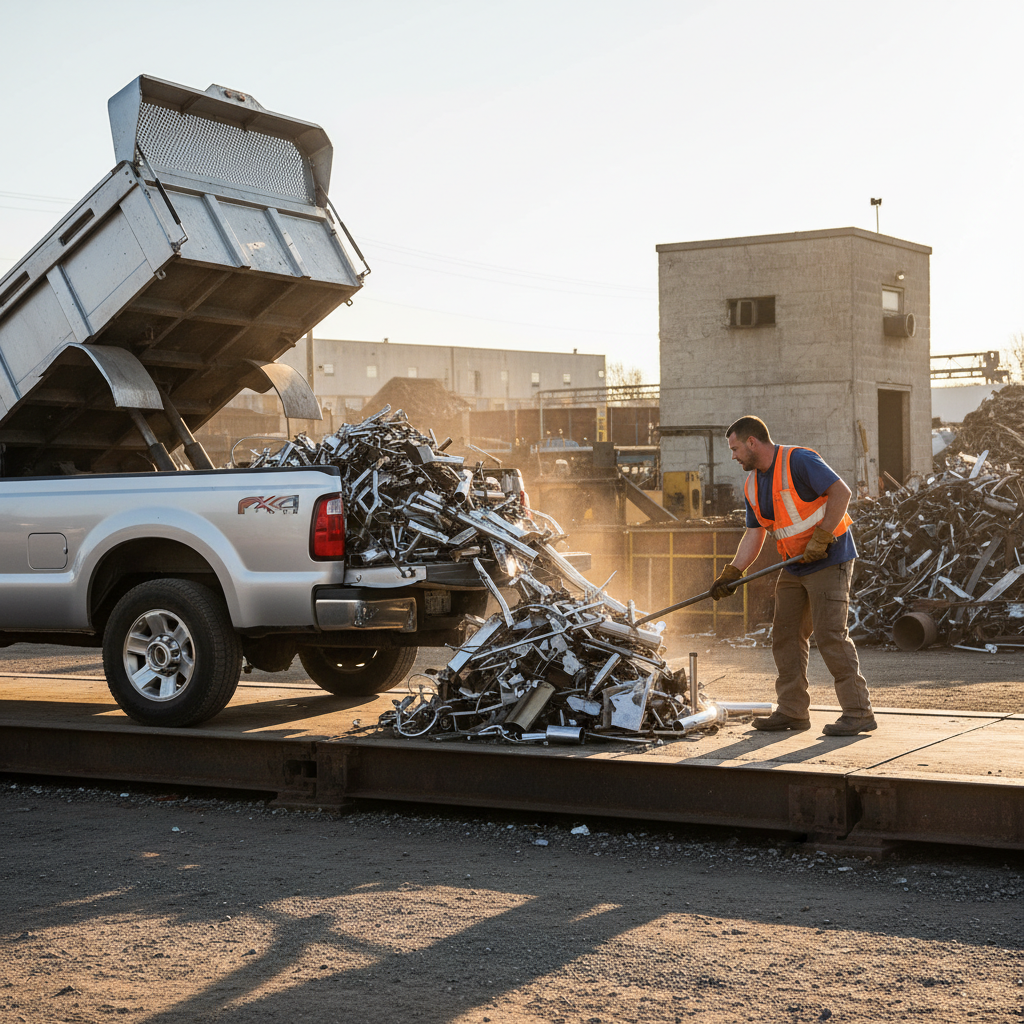
Arriving with labeled containers and minimal contamination shortens your visit and helps staff weigh each stainless category accurately, from 304 solids to stainless turnings.
Conclusion and Next Steps
To get a strong stainless scrap price per pound, sort by grade, remove non‑stainless attachments, keep chips dry, and ask for separate weights. Pair smart prep with a transparent yard process, and you’ll turn stainless into quick, predictable returns in Etobicoke and across Toronto.
Key takeaways
- Sort 304, 316, and 400‑series before you arrive; keep turnings dry and contained.
- Ask for grade‑by‑grade weights and a printed ticket for transparency.
- Cleanliness and density often matter as much as market timing.
- Leverage our internal guides on brass and insulated wire to plan combined trips.
Next step
- Load your stainless by family (304/316/400) and form (solids/turnings).
- Bring ID and any MTRs or stamps that confirm grade.
- Head to Quick Scrap Metal, 407 Rexdale Blvd, Etobicoke. We’ll weigh, ticket, and pay on the spot for qualifying loads.
Have questions about unusual alloys or mixed equipment? Call or stop in—we’ll help you sort it out so you can get in, get paid, and get back to work.