
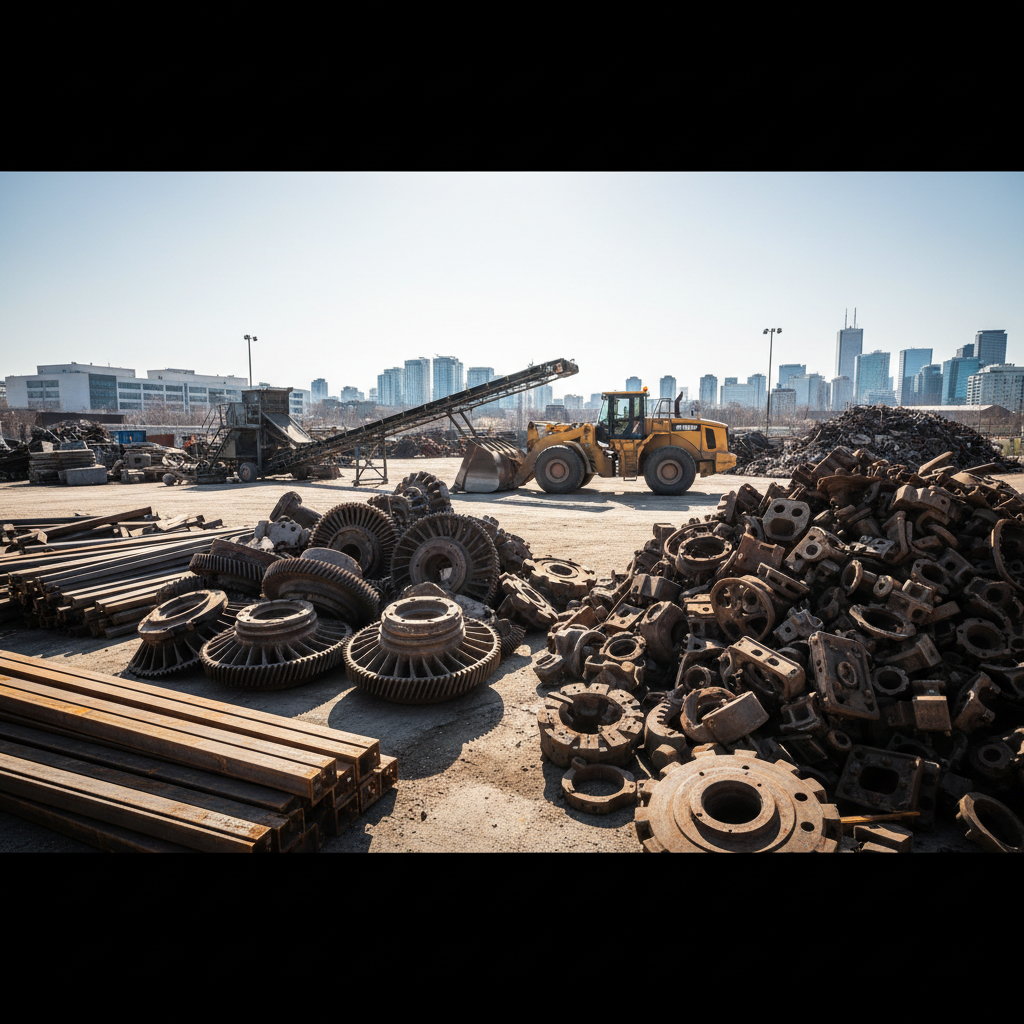
To buy iron scrap or sell it fast in Etobicoke, visit Quick Scrap Metal during extended hours. We buy ferrous metals like steel, cast iron, and brake rotors and help contractors and homeowners prepare loads for top value. If you want to buy iron scrap for projects, we also sell prepared grades on request.
By Quick Scrap Metal – Etobicoke • Last updated: April 23, 2026
Quick Summary
Buying and selling iron scrap in Etobicoke is straightforward: identify your grade (cast, HMS, rotors), separate ferrous from non-ferrous, remove contaminants, and weigh in at Quick Scrap Metal. You’ll get fast, on-the-spot payment when selling, or access to prepared iron grades for purchase when available.
Iron scrap buying refers to sourcing, grading, and transacting ferrous metal—steel, cast iron, rotors, and more—for recycling or reuse. At Quick Scrap Metal in Etobicoke, we make it easy for homeowners, trades, and small businesses to drop off mixed loads, get paid quickly, and, where needed, secure prepared iron scrap for fabrication or training projects.
- What you’ll learn: how to identify grades, prep for better payouts, and handle transport safely.
- Who this helps: residents, contractors, auto enthusiasts, and facilities managers across the GTA.
- Why it matters: clean, well-sorted iron moves faster and typically earns stronger value.
Above-Fold Section: Start Here
If you’re ready to buy iron scrap or sell iron scrap today, bring your ferrous materials to our Etobicoke yard. We accept steel, cast iron, and rotors, pay on the spot, and offer prepared iron grades for purchase when in stock. Extended hours mean quick turnarounds, even on Sundays.
Quick Scrap Metal is your convenient drop-off and pickup partner for ferrous and non-ferrous metals, appliances, and electronics. We emphasize: easy access in Etobicoke, immediate payments for qualifying loads, and responsible recycling that keeps metals in circulation and clutter out of garages, workshops, and job sites.
- Accepted ferrous examples: brake rotors, beams, structural steel, cast iron sinks, engines, and motors.
- Also accepted: appliances, e-waste, batteries, cables and wire, and stainless steel.
- Service area: Etobicoke, Toronto, Mississauga, Brampton, and the broader GTA.
What Is Iron Scrap Buying?
Iron scrap buying is the process of sourcing and grading ferrous metals—steel, cast iron, and similar alloys—for recycling or reuse. Sellers bring materials to a yard for weighing and payment. Buyers, including contractors or makers, may purchase prepared grades for projects, repairs, or training.
In simple terms, “iron scrap” is any ferrous metal suitable for recycling. Magnets stick to it. Common sources include vehicles, home renovations, HVAC removals, machinery, farm equipment, and demolition offcuts. When you buy iron scrap, you’re acquiring reusable material; when you sell, you’re converting excess metal into fast cash while supporting a circular economy.
Common ferrous categories you’ll see
- Cast iron: heavy, brittle pieces like sinks, radiators, and engine blocks.
- HMS (Heavy Melt Steel): structural steel, beams, and plate—often cut to size.
- Shred/Light iron: thinner steel like shelving, siding, ductwork, or small appliances.
- Rotors/Auto cast: brake rotors and calipers—dense and consistent.
At our Etobicoke yard, we grade materials quickly so you can move on with your day. Clean, separated loads help us process faster—and help you unlock stronger value for the metal you bring in.
Why Iron Scrap Buying and Recycling Matters
Iron scrap keeps valuable materials in circulation, reduces landfill pressure, and supports local manufacturing. Clean, well-graded ferrous scrap is a cornerstone of recycling supply chains and helps households and contractors declutter while earning immediate value from materials they no longer need.
Here’s the thing: ferrous metals are everywhere. From home renovations to auto projects, you’ll encounter steel and cast iron more than any other materials. Recycling them saves energy and preserves resources compared with sourcing virgin ore. For residents, it’s a tidy way to clear space. For trades, it’s about safe, efficient turnover on job sites.
Benefits you can feel right away
- Space back: Free up garages, basements, and yards by moving out heavy iron.
- Immediate payout: Turn clean ferrous loads into on-the-spot payment.
- Operational efficiency: Contractors finish jobs cleaner and faster with a reliable drop-off plan.
- Environmental impact: Recycled iron supports lower-resource manufacturing inputs.
In our experience across Etobicoke and the GTA, tidy, pre-sorted loads move through our scale and offload lanes quickly, which keeps wait times low and gets you back to work sooner.
How Iron Scrap Buying Works at Quick Scrap Metal
Bring your iron, check in at the scale, and we’ll weigh, grade, and unload efficiently. Sellers get paid on the spot. If you want to buy iron scrap, request prepared grades; availability varies. Our extended weekday hours and Sunday openings make the process fast and convenient.
We’ve streamlined the experience for homeowners, auto enthusiasts, and contractors. The steps below outline a typical visit and the optional add-ons we provide for special requests and unique materials:
- Prepare your load: Separate ferrous items from non-ferrous (aluminum, copper, brass) and remove obvious contaminants.
- Arrive and weigh in: Our team directs you to the scale, confirms materials, and assigns the correct grade.
- Unload safely: We’ll help guide you to the proper unloading area; follow on-site signage and PPE guidance.
- Get paid: Sellers are paid immediately after grading and weighing.
- Buying iron scrap: If you’re sourcing iron for projects, ask about prepared HMS, rotors, or cast pieces available that day.
For mixed loads that include appliances or electronics, we can accept them in one stop. That’s helpful for move-outs, estate cleanups, or renovation turnovers. When needed, we can advise on scrap car drop-off or pickup options to keep everything moving.
Iron Scrap Grades, Sources, and How to Identify Them
Identify iron scrap by using a magnet and noting form and thickness. Cast iron is dense and brittle; HMS includes beams and plate; light iron covers thin-gauge items; rotors are uniform discs. Sorting these at home accelerates scale time and helps maximize value.
Knowing the common grades speeds up your visit and unlocks stronger outcomes when you buy iron scrap for projects. Below is a quick reference you can use before you head to the yard:
| Grade | What It Is | Typical Sources | Preparation Tips |
|---|---|---|---|
| Cast Iron | Thick, brittle ferrous pieces | Engine blocks, radiators, old sinks | Drain fluids, remove attached plastics and rubber |
| HMS (Heavy Melt Steel) | Structural steel, beams, plate | Demolition offcuts, I-beams, heavy frames | Cut oversized pieces where possible; remove wiring |
| Light Iron/Shred | Thin-gauge ferrous items | Ducts, shelving, siding, small appliances | Empty and clean appliances; separate cords |
| Rotors/Auto Cast | Uniform automotive cast pieces | Brake rotors, calipers | Remove packaging, bag small parts |
When in doubt, bring it in. We live by “If it’s metal, we buy it!” Our team quickly identifies borderline items and directs non-ferrous pieces (like copper, aluminum, or brass) to the appropriate stream so nothing gets missed.
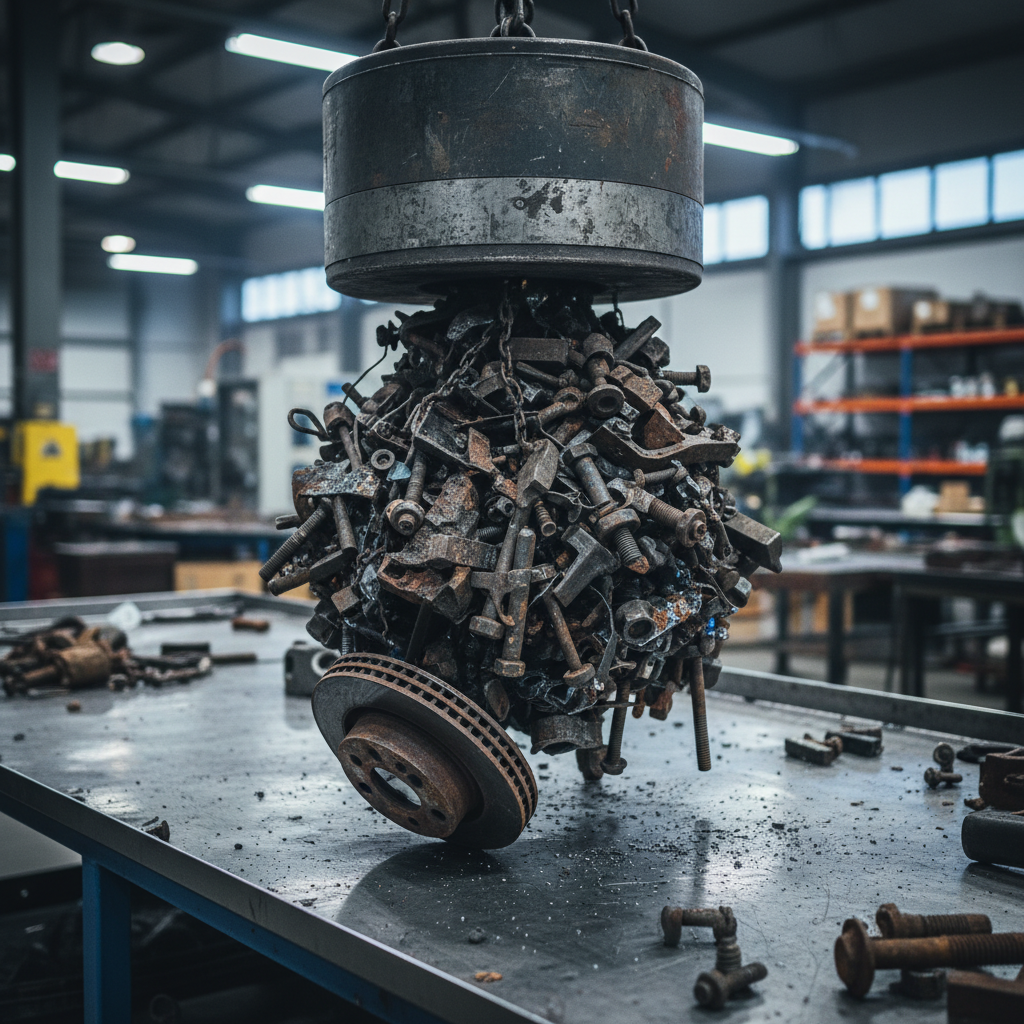
7 Ways to Get More Cash When You Sell Iron Scrap
Maximize your payout by sorting ferrous from non-ferrous, removing contaminants, cutting oversize steel, bundling like-with-like, securing safe transport, timing your visit to avoid rushes, and asking about prepared grades if you plan to buy iron scrap for projects.
These are the field-tested habits we see working for residents and contractors in Etobicoke and across the GTA:
- Sort before you drive: Separate cast iron, HMS, light iron, and rotors. Bag fasteners and small parts.
- Remove obvious contaminants: Plastics, wood, foam, and fluids slow processing. Strip cords from appliances and set electronics aside.
- Right-size heavy pieces: Cutting oversize steel improves handling and speeds grading.
- Keep similar items together: Banded or containerized loads unload quickly and are easier to grade accurately.
- Use safe, secure transport: Tie down or strap loose pieces to prevent shifting and damage.
- Plan your timing: Mid-mornings and midweek often mean shorter lines; extended hours and Sundays give you flexibility.
- Ask about prepared grades: If you also need to buy iron scrap, request HMS, rotors, or cast offcuts for training or repairs.
We’re here to help. If you’re unsure about a mixed load that includes appliances or e-waste, let us know at check-in so we can streamline the drop-off path.
Best Practices for Handling, Safety, and Efficiency
Handle iron scrap with gloves, eye protection, and sturdy footwear. Keep the path clear, lift with legs not back, and secure loads before transit. On-site, follow yard guidance, keep kids and pets at home, and avoid climbing on piles or equipment.
Ferrous scrap can be heavy, sharp, and awkward. A few smart habits make everything smoother and safer—at home and at the yard.
PPE and prep
- Wear protection: Work gloves, eye protection, and boots with solid soles.
- Clear staging area: Use carts or dollies for heavy items; avoid twisting while lifting.
- Remove hazards: Drain fluids from engines and compressors; cap sharp edges when possible.
Loading and transport
- Balance the load: Place heavy pieces low and centered; strap tightly.
- Contain smalls: Use totes or buckets for bolts and cutoffs.
- Drive defensively: Leave extra stopping distance with a heavy trailer.
At the yard
- Follow staff direction: We’ll guide you to the correct scale and unloading zone.
- No climbing: Stay clear of stacked materials and moving machinery.
- Ask questions: Unsure about a piece? We’re happy to advise on grading and prep.
Good preparation speeds your visit, reduces risk, and helps you get in and out quickly—especially useful during busy weekends.
Tools, Resources, and Where Buyers Source Iron Scrap
Basic tools like a strong magnet, bolt cutters, a saw, and heavy-duty gloves make scrap prep faster. For buyers, prepared iron grades are often available at established yards. Quick Scrap Metal can reserve or suggest equivalents when you call ahead.
Whether you’re getting ready to sell or planning to buy iron scrap for a project, having the right gear and a reliable source changes everything.
- Magnet and scale: Confirm ferrous vs. non-ferrous and spot-check weight at home.
- Cutting tools: Recip saw, angle grinder, or torch (where safe and permitted) for oversize.
- Containers: Buckets, bins, or totes for fasteners, short offcuts, and rotors.
- PPE: Gloves, eye and hearing protection, and boots.
- Pickup or trailer: With straps, chains, and tarps for secure transport.
If you’re a contractor working with steel studs and structural components, you may also find value in complementary building materials resources from our broader network. For context on steel components used in light framing, explore these overviews from our affiliated network: steel studs in the GTA, steel stud supplier insights, and a regional supplier overview. While not scrap-specific, these pages help trades plan end-to-end metal sourcing.
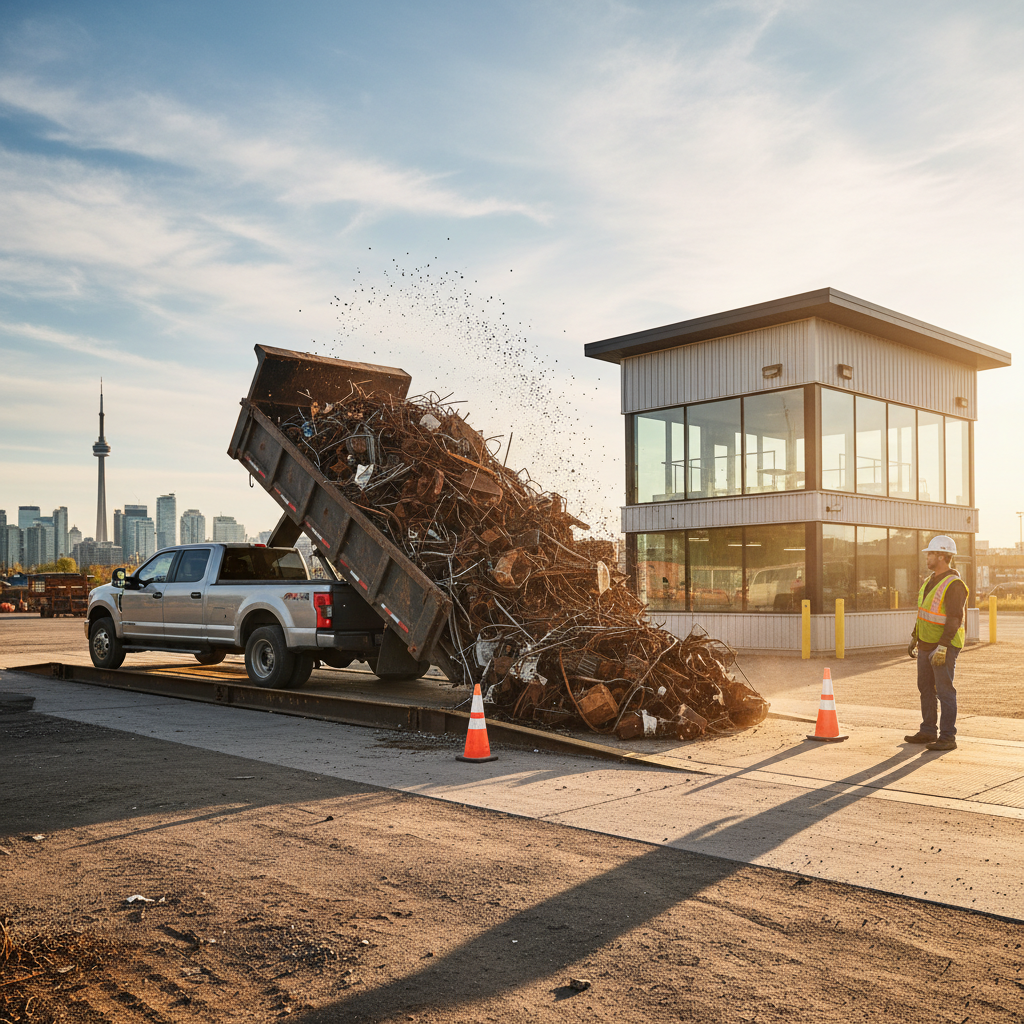
Mini Case Studies: Real Scenarios from Etobicoke and the GTA
Organized preparation consistently shortens visit times and improves outcomes. Homeowners who separate iron from e-waste and contractors who cut oversize HMS see faster grading, safer unloading, and smoother same-day turnarounds—especially when weekend traffic picks up.
Home garage cleanout
A homeowner brought in mixed items: brake rotors, old tools, and a couple of small appliances. By bagging fasteners and separating the appliances from ferrous, we graded quickly. They left with a tidy garage and immediate payment, plus guidance on future sorts.
Contractor demolition offcuts
A small contractor delivered I-beams and plate from a renovation. Cutting long pieces into manageable sections sped unloading and reduced risk. The crew turned the bay quickly and was back on the road the same morning.
Auto enthusiast project
An enthusiast dropped off rotors and scrap from a suspension rebuild. They also wanted to buy iron scrap—cast offcuts for welding practice. We set aside suitable pieces and suggested prepared HMS, which matched their training needs.
Iron Scrap and the Bigger Recycling Picture
Ferrous recycling supports a circular economy: metals get recovered, processed, and returned to productive use. For the community, that means less clutter, fewer landfill-bound items, and more efficient material flows across home, automotive, and construction projects.
Iron and steel are foundational to how we live and build. When you recycle them, you’re not just clearing space—you’re returning high-utility material to the production cycle. That helps keep resources in use and streamlines sourcing for local manufacturers and fabricators who depend on consistent, recycled inputs.
- Households: Clean out basements and sheds without sending metal to disposal streams.
- Shops and trades: Keep floors and yards clear to maintain safe workflows.
- Community: Support responsible material management across the GTA.
Local Considerations for Etobicoke
Plan visits around typical city rhythms. Etobicoke residents and GTA contractors often find midweek mornings efficient. Extended weekday hours and Sunday openings at Quick Scrap Metal help you avoid rush periods and complete cleanups or job turnovers on your schedule.
Local considerations for Etobicoke
- Aim for mid-morning or early afternoon on weekdays to avoid commuter peaks and weekend volume.
- Winter loads benefit from extra strapping and tarping; snow and ice can trap small parts and add weight.
- Renovation season spikes in spring and fall—sorting at home keeps your yard time short during busy weeks.
Frequently Asked Questions: Buy Iron Scrap and Sell It Right
To buy iron scrap, call ahead for prepared grades like HMS or cast offcuts. To sell, separate ferrous from non-ferrous, remove contaminants, and follow on-site guidance for weighing and unloading. Extended hours make quick turnarounds simple, even for mixed loads.
How do I know if my metal is iron or steel?
Use a magnet—if it sticks, you’re dealing with ferrous metal like iron or steel. Note thickness and form: cast iron is dense and brittle; HMS includes beams and plate; light iron is thin sheet or small appliances.
Can I drop off appliances and electronics with my iron scrap?
Yes. Quick Scrap Metal accepts appliances and a wide range of electronics in the same visit. Keep them separate from ferrous items so we can route them to the right recycling stream quickly.
Do you sell prepared iron grades for projects?
Often, yes. Availability varies by day. Ask about HMS, rotors, or cast offcuts if you need material for repairs, welding practice, or fixtures. We can suggest equivalents if your first choice isn’t in stock.
What should I do with fluids in engines or compressors?
Drain them before you arrive. Fluids slow grading and pose safety risks. Keep drained components upright during transport and let us know at check-in so we can point you to the correct unloading area.
Key Takeaways and Next Steps
Sort, prep, and plan your trip. Clean iron moves faster, gets graded accurately, and helps you secure stronger value. If you also need to buy iron scrap for projects, call ahead about prepared grades. Our extended hours make it easy to get everything done in one visit.
- Use a magnet, separate grades, and remove contaminants.
- Right-size heavy steel; band or bucket small parts.
- Choose off-peak windows; leverage weekend hours when needed.
- Ask about prepared HMS, rotors, or cast offcuts if you’re buying.
Ready to move metal today? Our Etobicoke yard is set up for fast, friendly service—ferrous and non-ferrous, appliances and e-waste included. We’ll help you get in, get graded, and get on with your day.
Helpful Internal Resources
Use our internal resources to plan and prepare. From ferrous basics to drop-off tips, these pages streamline your visit. They’re quick reads that answer the most common questions before you hit the road with your load.
Explore our in-depth guidance on timing and preparation in this article on getting the best price for scrap in Etobicoke. For ongoing tips and neighborhood updates, browse tag hubs such as ferrous metal recycling in Etobicoke, cash for scrap metal Etobicoke, and scrap metal recycling Etobicoke. Contractors and homeowners also like the quick scans at metal scrap yard in Etobicoke and best scrap in Etobicoke.
Have a mixed load or special request? Tell us what you’re bringing and whether you’d also like to buy iron scrap for a project. We’ll advise on sorting and let you know about prepared grades available that day.