
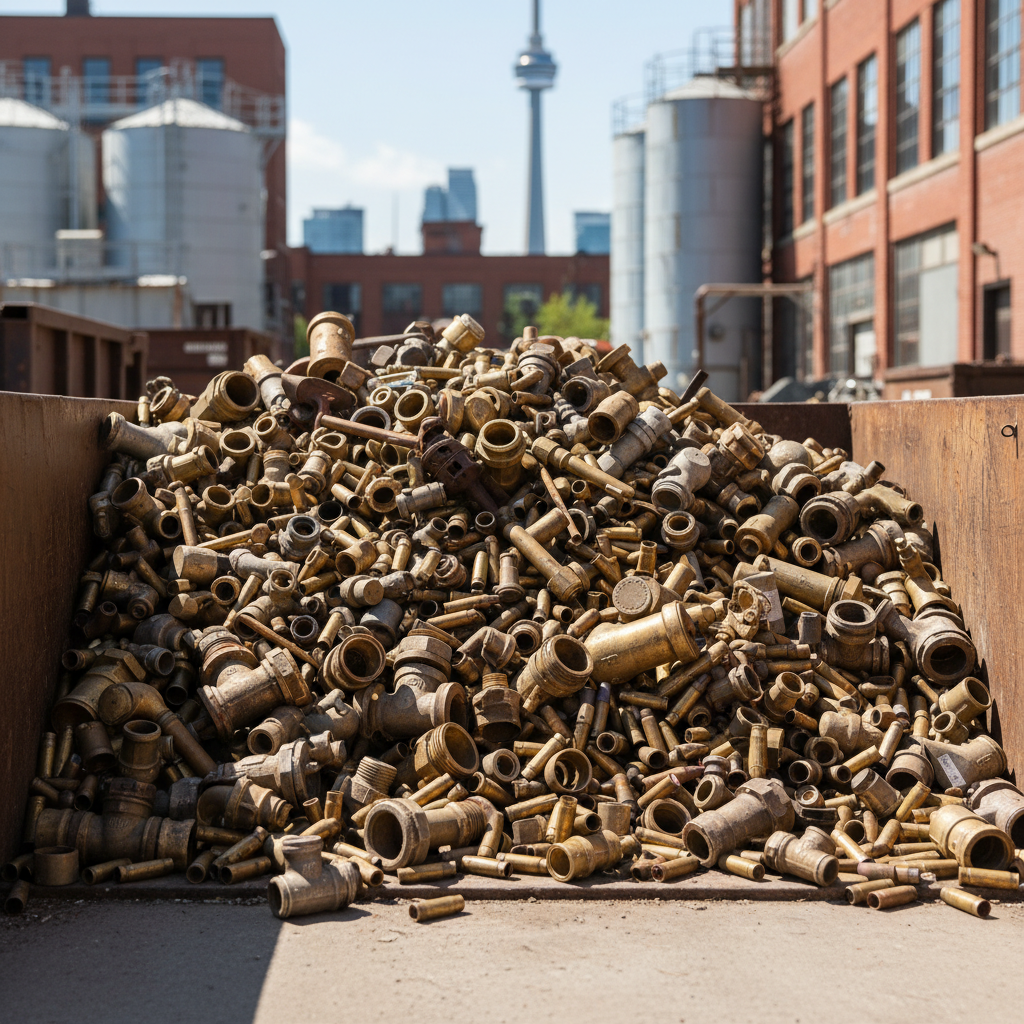
Brass scrap price is the pay rate recyclers offer for brass you bring in to recycle. It reflects copper-driven market trends, grade, and cleanliness. At 407 Rexdale Blvd in Etobicoke, Quick Scrap Metal streamlines grading, pays on the spot, and helps you prepare loads so your brass turns into fast cash with less hassle.
By Preet Dass • Last updated: 2026-04-28
Quick summary
Brass scrap price is shaped by copper markets, grade (yellow, red, cartridge), cleanliness, and local demand. You boost payouts by sorting, removing steel and plastic, keeping loads dry, and bringing ID. In Etobicoke and the Toronto metro, Quick Scrap Metal offers extended hours, fast scales, and instant payouts for brass and other non‑ferrous metals.
Use this complete guide to learn what brass is worth in market terms, how yards set buy levels, how to identify common brass grades at home or on the job, and how to prepare your load for the smoothest weigh‑and‑pay experience. We also include local tips for Etobicoke sellers and a practical drop‑off checklist.
What is brass scrap price?
Brass scrap price is the value recyclers pay per unit weight for brass material you sell. It tracks copper futures because brass is mainly copper plus zinc. Yards apply grade spreads for quality and cleanliness, so clean, single‑grade brass earns stronger payouts than mixed or contaminated loads.
In practice, think of brass pricing as a two‑step formula. First, copper markets set a daily signal because copper typically makes up a large share of brass composition. Second, each yard adjusts for grade (yellow vs. red vs. mixed), cleanliness (attachments vs. none), and handling. Your preparation directly influences that second step.
For homeowners, this means a Saturday of organizing bathroom and kitchen fixtures can pay off. For tradespeople, keeping job‑site tubs separated by grade reduces disputes, shortens unload time, and aligns your drop‑off with the best operational flow at the scale.
Local considerations for Etobicoke
- Plan drop‑offs to avoid traffic near Woodbine Mall & Fantasy Fair; mid‑mornings are usually quicker than late afternoons.
- Winter and shoulder seasons add moisture and road grit; keep brass dry and covered to prevent deductions for non‑recoverable weight.
- Keep a dedicated bin for yellow brass fittings from job sites so your weigh‑and‑pay at 407 Rexdale Blvd stays efficient.
Why brass scrap price matters
Knowing how brass pricing works helps you turn clutter into value, recycle metals responsibly, and plan efficient drop‑offs. In Etobicoke and greater Toronto, understanding grades and preparation can shorten scale time, reduce downgrades, and support responsible metal recovery in the local circular economy.
First, value. Brass lives in everyday hardware: faucets, valves, hose bibbs, and radiators. When you identify these items and separate them from steel or plastic, you keep more of the weight in high‑value categories and avoid mixed‑load downgrades that reduce your payout.
Second, time. Yard operations hinge on clean, clearly identified material. Clearly labeled bins and pre‑removed attachments reduce re‑inspection and back‑and‑forth at the grading table. That means you spend less time on site and more time on your next job or weekend plan.
Third, sustainability. Recycling brass and other non‑ferrous metals saves energy compared with refining virgin ore. While exact savings vary by alloy and process, recovering metals for reuse keeps them in circulation and diverts bulky items from landfills. For multi‑material clean‑outs, you can combine brass, copper, aluminum, and approved e‑waste in one efficient trip.
Want a deeper dive on optimizing loads beyond brass? Explore our practical playbook for getting the best price for scrap metal in Etobicoke and learn how small prep steps compound into better results.
How brass pricing works (without the jargon)
Yards benchmark buy levels to copper market signals, then apply spreads for each brass grade based on composition and cleanliness. On site, your load is weighed, inspected, and assigned a grade. Clean, single‑grade brass earns stronger payouts because it improves downstream recovery and reduces handling time.
Here’s a plain‑English view of the typical flow you’ll experience at Quick Scrap Metal:
- Arrival and safety: Follow posted signs and attendant directions, keep speed low, and wear closed‑toe shoes or boots.
- Weigh‑in: Drive onto the certified scale. The team performs a quick visual inspection to understand your load.
- Sort check: Graders may spot‑check for iron screws, plastic inserts, or rubber seals that affect cleanliness.
- Grade assignment: Common calls include yellow brass (plumbing), red brass (heavier cast valves), and cartridges/shells for uniform casings.
- Weigh‑out and payout: Material is weighed by grade, and qualifying transactions receive instant payouts on site.
Preparation reduces spread. In our experience, clearly separated bins and a minute with a pocket magnet prevent most downgrades. If a magnet sticks, it isn’t brass—set that piece aside so it doesn’t drag your whole tote into a mixed category.
Types of brass scrap (and how they grade)
Most brass at the scale falls into a few buckets: yellow brass (plumbing fittings), red brass (heavy valves and cast bodies), cartridges/shells (clean casings), and mixed/dirty brass. The cleaner and more uniform your bin, the stronger the grade—and the smoother your weigh‑and‑pay experience.
Here’s a practical map you can use in your garage, shop, or truck:
| Brass Type | Where You’ll Find It | Preparation Tips | What Graders Look For |
|---|---|---|---|
| Yellow brass | Faucets, pipe fittings, hose bibbs | Remove rubber washers, steel screws, and plastic stems | Uniform yellow color, minimal attachments, no ferrous parts |
| Red brass | Heavy valves, pump bodies, thicker castings | Detach iron handles, cut away gaskets when practical | Reddish tone indicating heavier copper content, clean cut faces |
| Cartridges/shells | Spent brass casings (deprimed and inert) | Keep free of dirt and range debris; segregate by metal | Clean, uniform pieces without foreign material or live rounds |
| Mixed/dirty brass | Unsorted bins with attachments and non‑brass parts | Pre‑sort to unlock value; remove obvious screws and seals | Mixed composition; typically downgraded versus clean categories |
Not sure if a shiny, gold‑colored part is really brass? Use a magnet first. If it doesn’t stick, make a tiny file scratch on a hidden edge—brass will show a consistent yellow or reddish base metal. When in doubt, bring it; graders will identify it on the spot.

Best practices to maximize your payout
You keep more value when you sort brass by grade, remove non‑brass attachments, keep loads dry, and label bins. Batch enough weight for efficient handling, bring ID, and photograph sorted totes to speed grading. Small prep steps compound into faster visits and stronger results.
Here’s a simple, field‑tested checklist our Etobicoke customers use:
- Sort by grade: Keep yellow brass, red brass, and cartridges in separate, labeled containers.
- Remove attachments: Back out steel screws and pull rubber or plastic inserts when practical.
- Use a magnet: If it sticks, it isn’t brass—pull it from the bin so it doesn’t cause a downgrade.
- Keep it dry: Moisture adds weight but not value; covered bins travel better in bad weather.
- Label and document: Mark bins clearly and snap a quick photo before you head to the yard.
- Bring ID: A government‑issued photo ID keeps your check‑in smooth and compliant.
Common mistakes we see include tossing brass in with copper or aluminum “just to save space,” leaving a handful of ferrous screws in the tote, or showing up during the heaviest afternoon rush. Avoid these and your unload will be quicker and your grade calls clearer. For more cross‑metal prep wins, see our practical guide to recycling radiator scrap and this breakdown of cast iron weight and recovery considerations that often accompany plumbing tear‑outs.
Curious how brass compares with its cousin alloy? Our bronze value explainer walks through alloy differences so you can sort smarter and keep high‑value items in the right container.
Mid‑article tip: Bringing more than brass? Quick Scrap Metal accepts a wide range of metals plus appliances and e‑waste. You can combine materials for one efficient stop, including approved electronics—see our simple checklist for electronics recycling centers if you’re bundling old laptops, TVs, and peripherals.
Tools and resources sellers actually use
A pocket magnet, a small file, labeled bins, and basic PPE do most of the work. Keep a simple notebook or phone note to track weekly drop‑offs. For context on fixtures and alloys, consult reputable trade write‑ups and local best‑practice guides so your prep matches how yards grade brass in the real world.
Simple tools beat complicated kits. A magnet instantly flags ferrous pieces. A file reveals base metal under lacquer or paint so graders can confirm composition faster. Heavy gloves, eye protection, and closed‑toe footwear keep preparation safe when you’re removing screws or cutting off stubborn gaskets.
Looking for practical fixture context from the plumbing field? See this trade example on replacing a rough brass P‑trap under a sink for a quick visual of brass parts you might encounter during remodels. Interested in sustainable fixture choices that still show up in scrap? This brief on eco‑friendly plumbing options offers perspective on materials and end‑of‑life considerations. For a broader metals‑in‑construction angle, consider how reinforcing and other steel inputs tie into the lifecycle of buildings—this overview of reinforcing steel supply shows the other side of the recycling loop that scrap yards ultimately support.
Case studies: Etobicoke and Toronto sellers
Small process changes—sorting, cleaning, and planning drop‑offs—produce outsized results. In Etobicoke and the wider Toronto metro, we see quicker grading, fewer downgrades, and smoother visits when sellers keep brass clean, dry, and labeled. The payoff is faster scale time and stronger outcomes.
Home renovation bin: A homeowner near Flagstaff Park saved all bathroom and kitchen fixtures in two bins—yellow brass and “unknowns.” A two‑minute magnet and file check reclassified most “unknowns” into yellow brass. Unload time dropped, grade calls were straightforward, and the visit finished in a single, efficient pass.
Plumbing contractor route: A Toronto plumber kept dedicated crates for red‑brass valve bodies and yellow‑brass fittings across weekly service calls. The steady separation eliminated almost all downgrades. On site, a clear handoff to the grader trimmed unload time from about twenty minutes to under ten.
Property manager clean‑out: A small portfolio owner batched seasonal fixture swaps with an appliance and e‑waste run. Arriving mid‑morning bypassed the heaviest queue, and pre‑labeled bins sped visual inspection. Combining materials into one trip made the day plan cleaner and the payout process simpler.

Frequently Asked Questions
These FAQs focus on grading, prep, IDs, and common mix‑ups so first‑time sellers feel confident. If you’re unsure about an item, bring it—our team will identify it on the spot and point you to the right bin, keeping your load in the strongest possible grade.
What counts as “clean” brass?
Clean brass is free of attachments like steel screws, rubber gaskets, and plastic inserts. Tarnish is fine. The key is that only brass remains. Sorted, single‑grade pieces qualify as clean and avoid mixed‑load downgrades at the scale.
Do I need to remove lacquer or paint?
No, light coatings aren’t a problem. If a coating hides the base metal, make a tiny file scratch on a hidden edge so graders can confirm it’s brass. Removing heavy coatings isn’t required but can speed up identification on busy days.
Can I mix brass with copper or aluminum?
Avoid mixing. Keep brass, copper, and aluminum in separate, labeled bins. Mixed loads slow inspections and often get downgraded to the lowest common grade, which reduces your overall result and adds time at the grading table.
What ID should I bring?
Bring a government‑issued photo ID. Many jurisdictions require scrap transactions to be logged for safety and compliance. Having your ID ready speeds check‑in and payout so you can move through the scale efficiently.
What if I’m not sure whether a part is brass?
Try two quick checks: magnet and file. If a magnet sticks, it isn’t brass. If it doesn’t stick, make a tiny file scratch on a hidden edge—brass shows a yellow or reddish base metal. Still unsure? Bring it; our graders will identify it on site.
Conclusion and next steps
To make the most of today’s brass scrap price, sort by grade, remove attachments, and keep bins dry and labeled. In Etobicoke, Quick Scrap Metal at 407 Rexdale Blvd offers fast, convenient weigh‑and‑pay service for brass and other non‑ferrous metals—plus appliances and e‑waste—under one roof.
Key takeaways
- Brass payouts track copper‑driven markets but hinge on grade and cleanliness.
- Sorting, removing attachments, and keeping loads dry improve outcomes.
- Labeled bins and mid‑morning arrivals speed grading and reduce queues.
- Bundle metals and approved e‑waste to clear space in one efficient trip.
Next steps
- Set up three containers: yellow brass, red brass, and “check later.”
- Keep a magnet and file with your bins for quick ID and prep.
- Plan your visit to avoid peak traffic near Woodbine Mall & Fantasy Fair.
Ready to go? Bring your brass—plus copper, aluminum, and electronics—to Quick Scrap Metal for a fast, friendly drop‑off. If you have questions about accepted items, our team will walk you through what to bring so your visit is EASY | FAST | CONVENIENT.