
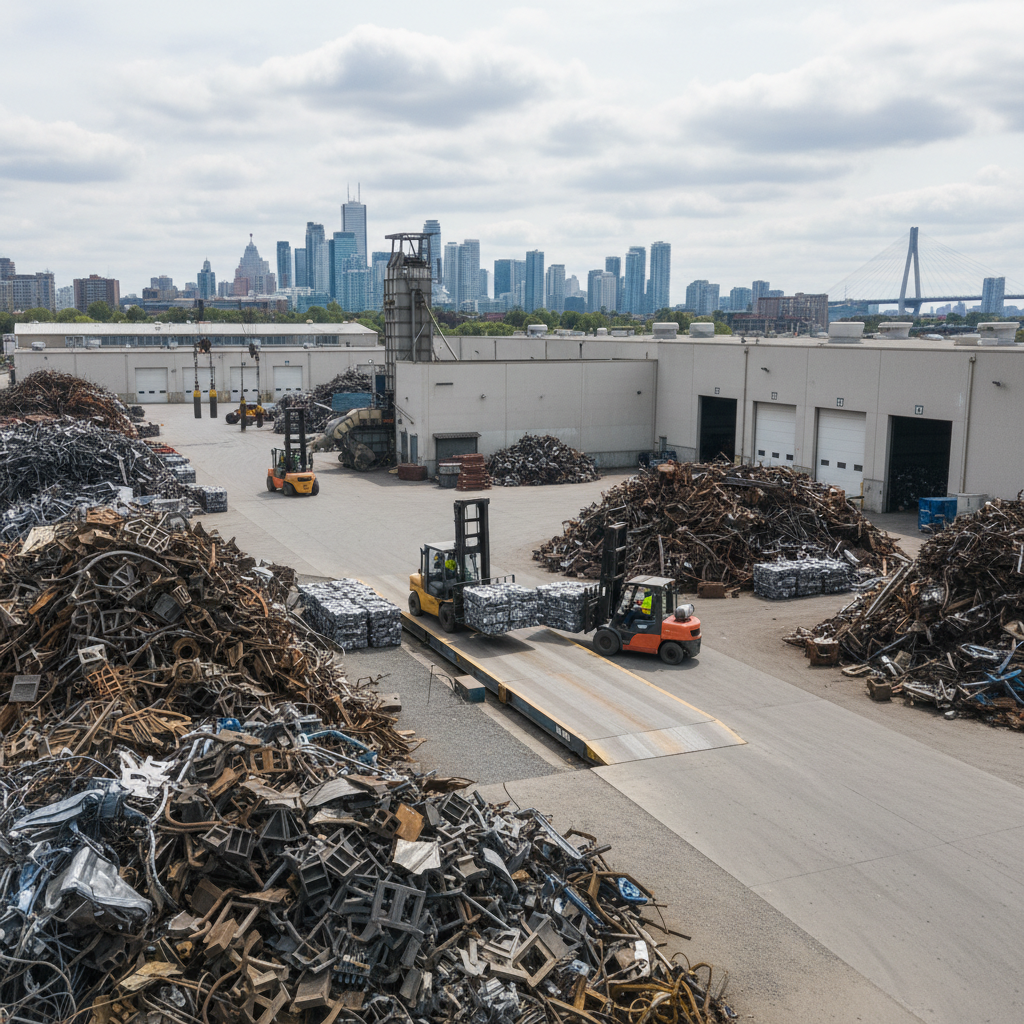
Cast iron price per pound is driven by grade, cleanliness, and current ferrous market demand. At Quick Scrap Metal in Etobicoke (407 Rexdale Blvd), we evaluate rotors, pipe, radiators, and auto cast on certified scales and pay out the same day. Prepare clean, sorted iron to maximize your per‑pound return.
By Preet Dass — Quick Scrap Metal | Last updated: 2026-04-26
Quick Summary
Cast iron value depends on what you bring (rotors, pipe, radiators), how clean it is, and how yards grade it. Sort, remove obvious non‑metal attachments, and keep loads dry. At our Etobicoke yard, you’ll drive onto the scale, unload safely, get your ticket, and receive same‑day payment.
- What you’ll learn: how cast iron is graded, what affects price per pound, and how to prep loads fast.
- Who this helps: homeowners, mechanics, and contractors across Toronto and the GTA.
- Outcome: fewer downgrades, faster intake, and better overall returns.
- Bring to the yard: government ID (if requested), sorted cast iron, and safe tie‑downs.
- Where: Quick Scrap Metal, 407 Rexdale Blvd, easy access off HWY 27 & Rexdale.

What Is “Cast Iron Price per Pound”?
“Cast iron price per pound” refers to the per‑unit weight value scrap yards pay for cast iron grades like auto cast, gray iron pipe, or radiators. Your rate reflects market conditions, contamination, and handling needs. Cleaner, denser, and properly sorted iron typically yields stronger per‑pound returns.
Cast iron is a family of iron‑carbon alloys known for high carbon content and brittleness. In scrap, it shows up as brake rotors, soil pipe, stove parts, radiators, and machine bases. Sellers often mix these with steel or aluminum—mixing slows intake and can reduce your effective return.
- Common cast items: brake rotors, flywheels, exhaust manifolds, soil pipe and fittings, radiators, grates, cookware.
- Physical traits: heavy, dull ring when tapped, fractures rather than bends; a magnet sticks.
- Why yards prefer it sorted: separated loads speed grading and scale time, keeping the line moving for everyone.
Here’s the thing: small prep steps have big payoff. Quick removals of rubber, plastic, and oil‑soaked materials reduce downgrades and keep the cast category clean.
Why Cast Iron Pricing Matters (Etobicoke & Toronto)
For Etobicoke and Toronto sellers, accurate cast iron grading turns heavy household clutter into fast cash while supporting circular manufacturing. Clean, sorted iron moves quickly through processing, conserves natural resources, and helps you complete weekend drop‑offs on your schedule.
Recycling ferrous metals reduces the need for virgin ore and cuts energy compared with primary steelmaking. For local contractors and mechanics, consistent grading helps plan shop cleanouts and demolition timelines. Homeowners benefit too—radiators and pipe sections are bulky; once they’re gone, so is the storage headache.
- Environmental win: diverting metals from landfill extends material life cycles and reduces waste.
- Operational win: predictable grading means less time on site and fewer surprises at the scale.
- Space win: removing heavy iron frees garages, sheds, and basements for things you actually use.
In our experience, a typical passenger‑car brake rotor weighs 15–30 pounds. A single 5‑gallon pail of rotors often totals 80–120 pounds—enough mass that small sorting steps change the outcome.
How Scrap Yards Calculate Your Payout
Scrap yards identify your material, check for contamination, weigh it on a certified scale, and assign the proper cast iron grade. Your per‑pound return reflects the grade plus handling factors like piece size, oil content, and mixed metals. A clean, sorted load moves faster and retains value.
Process you can expect
- Check in and line up: You’ll be directed to the intake area for unloading.
- Visual ID & sorting: Staff confirm cast iron vs steel or aluminum and flag obvious contaminants.
- Certified scale: Gross and tare weights produce a net weight ticket.
- Ticket review: The grade is applied; any downgrades are explained.
- Same‑day payment: Bring ID if requested by the yard.
Simple handling math that matters
- Piece density: heavier, compact items reduce handling time and usually help keep the cast category intact.
- Contamination: oil‑soaked parts, attached rubber, or mixed fasteners may shift material into a lower category.
- Separation: rotors in one bin, soil pipe in another—simple separation preserves grading.
Tip: If you’re unsure whether something is cast iron, ask at intake. We’re happy to show you the telltale fracture and texture so you can sort faster next time.
Types of Cast Iron and Common Sources
Most sellers bring auto cast (rotors, manifolds), gray iron pipe and fittings, radiators, and machine bases. Separate these from steel and aluminum. Keeping cast iron together helps graders protect your value and speeds your trip through the yard.
- Auto cast: brake rotors, drums, flywheels, exhaust manifolds, steering knuckles.
- Plumbing cast: soil pipe, elbows, tees, flanges, cleanout caps.
- Heating cast: radiators, baseboard sections, boiler housings.
- Machinery/industrial: press and machine bases, counterweights, vintage tools.
- Household: cookware, grill grates, old sewing‑machine bases, decorative grates.
What usually isn’t cast iron
- Mild steel: frames, rebar, sheet—often mixed in demolition loads.
- Aluminum: engine parts, rims, some cookware—lighter weight, non‑magnetic.
- Stainless steel: non‑magnetic grades, brighter finish, different value drivers.
As a quick field check, use a magnet and compare weight to size. Cast iron feels dense, with a rougher fracture and grain.
Best Practices to Maximize Value
To improve your cast iron return, keep loads clean, dry, and separated from other metals. Remove rubber and loose fasteners where safe. Bundle smalls into sturdy bins, and place the heaviest pieces on the bottom of your truck or trailer for safer unloading.
Do this before you drive in
- Sort at home: rotors together, soil pipe in short sections, radiators grouped separately.
- Clean and dry: drain obvious oils; keep parts out of rain to reduce mess and weight variability.
- Remove attachments: rubber gaskets, plastic housings, and wood.
- Contain smalls: milk crates, pails, or totes prevent spills and speed the scale.
Safety and efficiency tips
- Lift smart: a single radiator can top 70–120 pounds—use a dolly or team lift.
- Secure the load: ratchet straps and a tarp keep materials from shifting on the road.
- Ask early: at intake, confirm grading to avoid re‑handling later.
We’ve found that five minutes of sorting at home can save 15–20 minutes on site—multiply that by multiple trips and the time savings add up quickly.
Tools and Resources for Sellers
A magnet, basic hand tools, heavy gloves, eye protection, and a reciprocating saw with a metal blade cover most cast iron prep needs. Use stackable containers for rotors and fittings. Plan loads around Quick Scrap Metal’s extended weekday hours and open Sundays to avoid weekday rushes.
- Basic kit: magnet, wrenches, socket set, reciprocating saw, breaker bar, pry bar.
- Safety gear: cut‑resistant gloves, steel‑toe boots, eye and hearing protection.
- Transport aids: hand truck, moving blankets, milk crates, lidded pails.
If you work in construction or renovation, keeping an eye on regional steel demand can help you anticipate scrap yard activity. Broader building trends and material supply can influence ferrous flows; see this regional context on steel studs in the GTA and these Ontario rebar suppliers. For fabrication insights, compare finishing choices that impact durability, such as epoxy‑coated rebar.
Market Drivers and Seasonality
Cast iron price per pound typically tracks ferrous market cycles, regional construction activity, and mill demand. Seasonal cleanouts and project schedules affect yard intake. For sellers, the controllable lever is load quality—clean, sorted iron usually ranks higher than mixed, oily scrap.
- Construction cycles: active building seasons increase flows of demolition iron and machinery bases.
- Automotive rhythms: mechanic shops accumulate rotors; batches of 20–50 units are common at service intervals.
- Weather: winter rust and moisture add mess; dry storage reduces handling issues.
Take this example: a mechanic’s crate of 25 rotors can exceed 400 pounds. Grouping them ensures quick identification as auto cast, whereas mixing with steel brackets risks a lower category.
Step‑by‑Step: Drop Off at Quick Scrap Metal
Drive into 407 Rexdale Blvd, follow intake directions, and unload in the designated area. We weigh materials on certified scales, apply the correct cast iron grade, and issue your ticket. With extended weekday hours and Sundays open, you can drop off when it fits your schedule.
- Prep: sort cast iron, secure the load, and bring ID if requested.
- Arrive: follow yard signage; staff will guide you to unload safely.
- Weigh: get your ticket with net weight by grade.
- Finalize: review the ticket and complete same‑day payment.
Local considerations for Etobicoke
- Pair a weekend drop‑off with errands near Woodbine Mall & Fantasy Fair to save time.
- Winter moisture increases rust and mess; store parts under cover and use totes in the truck bed.
- Working multiple GTA sites? Pre‑sort at each site to speed intake at the yard.

Call or stop by our Etobicoke yard. We’ll help you identify cast iron, separate mixed items, and avoid common downgrades. If it’s metal, we buy it—plus appliances and electronics in one stop.
Explore our related tips in this Etobicoke best‑price guide.
Cast Iron Price per Pound: What Determines It?
Your cast iron per‑pound return is determined by grade, cleanliness, piece size, and current market demand. Separate rotors, pipe, and radiators, remove non‑metal attachments, and keep loads dry. These steps protect grading and help your material earn the appropriate category value.
Primary drivers
- Grade: auto cast vs mixed heavy melt; radiators and pipe often have distinct categories.
- Cleanliness: oil, rubber, and plastic reduce value; heavy grease may trigger downgrades.
- Handling: compact, stackable pieces are easier to move and process.
- Volume: consistent batches improve throughput; single large pieces may require special handling.
Contaminants to watch
- Rubber gaskets and sleeves on pipe
- Steel brackets or aluminum attachments left on assemblies
- Trapped fluids (oil in machinery housings)
Action step: stage a “clean zone” at home—one tote for pure cast iron, another for mixed items to sort later. This small system cuts re‑handling by half on average.
Comparison: Cast Iron vs Other Metals (Payout Drivers)
Cast iron is dense and magnetic, typically graded separately from mild steel and non‑ferrous metals. Properly identifying cast iron versus steel or aluminum prevents downgrades and maximizes returns. Use a magnet and weight‑to‑size check to avoid mixing materials in one bin.
| Material | Common Sources | Magnet? | Typical Issues | Handling Tips |
|---|---|---|---|---|
| Cast iron | Rotors, pipe, radiators, manifolds, machine bases | Yes | Oil, rubber, mixed fasteners | Group by type; remove attachments |
| Mild steel | Frames, rebar, sheet | Yes | Mixed with cast or non‑ferrous | Separate early; tie bundles |
| Aluminum | Rims, engine parts, cookware | Usually no | Attached steel bolts | Remove steel; bag smalls |
| Stainless steel | Appliance trim, sinks, tanks | Often no | Non‑mag grades misidentified | Use magnet; keep separate |
Want a deeper dive into ferrous recycling? See our ferrous recycling hub and this quick iron selling guide.
Case Studies: Real‑World Drop‑Offs
Sellers who separate cast iron by type, contain smalls, and remove obvious contaminants finish faster and protect value. These brief scenarios show how simple prep changes improve grading outcomes and speed up your visit.
- Homeowner radiator bundle: Two radiators and 20 feet of soil pipe cut into 3‑foot sections. Using a dolly and totes, unloading took under 10 minutes with clean grading.
- Mechanic rotor run: 30 rotors stacked in milk crates (roughly 450–700 pounds). Kept separate from steel brackets—graded as auto cast in minutes.
- Small contractor demo: Mixed load pre‑sorted into cast iron, rebar, and sheet. Intake flagged a few aluminum grates; those were moved to a separate bin—no downgrade for the cast iron batch.
These are common outcomes at our Etobicoke yard. The pattern is consistent: sorting up front means less re‑handling and clearer tickets.
How to Get Even More from Each Trip
Bundle trips across materials. Quick Scrap Metal buys ferrous and non‑ferrous metals, plus appliances and electronics. One stop, one ticket, less driving. Use weekend hours to clear garages and job sites without disrupting weekday work.
- Combine a cast iron drop‑off with radiator recycling for faster cleanouts.
- Bring old electronics in the same run; see our electronics recycling guide.
- Planning a larger yard purge? Review our best‑price checklist first.
We’re set up for household and business sellers alike—walk in, unload, and turn clutter into value.
Frequently Asked Questions
These quick answers address the most common cast iron questions sellers ask at our Etobicoke yard. For anything not covered here, bring a sample or photo—our team will confirm grading and help you prep faster for your next visit.
How do I tell cast iron from steel quickly?
Use weight and a magnet. Cast iron feels denser than mild steel and tends to fracture rather than bend. Rotors, soil pipe, and radiators are strong clues. When in doubt, ask our intake team to verify before unloading.
Do paint or light rust affect grading?
Light surface rust is normal. Heavy coatings, tar, or thick grease may lead to a downgrade because they increase handling and reduce melt efficiency. Keep parts dry and remove obvious non‑metal attachments.
Should I cut long soil pipe before I arrive?
Yes—short, manageable sections improve safety and speed intake. Three‑foot lengths are easier to handle, stack, and weigh. Remove rubber sleeves and gaskets where practical to protect grading.
Can I bring mixed metals in one load?
Absolutely. We buy ferrous and non‑ferrous metals, plus appliances and electronics. Keep each category separated in bins or sections of your vehicle so graders can assign the right value to each material without delays.
Key Takeaways
Prepare, separate, and keep cast iron clean to protect your per‑pound value. Use containers for smalls and cut long pipe. Time drop‑offs around our extended hours to avoid weekday rushes. One trip can clear heavy clutter and convert it to same‑day payment.
- Clean, sorted loads protect grading and speed your visit.
- Auto cast (rotors) often accumulates fast—crate them for easy handling.
- Moisture and contamination add mess and can lower category outcomes.
- Bundle errands in Etobicoke and finish with a quick yard drop‑off.
Conclusion
Cast iron price per pound isn’t guesswork—it reflects material grade, cleanliness, and market demand. You control load quality. Sort by type, remove obvious non‑metals, and keep parts dry. Then head to 407 Rexdale Blvd for a fast scale ticket and same‑day payment.
Quick Scrap Metal buys cast iron, steel, aluminum, copper, brass, stainless, appliances, and electronics—“If it’s metal, we buy it!” For a smooth visit, pre‑sort rotors, pipe, and radiators, secure your load, and bring ID if requested. We’re open late on weekdays and open Sundays to fit your schedule.