
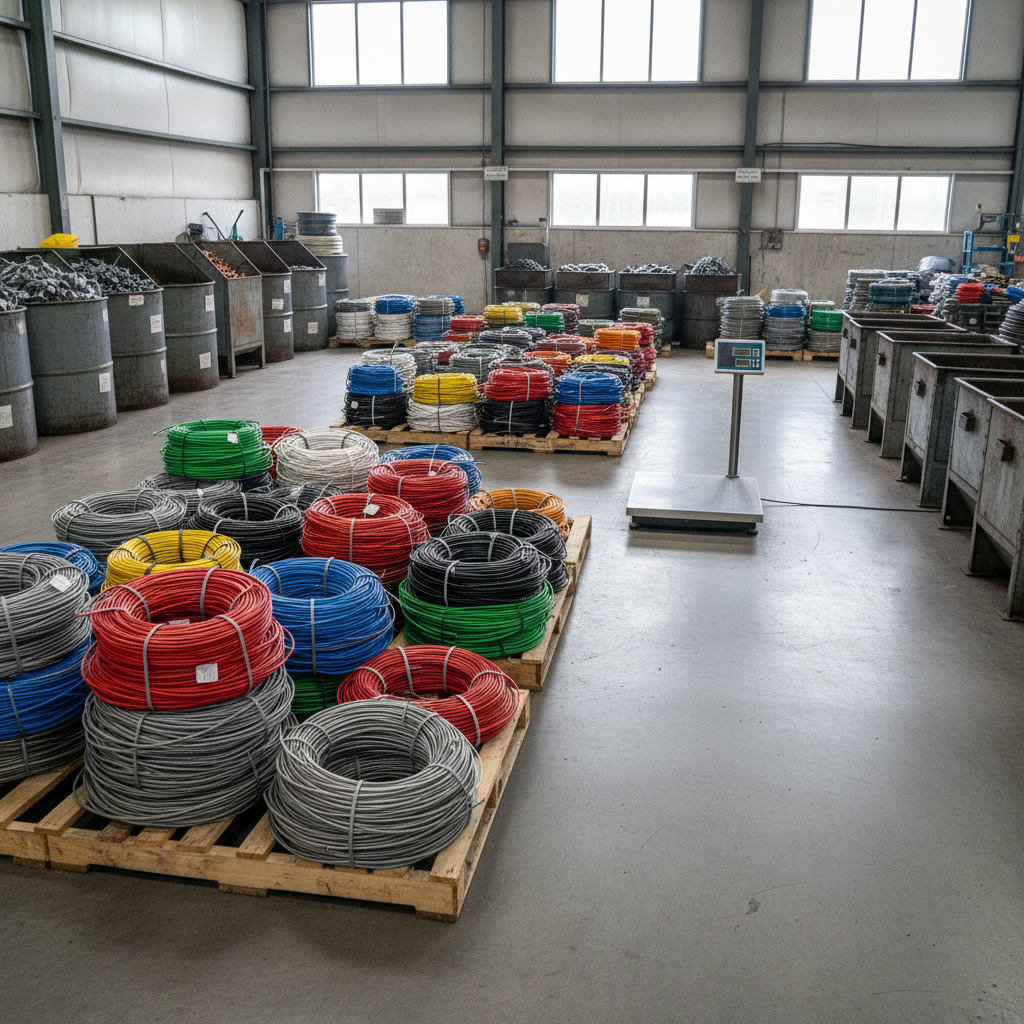
Insulated copper wire scrap price refers to the value recyclers pay for copper conductors still covered by plastic or rubber insulation. At Quick Scrap Metal (407 Rexdale Blvd, Etobicoke), we grade, weigh, and pay cash on the spot for cable and wire. Prices depend on copper content, contamination, and market demand in the Toronto metro.
By Preet Dass — Quick Scrap Metal
Last updated: April 29, 2026
Quick Summary
Insulated copper wire prices are driven by copper content, cleanliness, and global market demand. To earn more, sort wire by type, remove obvious contaminants, and keep loads dry and tangle-free. Drop off at Quick Scrap Metal in Etobicoke for fast grading, weigh-in, and same-day cash for qualifying wire and cable.
This complete guide explains what insulated copper wire scrap is, why it matters, how pricing works, how to prepare and sort cable, what grades buyers use, and how to drop off wire at our Etobicoke yard. You’ll also get best practices, useful tools, and real local scenarios so you can turn wire into cash smoothly.
What Is Insulated Copper Wire Scrap?
Insulated copper wire scrap is any copper conductor covered by a non-metallic jacket—typically PVC, rubber, or cross-linked polymers—removed from homes, businesses, or job sites. Recyclers recover the contained copper by stripping or granulating, then sell the refined metal downstream. Clean, copper-rich cable grades earn stronger payouts.
In plain terms, if a wire has copper inside and a flexible jacket outside, it fits the insulated category. At Quick Scrap Metal, we commonly see household extension cords, appliance cords, communication cables, THHN/THWN building wire, Romex (NM), and heavy multi-core cable from renovations or light industrial work.
- Common sources: home renovations, electrical upgrades, panel changes, demolition offcuts, and decommissioned equipment.
- What we accept: Copper wire and cable, as well as a broad list of metals and e-waste. If it’s metal, we buy it—plus we handle electronics responsibly.
- Where to bring it: 407 Rexdale Blvd (near HWY 27 & Rexdale) with easy in-and-out access for fast drop-offs.
When in doubt, bring an assortment. We’ll sort and grade quickly, then route the material to the right processing stream, which is part of our eco-friendly recycling approach across Etobicoke and the GTA.
Why Insulated Copper Wire Recycling Matters
Recycling insulated copper wire conserves natural resources, reduces landfill waste, and returns high-value metal to manufacturing. Copper retains its properties through repeated recycling, so diverting wire and cable strengthens circular supply and avoids unnecessary mining and emissions.
Here’s the thing: copper is one of the most recycled engineering metals because it keeps its conductivity after recovery. That means every pound of wire you bring to our Etobicoke yard helps feed local and global manufacturing without tapping fresh ore. For homeowners, trades, and businesses, it’s also a tidy way to clear clutter and get paid.
- Environmental benefit: Copper recycling lowers energy use compared to primary production and helps keep plastics from landfills when processed properly.
- Space and safety: Removing old cords and coils reduces trip hazards and fire risks in garages, shops, and job sites.
- Local advantage: Our extended hours and fast turnarounds make it easy to recycle wire alongside other metals and electronics in one stop.
We’ve found that customers who bundle wire with other non-ferrous items—like brass faucets, aluminum siding, or radiators—save time and streamline the entire recycling run.
How Insulated Copper Wire Scrap Prices Are Determined
Insulated copper wire prices reflect three big inputs: copper market levels, copper yield after stripping or granulating, and cleanliness of the load. Yards grade by type and thickness, estimate copper recovery, and discount for moisture or contamination before paying cash on the spot.
At Quick Scrap Metal, we look at the material’s copper recovery potential and the effort required to process it. Some wire has thick copper and thin jackets; others have fine strands or heavy insulation that take more work to separate.
- Market drivers: Day-to-day copper demand and futures trends influence all wire categories.
- Copper content: Stranded vs. solid, conductor diameter, and total copper cross-section change expected recovery.
- Insulation thickness: Thicker jackets or complex sheathing reduce net copper yield per pound of scrap.
- Cleanliness: Mud, moisture, tar, tape, or steel armoring adds processing time and can require deductions.
- Sorting quality: Keeping similar wire types together speeds grading and helps you capture stronger payouts for higher grades.
Self-contained answer: Pricing for insulated copper wire is a function of copper markets plus recoverable copper in your specific load. The best way to maximize value is to sort by type, remove non-copper attachments, and keep everything dry and free of debris for faster, cleaner grading.
Types of Insulated Copper Wire and Typical Grades
Wire types differ by construction and copper content. Buyers group them into grades—from high-copper, single-conductor building wire to lower-copper, multi-core cords. Sorting by type helps match your load to the right grade and improves the value of every pound you bring.
Below are common cable families we see at our Etobicoke yard. Use these examples to organize at home or on the truck before you arrive.
| Wire Type | Typical Use | Relative Copper Content | Notes |
|---|---|---|---|
| THHN/THWN (single conductor) | Panel to device runs | High | Often solid or thickly stranded; easy to sort by gauge |
| Romex / NM-B | Residential branch circuits | Medium–High | Multi-conductor with paper/plastic fill; staple marks common |
| MC cable (metal-clad) | Commercial runs | Medium | Aluminum interlocked armor adds processing steps |
| Armored cable (AC/BX) | Older residential/commercial | Medium | Steel armor needs removal; keep separate |
| Extension cords | Household/outdoor | Low–Medium | Often fine-stranded with plugs attached; remove bulky ends |
| Appliance cords | Washers, dryers, ranges | Low–Medium | Thicker jackets; keep dry and untangled |
| Low-voltage cable | Thermostats, alarms | Low | Very thin conductors; bundle tightly for handling |
| Data/telecom (Cat5/Cat6) | Networking | Low | Twisted pairs with thin copper; keep separate from power cable |
| Coaxial cable | TV/internet | Low | Steel/copper-clad center in some variants; keep isolated |
| Multi-core control cable | Machinery control | Medium | Many fine conductors; heavier jackets |
| Automotive harness | Vehicles | Low–Medium | Mixed plastics, connectors; consider whole-car drop-off options |
| Welding cable | Industrial/shops | Medium–High | Flexible, fine-stranded, thick jackets |
| Heavy power cable | Generators/temporary power | High | Large copper cross-section; coil neatly for handling |
Tip: If you’re unsure whether a conductor is copper or copper-clad steel, use a magnet and a careful scratch test on a small offcut. True copper won’t attract a magnet and shows reddish metal beneath the jacket.

How to Prepare Insulated Wire for Better Payouts
To improve your insulated copper wire scrap price, sort by type, keep loads dry, remove big plugs or steel armor, and avoid over-stripping. Clean, separated categories speed grading and often qualify for stronger payouts than mixed, dirty, or wet cable.
Preparation doesn’t need to be complicated. Focus on easy wins that raise quality without burning hours of labor.
- Sort by family: Keep THHN together, Romex together, cords together, and data/low-voltage together.
- Remove obvious non-copper parts: Big steel fittings, cast plugs, or heavy housings can go in separate bins.
- Don’t over-strip: Hand-stripping thin, fine-stranded wire is time-consuming and can reduce total weight. Save effort for thick single-conductor or heavy power cable if you choose to strip at all.
- Keep it dry: Store coils off the floor and covered. Wet cable adds water weight and slows processing.
- Bundle neatly: Coil cable into manageable loops with light ties. Neat bundles grade faster.
- Label bundles: A bit of tape with “Romex 12/2” or “THHN 8 AWG” helps our team confirm grades quickly.
Safety first: Wear cut-resistant gloves and eye protection if trimming ends or removing armor. Use a proper wire stripper and avoid makeshift blades that can slip.
How Drop-Off Works at Quick Scrap Metal (Etobicoke, Toronto)
Bring your wire to 407 Rexdale Blvd in Etobicoke. We guide you to the scale, sort by grade, weigh accurately, and pay cash on the spot for qualifying wire and cable. Expect quick lines, extended hours, and friendly service tailored to Toronto and GTA customers.
We designed the yard for speed: easy in-and-out access near HWY 27 & Rexdale, clear lanes, and a straightforward scale process. Whether you’re a homeowner with extension cords or a contractor with spools of THHN, the steps are the same.
- Arrive and check in: Let us know what you’ve got—wire, plus any other metals or e-waste.
- Unload at the right spot: Our team directs you to bins for wire, ferrous, non-ferrous, and electronics.
- Grading and weigh-in: We assess type and cleanliness, then weigh on calibrated equipment.
- Payment: For qualifying materials, we pay cash on the spot—fast and convenient.
- Combine materials: Save time by bringing brass, aluminum, radiators, and electronics together. One trip, one stop.
Need a primer on optimizing your run? See our internal guide on getting the best price for scrap metal in Etobicoke for practical preparation tips before you visit.
Local considerations for Etobicoke
- Plan drop-offs outside weekend peaks near Woodbine Mall & Fantasy Fair; traffic can slow turnarounds around event times.
- Winter brings snow and slush—keep wire under cover so it stays dry for accurate grading and easier handling.
- Organize loads by job site; our team moves sorted, labeled coils faster, which helps everyone keep lines moving in Toronto’s busy scrap cycle.

Best Practices to Maximize Value (Without Over-Stripping)
Focus on sorting, cleanliness, and convenience. Separate high-copper single-conductor from mixed cords, keep everything dry, and remove bulky non-metal attachments. These steps raise your effective grade without unnecessary labor—and they speed your time at the yard.
- Sort first, strip last: Invest time where it pays back—thick single-conductor often benefits most; thin, fine-stranded cords rarely do.
- Keep it clean: Avoid mud, tar, and adhesives. A clean load signals quality and reduces potential deductions.
- Stay organized: Use separate bins or bags for THHN, Romex, cords, and data cable. Labeling saves time during grading.
- Bundle smartly: Coils sized for easy lifting prevent tangled piles that slow inspection.
- Leverage one-stop recycling: Add brass, aluminum, or e-waste to the trip to clear space and finish everything in one visit.
Want more non-ferrous pointers beyond wire? Explore our notes on radiator recycling best practices and our cluster pages for scrap metal recycling in Etobicoke.
Tools and Resources for Wire Sellers
Basic tools—wire strippers, side cutters, a magnet, and contractor bags—make sorting safer and faster. For larger jobs, consider a bench-mounted stripper or granulator service. Organize by gauge and family so buyers grade the best portion of your load into higher-value categories.
- Essential PPE: Cut-resistant gloves and safety glasses when trimming or removing armor.
- Hand tools: Quality wire stripper, side cutters, utility knife with hooked blades, and a magnet for quick checks.
- Organization aids: Zip ties, painter’s tape, markers, and stackable totes for separated families.
- Larger volumes: For spools or heavy cable, call ahead so we can stage equipment and keep your visit efficient.
- Home upgrades context: If you’re renovating and generating wire offcuts, you may also be comparing trade options; see this general guidance on finding reliable local trades and a consumer-focused overview of home rewiring considerations as you plan projects.
- Efficiency mindset: Document what you bring each run. Consistent sorting habits make a measurable difference over time.
For electronics alongside wire, our e-waste pages help you plan efficient drop-offs. Start with our overview of electronics recycling in the GTA.
Mini Case Studies: Real-World Scenarios from the GTA
GTA sellers—from homeowners to contractors—routinely turn leftover wire into cash. The common thread is smart sorting: keep high-copper building wire separate from mixed cords, stay dry and organized, and bring everything to one yard visit for streamlined grading and fast payment.
Home renovation cleanout in Etobicoke
A homeowner replaced light fixtures and decommissioned a basement workshop. They separated THHN, bundled extension cords, and added a box of small electronics. The organized load moved through grading in minutes, and they cleared a full shelf of clutter the same afternoon.
Contractor offcuts after panel upgrades in Toronto
A small electrical crew saved all THHN/THWN by gauge, coiled Romex separately, and tossed low-voltage cable into its own tote. They avoided hand-stripping thin cords and focused only on several thick single-conductor pieces. Result: quicker scale time and clean documentation for their end-of-week shop cleanup.
Garage purge with appliances and cords
A family brought an old washer power cord, a tangle of outdoor extension cables, and mixed metal odds and ends. We directed cords to the wire stream and the rest to appropriate bins. One trip, one payout, and a safer, clutter-free garage.
Pricing Without Numbers: How Yards Quote Wire
Yards quote insulated wire by grade and expected copper recovery. Your load is assessed by type, cleanliness, and processing effort. The faster and cleaner it moves through, the stronger the grade it’s likely to qualify for—no price sheet needed to understand the logic.
Here’s a straightforward way to think about it. Yards estimate how much copper they’ll ultimately recover from your load and what it takes to get there. Anything that improves that ratio—thicker copper, simpler jackets, and cleaner, sorted bundles—pushes you toward better grades.
- Simple equals valuable: Single-conductor with thick copper and thin jackets usually grades higher than tangled, fine-stranded cords.
- Consistency helps: Batches of like-for-like wire are easier to grade than mixed piles.
- Condition matters: Dry, contaminant-free wire travels faster through processing—good for you and for the recycler.
For general project planning perspective around licensed work and safety culture, some homeowners review reminders on why using licensed trades matters; see this local commentary on avoiding unlicensed work as you think about broader renovations that may produce scrap.
How It Works at Quick Scrap Metal
Our process is easy: arrive at 407 Rexdale Blvd, check in, unload where directed, let us grade and weigh, then collect cash for qualifying wire and other materials. We accept ferrous, non-ferrous, appliances, and e-waste—making us a convenient one-stop drop-off.
- One-stop convenience: Bring wire, plus radiators, aluminum, brass, stainless, or electronics. If it’s metal, we buy it.
- Extended hours: Open late on weekdays and open Sundays—so you can come when it fits your schedule.
- GTA coverage: Serving Etobicoke, Toronto, Mississauga, Brampton, and beyond.
To dive deeper into metals we handle, check our internal categories for ferrous recycling in Etobicoke and our city-wide lens on scrap metal recycling practices. If you also trade in iron, see our iron scrap guide for Etobicoke.
Want a quick walkthrough? Ask our team to review your sorted bundles on arrival. We’ll confirm the best way to present your load so grading is fast and fair.
Frequently Asked Questions
Here are concise answers to the most common insulated copper wire questions—covering what counts as insulated wire, sorting tips, stripping decisions, mixing types, and aluminum alternatives. Each answer helps you prepare smarter before you head to 407 Rexdale Blvd.
What counts as insulated copper wire?
Any copper conductor covered by a non-metallic jacket—like PVC, rubber, or XLPE—qualifies. Common examples include THHN building wire, Romex, appliance cords, and extension cords. Keep steel-armored cable separate so it can be graded correctly.
Should I strip my wire before I bring it in?
Only when it makes sense. Thick single-conductor cable may benefit, but thin, fine-stranded cords rarely justify the time. Sorting by family, keeping loads dry, and removing bulky non-copper parts usually delivers a better payoff per hour than over-stripping.
Can I mix different wire types in one load?
You can bring mixed loads, but sorting on your end helps us grade faster and can improve your overall return. Keep high-copper single-conductor separate from cords and data cable for the best results.
Do you accept aluminum wire?
Yes, we accept a wide range of metals, including aluminum wire. Keep aluminum separate from copper so we can grade each stream properly and route it to the right recycling process.
What else can I bring with wire?
Add non-ferrous metals like brass and aluminum, ferrous like steel and rotors, plus appliances and electronics. One visit clears more space and helps you finish a full recycling to-do list quickly.
Key Takeaways
Insulated copper wire prices rise with higher copper yield and cleaner, sorted loads. Keep wire dry, separate families like THHN and Romex, and remove bulky non-copper pieces. Quick Scrap Metal streamlines grading and pays cash for qualifying wire at our Etobicoke yard.
- Sort by family first; strip only when time and thickness justify it.
- Neat, dry, labeled coils move through grading faster and more favorably.
- Bundle wire with other metals and e-waste for a one-stop drop-off.
- Our extended hours and location near HWY 27 & Rexdale make visits easy.
Next Steps
Gather your insulated copper wire, sort by type, keep it dry, and bring it to 407 Rexdale Blvd. We’ll grade and weigh quickly and pay cash for qualifying materials. For e-waste guidance, check our internal electronics recycling overview before you visit.
- Sort wire into THHN, Romex, cords, and data/low-voltage categories.
- Remove bulky non-copper items; skip tedious stripping of thin cords.
- Plan your route and timing; consider combining metals and electronics.
- Review our guides on cash for scrap metal in Etobicoke and electronics recycling centers.
Ready to go? Visit Quick Scrap Metal at 407 Rexdale Blvd, Etobicoke. Clean out your shop or garage, support eco-friendly recycling, and turn insulated copper wire into cash—fast.