
Last updated: October 2026
By Preet Dass – Quick Scrap Metal
Stainless steel is not one uniform scrap category. A clean 316 pipe, a mixed stainless appliance, oily machine-shop turnings, and magnetic 400-series parts can all receive different rates because they contain different alloys and require different handling.
This guide explains how stainless scrap is priced, what published GTA examples can – and cannot – tell you, how to separate common grades, and how to prepare a load for a faster visit at 407 Rexdale Blvd in Etobicoke. Quick Scrap Metal serves Etobicoke, Toronto, Mississauga, Brampton, and the broader GTA.
How Much Is Stainless Scrap Worth per Pound?
There is no single permanent stainless scrap price per pound. The number changes with grade, form, cleanliness, quantity, buyer demand, and the weighing date. A yard must inspect the material before giving a final offer because a load that appears to be stainless may contain several grades, carbon steel fasteners, plastic, insulation, coatings, or other metals.
Recent published GTA pricing examples show why grade matters. One local market reference listed approximately CAD $0.67 per pound for 304 stainless and approximately CAD $1.45 per pound for 316 stainless. Those figures are useful as market context, not a guaranteed Quick Scrap Metal price: published rates may use different specifications, dates, currencies, and buying conditions.
Other Ontario references publish broader stainless ranges, including general figures below or above those examples. Some combine solids and turnings, some report averages, and some use US dollars or data collected from multiple yards. Always confirm the currency, alloy, material form, and date before comparing an online number with an offer at a local scale.
Why an online price is only a starting point
Scrap prices move more often than a blog article can be updated. Stainless assessments may distinguish 304 from 316, solids from turnings, and Ontario dollars from other regional markets. A price shown for clean, identified 316 solids should not be used to estimate a mixed appliance load.
Your final payout is calculated from the material accepted, the net weight, and the applicable rate. For example, a clean 304 pipe and a 316 valve may need separate line items, while a dishwasher may contain stainless panels alongside steel, wiring, insulation, and plastic. Separating those materials gives the scale operator a better basis for a grade-specific result.
What Determines the Stainless Scrap Price per Pound?
Four factors usually explain most of the difference between stainless loads: alloy chemistry, preparation, physical form, and current market conditions. Weight and consistency also matter because a clearly sorted commercial load takes less time to inspect than a small, mixed pile.
Alloy grade and chemistry
304 and 316 are common austenitic stainless grades. Both generally contain chromium and nickel, while 316 also includes molybdenum and is designed for more demanding chloride or chemical environments. That chemistry often gives clean 316 stronger scrap demand than comparable 304, although the actual relationship depends on the market and the buyer’s specifications.
400-series stainless is typically lower in nickel and is often magnetic. It can still be useful, recyclable material, but it should not be mixed with 300-series stainless simply because both look bright and corrosion-resistant. A magnet is a helpful sorting clue, not a laboratory grade test.
Cleanliness and attachments
Plastic trim, rubber gaskets, wood, insulation, food residue, oil, concrete, and carbon steel hardware add handling work and can reduce the proportion of recoverable stainless in a load. Removing obvious attachments before arrival makes the material easier to inspect and reduces the chance that a mixed item is assessed conservatively.
Do not dismantle equipment unsafely just to chase a small difference. Disconnect appliances from power, use appropriate protective equipment, and leave sealed systems or hazardous components to qualified handlers. The goal is a cleaner, safer load – not an improvised demolition project.
Solids, sheet, and turnings
Dense stainless solids, tubing, plate, and clean offcuts are handled differently from loose chips and shavings. Turnings may retain cutting fluid, occupy more volume, and require separate containment. Keep them dry, covered, and free of rags or trash so the yard can identify and weigh them efficiently.
Market direction, location, and timing
Stainless values respond to broader demand and alloy-related market signals, including nickel and mill purchasing conditions. Ontario rates are also affected by transportation, local processor demand, and the specification a buyer needs. This is why two published prices can disagree without either being automatically wrong.
Visiting during a quieter period may shorten the transaction, but it does not guarantee a higher market rate. The strongest controllable advantage is preparation: identify what you have, keep grades separate, and ask what is being weighed on each ticket line.
304, 316, and 400-Series Stainless Scrap Compared
The table below is a practical sorting guide, not a substitute for professional identification. Stainless appearance alone cannot prove an alloy, and some fabrication processes can change how a material responds to a magnet.
| Category | Common clues | Typical scrap sources | Preparation |
|---|---|---|---|
| 304 solids | Non-magnetic in many common forms; chromium-nickel stainless | Sinks, prep tables, tubing, railings, fixtures | Remove carbon steel fasteners, plastic, rubber, and residue |
| 316 solids | Often non-magnetic; may be marked 316 or 316L; includes molybdenum | Marine hardware, sanitary pipe, chemical or food-processing equipment | Keep separate from 304 and bring mill paperwork when available |
| 400-series | Often magnetic; usually nickel-lean compared with 300-series | Appliance parts, knives, automotive and equipment components | Use magnet response as a preliminary sorting clue and label separately |
| Stainless turnings | Loose chips or shavings from machining | Machine shops and fabrication operations | Drain where appropriate, keep dry, and contain by alloy |
| Mixed stainless appliances | Stainless skin with several internal materials | Ranges, dishwashers, restaurant equipment, sinks with fittings | Separate accessible stainless from insulation, wiring, and mixed metals |
How to sort stainless at home or at a job site
- Look for markings. Stamps such as 304L or 316L can help, especially on industrial offcuts. Keep any mill test report or alloy certificate with the relevant material.
- Use a magnet carefully. A strong response commonly points toward 400-series or attached carbon steel. Little or no response can be consistent with 304 or 316, but it does not prove either grade.
- Consider the original use. Marine, chemical, and chloride-exposed equipment may be more likely to use 316, while sinks and general food-service fixtures are often 304. Treat this as context only.
- Separate by confidence. Label confirmed, probable, and unknown material rather than blending everything together. The yard can review uncertain pieces without contaminating a known grade.
Do not use a grinder or chemical test casually. Sparks, dust, heat, and acids create avoidable safety risks, and a home test can still misidentify an alloy. When the grade matters, professional inspection or documentation is more reliable.
How Quick Scrap Metal Grades and Weighs Stainless
A transparent drop-off should make it clear what material is being accepted, how it is categorized, and what net weight supports the payout. At Quick Scrap Metal’s Etobicoke location, the practical process starts when you arrive with the load accessible and separated as much as possible.
- Arrival and identification: Follow yard instructions and provide government-issued ID when requested. Keep paperwork for industrial material available.
- Initial review: Staff inspect the load for grade clues, attachments, contamination, and mixed metals. They may separate solids, turnings, appliances, and other categories.
- Grade grouping: Known 304, 316, 400-series, and uncertain stainless should not be treated as one identical product. The form of the material is also recorded.
- Net weighing: Gross and tare weights are used to determine the accepted material weight. Ask which weight applies to each line item if the load contains multiple categories.
- Ticket review and payment: Review the material description and weights before completing the transaction. Qualifying loads are paid on the spot according to the applicable offer.
A printed ticket or clear transaction record helps you understand the outcome and makes repeat visits easier to compare. If you regularly generate stainless, label bins by grade and form so the next load can be processed with less sorting.
Mixed loads often take longer because the operator must identify what can be recovered and what belongs in another category. For example, a stainless-faced appliance can contain steel, copper, wiring, insulation, glass, and plastic. If you are clearing several categories at once, the Etobicoke scrap pricing guide explains broader preparation and drop-off practices.
How to Prepare Stainless Scrap for a Better Result
Preparation cannot override the market, and it cannot turn 400-series into 316. It can, however, prevent an identified grade from being diluted by attachments or mixed with a lower-value category. Use this checklist before loading your vehicle.
Sort by alloy family
Create separate containers or sections for 304, 316, magnetic 400-series, and unknown stainless. Keep solids apart from turnings. If you are not sure whether a piece is stainless at all, put it in a clearly marked review pile instead of mixing it into a confirmed grade.
Remove practical contaminants
- Take off loose plastic, rubber, wood, cardboard, labels, and insulation.
- Separate carbon steel screws, brackets, and fittings where removal is safe.
- Empty food, dirt, and other residue from restaurant or household equipment.
- Keep oils and cutting fluids controlled; do not pour contaminants into drains.
- Do not include batteries, sealed hazardous components, or unrelated electronics with stainless.
Handle turnings correctly
Place stainless chips in covered, labelled bins. Avoid mixing 304 and 316 turnings, and keep rags, gloves, tools, and trash out of the container. Wet or oily turnings can be harder to assess and transport, so ask the yard how it wants a particular machining by-product prepared before bringing a large volume.
Bring useful documentation
Mill test reports, alloy certificates, purchase records, and original markings can help establish a grade, particularly for 316L or industrial material. Documentation supports the conversation but does not automatically determine the buying category; the physical load still needs to be inspected.
Plan a safe, efficient visit
Use sturdy containers, secure the load, and wear gloves and closed-toe footwear. Heavy pieces should be positioned so they can be unloaded without injury. In winter, remove loose snow and ice from the outside of the load where practical because moisture and debris can complicate handling and weight.
If your clean-out also includes wire, the insulated copper wire guide can help you keep copper-bearing material separate. Radiators and heat exchangers should also be staged apart from stainless; the radiator scrap overview describes why construction affects sorting.
Stainless Scrap Drop-Off in Etobicoke and Toronto
Quick Scrap Metal is located at 407 Rexdale Blvd in Etobicoke near HWY 27 and Rexdale, serving customers from Toronto and the broader GTA. The location accepts common ferrous and non-ferrous metals as well as appliances and electronics, making it practical for a household renovation, restaurant replacement, fabrication clean-out, or small business load.
For a faster visit, arrive with stainless grouped before you reach the yard. Keep the vehicle organized so 304 solids, 316 pieces, turnings, appliances, and unrelated metals can be accessed without unloading everything. Weekday timing may be more convenient for customers who want to avoid heavier weekend traffic, but current hours should be confirmed before travelling.
Household equipment often needs additional separation. A dishwasher, stove, or commercial counter may have a stainless exterior but still contain mixed metal and non-metal components. If you are preparing several appliances, the household scrap guide offers a broader way to organize a combined trip.
Electronics should not be mixed into a stainless pile. Circuit boards, computers, televisions, and other electronic materials require their own handling route; use the electronics recycling guide to separate those items before loading.
How Stainless Compares with Other Scrap Categories
Stainless is only one part of a mixed scrap load, and the same preparation principle applies across categories: identify the material, separate unlike products, and reduce contamination without creating safety hazards. Brass fittings, for example, should not be buried inside a stainless bin merely because both are non-ferrous.
The brass scrap guide explains how alloy and attachments affect brass sorting, while the cast iron pricing guide covers a heavier ferrous category that should be kept apart from stainless. Bronze may also appear in industrial or plumbing clean-outs; see the bronze value explainer before combining it with other metals.
These categories can be taken on one organized trip, but they should remain identifiable. Separate bins and a simple written inventory help staff assess the load efficiently and help you understand which material produced which result.
How to Use Published Stainless Price Examples
Published prices are most useful as comparison points, not promises. Before relying on a number, check five details: the currency, the date, the alloy, the physical form, and whether the figure is a high, low, average, or individual yard offer.
| Published figure or description | How to interpret it | What it does not prove |
|---|---|---|
| About CAD $0.67/lb for 304 | A GTA reference point for a specified 304 category | It is not a guaranteed rate for every 304 item or every date |
| About CAD $1.45/lb for 316 | A GTA reference point showing the premium that a higher-value grade may command | It does not apply to mixed 316/304 material, turnings, or unidentified pieces automatically |
| Broad Ontario stainless ranges | A reminder that grade, form, yard, and market conditions create wide variation | The top of a range is not a normal payout for an ordinary mixed load |
Rates can change between the date an online page was published and the date you arrive. A local offer is based on the material physically presented and the yard’s current buying conditions. If you are comparing two quotes, ask whether both use the same currency, grade, form, net-weight method, and contamination assumptions.
For a repeat supplier, the most useful record is not one isolated headline number. Keep the date, sorted categories, net weights, and ticket details from each visit. Over time, that record shows whether better sorting or different material forms are affecting your actual returns.
Frequently Asked Questions
What is the current stainless scrap price per pound in Toronto?
There is no single Toronto-wide rate because stainless is priced by grade, form, cleanliness, weight, and market date. Published GTA examples have shown roughly CAD $0.67 per pound for 304 and CAD $1.45 per pound for 316, but those are reference figures rather than a guaranteed Quick Scrap Metal offer. Bring the material for inspection and ask which category and net weight support the quote.
Does 316 stainless always pay more than 304?
316 often commands a stronger rate than comparable 304 because its chemistry includes molybdenum and generally supports different downstream demand. It must still be identified and kept separate, and a mixed, contaminated, or oily 316 load may not receive the same outcome as clean 316 solids. Markings and mill documentation can help, but the yard makes the final category determination after inspection.
Can I use a magnet to identify stainless scrap?
A magnet is a useful first sorting clue: 400-series stainless is commonly magnetic, while 304 and 316 are often non-magnetic. It is not conclusive because cold-worked 300-series material can show some magnetism and carbon steel attachments can attract a magnet. Separate the pieces by confidence and have uncertain material reviewed.
Should stainless turnings be separated from solid stainless?
Yes. Turnings have different density, surface area, and possible cutting-fluid contamination, so they should be kept in labelled, covered containers apart from solid stainless. Do not mix 304 and 316 turnings, and remove rags or trash from the bins. Ask the yard about handling requirements for a large or oily volume before transport.
Do stainless appliances receive the same rate as stainless solids?
Usually not automatically. An appliance may contain a stainless outer panel alongside steel, copper, wiring, insulation, glass, and plastic, so the recoverable stainless must be separated or assessed as part of a mixed item. Removing accessible non-metal and unrelated attachments can make the load easier to grade, provided dismantling is safe.
What should I bring to a stainless scrap yard?
Bring the sorted material, government-issued ID when requested, and any available mill test reports or alloy certificates. Label containers by grade and form, secure heavy pieces, and keep turnings dry. A clear load layout helps the yard inspect, weigh, ticket, and pay for qualifying material more efficiently.
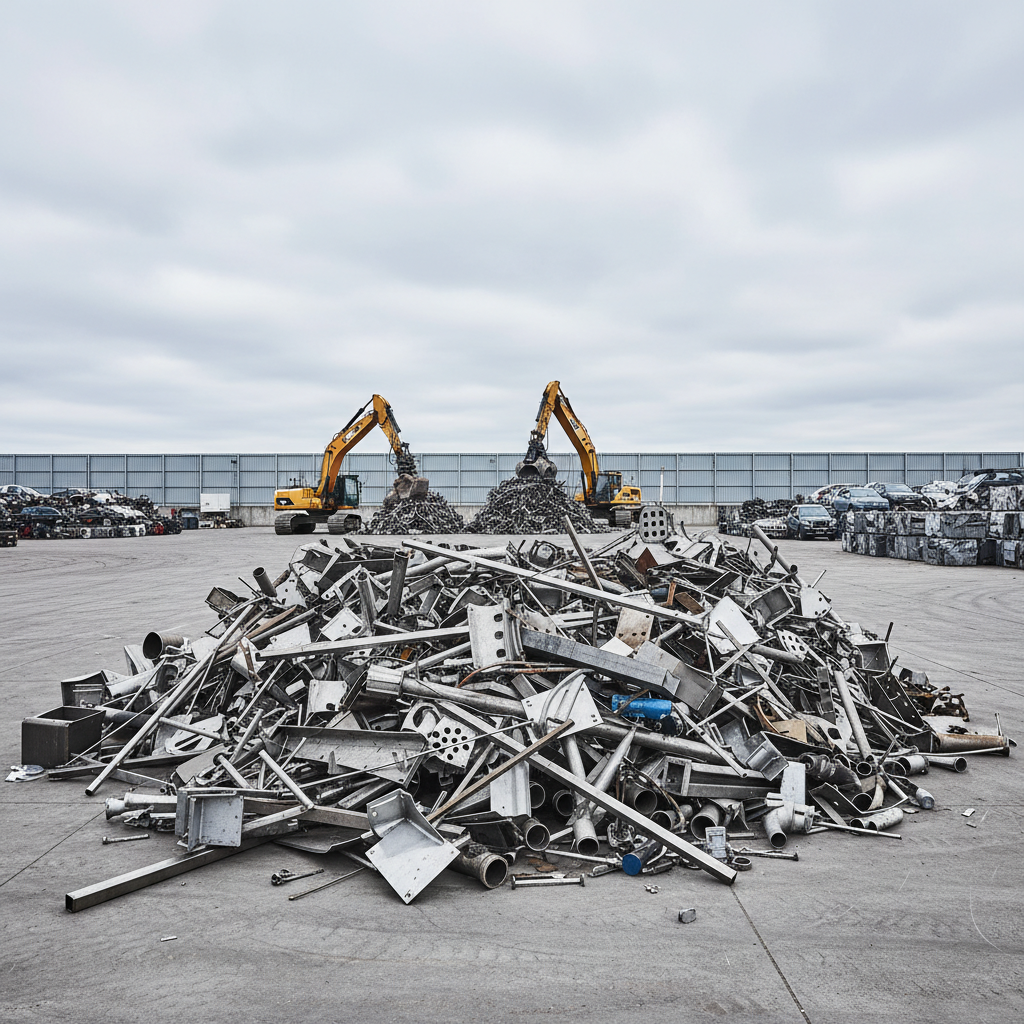
Separating recognizable stainless categories before weighing makes the difference between a mixed pile and a load that can be reviewed line by line.

Dry, labelled turnings should stay apart from solid offcuts so their form and condition are clear during grading.
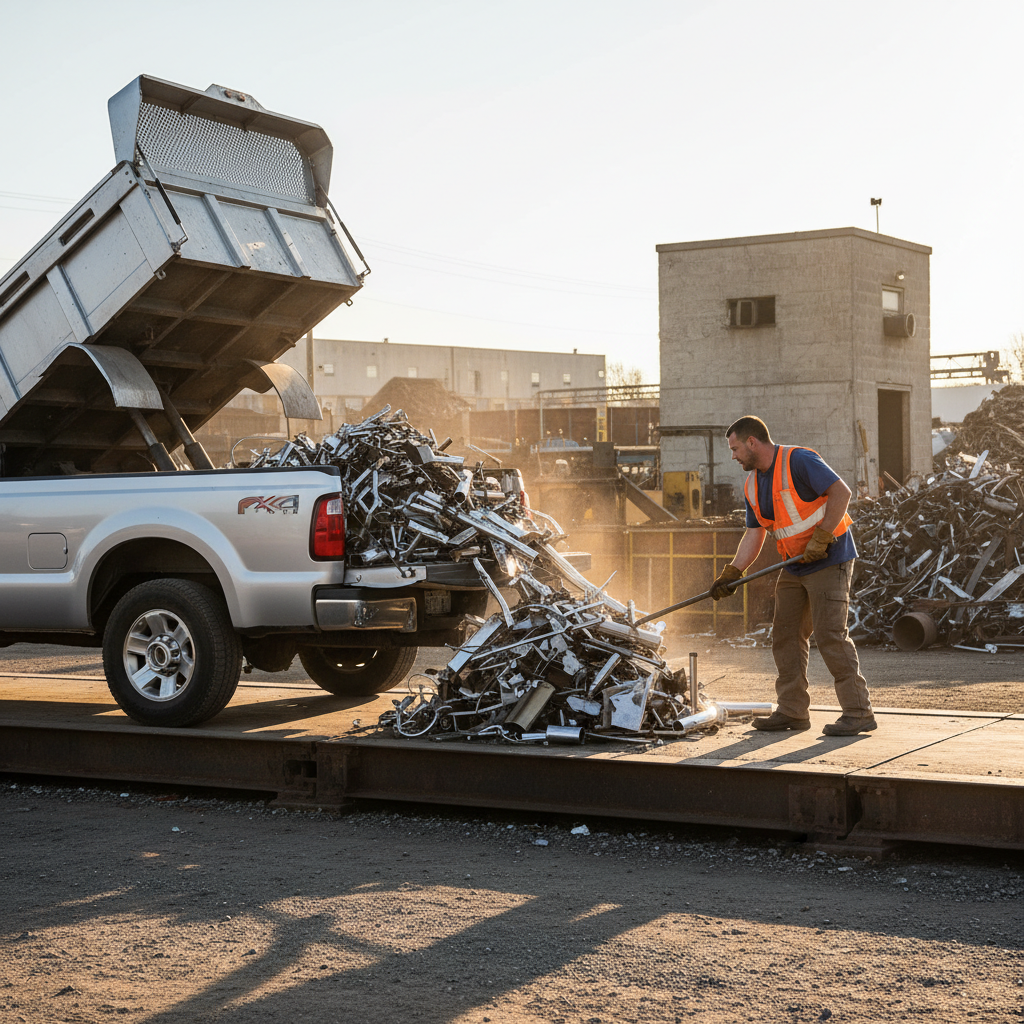
A well-organized vehicle lets staff reach each stainless category without repeatedly unloading unrelated appliances or metals.
Get a Clear Stainless Scrap Assessment in Etobicoke
The stainless scrap price per pound is shaped by grade, cleanliness, form, weight, and current market conditions. Published GTA examples suggest why clean 316 may be worth more than clean 304, but online figures are not a substitute for inspecting your actual material. The best preparation is straightforward: separate 304, 316, 400-series, turnings, and unknown pieces; remove safe-to-remove contamination; and bring documentation when you have it.
When you are ready, bring your organized stainless load to Quick Scrap Metal at 407 Rexdale Blvd in Etobicoke. Staff can review qualifying materials, record the applicable weights, and pay on the spot according to the current offer.
Bring Your Sorted Stainless to Quick Scrap Metal
Visit Quick Scrap Metal in Etobicoke for a practical stainless scrap assessment and a convenient drop-off serving Toronto and the GTA.