
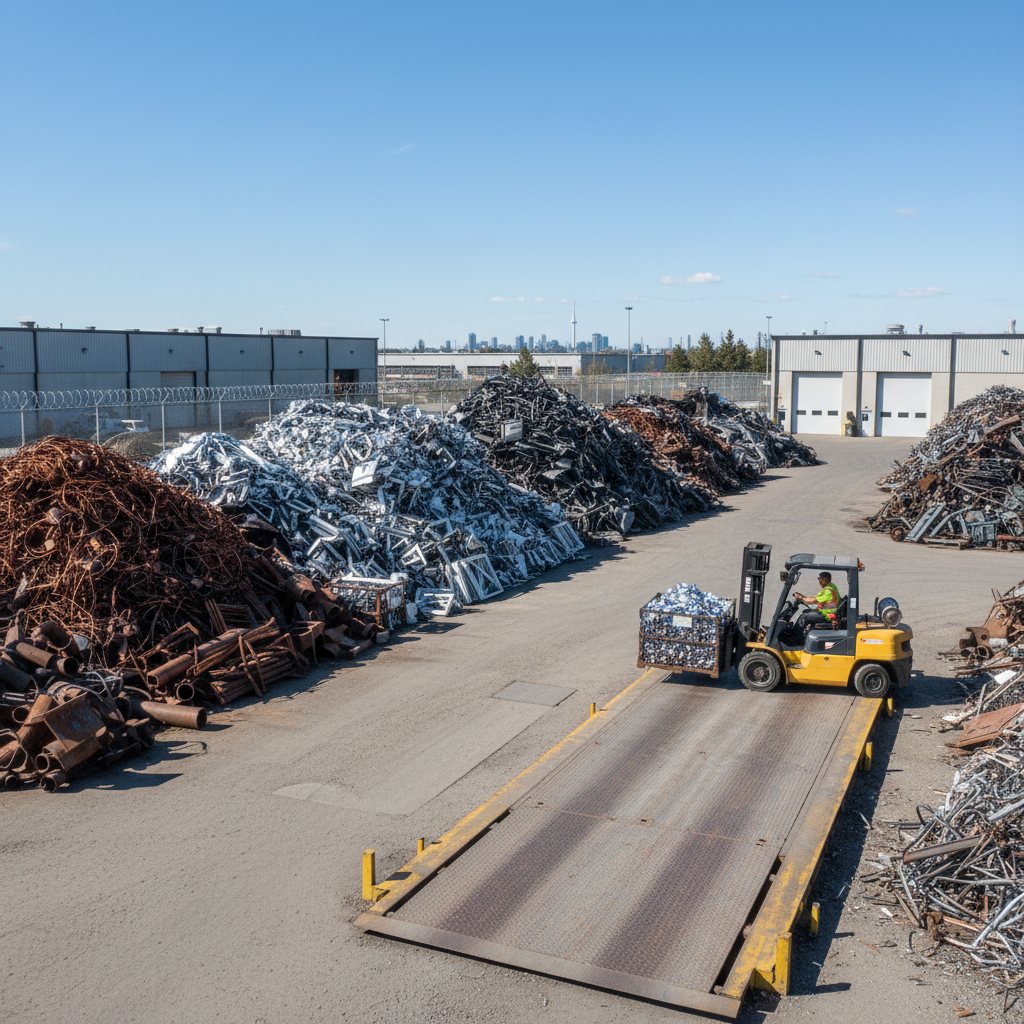
Scrap metal recycling is the process of collecting, sorting, and processing end‑of‑life metals so they can be melted and made into new products. At our Etobicoke yard at 407 Rexdale Blvd, we buy ferrous and non‑ferrous scrap, appliances, and electronics, pay on the spot, and recycle responsibly to keep valuable materials in circulation.
By Quick Scrap Metal • Last updated: May 12, 2026
At a Glance: Summary
Bring sorted metals, appliances, and electronics to 407 Rexdale Blvd for fast, responsible scrap metal recycling. We weigh, grade, and pay on the spot, then route materials to certified downstream processors. You clear clutter quickly, earn cash, and support a more sustainable Toronto circular economy.
Here’s the quick view of how to turn scrap into wins for your wallet and the environment.
- What you can bring: Copper, aluminum, brass, stainless, steel, appliances, computers, TVs, and more.
- How it works: Sort, unload, weigh, grade, get paid—usually in minutes.
- Why it matters: Reduces landfill waste, saves energy, and supports local manufacturing.
- Where to go: 407 Rexdale Blvd, Etobicoke (near HWY 27 & Rexdale).
- When we’re open: Extended weekday hours and Sundays for easy drop‑offs.
What Is Scrap Metal Recycling?
Scrap metal recycling is the collection, sorting, and processing of discarded metals for re‑use in manufacturing. It conserves raw materials and energy by feeding furnaces with recovered copper, aluminum, steel, brass, and stainless instead of mining new ore. Done right, it’s fast, clean, and profitable for local sellers.
Think of recycling as the “aftermarket supply chain” for metals. Instead of throwing away offcuts, broken items, or old appliances, you redirect them into new products.
- Core stages:
- Collection: You drop off metals, appliances, and e‑waste at our yard.
- Sorting: We separate ferrous vs. non‑ferrous and isolate higher grades.
- Processing: Materials are sheared, baled, or prepped for downstream smelters and refineries.
- Accepted categories: Non‑ferrous (copper, aluminum, brass, stainless) and ferrous (steel, cast iron). Plus electronics and appliances.
- Outcomes: Metals re‑enter manufacturing as raw feedstock; appliances and e‑waste are dismantled and responsibly recycled.
At Quick Scrap Metal, our wide acceptance policy—“If it’s metal, we buy it!”—keeps your trip simple. Mixed loads are fine; we’ll sort accurately on site.
Why Scrap Metal Recycling Matters in Etobicoke and Toronto
In Etobicoke and across Toronto, scrap metal recycling lowers landfill use, reduces mining demand, and supports local jobs. Sellers gain fast cash, while manufacturers gain reliable feedstock. Community programs work best when drop‑offs are easy—which is why our 407 Rexdale Blvd yard runs extended hours, including Sundays.
Recycling metals multiplies local benefits.
- Environmental impact: Re‑using metals cuts the need for virgin ore and lowers emissions from extraction and transport.
- Local economy: Yards, haulers, processors, and mills form a regional circular system that keeps value here.
- Household gains: You free up storage space, declutter garages, and turn “junk” into same‑day payouts.
- Business efficiency: Tradespeople and contractors keep work sites cleaner and safer by off‑loading offcuts regularly.
Because our site is near HWY 27 & Rexdale, quick in‑and‑out access works for busy schedules. Bring metals, appliances, or electronics in one trip—no need to drive around to multiple facilities.
How the Process Works at Quick Scrap Metal
Arrive, sort, weigh, grade, get paid. At 407 Rexdale Blvd, you’ll unload safely, we’ll separate metals, weigh on calibrated scales, explain grades, and pay on the spot. Appliances and electronics are handled for responsible recycling. The whole process is designed to be easy, fast, and convenient.
Here’s the step‑by‑step walk‑through you can expect at our Etobicoke yard.
- Preparation at home: Separate ferrous from non‑ferrous; remove obvious non‑metal parts where safe.
- Arrival and check‑in: Follow staff directions to the unloading area; safety vests and clear lanes keep traffic smooth.
- Unloading: We’ll help stage items as needed; appliances and e‑waste go to designated zones.
- Weighing and grading: Calibrated scales measure weight; experienced graders identify metal types and quality.
- On‑the‑spot payout: Once weights and grades are confirmed, you’re paid promptly.
- Downstream recycling: We aggregate and ship to approved processors for shredding, smelting, and re‑manufacturing.
Want to prep like a pro before you arrive? Our in‑house tips and checklists below help you streamline loading and maximize your payout potential.
Local considerations for Etobicoke
- Plan drop‑offs outside peak weekend rush; late weekday hours are great if you’re coming from job sites near Woodbine Mall & Fantasy Fair.
- Winter loads pack snow and ice; brush off bins so metals weigh cleanly and unload safely.
- For mixed commercial runs, call ahead to stage unloading—our yard layout helps keep turnarounds tight and organized.
Types of Scrap and How to Prepare Each
Group metals into non‑ferrous (copper, aluminum, brass, stainless) and ferrous (steel, cast iron). Remove obvious contaminants, cut oversized pieces to manageable lengths, and keep high‑grade items separate. Clean, well‑sorted loads move faster at the scale and can improve your overall payout experience.
Use this quick guide to speed up sorting and keep your trip efficient.
Non‑ferrous metals (high value by weight)
- Copper: Separate bright bare wire, insulated wire, tubing, and mixed pieces. Strip insulation only when practical.
- Aluminum: Sort cans, siding, extrusion, plate, cast. Keep food residue out and remove steel screws when safe.
- Brass: Group faucets, valves, and fittings; remove rubber washers or long screws.
- Stainless steel: Keep 300‑series separate from magnetic grades; remove non‑metal attachments.
Ferrous metals (bulky and common)
- Steel and tin: From shelves and tools to car parts and beams—magnet sticks strongly.
- Cast iron: Rotors, old radiators, weight plates—heavy and brittle.
- Engines and motors: Drain fluids responsibly; we can advise on safe handling.
| Category | Common Examples | Prep Tips | Notes |
|---|---|---|---|
| Non‑ferrous | Copper wire, brass faucets, aluminum extrusion | Keep grades separate; remove obvious contaminants | Usually higher value by weight |
| Ferrous | Steel beams, rotors, cast iron tubs | Bundle long pieces; use magnet test | Common, heavier, bulk loads |
| Appliances | Washers, dryers, stoves, A/C units | Secure doors; disconnect safely | Drop in appliance lane on arrival |
| Electronics | Computers, TVs, PCBs, keyboards | Pack to prevent screen damage | Responsible e‑waste dismantling |
For aluminum cans, see our practical guide to recycling cans efficiently to streamline bagging and sorting for faster yard visits.

Best Practices to Maximize Your Payout Experience
Separate metals by type, keep high‑grade items clean, and bundle long stock for safe handling. Label bins, use a magnet for quick checks, and photograph unique items. Organized loads speed grading at the scale and help you get in, get paid, and get on with your day.
Simple prep that pays off
- Sort before you drive: Non‑ferrous in one bin, ferrous in another; appliances and e‑waste staged separately.
- Use the magnet test: If it sticks strongly, it’s ferrous; weak or no stick suggests non‑ferrous.
- Bundle long lengths: Cut or bundle extrusion, pipe, and rebar for safer unloading.
- Protect copper quality: Keep bright bare wire dry and free of paint or oil.
- Remove easy attachments: Screws, rubber seals, and plastic handles—only when safe and worthwhile.
- Keep records: Photo rare alloys or complex items to speed identification on arrival.
For up‑to‑date guidance on what we’re accepting and how to stage mixed loads, check our current scrap metal prices page for accepted categories and preparation notes.
Appliance and Electronics Recycling (One‑Stop Drop‑Off)
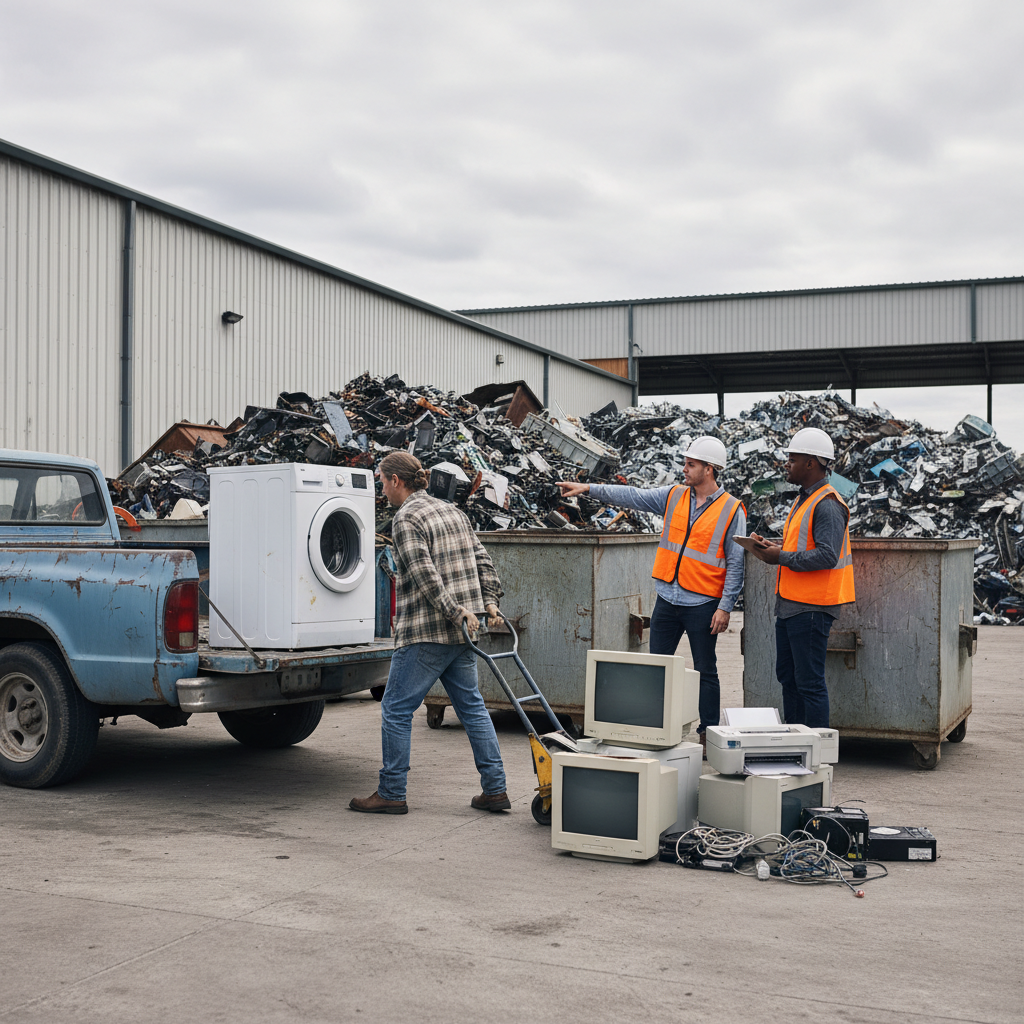
Bring appliances and electronics with your metals in a single trip. We direct washers, dryers, stoves, A/C units, computers, TVs, and PCBs to the correct lanes for safe handling and responsible downstream recycling. It’s the easiest way to clear bulky items and keep hazardous materials out of landfills.
Households and businesses love the one‑stop convenience at our Etobicoke yard.
- Appliances: Washers, dryers, ovens/stoves, microwaves, dishwashers, range hoods, A/C units, and more.
- Electronics: Computers/laptops, TVs/monitors, keyboards, cables, power supplies, and printed circuit boards.
- Compact prep tips: Tape doors, secure cords, and pack screens upright to avoid damage during unloading.
If you’re sorting a tech closet or decommissioning old gear, our electronics drop‑off guide explains categories, safe transport, and what to bring with your load list.
Tools and Resources for Everyday Sellers
A few simple tools—magnet, basic hand tools, labels, and bins—make sorting fast and safe. Add a hand truck or dolly for heavy items. For reference, use our in‑house guides and service pages to confirm categories, prep steps, and accepted items before you roll out.
DIY toolkit
- Magnet: Instantly separates ferrous from non‑ferrous.
- Labels and tape: Mark bins by metal type to prevent mix‑ups.
- Hand tools: Pliers, wrenches, and snips for quick, safe disassembly.
- Dolly or cart: Move heavy appliances and totes without strain.
Digital references
- Bookmark our current acceptance notes for metals and appliances.
- Use our electronics services page to plan e‑waste room cleanouts.
- Track community tips via our recycling insights tag for Etobicoke updates.
In our experience, even basic prep before you drive can cut your yard time by half. Safe handling, sorted bins, and a quick checklist keep things smooth curb‑to‑scale.
Local Examples: What People Bring and How We Help
Homeowners, trades, and small businesses use our Etobicoke yard for fast drop‑offs of mixed metals, appliances, and e‑waste. We stage safe unloading, separate high‑value items, explain grades clearly, and pay on the spot—so you leave lighter, paid, and confident your materials are recycled responsibly.
Household clear‑out
- Old washer/dryer set, a box of cables, and two laptops.
- We staged appliances at the bay, sorted electronics by type, and routed metals to scales.
- Customer walked away with a same‑day payout and an empty basement corner.
Contractor offcuts
- Bins of aluminum extrusion, stainless offcuts, and steel studs from a renovation run.
- We separated non‑ferrous quickly; bundled long stock for safe, fast weighing.
- Contractor used our acceptance notes to prep the next load for even faster turnaround.
Office IT refresh
- Twenty desktop towers, mixed monitors, keyboards, and a box of PCBs.
- We guided safe packing; on site, we sorted components to the proper e‑waste lanes.
- Facilities manager timed the drop‑off after lunch to miss the peak rush.
Across these scenarios, the same pattern holds: organize, separate, and schedule smart. The result is a quicker visit and a better overall experience.
How to Compare Metals at a Glance
Use three quick checks: magnet strength, surface color, and weight. Strong magnet pull suggests steel or cast iron; reddish tones hint at copper; light parts often indicate aluminum. When unsure, bring a sample—we’ll help identify and separate it on site so your load moves faster.
- Magnet test: Stick = ferrous (steel/cast); no stick = likely non‑ferrous.
- Color cues: Reddish copper, yellow brass, silvery stainless, dull gray cast iron.
- Weight feel: Aluminum feels light; stainless and copper feel dense.
- Spark check (advanced): With proper safety, grinders show distinct spark patterns (ask us if you’re curious).
When you’re splitting grades—like aluminum extrusion vs. plate—photos and quick labels help prevent mix‑ups, especially on repeat commercial runs.
Where Your Scrap Goes Next: The Circular Network
After we weigh and grade your load, materials join a regional network: haulers, processors, smelters, and manufacturers. Clean, well‑sorted metals flow quickly through this chain and return as studs, rebar, appliances, and vehicles—closing the loop and supporting jobs across the GTA.
Quick Scrap Metal is part of a broader ecosystem that transforms scrap into new building materials and consumer goods.
- Regional manufacturing feedstock: Non‑ferrous and ferrous metals become studs, framing, machinery parts, and more.
- Construction link: For insights on finished steel framing products used across the GTA, see this context on steel studs in Toronto.
- Supply alignment: Learn how framing suppliers source material in the Toronto supply chain.
- Heavy infrastructure: Recovered ferrous can ultimately feed mills that make reinforcing products; see a primer on rebar supply for context.
Here’s the thing: what you drop off today can be back on a job site sooner than you think. That’s the circular economy in action—local inputs, local outputs.
Frequently Asked Questions
You’ve got questions. We’ve got direct answers for Etobicoke and GTA sellers—covering what to bring, how to sort, and how to plan quick, safe drop‑offs. If you’re unsure about an item, bring a small sample or a photo and we’ll guide you on the spot.
What metals should I separate before I arrive?
Keep non‑ferrous (copper, aluminum, brass, stainless) apart from ferrous (steel, cast iron). Within non‑ferrous, separate obvious high‑grade items like bright bare copper wire. Appliances and e‑waste should be staged separately for quick lane routing at our yard.
Can I bring appliances and electronics with my metal?
Yes. We’re a one‑stop drop‑off. Bring washers, dryers, stoves, A/C units, computers, TVs, and PCs/PCBs with your metals. We’ll direct each category to the correct lane for safe handling and responsible recycling.
Do I need to remove every screw or plastic piece?
No. Focus on easy wins that make sense for safety and speed. Remove large plastic handles or obvious rubber parts when practical. If you’re unsure whether extra prep helps, bring the item—we’ll advise at the scale.
What’s the fastest time to visit your yard?
Late weekday afternoons and early evenings are often smooth, especially outside major holidays. We’re also open Sundays for convenience. If you’re coming with a large commercial load, call ahead so we can stage unloading.
Do you take mixed loads from job sites?
Absolutely. Mixed ferrous/non‑ferrous is common. Keep bins labeled, bundle long stock, and separate appliances and e‑waste. On arrival, we’ll direct each material to the right lane so weighing and grading move quickly.
Key Takeaways and Next Steps
Sort your metals, bring appliances and electronics in one trip, and use our extended hours to fit your schedule. At 407 Rexdale Blvd, you’ll unload safely, move through scales quickly, and get paid on the spot—supporting a cleaner GTA while clearing space at home or work.
- Sort smart: Separate non‑ferrous, ferrous, appliances, and e‑waste.
- Prep quickly: Remove easy attachments; bundle long stock.
- Plan timing: Use late weekday hours or Sundays to avoid peak rush.
- Use resources: Check acceptance notes and our electronics services page.
Want a 2‑minute load review? Call ahead and our team will walk through your materials list so you can stage bins and be in and out faster.
Conclusion
Scrap metal recycling turns clutter into immediate value while protecting resources. With one‑stop drop‑off for metals, appliances, and electronics at 407 Rexdale Blvd, Quick Scrap Metal gives Etobicoke and the GTA an easy, fast, and responsible way to recycle—and to leave the yard lighter and paid.
We’ve built everything around speed, clarity, and responsible handling:
- Simple sorting guidance and safe unloading lanes.
- Clear grading at calibrated scales and on‑the‑spot payouts.
- Responsible downstream processing through a trusted regional network.
Ready to make your first or next run? Check our current acceptance notes, skim our electronics drop‑off guide, and set your GPS for 407 Rexdale Blvd in Etobicoke. We’ll take it from there.