
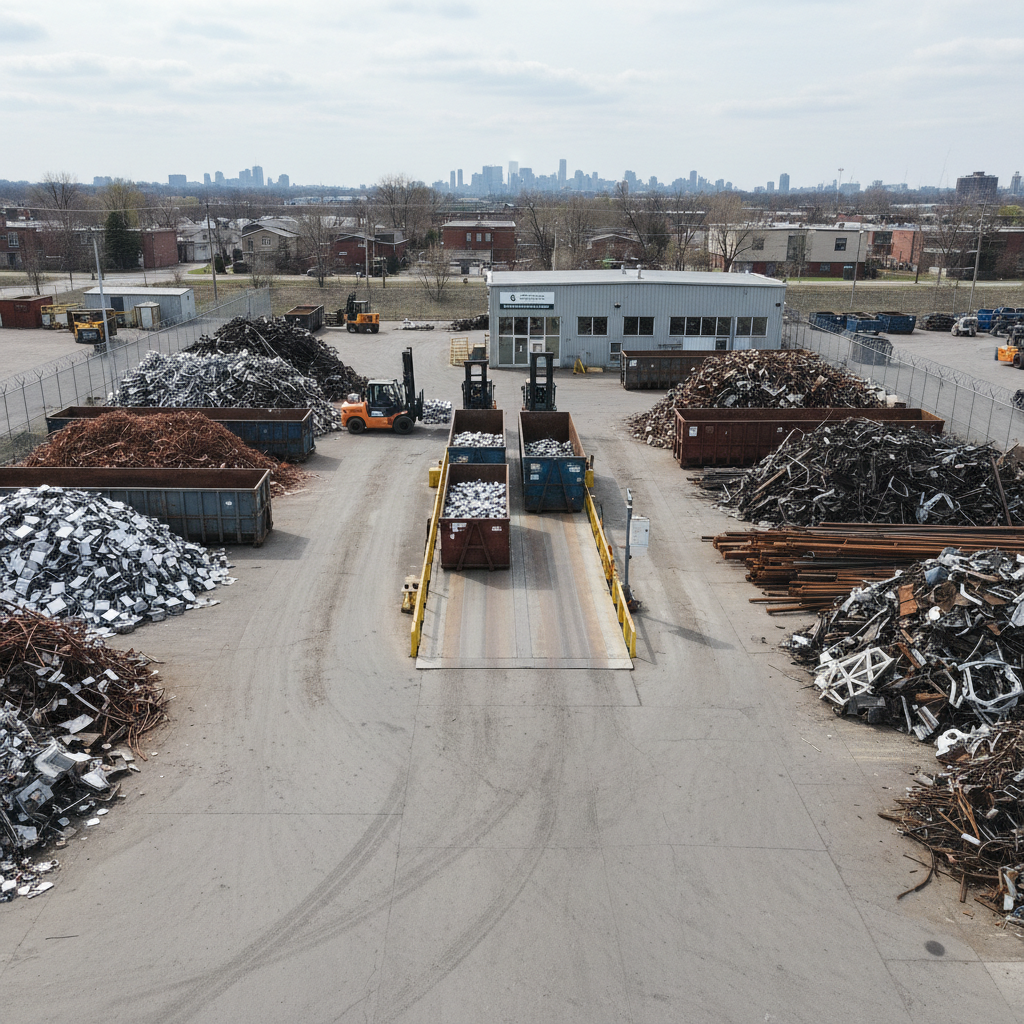
Scrap metal is any leftover, end-of-life, or offcut metal that can be collected, sorted, and recycled into new materials. At 407 Rexdale Blvd in Etobicoke, our team at Quick Scrap Metal makes it simple: bring metals, appliances, and electronics, get weighed, and receive fast payment—helping Toronto-area households turn clutter into cash responsibly.
By Preet Dass | Last updated: May 14, 2026
Above the Fold: Start Here
Turn scrap into value by sorting metals, packing safely, and dropping off at Quick Scrap Metal in Etobicoke. We accept ferrous, non-ferrous, appliances, and e-waste. You’ll get guided unloading, a quick scale-in/scale-out, and on-the-spot payment—usually in minutes—so you clear space and keep materials in the circular economy.
This guide shows you exactly how to prepare, what we accept, and how the process works—end to end.
- What scrap metal is and why it matters in 2026
- How to sort, store, and transport safely (with checklists)
- Ferrous vs. non-ferrous: easy identification techniques
- Appliance and electronics (e-waste) drop-off essentials
- Scrap car and household scrap removal options
- Local notes for Etobicoke and the Toronto metro area
Quick Summary
Scrap metal recycling keeps valuable materials in circulation, reduces landfill waste, and puts money back in your pocket. Bring sorted metals, appliances, and electronics to Quick Scrap Metal at 407 Rexdale Blvd. We provide fast unloading, clear weigh-ins, and immediate payment so you leave lighter—and with cash in hand.
Here’s what to remember:
- Separate into broad groups: ferrous, non-ferrous, appliances, electronics.
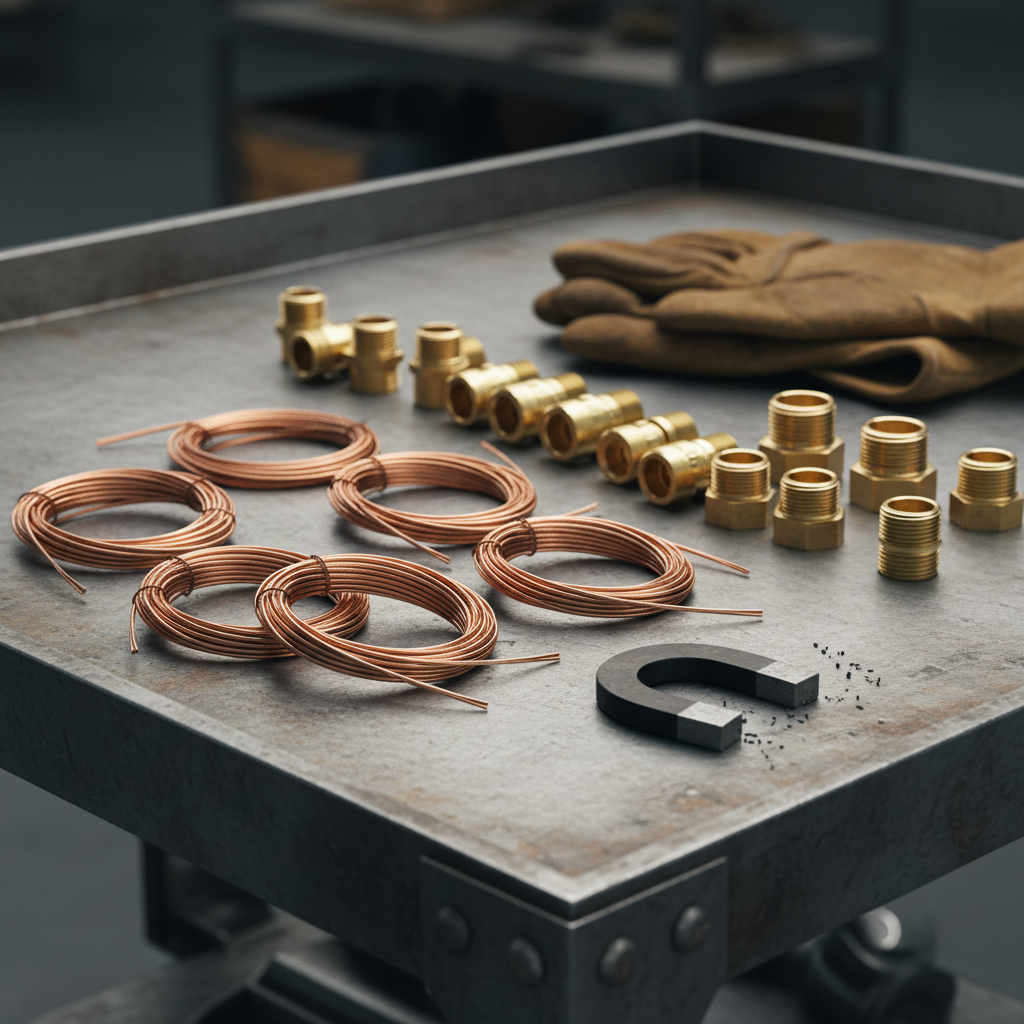
- Use a magnet: if it sticks, it’s usually ferrous (like steel or iron).
- Remove obvious hazards (fluids, batteries not requested, sharp edges).
- Label boxes for small items (brass fittings, wire, PCBs) for faster weighing.
- Ask our team for help unloading—safety gear is available on-site.
What Is Scrap Metal?
Scrap metal refers to discarded or surplus metals—ferrous and non-ferrous—that can be collected and recycled into new products. Common sources include home renovations, appliances, wiring, vehicles, and electronics. Recycling scrap preserves resources, reduces energy use compared with primary mining, and pays sellers for recovered materials.
Scrap isn’t just “junk.” It’s a resource with repeat value. In our experience working with homeowners and trades in Toronto, the biggest surprise is how quickly small quantities add up—old light fixtures, faucets, a bin of wire offcuts, or that broken lawn mower. Recovered properly, these parts feed steel mills and smelters, reducing demand for virgin ore.
Core categories you’ll encounter
- Ferrous metals: mostly iron/steel; magnetic; found in rotors, beams, appliances, and tools.
- Non-ferrous metals: copper, aluminum, brass, stainless, nickel—generally non-magnetic and highly reusable.
- Appliances: stoves, washers/dryers, A/C units, range hoods, and more.
- E-waste: computers, TVs/monitors, PCBs, keyboards, small electronics.
- Automotive: scrap cars, engines, transmissions, radiators, compressors, alternators.
At Quick Scrap Metal, our acceptance list spans all of the above, including cables and wire, transformers, stainless steel, and printed circuit boards. That breadth is why many customers treat us as a one-stop drop-off.
Why Scrap Metal Matters in 2026
Scrap metal recycling cuts landfill waste, saves significant energy versus making metals from raw ore, and supports local manufacturing. For households and contractors, it clears space and converts clutter into cash. For cities like Toronto, it strengthens circular-economy goals and reduces environmental footprint.
Resource conservation is the headline. Recycled feedstock substitutes for newly mined material, which takes more energy and generates more emissions. For you, the payoff is immediate: a safer garage, fewer trip hazards, and a simple routine for turning surplus into value. For the GTA, an active scrap stream means cleaner neighborhoods and more stable material supply.
Benefits you’ll feel right away
- Cleaner spaces: Remove bulky appliances and old equipment in one run.
- Safety: Fewer sharp offcuts, cords, and heavy objects lying around.
- Predictable routine: Box, label, drop off—repeat monthly or quarterly.
- Cash flow: Immediate payment on qualifying loads supports home projects.
- Community impact: Keeps metals out of landfills and in production loops.
Want a deeper primer on market dynamics and categories? Our in-depth recycling guide breaks down how metal flows through processors and refiners and how to prepare household lots for smooth drop-offs.
How Scrap Metal Recycling Works (At Our Etobicoke Yard)
Bring materials to 407 Rexdale Blvd, get weighed in, unload with staff assistance, and get weighed out. We grade metals, aggregate by type, and ship to processors. You leave with on-the-spot payment and a cleared space—usually within a single quick visit.
Here’s the exact flow we use with homeowners, contractors, and small businesses:
- Arrival and safety: Follow yard signage, wear closed-toe shoes, and check in with our team.
- Weigh-in: We record gross weight and direct you to the right unloading bay.
- Assisted unloading: Our crew helps stage items into ferrous, non-ferrous, appliances, and e-waste zones.
- Grading and sort: We separate items like copper wire, brass fittings, motors, and stainless to streamline downstream recycling.
- Weigh-out and payment: We record tare weight and provide immediate payment for qualifying metals.
| Step | What You Do | What We Do | Why It Matters |
|---|---|---|---|
| Weigh-in | Pull onto scale | Record gross weight | Establishes baseline for accurate net weight |
| Unload | Follow staff guidance | Assist, stage by category | Speeds grading and safety |
| Grading | Share any notes (e.g., stripped wire) | Identify metal type/quality | Ensures proper downstream recycling |
| Weigh-out | Return to scale | Record tare weight | Calculates net for payment |
For electronics, see our electronics recycling services explainer. For market context on construction-grade metals, browse these industry overviews from affiliated suppliers: steel studs in Toronto, steel stud supplier, and rebar detailing basics.
Local considerations for Etobicoke
- Weekends near Woodbine Mall & Fantasy Fair can be busy. Plan weekday mornings for faster in-and-out.
- Winter and early spring bring slush and salt—pack items in bins and use tarps to keep small parts together.
- Households in northern Etobicoke often mix appliances with e-waste; label boxes (e.g., “PCBs,” “peripherals”) for quicker grading.
Types of Scrap Metal (With Identification Tips)
Classify scrap first by ferrous (magnetic) versus non-ferrous (non-magnetic). Then identify subtypes—copper, aluminum, brass, stainless, steel, and specialty items like transformers, motors, and PCBs. Clear labeling speeds weigh-ins and helps you capture full material value.
Ferrous vs. non-ferrous at a glance
| Category | Magnet Test | Common Items | Handling Notes |
|---|---|---|---|
| Ferrous (iron/steel) | Magnet sticks | Rotors, beams, tools, appliances, cast iron | Tape sharp edges; drain fluids from machinery |
| Non-ferrous | Magnet doesn’t stick | Copper wire, aluminum siding, brass faucets, stainless | Keep subtypes separate for fastest processing |
High-frequency household and contractor items we accept
- Copper: house wire, extension cords, plumbing offcuts, motors.
- Aluminum: cans, siding, plate and extrusion, range hoods.
- Brass: faucets and fixtures, valves, fittings.
- Stainless steel: sinks, appliances, kitchen equipment.
- Steel and cast iron: tools, rotors, auto cast, heating ducts.
- Motors/transformers: electric motors, transformers, compressors.
- Electronics: computers, TVs/monitors, keyboards, PCBs, peripherals.
- Appliances: stoves, washers/dryers, microwaves, dishwashers.
Need a deeper dive into categories and preparation? See our Toronto prices overview for how grading and separation affect your return—no pricing listed, just preparation tips that influence payout.
Best Practices: Sorting, Safety, and Transport
Sort by category, pack for safe lifting, remove hazards, and label clearly. Use containers for small parts and coils. Cover loads to prevent loss in transit. At the yard, follow staff directions for fast, safe unloading and grading.
At-home preparation
- Set up four zones: ferrous, non-ferrous, appliances, e-waste.
- Magnet test each item; separate copper, aluminum, brass, stainless.
- Coil and bag wires/cables; keep stripped and unstripped wire separate.
- Drain and cap fluids from engines, compressors, and A/C units you’re allowed to handle.
- Tape sharp edges on cut metal and remove loose glass.
- Label boxes: “brass fittings,” “PCBs,” “stainless pieces,” etc.
Transport checklist
- Load heavier items low and forward; secure with straps.
- Use tarps or nets to prevent small items from blowing out.
- Bring gloves and closed-toe shoes; ask for on-site PPE if needed.
- Keep paperwork handy for appliances or vehicle parts, if applicable.
New to electronics? Our computer recycling guide covers data hygiene and how we handle components like motherboards and power supplies to keep downstream recyclers efficient and compliant.
Tools and Resources (To Make This Easy)
A simple magnet, labeled bins, work gloves, and a moving dolly go a long way. Add a small scale for at-home tracking and basic hand tools for safe disassembly. Use our guides and checklists to stay organized from garage to yard.
Low-cost kit that pays for itself
- Magnet + marker: quick ID and clear labels.
- Nesting bins: stack “copper,” “brass,” “aluminum,” “stainless.”
- Zip bags: hold screws, fittings, and small PCB parts.
- Hand tools: adjustable wrench, snips, screwdrivers, hex keys.
- Dolly or cart: move appliances/boxes safely.
For electricity-focused jobs, motors and transformers rack up fast. See our electric motor scrap guide for identification, safe removal, and how to bundle lots so grading is quick on arrival.
How We Handle Appliances and E‑Waste
We recycle common appliances and most household electronics, including computers, TVs, and peripherals. Our team unloads, separates components, and channels them to vetted downstream recyclers. You get a fast visit; materials get a second life.
Appliances and electronics are where convenience matters most. Instead of multiple stops, bring everything to one yard in Etobicoke. We’ll guide staging and answer questions about components like compressors, radiators, or printed circuit boards. For mixed electronics, our electronics drop-off overview details the most common household items and how to pack them.
Scrap Cars and Household Scrap Removal Options
Got an end-of-life vehicle or a garage full of metal? We provide scrap car drop-off or arranged pickup and household scrap removal options. One call gets you clear instructions, timing, and what to prepare so the handoff is smooth.
Vehicle owners often pair a scrap car with bins of rotors, aluminum rims, or radiators. Households bundle an old washer, BBQ, and a box of brass/steel odds and ends. We help plan the sequence so unloading takes minutes, not hours. When in doubt, call our yard team for current acceptance details and document needs.
Case Studies and Local Examples (Etobicoke & Toronto)
Neighborhood cleanouts and small contractor runs add up quickly. In Etobicoke and across Toronto, we’ve helped residents clear single-car garages and tradespeople unload mixed ferrous/non-ferrous in one visit—often combining appliances with electronics and a few motors for a tidy, efficient drop-off.
Household scenario
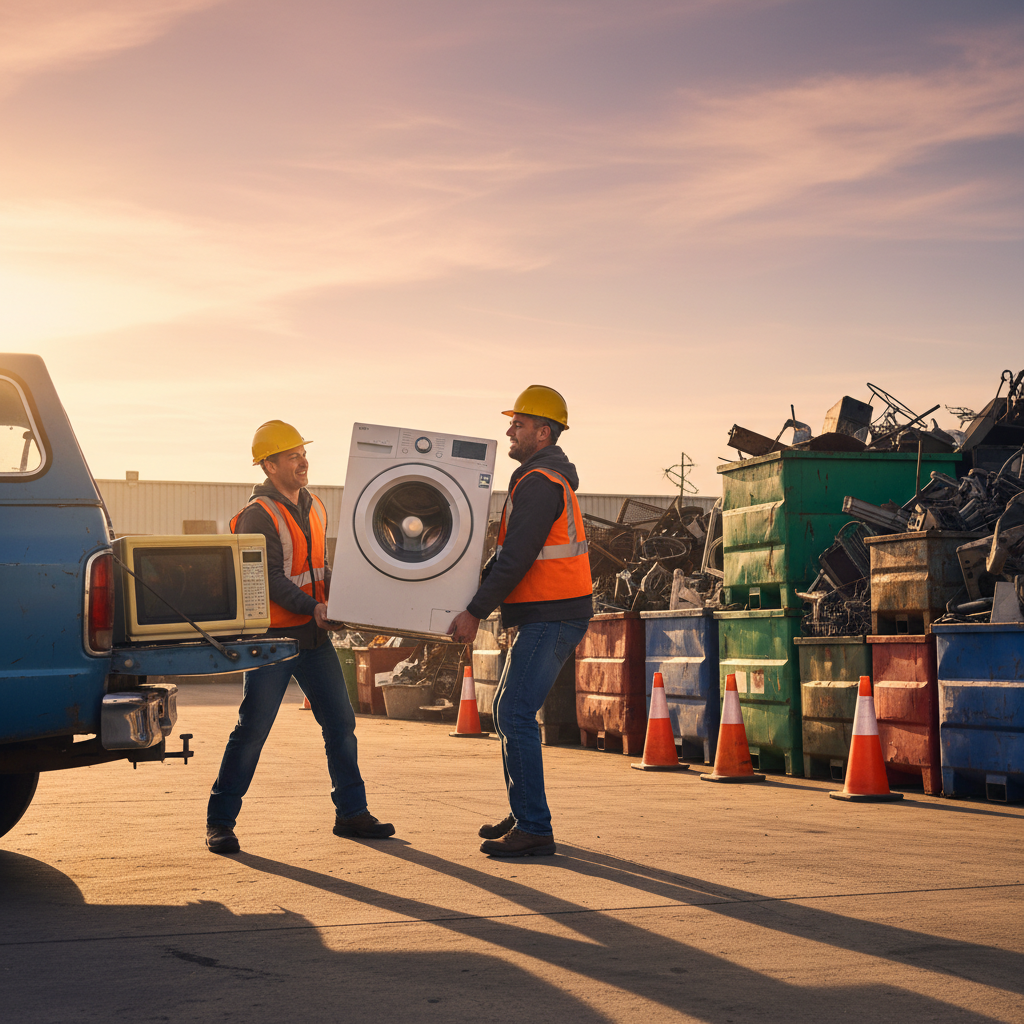
A resident near Flagstaff Park arrived with a washer/dryer set, a microwave, an old toolbox of wrenches, and two bins labeled “copper wire” and “brass.” With clear labels and staged loading, unloading took under 15 minutes. We graded the metals, aggregated electronics, and the customer left with space regained and a simple routine to repeat quarterly.
Contractor scenario
A small HVAC crew from western Toronto brought aluminum ducting offcuts, a tote of stainless fasteners, three motors, and a box of mixed brass valves. Because materials were presorted, grading was fast. They synced future drop-offs with project closeouts to keep vans clear and cash flow steady.
Business scenario
A local property manager scheduled a weekend run—post-renovation steel, appliances from a unit turnover, and several computers. We set up a dedicated unloading lane and finished scale-in to scale-out in one pass. Clear labeling on PC boxes and keyboards shaved minutes and reduced handling risk for everyone.
Ready to Clear Space the Easy Way?
Bring your metals, appliances, and electronics to Quick Scrap Metal in Etobicoke. We’ll help you unload, sort fast, and pay on the spot. A single stop gets your garage, shop, or job site back to ready.
EASY | FAST | CONVENIENT—Drop by 407 Rexdale Blvd in Etobicoke. Have questions about what you can bring or how to prep? Our yard team is happy to help.
Frequently Asked Questions
These quick answers cover what to bring, how to prep, and how a visit to our Etobicoke yard works. Each response is concise for voice assistants and quick scanning.
What types of scrap metal do you take?
We accept ferrous (steel, cast iron, rotors) and non-ferrous (copper, aluminum, brass, stainless, nickel), plus appliances and most household electronics. We also handle motors, transformers, radiators, compressors, and automotive components.
How should I sort materials before I arrive?
Separate into ferrous, non-ferrous, appliances, and e-waste. Use a magnet to distinguish steel/iron. Label small boxes (e.g., brass fittings, PCBs). Coil wires and keep stripped wire separate. Load heavy items low and secure everything for transit.
Do you offer scrap car drop-off or pickup?
Yes. We support scrap car drop-off and arranged pickup. Call ahead so we can outline what to remove, what to bring, and how pickup scheduling works. We’ll make the process quick at the yard.
Can I bring old computers and TVs?
Absolutely. We recycle common household electronics including computers, laptops, TVs/monitors, keyboards, and peripherals. Back up and wipe data where possible. Pack cables and small parts in labeled bags for easy unloading.
Key Takeaways
Sort smart, pack safely, and bring everything to one convenient yard. That’s the easiest way to turn scrap into value while keeping materials in the circular economy across Etobicoke and the Toronto metro.
- Use a magnet and clear labels to speed your visit.
- Combine metals, appliances, and e-waste in one drop.
- Ask our team for unloading help and safety gear.
- Set a standing routine—monthly or quarterly—so clutter never piles up.
Conclusion and Next Steps
Bring your mixed metals, appliances, and electronics to Quick Scrap Metal at 407 Rexdale Blvd. You’ll get a streamlined weigh-in, fast unloading, and immediate payment. One stop clears clutter, supports recycling in Toronto, and puts cash back in your hands.
Want practical prep tips tailored to your materials? Explore our step-by-step recycling guide, check our Toronto preparation tips, or review electronics drop-off details before you load the car. Then swing by—our Etobicoke team is ready to help.