
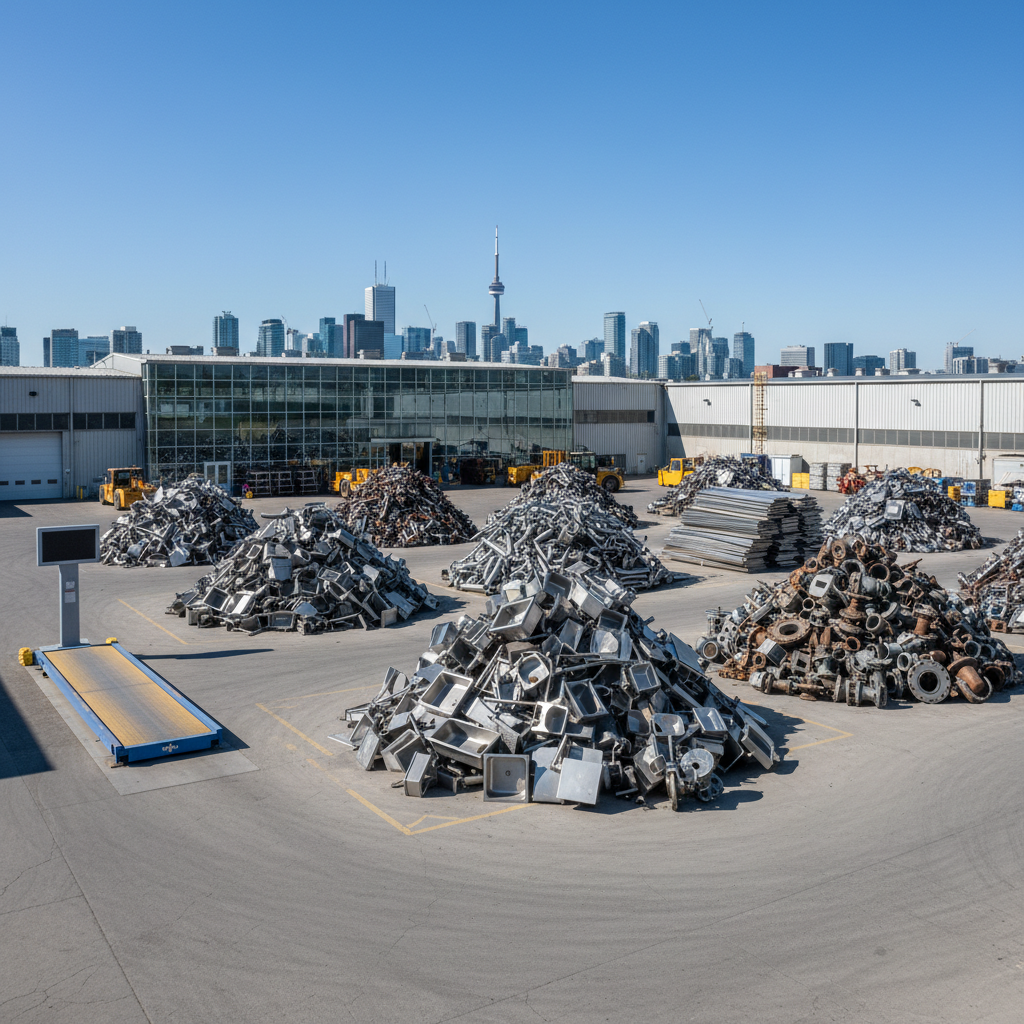
The scrap value of stainless steel is the worth recyclers pay for used stainless items based on grade, weight, and market demand for nickel and chromium. For Etobicoke sellers near 407 Rexdale Blvd, Quick Scrap Metal evaluates grade, cleanliness, and preparation to determine fair value so you can turn stainless offcuts, appliances, and fixtures into fast cash.
By Preet Dass | Last updated: 2026-05-28
Quick Summary and Table of Contents
Stainless scrap value depends on grade (304, 316, 201, 409), weight, contamination, and current nickel/chromium demand. Prepare pieces by separating grades, removing attachments, and keeping loads dry. This guide explains value drivers, prep steps, local drop-off tips in Etobicoke, and how Quick Scrap Metal streamlines your sale.
Heres what youll learn and why it matters if youre selling stainless in Toronto and the GTA.
- What stainless steel scrap value means and how its determined
- How to identify grades (304 vs 316 vs 201 vs 400-series)
- Real-world examples from homeowners, trades, and businesses
- Best practices to boost your payout without overthinking it
- Simple drop-off steps at Quick Scrap Metal, 407 Rexdale Blvd
Table of contents
- What is the scrap value of stainless steel?
- Why stainless scrap value matters in Etobicoke and Toronto
- How stainless steel scrap pricing works
- Types and grades of stainless (what yards prefer)
- Best practices to maximize your stainless payout
- Tools and resources for sellers
- Case studies and real-world examples
- Step-by-step: Drop-off process at Quick Scrap Metal
- Pricing signals and market trends (2026)
- Frequently asked questions
- Key takeaways
What is the scrap value of stainless steel?
The scrap value of stainless steel is the amount a recycler pays based on grade, weight, cleanliness, and prevailing demand for alloying elements like nickel and chromium. Higher-nickel grades (e.g., 316) tend to carry stronger values than low-nickel or ferritic grades, assuming pieces are sorted, dry, and free from attachments.
In plain terms, stainless steel isnt one metal; its a family of alloys. Value hinges on how much nickel and chromium a grade contains, along with weight and preparation quality. Quick Scrap Metal buys common grades, including 304, 316, 201, 409, and 430, and assesses them quickly at the scale.
- 304 stainless (18/8): Typically ~18% chromium and ~8% nickel. Common in sinks, food equipment, and hardware.
- 316 stainless: Similar to 304 but includes ~23% molybdenum for corrosion resistance. Found in marine and chemical uses.
- 201 stainless: Lower nickel, higher manganese formulation. Appears in some appliances and architecture.
- 409/430 (400-series): Ferritic grades with little to no nickel. Used in automotive exhaust, ducting, and panels.
Grade, weight, and prep drive your outcome. Clean, separated stainless typically evaluates faster and more favorably than mixed, wet, or contaminated loads.
Why stainless scrap value matters in Etobicoke and Toronto
For Etobicoke and Toronto sellers, stainless scrap value matters because it converts clutter into cash while supporting circular recycling. Clear grading and quick prep boost payouts and keep valuable nickel/chromium alloys in local supply chains instead of landfills.
Stainless shows up everywherecommercial kitchens, home renovations, HVAC, auto exhaust, and jobsite offcuts. When you understand value signals, you save time at the yard, avoid rework, and maximize returns. Thats especially useful if youre dropping off mixed loads after workQuick Scrap Metal is open late on weekdays and open Sundays for convenience.
- Less clutter, more utility: Converting fixtures, sinks, and piping to cash creates space in garages, shops, and yards.
- Responsible recycling: Stainless alloys are highly recyclable; keeping them in circulation reduces primary extraction.
- Local access: Our accessible yard at 407 Rexdale Blvd makes it simple for Etobicoke and broader Toronto sellers to swing by.
Put simply: know your grade, keep it clean and dry, and drop it off when it fits your schedule. Thats the quickest path from scrap to cash.
How stainless steel scrap pricing works
Stainless pricing reflects grade chemistry, weight, preparation, and real-time market appetite for nickel and chromium. Separate grades, remove attachments, and keep loads dry to optimize evaluations. Mixed, wet, or contaminated stainless typically yields less favorable outcomes at inspection.
Recycling yards weigh and evaluate stainless on intake. The ratio of chromium, nickel, and other elements (like molybdenum in 316) is the single biggest signal because it influences downstream melt value. Preparation quality and piece form (sheet, pipe, cast, turnings) also affect how efficiently yards can process your load.
Key value drivers
- Grade chemistry: Nickel-bearing grades (304, 316) are generally more sought-after than ferritic 400-series.
- Weight and form: Dense, compact pieces are easier to process than bulky items with voids.
- Preparation: Removing non-stainless attachments (steel bolts, plastic, rubber) improves outcomes.
- Moisture: Dry metal prevents excess scale weight and avoids deductions related to water content.
- Market conditions: When nickel demand is strong, values for austenitic grades typically rise.
Process signals at intake
| What we check | Why it matters | What you can do |
|---|---|---|
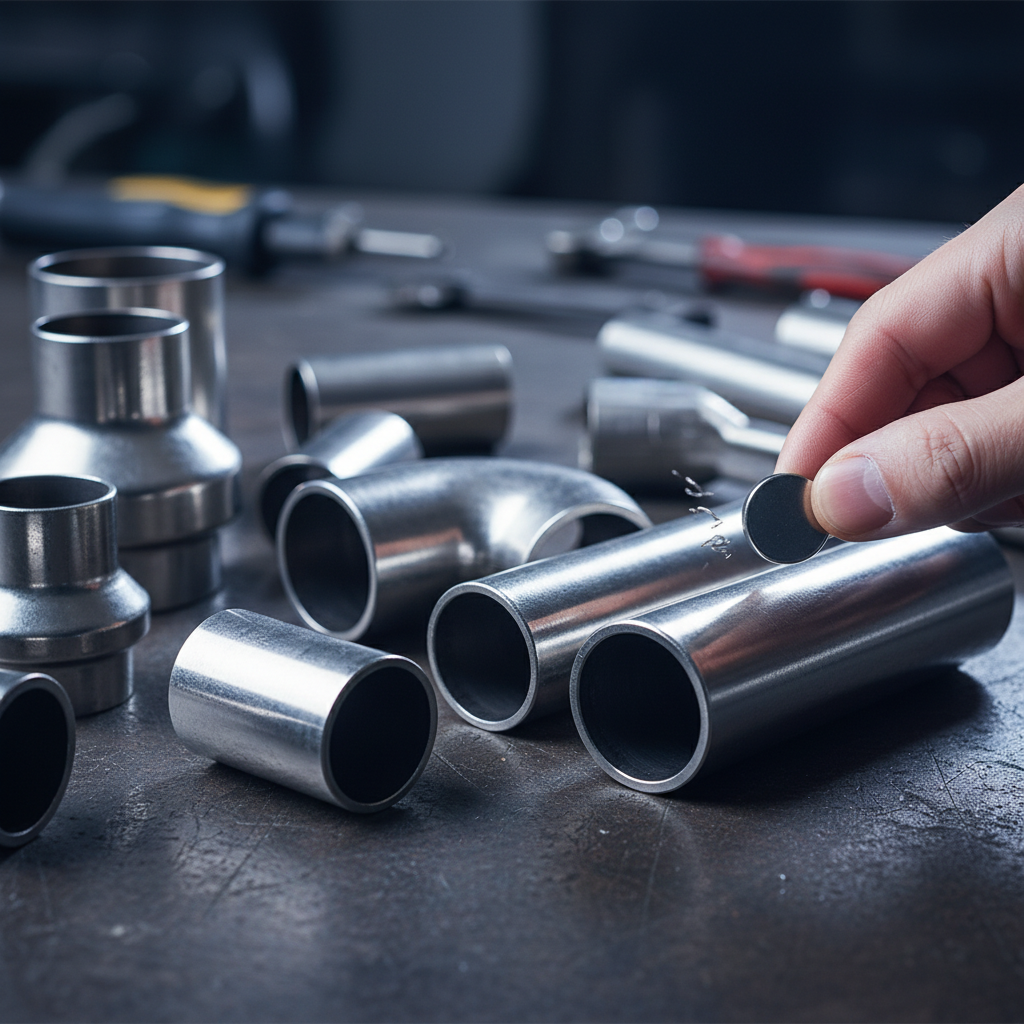
| Magnet response | Distinguishes ferritic (magnetic) vs austenitic (non-magnetic) grades quickly | Pre-sort using a small magnet at home or the shop |
| Spark/grind pattern | Helps confirm alloy family when markings are missing | Keep a small clean area for quick testing if needed |
| Attachments/contamination | Affects processing efficiency and downstream purity | Remove steel bolts, plastic, gaskets, and insulation |
| Form factor | Sheet, pipe, casting, or turnings process differently | Bundle similar forms together for faster evaluation |
| Moisture level | Wet loads add non-usable weight and can corrode surfaces | Store under cover; avoid rain before your drop-off |
Want a deeper dive on general pricing dynamics? See our Toronto overview of scrap metal prices for signals that influence multiple metals, not just stainless.
Types and grades of stainless (what yards prefer)
Yards prefer clearly separated grades: 304 and 316 (austenitic) are widely accepted; 201 appears in some appliances; 409/430 (ferritic) show up in exhausts and panels. Markings, magnet response, and common-use clues help you sort quickly and improve evaluations.
Knowing the major families helps you move faster at the yard and sort with confidence at home or the shop. Heres a practical, job-tested snapshot.
Common grades and use clues
| Grade | Magnetic? | Key alloy note | Typical items | Value signal |
|---|---|---|---|---|
| 304 (18/8) | Usually non-magnetic | ~18% Cr, ~8% Ni | Sinks, food equipment, fasteners, tubing | Generally stronger among common consumer grades |
| 316 | Usually non-magnetic | ~1618% Cr, ~1014% Ni, ~23% Mo | Marine fittings, chemical, medical | Often higher than 304 when prepared cleanly |
| 201 | Often slightly magnetic | Lower Ni, higher Mn vs 304 | Appliances, architecture accents | Typically below 304 |
| 409/430 | Magnetic | Ferritic, little/no Ni | Auto exhausts, ducting, panels | Generally below austenitic grades |
Tip: Check for markings like 304 or 316 on tubing and fittings. When markings are missing, a magnet and a quick surface grind (spark color and density) give you fast directional answers.
Want a focused breakdown? Our stainless price per pound guide outlines how grade family and preparation influence evaluations across the GTA.
Best practices to maximize your stainless payout
Separate grades, remove attachments, keep loads dry, and group by form factor. These four steps reliably improve stainless evaluations. Clear sorting and basic prep save time at intake, reduce rework, and help your stainless scrap fetch stronger outcomes.
These are the simple, repeatable moves we see pay off for homeowners, retailers, and trades across Etobicoke and Toronto.
- Sort 304, 316, 201, and 400-series: Use a small magnet and look for grade stamps.
- Remove attachments: Steel bolts, plastic hoses, gaskets, and insulation reduce purity.
- Cut bulky items: Oversized sinks or tanks slow handling; cut into manageable sections.
- Bundle by form: Keep sheet with sheet, pipes with pipes, cast with cast.
- Keep it dry: Store under a tarp; avoid rain before your drop-off window.
- Label bins lightly: A grease pencil mark (e.g., 304 ) speeds scale-side ID.
- Bring paperwork: Business sellers: have site, job, or inventory notes handy.
Weve documented more actionable moves in our Etobicoke best price guide—a practical checklist you can do in under an hour.
Tools and resources for sellers
A pocket magnet, permanent marker, and basic cutting tools handle most stainless prep. Add simple labels on bins, keep a tarp for rain, and use your phone to snapshot grade markings. These low-cost tools speed intake and help your load evaluate cleanly.
We favor simple kits that save minutes at the yard and hours over a season.
- Magnet: Distinguishes austenitic (light/none) vs ferritic (strong).
- Angle grinder or reciprocating saw: Resize bulky sinks, tanks, or counter trim.
- Gloves and eye protection: Safe prep leads to consistent results.
- Bins and labels: Separate 304/316/201/400-series clearly.
- Tarp: Keep metal dry before transport.
Exploring broader metal categories for a mixed load day? Our Scrap Metal Guide and sell steel scrap primer highlight how ferrous and non-ferrous prep differs while following the same clean, sorted, dry basics.
Case studies and real-world examples
Three scenarios—home reno, trades offcuts, and a cafe kitchen refresh—show how simple prep and smart timing improve stainless evaluations. Sorted grades, dry storage, and labeled bins shorten intake time and streamline your path from scrap to cash.
Home renovation in Etobicoke
A homeowner replaces a kitchen sink, range hood trim, and a batch of bathroom hardware. They separate 304 sink and fixtures from mixed steel screws, keep everything under a tarp for two rainy days, and bring it to 407 Rexdale Blvd on Sunday afternoon. Intake is fast because the load is sorted and dry.
Trades offcuts and site clear-out
A Toronto contractor brings weekly stainless trim, railing sections, and anchor hardware. They use three stackable bins labeled 304, 316, and 400-series. Over a month, sorting reduces on-site clutter and keeps shop space open for revenue work instead of storage.
Cafe equipment refresh
A cafe near Etobicoke replaces prep tables and a small sink. Staff remove bolts and plastic feet, band similar forms, and drop off after closing on a weekday evening. The team gets an efficient evaluation and turns the old gear into quick cash while staying on schedule.
Curious how mixed-metal pricing signals work beyond stainless? Our Toronto rollup on scrap metal prices explains common drivers for copper, aluminum, brass, and steel.
Step-by-step: Drop-off process at Quick Scrap Metal
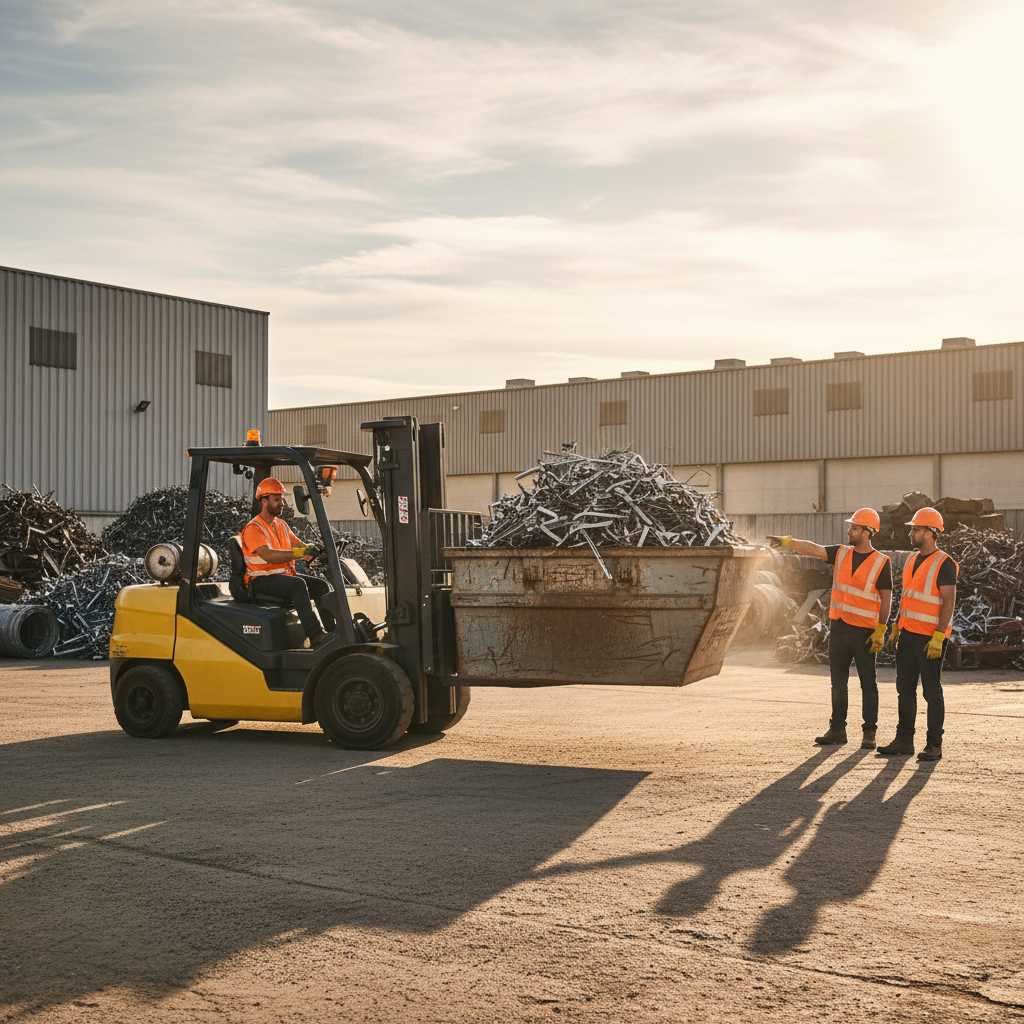
Bring your sorted stainless to 407 Rexdale Blvd. Follow yard signage, check in at the scale, unload by grade, and complete a quick ID and ticket. With extended hoursincluding Sundaysyou can drop off when it fits your schedule.
- Plan your window: Weekday evenings or Sundays help you avoid weekday peak traffic.
- Load by grade: Keep 304, 316, 201, and 400-series grouped.
- Arrive and check in: Follow signage; our team will direct you to the intake lane.
- Unload and verify: Well confirm grades and prep quality at the scale.
- Finalize ticket: Bring required ID; we process your ticket on the spot.
Local considerations for Etobicoke
- Time your visit around neighborhood flow. Weekends near Woodbine Mall & Fantasy Fair can be busy; late weekday evenings are often smoother.
- Winter prep: keep stainless dry and covered to prevent freeze-on moisture that slows intake.
- Trades tip: label bins at the shop so your crew spends 5 7 minutes at intake, not 25 30 on re-sorting.
If youre hauling a mixed load, we also accept appliances, electronics, and more. Explore our scrap metal recycling services for what else you can bring in one trip.
Pricing signals and market trends (2026)
In 2026, stainless valuations track alloy demand, especially nickel for austenitic grades and chromium for corrosion resistance. Preparation quality still wins: sorted, dry, attachment-free loads evaluate faster and more favorably across market cycles.
Grade chemistry hasnt changed: 304 remains the workhorse for food and architectural uses; 316 holds in marine/chemical; 201 appears where nickel is minimized; 409/430 stay common in automotive and sheet applications. When fabrication work is brisk, more offcuts enter the stream; when projects slow, flows tighten. Either way, clean prep and clear grading remain the fundamentals.
For insight into how stainless fits alongside other construction metals in regional supply chains, these primers offer useful context on steel products and project logistics: see this overview of steel studs in Toronto, this practical rebar guide, and this note on rebar supply planning. While they focus on building materials, the same organized, sorted, on-schedule principles apply to scrap, too.
Frequently asked questions
These concise answers cover grade ID, prep tips, mixed loads, and what to expect at intake. If youre unsure about a specific item, bring it byour team will evaluate it quickly at the scale.
How do I tell 304 from 316 at home?
Look for grade stamps first. If none, 304 and 316 are typically non-magnetic. A quick magnet test helps distinguish them from ferritic 400-series. 316 often appears on marine or chemical fittings; 304 shows up in sinks, prep tables, and general hardware.
Do attachments and mixed metals reduce stainless evaluations?
Yes. Bolts, rubber gaskets, plastic hoses, and insulation add non-stainless weight and slow processing. Removing attachments and keeping grades separate shortens intake time and supports stronger evaluations.
Can I bring stainless with appliances or e-waste?
Absolutely. Quick Scrap Metal is a one-stop drop-off for metals, appliances, and electronics. Keep materials separated by category in your vehicle so unloading is efficient at the yard.
Is magnetic stainless always low-value?
Not always. Magnet response suggests ferritic grades like 409/430, which generally evaluate below austenitic grades. But clean, sorted ferritic stainless still moves efficiently when prepared well and kept dry.
What if Im unsure of the grade?
Bring it to the scale. Our team checks magnet response, surface clues, and part context to identify likely grade families quickly. When in doubt, well evaluate conservatively and help you separate material for future trips.
Key takeaways
Sort by grade, remove attachments, and keep stainless dry. Those three moves consistently improve evaluations. With extended hours and quick scale-side checks, Quick Scrap Metal helps Etobicoke and Toronto sellers turn stainless into cash with minimal hassle.
- Value follows grade chemistry, weight, and prep quality.
- 304/316 (austenitic) generally evaluate stronger than 400-series.
- Magnets, labels, and dry storage are small tools with big impact.
- Quick, organized drop-offs mean faster tickets and cleaner outcomes.
Soft CTA: Have stainless offcuts, sinks, or prep tables ready to move? Swing by Quick Scrap Metal at 407 Rexdale Blvdwere open late on weekdays and open Sundays. For mixed loads, check our Toronto rollup on scrap metal prices and our scrap recycling services before you load up.