
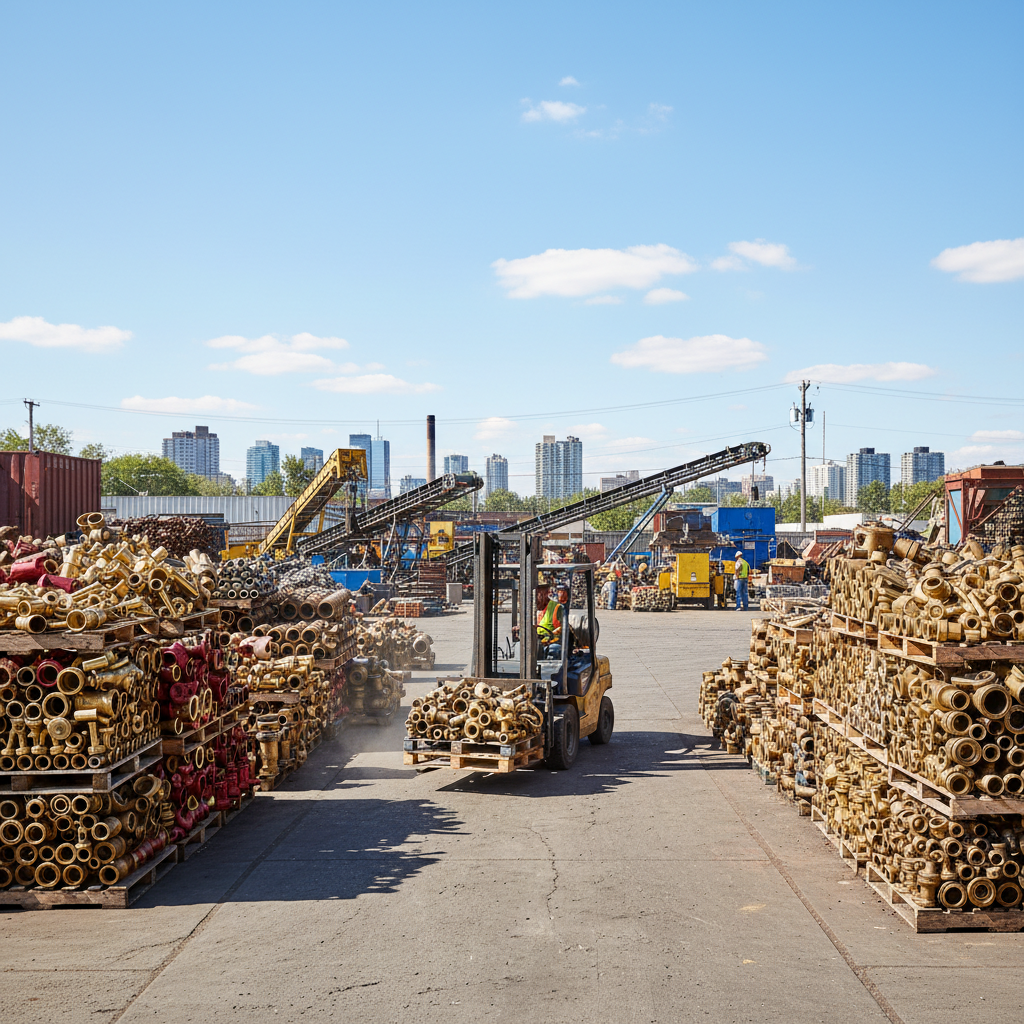
Brass scrap value is the amount a recycler pays for brass based on grade, cleanliness, and current market demand. At Quick Scrap Metal, 407 Rexdale Blvd in Etobicoke, value improves when your load is sorted, dry, and metal-only. Clean yellow or red brass generally outperforms mixed or attached pieces during grading.
By Preet Dass — Quick Scrap Metal
Last updated: May 27, 2026
Quick Summary & Table of Contents
To raise brass scrap value, sort yellow, red, and cartridge brass into separate bins, strip steel screws and plastic, and keep everything dry. Use certified scales, request weight tickets, and time drop-offs when your bins are full. The sections below explain grading, prep, tools, markets, and seven proven tips.
- What Is Brass Scrap Value?
- Why It Matters (Etobicoke & Toronto)
- How Valuation Works at the Yard
- Brass Grades (with Comparison)
- 7 Tips to Get Top Dollar
- Best Practices: Prep, Safety, Docs
- Tools to Identify Brass
- Pricing & Market Basics
- Mini Case Examples
- Frequently Asked Questions
- Key Takeaways
- Conclusion
Local considerations for Etobicoke
- Plan your visit to avoid peak flow around HWY 27 & Rexdale; late weekday afternoons and Saturdays can be busier.
- Winter moisture adds weight but not value—store brass indoors before heading out, and keep turnings dry.
- If you’re near Woodbine Mall & Fantasy Fair, you’re a short drive from our non-ferrous scale and quick drop-off lanes.
What Is Brass Scrap Value?
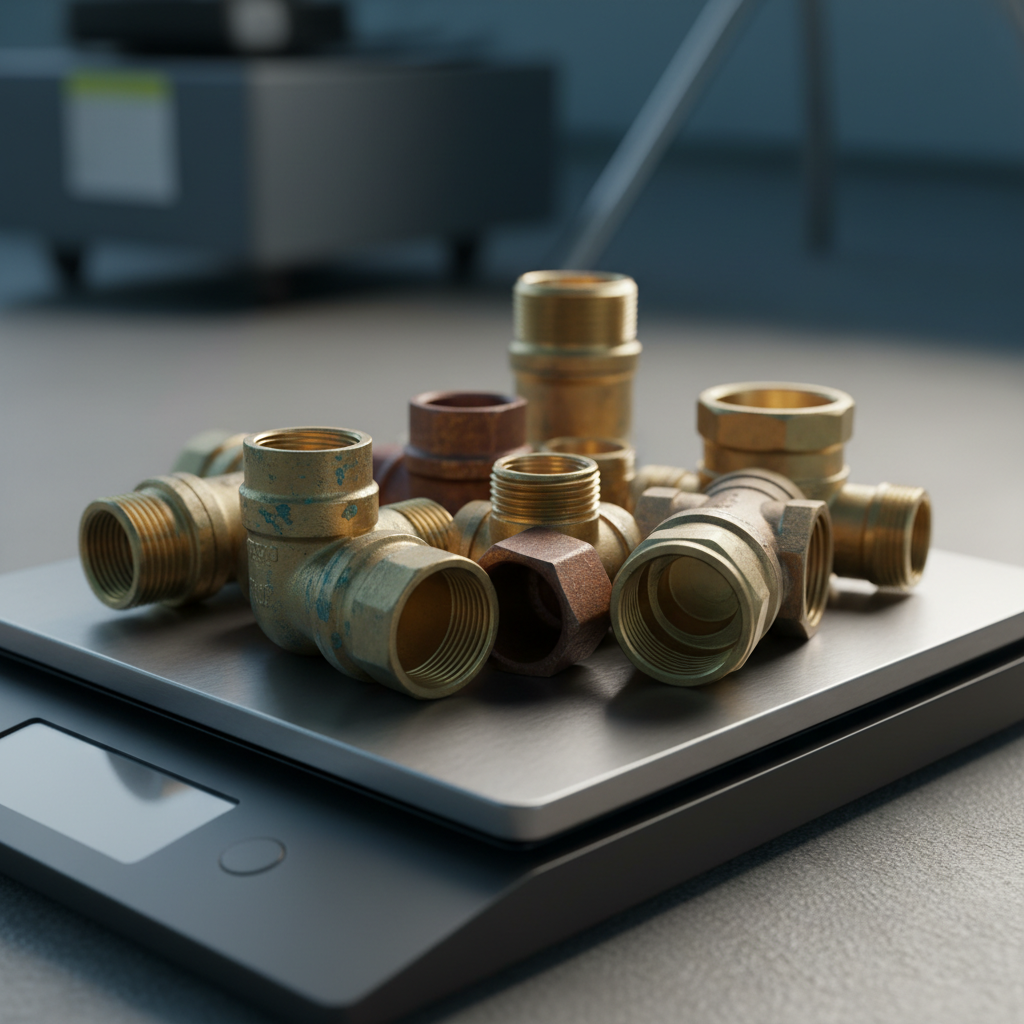
Brass scrap value is the market-based worth of used copper–zinc alloys, assigned after a buyer grades the alloy type, form, and cleanliness. Clean, sorted solids (yellow, red, or cartridge brass) typically receive stronger valuation than mixed, plated, attached, or oily turnings at any given market level.
Brass is a family of copper–zinc alloys. In scrap, you’ll most often see:
- Yellow brass: Common in faucets, valves, and plumbing fittings; often around 60–65% copper by composition.
- Red brass: Older plumbing alloys with higher copper content—frequently 80%+—and small amounts of tin or lead.
- Cartridge brass (70/30): A 70% copper, 30% zinc alloy; often found in casings and precision sheet components.
- Brass turnings: Machine shavings from lathes and mills; value depends on moisture and oil content.
Because copper is the primary metal in brass, changes in copper markets influence brass scrap value. That’s why two equally clean loads can grade the same day-to-day but still settle differently week-to-week: the underlying market signal moves.
Why Brass Scrap Value Matters (Etobicoke & Toronto)
Understanding brass scrap value helps homeowners, trades, and facilities convert clutter into cash while feeding the circular economy. In Etobicoke and the Toronto metro, clean, sorted non-ferrous loads move faster at the scale, return to production as secondary metal, and reduce demand for virgin mining and smelting.
Why should you care about brass valuation?
- It turns waste into utility: That box of faucets and valves is a real asset when sorted and dry.
- It speeds your projects: Quick drop-offs mean fewer delays for renovations and shop cleanouts.
- It supports sustainability: Secondary metal production generally uses less energy than producing virgin metal.
For our community in Etobicoke, smart prep and safe handling also reduce hazards at busy yards. When we receive decontaminated, properly staged brass, we can weigh, grade, and settle quickly—helping you get back to work with confidence your materials were handled responsibly.
How Brass Scrap Value Works (Yard Process)
Yards determine brass scrap value by inspecting your load, grading the alloy and form, weighing on certified scales, and settling at market-aligned rates. Sorted, dry materials minimize deductions, speed check-in, and ensure clear documentation with gross, tare, and net weights on your ticket.
Expect a streamlined non-ferrous flow like this:
- On-site safety: Follow signage, wear closed-toe shoes, and wait for staff instructions before unloading.
- Visual inspection: A buyer confirms you have brass, then separates likely subgrades: yellow, red, cartridge, turnings.
- Weighing: You’ll see gross, tare, and net weights on a printed ticket; dry bins avoid moisture deductions.
- Testing when needed: A file test, magnet check, or XRF gun reading verifies brass versus copper, bronze, or plated steel.
- Contamination adjustments: Steel screws, rubber washers, or plastic trim may be removed, downgraded, or separated.
- Settlement: Market-aligned valuation with ID verification. The more uniform your bins, the smoother this step gets.
In our experience, two factors shape outcomes most: composition (yellow vs. red vs. cartridge) and cleanliness (attachments and moisture). Bins that stay dry and metal-only typically earn stronger grades than equally heavy but mixed or wet bins.
Types and Grades of Brass (With a Quick Comparison)
The most common brass scrap grades are yellow brass (valves and faucets), red brass (higher-copper plumbing alloys), cartridge brass (70/30 sheet and casings), and brass turnings (machine shavings). Solid, clean pieces typically grade above mixed or oily turnings, improving brass scrap value overall.
Use this side-by-side to see how composition and form affect grading:
| Grade | Typical Sources | Approx. Copper | Common Issues | Value Impact |
|---|---|---|---|---|
| Yellow Brass | Faucets, valves, plumbing fittings | ~60–65% | Steel screws, chrome plating | Baseline non-ferrous; stronger when stripped and clean |
| Red Brass | Older plumbing, bushings | ~80%+ | Tin/lead traces, mixed alloys | Often grades higher than yellow when verified |
| Cartridge Brass (70/30) | Casings, precision sheet | ~70% | Primers, debris, lacquer | Strong when sorted and free of attachments |
| Brass Turnings | Machine shops, lathe waste | Varies | Oil, coolant, moisture | Discounted vs. solids if wet or oily |
Not sure which bin a piece belongs in? Keep it separate and label it “unknown brass.” It’s better to let us test a few question marks than to contaminate a clean bin and risk a downgrade.
Brass Scrap Value: 7 Tips to Get Top Dollar
Maximize brass scrap value by sorting by grade, removing attachments, and keeping materials dry. Separate turnings from solids, label bins clearly, and batch full, uniform loads. Confirm the brass subgrades your yard is focused on this week so your prep aligns with demand.
- Sort by grade, not object. Group yellow, red, and cartridge brass separately. Don’t mix with copper, bronze, or aluminum.
- Strip attachments. Back out steel screws, cut off plastic handles, and remove rubber washers and hoses.
- Keep bins dry. Moisture adds weight without adding metal; store bins indoors before drop-off.
- Separate turnings from solids. Oily or wet turnings often grade below solids; drain and air-dry shavings.
- Label and stage. Mark containers “yellow brass,” “red brass,” etc.; staging speeds check-in and protects grades.
- Batch full, clean loads. Fewer trips with uniform bins mean faster grading and less handling time.
- Ask what’s moving. Markets shift; a quick call helps you focus on the brass subgrades buyers want now.
Want a deeper dive on non-ferrous optimization? Our broader guide on scrap metal prices in Toronto explains how preparation habits compound across copper, aluminum, stainless, and more.
Best Practices: Prep, Safety, and Documentation
Good prep and safety protect value and speed up your visit: wear gloves and boots, sort and label bins, drain fluids, and secure loads. Request weight tickets with gross, tare, and net, then log your drop-offs so results improve and repeat clean bins become second nature.
Preparation checklist
- Use a magnet to pull ferrous screws and brackets from brass immediately.
- Trim excessive chrome or non-brass trim; disclose light plating when present.
- Drain oils/coolants from turnings and spread shavings to air-dry.
- Transport in sturdy containers; avoid bags that split and spill smalls.
- Consolidate by source (bathroom demo vs. machine shop turnings) to keep grades pure.
Safety basics
- Closed-toe footwear, gloves, and eye protection if cutting or grinding.
- Keep heavy bins low in your vehicle to prevent tipping.
- Follow yard staff directions and only approach scales when waved forward.
Simple documentation
- Ask for a printed ticket with gross, tare, and net weights by category.
- Snap a quick photo of each bin before transport for your records.
- Maintain a simple spreadsheet with category, date, and net weight to learn which prep habits pay off.
For more non-ferrous specifics, see our focused guides on scrap copper prices and on aluminum scrap value—many of the same preparation principles apply.
Tools and Resources to Identify Brass
A magnet, a hand file, and your phone flashlight solve most ID questions. Brass isn’t magnetic, shows a yellow-gold interior when lightly filed, and feels denser than aluminum. When in doubt, keep questionable parts in a small “unknown brass” bin so we can test and grade accurately on-site.
Quick identification tools
- Hand magnet: Fast ferrous separation.
- File: Crosshatch a small area to check the metal’s interior color.
- Flashlight: Better visibility for interior surfaces and stampings.
- Digital scale: Track bin weights and aim for full, uniform loads.
- Permanent marker + labels: Clear bin names prevent mix-ups.
Pro tip: learn the look
- Yellow brass tends to look golden with occasional chrome-plated surfaces.
- Red brass leans warmer/reddish due to higher copper content.
- Cartridge brass often appears as smooth sheet or precise stamped parts.
If you work with plumbing, a practical look at brass components in the field can help. This hands-on example of replacing a rough brass P-trap offers helpful visuals on common parts seen at the scale—see this rough brass P-trap replacement for context.
Pricing and Market Basics (No Dollar Figures)
Brass scrap value follows copper and zinc markets plus regional demand. Cleaner, higher-copper grades command stronger valuation relative to mixed loads. Because markets move often, focus on what you control—sorting, stripping, and drying—so your brass performs well across cycles.
Four forces shape valuation week to week:
- Underlying metals: Yellow and cartridge brass contain significant copper; red brass has even more. Market shifts translate into valuation changes.
- Local demand: Regional processors and foundries may prioritize certain grades based on melt schedules.
- Cleanliness: Dry, attachment-free solids tend to hold grade; oily or wet turnings may face discounts.
- Uniformity: Bins with consistent items (all valves, all casings, all turnings) move faster at the scale.
Want to understand how this applies across metals? Our page on brass scrap price and the broader Toronto scrap prices guide connect prep habits to outcomes across copper, aluminum, and stainless categories.
You can also scan industry context on metal markets and product usage from established manufacturers. For a general overview of metal products used in Ontario construction and fabrication, browse this industry product overview. For budgeting perspectives on metal price trends discussed in public articles, see this budget-friendly metal price tag page.
Mini Case Examples: How Prep Changed Outcomes
Small changes compound: a homeowner who separated faucet bodies from steel screws earned a cleaner grade; a contractor who dried turnings avoided a downgrade. Bins that stayed dry, stripped, and uniform moved through check-in faster and delivered steadier results over several visits.
Homeowner faucet cleanup
A homeowner arrived with two bins: one with mixed faucets (steel screws still attached) and one fully stripped. The stripped bin graded higher, with no need to downgrade for attachments. The difference came from 100% brass contact and faster visual verification.
Contractor turnings
A machine shop drained coolant and spread brass turnings to dry overnight. The turnings avoided moisture downgrades and graded consistently across multiple drop-offs during a busy project stretch. The shop made “dry turnings” a standard line item in its internal checklist.
Plumbing demo vs. mix-ups
On a renovation, a contractor sorted yellow brass valves from copper pipe and stainless trim at the job site. Labeled bins prevented cross-contamination and kept grading quick, even during after-work rush in Etobicoke. The habit carried over to aluminum and copper prep.
Need a quick, fair non-ferrous drop-off? Swing by Quick Scrap Metal at 407 Rexdale Blvd. We buy brass, copper, aluminum, stainless, appliances, and e-waste—one convenient stop. Have questions about sorting? We’re happy to help at the scale.
Brass Scrap Value: Frequently Asked Questions
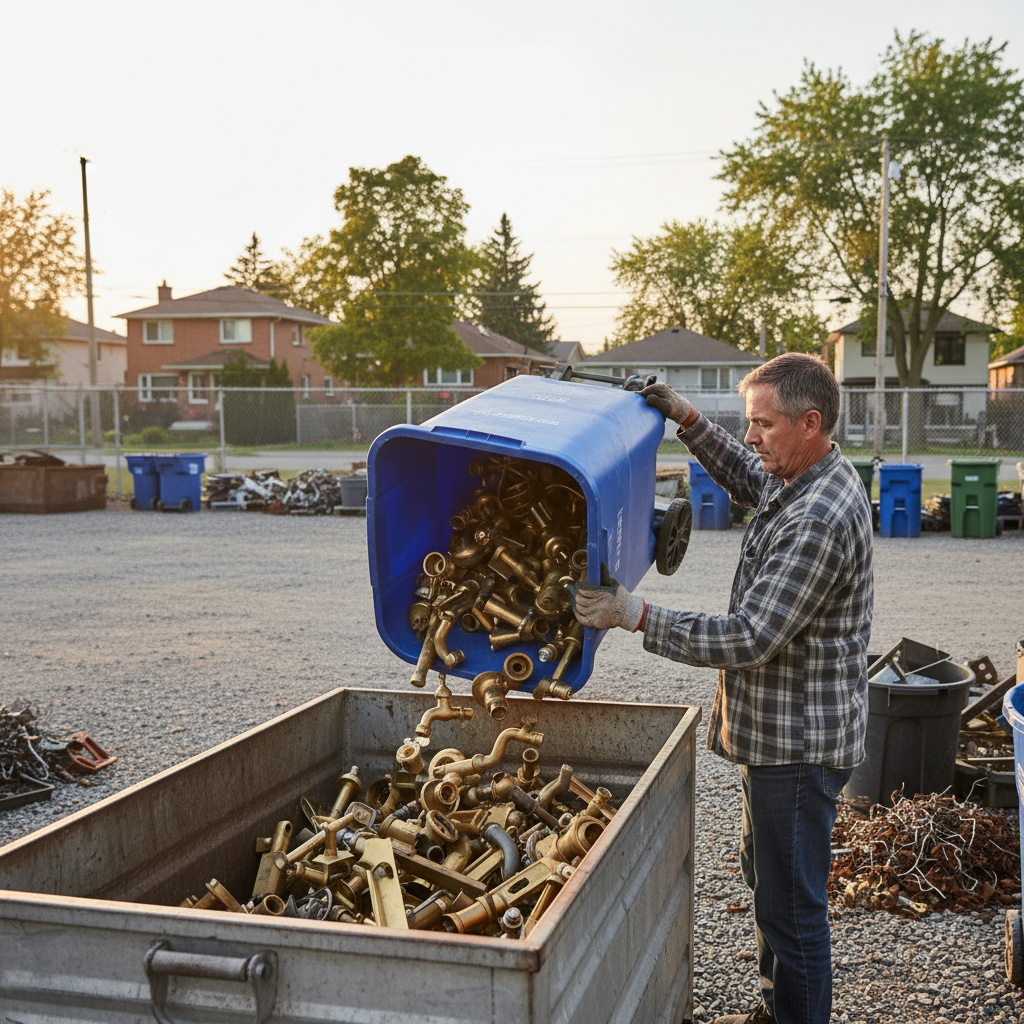
Most questions focus on grading, mixing metals, and moisture. Keep metals separate by category, remove non-brass attachments, and store bins dry. If you’re unsure, bring items in a small “unknown brass” bin so we can test and assign the correct grade quickly.
How do I tell yellow brass from red brass?
Yellow brass looks golden and is common in faucets and valves. Red brass has a warmer, reddish tone due to higher copper content and tin/lead traces in older alloys. If you’re unsure, keep them in separate bins so we can test and grade on-site.
Can I mix brass with copper or aluminum?
Avoid mixing. Brass, copper, and aluminum are separate categories with different grading rules. Mixing slows check-in and can lead to downgrades. Keep each metal in its own labeled bin to protect overall value.
Do wet turnings reduce value?
Yes. Moisture adds weight without adding metal. Oily or wet turnings usually grade below solids and can be downgraded further if heavily saturated. Drain fluids and let shavings air-dry before you head out.
What documents should I bring to the yard?
Bring a valid government ID and any job notes that help identify materials by source. Ask for a ticket showing gross, tare, and net so you can track bins over time and refine your sorting process.
Key Takeaways
To improve brass scrap value consistently, control what you can: sort by grade, strip attachments, and keep bins dry. Separate turnings from solids, label containers, and batch uniform loads. Confirm which brass subgrades are moving this week before you arrive.
- Composition and cleanliness drive outcomes more than load size alone.
- Dry, labeled bins clear check-in faster and help protect grades.
- Simple logs of weights by category reveal which habits pay off.
Conclusion
Brass scrap value rewards simple, repeatable habits: separate yellow, red, and cartridge brass, remove attachments, and keep materials dry. With clean prep and clear documentation, you’ll move faster at the scale and align with market demand—leading to steadier, stronger outcomes for every non-ferrous drop-off.
Whether you’re clearing a garage, wrapping a renovation, or running a small shop, consistent prep compounds over time. For more non-ferrous insights, explore our focused brass hub and related guides on copper and aluminum. Questions about sorting? Our team at the scale is always happy to help.