
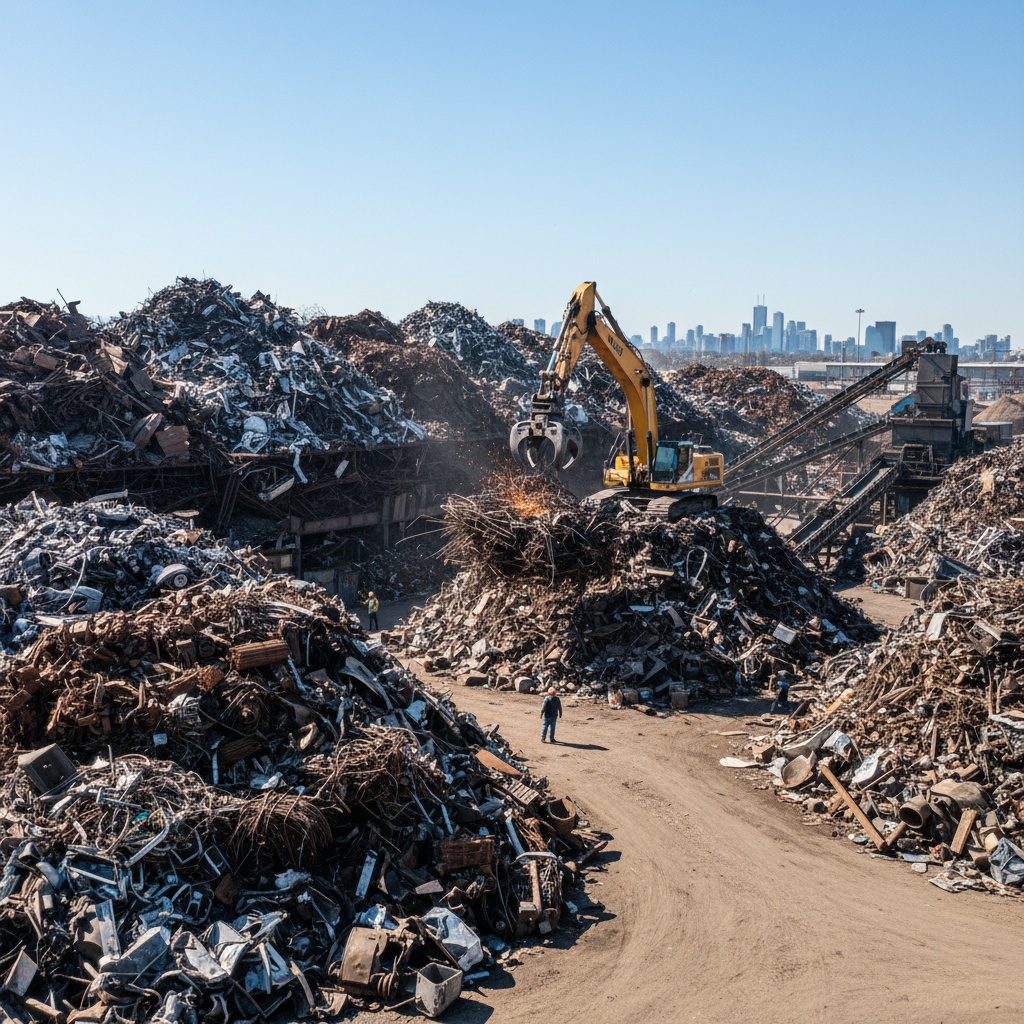
Iron scrap price per pound is the per-unit value yards pay for ferrous metals like steel and cast iron. At 407 Rexdale Blvd in Etobicoke, Quick Scrap Metal evaluates grade, weight, and cleanliness to determine payouts. Supply, mill demand, and contamination levels drive day-to-day value for household drop-offs and contractor loads.
By Preet Dass • Last updated: May 31, 2026
Quick Summary
Iron scrap price per pound depends on grade (clean vs. mixed), current mill demand, and contamination. Sellers get more when iron is sorted, stripped of non-metal, and weighed accurately. In Etobicoke, Quick Scrap Metal streamlines drop-offs, pays on the spot, and guides you on how to maximize per-pound value.
This complete guide shows how per-pound values are set, which grades you’re most likely to have, and proven steps to prep iron and steel for a stronger bracket. You’ll see practical examples from Etobicoke and the Toronto metro, plus a checklist you can follow before you drive to 407 Rexdale Blvd.
What is “iron scrap price per pound”?
Iron scrap price per pound is the rate recyclers pay for ferrous metals, quoted by weight at the scale. It varies by grade, cleanliness, and market conditions. Most yards use certified scales, convert to a per-pound payout, and settle immediately for household and contractor loads.
In plain terms, it’s the amount you’re paid for each pound of iron-bearing material—light steel, plate and structural, cast iron, brake rotors, and similar categories—after the yard confirms weight and grade. Because iron is dense, even a few common items add up fast at the scale. A bed frame can weigh dozens of pounds; individual rotors can weigh many pounds each; cast-iron radiators and tubs are much heavier still.
- Ferrous scope: Magnetic metals such as steel and cast iron qualify; a quick magnet test is your friend.
- Unit of measure: Pounds (lb) based on certified, recorded readings at the public scale.
- Core drivers: Grade purity, preparation quality, moisture level, and live mill demand.
- Settlement method: At Quick Scrap Metal, eligible loads are settled on the spot for a fast turnaround.
- Control levers: You can’t control the market, but you control sorting, dryness, and non-metal removal.
Why this matters for you: understanding how the per-pound number is determined helps you prep smarter, separate categories correctly, and avoid penalties that come from water weight or mixed materials. The result is a better bracket and a smoother visit.
Why iron scrap value matters in Etobicoke and Toronto
Iron scrap value matters because it turns clutter into cash and keeps metals in circulation. In Etobicoke and the Toronto metro, active mills and recyclers create steady demand. Clean, sorted iron moves fast, supports local manufacturing, and reduces landfill use and energy demand.
For households, iron recycling clears heavy clutter—bed frames, tools, grills, radiators—while returning value. For tradespeople and small contractors, it converts offcuts and demo scrap into working capital within a day. For local businesses, it’s a quick way to clean yards and keep inventory lean. All three groups benefit when loads are separated and dry; those habits consistently improve outcomes at the scale.
- Declutter with purpose: Recycle heavy items instead of storing or landfilling them.
- Real circularity: Ferrous scrap is a core feedstock in steelmaking; clean inputs run better.
- Environmental upside: Reuse and recycling reduce mining intensity and energy per ton of steel produced.
- Local momentum: The Toronto metro’s construction and manufacturing cycles keep iron moving year-round.
- Faster yard visits: Clean, single-category loads are quicker to unload and verify—less time on site.
If you’re arriving from within Etobicoke or nearby Mississauga/Brampton, Quick Scrap Metal’s location at HWY 27 & Rexdale offers easy access and extended hours. That convenience means you can plan drop-offs around jobsite schedules or weekend cleanouts without losing productive time.
Local considerations for Etobicoke
- Plan drop-offs to avoid peak traffic near HWY 27 & Rexdale; weekends see steady flows around Woodbine Mall & Fantasy Fair.
- Winter conditions can hide ice and water in loads; tarp, drain, and store iron undercover so moisture doesn’t add non-metal weight.
- For mixed home cleanouts, ask about household scrap removal to consolidate one efficient trip and keep streams separated.
How iron scrap pricing works at the yard
Yards translate market signals into per-pound payouts. Staff confirm your material’s grade, weigh it on a certified scale, and apply the day’s rate for that category. Clean, separated iron earns the stronger bracket, while mixed or contaminated loads are graded down.
Here’s how a typical visit works at 407 Rexdale Blvd. This process is streamlined, so you can get in, get paid, and get back to your day—with clear feedback you can use next time.
- Arrive and follow signage: Safety first. Watch for equipment, obey directions, and park where staff indicate.
- Quick pre-grade: Team members look for form and thickness—light steel vs. plate and structural, cast iron vs. rotors, etc.
- Scale weigh-in: Loads are weighed on a certified public scale; results are visible and recorded.
- Apply the day’s bracket: The yard applies the current category bracket; dryness and sorting can lift your outcome.
- Immediate settlement: Eligible materials are settled on the spot for a fast, no-hassle experience.
What can shift the day’s bracket in your favor? Good separation (rotors with rotors, cast with cast), zero fluids, minimal dirt or rust scale, and no plastic or wood attached. Moisture is the silent bracket-killer—water adds weight you can’t be paid for.
What to bring and how to prep
- Essentials: Government-issued ID, gloves, sturdy shoes, and tie-downs/straps for transport safety.
- Prep tools: Magnet, bolt cutters, basic saw/reciprocating saw (for right-sizing), tarp, and buckets for draining.
- Documentation: A brief list or photos of your items (rotors, cast, plate, light steel) speeds grading conversations.
- Transport: Pack heavy items low and forward; avoid tall, unstable stacks.
In our experience serving the Toronto metro, a five-minute sort before you leave the driveway can save fifteen minutes on-site and often improves your bracket. That time trade is worth it, especially on busy days.
Types and grades of iron scrap (and what you likely have)
Common ferrous categories include light iron/steel, heavy melt plate/structural, cast iron, and brake rotors. Homeowners bring bed frames, BBQs, tools, and appliances; trades bring beams, rebar, and machinery. Sorting into these buckets helps your load qualify for stronger brackets.
Start with the magnet test. If it sticks, it’s ferrous. Then think by shape, thickness, and intended use:
- Light iron/steel: Thin sheet metal, fencing, shelving, bed frames, ducting, and siding.
- Plate & structural: I-beams, channels, heavy plate, thick rebar, machine bases, and structural offcuts.
- Cast iron: Radiators, bathtubs, engine blocks, manhole covers, cookware remnants.
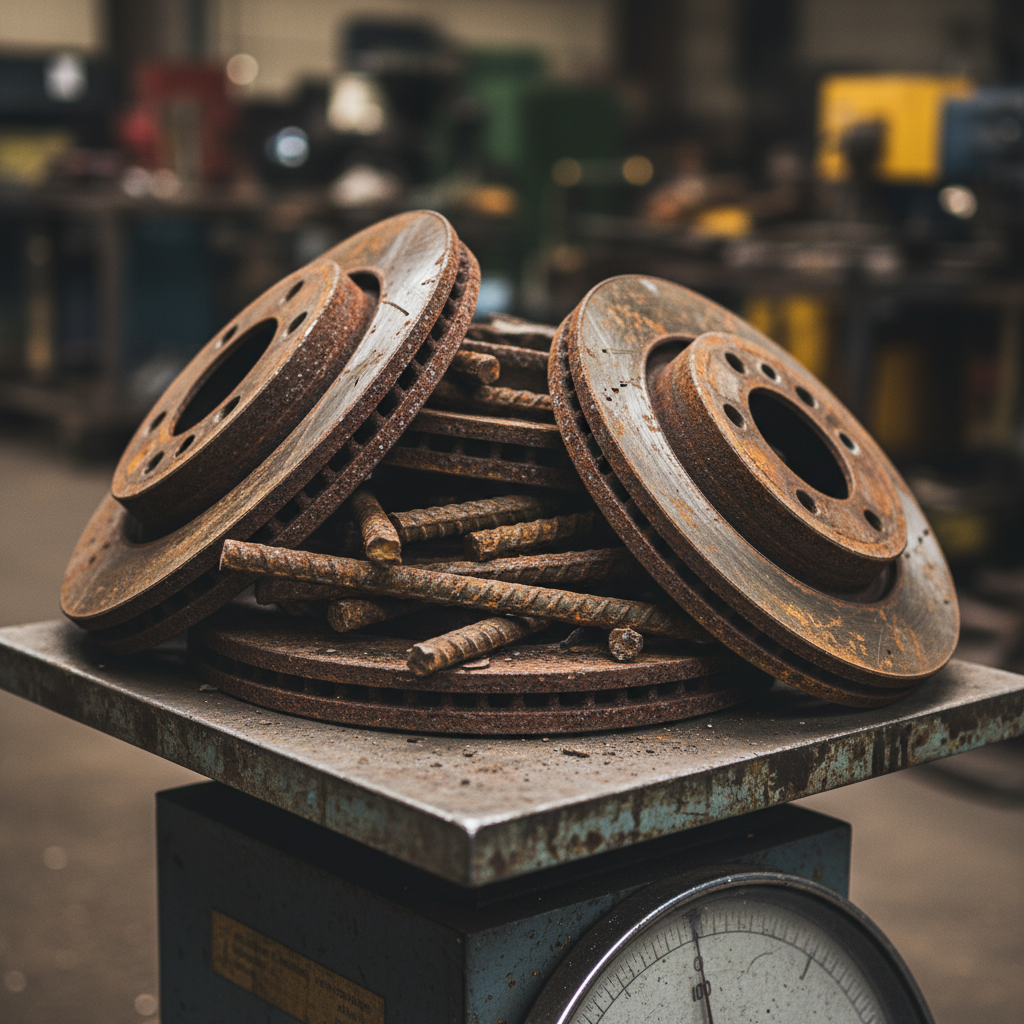
- Brake rotors: Dense, uniform discs from automotive service—quick to grade when kept separate.
| Category | Typical Sources | Prep Tips |
|---|---|---|
| Light iron/steel | Bed frames, shelving, siding, thin sheet | Bundle tightly; remove plastic, fabric, and wood |
| Plate & structural | Beams, thick rebar, machine bases | Cut to manageable lengths; keep dirt off |
| Cast iron | Bathtubs, radiators, engine blocks | Drain fluids; separate from steel attachments |
| Brake rotors | Automotive service offcuts | Keep rotors separate and dry for clean grading |
As a simple heuristic, a bed frame can weigh dozens of pounds; individual brake rotors often weigh many pounds each; a cast-iron tub can run into the hundreds. Dense, compact pieces are faster to handle and weigh cleaner at the scale, which helps both you and the yard.
Want a deeper dive into ferrous categories and how they compare with non-ferrous? See our overview of ferrous metal recycling and our running update on scrap metal prices in Toronto for context on how materials flow through the GTA.
Pricing factors and market signals
Per-pound iron values shift with mill demand, export markets, and freight. Yards adjust daily brackets and reward clean, dry, well-sorted loads. Watch market indexes, seasonal construction activity, and your own prep quality—they collectively shape your payout.
Think of pricing as two levers: the market lever you can’t control and the preparation lever you can. Even when the market softens, sorted, dry, single-category loads consistently grade better than mixed, wet, or debris-laden metal. Those wins add up over repeated visits.
- Market levers: Domestic mill buys, export pull, transportation costs, and currency can all nudge brackets.
- Seasonality: Spring-summer construction and fall cleanouts can shift volumes and processing time at yards.
- Category purity: Keep rotors together; don’t mix cast with sheet; avoid tangled wire or cable in ferrous loads.
- Moisture control: Tarp, drain, and store under cover—water weight is non-metal and works against you.
- Right-sizing: Cutting long pieces reduces handling time and makes scale readings cleaner.
For wider industry context on how steel demand moves with construction, supplier-side overviews like this rebar supply guide can help you understand why certain months feel busier than others. Pair that macro feel with micro prep habits you can control on every trip.
Related reading inside our site: if you’re watching multiple categories, our metal prices per pound page explains how different metals are evaluated, while the cast iron price per pound guide dives deeper into that dense, high-weight category.
Best practices to maximize per-pound value
To improve your iron scrap price per pound, sort by category, remove non-metal, and keep loads dry. Cut oversized pieces to safe lengths, drain fluids, and separate rotors and cast iron. Document what’s in the load and ask the scale operator how to grade even cleaner next time.
Simple steps that pay off
- Sort before you drive: Light steel in one pile, plate/structural in another, cast iron and rotors in their own bins.
- Strip attachments: Remove wood, rubber, fabric, plastic housings, foam, and glass where practical.
- Drain and dry: Empty radiators/engines; keep metal covered and off the ground after rain or snow.
- Right-size pieces: Cut beams and long stock to manageable lengths so they stack tightly and weigh cleanly.
- Label on site: On job sites, label bins so the team keeps categories pure without thinking.
- Ask for feedback: A two-minute scale-side chat often reveals exactly what to do differently next time.
Contractor playbook
- Stage early: At mobilization, place clearly labeled containers for rotors, cast, and plate near work areas.
- Daily housekeeping: Five-minute end-of-day sort prevents contamination and tangled piles.
- Keep it moving: When weather turns, prioritize moving exposed ferrous into covered areas.
- Documentation: Keep a running tally of items (e.g., 20 rotors, 6 beams) so the yard can verify faster.
For planning crews and minimizing waste on active sites, see industry-focused guidance on construction site material management. Many of the same principles—clear signage, simple workflows, and daily resets—translate directly to better ferrous sorting.
Want a deeper, iron-specific guide tailored to our location? Check our Iron Scrap Selling Guide for Etobicoke for neighborhood tips, traffic timing, and streamlining your drop-off at 407 Rexdale Blvd.

Tools, resources, and market trackers
Track iron markets with reputable indexes, follow recycling industry updates, and use a simple prep checklist. A magnet, a tarp, and basic cutting tools go a long way. Pair live market context with clean sorting to consistently improve your per-pound outcome.
Your basic kit
- Magnet: Fast ferrous/non-ferrous test so you sort correctly from the start.
- Tarp and pallets: Keep iron off wet ground and protected from rain/snow.
- Cutting tools: Recip saw with metal blades, angle grinder, or torch (use proper PPE).
- Straps and chains: Secure loads to prevent shifting and damage in transit.
- Gloves and goggles: Heavy edges and burrs are common; protect hands and eyes.
Market context and planning
- Supply cues: Industry overviews like this rebar estimating primer highlight how project pipelines influence steel demand.
- Project scheduling: Group heavy ferrous drop-offs after a week of dry weather for cleaner weights.
- Internal dashboards: Keep a simple spreadsheet of what you bring each month; note prep changes and outcomes.
- Local guidance: Our running pages on metal prices per pound and scrap metal recycling in Etobicoke consolidate tips and accepted materials.
Quick yard etiquette also goes a long way: follow posted speed limits, yield to equipment, and ask staff before unloading if you’re unsure about a category. A safe, organized yard moves everyone through faster.
Mini case studies: real-world scenarios
Across homeowner cleanouts and contractor jobs, the biggest wins come from sorting and moisture control. Separate rotors and cast iron, keep plate clean and dry, and remove non-metal. Those habits can improve your bracket and speed your time at the yard.
Home garage reset (Etobicoke)
- Situation: Bed frames, tools, and a cast-iron radiator piled in a damp corner.
- Action: Items were dried under a tarp, sorted by category, and secured for transport.
- Result: Fast turn at 407 Rexdale Blvd; staff confirmed clean grading and offered tips for next time.
Contractor demo load (Toronto job site)
- Situation: Renovation generated rebar, plate, and a bin of brake rotors from fleet work.
- Action: Labeled onsite bins; rotors and cast kept separate; long beams cut to safer lengths.
- Result: Unloading was quicker, bracket consistency improved, and site cleanup ran on time.
Appliance swap-out day
- Situation: Old ranges, washers, and steel shelving from a multi-unit upgrade.
- Action: Plastic and cords removed where simple; loads kept dry; light iron bundled tight.
- Result: Handling was efficient; load qualified cleanly for the intended bracket.
For cast-iron specifics, our focused walkthrough—Cast Iron Price Per Pound—covers item identification, hazard checks, and separation steps to keep that dense category tidy and quick to grade.
FAQ: Iron scrap price and selling basics
Most questions center on how yards grade iron, what preparation helps, and how markets affect payouts. Keep loads dry and sorted, drain fluids, and ask the scale operator what would have improved your bracket today.
What does “clean” iron mean at the yard?
“Clean” iron is free of non-metal attachments, fluids, and excessive dirt. Think bare metal that’s been sorted into a single category—like all rotors together or all plate and structural together. Clean material is faster to process and typically earns a stronger bracket.
How often do iron scrap prices change?
Yards adjust brackets in response to mill demand and export pull. Rates can move weekly or even daily in active markets. You can’t control the market, but you can control preparation—sorting, drying, and removing non-metal usually improves your result regardless of the day’s move.
What should I bring to sell iron scrap in Etobicoke?
Bring government-issued ID, a secure load, gloves, and if possible a quick list of what you have (rotors, cast, plate, light steel). At 407 Rexdale Blvd, follow staff directions for safe unloading and scale weigh-in. Ask what prep would improve your bracket next time.
Can appliances or electronics be included with iron scrap?
Yes—Quick Scrap Metal accepts appliances and many types of electronics alongside ferrous scrap. Keep streams separate when possible, remove loose plastic and glass, and ask staff where each category should go on arrival for the fastest turnaround.
How do I maximize iron scrap price per pound?
Sort by category, strip non-metal attachments, drain fluids, and keep loads dry and compact. Label bins on job sites so trades drop rotors, cast, and plate into the right containers. A two-minute chat with the scale operator can reveal exactly what would earn a better bracket.
Key takeaways and next steps
Sort, dry, and separate to win stronger brackets. Watch market direction, but focus on the preparation you control. For fast, friendly service in Etobicoke, bring your ferrous scrap to 407 Rexdale Blvd and ask our team how to clean up your next load for even better results.
- Prep is power: Clean, single-category loads usually grade higher.
- Keep it dry: Moisture adds non-metal weight and hurts your bracket.
- Learn each visit: Ask the scale operator what one thing would have improved today’s outcome.
- Stay informed: Use our metal prices per pound and Toronto prices pages to plan big drop-offs.
Ready to turn iron into value? Visit Quick Scrap Metal at 407 Rexdale Blvd for swift drop-offs, on-the-spot payouts for eligible loads, and practical advice from a friendly team. If it’s metal, we buy it.
Need a quick sanity check on your load? Swing by during extended weekday hours or Sundays. We’ll help you identify categories and share simple ways to improve your iron scrap price per pound on the very next trip.