
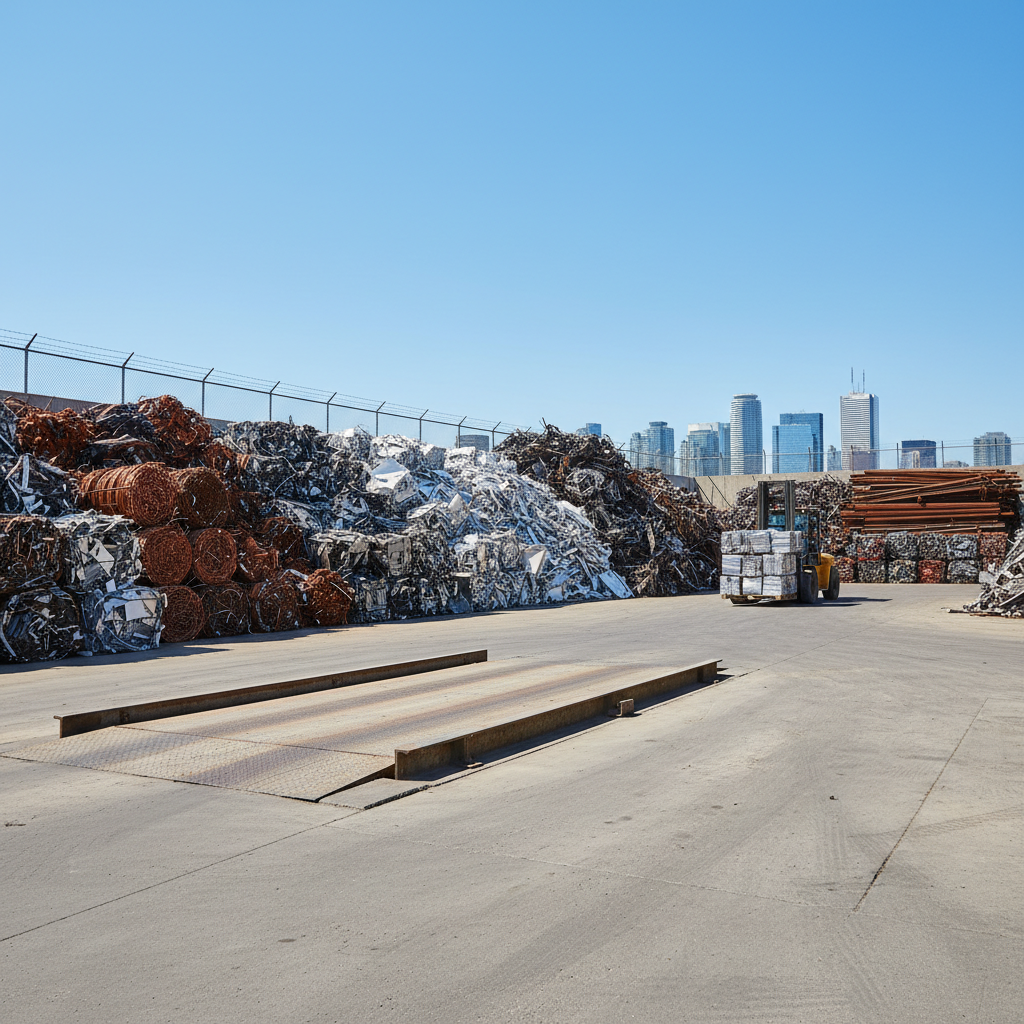
All scrap metal recycling is the complete process of collecting, sorting, and repurposing ferrous, non‑ferrous, appliance, and electronics scrap so materials re‑enter manufacturing instead of landfills. At 407 Rexdale Blvd in Etobicoke, Quick Scrap Metal helps Toronto residents and contractors turn clutter into cash with fast drop‑offs and responsible handling.
By Preet Dass — Quick Scrap Metal
Last updated: 2026-06-04
Overview & Table of Contents
This guide explains how scrap metal recycling works—from quick ID tests and sorting to drop‑off, processing, and reuse. You’ll learn what we accept in Etobicoke and Toronto, how to prep materials for higher payouts, and where to start at our 407 Rexdale Blvd location.
If you want a single, practical playbook for recycling “all scrap metal,” you’re in the right place. We cover ferrous vs. non‑ferrous, appliances, electronics (e‑waste), and even scrap cars—plus safety, preparation, and local tips for Etobicoke and the GTA.
- What is all scrap metal recycling?
- Why recycling scrap metal matters
- How the process works at our yard
- Types of scrap we accept
- Local guidance for Etobicoke & Toronto
- Best practices to maximize value
- Tools & resources
- Pricing: how rates work (no numbers)
- Case studies & examples
- FAQ
- Key takeaways
- Conclusion & next steps
What Is All Scrap Metal Recycling?
All scrap metal recycling means collecting, grading, and processing every common category of metal—ferrous, non‑ferrous, appliances, and electronics—so manufacturers can reuse the material. The goal is simple: divert waste from landfills, conserve energy and resources, and return value to you through quick, fair payouts.
In plain terms, scrap metal recycling takes items you no longer need—old tools, wiring, sinks, radiators, appliances, even laptops—and turns them back into raw inputs for mills and smelters. Rather than burying usable metals, we close the loop and reduce the need for new mining.
- Ferrous metals: magnetic steels and iron (e.g., cast iron, rotors, steel plate).
- Non‑ferrous metals: copper, aluminum, brass, nickel, stainless steel—valuable because they resist corrosion and retain properties.
- Appliances: washers/dryers, stoves, A/C units, microwaves—often a mix of steel, copper, and electronics.
- E‑waste: computers, TVs, PCBs, cables—require careful depollution and component recovery.
At Quick Scrap Metal, we buy all these categories daily. Our team helps you unload, identifies materials, and pays on the spot for qualifying scrap. If it’s metal, we buy it—plus we handle electronics responsibly.
Why Scrap Metal Recycling Matters
Scrap metal recycling conserves energy, reduces mining, and keeps recoverable materials out of landfills. Recycled metals satisfy strong industrial demand with far lower environmental impact than primary production, while returning tangible value to households, tradespeople, and businesses.
Recycling metals preserves finite resources and cuts the environmental footprint of manufacturing. For example, producing new aluminum from ore typically requires far more energy than melting clean aluminum scrap. Similar patterns hold for copper and steel, where recycling reduces energy use and emissions compared to mining and refining.
- Conserves resources: less mining, less habitat disturbance, fewer tailings.
- Saves energy: recycled aluminum and copper require dramatically less energy to reprocess than primary production.
- Reduces landfill load: metals, appliances, and e‑waste avoid disposal and re‑enter the economy.
- Delivers value: you convert clutter into immediate payouts—useful for homeowners, contractors, and facilities.
- Supports local industry: steady scrap flows help mills, foundries, and manufacturers operate efficiently.
From our vantage point in Etobicoke, we’ve seen neighborhoods clear garages and job sites responsibly while earning fast returns. When communities recycle consistently, the benefits compound: cleaner properties, safer disposal of electronics, and reliable inputs for Toronto’s industrial ecosystem.
How Scrap Metal Recycling Works (At Our Yard)
Drop off sorted scrap at 407 Rexdale Blvd, we identify and scale materials, and you receive on‑the‑spot payment for qualifying items. Behind the scenes, we consolidate, prepare, and ship metals and e‑waste to trusted downstream processors.
Here’s the step‑by‑step flow we use daily at Quick Scrap Metal:
- Arrival & safety check: Park at the designated drop‑off area. Our team helps unload safely.
- Quick ID: We use magnets and visual checks to separate ferrous from non‑ferrous; complex items get further evaluation.
- Weighing: Materials are weighed by category on calibrated scales for transparent, consistent processing.
- On‑the‑spot payout: For qualifying scrap, you get paid immediately—fast and straightforward.
- Consolidation: We sort, package, or bale metals to meet mill specifications; e‑waste is routed for depollution and recovery.
- Shipment: Prepared loads move to reputable processors for melting, refining, and re‑entry into manufacturing.
Want a refresher before you arrive? Our Etobicoke resource on scrap metal prices in Toronto explains market factors, and our step‑by‑step guide to sell steel scrap shows how simple prep improves results.
Types of Scrap We Accept
We accept ferrous and non‑ferrous metals, appliances, electronics (e‑waste), cables, and scrap vehicles. If it’s metal, we buy it—and we responsibly recycle home appliances and electronics so you can clear space in one easy trip.
Ferrous metals (magnetic)
- Steel and iron: plate, beams, rotors, auto cast, structural offcuts.
- Household and job site items: old tools, grills/BBQs, ducting, heating components.
- Demolition debris: beams, rebar, cast fixtures (sorted for safety).
Tip: Use a magnet. If it sticks, it’s ferrous. Separate clean steel from mixed assemblies to streamline processing.
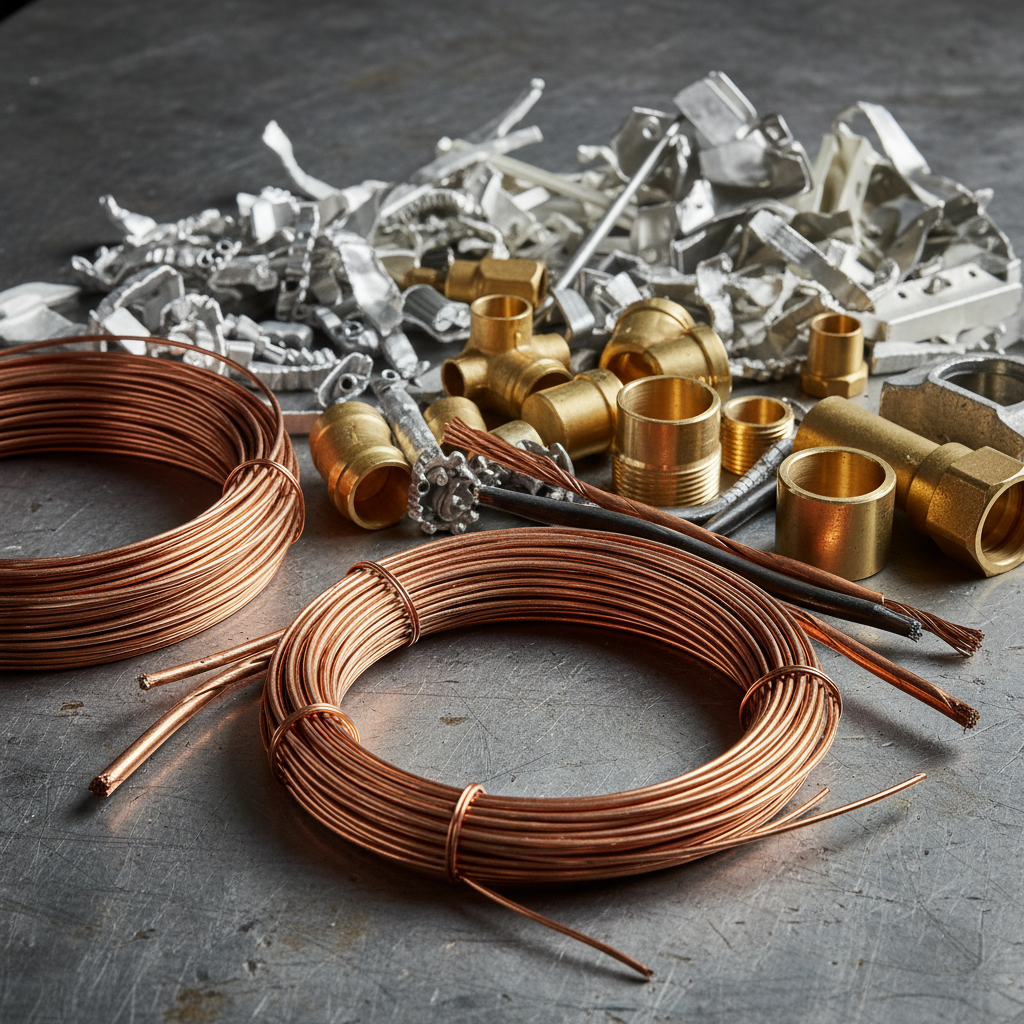
Non‑ferrous metals (higher value per pound than ferrous)
- Copper: #1 wire, #2 wire, tubing, radiators, extension cords (copper content).
- Aluminum: siding, plate, cast, extrusion, auto wheels.
- Brass, bronze, nickel, stainless: faucets, valves, fittings, sinks, industrial scraps.
Action: Strip insulation from copper wire where practical and safe, and separate aluminum types (cast vs. extrusion) for smoother grading.
Appliances (white goods)
- Washers, dryers, ovens/stoves, microwaves, range hoods.
- A/C units and dehumidifiers (handle carefully; keep units upright).
- Lawn mowers, snow blowers, and small engines (fluids removed).
We prioritize safe, responsible dismantling to recover steel, motors, and copper components, reducing landfill pressure.
Electronics (e‑waste)
- Computers, laptops, keyboards, peripherals.
- TVs and monitors; Blu‑ray/DVD players.
- Printed circuit boards (PCBs) and mixed cables/wire.
Electronics contain recoverable metals but also sensitive components. We route e‑waste for compliant depollution and material recovery.
Vehicles and scrap car removal
- Scrap car drop‑off and arranged pickup options.
- Batteries, radiators, catalytic components (handled per category).
- Engines and transmissions—separate for efficient processing.
Planning to move a vehicle? See our GTA overview of scrap car prices 2026 and our junk removal in Etobicoke article for logistics tips.
Local Scrap Recycling in Etobicoke and Toronto
Serving Etobicoke and the Toronto metro, our 407 Rexdale Blvd yard offers extended weekday hours and Sunday availability. The easy-access site near HWY 27 makes drop‑offs fast for homeowners, tradespeople, and businesses across the GTA.
Being rooted in Etobicoke matters. Shorter drives reduce your time on the road, and our team knows local project rhythms—from spring clean‑outs to summer renovations and end‑of‑season equipment turnovers. We handle mixed loads that include ferrous, non‑ferrous, appliances, and e‑waste in a single visit.
Local considerations for Etobicoke
- Plan weekend runs: Sunday openings help you avoid weekday jobsite rushes. If you’re shopping at Woodbine Mall & Fantasy Fair, a quick detour can finish your drop‑off.
- Weather timing: Snow and rain complicate handling. Keep materials covered; moisture adds weight and slows safe unloading.
- Neighborhood logistics: Our site flow is designed for quick in‑and‑out. Bring sorted bins or labeled totes for fastest service.
Best Practices to Maximize Value and Safety
Sort by metal type, remove obvious contaminants, and keep materials dry. Use a magnet to separate steel/iron from copper, aluminum, and brass. Label bins, coil wire neatly, and secure sharp edges for safer transport and faster yard processing.
Smart sorting that pays
- Magnet test: Separate ferrous (magnetic) from non‑ferrous (non‑magnetic) immediately.
- Wire prep: Coil extension cords, separate copper‑bearing wire from steel‑armored cable.
- Aluminum types: Group cast, sheet/plate, and extrusion; keep food cans separate from clean plate.
- Brass vs. bronze: Bag small fittings and mark the bag; avoid mixing with stainless.
Remove obvious contaminants
- Drain fluids from engines and mowers; cap ports for transport.
- Detach non‑metal attachments when possible (rubber, wood, plastic casings).
- Keep appliances upright and secured; tape doors to prevent swinging.
Safety first
- Wear gloves, long sleeves, and eye protection.
- Bundle sharp or jagged pieces; use totes instead of loose loads.
- Use straps or ratchet tie‑downs; check vehicle capacity limits.
These habits speed up grading and weighing, help you avoid rework, and keep everyone safer on site. For an at‑a‑glance refresher, skim our GTA primer on scrap metal recycling in Etobicoke.
Tools and Resources
A basic magnet, a few stackable bins, and a simple labeling system can lift your results. Use home‑center totes for sorting, keep a dedicated wire bucket, and set a monthly “scrap day” to stay organized and avoid mixed loads.
Helpful resources from our network and partners in the broader construction and metals space can also sharpen your eye for materials and keep projects tidy.
- Learn where steel is used on projects with this steel rebar basics guide—useful context for demolition sorting.
- For planning and logistics, see this overview of rebar detailing to understand how cut lengths and offcuts accumulate.
- If you work with interiors or light‑gauge framing, skim this steel studs primer for common metal profiles you may encounter.
Bookmark our hub pages too: the live tracker for scrap metal prices in Toronto and our go‑to checklist for e‑waste recycling centers across the GTA.
Pricing: How Scrap Metal Pricing Works
Scrap prices fluctuate with global commodity markets, alloy purity, and preparation. Clean, well‑sorted metals command stronger payouts than mixed or contaminated loads. Our yard pays on the spot for qualifying items, with rates reflecting current market conditions and material quality.
While we don’t publish fixed price lists, it helps to understand what influences your results.
- Market dynamics: Exchange‑driven movement affects non‑ferrous (copper, aluminum, brass) and ferrous categories.
- Category & grade: #1 vs. #2 copper, cast vs. extrusion aluminum, stainless series—each has different value drivers.
- Preparation: Clean metal—free from rubber, plastic, wood, oils—moves faster and grades higher.
- Volume & timing: Larger, well‑sorted loads reduce handling; steady sellers benefit from streamlined drop‑offs.
Action step: Before you head over, check our live guide to scrap metal prices in Toronto for category trends and preparation tips.
Case Studies and Real‑World Examples
Real customers in Etobicoke, Mississauga, and Brampton use our yard to clear space and unlock value. The fastest wins come from simple sorting, basic safety, and combining metals, appliances, and electronics into one organized drop‑off.
Etobicoke kitchen makeover
A homeowner replaced aluminum siding, a stainless sink, and an old stove. They grouped aluminum plate/extrusion separately, bagged brass faucets, and kept the stove secured. Unloading took minutes, grading was smooth, and they left with quick payment and a clutter‑free garage.
Small contractor offcuts
A Brampton contractor brought weekly bins: steel plate, rebar ends, copper wire, and clean aluminum. With consistent labeling and coiled wire, their visits were in‑and‑out. They avoided landfill fees, freed up warehouse space, and turned recurring offcuts into steady returns.
Electronics clean‑out
A Toronto office cleared monitors, desktops, keyboards, and a spool of low‑voltage cable. We routed the e‑waste responsibly for material recovery. By separating the cable and coiling it neatly, they simplified grading and sped up the visit.
Seasonal garage purge
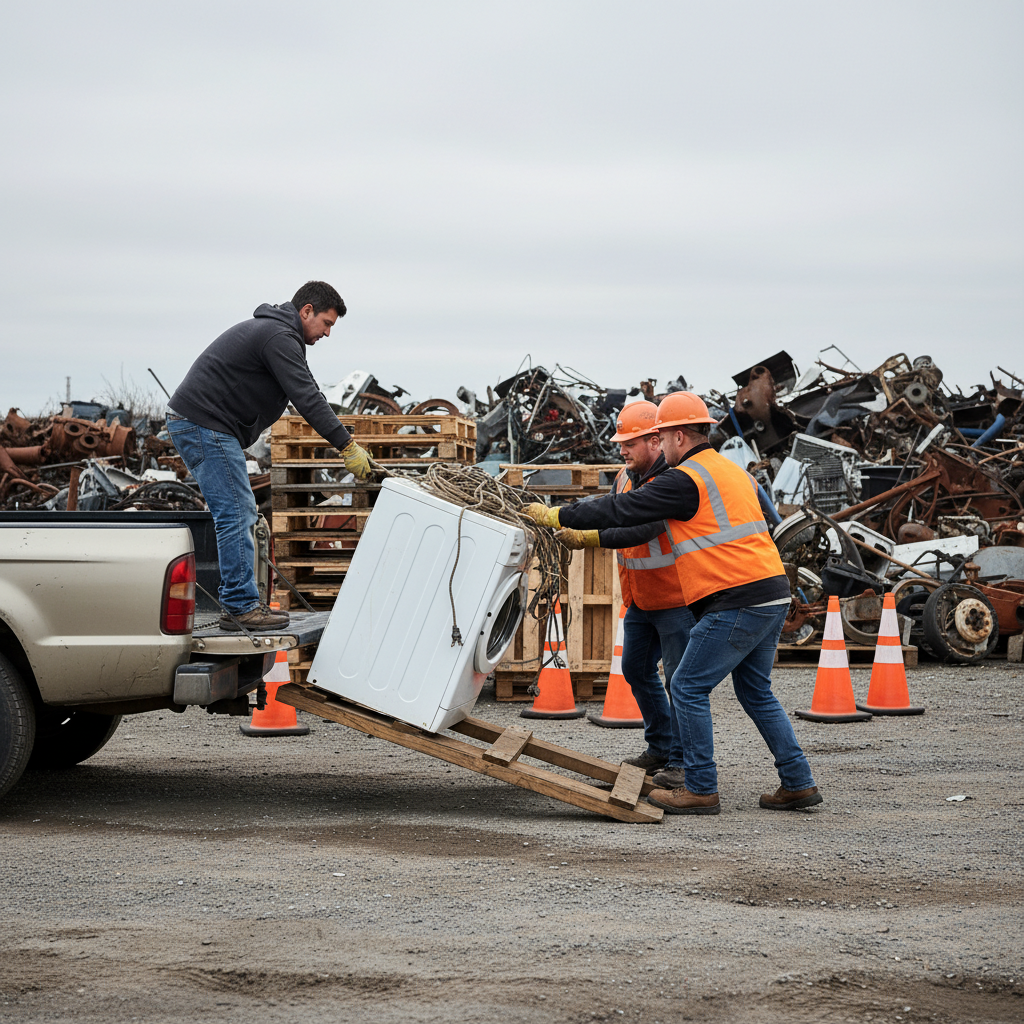
After a spring clean, a Mississauga family brought old tools, a lawn mower (drained), and boxes of mixed cables. We separated ferrous tools from non‑ferrous items, routed the mower safely, and consolidated the wire. One trip, less clutter, more usable space.
Quick Comparison: Ferrous vs. Non‑Ferrous vs. E‑Waste
Ferrous metals are magnetic and bulkier; non‑ferrous metals are non‑magnetic and often carry higher value by weight; e‑waste requires careful handling and is routed to specialized recovery. Sort early to save time and improve results.
| Category | Magnetic? | Common Items | Prep Tips |
|---|---|---|---|
| Ferrous | Yes | Steel plate, rotors, grills, ducting | Bundle sharp edges; keep dry |
| Non‑ferrous | No | Copper wire, brass fittings, aluminum siding | Separate by type/grade; coil wire |
| E‑waste | Mixed | Computers, TVs, PCBs, cables | Don’t dismantle aggressively; keep intact |
Frequently Asked Questions
Bring sorted metals, appliances, and electronics to 407 Rexdale Blvd, and our team will help unload, weigh, and pay for qualifying scrap. Below are quick answers to the questions we hear most from Etobicoke and GTA customers.
What does “all scrap metal recycling” include?
It covers ferrous metals (steel and iron), non‑ferrous metals (copper, aluminum, brass, nickel, stainless), appliances, and electronics. At Quick Scrap Metal, you can drop off all these categories in one stop for responsible handling and on‑the‑spot payment for qualifying items.
How do I tell if metal is ferrous or non‑ferrous?
Use a magnet. If it sticks, you likely have ferrous metal such as steel or iron. If it doesn’t, it’s probably non‑ferrous (copper, aluminum, brass, or stainless). Sorting by magnet test and material type speeds up grading and usually improves results.
Can I bring appliances and electronics together?
Yes. We accept both appliances and e‑waste. Tape appliance doors shut, keep units upright, and bag cables and small electronics. Our team will route each category safely for material recovery and compliant depollution.
Do you offer pickup for scrap cars or household scrap?
We provide scrap car drop‑off and arranged pickup options, along with household scrap removal support. Call ahead to coordinate logistics and ensure safe, efficient handling on the day of service.
Key Takeaways
Sort early, keep loads clean and dry, and group items by category. Use a magnet test, coil wires, and label bins. Bring everything—metals, appliances, e‑waste—in one organized drop‑off at 407 Rexdale Blvd for fast unloading and immediate payout on qualifying items.
- All scrap metal recycling spans ferrous, non‑ferrous, appliances, and electronics.
- Preparation—sorting, cleaning, and labeling—saves time and often improves results.
- Our Etobicoke site pairs speed with responsible processing across categories.
- One trip can reclaim cluttered space and return value to your budget.
Conclusion & Next Steps
Start with a magnet and a few bins. Sort by category, keep items dry, secure sharp edges, and plan a single organized drop‑off. At Quick Scrap Metal in Etobicoke, we’ll help unload, grade, and pay on the spot for qualifying materials—fast, safe, and responsible.
- Skim our live page on scrap metal prices in Toronto.
- Review our GTA guide to e‑waste recycling centers.
- Plan logistics with our junk removal in Etobicoke resource.
Ready to clear space? Drive to 407 Rexdale Blvd (Etobicoke) or contact us to coordinate vehicle or household scrap logistics. Extended weekday hours and Sunday openings make it easy to fit recycling into your week.