
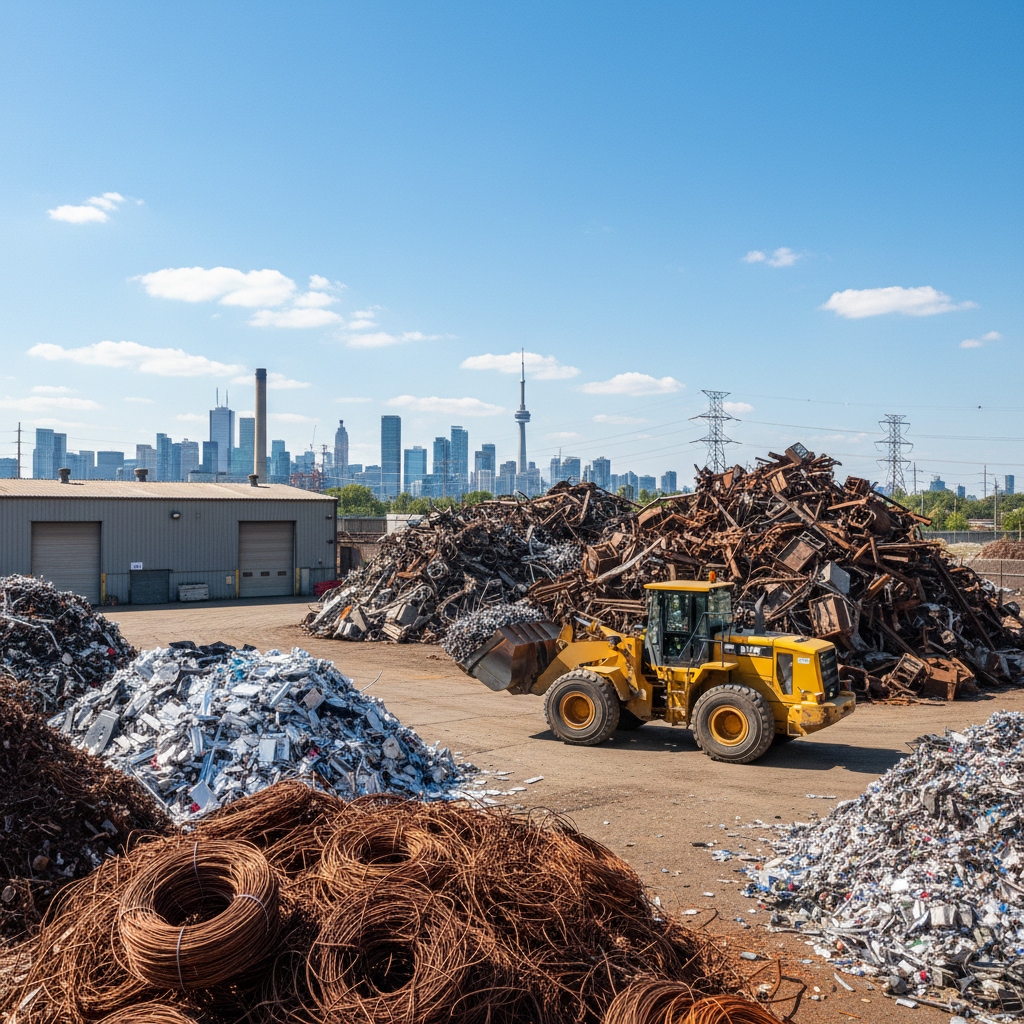
Scrap metal values are the real-world worth of recyclable metals based on grade, weight, and market demand. At our Etobicoke yard at 407 Rexdale Blvd, we evaluate copper, aluminum, steel, brass, stainless, and e-waste so you can turn clutter into cash quickly—without guesswork or hidden steps.
By Preet Dass • Last updated: 2026-06-05
Quick Summary
Scrap metal values follow supply, demand, and material quality. Clean, sorted, and decontaminated metals earn stronger payouts. In 2026, sellers who separate copper grades, prepare aluminum properly, and remove non-metal attachments typically see faster check-ins and better results at reputable yards serving Toronto and the GTA.
Use this page to learn how value is determined, what to sort at home, and how Quick Scrap Metal’s extended hours make drop-off simple. You’ll also find a plain-English glossary, a value-driver table, and real examples from Etobicoke contractors and homeowners who cleared space and earned on-the-spot payouts.
- What “scrap metal values” really means in practice
- Factors that move values in 2026—and how to respond
- How to prepare copper, aluminum, steel, and brass
- Which grades and conditions influence your return
- Local drop-off guidance for Etobicoke and Toronto
What Are Scrap Metal Values?
Scrap metal values are the going-market worth of recyclable metals based on grade, cleanliness, and global demand. Yards assess identification, weight, and preparation to assign value. Clean, correctly sorted material moves through scales faster and typically earns stronger payouts than mixed or contaminated loads.
In practical terms, values reflect what downstream processors and mills will pay for metal feedstock today, minus the time and handling it takes to process your load. That’s why sorting insulated copper from bare bright, or separating cast from sheet aluminum, matters so much at check-in.
- Grade: Bare bright copper differs from mixed wire. Stainless 304 differs from 316. Specifics matter.
- Cleanliness: Paint, oil, plastic, and steel screws reduce yield and increase handling.
- Market demand: Industrial output, construction activity, and manufacturing cycles move values.
- Logistics: Easy-to-handle, pre-sorted loads reduce processing time—often improving results.
At Quick Scrap Metal, you can drop off mixed metals, appliances, and electronics in one stop. We weigh, identify, and settle fast—aligned with our “If it’s metal, we buy it!” approach.
Why Scrap Values Matter to Homeowners and Trades
Scrap values affect how quickly you clear space, recover value from renovations, and keep metals out of landfills. For pros, disciplined sorting and regular drop-offs create steady returns while supporting sustainable, local recycling in Etobicoke and across Toronto.
If you’re renovating a kitchen, replacing a furnace, or clearing a garage, metals add up quickly. A single appliance contains steel, copper windings, and aluminum components. Organized tubs for “copper,” “aluminum,” and “steel” speed up your visit and help ensure each material is evaluated accurately.
- Households: Old BBQs, tools, wiring offcuts, and appliances can fill a truck bed.
- Contractors: Offcuts, ducting, range hoods, and cords accumulate on every job.
- Auto owners: Retiring a vehicle? Our scrap car drop-off or pickup makes it simple.
Beyond payout, responsible recycling reduces landfill pressure and returns metals to productive use. That’s core to our eco-friendly practices and part of how the GTA keeps valuable material in circulation.
How Scrap Metal Values Work (Step-by-Step)
Scrap values emerge from a simple chain: identify the metal, confirm grade and cleanliness, weigh it on calibrated scales, and align with current market conditions. Preparation reduces handling and waste, often translating to faster service and stronger outcomes at check-out.
- Identify and sort by family: ferrous (magnetic steel/iron) vs. nonferrous (copper, aluminum, brass, stainless).
- Prepare by removing plastic, steel bolts, and oil-soaked parts. Coil wire neatly; keep grades separate.
- Weigh on certified scales. Clear labeling helps your load move through efficiently.
- Settle on the spot. Our team explains grades, answers questions, and ensures a smooth visit.
Tip: Keep insulated copper wire separate from bare copper; separate cast aluminum from sheet or extrusion. This avoids “mixed” bins that reduce yield. For a deeper dive on preparing loads, see our Etobicoke prep guide.
Types and Grades: What Changes Value
Different metals and grades carry different values because mills pay for purity and yield. Separating copper grades, distinguishing cast from sheet aluminum, and identifying stainless types (304 vs. 316) are practical steps that can improve your results at the scale.
Nonferrous metals (generally higher value per pound)
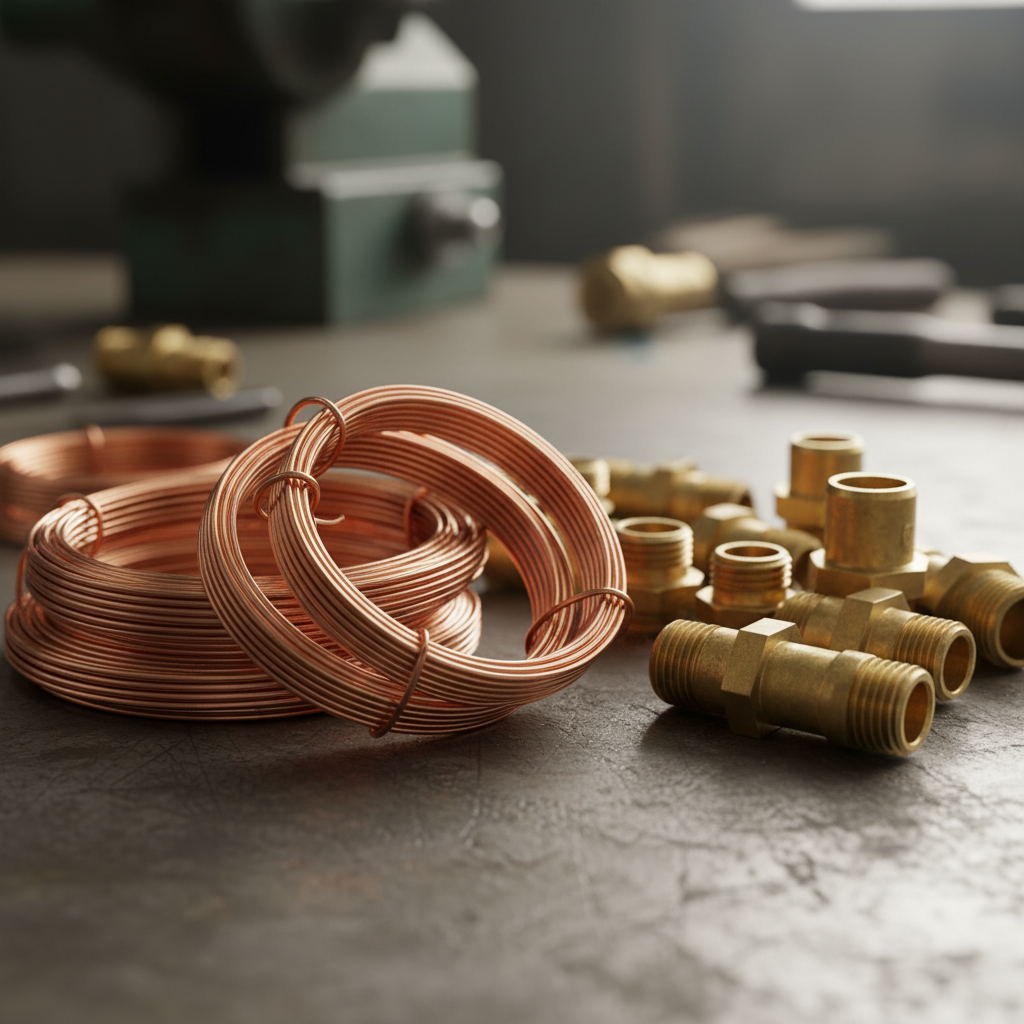
- Copper: Bare bright, #1, #2, and insulated wire. Remove solder, fittings, and insulation where practical.
- Aluminum: Cast, sheet, extrusion, siding, and radiators. Keep steel screws out of bins.
- Brass & Bronze: Faucets, valves, and fittings. Sort yellow vs. red brass; remove non-metal inserts.
- Stainless steel: 304 vs. 316; use a magnet test and look for corrosion resistance or prior labeling.
- Lead & Batteries: Handle safely and bring as-is; we’ll manage compliant recycling.
Ferrous metals (high volume, easy to accumulate)
- Steel & iron: Appliances, ducting, tools, radiators, rotors, and auto cast.
- Magnets help: Quick-screen steel from nonferrous before you load your vehicle.
- Bulky items: Washers, dryers, BBQs, and ranges—drop off with cords and lines removed when safe.
Not sure what you have? Bring it in. Our team can test, separate, and label quickly so each grade is handled the right way.
Value Drivers by Metal (2026 Reference)
Use this comparative table to understand what generally boosts or reduces scrap metal values by category. Focus on grade, cleanliness, and separation—those three levers influence outcomes more than any other preparation factor for typical household and contractor loads.
| Metal | Common Grades | Relative Value Signal | Preparation Tips |
|---|---|---|---|
| Copper | Bare bright, #1, #2, insulated | High → Medium | Strip where practical; keep wire coiled and dry; remove solder/fittings. |
| Aluminum | Cast, sheet, extrusion, siding, rads | Medium → Variable | Separate cast from sheet; remove steel bolts; avoid food residue. |
| Brass/Bronze | Yellow, red, mixed | Medium → High | Remove rubber/plastic inserts; sort yellow vs. red if possible. |
| Stainless | 304, 316 | Medium | Use a magnet; keep oil/paint off; separate from steel to avoid contamination. |
| Steel/Iron | Light iron, heavy melt, auto cast | Volume-driven | Bundle for loading; drain fluids from auto parts where applicable and safe. |
| E-waste | PCBs, towers, laptops, peripherals | Board/metal yield | Keep devices dry; don’t remove components unless you can sort confidently. |
For specifics on steel, our steel scrap value guide explains light iron vs. heavy categories and how yards assess auto cast and rotors.
Best Practices to Maximize Your Payout
The best way to improve your outcome is preparation: sort by metal family, remove obvious contaminants, and stage your vehicle for an efficient unload. Focus on clean copper, separated aluminum types, and tidy bundles of steel—then bring everything in one run.
- Make three bins: Copper and brass; aluminum by type; ferrous (magnetic) steel.
- Clip and coil wire: Neat coils speed weighing and reduce tangle-related waste.
- Empty appliances: Remove food, ash, propane tanks, and loose glass before arriving.
- Label tubs: Masking tape with “#2 copper,” “cast aluminum,” etc., helps at the scale.
- Plan the route: Load heaviest items last so they’re closest to the tailgate.
Want a deeper checklist? Review our broader scrap metal recycling guide and this focused walk-through on selling steel scrap.
Tools and Resources for Sorting at Home
Simple tools make sorting faster: a strong magnet, a pair of side cutters, a drill/driver for screws, and contractor tubs with lids. Add painter’s tape for labels and a permanent marker. This lightweight kit speeds up every future load you bring to the yard.
Starter kit
- Contractor-grade magnet (for fast ferrous screening)
- Side cutters/lineman’s pliers (for cords and wire)
- Adjustable wrench and driver (for fittings/bolts)
- Tough plastic tubs with lids (stackable in a trunk)
- Painter’s tape + marker (grade labels)
Nice-to-have adds
- Small scale (for jobsite tracking and planning)
- Work gloves and safety glasses
- Tarp or cardboard sheets to protect your vehicle
For ongoing tips, our Toronto prices overview page outlines common categories we see and how preparation helps keep your drop-offs smooth.
Household Appliances and E‑Waste: One-Stop Drop-Off
Quick Scrap Metal accepts metals, appliances, and electronics together—saving you extra trips. Bring washers, dryers, microwaves, range hoods, laptops, towers, and peripherals. Keep devices dry, remove food and loose debris, and we’ll manage responsible downstream recycling.
We regularly handle TVs, computers, keyboards, PCBs, and mixed home electronics. You don’t have to disassemble everything; focus on safe handling and basic separation. If it’s metal, we’ll buy it—if it’s an appliance or e-waste, we’ll process it responsibly.
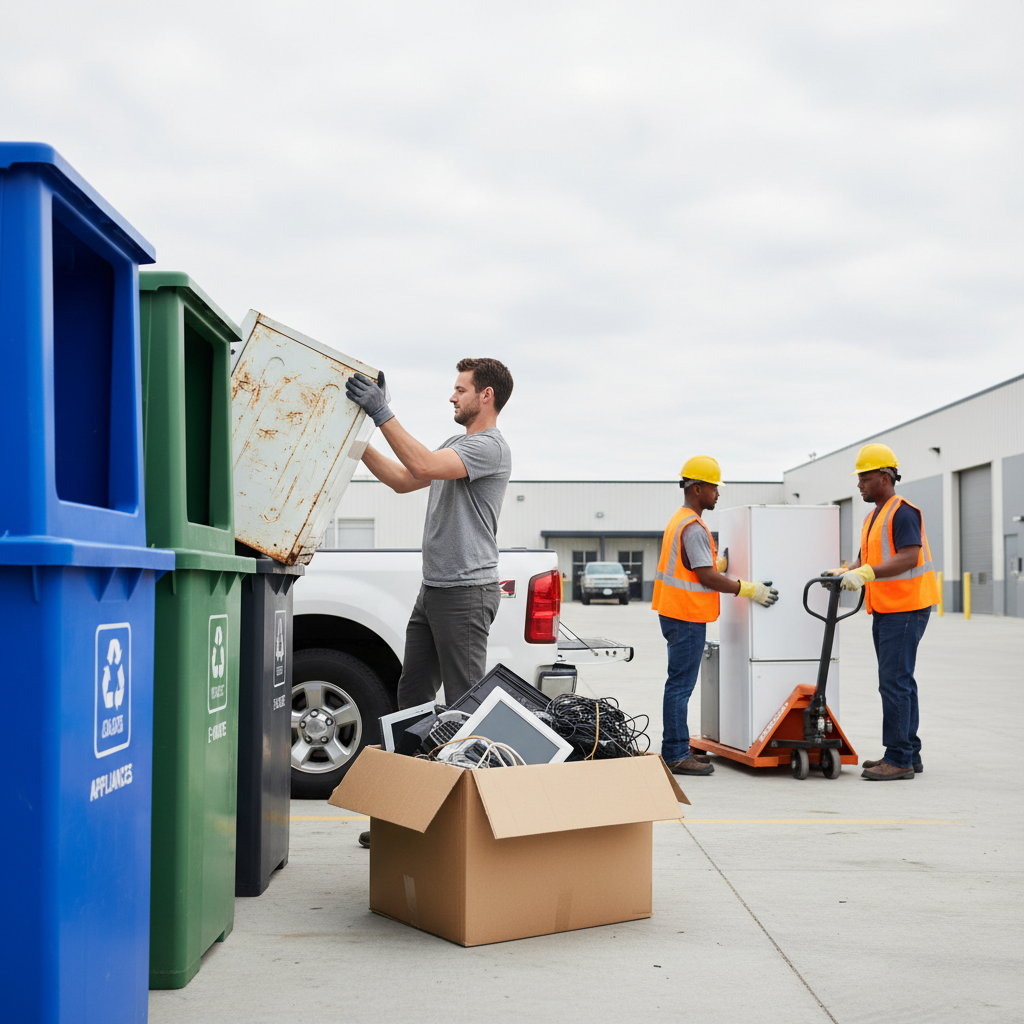
Need household pick-up or a vehicle removed? Explore our on-site options for scrap car drop-off or pickup, and read our GTA overview of scrap car recycling to understand how vehicle depollution works.
Local Drop-Off: Etobicoke and Toronto Logistics
We’re at 407 Rexdale Blvd in Etobicoke, with easy access from HWY 27. For Toronto and the GTA, extended weekday hours and Sunday openings reduce wait times. Plan routes to avoid peak mall traffic and stage loads so unloading takes minutes, not hours.
Our neighborhood location makes quick, frequent trips easy. Contractors often stop by between jobs; homeowners bring weekend loads after decluttering. If you’re unsure about an item, call ahead and we’ll guide you on safe prep.
Local considerations for Etobicoke
- To avoid congestion, time your visit around nearby Woodbine Mall & Fantasy Fair traffic, especially on weekends.
- Winter drop-offs: keep bins dry and lids on; moisture adds weight and hassle when unloading in cold conditions.
- For mixed e-waste and metals, stage appliances last so our team can guide safe unloading first.
For general scrap yard tips specific to this area, see our Etobicoke-focused guide on junk removal and better prices.
Market Trends: What’s Moving Scrap Metal Values in 2026
In 2026, manufacturing demand, construction activity, and recycled content targets are key drivers. Organized sellers who standardize prep—especially for copper and aluminum—are best positioned to respond as values shift with industrial output and seasonal supply across the GTA.
Expect cyclicality: spring and fall renovation seasons increase inflows; heavy summer infrastructure work often boosts steel consumption; and year-end clear-outs spike mixed loads. Energy-sensitive metals like aluminum can feel power-price dynamics more than others, while copper tracks electrical and building demand.
- Renovation cycles: Steady flow of wire, ducting, and appliances from home projects.
- Auto retirements: Vehicle turnover creates rotors, rads, and mixed ferrous—in volume.
- Industrial projects: Electrical upgrades add copper wire and transformer components.
When in doubt, bring it in. Our scales and team will evaluate on the spot and help you adapt your sorting for the next run.
Case Examples from Etobicoke and the GTA
Real sellers see the biggest gains from simple habits: label tubs by metal, keep wire dry and coiled, and separate aluminum types. These quick steps consistently speed check-ins and improve outcomes for both homeowners and contractors in our Etobicoke yard.
Homeowner garage clear-out
A resident near Flagstaff Park brought two tubs: one with copper/brass plumbing offcuts, one with aluminum siding and sheet. Because materials were clean and separate, we processed both quickly and the return covered a weekday junk-hauler fee they’d considered.
HVAC contractor between jobs
A Toronto HVAC tech stopped mid-route with coiled insulated wire, old range hoods, and ducting. Clear separation of copper, aluminum, and steel moved the load through scales in minutes and turned crew downtime into value.
Scrap car retirement
An owner scheduled scrap car pickup and later dropped additional rotors and a trunk tub of mixed tools. Coordinating vehicle removal with a follow-up metals drop made the entire process simpler and maximized the visit.
For broader selling strategies, our article on turning old metal into cash dives into category nuances and examples.
Tools, Benchmarks, and Helpful Reading
Use lightweight tools at home, keep a simple grade list, and read regional materials guidance. If you also work with construction metals, JDass network resources provide helpful context on steel products and handling practices in the GTA.
- Review GTA steel product context from a JDass brand: steel studs in Toronto.
- Skim Ontario-focused product notes: metal studs in Ontario.
- For vehicle retirement logistics, browse a regional scrap car services overview.
If you handle mixed loads weekly, bookmark our Etobicoke recycling hub so you can check accepted materials and hours before each visit.
Frequently Asked Questions
These quick answers cover identification, preparation, and logistics so you can plan a fast, efficient drop-off in Etobicoke. If you don’t see your question, call us before you load—our team is happy to help.
How do I tell if metal is ferrous or nonferrous?
Use a strong magnet. If it sticks, it’s ferrous (steel or iron). If it doesn’t, it’s likely nonferrous such as copper, aluminum, brass, or stainless. Sort these groups before arrival for faster check-in and clearer evaluation at the scale.
What preparation makes the biggest difference?
Focus on three steps: keep wire dry and coiled, remove obvious non-metal attachments when safe, and separate aluminum types (cast vs. sheet vs. extrusion). These habits reduce handling time and help ensure each grade is assessed correctly.
Can I bring appliances and e‑waste with my metals?
Yes. Quick Scrap Metal is a one-stop drop-off. Bring washers, dryers, microwaves, laptops, towers, and peripherals. Keep items dry, remove food or loose debris, and we’ll handle responsible downstream recycling for the GTA.
Do I need an appointment to drop off scrap?
Walk-ins are welcome during posted hours, including late weekdays and Sundays. If you’re bringing bulky items or mixed loads, calling ahead helps us plan ramps and staff so unloading is quick and safe.
Key Takeaways
Scrap metal values reward preparation. Keep metals clean, separated, and staged for fast unloading. One-stop drop-off for metals, appliances, and e-waste at 407 Rexdale Blvd simplifies your week while supporting responsible recycling across Toronto and the GTA.
- Sort by family and grade; keep wire coiled and dry.
- Remove obvious non-metal attachments when safe.
- Plan loads for quick, safe unloading on-site.
- Use extended hours to avoid peak traffic and wait times.
Conclusion: Turn Clutter Into Cash, Responsibly
The fastest path to better results is simple: sort, prepare, and drop off at a trusted yard with convenient hours. We evaluate metals, appliances, and e-waste on the spot so you can convert clutter into value—quickly and responsibly.
Whether you’re a homeowner cleaning out a garage or a contractor between jobs, Quick Scrap Metal in Etobicoke is ready to help. Bring what you have, ask questions at the scale, and use each visit to refine your prep. That’s how you consistently make the most of scrap metal values.