
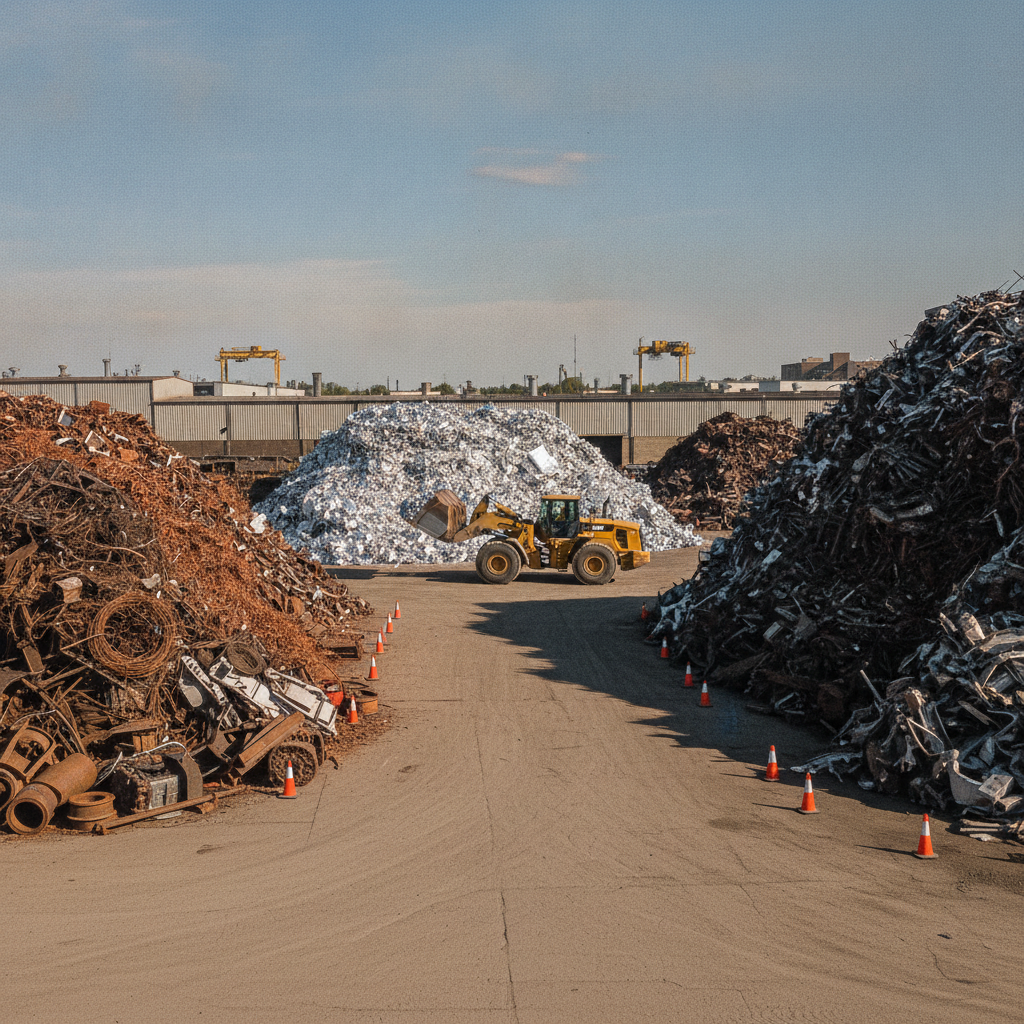
Metal recycling companies are specialized facilities that buy, sort, and process ferrous and non‑ferrous metals, appliances, and e‑waste for reuse. They pay at drop‑off when materials qualify and divert tons from landfills every month. In Etobicoke, Quick Scrap Metal makes this fast and convenient with extended hours, on‑the‑spot service, and responsible handling.
By Preet Dass • Last updated: June 29, 2026
Above‑Fold: What metal recyclers buy + quick TOC
Most recyclers buy copper, aluminum, steel, brass, stainless, lead, wires, motors, appliances, and electronics. Sort metals, remove non‑metal parts, and keep items dry for faster check‑in. Use a magnet to separate steel from non‑ferrous. Below is your quick table of contents to jump to what you need.
- Overview
- What is a metal recycling company?
- Why it matters
- How it works
- Types and methods
- Best practices for sellers
- Tools and resources
- What buyers prioritize (2026)
- Case studies
- FAQ
- Wrap‑up
Overview
Here’s the big picture: recyclers convert everyday scrap into feedstock for new products. The fastest results come from sorting, basic prep, and choosing a trusted local yard. In Etobicoke, households, trades, and small businesses use Quick Scrap Metal for quick drop‑offs and immediate payouts.
Think of your mixed bin as raw material. Once separated, it moves faster through scales and inspection. A few minutes of prep can shorten yard time by 20–30% and improve outcomes for everyone in line.
- Who uses this guide: Homeowners, contractors, property managers, and office admins cleaning out metals and e‑waste.
- What you’ll learn: What metal recycling companies buy, how to prep in 5 steps, and how to avoid common mistakes.
- Local edge: Quick Scrap Metal’s extended hours mean evening and Sunday drop‑offs when your schedule’s tight.
- Sustainability impact: Recycling aluminum can save up to 95% of the energy versus making it from ore, while steel recovery reduces primary mining demand.
We’ll keep this practical and local. Expect clear checklists, real‑world examples from Etobicoke drop‑offs, and links to deeper guides when you want more detail.
What is a metal recycling company?
A metal recycling company is a licensed facility that buys, inspects, sorts, and aggregates scrap metals, appliances, and electronics, then ships them to processors and mills. It pays for qualifying materials, documents regulated items, and ensures safe, environmentally sound handling.
At Quick Scrap Metal, the model is simple: walk in, weigh in, and get paid when your materials qualify. The yard accepts ferrous (magnetic) and non‑ferrous (non‑magnetic) metals, plus appliances and a wide range of electronics (computers, TVs, PCBs, cables, and more).
- Core streams: Copper, aluminum, brass, stainless, steel, lead, wire/cable, motors, radiators, and auto cast.
- Household items: Washers, dryers, stoves, microwaves, range hoods, lawn mowers, snow blowers, and old tools.
- E‑waste: Laptops, desktops, monitors, peripherals, and printed circuit boards for responsible recycling.
- Specials: Transformers, compressors, and A/C units are accepted with proper prep and compliance steps.
Most yards process hundreds of distinct items weekly. Clear labeling on your bins, bundled wire, and removed plastics or wood can trim check‑in time by 5–10 minutes per visit.
Why metal recycling companies matter
Recycling metals conserves energy, reduces emissions, and keeps reusable materials in circulation. For residents and trades, it also frees up space and turns clutter into immediate value. The environmental upside compounds with every pound recovered.
Every ton of recycled steel can conserve significant energy while preserving natural resources for future use. Aluminum recovery is especially impactful—many operations cite energy savings in the 90%+ range when compared to primary smelting. Even small loads add up: 40–60 pounds of wire from a single renovation can feed back into manufacturing streams.
- Local landfill relief: Diverting bulky appliances and electronics reduces strain on municipal waste systems.
- Lower emissions: Recycled inputs often require a fraction of the energy of virgin materials, cutting greenhouse gases.
- Cleaner jobsites: Trades that sort daily report faster end‑of‑week cleanups and fewer safety hazards.
- Community benefit: Regulated recycling protects soil and water by handling hazardous components properly.
In our experience working with Etobicoke homeowners and small contractors, the combination of quick yard access and immediate payment encourages consistent recycling habits throughout the year.
How metal recycling companies work (drop‑off to mill)
The workflow is straightforward: arrive, sort, weigh, and get paid when materials qualify. Staff verify items, separate regulated components, and consolidate metals for bulk shipment to processors and mills. Clear prep speeds every step.
- Arrival and safety check: Follow yard signage, wear closed‑toe shoes, and secure loads with straps. Many visits finish in 15–30 minutes.
- Fast triage: A magnet test splits ferrous from non‑ferrous in seconds. Keep non‑metal attachments off for smoother handling.
- Weigh‑in: Small bins may go on a floor scale; larger loads use a platform scale. Dry, clean metal improves throughput.
- Inspection: Staff remove restricted parts (e.g., sealed tanks, certain batteries) and document regulated e‑waste items.
- Aggregation: Your metals join bulk lots by type—copper, aluminum, steel, brass, stainless—targeting shipment weights in the thousands of pounds.
- Payout: Qualifying loads are paid on the spot. Bring valid ID when required for regulated categories.
- Downstream logistics: Consolidated bales, bins, and gaylords move to processors and mills for shredding, shearing, or smelting.
Want to tighten up your routine? Our scrap recycling quick guide walks through sorting tips that regulars use to shave 20% off yard time.
Types and methods: what recyclers buy and how to prep it
Recyclers buy ferrous (steel, cast iron) and non‑ferrous (copper, aluminum, brass, stainless), plus appliances and e‑waste. Prep by removing non‑metal parts, draining fluids where applicable, and bundling wires. Clean, sorted loads move faster and perform better.
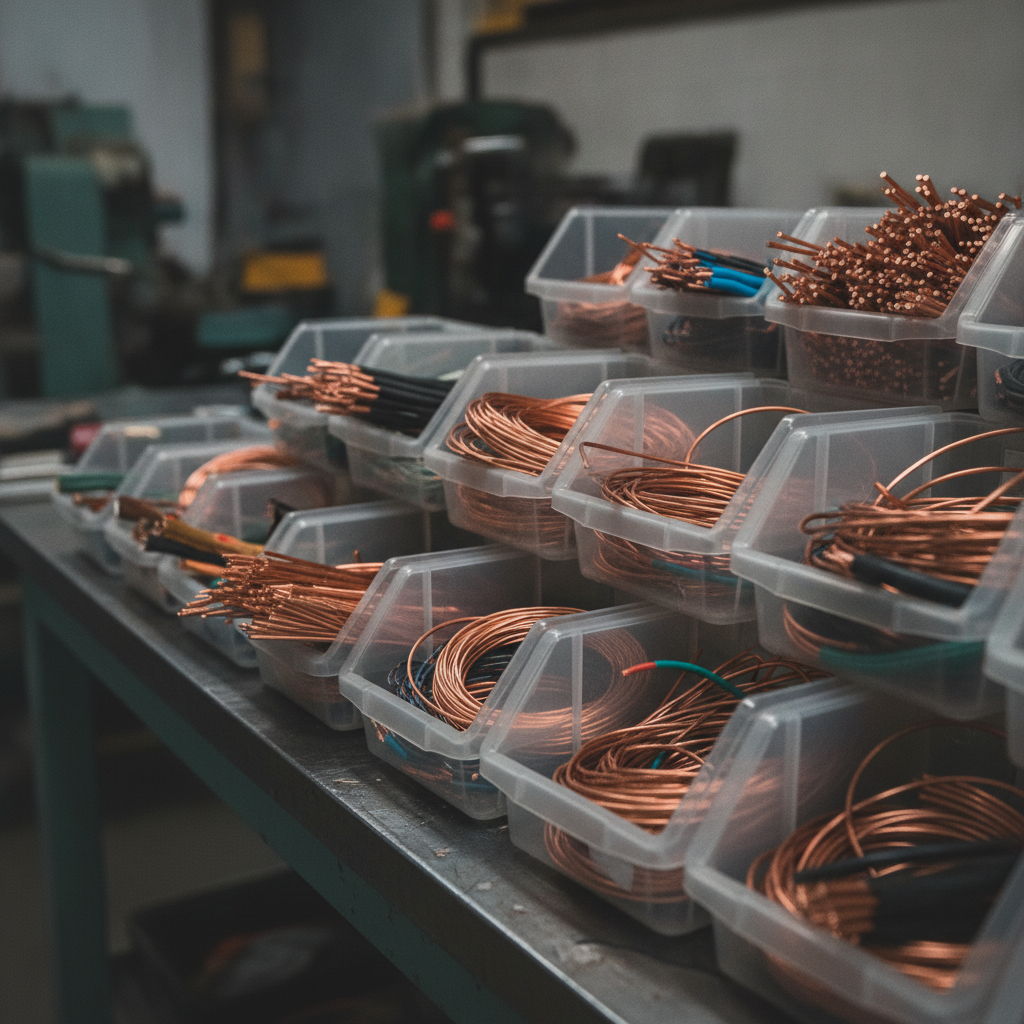
Non‑ferrous metals (high‑value focus)
- Copper: From wires, plumbing, motors, and radiators. Strip insulation when feasible; keep it dry and untangled in bins.
- Aluminum: Cans, siding, plate, and extrusion. Remove screws/steel. Keep cast and extrusion separate to avoid downgrades.
- Brass and bronze: Faucets, valves, and decorative hardware. Separate yellow brass from red/brass alloys when possible.
- Stainless steel: Appliances, sinks, and industrial scraps. Use a magnet and spark test; keep stainless away from regular steel.
- Lead and batteries: Follow yard guidance; some battery categories require extra handling and documentation.
Ferrous metals (volume drivers)
- Steel and tin: Racking, shelving, HVAC ducts, and light gauge scrap. A quick magnet test confirms ferrous content.
- Cast iron: Rotors, machinery bases, and heavy cookware. Keep pieces under safe lifting limits; break down oversized items where safe.
- Engines and motors: Drain fluids as instructed. Separate aluminum engines from steel components when feasible.
Appliances and bulky items
- Washers/dryers, stoves, range hoods: Remove glass or plastic where easy. Check cords and hoses for copper recovery.
- A/C units and compressors: Special procedures may apply. Ask staff about compliant handling before drop‑off.
- Lawn mowers, snow blowers, old tools: Empty fuel and oil; bundle accessories. Keep blades sheathed for safety.
Electronics (e‑waste)
- Computers and laptops: Remove batteries; wipe drives if needed. Place small e‑waste in boxes to avoid damage.
- Monitors and TVs: Treat screens with care. Staff will route regulated components for safe processing.
- Printed circuit boards and peripherals: Keep PCBs dry; bag small parts. Separate keyboards, mice, and cables.
Need a one‑stop drop? Quick Scrap Metal accepts metals, appliances, and electronics together—handy when you’re cleaning out a garage and a home office on the same weekend.
Best practices for sellers (5‑step prep)
You’ll save time and hassle by sorting metals, bundling wires, removing obvious non‑metal parts, draining fluids where required, and keeping items dry. These five steps cut check‑in friction and help yards move you through in a single pass.
- Sort by category: Copper, aluminum, brass, stainless, steel, e‑waste. Use stackable bins; label with painter’s tape.
- Bundle and stage: Coil wire into 12–18 inch loops; band with zip ties. Keep motors and transformers on a small pallet.
- Remove non‑metal parts: Wood, foam, fabric, and excessive plastic slow inspection and may require staff removal.
- Drain and secure: Empty oils and fuels per guidance. Cap hoses; keep absorbent pads on hand for vehicles and mowers.
- Keep it dry: Moisture adds weight but hurts processing. Covered storage or tarps protect material integrity.
Regulars who follow this routine often cut 10–20 minutes per visit. If you’re busy, ask about household scrap removal or vehicle pickup options for larger clear‑outs.
Local considerations for Etobicoke
- Plan weekend drop‑offs around traffic near Woodbine Mall & Fantasy Fair; early mornings usually move fastest.
- Seasonal rushes spike after spring cleanups and before winter. Stage bins in advance so you can load in under 15 minutes.
- When working near Flagstaff Park, keep materials covered; sudden showers can soak wire and appliances, slowing intake.
For a deeper, step‑by‑step walk‑through, see our Etobicoke recycling checklist and junk removal guide.
Want a 5‑minute prep check?
Bring a small test load first. Our team will show you how to sort, bundle, and stage for faster future drop‑offs. Start with the quick prep guide.
Tools and resources that make prep easier
A basic kit—magnet, side cutters, adjustable wrench, pry bar, zip ties, and stackable bins—covers 90% of at‑home prep. Add a wire stripper for heavy renovations and a tarp to keep materials dry before drop‑off.
- Identification: A pocket magnet and a file help you spot stainless vs. mild steel fast.
- Disassembly: Side cutters, Torx bits, and an impact driver speed up appliance and electronics breakdown.
- Wire work: A handheld stripper boosts throughput on copper wire; organize by gauge once stripped.
- Containment: Stackable bins (12–18 gallons) and small pallets prevent tipping and save back‑and‑forth trips.
- Protection: Tarps and contractor bags keep loads dry; gloves and eye protection reduce on‑site injuries.
If you work with framing steel or reinforcement in other projects, these industry primers on materials and applications offer helpful context: see the steel reinforcement guide and this overview of steel studs in the GTA. For broader product context, browse metal products in Ontario.
What buyers prioritize in 2026 (ranked by demand)
In 2026, buyers prioritize clean copper, organized aluminum (extrusion and plate), stainless, and consistent ferrous volumes. Well‑prepared appliances and documented e‑waste also move quickly. Cleanliness, separation, and dryness consistently improve outcomes.
| Material | Common sources | Prep tips | Why buyers want it |
|---|---|---|---|
| Copper (wire/tube) | Renovations, HVAC, electrical | Strip insulation when feasible; coil and bin by gauge | High recovery value; stable downstream demand |
| Aluminum (extrusion/plate) | Siding, windows, machining | Separate cast vs. extrusion; remove steel hardware | Lightweight feedstock; strong remelt efficiency |
| Stainless steel | Sinks, appliances, food‑service | Keep separate from mild steel; confirm with magnet/file | Corrosion‑resistant alloys in steady demand |
| Ferrous (steel/cast iron) | Racking, ducts, rotors | Break down bulky items; keep dry to prevent excess rust | Volume driver for mills; reliable shipment lots |
| Appliances | Home upgrades, move‑outs | Remove loose plastics/glass; drain where required | Steady inflow; easy consolidation for shredding |
| Electronics (e‑waste) | Office refreshes, home cleanouts | Box small items; remove batteries; protect screens | Recoverable metals and components; regulated handling |
Want more ferrous specifics? Our steel recycling guide and e‑waste playbook go deeper on preparation and safety steps.
Case studies and real‑world examples
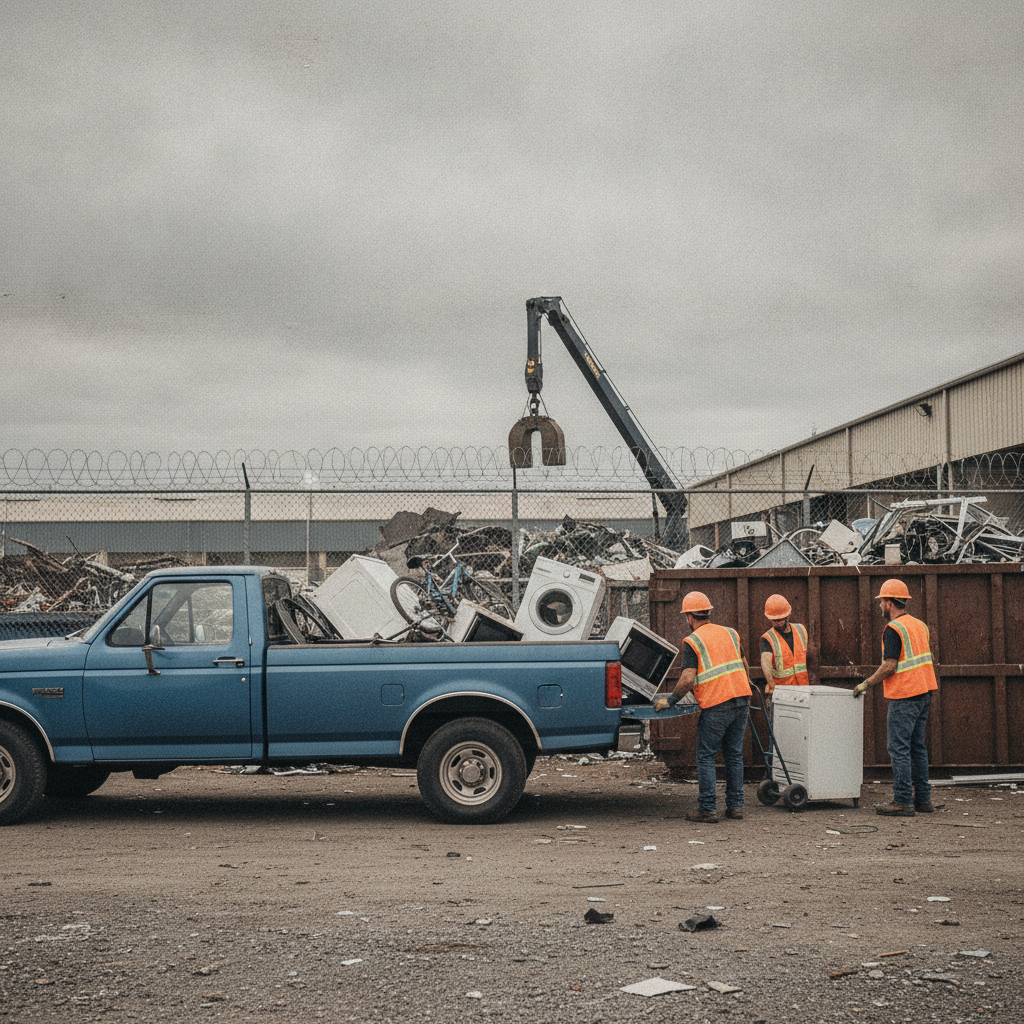
Here are practical Etobicoke scenarios that show how small process tweaks yield faster drop‑offs and better outcomes. Each example uses Quick Scrap Metal’s real service mix—metals, appliances, and electronics—in a single, convenient stop.
1) Home garage cleanout, Saturday morning
- Challenge: Mixed pile—old BBQ, range hood, copper pipe offcuts, and a bin of cables.
- Approach: Quick magnet test; brass faucet separated; wire coiled into 14–16 inch loops; plastics removed from the range hood.
- Result: On‑site time ~25 minutes with immediate payment. Two short trips from vehicle to scale; no re‑sorting at the window.
2) Electrical contractor after a retrofit
- Challenge: 40–60 pounds of mixed wire and a bucket of breakers, plus several motors.
- Approach: Wire sorted by gauge; motors palletized; breakers boxed. Dry storage avoided moisture weight.
- Result: Check‑in in under 20 minutes; easy aggregation into the yard’s copper and motor streams.
3) Small office e‑waste refresh
- Challenge: 12 desktops, 8 monitors, keyboards, and mixed cables.
- Approach: Monitors padded; small peripherals bagged; asset tags removed; batteries separated.
- Result: Smooth intake with documentation where required; responsible downstream routing for screens and drives.
4) Seasonal appliance upgrade
- Challenge: Replacing a washer/dryer pair and an old microwave during a home renovation.
- Approach: Doors taped shut; cords coiled; drums checked for loose items; easy‑to‑lift parts removed.
- Result: Quick unloading with staff assistance; appliances consolidated for shredding with minimal prep delays.
Have a larger clear‑out coming up? Our team can advise which items to prep first so your heaviest pieces move straight to the correct bay.
Frequently Asked Questions
These quick answers cover the most common questions we hear at the scale house—what we accept, how to prep, and how long drop‑offs usually take. For anything unique, bring a photo to the yard or call ahead.
What items do metal recycling companies accept?
Most accept copper, aluminum, steel, brass, stainless, lead, wires, motors, appliances, and various electronics. At Quick Scrap Metal, you can drop off metals, large appliances, and e‑waste together for faster visits.
How should I prepare scrap for a quicker drop‑off?
Sort by category, coil and tie wires, remove obvious non‑metal parts, drain fluids when required, and keep items dry. These steps reduce inspection time and help staff move you through in a single pass.
Do you accept e‑waste like computers and TVs?
Yes. We accept computers, laptops, keyboards, cables, and many monitors/TVs. Pack screens carefully, separate batteries, and box small peripherals for safe transport and faster intake.
How long does a typical drop‑off take?
Most visits take 15–30 minutes depending on load size and prep. Busy periods follow weekend cleanups and late afternoons; sorting at home usually shaves 10–20 minutes on site.
Conclusion
The fastest way to work with a recycler is simple: sort, stage, and choose a trusted local yard. Quick Scrap Metal streamlines Etobicoke drop‑offs by accepting metals, appliances, and e‑waste together with fast, friendly service.
- Key Takeaways
- Metal recycling companies buy both non‑ferrous and ferrous metals, plus appliances and electronics.
- Sorting, bundling wires, and keeping items dry can cut yard time by 20–30%.
- Clean, separated loads move faster and support better downstream recovery.
- Extended hours in Etobicoke make weekend and evening drop‑offs easier.
Ready to turn clutter into value? Explore our electronics drop‑off guide and plan your visit with the all‑scrap checklist. We’re here to help you sort once and move fast.
Related topics in the Scrap cluster
Dig deeper into specific materials and workflows. These resources expand on steel, e‑waste, and local preparation tips, helping you plan smooth, safe, and efficient Etobicoke drop‑offs.
For ferrous specifics, see our steel recycling breakdown. If you’re planning a bigger cleanout, our junk removal overview explains staging and pickup options. And for regulated electronics, the 2026 e‑waste guide shows how to pack screens and store batteries safely.