
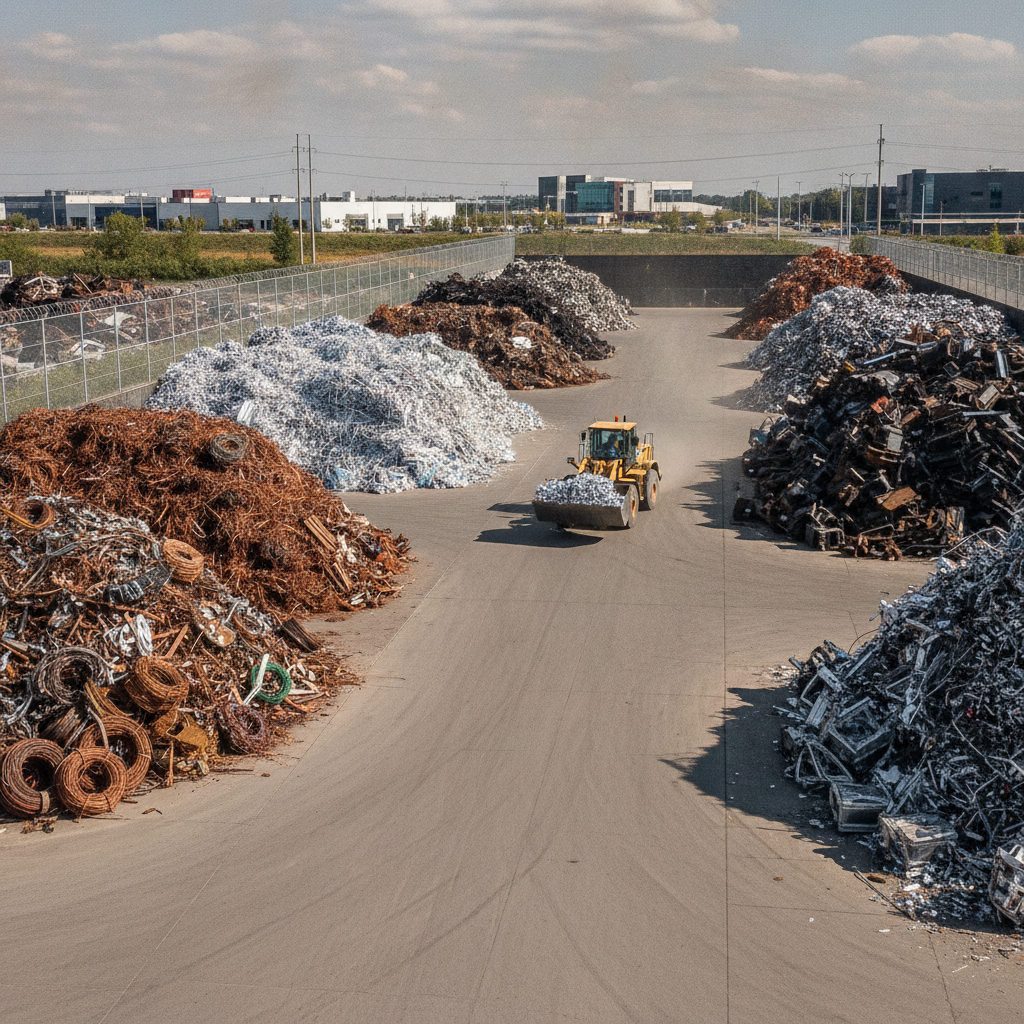
Scrap metal dealers are licensed buyers who purchase ferrous, non-ferrous, and e-waste materials from the public and businesses, then sort, grade, and resell them to processors. In Etobicoke, the fastest path to turn clutter into cash is a local yard with extended hours, on-the-spot payment, and responsible recycling—exactly what Quick Scrap Metal provides.
By Preet Dass — Quick Scrap Metal
Last updated: 2026-06-28
Above-Fold: Why This Guide Matters + Quick TOC
Use this complete guide to understand how scrap metal dealers operate, what materials they buy, how yard payouts are determined, and how to prep items to earn more. You’ll get Etobicoke-specific tips, real examples, and a clear, safe step-by-step process to sell to Quick Scrap Metal fast.
Here’s what you’ll learn at a glance:
- What scrap metal dealers do, in plain English
- Exactly how a yard visit works—from scale to payout
- Preparation tips that help non-ferrous grades
- Accepted materials: metals, appliances, and e-waste
- Local advice for Etobicoke drop-offs
- Mini case studies across homes, trades, and fleets
What Are Scrap Metal Dealers?
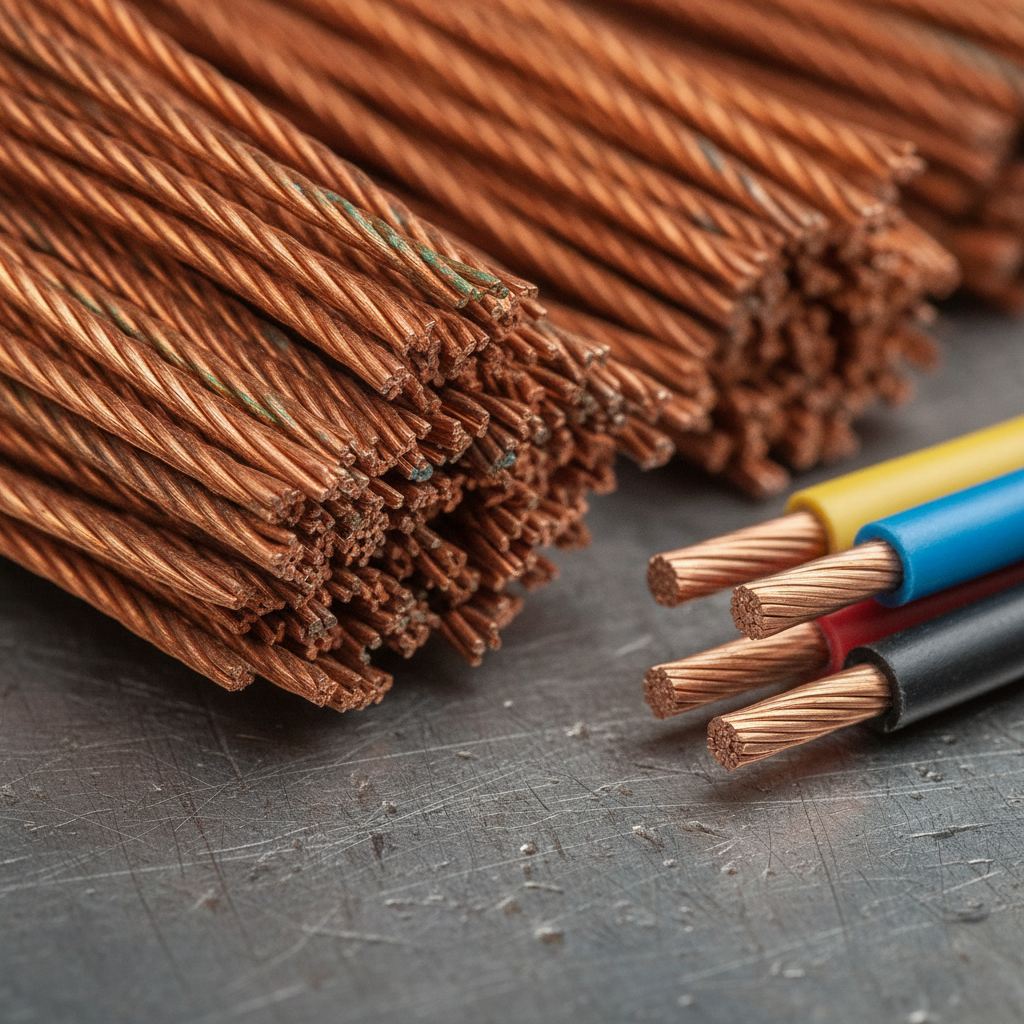
Scrap metal dealers are businesses that buy, sort, and grade metal-bearing items—then ship them to mills and refiners. Dealers make recycling practical by paying sellers, consolidating loads, and ensuring materials meet downstream specifications and safety rules.
In our day-to-day work with homeowners and contractors, clarity beats jargon. A dealer like Quick Scrap Metal accepts household items (appliances, tools, cables) and commercial scrap (offcuts, rotors, motors). Fewer trips, cleaner job sites, and immediate payouts make the process simple.
- They buy: Ferrous (steel, cast iron), non-ferrous (copper, aluminum, brass, stainless, nickel), and e-waste (PCBs, laptops, TVs)
- They sort and grade: Separate by metal type, cleanliness, and form factor for consistent downstream specs
- They ship: Consolidate loads for processors, mills, or refiners on tight schedules
- You benefit: On-the-spot payment and clutter gone—responsibly and quickly
Think of dealers as the link between your garage, job site, or warehouse and the global metals supply chain. One organized drop-off keeps useful material circulating and diverts bulky items from landfill.
Why Scrap Metal Dealers Matter
Scrap metal dealers keep metals in circulation, reduce landfill, and pay you for items others toss. The right yard turns old appliances, wiring, and car parts into direct value while supporting local recycling jobs across the GTA.
There’s a clear ripple effect. Metal recycling requires far less energy than making metal from ore. It also reduces mining impacts and speeds up decarbonization targets. For busy Etobicoke residents and trades, a one-stop yard that handles metals and electronics saves multiple trips and several hours per project.
- Cleaner homes and job sites: Remove bulky items in one run instead of piecemeal hauls
- Time savings: Extended hours mean you drop off when it fits (evenings and Sundays)
- Responsible recycling: Metals and e-waste follow the right processing streams
- Local economic impact: Aggregation, logistics, and handling jobs stay in the GTA
Here’s the thing: when metals, appliances, and electronics are accepted together, more material gets recycled—period. That’s why Quick Scrap Metal’s “If it’s metal, we buy it!” policy matters for both convenience and sustainability.
How Scrap Dealers Work (Step-by-Step)
Selling to a dealer is straightforward: sort your items, bring valid ID, follow yard signage to the scale, get weighed and graded, and receive payment on the spot. Simple preparation—like separating metals—helps you capture more value for non-ferrous items.
- Gather and sort: Separate ferrous from non-ferrous; keep e-waste and appliances distinct.
- Quick prep: Drain fluids where applicable; remove obvious non-metal attachments if safe.
- Bring ID: Government-issued photo ID supports safe, responsible transactions.
- Arrive and check in: Follow yard signage to scales and unloading zones—staff will direct you.
- Weigh and grade: Materials are checked for type and cleanliness so downstream specs are met.
- Instant payout: Receive on-the-spot payment for qualifying items—fast and simple.
Local considerations for Etobicoke
- Plan drop-offs before or after peak shopping hours near Woodbine Mall & Fantasy Fair to breeze through unloading.
- Winter tip: Snow and ice add weight. Knock off buildup so the scale reflects metal, not slush.
- Contractor insight: Keep separate bins for copper wire, aluminum, and steel offcuts on the truck—this speeds grading.
Want a deeper dive into timing and flow? See our concise guide on navigating a metal junk yard for a swift in-and-out experience.
Types of Scrap Metal Dealers and How to Choose
Most sellers work with local yard buyers that operate scales and unloading zones. Other models include mobile collectors for small pickups and brokers that aggregate at scale. Choose a dealer by acceptance breadth, safety practices, payment process, and convenient hours.
Common dealer types
- Local yard buyers: Public-friendly sites with scales, staff, and designated unloading areas.
- Mobile collectors: Small trucks/vans offering neighborhood pickups for light loads.
- Brokers/aggregators: Coordinate large volumes and shipments to processors or mills.
- Specialty handlers: Focus on e‑waste, batteries, or sensitive components like transformers.
How to vet a dealer (quick checklist)
- Acceptance breadth: Metals, appliances, and electronics in one stop saves time.
- Clear yard flow: Marked scales, cones, and staff signals improve safety.
- Payment clarity: Straightforward, immediate payouts with proper documentation.
- Hours and access: Evenings and Sunday options reduce downtime for contractors.
- Reputation: Check whether the yard serves homeowners and trades reliably.
Prefer a yard that also handles appliances and e-waste? That’s our model. For more context on material value, review our scrap metal values guide and this primer on what pays most in Etobicoke.
What Dealers Buy: Materials and Categories
Most dealers buy ferrous, non-ferrous, appliances, and electronics. Clean, sorted items move faster and often grade higher. Quick Scrap Metal’s wide-acceptance policy lets you clear mixed loads—metals and e-waste—in a single visit.
Ferrous metals
- Steel and tin, cast iron, rotors, auto cast
- Engines, transmissions, heating ducts, radiators
Non-ferrous metals
- Copper (pipe, wire), aluminum (siding, extrusion, plate), brass, stainless, nickel
- Lead and batteries, bronze, faucets, range hoods
Appliances and bulky items
- Washers/dryers, dishwashers, ovens/stoves, A/C units, microwaves
- Lawn mowers, snow blowers, old tools, BBQs
Electronics (e‑waste)
- Computers, laptops, TVs and monitors
- PCBs, peripherals, Blu‑ray/DVD players, keyboards
| Category | Examples | Prep Tip |
|---|---|---|
| Ferrous | Steel, cast iron, rotors | Use a magnet to confirm; keep free of dirt |
| Non-ferrous | Copper, aluminum, brass, stainless | Remove plastic/insulation where safe |
| Appliances | Washers, stoves, A/C units | Disconnect safely; check for fluids |
| Electronics | Computers, TVs, PCBs | Keep cables and small parts bagged |
For deeper category specifics and timing your run, skim our metal prices overview and the quick hits in Scrap Prices Today before you load up.
Best Practices That Boost Your Return
Organization wins. Separate by metal type, keep items clean, and bundle like with like. Arrive with ID and a simple list of what you have. This speeds grading and helps you capture more value from non‑ferrous items at the scale.
- Use a magnet: The fastest ferrous vs non-ferrous test you can do at home.
- Bundle wire by gauge: Keep stripped vs insulated separate to avoid re-sorting on arrival.
- Remove contaminants: Dirt, wood, and excess plastic can push material to a lower grade.
- Label bins: “Copper pipe”, “Aluminum extrusion”, “Steel”—simple and effective.
- Photograph loads: A quick phone snapshot helps regular sellers track batches.
- Bring basic tools: Wrench, snips, and gloves for safe, fast disassembly (only if safe).
Pro tip for trades: keep a “strippable” wire bin and a “low-grade” wire bin. The two-bin method saves 10–15 minutes per yard visit and reduces on-site sorting by staff.
Tools, Resources, and Yard Logistics
A simple kit—magnet, basic hand tools, heavy-duty bags, and labeled bins—streamlines your trip. Use yard signage and scales, follow staff directions, and keep safety top of mind during unloading so the visit stays quick and efficient.
- At-home kit: Magnet, wire stripper, wrench set, gloves, and eye protection.
- Loading tips: Heaviest items on the bottom; keep e-waste upright and cushioned.
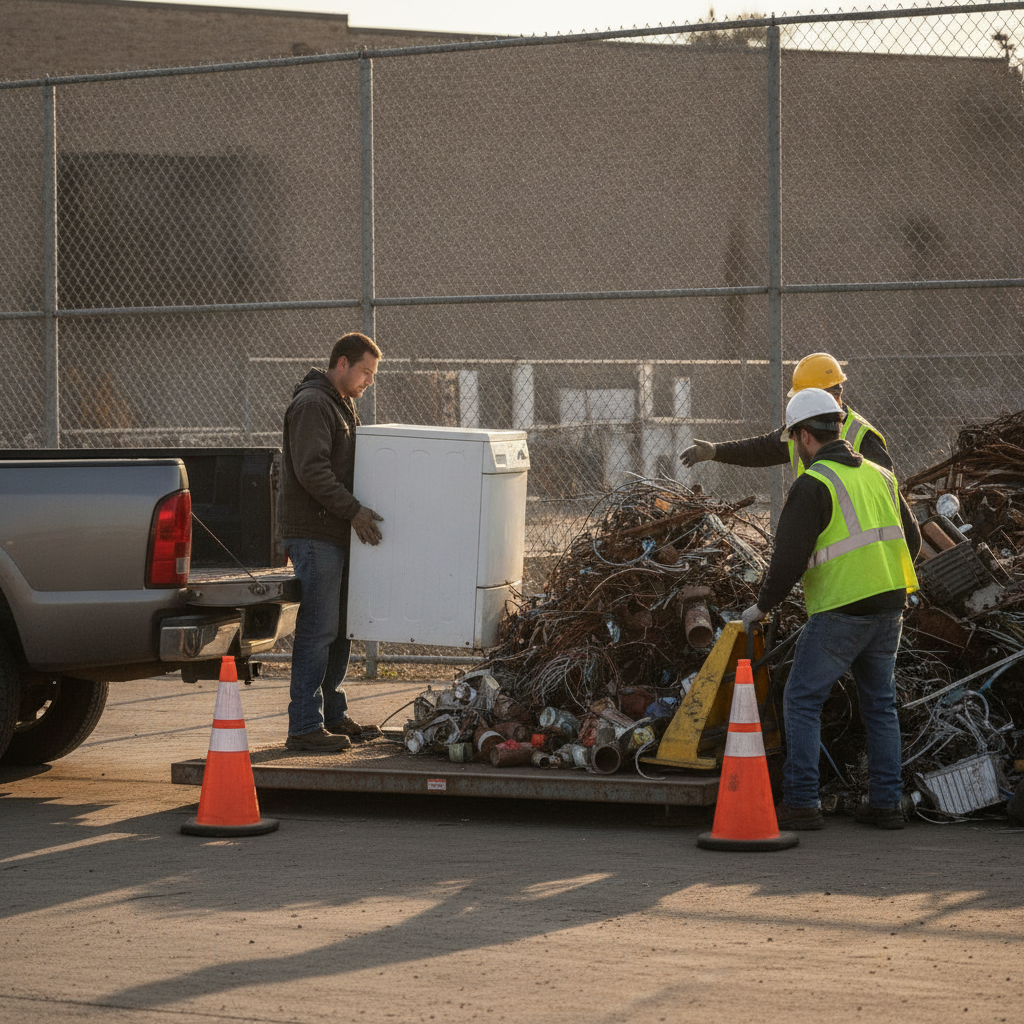
- On-site flow: Follow cones and staff signals to scales/unload areas—plan 8–12 minutes per light load.
- Documentation: Government-issued ID; business sellers may bring a simple manifest.
Pricing Factors (No Numbers) and Market Trends
Payouts reflect market demand, metal type, cleanliness, and volume. You influence results by sorting, reducing contamination, and consolidating trips. Dealers mirror commodity markets, so grades, preparation, and consistency matter every time.
- Market conditions: Commodity indices and local demand shape yard payouts.
- Grade and cleanliness: Paint, plastic, and mixed metals can push items to a lower grade.
- Form factor: Pipe vs turnings vs sheet may be handled differently downstream.
- Volume and consistency: Predictable, batched loads reduce handling time.
- Seasonality: Construction cycles shift scrap flow by quarter.
| Factor | What It Means | What You Can Do |
|---|---|---|
| Metal Type | Non-ferrous often grades higher than common ferrous | Separate copper, aluminum, brass from steel |
| Cleanliness | Contamination reduces grade for processing | Remove plastic/wood; drain fluids before your visit |
| Consistency | Predictable loads ease yard processing | Batch similar items; keep simple records |
| Prep Effort | Prepped items move through grading faster | Bundle and label by category |
Want practical timing advice? Our quick primer on today’s scrap price drivers helps you plan runs without obsessing over day-to-day swings.
Safety, ID Checks, and Yard Etiquette
Safe yards run on simple rules: valid ID, follow signage, and unload only in marked zones. Keep PPE handy, secure loose items, and never open sealed containers. These habits keep visits quick, compliant, and injury-free.
- Valid ID: Bring government-issued photo ID for your transaction.
- Yard PPE: Closed-toe shoes and gloves are smart basics; eye protection for disassembly.
- Unloading zones: Only unload where directed; never in traffic lanes.
- No hazardous waste: Paint, chemicals, and pressurized tanks belong in specialized programs.
- Battery care: Tape terminals, keep upright, and handle carefully.
We’ve found that quick, clear unloading adds up: organized sellers shave 5–10 minutes per visit and reduce re-sorting. That’s why we emphasize pre-sorted bins for wire, aluminum, and steel.
Data Security for E‑Waste
Before recycling laptops and desktops, back up your files and remove storage drives if you prefer. Keep accessories bagged together. Clear labeling and simple checklists help ensure safe, traceable e-waste handling at the yard.
- Back up: Save important files to cloud or external storage.
- Wipe drives: Use device reset tools; remove drives if you want extra control.
- Bundle accessories: Cords, keyboards, and mice in a clear bag stay with the right device.
- Label boxes: “Desktops x4, monitors x4”—keeps grading accurate.
Curious about electronics specifics? Our material prep primer explains how simple sorting improves throughput for both metals and e‑waste streams.
Working with Scrap Metal Dealers in Etobicoke
Choose a dealer that matches your load profile, accepts mixed materials, and pays on the spot. In Etobicoke, Quick Scrap Metal focuses on fast check-ins, extended hours, and one‑stop acceptance to keep visits under 20 minutes for light loads.
Seven-step visit plan
- Make a quick item list (2–3 minutes)
- Separate metals: ferrous vs non‑ferrous
- Prep e‑waste and appliances in distinct sections
- Load heaviest items first, strap securely
- Bring ID and gloves; keep a magnet handy
- Follow yard signage to the scale and unloading area
- Collect your on-the-spot payment and receipt
Need to move an end-of-life vehicle as part of your cleanout? Review local scrap car services when planning transport logistics or scheduling a pickup window.
Mini Case Studies: 11 Real-World Scenarios
From basement cleanouts to renovation offcuts, organized prep turns clutter into quick payouts. These 11 scenarios show how different sellers optimize results with a dealer that buys metals, appliances, and e‑waste together.
1) Homeowner in Etobicoke
- Loads a washer, range hood, aluminum siding offcuts, and a bin of cables.
- Keeps insulated wire separate from stripped copper—faster grading.
- Uses evening hours to avoid weekend rush near Woodbine Mall & Fantasy Fair.
2) Electrical contractor
- Sorts copper pipe, brass fittings, and aluminum reels.
- Maintains weekly drop-offs; prep time trimmed by 15 minutes per visit.
- Labels bins: “Copper pipe”, “Aluminum”, “Low-grade wire”.
3) Small office upgrade
- Recycles 12 desktops, monitors, keyboards, and a box of PCBs.
- Groups accessories in clear bags; keeps a simple serials list.
- Clears space and documents responsible e‑waste handling.
4) Scrap vehicle plan
- Books a scrap car drop-off/pickup to align with a garage cleanout.
- Removes personal items and license plates before the tow.
- Coordinates timing around yard traffic for safer unloading.
5) HVAC crew
- Separates A/C units, compressors, and clean aluminum sheet.
- Checks for fluids and caps lines; PPE used during disassembly.
- Bundles copper by gauge for faster grading.
6) Auto repair shop
- Batches rotors, engines, and transmissions every two weeks.
- Keeps greasy parts separate to avoid cross-contamination.
- Uses labeled skids for quick forklift handling.
7) Property manager
- Emptying a storage room: old tools, heaters, microwaves, and cable.
- Sorts appliances vs e‑waste for correct streams.
- Books a Sunday drop to reduce tenant disruption.
8) DIY renovator
- Aluminum siding, steel studs, and a bin of mixed fasteners.
- Magnet test separates ferrous quickly; non-ferrous binned.
- References local steel material resources to understand metal types.
9) Community cleanup
- Volunteers collect scattered metal debris and small appliances.
- Everything pre-sorted into three categories for safety.
- Yard visit completed in under 30 minutes with staff guidance.
10) School IT refresh
- Dozens of laptops and monitors replaced during summer.
- Drives wiped; accessories bagged and labeled by room.
- Simple manifest speeds check-in at the scale.
11) Landscaper fleet
- Old mowers, steel offcuts, and aluminum sheet from trailer repairs.
- Loads heaviest items first, straps, and brings gloves for quick unload.
- Uses magnet test and bin labels to reduce on-site sorting.
Glossary and Quick Tests
A two-minute glossary helps you speak the same language at the scale. Learn the magnet test, common grades, and the difference between ferrous and non‑ferrous so your load gets graded accurately the first time.
- Ferrous: Iron-bearing (magnetic) metals like steel and cast iron.
- Non-ferrous: Non-magnetic metals like copper, aluminum, brass, and stainless.
- Magnet test: Quick way to separate ferrous from non‑ferrous at home.
- Clean vs dirty: “Clean” means minimal contamination; “dirty” includes plastic, wood, or residue.
- Turnings: Spiral chips from machining—often handled separately.
Still unsure about a specific item? Our team will check it at the scale. For category refreshers, skim this fast guide to steel scrap handling.
Need a Hand? Quick Assessment
If your load is mixed or oversized, a quick call can simplify your trip. We’ll confirm what’s accepted, advise on safe prep, and suggest best hours so you’re in and out with minimal wait time.
Quick Yard Prep Checklist
- Three bins: non‑ferrous, ferrous, e‑waste
- Label bundles: “stripped wire”, “insulated wire”
- Secure loads and bring ID + gloves
Want to time your run? Skim our daily market notes and metal overview.
Frequently Asked Questions
You’ll find quick answers here to the most common selling questions—documents, preparation, accepted items, and what to expect during a yard visit—based on our day-to-day work with local sellers.
What ID do I need to sell scrap?
Bring a valid government-issued photo ID. Business sellers can also bring a simple item list for faster check-in. Policies verify ownership and support safe, responsible recycling practices.
Can I drop off appliances and electronics together?
Yes. Keep appliances, e‑waste, and metals in separate sections of your vehicle. That makes unloading and grading faster and helps ensure each category is processed to the right recycling stream.
How should I prepare copper wire?
Bundle wire by gauge and keep stripped and insulated wire separate. Only strip insulation if it’s safe and efficient; otherwise, keep it neat to speed grading when you arrive at the yard.
Do dealers accept scrap vehicles?
Many do. Quick Scrap Metal offers scrap car drop-off or pickup. Remove personal items and plates, and have ownership documents ready so the process is smooth and compliant.
What’s the fastest way to get in and out?
Pre-sort into three bins—non‑ferrous, ferrous, e‑waste. Label wire bundles, keep heavy items accessible, bring ID, and follow staff directions at the scale. Most light loads finish in under 20 minutes.
Key Takeaways
Sort smarter, prep safely, and use a dealer that buys metals, appliances, and e‑waste in one stop. Arrive with ID and a simple list. Clean, organized loads move faster and help you capture more value—especially for non‑ferrous categories.
- Scrap metal dealers convert clutter into cash and keep metals circulating.
- Preparation and sorting directly influence your return.
- Extended hours and one-stop acceptance save real time.
- Etobicoke sellers benefit from a local yard with easy access.
Conclusion: Next Steps
Turn your list into action: gather, sort, prep, and plan your drop-off. Choose a local Etobicoke yard with extended hours and on-the-spot payment so today’s clutter becomes next week’s clear space.
- Create three labeled bins: non‑ferrous, ferrous, e‑waste.
- Schedule around traffic and local events for faster unloading.
- Bring ID, gloves, and a magnet. Keep heavy items secure.
- Use Sunday or evening hours to avoid peak times.
Coordinating an end-of-life vehicle? Plan the logistics window with a local provider like Cash for Scrap Cars Ontario so your metal drop aligns with pickup.