
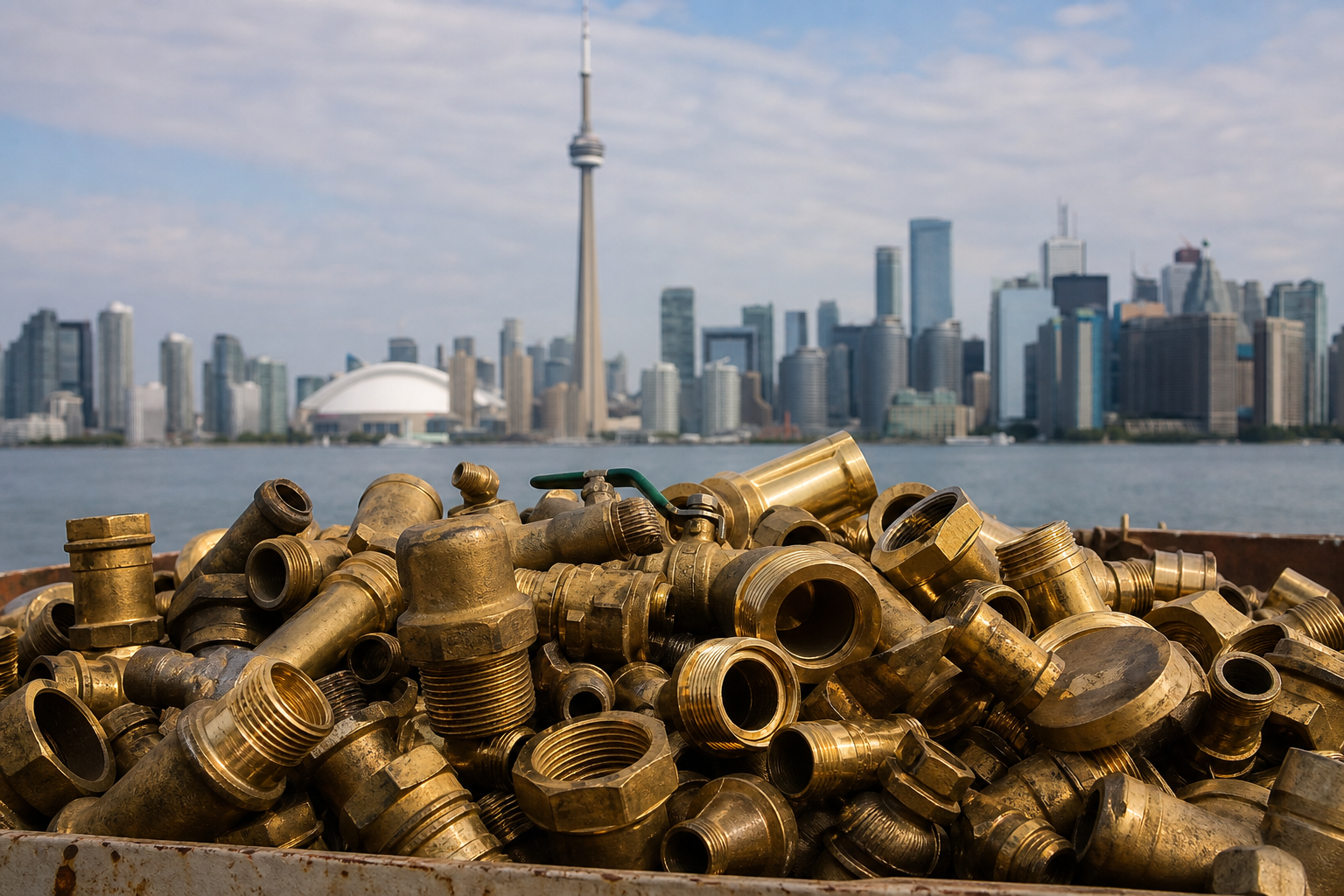
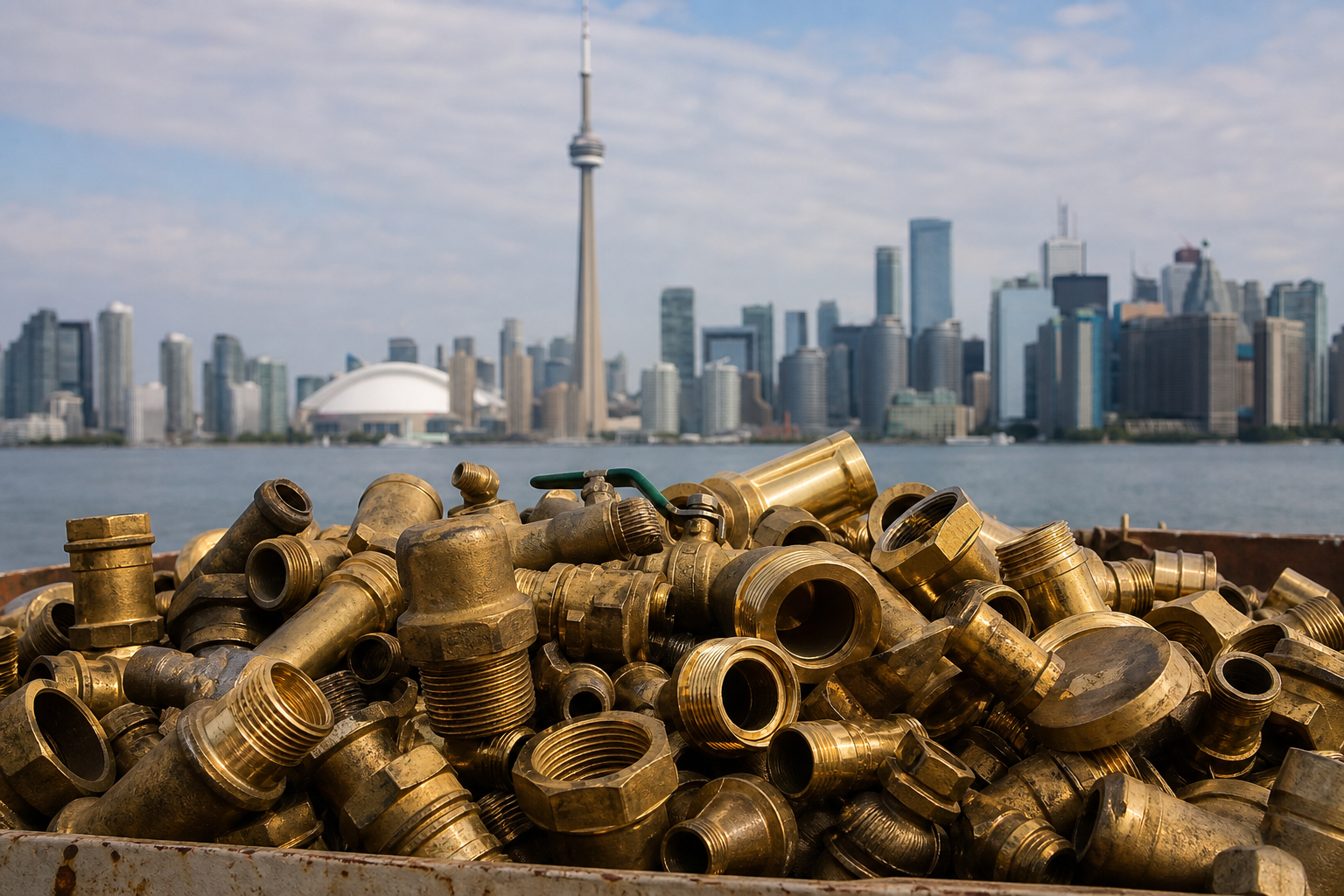
scrap brass prices Toronto: how grades, prep, and timing affect your payout
If you’re searching for scrap brass prices Toronto sellers can expect, you’ll quickly notice there isn’t a single fixed number. Brass is a family of copper–zinc alloys that shows up in plumbing, electrical, and decorative hardware—and its value varies day to day. This guide explains what actually drives brass pricing, how grades and contamination change offers, practical ways to prepare material before you sell, and what to bring when you visit a local yard.
What sets brass scrap prices
Most yards base brass pricing on broader non‑ferrous markets and the expected recovery value once material is cleaned, processed, and moved downstream. While you won’t see an identical rate everywhere, the same core inputs shape offers:
- Underlying metal markets: Because brass is largely copper plus zinc, pricing tracks the value of those metals. When copper benchmarks are higher, brass commonly follows.
- Grade and purity: Cleaner, higher‑copper brass grades (for example, yellow plumbing brass) tend to fetch better offers than mixed or contaminated loads.
- Contamination and attachments: Steel screws, valves with rubber or plastic, solder, paint, and oil all reduce recovery and may push material into a lower category.
- Volume and consistency: Larger, well‑sorted loads are easier to scale and ship, which can help you receive stronger per‑pound offers than a small, mixed pail.
- Preparation effort required: If a yard needs to spend additional time removing fittings, draining fluids, or separating metals, expect a lower buy price to cover that work.
- Local logistics: Freight, handling, and downstream mill schedules affect how aggressively a buyer can price on a given day.
Because these inputs move, quotes are typically “today’s price” and can change without notice. Calling ahead with an accurate description of your brass helps you avoid surprises at the scale.
Common brass grades and why they matter
Buyers group brass into categories that reflect copper content and expected effort to process. Names can vary slightly by yard, but these buckets are widely recognized:
- Yellow brass (clean): Typical plumbing fixtures, valves, and faucet bodies without steel, rubber, or heavy solder. Often commands a premium within brass categories.
- Yellow brass (dirty/mixed): Similar items with attachments, seized screws, or visible contamination. Expect a deduction versus clean yellow brass.
- Red brass: Redder tone due to higher copper content; includes some older valves, pump housings, and industrial fittings. Clean pieces can price above yellow brass.
- Cartridge brass: Often thin‑wall yellow brass from spent casings (unfired casings and live primers are not accepted at many yards). Clean, de‑primed, and free of steel or dirt generally improves offers.
- Brass turnings/borings: Machine shop shavings. Because they trap oils and fine debris and are harder to handle, turnings price below solid brass.
- Bronze vs. brass: Some items that look like brass are actually bronze (copper‑tin). Yards may price bronze differently; keep it separate if identified.
When in doubt, separate anything you suspect is a different alloy. Mixed bins push everything to the lowest common denominator.
Prepping brass for better offers
Thoughtful prep can move your material up a grade and reduce deductions. A simple workflow:
- Sort by type: Keep yellow brass, red brass, cartridge brass, and turnings in separate containers.
- Remove non‑brass attachments: Back out accessible steel screws, cut off steel or aluminum fittings, and peel off obvious rubber or plastic handles and gaskets.
- Trim solder where practical: Heavy solder blobs on fittings add weight without value; trimming can improve your net brass percentage.
- Drain fluids completely: Valves and pump bodies may hold oil or water. Fluids add weight but create disposal costs; they also trigger safety concerns.
- Keep turnings clean and dry: Store chips indoors in sealed drums or bins lined with absorbent pads to limit oil saturation and moisture pickup.
- Avoid paint and scale when possible: Stripping thick coatings is optional, but fewer coatings usually means better pricing.
Safety first: Wear cut‑resistant gloves and eye protection. Use hand tools instead of power cutting where sparks or flying chips could be a hazard, and never heat components to remove fittings.
Identifying brass versus lookalikes
Correct identification keeps you from accidentally downgrading high‑value items or mixing in lower‑value metals. Quick checks:
- Color and fracture: Freshly filed brass shows a yellow‑gold color; red brass trends more coppery. Aluminum is silvery; bronze can appear darker and browner.
- Magnet test: Solid brass is non‑magnetic. If a magnet sticks, you likely have steel or a brass‑plated steel part.
- Weight and ring: Brass feels heavy for its size and makes a duller ring than steel when tapped.
- Threaded fittings: Many household valves and faucet bodies are brass; stainless and zinc die‑cast are common lookalikes—file a small spot to check color.
When pieces are mixed materials—like brass‑on‑steel components—separate them if removal is safe and straightforward. Otherwise, let the buyer grade them as mixed brass.
Estimating weight and value safely
While you won’t know the exact payout until your load is graded and weighed on a certified scale, you can build a ballpark estimate:
- Weigh by container: Use a bathroom or luggage scale. Weigh the empty bin first (tare), then the full bin; subtract tare to get net brass weight.
- Use conservative pricing bands: Because rates fluctuate, plug in a low‑to‑mid estimate for each grade to set expectations and avoid disappointment.
- Account for downgrades: If you’re unsure about attachments or coatings, apply a small deduction in your estimate.
Present your brass sorted and labeled. Clear organization speeds up grading and helps you discuss any differences transparently at the scale.
Timing your sale and tracking the market
Because brass reflects broader copper and zinc trends, timing can influence your payout. You don’t need to trade commodities to make practical timing choices:
- Batch material: Accumulating enough clean, single‑grade brass to fill sturdy bins can improve your per‑pound pricing power versus multiple small trips.
- Check recent quotes: A quick same‑day call before you load up helps confirm current buy interest and the expected spread between grades.
- Avoid weather exposure: Keep brass dry; wet loads can raise safety concerns and may be discounted.
Remember that “chasing the peak” can backfire if storage space is tight or you risk mixing and contamination over time. For most sellers, steady batching and good prep offer more reliable gains than waiting for a perfect day.
Where you’ll find brass around the house
Brass hides in plain sight. Typical sources include:
- Plumbing hardware: Shut‑off valves, faucet bodies, hose splitters, PEX adapters, compression fittings.
- Electrical and mechanical: Some lamp bases, musical instrument parts, clock components, small pump housings.
- Decorative hardware: Door knobs, hinges, drawer pulls, coat hooks, fireplace accessories.
- Outdoor gear: Garden nozzles, sprinklers, boat hardware (often alloyed to resist corrosion).
- Shop scrap: Machined offcuts, bar ends, and turnings from hobby or professional projects.
Test suspect pieces with a magnet and file a discreet spot to confirm color. Keep questionable items aside to prevent downgrading your clean bin.
Selling checklist: what to bring
Arriving prepared makes your visit smoother and helps you receive an accurate grade and weight:
- Sorted brass: Separate bins for yellow brass, red brass, cartridge brass, and turnings.
- Clean containers: Lidded totes, pails, or drums for easy handling; avoid bags that tear.
- Basic tools: Screwdriver, adjustable wrench, and side cutters to remove last‑minute attachments.
- Protective gear: Gloves and closed‑toe shoes; eye protection if you plan to do any on‑site removal.
- Accurate description: A short list of what you have and estimated weights by grade for quicker quoting.
If you also plan to recycle other metals or electronics, keep each material type isolated to speed up intake and grading.
Avoiding common mistakes
Small oversights can cost real money. Watch for these pitfalls:
- Mixing alloys: Tossing bronze or plated steel into a brass bin can push the whole lot to a lower category.
- Leaving heavy attachments: Steel stems and handles add weight you won’t be paid for.
- Delivering wet or oily material: Moisture and oil increase handling costs and can trigger safety issues.
- Forgetting ferrous fasteners: A two‑minute pass with a magnet can lift out stray screws and clips.
- Skipping pre‑call: A quick check on current intake for your specific grades reduces surprises when you arrive.
FAQ: scrap brass prices Toronto
Why do brass prices change so often?
Brass is tied to copper and zinc markets, which react to supply, demand, and macroeconomic news. Yards adjust buy prices to reflect the current value they can recover after processing and shipping. Because of this, today’s quote may differ from last week’s even if your material is identical.
What’s the best way to get a current price for my brass?
Sort material by grade, note estimated weights, and call a local scrap yard the same day you plan to sell. Provide specific details—clean yellow brass valves vs. mixed fittings vs. turnings—so the quote reflects what you actually have. Final pricing is confirmed after on‑site grading and scale weight.
How clean does brass need to be?
“Clean” in this context means free of steel, rubber, plastic, heavy solder, and fluids. Cosmetic dirt is usually fine. The less work required to process your items, the closer you’ll land to top‑of‑category brass pricing.
Can I bring brass attached to other metals?
Yes, but expect a lower category if attachments remain. Removing accessible steel screws and non‑metal parts typically pays off. If separation is unsafe or time‑consuming, bring it as mixed brass and ask the yard to grade accordingly.
Do small quantities still make sense to sell?
Yes—brass retains good value per pound compared with many household metals. However, you may net more by batching a few trips into one well‑sorted visit, especially if you spend time preparing material.