
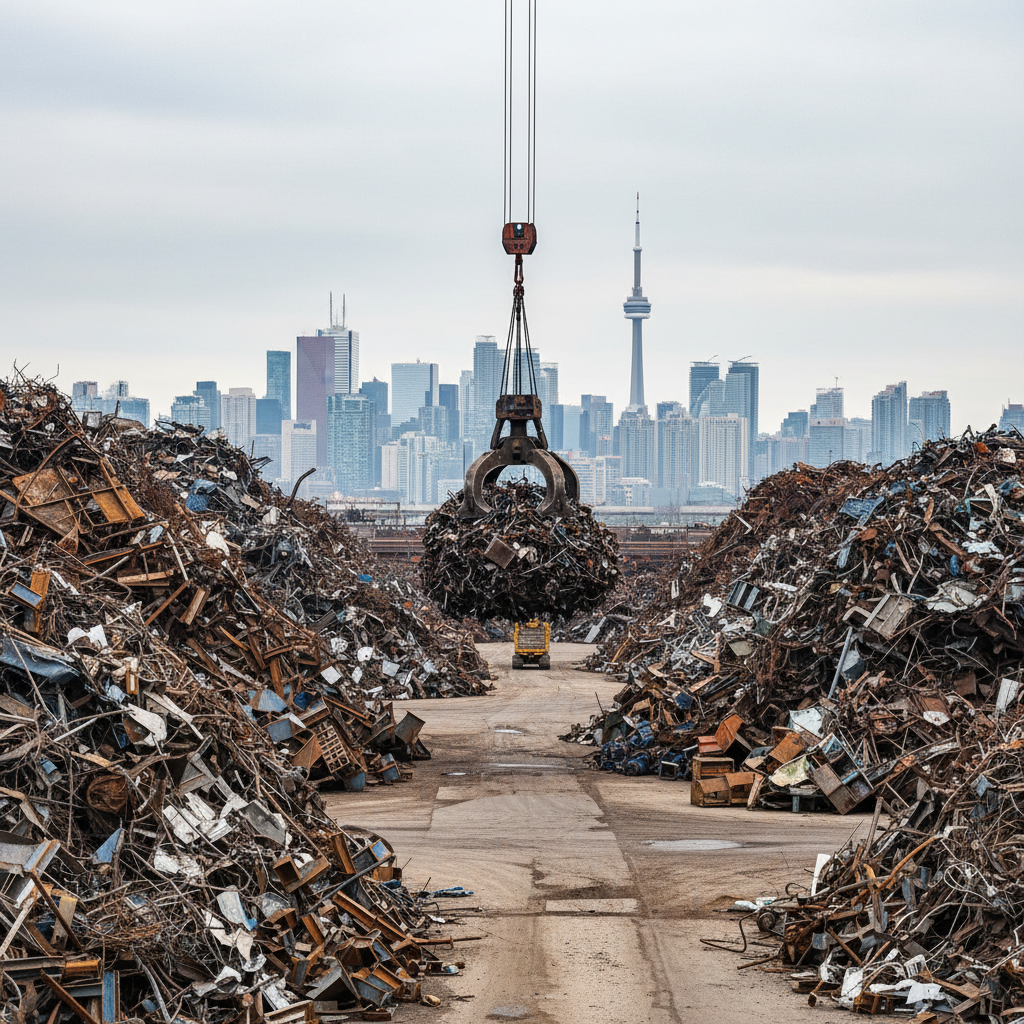
The price of steel per pound is the weight-based rate scrap yards apply after inspecting your load for grade, cleanliness, and safety. At Quick Scrap Metal, 407 Rexdale Blvd in Etobicoke, we categorize your ferrous scrap, weigh it on certified scales, and pay a market-aligned per‑pound rate—without listing specific numbers in this guide.
By Preet Dass • Last updated: 2026-04-27
Above the Fold: Steel Price per Pound at a Glance
Steel per‑pound pricing depends on grade (HMS, P&S, cast, rotors, shred), preparation (clean vs. mixed), and current market conditions. Clean, sorted, safe loads move faster through intake and typically qualify for stronger categories than mixed or contaminated steel—protecting your payout without publishing any specific dollar figures.
If you’re cleaning out a garage, wrapping a demolition job, or consolidating shop offcuts, understanding per‑pound pricing helps you plan drop‑offs and keep value in your pocket. We’ll show you how we evaluate loads, what raises or lowers a category, and how to prep steel so it scales cleanly and efficiently.
Quick Summary
Steel’s per‑pound rate is a category-based payout for your net weight after inspection. Sort grades, remove contaminants, and keep loads dry. These simple moves improve category, speed unloading, and protect what you take home from the scale.
- Per‑pound is applied to net weight after certified scale readings.
- Category matters: P&S, heavy melt, rotors, cast, shred/tin, and more.
- Clean, dry, and sorted steel typically earns stronger categories.
- Prep saves time on site and keeps yard queues moving.
- Local tip: plan Etobicoke drop‑offs around neighborhood traffic patterns.
Local considerations for Etobicoke
- Expect weekend congestion near Woodbine Mall & Fantasy Fair; off‑peak trips can reduce wait times at the yard.
- In winter, moisture and ice add weight; drip‑dry steel to avoid adjustments tied to excess water.
- Working across the GTA? Consolidate ferrous first; our HWY 27 & Rexdale location streamlines quick turnarounds.
What Is the Price of Steel per Pound?
The price of steel per pound is a variable, category-based rate applied to your scrap steel’s net weight. Yards grade your material, weigh it on certified scales, and pay the per‑pound rate for that category—there is no single number that fits every load.
“Per‑pound” is how scrap yards translate weight into value for ferrous metals once your steel is graded. Because loads vary—from thick beams and plate to thin appliances and mixed tin—the category assigned to your steel dictates the applicable rate, not a universal figure.
- Ferrous check: a simple magnet confirms steel or iron.
- Categories include heavy melt (HMS), plate & structural (P&S), cast, rotors, and shred/tin.
- Condition counts: coatings, rubber, plastic, wood, dirt, or fluids can lower category.
- Certified scales capture gross and tare to compute net steel weight.
Density provides helpful context for packing: common carbon steel is about 7.85 g/cm³ (roughly 490 lb/ft³). That means bulky items like rotors and beams weigh more than they appear. Cutting long pieces improves safety, handling, and packing efficiency for transport and unloading.
Why the Steel Price per Pound Matters in Etobicoke and Toronto
Per‑pound steel pricing affects what homeowners, contractors, and businesses in Etobicoke and the Toronto metro actually earn at the scale. When you understand categories and prep, you convert cleanup work into repeatable returns while supporting the local recycling loop.
For homeowners, decluttering often mixes light-gauge items with denser pieces. Sorting improves category and speeds unloading. Trades and small contractors can separate plate, beams, rotors, and cast to avoid mixed downgrades. Businesses benefit from scheduled drop‑offs that keep back‑of‑house clear and safe.
- Homeowners: bundle ferrous appliances and fixtures together for smoother intake.
- Contractors: keep rotors, cast iron, and P&S separate; avoid wire tangled in steel.
- Businesses: standardize pallets/bins and set a recurring drop‑off rhythm.
Steel recycling conserves raw materials and reduces energy demand compared to primary production; ferrous scrap is a key input for electric-arc furnaces. Market conditions rise and fall, but cleanliness, safety, and organization are controllable levers that stabilize outcomes on each trip.
For step‑by‑step tactics, see our in‑depth guide to getting the best price for scrap metal in Etobicoke. It complements this steel‑specific guide with practical yard tips.
How Per‑Pound Steel Pricing Works (Inspection to Payout)
Yards inspect your steel, assign a category, weigh your vehicle and load on certified scales, and apply the per‑pound rate to your net weight. Clean, sorted material typically earns stronger categories and moves faster through intake and payment.
- Arrival and safety check: PPE on; load secured; no hazardous items or pressurized cylinders.
- Quick grading: Magnet test and visual check for thickness, coatings, and attachments.
- Weigh‑in: Gross vehicle weight recorded on certified equipment.
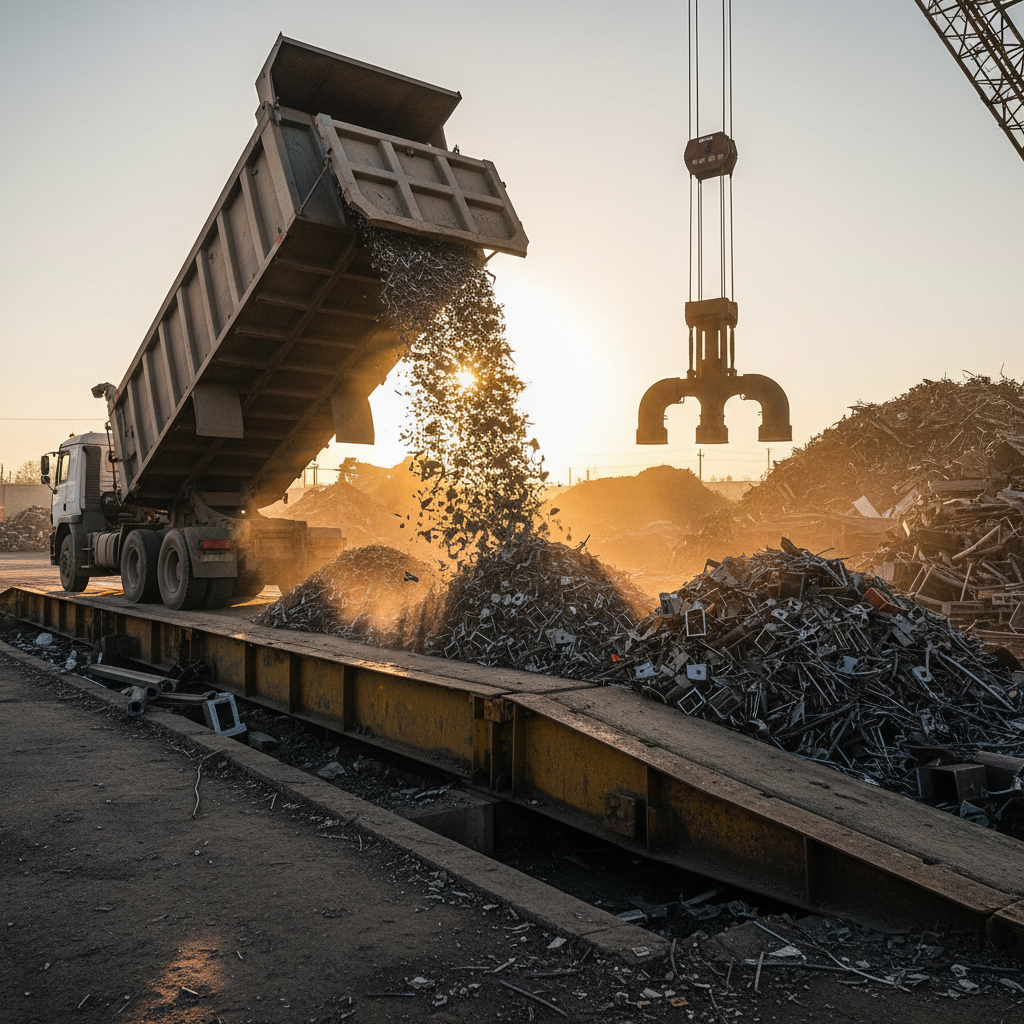
- Directed unloading: Use designated bay; magnet, grapple, or forklift aids handling.
- Weigh‑out: Tare weight captured to compute net steel weight.
- Category applied: P&S, HMS, cast, rotors, shred/tin—based on observed criteria.
- Ticket and payout: Transaction documented; you’re paid accordingly.
| Step | Your Role | Our Role | Why It Matters |
|---|---|---|---|
| Sort & prep | Separate P&S, HMS, cast, rotors | Advise and direct unloading | Cleaner steel supports stronger categories |
| Weigh | Follow scale signals | Record gross/tare on certified scales | Accurate net protects your payout |
| Unload | Use assigned bay safely | Operate magnet/grapple/forklift | Speed and safety reduce downtime |
| Categorize | Keep grades separate | Apply correct per‑pound category | Right category = fair, market‑aligned rate |
Pro tip: If you also have non‑ferrous (copper, aluminum, brass), keep it separate for a dedicated ticket. Our team buys both, but mixing materials can slow intake and risk a downgrade on your ferrous category.
Steel Grades and Forms That Affect Per‑Pound Value
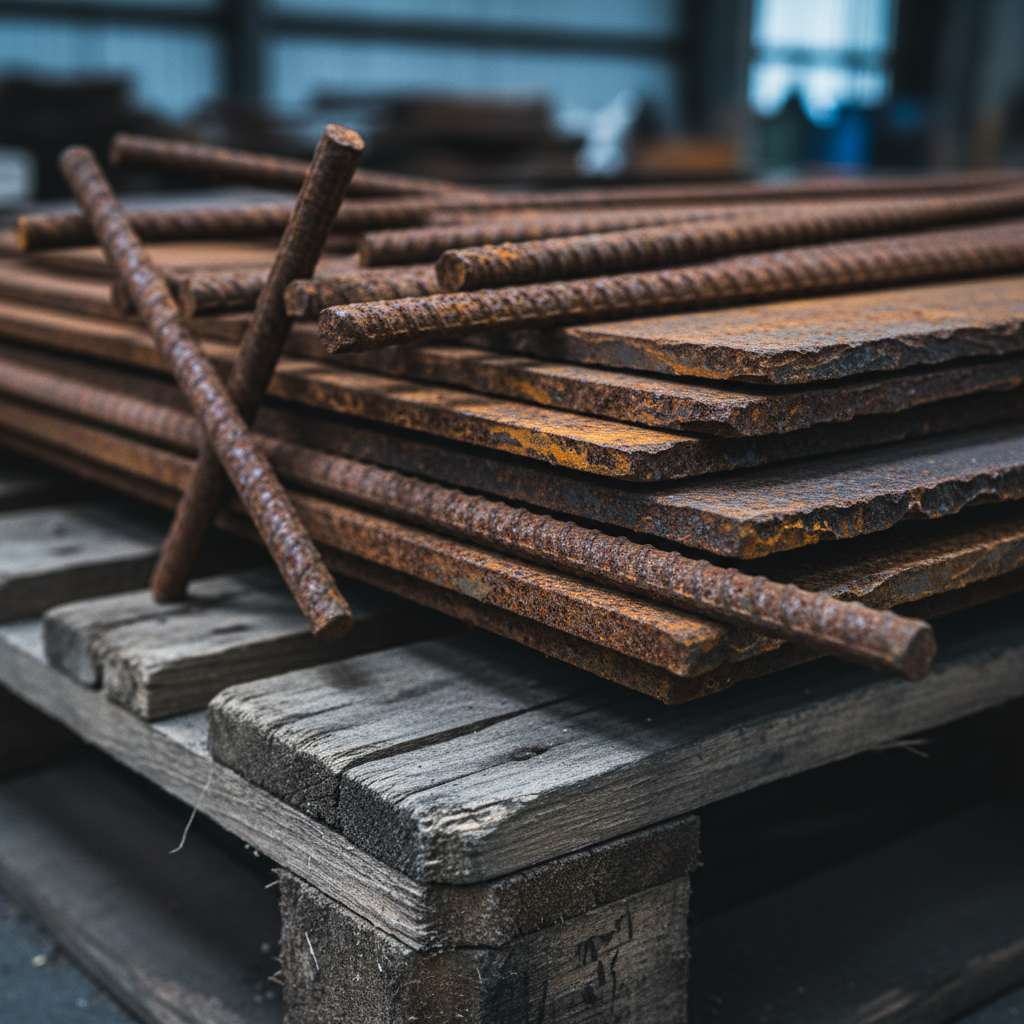
Steel value changes with grade and form. Heavy melt, plate & structural, cast, rotors, and shred/tin are common categories. Clean, uncoated, and sorted pieces usually qualify for stronger categories than mixed, thin, or contaminated steel.
Different steel forms carry different handling and melt characteristics. Keeping similar materials together helps confirm the correct category and streamlines unloading. Below are typical ferrous categories you’ll encounter when selling into a scrap yard like ours.
- Heavy Melt (HMS): Thick demolition steel, machinery parts, heavy plate.
- Plate & Structural (P&S): Beams, channels, and structural plate from construction.
- Cast Iron: Engine blocks, radiators, grills—dense but must be drained and safe.
- Rotors & Drums: Automotive brake components—very dense, easy to weigh.
- Shred/Tin: Light-gauge appliances, shelving, mixed thin steel.
| Grade | Typical Sources | Prep Steps | Impact on Category |
|---|---|---|---|
| P&S | Beams, channels, plate | Cut to manageable lengths | Often stronger than mixed shred |
| HMS | Demolition pieces, machinery | Remove attached non‑metal | Higher than thin sheet/tin |
| Cast | Engine blocks, radiators | Drain fluids; keep separate | Consistent dense material |
| Rotors | Automotive brakes | De‑grease; no pads | High density per cubic foot |
| Shred/Tin | Appliances, shelving | Remove plastics/cords | Category improves when clean |
If you’re sorting related ferrous items, our quick primers on the cast iron price per pound and radiator scrap price can help you plan multi‑material drop‑offs without clogging your trailer with mixed grades.
Best Practices to Maximize Your Steel Payout
You keep more value by sorting grades, removing contaminants, and loading for quick, safe unloading. Keep loads dry, cut long pieces, and separate non‑ferrous. These simple steps improve category and reduce on‑site time.
- Sort by grade: P&S, HMS, rotors, and cast in separate bins, bags, or pallets.
- Strip non‑metal: Remove wood, plastic, rubber, fabric, and cords.
- Drain and dry: No oils or fluids; keep loads covered in wet weather.
- Bundle smart: Cut rebar and beams; avoid tangled wire in ferrous piles.
- Secure transport: Use straps/chains; flag long overhangs.
- Plan timing: Avoid peak traffic when possible; keep paperwork ready.
Real‑world example: An Etobicoke contractor brought two loads from a renovation: one with cut beams and plate, and one with bagged rotors. Both unloaded in minutes, the categories were clear, and the workflow kept other customers moving—everyone wins when prep is done right.
Looking to optimize every trip? Our practical walkthrough on how to sell iron scrap in Etobicoke covers safe loading, routing, and site etiquette.
Tools and Resources for Smarter Steel Drop‑Offs
A magnet, bolt cutters, gloves, eye protection, and a simple sorting plan go a long way. Add a portable scale or known weights to estimate load mix, and lean on reputable industry resources to understand steel forms and safe handling.
- Magnet: Fast ferrous check to separate from non‑ferrous.
- Bolt cutters/recip saw: Cut rebar and trim long stock to fit.
- Safety gear: Gloves, eye protection, and steel‑toe boots.
- Portable scale: Sanity‑check your estimates before transport.
For structural context, framing systems influence how steel is cut, handled, and recycled. When construction uses reinforcing steel, Dass Rebar’s overview of rebar shows how bar sizes and coatings affect use and, later, disassembly. In interior builds, steel studs in the GTA are thin gauge—important when you’re separating light-gauge scrap from plate and structural.
Case Studies: Real‑World Steel Loads
Clean, sorted, and safe loads move faster and usually qualify for stronger categories. These brief scenarios show how small prep choices translate into smoother drop‑offs and better per‑pound outcomes.
Homeowner cleanout
- Materials: Shelving, bed frames, BBQ frame, old tools, tin panels.
- Prep: Removed plastics/textiles; grouped light gauge separately.
- Outcome: Straightforward unload; light steel categorized properly without mixed downgrades.
Contractor demo
- Materials: Beams, plate, rebar, rotors from a shop renovation.
- Prep: Beams cut to fit; rotors in a dedicated bin; no wire mixed with steel.
- Outcome: Structural pieces categorized above shred; dense rotors weighed efficiently.
Automotive batch
- Materials: Rotors, drained engines, transmissions, steel rims (aluminum separated).
- Prep: Cast iron stored apart; non‑ferrous on a separate ticket.
- Outcome: Ferrous categorized cleanly; non‑ferrous processed quickly.
Have electronics too? We accept e‑waste alongside ferrous loads. See our guidance on how to recycle old electronics so you can plan a single, efficient run.
Frequently Asked Questions
These answers clarify how yards evaluate steel, what you can do to prepare, and how to move through intake quickly—without listing any specific prices.
What determines the steel rate per pound?
Grade, cleanliness, and current market demand set the per‑pound rate. Yards inspect for coatings, attachments, and hazards, then weigh your load on certified scales and apply the appropriate category for your steel.
How can I speed up my drop‑off?
Sort steel by grade, remove obvious non‑metal, drain fluids, and secure your load. Bring ID and follow yard signals. Clean, organized loads usually unload and process in fewer steps.
Do appliances count as steel?
Most appliance shells are light‑gauge steel. Cords, plastics, and insulation must be removed for clean steel categories. Keep motors and non‑ferrous parts separate so each material can be graded correctly.
Will wet or icy steel affect my payout?
Moisture adds weight and can lead to adjustments or category changes. Whenever possible, store steel under cover and let it drip‑dry before weighing to protect the integrity of your net weight.
Conclusion and Next Steps
Understand categories, prep for clean weight, and plan your route. Those three moves protect your per‑pound steel value and speed up your time at the yard—turning cleanup days into repeatable wins.
- Know your grades: P&S, HMS, cast, rotors, shred/tin.
- Prep smart: remove contaminants, cut long pieces, keep loads dry.
- Arrive ready: PPE, ID, and a simple sorting plan.
Key takeaways
- There isn’t one universal number; category and condition drive the rate.
- Sorting and cleanliness protect category—and your final payout.
- Safe, efficient unloading keeps lines short and jobs productive.
Ready for a smooth drop‑off? Bring your ferrous scrap to Quick Scrap Metal, 407 Rexdale Blvd in Etobicoke. We buy steel, cast iron, rotors, appliances, and more—with fast, friendly intake from a local team that recycles responsibly.