One-sentence definition and why it matters locally
To buy and sell scrap metal means individuals, contractors, or businesses deliver metal items to a licensed scrap yard where materials are inspected, weighed, graded and exchanged for cash or another agreed payment; yards then aggregate and sell material to downstream processors. Locally, this converts unwanted metal and e-waste into cash, diverts bulky items from landfill, and supports recycling across Etobicoke and the Greater Toronto Area. Quick Scrap Metal lists its Etobicoke location and services on its website, including on-the-spot payouts and a broad list of accepted materials.
What materials local yards typically buy and sell
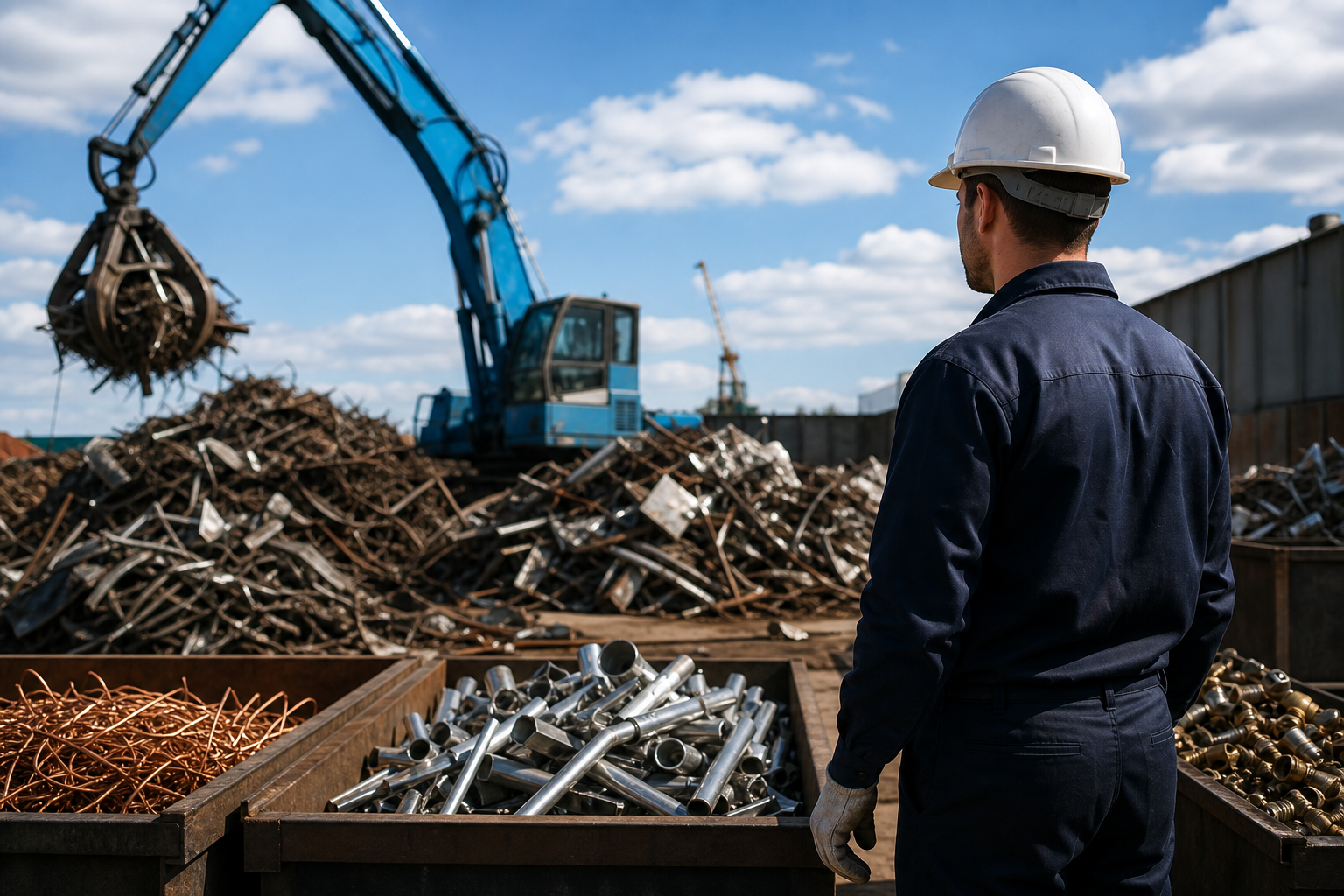
Yards accept a mix of ferrous and non-ferrous metals plus appliances and electronic waste. Common items include copper, aluminum, steel, brass, nickel, stainless steel, household appliances and electronics such as computers and televisions. For steel-specific requirements, see the yard’s sell steel scrap page.
Ferrous versus non-ferrous: why the difference matters
Ferrous metals contain iron and are magnetic; they include steel and cast iron. Non-ferrous metals do not contain iron and are typically more valuable per kilogram; examples include copper, aluminum and brass. Buyers separate these groups because they have different downstream uses and market values, and grading affects the payout you receive.
Appliances and e-waste: extra steps and environmental rules
Appliances and electronics contain recoverable metals but often require special handling. Refrigerants, oils and certain batteries must be recovered or declared, and printed circuit boards and batteries in electronics need safe disposal. Yards that list appliance and e-waste services will explain any extra preparation or acceptance conditions on their website.
How pricing works in principle: market-based, material-specific payouts
Most yards base payouts on prevailing metal markets, local demand, material grade and cleanliness, and total weight. A final price is set after on-site inspection and weighing. Because commodity markets change, yards frequently quote prices at the point of sale rather than publishing a static per-pound list.
Why copper and aluminum often pay more
Non-ferrous metals such as copper and certain aluminum grades are in steady demand for electrical wiring, plumbing and manufacturing, so they usually command higher prices. Clean, segregated material is easier to resell and therefore more valuable.
Why contamination reduces value
Mixed-metal loads, painted parts, plastic trim or dirt increase processing costs. Buyers reduce offers to cover the effort of separation and cleaning, so sorting and removing non-metal contaminants before you arrive typically improves the amount you receive.
How to prepare common items for drop-off

Simple preparation steps speed transactions and often increase returns.
- Sort by type, separate ferrous from non-ferrous metals when possible.
- Bundle small pieces into boxes or tied bundles so they can be moved and weighed efficiently.
- Remove non-metal parts such as plastics, rubber, wood or nonmetal mounting hardware.
- Strip insulation from copper wire only when it is safe and legal to do so in your area.
- Drain fluids from engines, appliances and equipment; declare any refrigerants or oils—certified recovery may be required.
- Clear personal data from computers, phones and storage devices before recycling electronics.
For locally tailored tips and consumer guidance, check the yard’s customer pages on the Quick Scrap Metal website.
What to bring with you
Bring government-issued identification if required for payment records, secure transportation for your load, and any ownership paperwork for vehicles. For large or job-site collections, call ahead to confirm acceptance and whether an appointment or dock access is necessary.
Bulky items and scrap cars: drop-off versus pickup
Yards typically offer in-yard drop-off or arranged pickup for bulky items and vehicles. Quick Scrap Metal lists household scrap removal and scrap car drop-off or pickup among its services, so you can either deliver large items to their Etobicoke site or request a collection depending on availability.
When to book a pickup
Book a pickup when loads are too heavy or awkward to move safely, or when you have multiple appliances or vehicles. Pickups usually require scheduling and additional paperwork, so allow extra time.
How scrap car removal typically works
For vehicles, yards will ask for proof of ownership, the keys and a signed release. Vehicles are inspected for fluids and hazardous components before payment. The yard will confirm whether they will tow the vehicle or whether you must deliver it to the site.
Six-item decision checklist for choosing a local yard in Etobicoke or the GTA
Use this checklist to compare yards before you visit.
- Proximity and hours, choose a yard that is easy to reach and open when you can visit. Quick Scrap Metal operates at 407 Rexdale Blvd and advertises extended weekday hours and Sunday availability.
- Accepted materials, verify the yard accepts your specific metals, appliances or electronics, and check for any items that require special handling.
- Pricing transparency, ask how quotes are calculated and whether the price is set on-site after weighing and inspection.
- Payment method and timing, confirm whether the yard pays cash on the spot, bank transfer or another method, and whether payment is immediate.
- Environmental handling, confirm how refrigerants, batteries and e-waste are processed to ensure responsible recycling.
- Reputation and reviews, read recent customer feedback and any local Q&A pages to learn about common issues to expect.
Questions to ask and warning signs to watch for before you sell

Ask these direct questions to know what to expect and avoid surprises.
- Which materials do you accept and how are they graded?
- How do you weigh loads and will I receive a printed ticket showing weight and price?
- Are prices posted online or quoted on site, and how often do they change?
- Do you handle refrigerant recovery or hazardous components from appliances?
- What identification or paperwork is required for cars or large pickups?
Common warning signs include evasive answers about pricing, refusal to provide a written ticket, unclear payment timing and consistently poor site organisation. If any answers are vague, call the yard back for clarification or consider a different buyer.
Local logistics and next steps: where to go in Etobicoke
If you are ready to act, Quick Scrap Metal operates a convenient Etobicoke location at 407 Rexdale Blvd, serving Etobicoke, Toronto, Mississauga, Brampton and the GTA. Check the Quick Scrap Metal website for accepted materials, pickup options and current hours, or call ahead to confirm any appointment requirements. For steel-specific preparation tips, consult the sell steel scrap page on the same site.
Frequently asked questions
What does ‘buy and sell scrap metal’ mean and how does it work locally?
It means people and businesses bring metal items to a scrap yard where materials are weighed, graded and purchased for resale to processors. Locally, an Etobicoke yard buys a wide range of metals and may offer on-the-spot payouts after inspection and weighing.
Which materials can I bring to a yard in Etobicoke and how should I prepare them?
Bring separated ferrous and non-ferrous metals, bundled small pieces, appliances drained of fluids and electronics with personal data removed. Remove obvious non-metal contaminants and secure small parts into boxes to speed processing.
How are scrap metal prices determined and why do rates change?
Prices reflect global and local commodity markets, material grade, contamination and weight. Yards inspect and weigh loads on site and set the final payout. Because markets move, expect prices to be quoted at the time of sale rather than fixed permanently.
Do yards accept old appliances, TVs and printed circuit boards in Toronto?
Many yards accept appliances and e-waste, but these items often need special handling for refrigerants, batteries and hazardous components. Confirm acceptance and any preparation requirements with the yard before you arrive.
What should I ask a scrap yard before I sell to avoid surprises?
Ask which materials they accept, how they grade and weigh loads, whether you will receive a written ticket, how you will be paid and how hazardous components are handled. If any answers are unclear, seek clarification or consider another buyer.
Final steps
Key takeaway: sort and prepare materials, confirm acceptance and hours with the yard, expect an on-site market-based quote, and insist on a written ticket and clear payment method. When you are ready, visit Quick Scrap Metal at 407 Rexdale Blvd or check their website for material details and pickup options.
Visit Quick Scrap Metal: the official website