
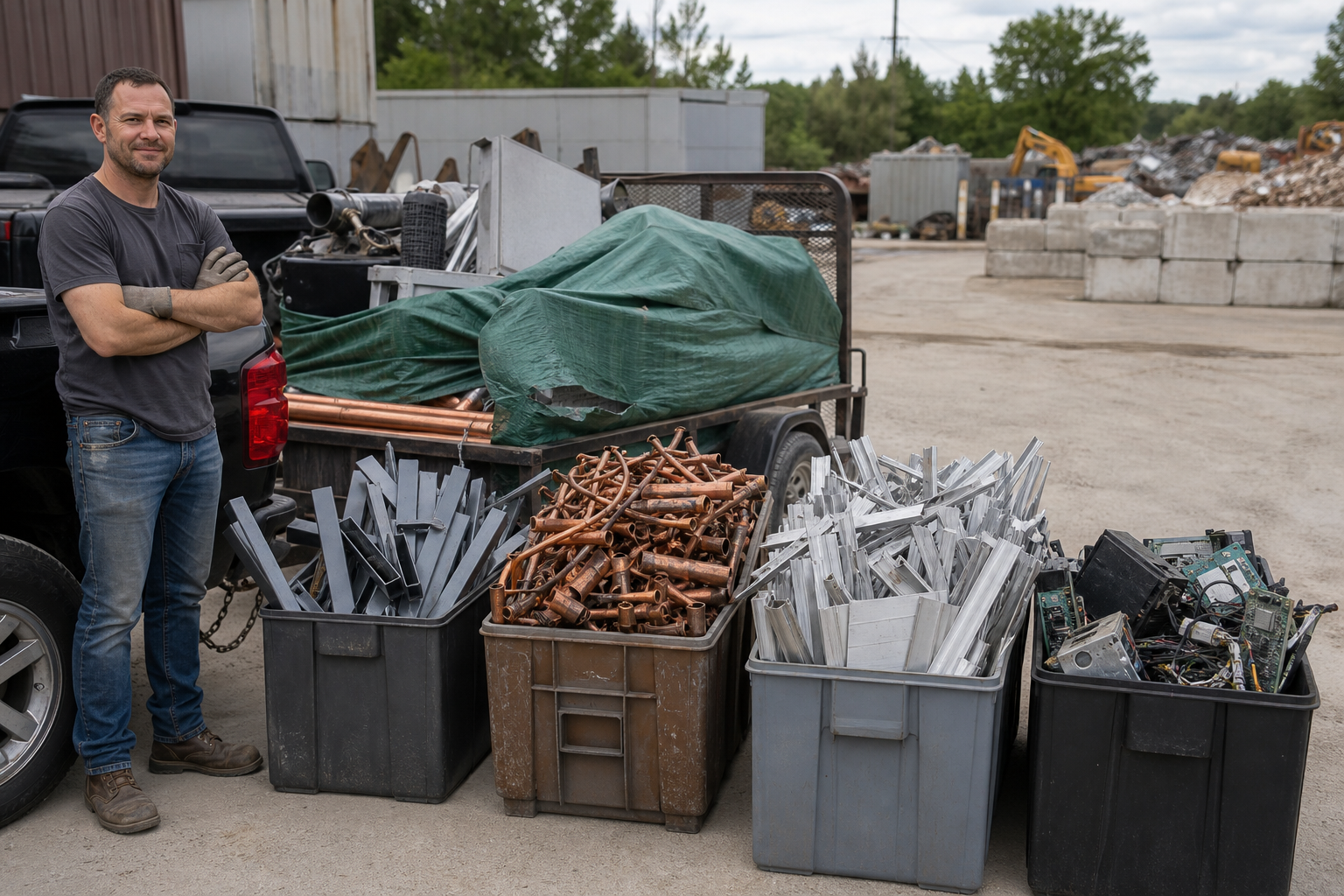
Prepare scrap metal by separating ferrous metals such as steel and cast iron from non-ferrous metals such as copper, aluminum, brass, and stainless steel. Remove loose, non-metal attachments only when practical, keep appliances, electronics, batteries, and fluid-containing equipment intact unless instructed otherwise, then organize the load before taking it to Quick Scrap Metal at 407 Rexdale Blvd in Etobicoke. Related reading: Prepare yard sod installation diy or hire pro mississauga.
The most useful preparation decision is material-specific: sort each category according to what it is, what is attached to it, and whether it contains batteries, fluids, or sealed components. Quick Scrap Metal handles qualifying scrap metal, appliances, electronics, and e-waste, so one organized trip may cover several material types.
1. Identify what you have before touching the pile
Start with a simple inventory instead of trying to value every item immediately. Group materials by type and form so you can see which items belong together and which need separate confirmation.
- Ferrous metal: Steel frames, tools, plate, cast iron, rotors, and many appliance shells.
- Non-ferrous metal: Copper pipe and wire, aluminum cans and siding, brass fittings, bronze parts, and stainless steel.
- Mixed assemblies: Motors, radiators, cable, appliances, electronics, and parts with metal joined to plastic or rubber.
- Special items: Batteries, sealed equipment, fluid-containing parts, unknown alloys, and anything damaged or leaking.
Scrap value depends on metal type, grade, weight, preparation, condition, and current market demand. Review this scrap price guide for Etobicoke to understand why two items that look similar may be evaluated differently.
2. Sort ferrous and non-ferrous metals separately

Separate magnetic ferrous metals from generally non-magnetic non-ferrous metals before loading. A magnet is a useful first clue, but it cannot identify every alloy or prove the grade of stainless steel.
- Place strongly magnetic steel and cast iron in one group.
- Set copper, aluminum, brass, bronze, and likely stainless steel aside for closer sorting.
- Separate wire, cable, radiators, motors, and mixed assemblies from clean solid pieces.
- Keep uncertain items in a clearly marked box instead of blending them into a known category.
| Material | Examples | Preparation decision |
|---|---|---|
| Steel and iron | Frames, tools, plate, cast iron, rotors, appliances | Keep heavy steel together and separate obvious non-metal attachments where practical. |
| Copper | Pipe, bare wire, insulated wire, fittings | Separate clean copper, insulated wire, and mixed assemblies. |
| Aluminum | Cans, siding, extrusion, frames | Keep it apart from steel and separate loose plastic or rubber where practical. |
| Brass and bronze | Faucets, valves, fittings, bushings, bearings | Use separate labelled containers when you can identify each material. |
| Stainless steel | Sinks, kitchen equipment, appliances, fabricated parts | Keep it separate from ordinary steel where identifiable. A magnet cannot establish the grade. |
For heavy household or jobsite steel, review this guidance on steel scrap preparation before deciding whether steel pieces belong in a separate group.
3. Clean and detach only what is safe and worthwhile
The best preparation is selective, not extreme. Remove loose plastic, rubber, wood, cardboard, and accessible fasteners when doing so is straightforward, but stop if dismantling creates sharp, unstable, or contaminated pieces.
Keep material reasonably dry and free of obvious dirt, food residue, and loose rubbish. Do not dismantle sealed or fluid-containing equipment at home. Confirm the correct handling route for compressors, air conditioners, refrigerators, and other equipment with sealed or fluid-containing components.
A bronze example
If a renovation produces faucets, valves, bearings, or turnings, use labelled containers for bronze, brass, copper, and steel. Keep turnings separate from solid pieces because form, contamination, alloy family, weight, and market conditions can affect evaluation. This bronze preparation guide explains why an online figure is not a guaranteed local payout.
For wire, separate bare wire, insulated wire, and cable with fittings. Removing insulation is only worthwhile when the material and the work make that preparation practical.
4. Prepare special materials differently
Not every scrap item should follow the same preparation routine. Use the material category to decide what can be organized at home and what needs confirmation before travel.
| Item | Useful preparation | Boundary before travel |
|---|---|---|
| Appliances | Empty and clean them, secure loose parts, and keep them separate where possible. | Do not dismantle sealed or fluid-containing systems at home. Confirm handling first. |
| Electronics | Back up and remove personal data, gather cables, and protect screens. | Do not break displays or dismantle unfamiliar electronics. |
| Batteries | Keep them separate from ordinary scrap and identify the type if possible. | Do not open or modify a battery. Ask for handling instructions if it is damaged, leaking, swollen, or hot. |
| Wire and cable | Separate bare wire, insulated wire, and cable with fittings. | Do not use a preparation method that creates a new hazard. |
| Motors and compressors | Keep them intact and separate from clean metal parts. | Do not open sealed equipment or drain fluids at home. Confirm the route before travel. |
| Scrap cars | Remove personal belongings and describe whether the vehicle is complete, damaged, or non-running. | Confirm the vehicle route, documents, access, and availability first. |
Quick Scrap Metal handles metals, appliances, computers, televisions, peripherals, printed circuit boards, and other e-waste. Acceptance and payment can depend on the exact item and condition, so unusual or damaged materials deserve confirmation before departure.
5. Stop before preparation creates a new hazard
Do not open batteries, cut sealed systems, drain unknown fluids, or dismantle equipment that requires specialized handling. The useful stopping point is simple preparation that improves organization without exposing you to chemicals, sharp edges, unstable loads, or heavy components.
If an item is too heavy, damaged, leaking, or difficult to move safely, leave it intact and choose a handling route that does not require carrying it alone. Confirm the appropriate option before transporting it.
6. Build and secure the load for transport

Use labelled bins, strong boxes, totes, tarps, and straps to keep categories separate and prevent movement. Keep long, loose, sharp, fragile, and electronic items arranged so they cannot damage one another during transport.
For a hypothetical garage cleanout, use a covered bin for steel tools and brackets, a tote for aluminum and brass fixtures, a box for copper wire, and a protected section for electronics. A contractor with pipe, plate, wire, and appliance parts can use the same material-based arrangement, adding suitable restraint for long pieces.
A quick photograph of the organized load can help explain an unusual or mixed group of materials. This scrap-yard drop-off checklist can help you catch missing documents or items that need confirmation before departure.
7. Match the preparation method to the load
A manageable load can usually be organized for drop-off when its material groups are clear and the items can be moved without creating a handling problem. Bulky material, large quantities, damaged items, or equipment that cannot be moved safely may suit household removal or another arranged route better.
Quick Scrap Metal offers drop-off services and options for household scrap removal and scrap-car drop-off or pickup. For a larger household pile, compare the available routes in this Etobicoke scrap removal guide.
8. Confirm unusual items before leaving home
Confirm the route before travelling if the load includes an unusual alloy, bronze turnings, a sealed appliance, batteries, liquids, a large quantity, damaged electronics, a non-running vehicle, or material you cannot identify confidently.
Describe the material, approximate quantity, condition, dimensions, whether it is loose or attached, how it will arrive, and any access restrictions. Photos can help explain a mixed or unusual load.
A useful script is: “I have approximately [quantity] of [material]. It is [clean, mixed, attached, damaged, or leaking], and the largest piece is [dimension]. Can you confirm whether you handle it, whether drop-off is suitable, and what preparation or documents you require?”
9. Use this Etobicoke material-sorting checklist
- Identify the load by material and source.
- Separate ferrous steel and iron from non-ferrous metals.
- Keep wire, cable, radiators, motors, appliances, and mixed assemblies distinct.
- Remove only loose, accessible non-metal attachments that are practical to take off.
- Keep batteries, electronics, sealed equipment, and fluid-containing parts intact unless instructed otherwise.
- Separate fragile, wet, leaking, damaged, or unidentified items for confirmation.
- Use containers or suitable restraint to prevent loose material from shifting or damaging other categories.
- Confirm unusual materials, large quantities, vehicles, and pickup questions.
- Check current hours before leaving, especially around holidays.
Quick Scrap Metal’s published schedule is Monday through Friday from 8:00 AM to 7:00 PM, Saturday from 8:00 AM to 5:00 PM, and Sunday from 9:00 AM to 5:00 PM. Holiday hours can vary, so confirm the current schedule before travelling.
What happens after preparation?
After arrival, the yard receives the load, identifies material categories, considers condition and preparation, weighs or otherwise assesses the material, and determines the applicable transaction details. The result depends on the specific load, not just the metal name or an online estimate.
Recycling centers generally sort scrap into material streams so metals can be processed separately and unsuitable attachments handled appropriately. Your preparation helps by clarifying categories and reducing loose contamination.
A practical next step in Etobicoke
Once your scrap is sorted and contained, take a manageable load to Quick Scrap Metal or confirm whether another route fits bulky or unusual material. Review Quick Scrap Metal’s recycling services before travelling, and ask about anything containing a battery, fluid, sealed system, or unidentified alloy.