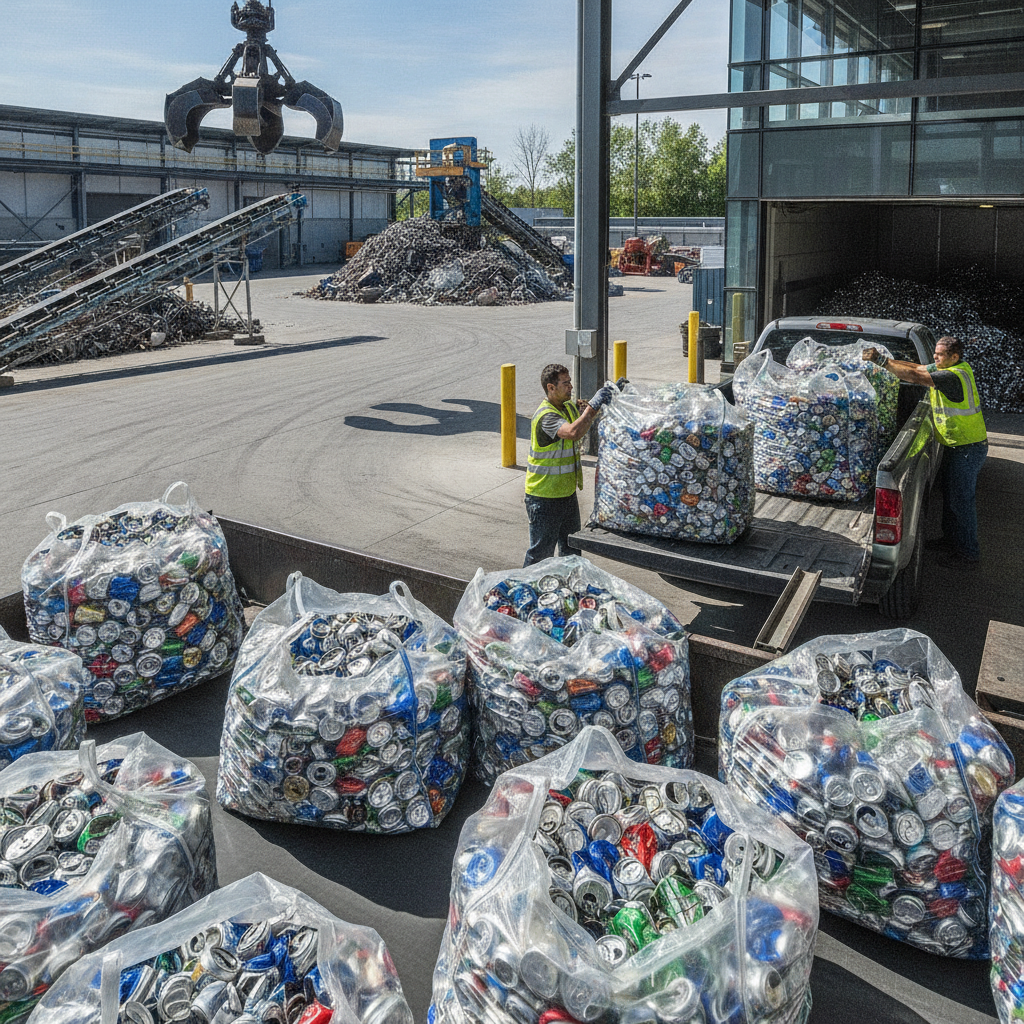
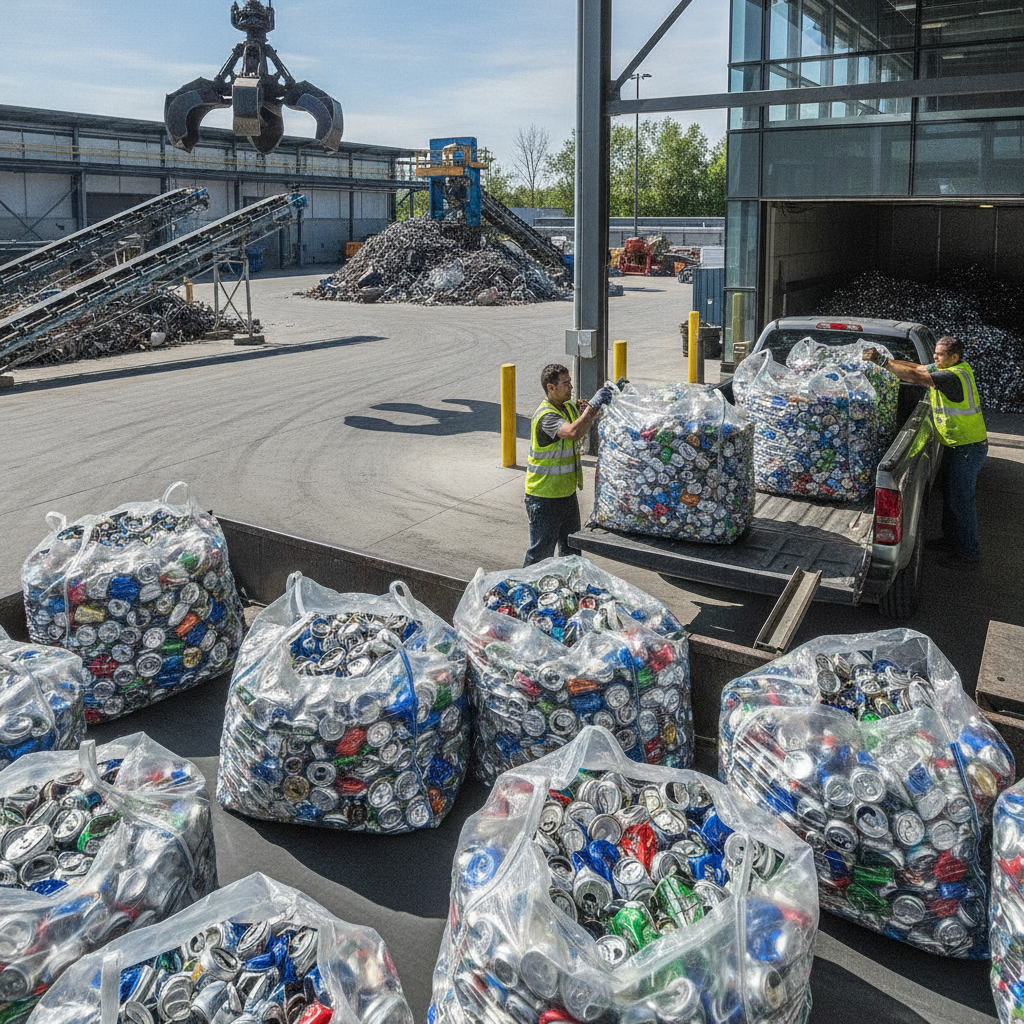
Aluminum can recycling is the collection, sorting, and remanufacturing of used beverage cans into new aluminum products. Most cans can return to store shelves in roughly two months, saving significant energy and keeping waste out of landfills. In Etobicoke, you can drop cans at Quick Scrap Metal for fast, responsible recycling and on-the-spot service.
By Preet Dass | Last updated: July 4, 2026
Above the fold: why this guide matters
This complete guide shows you how aluminum can recycling works, where to take cans in Etobicoke, and how to prep them for the best outcomes. Youll learn quick, step-by-step actions, pro tips from a local scrap yard, and the exact factors that influence your payoutwithout listing prices.
Heres the thing. Most people toss cans in a bin and hope for the best. If you want cleaner homes, more cash back, and a smaller footprint, a few smart moves make a big difference. This guide balances quick wins with deeper know-how so homeowners, tradespeople, and local businesses can act today.
At a glance
- What youll learn: Clear definitions, step-by-step drop-off, curbside vs scrap yard vs drives, and best practices.
- Who its for: Etobicoke households, small contractors, and local businesses that want fast, responsible recycling.
- Why it matters: Recycling cans preserves raw materials, saves energy, and supports a circular economy.
- Where to start: See our scrap metal recycling hub for accepted items and simple drop-off.
What is aluminum can recycling?
Aluminum can recycling is the closed-loop process of turning used beverage cans into new aluminum products, often new cans, with minimal quality loss. It relies on collection, sorting, baling, and remelting, and it conserves most of the energy compared with making aluminum from ore.
Aluminum is endlessly recyclable. Unlike some materials, it doesnt degrade noticeably under normal remelting cycles. Thats why aluminum can recycling is such a high-impact habit for Etobicoke residents and businesses.
- Closed loop in practice: Your can can become a new can in about 60 days, often with high post-consumer content.
- Energy and emissions: Remelting scrap uses a fraction of the energy required to refine from bauxite. Less energy typically means fewer greenhouse gases.
- Quality retention: Proper sorting keeps aluminum grades clean so mills can produce strong, food-grade sheet again.
- Local relevance: If youre in Etobicoke, Quick Scrap Metals yard is set up for fast, simple can drop-offs alongside other metals.
Heres why this definition matters. When you know cans truly cycle back into new products, youre more likely to keep them clean and separatesmall actions that materially improve outcomes across the whole system.
Why aluminum can recycling matters
Aluminum can recycling conserves raw materials, reduces landfill waste, and saves substantial energy. Clean, separated cans support high-quality remanufacturing and stable markets. For Etobicoke residents, smarter prep also means faster drop-offs and better overall returns at local scrap yards.
Recycling a single can takes far less energy than producing new aluminum from ore. That energy gap compounds across millions of cans, which is why the can industry remains one of the most circular packaging streams. Cleaner streams translate into stronger demand and smoother processing.
- Material conservation: Every can you recycle displaces virgin ore and avoids the intensive refining phase.
- Landfill diversion: Cans are highly recoverable; diverting them frees up landfill capacity and reduces litter.
- Community benefit: Consistent recycling supports local jobs across collection, sorting, logistics, and downstream mills.
- Personal benefits: In our experience at Quick Scrap Metal, organized sellershouseholds, contractors, or businessesmove through drop-off in minutes and walk out decluttered.
When working with clients in Etobicoke, weve found three habits drive results: keep cans dry, keep them loose (not nested with trash), and separate obvious non-aluminum items. Those simple moves increase efficiency along the chain.
How aluminum can recycling works (collection to new cans)
The aluminum can cycle follows five stages: collection, sorting, baling, remelting, and rolling into new sheet. At each step, cleanliness and separation protect value. Efficient yards move quality cans quickly to mills, closing the loop in roughly two months.
Understanding the process helps you prep better and avoid contamination. Heres what actually happens to your cans.
- Collection: Cans arrive through curbside programs, deposit systems (in some regions), charity drives, and scrap yard drop-offs.
- Pre-sort: Magnets pull out any stray steel. Trained staff pull oversized contaminants (plastic bags, glass, food waste).
- Eddy current separation: Induction repels aluminum from non-metals, creating a clean aluminum stream for baling.
- Baling: Cans are compressed into dense blocks. Consistent bale density reduces transport emissions and ensures mill-ready specs.
- Remelting and casting: Mills remove coatings, melt the metal, and cast new ingots or slabs.
- Rolling: Hot- and cold-rolling turns slabs into thin can sheet, which becomes new bodies and ends.
Two practical tips improve yields: keep cans empty and reasonably clean (a quick rinse is enough), and avoid mixing aluminum with steel food cans. Separation at the source cuts losses downstream.
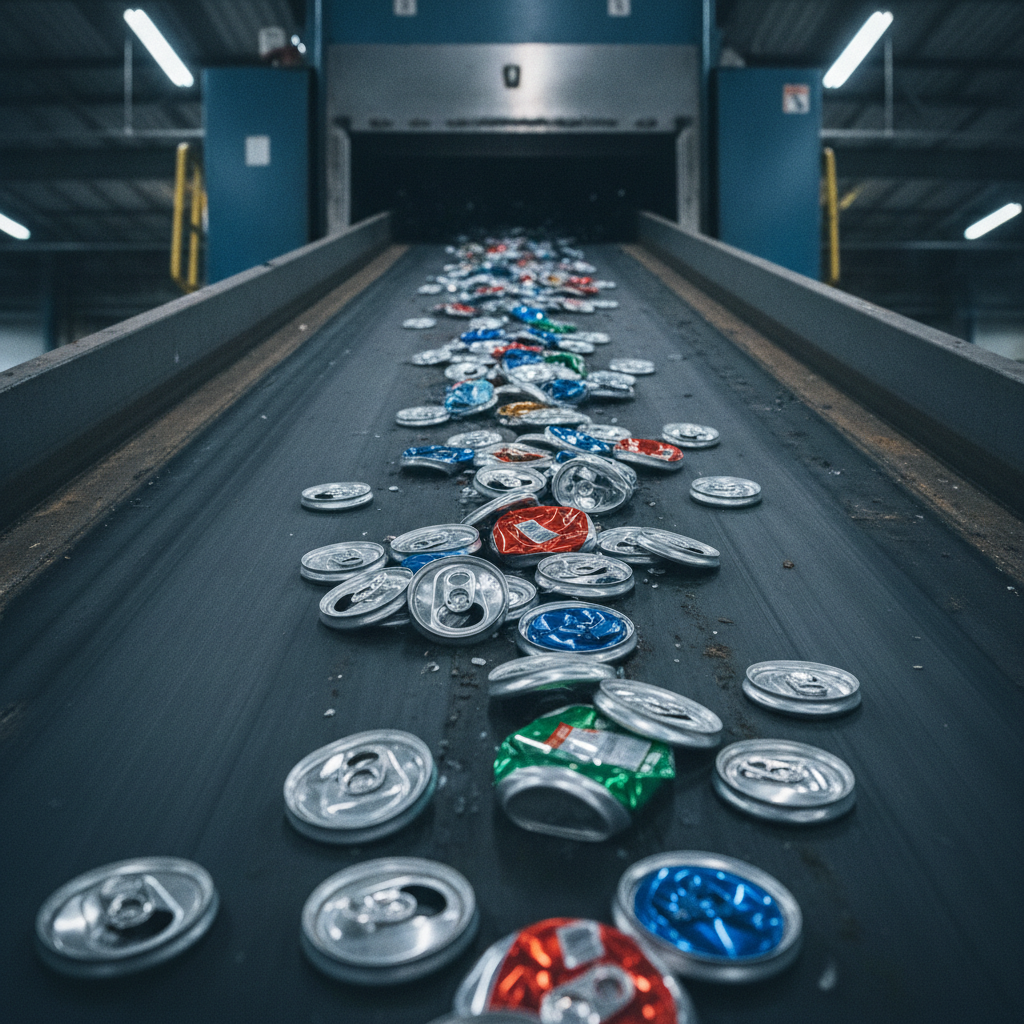
Process table: where your can goes
| Stage | Who does it | What helps most | Typical outcome |
|---|---|---|---|
| Collection | Households, contractors, businesses | Keep cans dry and bagged separately | Clean loads arrive at yard faster |
| Sorting | Scrap yards, MRFs | No glass/food waste; separate steel | Mill-ready aluminum can stream |
| Baling | Scrap yards | Uniform bale density and grading | Efficient transport to melt shops |
| Remelting | Aluminum mills | Consistent, clean feedstock | New ingots or slabs |
| Rolling | Aluminum mills | Quality control across gauges | New can sheet for manufacturing |
Want a hands-on primer? Our metal recycling center overview explains how we move metals, including cans, from your trunk to outbound bales in minutes.
Types, methods, and where to take your cans
You have three common routes: curbside blue bin, community drives, or a scrap yard drop-off. Curbside is easy, drives help local causes, and scrap yards offer fast service and consolidated drop-offs, especially if youre bringing other metals or e-waste.
Each option serves a different need. Choose the path that matches your schedule, volume, and goals.
Curbside blue bin
- Pros: Set-it-and-forget-it; works well for small weekly volumes.
- Cons: Less control over sorting quality; mixed streams may include contaminants.
- Best for: Regular household quantities where convenience beats speed.
Community and school drives
- Pros: Supports local causes; great for event-based cleanups.
- Cons: Irregular timing; youll still need a clean, dry stash spot.
- Best for: Occasional purges that can align with fundraising dates.
Scrap yard drop-off
- Pros: Quick in-and-out; combine cans with copper, brass, or appliances; helpful staff to guide sorting.
- Cons: Youll transport yourself; plan parking and unloading.
- Best for: Households, trades, or businesses bringing cans plus other metals. See our Etobicoke recycling page for accepted items.
Comparison: curbside vs drives vs scrap yard
| Option | Speed | Sorting control | Best when you have | Pro tip |
|---|---|---|---|---|
| Curbside | Automatic weekly | Low | Small, steady volumes | Rinse quickly and keep lids off |
| Drives | Event-based | Medium | Occasional big cleanups | Pre-bag by aluminum only |
| Scrap yard | Same-day | High | Mixed metals and appliances | Separate other metals to streamline service |
For aluminum beyond cansthink siding, extrusion, radiators, and moresee our aluminum scrap value guide for preparation tips.
Best practices to prep cans and protect value
Protect can value by keeping them empty, dry, and separate from steel or plastic. Rinse quickly, remove liquids, and store in breathable bags. Dont crush so tightly that sorting equipment cant identify the material.
Clean streams move faster and support higher-quality remanufacturing. Heres a field-tested checklist our Etobicoke team uses daily.
- Empty and quick-rinse: A fast swish with water prevents odors and pests. No soap needed.
- Dry storage: Moisture adds weight and can encourage mold. Use ventilated bins or mesh bags.
- Separate metals: Keep aluminum cans apart from steel food cans. A fridge magnet helps you tell them apart.
- No plastic bags in the bale: Bag cans for transport, then dump them loose at the yard to avoid film contamination.
- Avoid sticky labels and liquids: Residue complicates processing and can spill in your vehicle.
- Right-size loads: For large volumes, split into manageable bags so you unload quickly and safely.
Weve seen these steps cut drop-off times dramatically. Organized loads move through receiving in minutes, which is ideal if youre also bringing household scrap or small appliances.
Payout factors (without pricing)
Your aluminum can payout depends on grade purity, cleanliness, volume, and current market conditions. Clean, sorted cans in consistent bags move faster and typically perform better than mixed, wet, or contaminated loads.
We dont publish pricing. What we can share are the universal inputs that drive value across the industry.
- Purity matters: Avoid mixing aluminum with steel or plastic. Even a few stray items slow processing.
- Moisture content: Wet material weighs more but isnt all usable metal. Keep bags dry.
- Volume and consistency: Steady, repeated drop-offs help yards plan bales and logistics efficiently.
- Market dynamics: Commodity markets move. Preparation and timing influence your overall return.
If youre bringing other metals on the same trip, review our aluminum preparation tips to avoid common sorting mistakes.
Tools and resources to make it easy
A simple at-home system keeps cans flowing: a rinsing routine, magnet test, ventilated bins, and a dedicated garage corner. Pair that with a local drop-off routine at Quick Scrap Metal and youll keep clutter low year-round.
Set yourself up for success with a few low-effort tools and habits.
- Two-bin method: One small bin in the kitchen for rinsed cans; one larger ventilated container in the garage for dry storage.
- Magnet-on-the-fridge: Test cans quickly. Sticks = steel; slips = aluminum.
- Garage corner setup: Keep gloves, a scoop, and extra mesh bags nearby so sorting takes seconds.
- Monthly calendar reminder: Pick a recurring day to swing by the yard during extended hours.
- Transport helper: A simple trunk liner or tote keeps your vehicle clean on the way over.
For mixed loads, our accepted materials list covers aluminum, copper, brass, stainless, appliances, and electronics in one stop. If youre cleaning out a garage, a junk removal partner like All Day Movers can help you haul bulky non-metal items prior to drop-off.
Local considerations for Etobicoke
- Plan your weekend run around Woodbine Mall & Fantasy Fair traffic. Early mornings are calm, and youll be in and out faster.
- Winter salt and slush add moisture. Keep cans in sealed bins so they arrive dry during colder months near Flagstaff Park.
- Bringing a mix of metals? Tell receiving on arrival. Our team prioritizes safe unloading and quick sorting for combined loads.
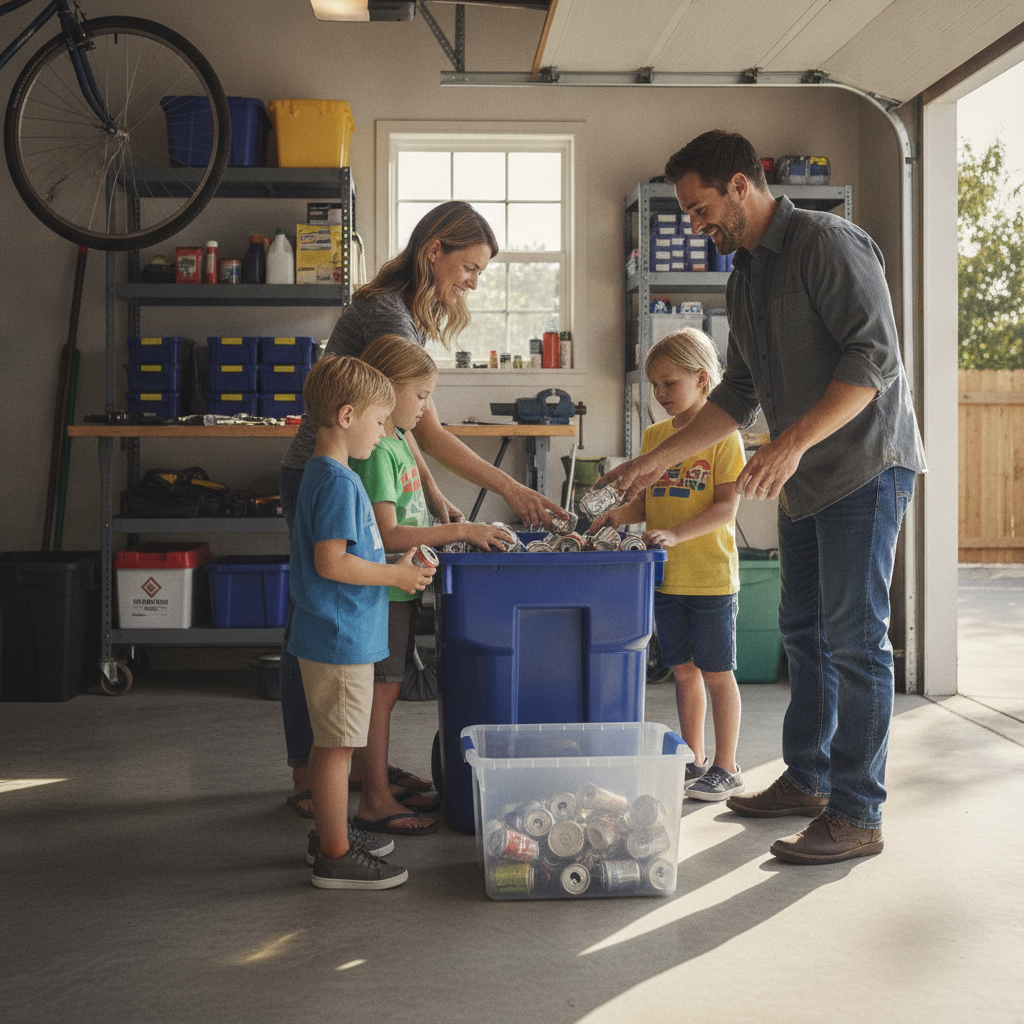
Mini case studies and real-world examples
Organized, clean aluminum can loads move rapidly through receiving and produce reliable results. Households, trades, and small businesses in Etobicoke see the best outcomes when cans are dry, separated, and combined with other metals for a single, efficient trip.
Household example: A family near Rexdale set up a two-bin system and a monthly Saturday drop-off. With ventilated storage and quick rinses, they cut odors to zero and cleared a years worth of cans without mess. Their combined run also included a microwave and old tools for one stop.
Contractor example: A small renovation crew paired weekly jobsite aluminum cans with copper offcuts. By bagging cans separately and keeping wire in a different tote, they moved through our yard in under 10 minutes and kept their van tidy.
Business example: A local convenience store aggregated cans from staff and community volunteers. They created a labeled back-room bin, used a magnet test at closing, and scheduled a biweekly run. Clean, dry bags meant the drop-off was consistently smooth.
If a vehicle has reached end of life, some owners coordinate metal recycling with third parties that specialize in car logistics. For options outside of our yard scope, visit Cash for Scrap Cars Ontario for general information on vehicle removal services in the region.
Step-by-step: your aluminum can drop-off at a scrap yard
Bag clean, dry aluminum cans; keep steel cans separate; and load bags for easy access. At the yard, follow signs, unload safely, and confirm your material as aluminum. Organized prep makes the visit quick and hassle-free.
- Gather and prep: Rinse, dry, and bag cans in breathable sacks. Keep steel food cans and other metals in separate containers.
- Load for safety: Place bags near the trunk opening and heavier items low and stable.
- Arrive during open hours: Our extended weekday and Sunday hours make drop-off simple for busy families.
- Check in: Let our receiving team know youre bringing aluminum cans. Well guide you on where to unload.
- Unload and confirm: Empty bags into the designated bin. Ask any quick questions about other metals or e-waste.
- Combine errands: Many visitors also bring mixed metals or small appliances for one and done.
Want a broader view of accepted items? Start with our Etobicoke metal center page any time.
Downloadable checklists and quick tools
Use a one-page prep checklist to speed up sorting: rinse, dry, separate, bag, and schedule. Add a simple magnet test and a garage corner kit so you never waste time hunting for supplies before your run.
- Five-point prep list: Rinse, drain, dry, separate, bag.
- Garage kit: Gloves, magnet, mesh bags, trunk liner.
- Calendar cue: Monthly reminder tied to your usual errands route.
- Combine metals: Bring aluminum cans plus copper, brass, or stainless. Our accepted materials page shows what else you can add.
If youre tackling a bigger cleanup, you may stage non-metal items separately. A local hauler can remove general junk so your cans and metals arrive clean and ready. Heres a primer on eco-forward hauling practices from a junk removal explainer that outlines typical sustainability steps.
Common mistakes to avoid
The top mistakes are moisture, mixing steel and aluminum, bagging with food waste, and over-crushing cans. Avoid plastic film contamination and never include glass. Keep loads simple and youll move faster with better results.
- Wet bags: Water adds weight but not usable metal and can foul nearby material.
- Nesting trash: Food containers or plastic bags inside your can bags slow sorting lines.
- Over-crushing: Extreme flattening can confuse sensors and reduce sorting accuracy.
- Wrong bin at drop-off: Ask receiving if youre unsure. A 10-second question prevents headaches.
- Mixing metals: Use a magnet to separate steel from aluminum cans at home.
Quick cue: if its clean, dry, and clearly aluminum, youre good to go. If its sticky or mixed, give it one more minute at home and save yourself five at the yard.
Beyond cans: aluminum types and what we accept
Scrap yards accept many aluminum forms beyond beverage canssiding, extrusion, radiators, cookware, and more. Sort similar types together and avoid mixed-material items when possible. Clear labeling or separate bags make drop-offs easier.
- Common items: Siding, plate and extrusion, pots and pans (no plastic handles), radiators (drained), and lawn equipment with aluminum parts.
- Keep separate: Wire, foil, and mixed assemblies perform better when staged apart.
- Ask about: Painted or coated items; our team will guide you on the best bin.
For a wider aluminum checklist, visit our aluminum tips page and the broader materials index.
Need a quick sanity check? Swing by during extended hours and our team will help you sort on the spot. Its EASY | FAST | CONVENIENT.
See accepted metals and plan your visit today.
Aluminum Can Recycling: Frequently Asked Questions
Here are fast, direct answers to the most common aluminum can recycling questions we hear in Etobicoke. Use these to prep smarter, avoid delays, and keep your drop-offs quick.
Should I crush aluminum cans before drop-off?
Lightly squashing is fine to save space, but avoid extreme flattening. Over-crushed cans can confuse sorting equipment and reduce accuracy. Keep shapes recognizable and your bags move faster.
Do cans need to be completely clean?
No. A quick rinse to remove liquids and obvious residue is enough. Focus on empty, dry, and free of contaminants. That prep keeps odors away and improves downstream efficiency.
Can I mix aluminum cans with other metals?
Keep aluminum cans in their own bag. Separate copper, brass, or steel into other containers. Simple separation at the source speeds up receiving and protects the value of each metal type.
What if Im bringing appliances too?
Thats common. Stage cans and appliances separately in your vehicle. Our team handles both at the yard. If you have non-metal junk, schedule separate hauling so your metals arrive clean.
Where can I learn more about aluminum as a material?
For a product angle, browse an aluminum collection like this catalog overview. For local recycling specifics, use our Etobicoke pages linked above.
Summary and next steps
Keep cans empty, dry, and separate; bag them for quick unloading; and combine your run with other metals for efficiency. In Etobicoke, Quick Scrap Metal offers a simple, one-stop drop-off so you can recycle responsibly and clear clutter in one visit.
- Key steps: Rinse, dry, separate, bag, schedule.
- Where to go: Our Etobicoke yard overview lists accepted items and hours.
- Combine errands: Stage appliances and e-waste for a single trip.
- Vehicle logistics: For off-site car solutions, see vehicle removal options in the region.
Key takeaways
- Aluminum can recycling is a fast, closed loop that saves significant energy.
- Clean, dry, and separated cans move through yards quickly and support high-quality remanufacturing.
- Scrap yard drop-off is ideal when youre combining cans with other metals or appliances.
- Simple at-home systems keep clutter low and make monthly runs effortless.
Ready to tidy up? Plan your next visit using our scrap metal recycling guide. Book a quick stop in Etobicoke and keep your aluminum in the circular economy.