
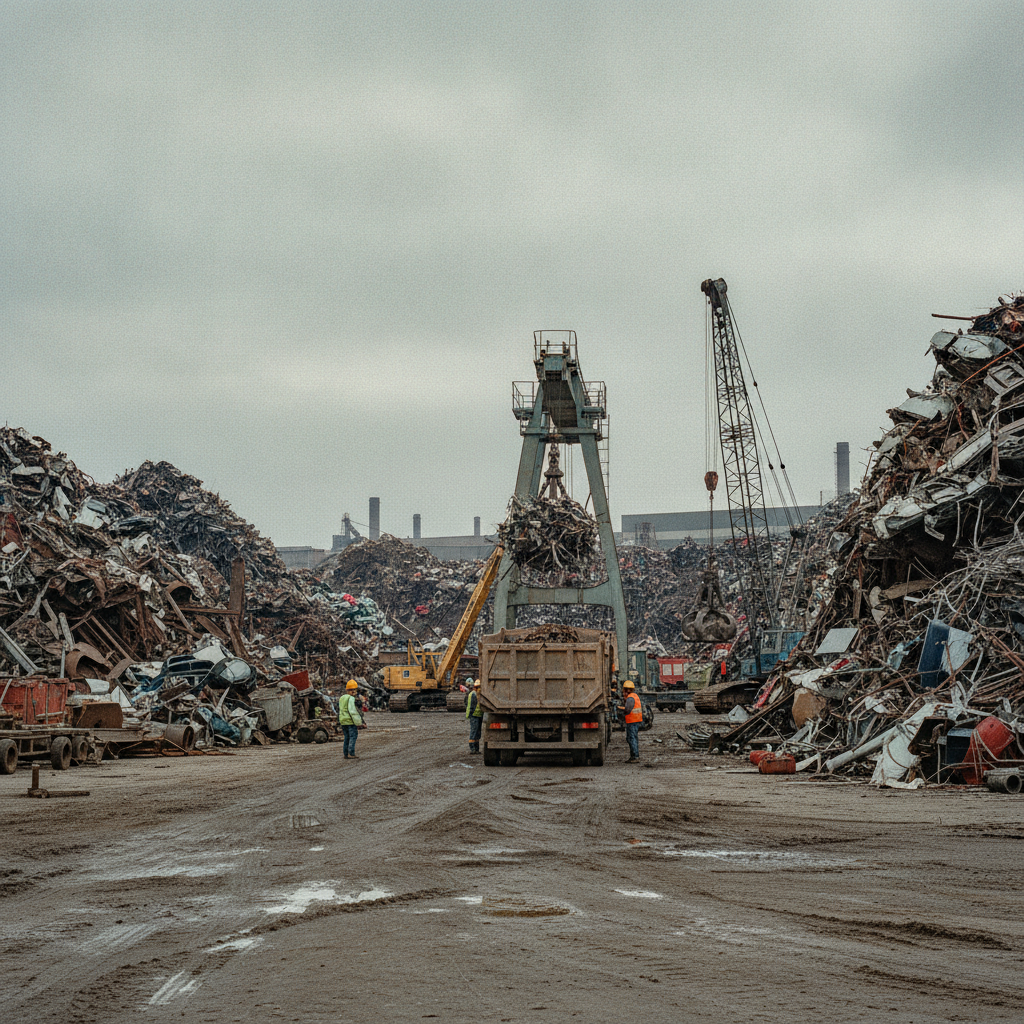
Scrap steel prices are the market-driven values paid for ferrous metal delivered to a scrap yard. They reflect global steel demand, grade quality, and preparation. For Etobicoke sellers, the right sorting and quick drop-off at Quick Scrap Metal help convert mixed steel into fast, responsible payouts without guesswork.
By Preet Dass — Quick Scrap Metal
Last updated: July 3, 2026
Quick Summary
Scrap steel prices hinge on grade (HMS, shred, plate/structural), cleanliness, and global mill demand. Prepare by separating steel from non-ferrous attachments, removing obvious contaminants, and keeping loads dry. At Quick Scrap Metal in Etobicoke, sorted, safe-to-unload steel moves faster and typically earns stronger consideration.
Here’s what you’ll learn in this complete guide for 2026:
- What counts as steel scrap and how yards evaluate different grades
- Why market cycles matter and how to time drop-offs without chasing headlines
- How to prep, sort, and safely transport steel to maximize consideration
- Ferrous vs. non-ferrous basics, plus when to separate copper wires and motors
- Local tips for Etobicoke sellers, plus e-waste, appliances, and scrap cars
What Are Scrap Steel Prices?
Scrap steel prices are yard payouts tied to steel demand, grade, and preparation. Yards classify material (e.g., HMS, shred, plate/structural), adjust for contamination, and settle quickly. Better sorting and safe unloading reduce handling time, which supports stronger consideration for clean, consistent loads.
When people say “How are scrap steel prices today?” they usually mean, “What can I expect when I drop off steel at the yard?” The answer depends on quality, safety, and logistics as much as markets.
- Material identity: Magnets confirm ferrous. Yards then classify heavy melt, shred, or plate/structural.
- Condition: Excess dirt, concrete, or attached non-metal lowers value; clean cuts and bundles help.
- Volume and consistency: Uniform loads speed grading and unloading; mixed loads take longer.
- Timing: Mills tighten or loosen demand throughout the year; steady sellers focus on prep, not predictions.
At Quick Scrap Metal, ferrous scrap is weighed on certified scales, sorted by grade, and moved to processing quickly to keep your drop-off simple and your payout fast.
Why Scrap Steel Prices Matter
Scrap steel prices influence home cleanouts, renovation timelines, and contractor margins. Clear, fair grading turns clutter into cash and keeps metal in the circular economy. For Etobicoke residents and trades, consistent preparation habits matter more than guessing the market’s next move.
Why does this matter to you? Because even minor prep choices—like cutting long pieces or removing a cast aluminum motor housing—affect how fast your load moves and how it’s classified.
- Households: Declutter garages, shed frames, old tools, and lawn equipment without landfill waste.
- Trades/contractors: Offcut management improves jobsite safety and reduces haul-back weight.
- Auto owners: End-of-life vehicles are mostly steel by weight and recycle efficiently when drained and depolluted.
- Local sustainability: Keeping ferrous metal in circulation lowers the need for virgin extraction and long-haul shipping.
We see this daily: when sellers bundle similar materials and label hazards, yard time drops and outcomes improve. That’s real value—no guesswork required.
How Scrap Steel Prices Work (Ferrous Basics)
Yards set scrap steel prices by combining global mill demand with on-site grading. Loads are weighed, inspected for contaminants, and assigned to common categories like heavy melt (HMS), shred, or plate/structural. Clean, sorted, and safe-to-handle steel supports better grading and faster payouts.
Here’s the typical, yard-level flow you’ll experience at Quick Scrap Metal:
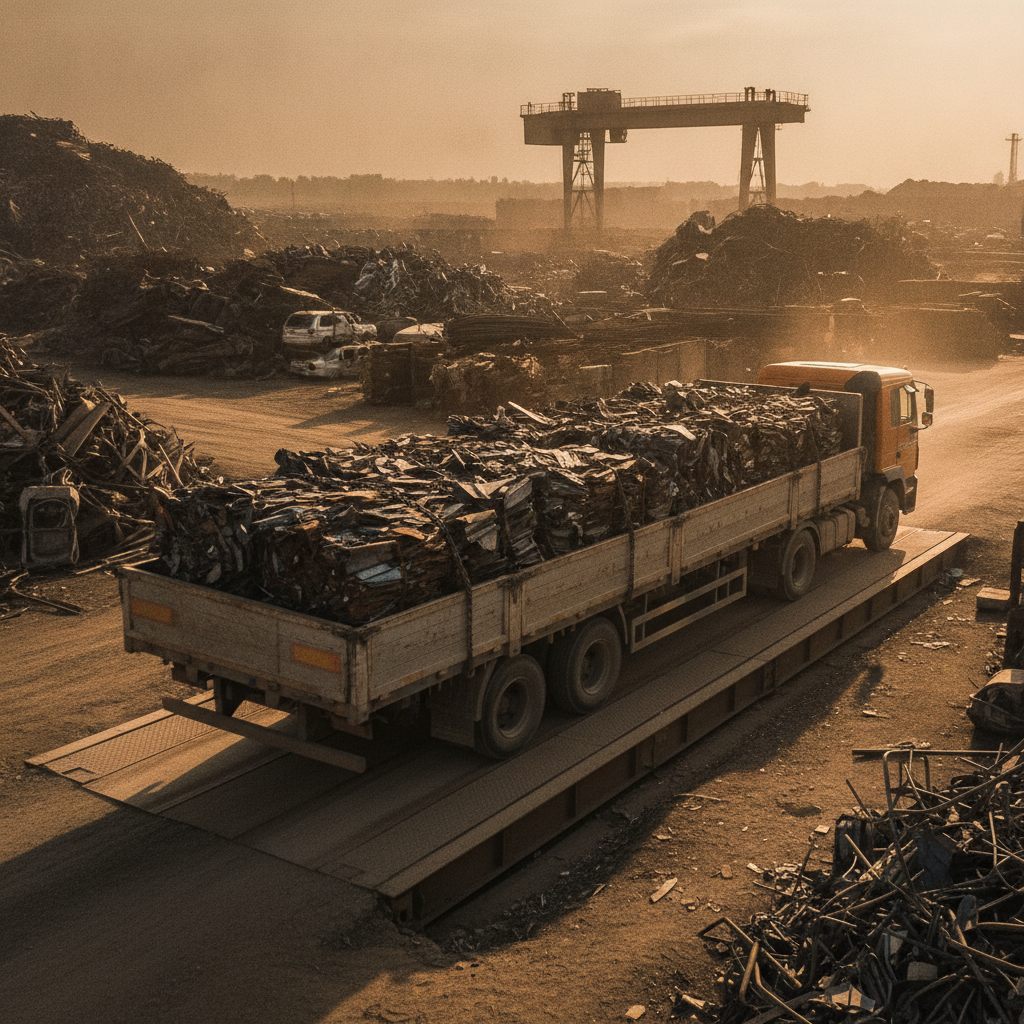
- Arrival and safety check: Team directs you to the scale, confirms contents, and verifies safe unloading.
- Weigh-in: Certified scales measure gross and net. Keep vehicles clear of loose items for accurate readings.
- Visual grading: Inspectors look for thickness, length, coatings, attachments, and contamination.
- Segregation: Material is routed to HMS, shred, or plate/structural areas; mixed loads may be split.
- Unload and finalize: Crane, magnet, or manual methods move steel; final grade is recorded; payout is issued.
Two variables dominate: material quality and yard time. Clean prep reduces cutting and sorting, which keeps operations efficient and supports strong consideration for your steel.
Types of Scrap Steel Grades (With Examples)
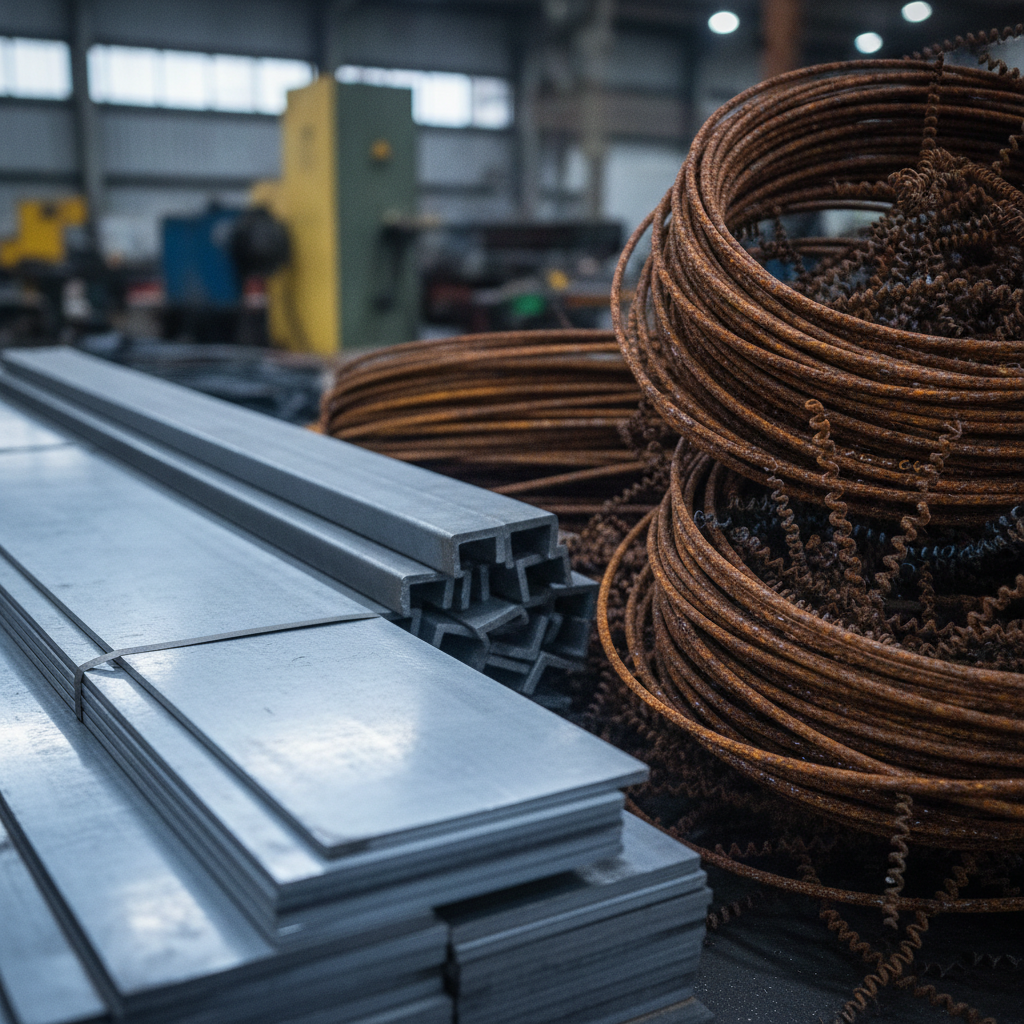
Common ferrous grades include heavy melt steel (HMS), shred, and plate/structural. HMS favors thicker, shorter pieces; shred includes light sheet and mixed steel; plate/structural covers beams and plate. Sorting into these buckets improves grading speed and supports better outcomes.
Below are practical, yard-level categories we handle every day in Etobicoke. Use them as a prep checklist before you load your truck or trailer.
Everyday grade categories you’ll see at the yard
- HMS (Heavy Melt Steel): Thick, shorter, uncoated pieces; common in machinery bases, rotors, heavy angles.
- Shred (Light Steel): Appliances without fluids, light sheet, thin wall tubing, and stamped pieces.
- Plate & Structural (P&S): I-beams, channels, plate offcuts from fabrication or demo projects.
- Cast Iron: Manifolds, radiators, brake rotors; brittle and dense; keep separate when possible.
- Auto Cast: Engine blocks and automotive iron; drain fluids off-site and separate obvious non-ferrous.
Prep pointers that speed grading
- Cut long stock to manageable lengths when safe.
- Strip obvious non-ferrous (copper windings, aluminum housings) from steel frames.
- Remove dirt/concrete; avoid mixing with organics or liquids.
- Bundle like-with-like; label anything that needs special handling.
Use these habits and your time on the scale, at the pile, and in the payout line gets shorter and smoother.
| Steel Grade | Typical Sources | Prep Tips | Common Contaminants | Impact on Payout |
|---|---|---|---|---|
| HMS (Heavy Melt) | Thick angles, rotors, machinery parts | Short, clean cuts; remove attached non-ferrous | Bolted aluminum, oils, concrete | Strong when clean and uniform |
| Shred (Light Steel) | Appliances, thin sheet, light tubing | Drain/depollute off-site; remove plastics | Fluids, foams, wiring harnesses | Steady when prep is thorough |
| Plate & Structural | Beams, channels, plate offcuts | Cut to safe length; keep dry if possible | Paint, primers, attached brackets | Favorable when clean and cut |
| Cast Iron | Radiators, manifolds, rotors | Keep separate; avoid mixing with shred | Oily residues, sand cores | Consistent if segregated |
| Auto Cast | Engine blocks, transmissions | Drain fluids; remove obvious aluminum | Coolant, oils, attached non-ferrous | Stable when depolluted |
Best Practices to Maximize Your Payout
You’ll get better outcomes by sorting steel by grade, keeping it dry and clean, and separating non-ferrous before you arrive. Safe loads unload faster, help the yard grade accurately, and reduce surprises—turning prep time at home into time saved and value earned at the scale.
Simple habits that pay off
- Sort first: Keep HMS, shred, and plate/structural distinct. Don’t bury valuable non-ferrous in ferrous loads.
- Drain and depollute: Appliances and auto parts should be free of fluids; check for refrigerants and oils.
- Strip easy wins: Remove copper windings and aluminum housings you can detach safely with basic tools.
- Bundle safely: Strap similar stock; keep bundles under safe lifting lengths and weights.
- Choose off-peak times: Mid-morning and mid-week often move quicker than first thing Monday.
Local considerations for Etobicoke
- Plan runs around traffic near Woodbine Mall & Fantasy Fair; a mid-morning window often avoids congestion.
- Winter and shoulder seasons can bring moisture; keep loads covered to avoid frozen debris on your steel.
- For yard safety, disclose oversized beams or awkward shapes at check-in so equipment can be staged efficiently.
Pro tip: If you’re cleaning out a jobsite near Flagstaff Park, stage steel separately from aluminum siding and copper wire so you don’t re-handle materials at the yard.
Tools and Resources Sellers Actually Use
A magnet, a basic reciprocating saw or cutoff wheel, gloves, and ratchet straps handle most ferrous prep. Add labeled bins for non-ferrous, heavy-duty tarps to keep loads dry, and a simple checklist so mixed materials don’t slow you down at the scale.
In our experience working with homeowners and trades around Etobicoke, simple kits beat over-complication.
- Prep kit: Magnet, angle grinder or recip saw, PPE, durable bins for copper/aluminum.
- Transport kit: Tarps, ratchet straps, cargo net, wheel chocks for trailers.
- Labeling: Painter’s tape and a marker make quick, visible notes for “HMS,” “Cast,” or “Needs help.”
- Staging: Keep a designated corner in your garage or yard where steel accumulates between runs.
Want a deeper dive on ferrous prep and drop-off flow? See our steel recycling guide for step-by-step walkthroughs and safety reminders.
Case Studies: Real Examples From Etobicoke
Small changes in prep can speed unloading and support stronger grading. Homeowners and contractors who separate HMS, keep plate/structural cut short, and strip easy non-ferrous typically move through the yard faster with fewer rework steps and clearer outcomes.
Household cleanout, mixed ferrous
- Situation: A garage cleanout with lawn equipment, steel shelving, and old tools.
- Approach: Kept light steel apart from cast iron; drained residual fluids; removed copper cords.
- Outcome: Quick grading into shred and cast; no delays for depollution.
Small contractor, demo offcuts
- Situation: Beams and channels from a light commercial renovation.
- Approach: Cut long lengths to safe sizes; staged plate/structural separate from HMS.
- Outcome: Streamlined unloading; clear plate/structural classification.
End-of-life vehicle (ELV)
- Situation: Car beyond repair; owner wanted it gone responsibly.
- Approach: Utilized our scrap car program; ensured fluids were handled and parts separated.
- Outcome: Efficient processing; steel content flowed into the ferrous stream safely.
More scenarios and prep checklists live in our scrap metal recycling hub, including how to stage electronics and appliances for the same run.
Pricing Factors and Market Trends (2026)
Market cycles influence scrap steel prices, but yard-level grading and preparation drive day-to-day outcomes. Focus on controllables: sort by grade, keep loads clean and dry, and communicate hazards up front. This approach outperforms “market timing” for most homeowners and small contractors.
Several forces shape ferrous markets in any given quarter:
- Mill demand and capacity utilization: When mills run steady, yards move material faster.
- Seasonality: Winter slowdowns and spring construction ramps can shift flows.
- Supply mix: Appliance turnover, auto flows, and demo activity affect the blend of HMS, shred, and P&S.
- Logistics: Transportation reliability and fuel dynamics influence regional balances.
We track trends, but our advice is consistent: prep wins. Clean, safe, well-sorted steel earns clear grades regardless of the week’s headlines.
If you work with steel daily, our steel scrap value guide explains how to build repeatable routines that minimize downtime and rework.
What Quick Scrap Metal Accepts (Beyond Steel)
Alongside steel, we accept non-ferrous metals (copper, aluminum, brass, stainless), appliances, and electronics. One-stop drop-off helps Etobicoke sellers clear clutter responsibly, convert metals to cash fast, and keep e-waste out of landfills.
As a convenient, customer-first scrap yard in Etobicoke, we support broad material intake to save you trips.
- Ferrous: Steel and cast iron, beams, plate, rotors, radiators, tin.
- Non-ferrous: Copper wire, aluminum extrusions and siding, brass fittings, stainless steel.
- Appliances: Washers, dryers, stoves, range hoods; remove food waste and obvious plastics where possible.
- Electronics (e-waste): Computers, TVs, PCBs, peripherals; separate lithium batteries.
- Scrap vehicles: Options for drop-off; see our scrap car overview for what to bring.
Our Etobicoke recycling guide lists common items and quick prep notes to help you combine a steel run with non-ferrous and e-waste.
Drop-Off Process and Safety Essentials
Plan for a simple cycle: arrive, weigh, grade, unload, and get paid. Secure loads, disclose hazards, and follow crew directions. Safe, visible bundling and clean prep reduce yard time and help finalize grading without delays or surprises.
Before you roll
- Secure with straps and nets; no loose sheets or offcuts that can shift.
- Keep loads under your vehicle’s rated capacity; use wheel chocks with trailers.
- Cover with a tarp if rain or snow threatens; dry steel is easier to handle.
At the yard
- Follow signals and speed limits; wait for the team to wave you forward.
- Share any concerns about sharp edges or awkward shapes at check-in.
- Stay clear of equipment during unloading; maintain eye contact with the operator.
Need a refresher on ferrous categories and staging? Our iron scrap guide covers common pitfalls and quick fixes.
Need help sorting or scheduling a larger load?
If you’re unsure how to prep steel, we can help. Bring what you have, tell us your goal, and our team will advise on safe sorting and smooth unloading. The result is a faster visit and a cleaner grade, every time.
Soft CTA: Have a mixed load or an end-of-life vehicle? Reach out via our main site for guidance on loading, safe transport, and combining steel with non-ferrous and e-waste in one trip.
How to Time Your Trip Without Chasing Headlines
You’ll rarely win by trying to “time” scrap steel prices. Instead, build a monthly or quarterly rhythm. When you’ve staged enough material for a safe, efficient run, go—clean prep and smart sorting usually beat waiting for the perfect week.
- Set a cadence: Homeowners often do seasonal runs; contractors benefit from weekly or biweekly cycles.
- Batch smart: Combine ferrous with non-ferrous and approved e-waste to reduce trips.
- Weather watch: Avoid heavy snow or high winds; safe unloading matters more than a small market swing.
When you’re ready, our Etobicoke yard is open late on weekdays and on Sundays—because real life doesn’t keep banker’s hours.
Eco Benefits and Responsible Recycling
Recycling steel conserves resources and supports a circular economy. One-stop drop-off for steel, non-ferrous metals, and electronics cuts vehicle miles and landfill risk. For neighborhoods in Etobicoke, responsible recycling keeps materials moving and clutter down.
Our role is practical: make it easy for you to do the right thing while getting paid quickly. We aggregate and move material downstream to processors that keep steel cycling.
For a view of the local steel ecosystem and building products, see regional context from steel studs in Toronto GTA and this steel stud supplier overview that illustrates how recycled steel ultimately supports construction demand.
Related Services You Might Need
If your steel load includes an end-of-life vehicle or bulky appliances, leverage our one-stop approach. We accept steel, non-ferrous, appliances, and electronics—so you can clear space in a single trip and keep materials out of landfills.
- Scrap car overview: What to bring and how vehicles are processed.
- All scrap metal recycling: Accepted items and quick prep notes.
- Local recycling guide: How Etobicoke residents can bundle runs.
Need towing for an ELV? Area providers like this local service can help move vehicles that can’t be driven safely.
Frequently Asked Questions
These quick answers cover common questions Etobicoke sellers ask about scrap steel prices, grading, and drop-off. For anything unique—oversize beams, mixed demo loads, or e-waste questions—swing by or contact our team for guidance.
What counts as steel vs. non-ferrous?
If a magnet sticks, it’s ferrous (steel or iron). Non-ferrous—like copper, aluminum, and brass—won’t attract. Separate non-ferrous from steel before you arrive. It speeds grading and keeps each metal in its best category.
How should I prepare appliances that contain steel?
Remove food waste and loose plastics. Make sure units are disconnected and free of fluids. Keep cords visible if you’re separating copper. If you can’t depollute safely, bring it as-is and tell our team—safety comes first.
Do I need to cut long beams or plate?
Cutting long stock into safe, manageable lengths helps with unloading and grading. If you don’t have the tools, let us know at check-in so we can stage equipment and unload safely.
Can I combine steel with electronics or copper in one trip?
Yes. Many sellers bring steel, non-ferrous, appliances, and e-waste together. Keep items separated in bins or corners of the truck. Labeling “steel,” “copper,” or “e-waste” helps us route your load quickly.
Conclusion: Turn Steel Into Space and Value—Safely
Scrap steel prices reward clean prep, clear sorting, and safe unloading more than headline watching. When you’re ready, load HMS, shred, and plate/structural separately, keep items dry, and head to our Etobicoke yard for a fast, responsible payout experience.
- Key Takeaways
- Prep and sorting beat market timing for most sellers.
- Keep ferrous separate from non-ferrous; label special items.
- Stage safe, visible loads to speed grading and payout.
- Combine steel with appliances and e-waste to save trips.
Next step: Ready to clear space? Plan a safe load and visit Quick Scrap Metal in Etobicoke. Want to talk first? Reach us through our site—we’re open late on weekdays and on Sundays to fit your schedule.