
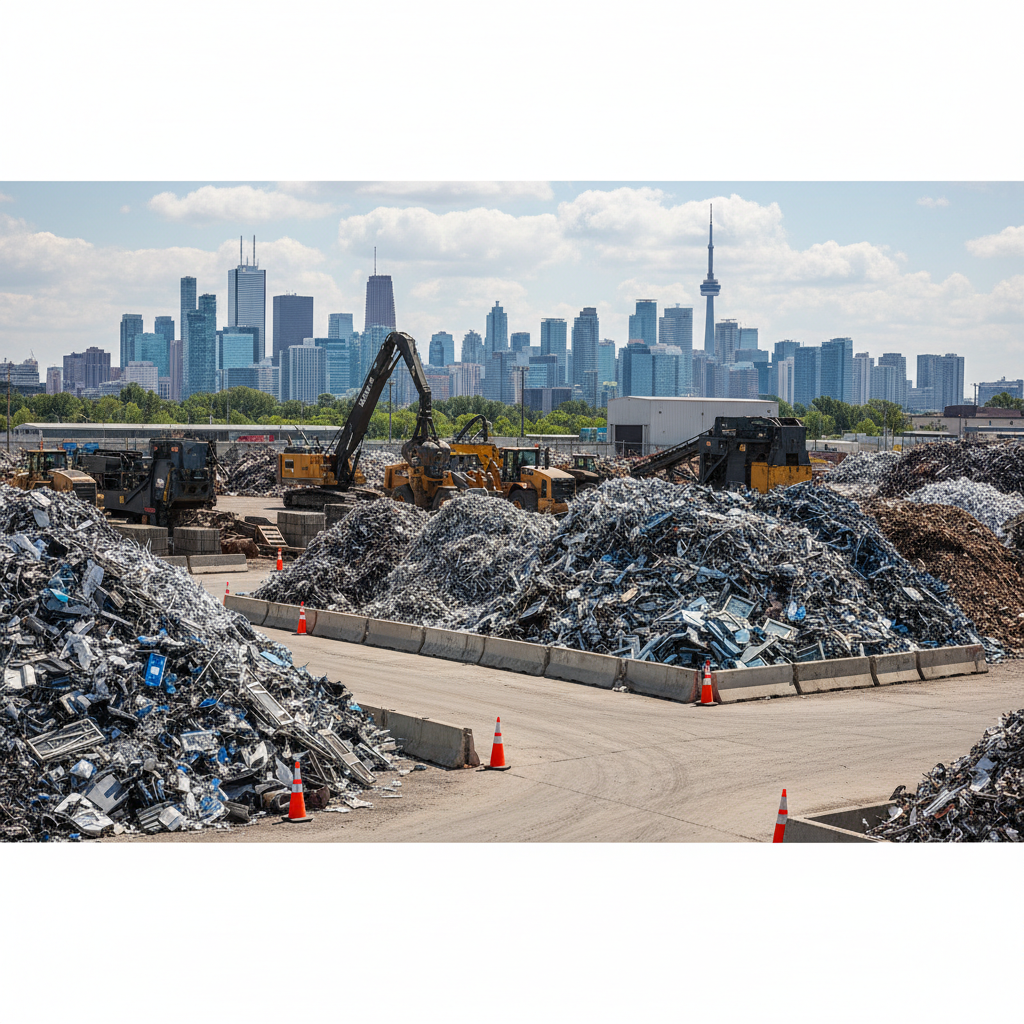
Aluminum scrap value is the payout a recycler offers for aluminum based on grade, weight, and current demand. At Quick Scrap Metal (407 Rexdale Blvd, Etobicoke), value improves when aluminum is clean, sorted, and free of attachments. Bring prepared aluminum, get weighed quickly, and receive on-the-spot payment with responsible recycling guaranteed.
By Preet Dass — Quick Scrap Metal
Last updated: May 25, 2026
Overview
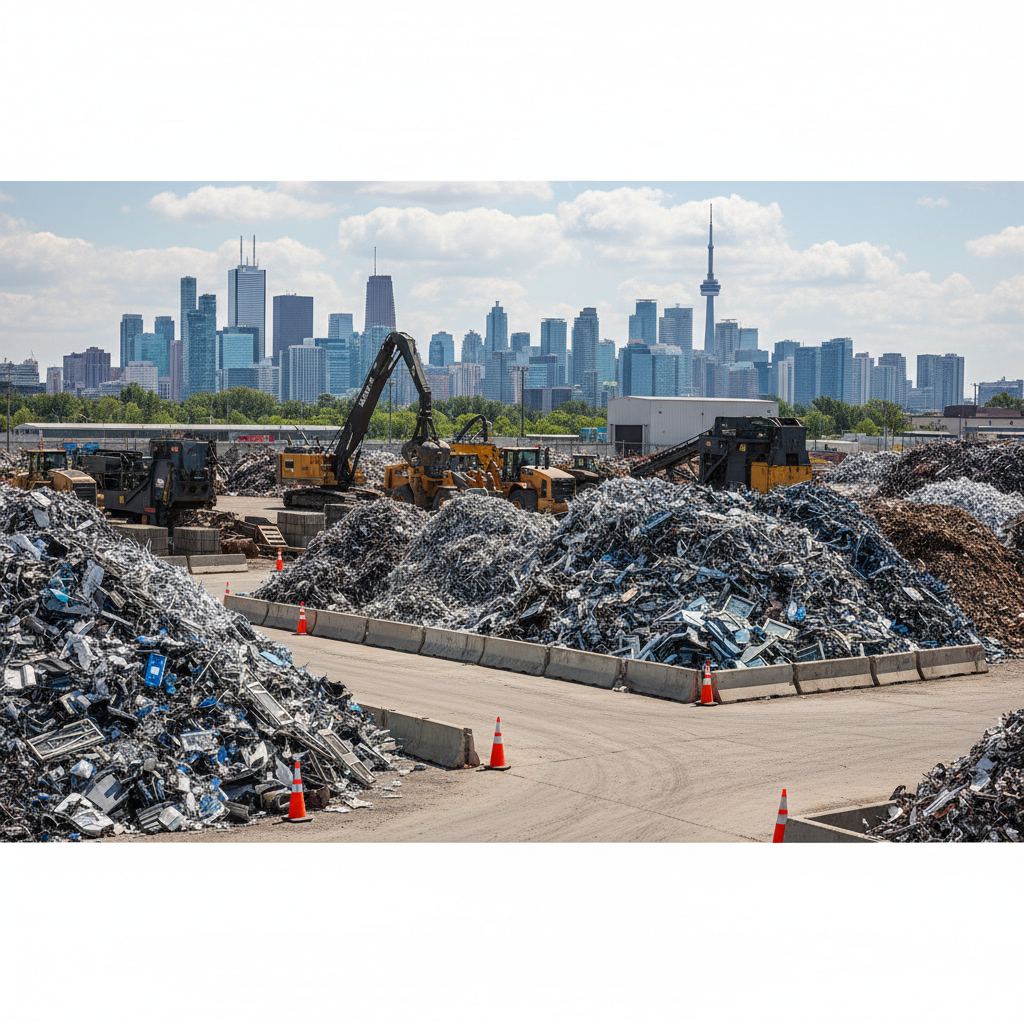
This guide explains what drives aluminum scrap value, how to sort common grades, and the fastest way to drop off aluminum in Etobicoke. You’ll learn the prep steps that improve payouts, how scales and grading work, and where Quick Scrap Metal fits into Toronto’s circular metals economy.
Here’s the thing: most value is won or lost at home, before you arrive at the yard. Sorting and quick prep prevent downgrades at the scale. We’ve packed this article with practical steps you can use today.
- Understand aluminum grades: cans (UBC), sheet, extrusion, painted siding, cast, radiators.
- See what affects yard decisions: cleanliness, mixed metals, coatings, and attachments.
- Use our 10-minute prep routine to avoid downgrades.
- Follow a simple drop-off flow at 407 Rexdale Blvd with same-visit payment.
What Is Aluminum Scrap Value?
Aluminum scrap value refers to the practical worth recyclers pay for aluminum items based on grade, weight, purity, and market demand. Value rises with clean, sorted material and drops with contamination like steel screws, plastic, or grease. Preparation at home is the fastest way to increase total payout.
Aluminum scrap value isn’t abstract—it’s a yard-level decision. Teams verify the category (for example, clean extrusion) and weigh it. The category you land in determines the payout vector.
- Weight: More pounds, more total payout.
- Grade: Clean categories beat mixed or painted material.
- Purity: Remove steel, plastic, foam, rubber, and excessive paint when possible.
- Condition: Grease and food residue lead to downgrades, especially with UBC (used beverage cans).
At Quick Scrap Metal, we buy aluminum daily as part of our broad acceptance list: extrusion, sheet, cast, radiators, siding, cans, and more—plus appliances and electronics in one stop. If it’s metal, we buy it.
Why Aluminum Scrap Value Matters (Etobicoke & Toronto)
In Etobicoke and the greater Toronto metro, aluminum scrap value turns clutter into cash while feeding the local recycling economy. Clean, sorted aluminum moves quickly through our 407 Rexdale Blvd yard, reduces landfill pressure, and supports responsible reuse for construction, automotive, and packaging supply chains.
Value matters for three reasons: it funds home projects, it keeps garages and job sites clear, and it supports a greener region. Aluminum is endlessly recyclable without losing its core properties, so proper sorting at the source accelerates that loop.
- Homeowners: Cans, old ladders, window frames, and siding add up.
- Trades/contractors: Extrusions, plate, and demo scrap move fast when clean.
- Small businesses: Regular drop-offs maintain safety and free storage space.
We’ve found that consistent routines—like keeping a “non-ferrous bin” at the shop—drive better outcomes. Bring aluminum with your other non-ferrous metals for a quick, combined trip.
How Aluminum Scrap Value Is Determined
Recyclers determine aluminum scrap value by identifying the grade, checking contamination, and weighing the load. Clean, single-grade aluminum earns stronger payouts. Mixed metals, heavy paint, attached steel, and non-metal parts trigger downgrades or reclassification on the scale.
Here’s a simple view of what happens at the yard:
- Arrival & Direction: You’re directed to the right area or scale; lightweight loads may use a platform scale.
- Grade Check: Staff confirms “what it is” (e.g., clean extrusion vs. painted siding).
- Contamination Check: Magnets, quick inspection, and experience determine purity.
- Weigh-In: The number on the scale drives the payout for the confirmed grade.
- Documentation & Payout: Your material is recorded, and you’re paid on the spot.
Preparation makes this process fly. Clean, sorted aluminum moves through in fewer steps and avoids mixed-grade lumps that reduce overall value.
For market context on non-ferrous decisions at the jobsite, contractors sometimes reference broader metals resources like steel studs guidance when planning material separation during builds or tear-downs.
Types of Aluminum Scrap and Common Grades
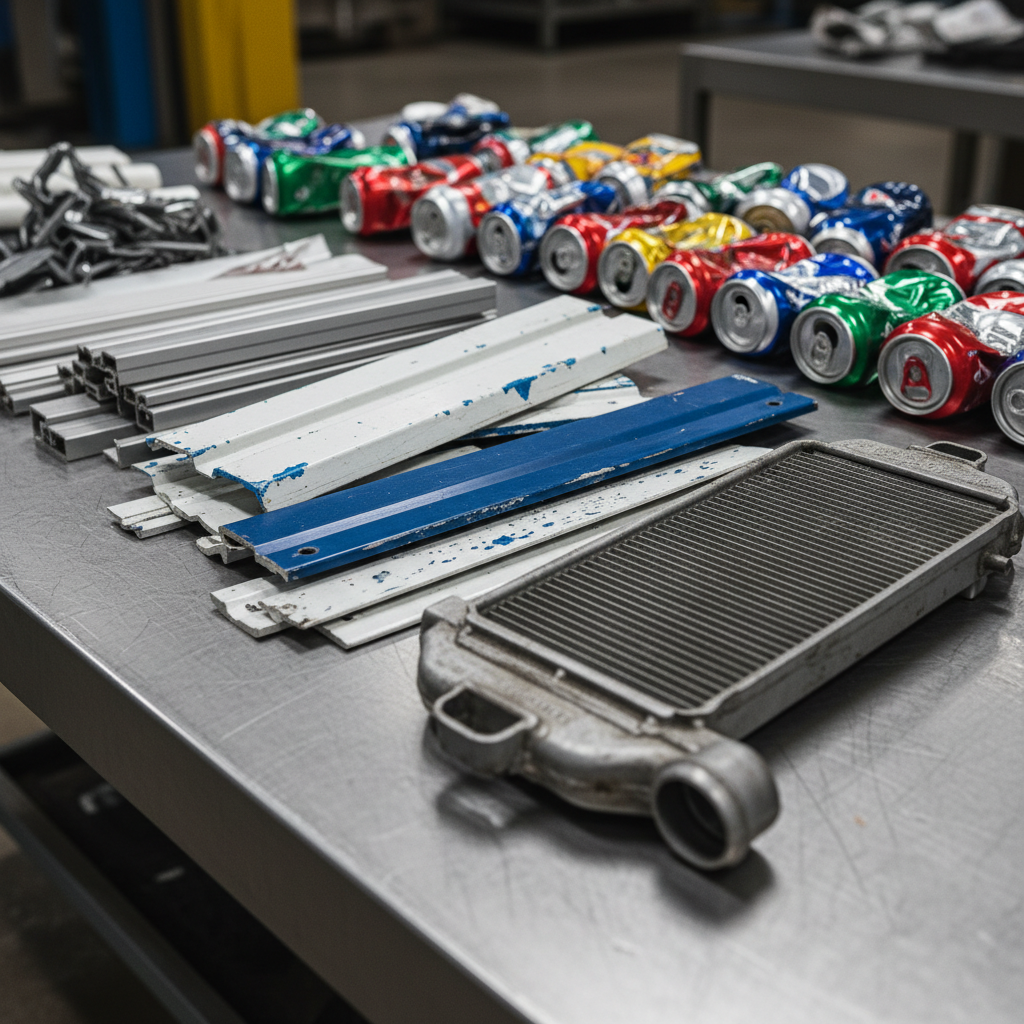
The most common aluminum grades at local yards are cans (UBC), sheet, extrusion, painted siding, cast, and radiators. Each has different purity expectations and prep tips. Clean, single-grade loads generally outperform mixed or dirty items because they’re easier to process downstream.
Below is a quick-grade orientation to help you sort faster at home or on site.
Six everyday aluminum categories
- Used Beverage Cans (UBC): Bag or bin your cans; keep them dry and largely free of food residue or liquids.
- Aluminum Sheet: Thin sheet from siding offcuts, flashing, and household panels; remove heavy adhesives when practical.
- Clean Extrusion: Window/door frames, rails, and profiles without steel screws, weatherstripping, or paint.
- Painted Siding/Extrusion: Aluminum with factory coatings; remove steel clips or fasteners that trigger a magnet.
- Cast Aluminum: Automotive/transmission housings, cookware, and certain machine parts; drain oils and remove steel inserts where possible.
- Radiators (Aluminum/Copper or Aluminum): From HVAC and vehicles; ensure fluids are fully drained and plastic tanks removed when feasible.
When in doubt, keep a “question” bin. We’ll help you classify on site—better to hold uncertain pieces separate than risk downgrading good material.
| Grade | Typical Sources | Contamination to Avoid | Prep Tips |
|---|---|---|---|
| UBC (cans) | Soda/beer cans from home, events | Liquids, food residue, plastic bags mixed in | Rinse lightly if dirty; keep dry; bag separately |
| Aluminum sheet | Flashing, siding offcuts, panels | Glue, tar, thick foam, steel screws | Strip attachments; stack flat to save space |
| Clean extrusion | Window/door frames, rails, profiles | Paint, steel fasteners, weatherstripping | Remove screws and rubber; keep paint-free if possible |
| Painted siding/extrusion | Exterior cladding, painted frames | Steel clips, mixed plastics, excessive caulking | Clip off steel parts; keep separate from clean extrusion |
| Cast aluminum | Auto/transmission housings, cookware | Oil, steel inserts, bearings | Drain fluids; knock out inserts if feasible and safe |
| Radiators | HVAC, vehicles | Fluids, plastic tanks, steel side straps | Drain fully; remove tanks/straps to improve classification |
Sorting into these bins pays dividends. If you’re focusing on cans, our aluminum can value guide expands on bagging, drying, and storage to keep UBC clean and efficient.
Best Practices to Maximize Your Aluminum Scrap Value
Maximize aluminum scrap value by separating grades, removing steel attachments, keeping cans dry, and draining fluids from auto parts. Use a magnet test for fast triage. Label bins at home or on site and keep non-ferrous metals together but sorted by aluminum type.
10-minute prep routine
- Do a magnet sweep to pull out steel hardware.
- Separate by grade: UBC, sheet, clean extrusion, painted, cast, radiators.
- Cut off obvious steel clips, straps, or hinges.
- Drain fluids from automotive and HVAC pieces.
- Dry beverage cans and keep food residue low.
- Label bins or bags; avoid tossing everything together.
- Flatten sheet where safe to save space.
- Bundle frames or extrusions with aluminum wire or tape (no plastic when possible).
- Stage your load for quick unloading at the yard.
- Bring ID and any required documentation for certain items.
For a deeper playbook on improving outcomes across metals, see our best price checklist. We focus on reducing mix-ups and saving you time at the scale.
Tools and Resources for Sorting and Transport
Simple tools—magnet, pry bar, cordless drill, tin snips, and heavy-duty gloves—speed up prep and reduce contamination that hurts aluminum scrap value. Reusable totes, clear bags for UBC, and a small scale help you build steady habits at home or on a job site.
Low-cost toolkit
- Strong magnet: Instant steel check.
- Cordless drill + bits: Back out steel screws from frames.
- Tin snips/angle grinder: Cut steel straps or remove side pieces from radiators.
- Pry bar + pliers: Quick disassembly of stubborn joints.
- Gloves/eye protection: Safety first when cutting or grinding.
- Stackable totes: Keep grades separate in the truck.
- Clear bags for UBC: See contamination at a glance.
Working on renovations? Clean aluminum offcuts and siding add up. Many trades plan material separation alongside other build tasks; cross-referencing local build resources like Etobicoke renovation pages can help you schedule drop-off windows that don’t slow crews.
Step-by-Step: Drop Off at Quick Scrap Metal (407 Rexdale Blvd)
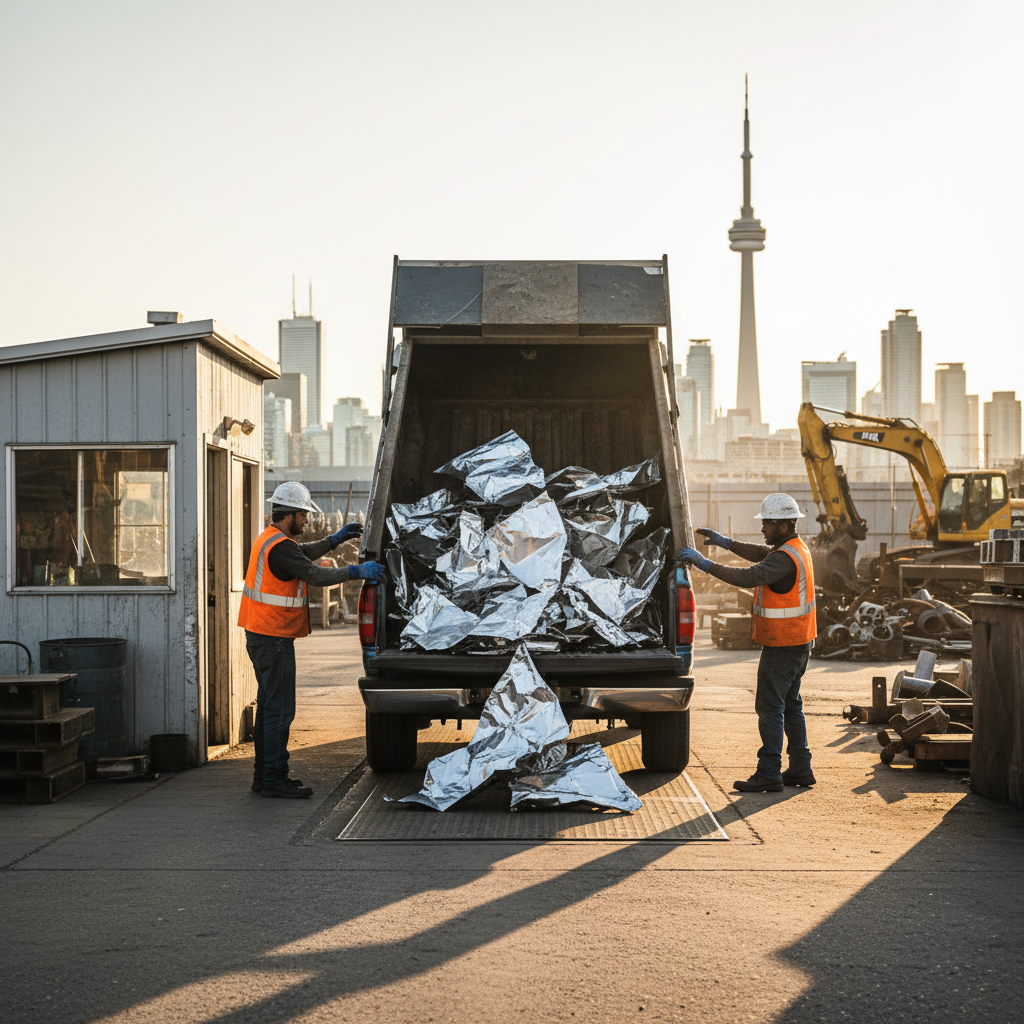
Arrive with sorted aluminum, follow yard direction, and unload into clearly marked areas. We verify grade, weigh the material, and pay you on the spot. Mixed or contaminated items can be reclassified—keeping grades separate is the fastest path to a smooth visit.
- Enter from Rexdale Blvd and follow signage to our receiving area.
- Check in and tell us what you’ve brought (e.g., clean extrusion + UBC).
- Unload into designated spots; staff are available to guide safe movement.
- Weigh using the appropriate scale; we record your grades.
- Get paid the same visit and keep your copy of the transaction.
Local considerations for Etobicoke
- Plan weekend trips around foot traffic near Woodbine Mall & Fantasy Fair to keep unloading quick and safe.
- Winter loads: keep cans dry and bagged; snow and ice add moisture that slows sorting.
- Contractors: stage aluminum siding or extrusion bundles near the top of your load so we can verify grade fast.
Need more than a drop-off? We also handle appliances, electronics, and scrap vehicles. Pair your aluminum trip with our household removal guidance or check our scrap car drop-off steps if you’re clearing a driveway.
Comparison: Aluminum vs. Other Common Metals
Aluminum is light, non-magnetic, and widely recycled. Compared to steel, it weighs less and is easier to handle; compared to copper or brass, it’s more common around homes but typically requires more volume to add up. Sorting aluminum with other non-ferrous metals speeds up your yard visit.
| Metal | Magnetic? | Common Items | Handling Notes |
|---|---|---|---|
| Aluminum | No | Cans, ladders, frames, siding, radiators | Lightweight; separate clean vs. painted vs. cast |
| Copper | No | Pipes, wires, motors, radiators | Keep insulation off when possible; sort by thickness |
| Brass | No | Faucets, valves, fittings | Remove steel/magnetics and rubber gaskets |
| Steel | Yes | Appliances, tools, grills, auto parts | Heavier; save space by flattening where safe |
| Stainless | Usually no | Sinks, kitchenware, some appliances | Non-magnetic grades exist; keep clean for better classification |
To explore steel-specific prep and selling steps, see our steel scrap guide. If you’re prioritizing high-return categories, our what pays most article outlines practical sorting for mixed loads.
Case Studies and Real Examples
The biggest wins come from clean, single-grade bundles. Contractors and homeowners who separate clean extrusion from painted siding, keep cans dry, and drain radiators move through the yard faster and avoid downgrades, improving total aluminum scrap value without extra trips.
Etobicoke homeowner: garage clear-out
- Items: cans, a ladder, flashing offcuts, and a broken radiator.
- Action: rinsed cans, dried and bagged UBC; separated sheet vs. radiator; kept screws out.
- Result: quick in-and-out at 407 Rexdale Blvd with on-the-spot payment.
Toronto contractor: window and siding swap
- Items: window frame extrusions, painted siding, steel clips, sealant.
- Action: staged clean extrusion apart from painted; clipped steel; labeled totes by grade.
- Result: minimal reclassification; crew stayed on schedule with a same-day drop-off.
Small business: quarterly non-ferrous run
- Items: a mix of aluminum sheet, clean extrusion bundles, and cans from staff kitchens.
- Action: magnet test weekly; totes clearly labeled; UBC kept dry.
- Result: smoother weigh-ins and consistent outcomes across visits.
Renovators planning demos often cross-check construction details like rebar handling guides so they can separate metals efficiently and keep crews moving. Small planning steps add up to cleaner loads and faster yard visits.
Eco Benefits and One-Stop Recycling
Recycling aluminum conserves resources and supports a circular economy. Quick Scrap Metal accepts aluminum alongside appliances and e-waste, so you can clear multiple streams responsibly in one trip. Keeping metals out of landfills reduces environmental impact and supports local industry.
Our yard buys and responsibly recycles:
- Metals: aluminum, copper, brass, stainless, steel, more.
- Appliances: washers/dryers, ovens, microwaves, A/C units, and more.
- Electronics (e-waste): computers, TVs, peripherals, and printed circuit boards.
- Vehicles: scrap car drop-off or pickup options.
When you’re coordinating renovations or material deliveries, resources like Etobicoke home renovation guides can help you align recycling trips with construction schedules. We’re open late on weekdays and open Sundays to keep projects on track.
Frequently Asked Questions
These quick answers cover prep, sorting, and drop-off at our Etobicoke yard. For anything unique—oversized parts, mixed loads, or safety questions—check in at arrival and we’ll guide you through the fastest path.
How do I tell if something is aluminum?
Aluminum is non-magnetic, lightweight, and often has a dull silver color. Use a strong magnet—if it doesn’t stick, it may be aluminum or another non-ferrous metal. Frames, ladders, and cans are common aluminum items. Keep a magnet in your toolkit for quick checks.
What hurts aluminum scrap value the most?
Contamination and mixed grades. Steel screws, plastic parts, foam, heavy paint, and fluids force reclassification or downgrades. Separate clean extrusion from painted siding, drain radiators, and keep cans dry. These small steps make the yard process faster and improve outcomes.
Can I bring aluminum with other metals and e-waste?
Yes. Quick Scrap Metal is a one-stop drop-off for metals, appliances, and electronics. Keep aluminum separated by grade within your non-ferrous bins. We’ll direct you to the right unloading areas and weigh items accordingly, then pay you on the spot.
Do I need an appointment to drop off aluminum?
No appointment is required. We’re open late on weekdays and open Sundays to fit your schedule. If you have an unusual load or need guidance on vehicles or appliances, call ahead and we’ll make sure the process is smooth when you arrive.
Key Takeaways
Sort aluminum by grade, remove steel and plastics, and keep cans dry to protect aluminum scrap value. Label totes, stage your load for quick unloading, and drop off at 407 Rexdale Blvd for on-the-spot payment and responsible recycling in one stop.
- Clean, single-grade aluminum earns better outcomes than mixed loads.
- Use a magnet test, drain fluids, and pre-bundle extrusions.
- Pair aluminum with other recyclables to save trips.
- Quick Scrap Metal: open late on weekdays and open Sundays.
Conclusion and Next Steps
Aluminum scrap value responds to smart prep and clear sorting. With a magnet, a few tools, and labeled bins, you’ll move through our Etobicoke yard quickly and get paid the same visit. Bring your aluminum—plus appliances and e-waste—for a fast, responsible one-stop drop-off.
- Gather aluminum into six basic grades at home or on site.
- Clip steel and remove plastic where safe.
- Stage loads for quick unloading at the yard.
- Check out our market drivers overview for non-ferrous metals.
Questions about your aluminum? Bring photos or a short item list. Our team at 407 Rexdale Blvd will help you confirm grades on arrival and get you paid fast.