
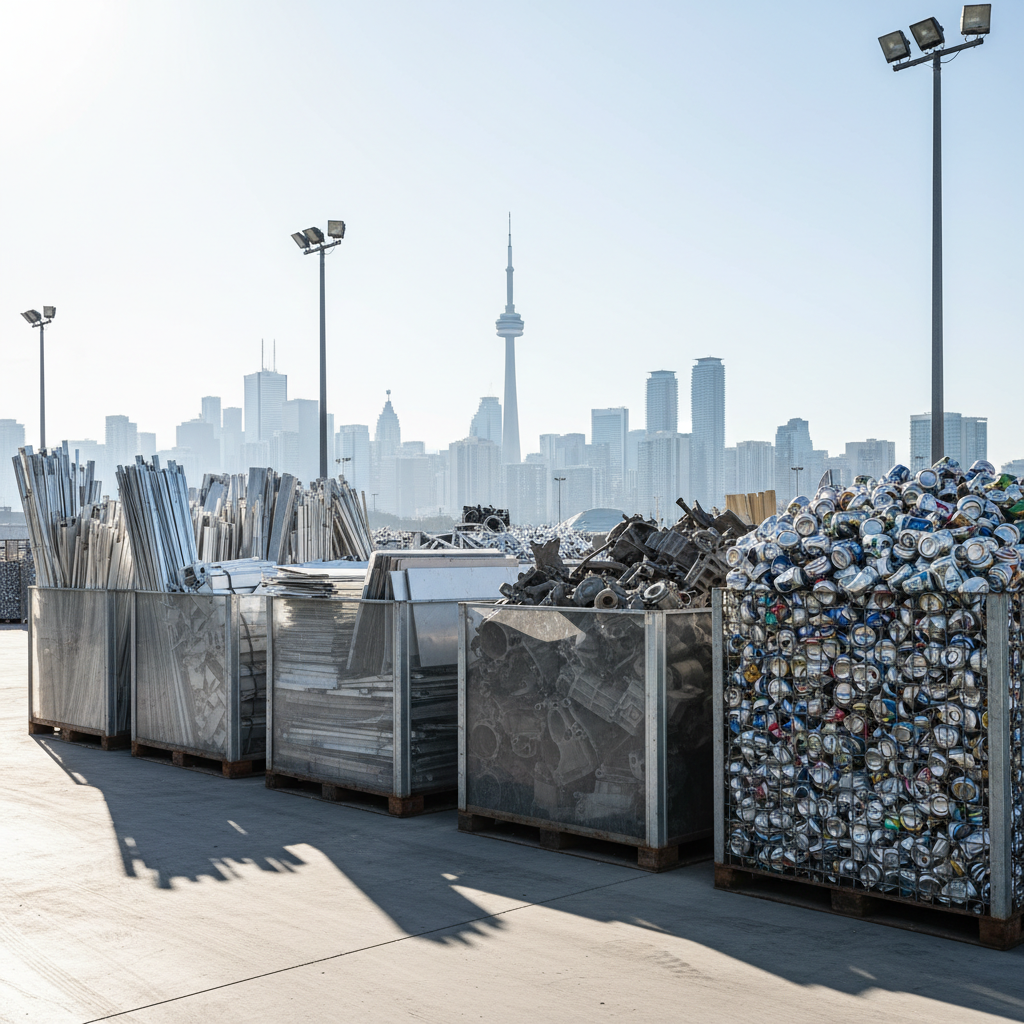
Aluminum scrap metal is recyclable aluminum from cans, siding, extrusions, cast parts, and more. At Quick Scrap Metal (407 Rexdale Blvd, Etobicoke), you can sort it, drop it off, and get paid on the spot. Clean, separated aluminum moves fast and supports responsible recycling across Toronto and the GTA.
By Preet Dass — Quick Scrap Metal • Last updated: May 26, 2026
At a Glance: How to Use This Guide
Use this guide to identify, sort, prepare, and sell aluminum scrap efficiently. You’ll learn what counts as aluminum scrap, how to separate grades, which tools help, and the exact drop-off steps at our Etobicoke yard—so you get in, get paid, and support eco-friendly recycling.
This complete guide blends practical steps with insider tips from our yard team. It’s written for homeowners, DIYers, trades, and small businesses around Etobicoke and Toronto.
- What aluminum scrap is and why it matters
- How to identify grades (sheet, extrusion, cast, cans, radiators)
- Step-by-step prep and drop-off workflow (with safety)
- Value drivers that influence payouts—without pricing
- Local considerations near HWY 27 & Rexdale
Prefer a quick reference? Skim the featured answers under each section, then jump to the checklists and table below.
What Is Aluminum Scrap Metal?
Aluminum scrap metal refers to discarded or end‑of‑life aluminum items recovered for recycling, such as cans, siding, window extrusions, wheels, and cast parts. Properly sorted and cleaned aluminum retains its value, recycles repeatedly without losing core properties, and moves quickly through professional scrap yards.
In our experience accepting everything from drink cans to engine components, aluminum shows up in almost every garage or jobsite. It’s lightweight, corrosion‑resistant, and shows a silvery surface when freshly scratched. Unlike steel, aluminum won’t attract a magnet—an easy first test at home.
- Common household sources: beverage cans, ladders, lawn furniture, siding, gutters, window frames, blinds, screen doors.
- Trade/contractor sources: extrusion offcuts, plate and sheet trimmings, HVAC fins, radiators, wire, signage frames, trailers, wheels.
- E‑waste overlap: certain heat sinks, bezels, housings, and power supply frames often contain aluminum and can be removed before electronics recycling.
Not sure about an item? Bring it by. We handle metal identification daily and can help you sort it for the best outcome.
Why Aluminum Scrap Matters in Etobicoke and Toronto
Recycling aluminum conserves energy and keeps bulky materials out of landfills. In Etobicoke and the Toronto metro, clean, sorted aluminum supports a local circular economy—helping households declutter, contractors turn offcuts into quick cash, and industries source recycled feedstock.
Here’s the thing: aluminum can be recycled over and over while maintaining performance for common uses. That loop is strongest when neighbors sort metal at home and sell it to a local yard that moves material efficiently. Our Etobicoke location—minutes from HWY 27 & Rexdale—makes that loop fast.
- Space back at home: appliances, cans, and offcuts add up fast; regular drop‑offs free garages and jobsite bins.
- Environmental upside: diverting metals from landfill reduces waste and supports responsible downstream processing.
- Community benefit: local yards like ours connect residents and trades to a direct, transparent pathway for recycling.
When neighbors see fast payouts and easy drop‑offs, recycling becomes a routine. That’s how a metro builds momentum.
Types of Aluminum Scrap Metal and How to Identify Them
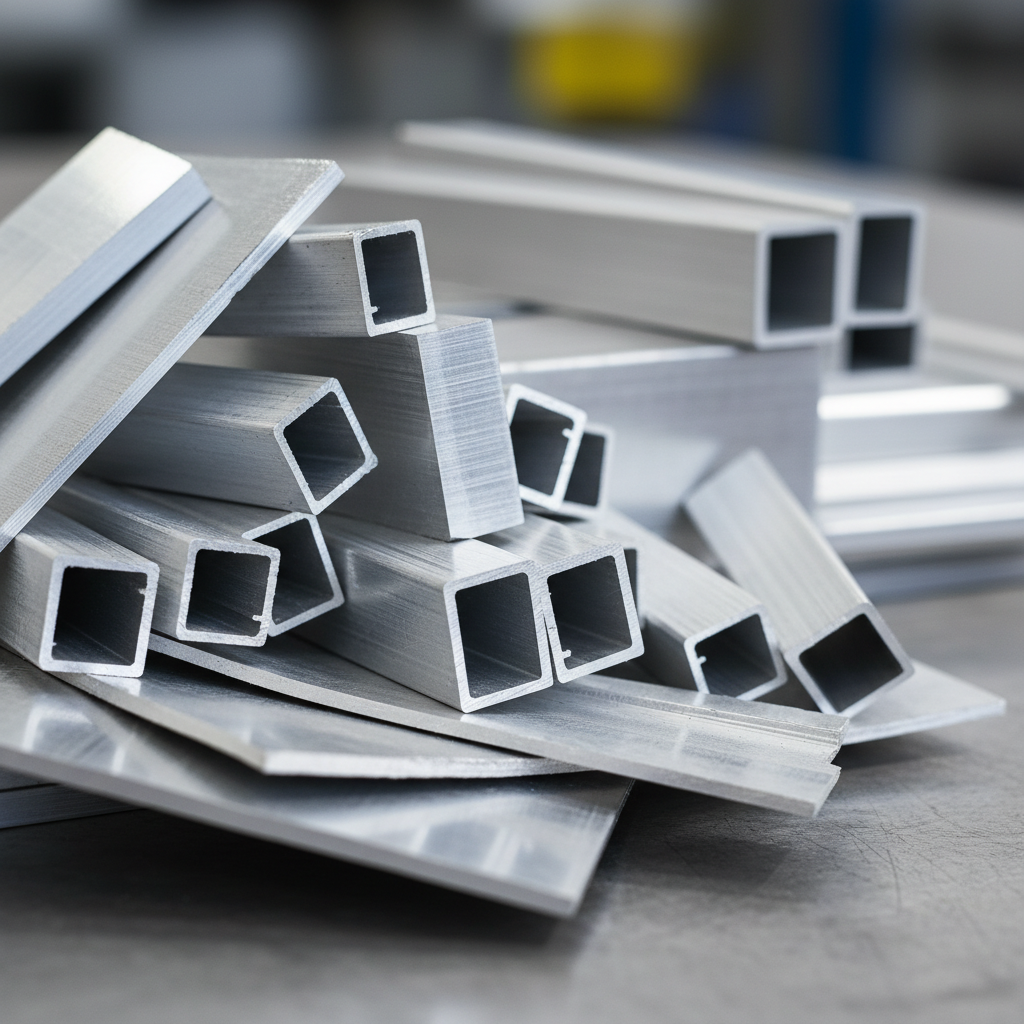
Most aluminum scrap falls into a few practical categories: extrusions, sheet/plate, cast, cans (UBC), radiators, siding, and mixed/dirty pieces. Identify by form and surface—extrusions have long profiles; sheet is flat; cast parts are chunky with porous texture; cans are thin and printed.
Sorting by type helps you unload faster and avoid downgrades. Below is a quick field guide we use on the scale every day.
Common Categories You’ll See
- Extrusions (often 6063): Window and door frames, sign frames, railings, deck systems, architectural trims.
- What to check: screws/steel inserts, paint or anodized coating, silicone/glazing, plastic caps.
- Prep tip: remove steel fasteners and plastic to keep it “clean.”
- Aluminum Sheet/Plate (3003/5052/6061): Flat pieces, siding panels, trailer skins, kitchen equipment, signs.
- What to check: attached foam, tar, adhesives, vinyl wrap, steel rivets.
- Prep tip: peel off heavy adhesives; drill out steel rivets when practical.
- Cast Aluminum: Engine and machinery housings, cookware, patio furniture, pump bodies.
- What to check: steel bushings, bolts, springs, ceramic coatings, oil residue.
- Prep tip: drain oils, knock out obvious steel; expect a rougher, grainy fracture surface.
- UBC (Used Beverage Cans): Bagged or boxed cans from home, events, offices.
- What to check: liquids, food waste, plastic bags mixed in.
- Prep tip: crush lightly for volume; keep cans separate from other metals.
- Radiators/Heat Exchangers: AC coils, auto rads, HVAC fins (often aluminum-copper combos).
- What to check: steel side straps, coolant residue, mixed copper/aluminum cores.
- Prep tip: keep auto and HVAC coils separate; don’t cut cores unless you know the construction.
- Siding/Gutters/Downspouts: Painted coil stock and formed profiles from homes.
- What to check: screws, caulk, tar, leaf guard mesh, attached wood.
- Prep tip: remove steel screws and clips; stack straight for quick weighing.
- Wire, Wheels, and “Dirty” Aluminum: Mixed alloys, paint, residue, or attached non‑metal parts.
- What to check: tire weights on wheels, road grime, plastic centers.
- Prep tip: the cleaner it is, the better; keep anything with rubber or plastic in a separate pile.
Fast Field Tests (No Lab Needed)
- Magnet test: Aluminum is non‑magnetic. If it sticks, it’s likely steel or has steel attached.
- Scratch test: A fresh scrape shows a bright silver surface on aluminum.
- Spark test: Aluminum doesn’t spark on a grinder; if you see strong sparks, you’re not on aluminum.
- Weight/feel: Aluminum feels light for its size compared to steel or copper.
Still unsure? We’ll help you sort on-site. If you already separate into the categories above, your visit will be quicker and more rewarding.
Step-by-Step: Prepare, Sort, and Sell Aluminum Scrap in Etobicoke
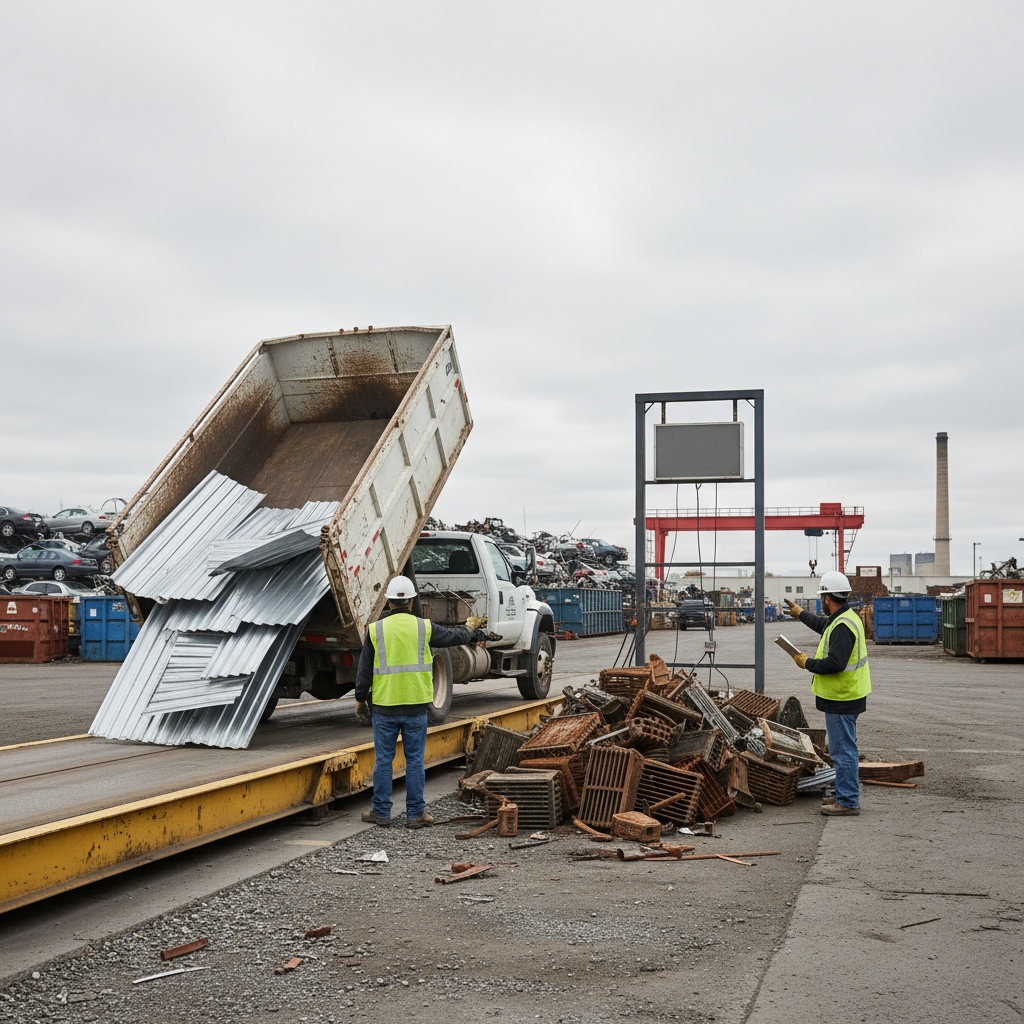
Gather aluminum by type, remove obvious attachments, and pack each grade separately. Bring a valid ID, pull onto the scale at 407 Rexdale Blvd, and follow staff directions. We’ll weigh, sort, and pay on the spot—typically within minutes—so you’re back on the road fast.
We keep this process simple and consistent for residents, tradespeople, and small businesses dropping off loads of any size.
- Collect by category: Make separate bins for extrusions, sheet, cast, cans, and “dirty” aluminum.
- Remove obvious contaminants: Screws, steel brackets, foam, tar, and heavy adhesives slow down grading.
- Bag or box cans: Keep UBC clean and dry; avoid mixing in plastic and liquids.
- Stage for loading: Use buckets or totes you can lift safely; bundle long extrusions with tape or twine.
- Load with safety in mind: Heavy cast parts low, flat sheet stacked, long pieces secured; wear gloves and sturdy shoes.
- Bring ID: We process transactions quickly when your identification is ready.
- Drive to our scale: Follow signage at 407 Rexdale Blvd; a team member will guide you where to unload.
- Weigh and sort together: We’ll confirm grades, answer questions, and make adjustments on the spot.
- Get paid on the spot: Payment is immediate once weights are confirmed.
Local considerations for Etobicoke
- Weekend runs: Traffic near Woodbine Mall & Fantasy Fair can peak midday. Early mornings reduce wait times and make unloading easier.
- Seasonal timing: Winter roads bring salt and slush—keep aluminum dry in bins to avoid mess and slowdowns at the scale.
- Neighborhood tip: If you’re staging a garage cleanout near Flagstaff Park, pre‑sort into labeled tubs so your unload is quick and tidy.
Want a deeper dive on optimizing your trip? See our guide on how to get the best price for scrap without adding extra work.
Pricing and Payout Drivers for Aluminum Scrap Metal
Your aluminum payout depends on cleanliness, grade, and global market trends. Clean, single‑alloy material—kept separate by type—moves fastest. Mixed or contaminated pieces take extra processing and are graded lower. Market conditions change, so focus on prep quality for consistent results.
This section explains value drivers without quoting specific numbers. For current market context and what our yard looks for, check our page on scrap metal prices in Toronto.
What Typically Improves Value
- Clean separation by grade: Extrusions with extrusions, sheet with sheet, UBC kept on its own.
- Minimal attachments: Fasteners, brackets, vinyl wrap, foam, and tar lower a grade; light paint is often fine.
- Dry, debris‑free material: Avoid liquids, food waste, and mud that add non‑metal weight.
- Reasonable piece size: Long pieces are okay if safely handled; tiny mixed scraps often end up as “dirty.”
What Typically Lowers Value
- Heavy contamination: Steel bolts, rubber, plastic, wood, or oils across a load.
- Mixed metals in one bin: For example, extrusions tossed with cans or cast parts—this slows grading.
- Residues and adhesives: Thick tar or foam adds time and reduces yield.
- Unknown alloys mixed together: Keep like‑with‑like when possible; if unsure, ask us before you arrive.
We aim for fast, fair grading. If you prepare material using the steps above, you’ll see smoother transactions over time.
Best Practices to Maximize Value and Stay Safe
Keep aluminum sorted, remove obvious non‑metal parts, and handle safely with gloves and eye protection. Use sturdy bins, label grades, and stack flat pieces neatly. Pre‑calling the yard with unusual items saves time and helps you avoid downgrades or unloading twice.
Preparation and Packing
- Label your bins: “Extrusions,” “Sheet,” “Cast,” “Cans,” and “Dirty” keep mistakes to a minimum.
- Bundle long pieces: Tape or twine keeps railings and trims from shifting in transit.
- Keep it dry: Moisture adds mess and slows unloading; use lids or tarps if needed.
- Spot‑remove magnets: A quick magnet pass finds hidden steel screws and clips.
On‑Site Safety
- Gloves and eye protection: Sharp edges and burrs are common on sheet and cut extrusions.
- Footwear: Closed‑toe shoes or boots make a real difference around heavy parts.
- Follow staff directions: We’ll guide you to a safe unloading area and keep traffic moving.
When in doubt, ask. We’re happy to confirm whether a piece belongs with extrusions, sheet, or cast to keep your grade clean.
Tools and Resources That Make Sorting Easier
A basic kit—magnet, permanent marker, utility knife, pliers, safety gear, and a few stackable totes—covers most aluminum sorting. Contractors benefit from a cordless drill with driver bits and a small pry bar to remove brackets and rivets efficiently.
- Sorting tools: Magnet, hand file, utility knife, flathead screwdriver, pliers, cordless drill (bits and rivet tools), pry bar.
- Safety: Work gloves, safety glasses, long sleeves for sheet edges, and a tarp for transport.
- Containers: Stackable bins/totes, 5‑gallon buckets for smalls, straps for long pieces.
For homeowners focusing on cans, see our practical tips in this aluminum can guide. Contractors who purchase new metal products may also find material terminology and alloy context from Ontario metal product overviews helpful when planning jobs and tracking offcuts.
Identification & Prep Reference: Aluminum Types
Use this quick table to match your item to a scrap category and prep step. Bring each type in a separate bin to speed unloading; remove steel where practical and keep liquids and adhesives out of the load.
| Type | How to Identify | Prep Focus | Common Pitfalls |
|---|---|---|---|
| Extrusions | Long profiles, T‑slots, corner joints, anodized/painted | Remove screws, brackets, rubber/plastic caps | Hidden steel in frames; silicone/caulk residue |
| Sheet/Plate | Flat panels, signs, siding, trailer skins | Peel heavy adhesives; drill out steel rivets | Vinyl wrap left on; tar or foam stuck to panels |
| Cast | Chunky parts; grainy fracture; engine housings | Drain oils; remove obvious steel inserts | Oil residue; ceramic coatings; attached bearings |
| UBC (Cans) | Thin, printed aluminum drink cans | Keep clean and dry; bag or box | Liquids/food; plastic bags mixed in |
| Radiators/Coils | Fins and tubes; may mix copper & aluminum | Keep auto vs HVAC separate; leave cores intact | Coolant residue; steel side straps |
| Siding/Gutters | Painted coil stock; formed channels | Remove screws/clips; stack straight | Tar patches; attached wood or mesh |
If you have a mix that doesn’t fit neatly, we’ll sort it together at the yard to keep things moving.
Case Studies and Real‑World Examples
Aluminum shows up in countless projects. These mini case studies from our Etobicoke yard show how simple prep turns clutter into quick, responsible recycling—with fast turnarounds and tidy garages and jobsites afterward.
Home Renovation Cleanout (Etobicoke)
A homeowner replaced old siding and gutters. They bundled long runs, kept screws in a separate container, and brought a couple of totes of sheet offcuts. Unload to payout took minutes. The garage was clear the same afternoon.
Trades Crew Extrusion Offcuts (Toronto)
A signage contractor delivered boxed extrusion drops labeled by length. Steel brackets were pre‑removed with a cordless driver. Because grades were clean, grading was quick and the crew turned around fast between installs.
Auto Enthusiast Weekend Drop
After a cooling‑system refresh, an enthusiast brought radiators and aluminum brackets. Keeping auto rads apart from HVAC coils avoided confusion. A quick rinse the day before stopped drips and kept the scale area clean.
Got a unique item? Call ahead and we’ll tell you how to stage it so your visit is as quick as possible.
How Quick Scrap Metal Makes It EASY | FAST | CONVENIENT
We’re built for speed and simplicity: extended hours (including Sundays), easy access near HWY 27 & Rexdale, wide material acceptance, and on‑the‑spot payouts. Drop metals, appliances, and electronics in one trip—our team guides you from scale to unload and back on the road.
- Extended hours: Open late on weekdays and Sundays for flexible drop‑offs.
- One‑stop convenience: Metals, appliances, and e‑waste accepted—clear more clutter in fewer trips.
- Help when you need it: Have mixed loads? We’ll help you sort on arrival.
New to our yard? See our overview of scrap metal recycling in Etobicoke for what we accept and how we keep visits short. If a vehicle is part of your plan, our scrap car options simplify drop‑offs and pickups.
Extra Tips for Contractors and DIY Builders
Track offcuts by job, keep a labeled bin on every site, and schedule a standing drop‑off day. Clean extrusions and sheet add up to meaningful returns, and organized habits prevent jobsite clutter and rework when it’s time to load and go.
- Bin per trade: Give installers and fabricators a dedicated “Aluminum Only” tote.
- Daily magnet sweep: Pull steel screws before they bury themselves in the pile.
- Cut ends square: Straight ends stack tighter; less space, less shifting in transit.
- Job log: Weigh‑in slips make useful project records and help estimate future offcut volumes.
Working with new metal supplies? A quick scan of common studs and profiles helps your team recognize similar aluminum shapes on site and sort faster back at the shop.
Eco‑Friendly Outcomes and E‑Waste Overlap
Aluminum recycling reduces landfill waste and supports responsible downstream processing. Many electronics include removable aluminum heat sinks and housings—pull those before e‑waste drop‑off and sort them with your aluminum bins to streamline both workflows in one trip.
- E‑waste tie‑in: Computers, monitors, and appliances often contain removable aluminum pieces you can sort with your metal.
- One‑stop trip: Metals plus electronics accepted—check our junk removal and recycling guide for planning a single run.
- Keep housings clean: Remove plastic covers and steel screws; keep small brackets together for quick magnet checks.
If you handle beverage programs, our aluminum can tips show how to keep bags dry and contamination‑free.
Frequently Asked Questions
These quick answers address what first‑time and repeat sellers ask most about aluminum scrap—identification, preparation, and drop‑off at our Etobicoke yard.
How do I tell aluminum from stainless steel?
Use a magnet first—aluminum won’t stick, while many stainless grades have at least a weak pull. Scratch a hidden spot: aluminum shows a bright silver surface and feels lighter than stainless for the same size piece.
Should I remove paint or anodizing from extrusions?
Light finishes are fine. Focus on removing steel fasteners, heavy adhesives, rubber, and plastic. If a coating peels easily, remove it; if it’s bonded and safe to leave, bring it as is and we’ll grade appropriately.
Do I need to crush and bag beverage cans?
Crushing saves space but isn’t required. Keep cans clean and dry, avoid liquids and food residues, and bring them in separate bags or boxes for the quickest weigh‑in.
Can I mix aluminum and other metals in one tote?
Keep aluminum separate when possible. Mixed totes slow grading and usually lead to lower overall value. If you’re short on time, bring mixed items—we’ll help you sort at the yard.
What if I’m cleaning out appliances and have metal, e‑waste, and plastics?
That’s our sweet spot. Bring metals, appliances, and electronics in one run. We’ll guide you to the right unload areas so each stream gets handled fast and responsibly.
Related Articles and Next Steps
Keep momentum by planning your next drop‑off and leveling up your sorting habits. The linked guides below help you prep faster, understand market drivers, and handle mixed loads with confidence—so every visit to 407 Rexdale Blvd is quick and productive.
For broader context on market movements and what our scale team looks for, read our notes on Toronto scrap prices. If your haul includes steel, our primer on selling steel scrap explains best practices for ferrous grades. Planning a bigger cleanout? Our junk removal and recycling guide outlines simple ways to stage multi‑material loads.
Curious about how new metal products compare to recyclables? These profile primers provide a helpful shape vocabulary for organizing offcuts back at the shop.
Key Takeaways
Sort aluminum by type, remove obvious non‑metal parts, and keep loads dry and separate. Follow staff directions at the scale for a quick unload and on‑the‑spot payout. Clean prep builds long‑term consistency—every visit goes faster and more smoothly.
- Aluminum scrap metal is everywhere—homes, jobsites, and garages.
- Clean, separated grades move fastest through our Etobicoke yard.
- Prep beats timing—focus on sorting and attachments, not chasing markets.
- One trip: metals, appliances, and e‑waste accepted at 407 Rexdale Blvd.
- Use labeled bins and a magnet to simplify sorting at home.
Conclusion: Turn Clutter Into a Quick Win
Identify your aluminum by type, keep it clean and separate, and swing by our Etobicoke yard. We’ll weigh, sort, and pay on the spot. Combine metals with appliances and electronics in one trip to recycle responsibly and reclaim space at home or on the job.
Ready to move? Load your extrusions, sheet, cast parts, and cans into labeled bins and head to Quick Scrap Metal at 407 Rexdale Blvd. Have questions about unusual items or mixed loads? Call ahead and we’ll map the fastest unload route for you.
Soft CTA: Planning a weekend drop? Review what we accept and market factors, then bring your ID for a smooth, same‑day payout.