
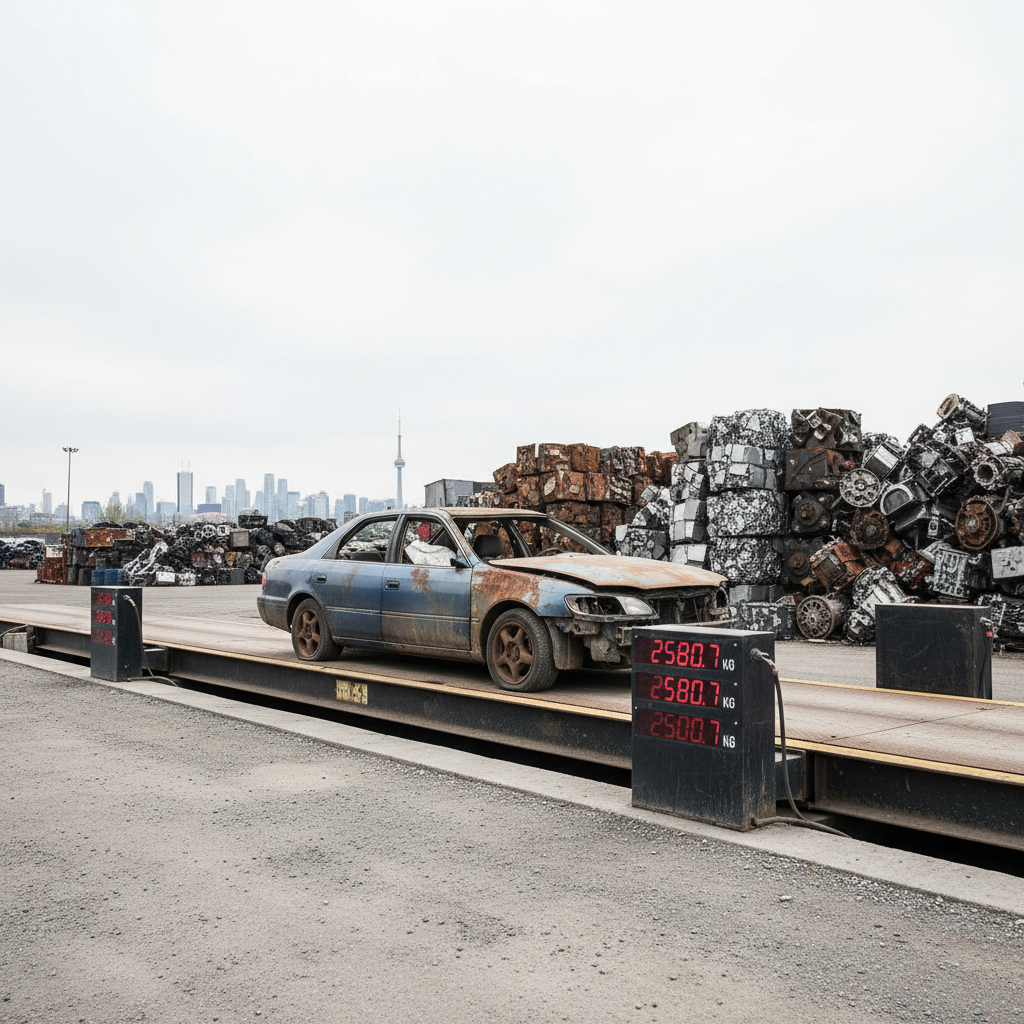
To buy scrap car services in Etobicoke, work with a licensed scrap yard that pays on the spot and handles towing, paperwork, and responsible recycling. At 407 Rexdale Blvd, Quick Scrap Metal offers same‑day pickup or easy drop‑off so you can turn an end‑of‑life vehicle into cash quickly and safely.
By Preet Dass • Last updated: 2026-05-19
Quick Summary
Selling a scrap car is straightforward when you follow a checklist: confirm vehicle ownership, remove personal items and plates, get a pickup or plan a drop‑off, and bring valid ID. Quick Scrap Metal in Etobicoke provides on‑the‑spot payment, safe depollution, and straightforward paperwork for a fast, clean handoff.
You want a simple, no‑surprises process. Here’s how this guide helps you reach a fast, responsible sale without stress or wasted time.
- Understand what “buy scrap car” means and how yards evaluate vehicles.
- See pickup vs. drop‑off compared, step‑by‑step.
- Follow best practices that increase your payout and speed.
- Use local tips for Etobicoke and the Toronto metro area.
What does “buy scrap car” mean?
“Buy scrap car” refers to a licensed yard purchasing end‑of‑life vehicles for recycling. The yard pays you for the salvage value, tows or receives the car, drains fluids safely, and recovers metals like steel, aluminum, and copper. You walk away with quick payment and a clean, compliant disposal.
In practical terms, it’s a trade: your old or non‑running vehicle for an immediate payout and peace of mind. A qualified buyer will:
- Verify ownership and ensure the vehicle can be legally released.
- Depollute the car by removing fluids, batteries, and airbags for safe recycling.
- Recover metals such as steel, aluminum, and copper for the circular economy.
- Provide proof of receipt and complete the handoff.
At our Etobicoke yard, we accept scrap cars as part of broader metal recycling—alongside appliances, electronics, and mixed ferrous/non‑ferrous items—so you can clear multiple waste streams in one stop.
Why selling a scrap car matters (environment, space, and safety)
Recycling a vehicle prevents fluid leaks, diverts metals from landfills, and frees up driveway space. It also reduces the demand for virgin ore, since a scrap car contains recoverable steel, aluminum, and copper. A compliant yard handles hazardous components so you avoid environmental and legal risks.
There’s more at stake than clutter. Old vehicles can leak oil, coolant, and brake fluid, and their batteries need controlled handling. When you choose a licensed recycler, you reduce risks, recover value, and support responsible metal recovery—key to sustainable manufacturing supply chains.
- Environmental protection: Proper depollution controls spills and captures batteries for safe processing.
- Material recovery: Vehicles contain high‑value metals that can be re‑melted and reused.
- Household benefits: Gain space, remove an eyesore, and avoid ongoing storage headaches.
We’ve seen homeowners in Toronto finally reclaim a garage bay the same day they call—no towing coordination on their part, no lingering paperwork questions.
How buy scrap car works in Etobicoke and the Toronto metro
In Etobicoke and the wider Toronto area, you can book a scrap car pickup or drive in for drop‑off. Quick Scrap Metal at 407 Rexdale Blvd verifies ownership, issues on‑the‑spot payment, and manages responsible recycling. Extended hours and Sunday availability keep the process flexible.
Here’s the typical flow we follow with local drivers:
- Intake: You call or visit with ID and proof of ownership; we confirm basic details.
- Logistics: Choose pickup if the car won’t start, or drop‑off if you can deliver.
- Handoff: We document the vehicle, remove plates (if not already done), and finalize the release.
- Payment: Immediate payout for the vehicle’s salvage value.
- Recycling: Fluids and batteries are removed safely; metals are sorted for processing.
Because we buy metals, appliances, and e‑waste as well, many customers bring extra items to one visit. If you’re sorting a basement or shop, pair your car handoff with mixed-metal drop‑off to save time.
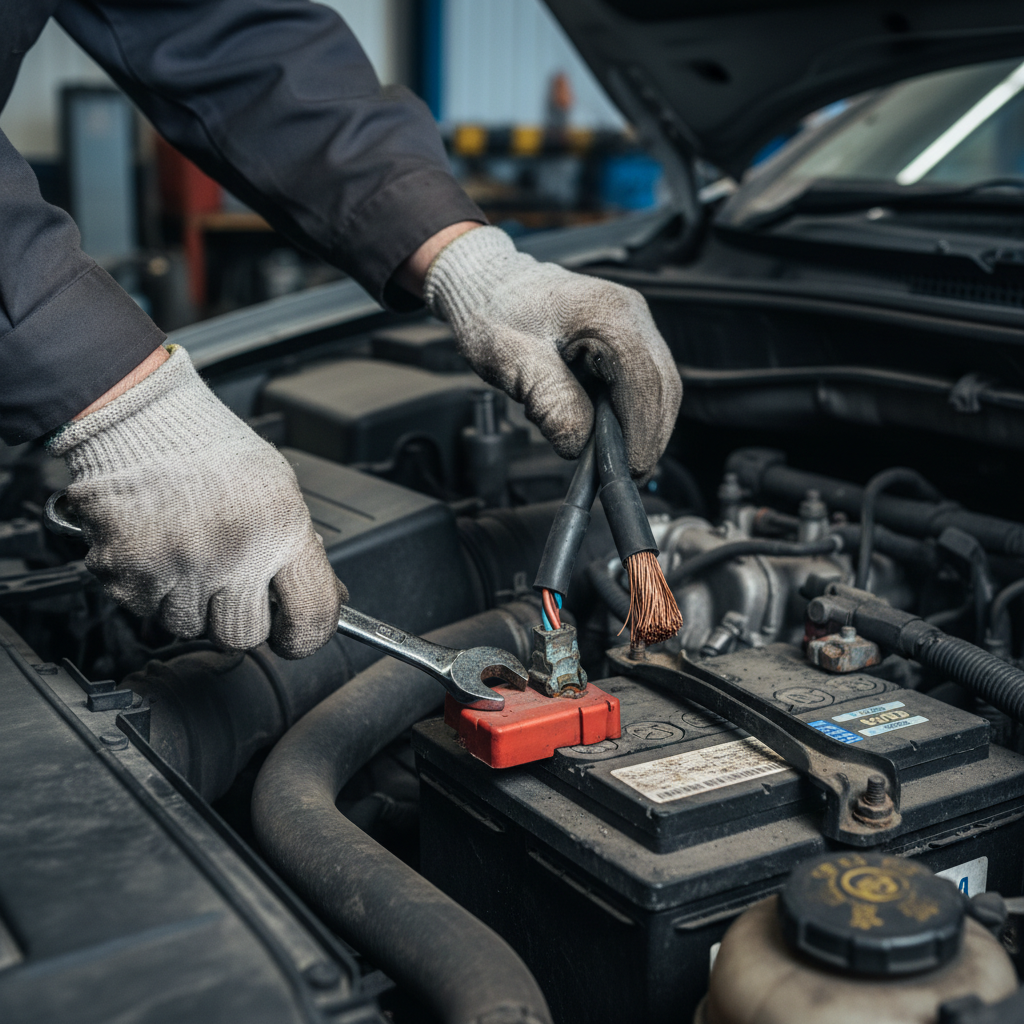
For a broader look at accepted materials, see our scrap metal recycling guide and our full scrap metal guide for the GTA.
Pickup vs. drop‑off: what’s better for you?
Choose pickup if the vehicle won’t start or you prefer zero logistics. Choose drop‑off if the car is drivable or you have a tow arranged. Both options are fast at Quick Scrap Metal; pickup adds convenience, while drop‑off lets you combine other metal and e‑waste in one trip.
Each path gets you to the same destination—quick payment and responsible recycling—but the experience differs:
| Option | Best for | What to prepare | Main benefit |
|---|---|---|---|
| Pickup | Non‑runners, no plates, tight schedules | ID, proof of ownership, clear access | No transport effort on your side |
| Drop‑off | Drivable or already towed vehicles | ID, ownership, any extra scrap you want to sell | One‑trip cleanup for car + metals/e‑waste |
Not sure which route fits? Many Etobicoke residents prefer pickup for convenience; contractors and shop owners often drop off to bundle copper, aluminum, or steel with the vehicle handoff. For specialty metals and category specifics, our steel scrap selling guide is a helpful companion.
Step‑by‑step: how to sell a scrap car (10 steps)
Follow this 10‑step checklist: confirm ownership, gather ID, remove plates and personal items, request pickup or plan drop‑off, clear access, bring keys, show documents, receive payment, notify your insurer, and retain your receipt. This keeps your transaction fast, clean, and compliant.
- Confirm ownership: Ensure the vehicle’s legal owner is present or properly authorized.
- Gather ID: Bring valid photo ID that matches the ownership record.
- Remove plates: Take off plates before pickup or at the yard.
- Clear personal items: Glovebox, trunk, consoles—empty everything.
- Choose logistics: Book pickup or plan a drop‑off to 407 Rexdale Blvd.
- Prepare access: Make sure a tow truck can reach the vehicle safely.
- Have keys handy: Keys simplify loading and verification.
- Bring documents: ID and ownership proof for a smooth handoff.
- Receive payment: You’ll be paid for the salvage value at handoff.
- Notify insurer: Close your policy and keep your transaction receipt.
If you are organizing a larger cleanup, you can also schedule household metal and e‑waste at the same time. Our overview of electronics recycling explains what we accept—from computers to printed circuit boards.
Documents and local paperwork basics
Bring government‑issued photo ID and proof of vehicle ownership. Remove your plates and keep your insurance card handy. After the handoff, keep your receipt and check any local title transfer or notary requirements for your records.
Paperwork should be easy—not a roadblock. We walk you through the essentials at the yard, then provide a clear receipt for your files. For general background on title transfers and documentation, you can review public guidance from reputable legal resources that outline what paperwork typically looks like.
For broader reading on documentation steps, see these practical guides on title transfer basics and local notary services that can help with identity verification or affidavits when needed.
What affects your payout (without numbers)
Payouts reflect the vehicle’s weight, metal mix, and completeness, plus current market demand for scrap metals. Drivetrain parts, catalytic converters, batteries, and aluminum components influence value. Clean, accessible handoffs with clear documents usually speed payment.
While we never publish fixed rates in an article, here are the common levers that matter:
- Vehicle mass and metal mix: Steel, aluminum, copper, and stainless all contribute differently.
- Completeness: Missing driveline parts or batteries reduce salvage value.
- Current market conditions: Metal demand cycles influence salvage values.
- Ease of logistics: Clear access and ready paperwork keep operations speedy.
Want to understand how different metals are weighed and graded? Explore our page on scrap metal prices for category definitions and quality tips. You can also learn what items we accept in our metal junk yard overview.
Best practices to maximize speed and value
Arrive prepared: bring ID and ownership, remove plates and personal items, and choose pickup if the car won’t start. Bundle extra metals and e‑waste into the same trip, and photograph the vehicle beforehand for your records. Small steps like these make a noticeable difference.
- Prep everything the day before: Documents, keys, and a quick photo set.
- Bundle items: Copper wire, radiators, or appliances can be sold in one visit.
- Choose the right logistics: Pickup saves time for non‑runners.
- Clear obstacles: Ensure a tow path without parked vehicles or low branches.
- Communicate special notes: Let us know about seized wheels, locked steering, or difficult access.
In our experience, a 10‑minute prep easily saves a full hour at handoff—especially on busy weekends when many Toronto homeowners are cleaning up garages and driveways.
Tools and resources you’ll actually use
You don’t need fancy tools—just the right information. A simple checklist, basic hand tools for plate removal, a phone for photos, and a folder for documents cover most situations. When in doubt, our team can handle the heavy lifting and towing logistics.
- Checklist: Keep a printed or phone note with ID, ownership, keys, plates, and insurer call.
- Photos: Quick exterior/interior shots for your records.
- Hand tools: Socket or screwdriver for plate removal if needed.
- Folder: Store your receipt and any closing paperwork together.
- Towing coordination: We arrange pickup if you choose that route.
Planning a full declutter? Our free junk metal pickup tips show how to stack materials safely and save return trips.
Mini case studies: real‑world scenarios
These three quick scenarios show how Etobicoke and GTA customers turn end‑of‑life vehicles into cash—fast. You’ll see how pickup and drop‑off work in practice, and how bundling metals and e‑waste in one visit simplifies bigger cleanups.
Garage space, same‑day pickup
A homeowner in Etobicoke had a non‑running sedan blocking winter storage. We scheduled pickup, cleared a path, verified ID and ownership on‑site, and completed payment at handoff. They also added a washer and old tools—one coordinated visit, one clean driveway.
Shop cleanup with drop‑off
A small contractor drove in a high‑mileage work car on its last legs. While here, they sold copper offcuts, aluminum siding, and a bin of extension cords. The bundled trip simplified bookkeeping and freed space in the shop.
Estate declutter plus e‑waste
During an estate cleanout, the family chose a weekend drop‑off. We processed the vehicle and accepted computers, monitors, and a box of printers and keyboards. One yard visit handled automotive, metals, and electronics responsibly.
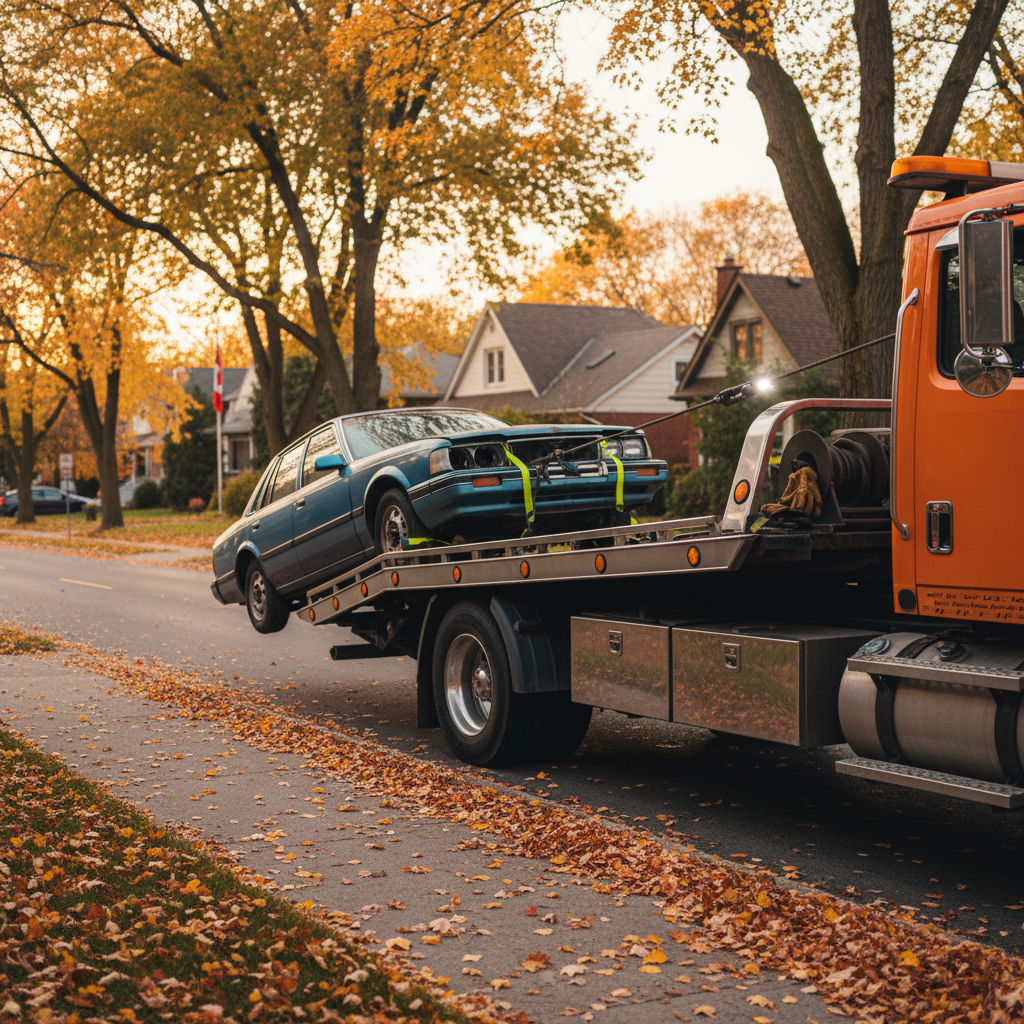
Comparison: scrap yard vs. private sale vs. donation vs. online buyer
If your vehicle is at end‑of‑life, a licensed scrap yard is usually the fastest, most straightforward path. Private sales can take time and repairs; donations depend on acceptance criteria; online buyers vary by region. A yard pays for salvage value and handles safe recycling.
| Option | Speed | Effort | What you get | Best when |
|---|---|---|---|---|
| Licensed scrap yard | Same day to a few days | Low (pickup) to medium (drop‑off) | Immediate salvage payout | Car is non‑running or not worth repairs |
| Private sale | Days to weeks | High (listings, calls, showings) | Sale proceeds, if buyer found | Car still runs and passes safety checks |
| Donation | Days to weeks | Medium (eligibility, coordination) | Non‑cash goodwill outcome | You prefer a charitable route |
| Online car buyer | Days | Low (forms, pickup) | Offered amount from network | Accepted in your region and terms fit |
We keep the scrap‑yard route simple: clear steps, immediate payout, and one stop for metals and e‑waste. If documents need witnessing, local notary services are nearby and familiar with identity verification.
Local tips for Etobicoke drivers
Plan around weekend traffic and nearby destinations. Our yard sits near major routes, so pickups move quickly when access is clear. If you’re bundling a trip with errands, drop‑offs near midday often avoid early rushes around Etobicoke.
Local considerations for Etobicoke
- When planning a Saturday drop‑off, consider foot traffic near Woodbine Mall & Fantasy Fair; aim for late morning or early afternoon.
- Snow or heavy rain can slow towing. Clear a path and brush off vehicles to keep load‑ups safe.
- For gated lots or laneways, confirm access hours so pickup can proceed without delays.
We routinely coordinate pickups across Toronto and nearby cities, so if your vehicle sits in a tight spot, just share a quick photo and notes—our team will plan the safest approach.
What we accept beyond cars (one‑stop drop‑off)
Alongside scrap cars, we buy ferrous and non‑ferrous metals and responsibly recycle appliances and electronics. If it’s metal, we likely buy it—and if it plugs in, we can often recycle it. That makes your vehicle handoff a one‑trip cleanup opportunity.
- Metals: Steel, cast iron, rotors, aluminum, copper, brass, nickel, stainless.
- Auto parts: Radiators, engines and motors, transmissions, compressors.
- Appliances: Washers, dryers, microwaves, dishwashers, A/C units.
- E‑waste: Computers, TVs/monitors, keyboards, and printed circuit boards.
Explore accepted categories in our GTA‑wide scrap metal recycling page and the broader scrap metal guide.
Frequently Asked Questions
These quick answers address the questions we hear most from Etobicoke and Toronto drivers. Each one is based on day‑to‑day yard operations so you can act with confidence and avoid avoidable delays.
What documents do I need to sell my scrap car?
Bring government‑issued photo ID and proof of ownership. Remove your plates and bring keys if available. We’ll provide a receipt at handoff. If names don’t match or you’re acting for someone else, bring supporting authorization.
Should I choose pickup or drop‑off?
Pickup is best if the car won’t start or access is tight. Drop‑off works when it’s drivable or you already have a tow arranged. Both options are quick; choose what fits your schedule and access.
Can I sell other metals or e‑waste at the same time?
Yes. We buy mixed metals and responsibly recycle appliances and electronics. Many customers bundle copper, aluminum, and old computers or TVs with a vehicle handoff to finish a full garage or shop cleanup in one trip.
Do I need to drain fluids before pickup?
No. Don’t attempt to drain fluids yourself. Our team and downstream processors handle safe depollution. Just ensure clear access for towing and have your documents ready.
Key takeaways
Selling a scrap car is faster when you’re prepared and work with a licensed yard. Choose pickup for convenience or drop‑off to bundle metals and e‑waste. Bring ID and proof of ownership, clear access, and keep your receipt to close the loop.
- “Buy scrap car” means quick payout for salvage value with safe recycling.
- Pickup vs. drop‑off both work; choose based on access and schedule.
- Bundle metals, appliances, and e‑waste to finish a bigger cleanup in one go.
- Keep documents handy and remove plates for a smooth handoff.
Next steps (soft CTA)
Ready to clear the driveway? Tell us where the vehicle sits and whether you prefer pickup or drop‑off. We’ll confirm documents, timing, and access, then complete the handoff with on‑the‑spot payment and a clear receipt.
Have a non‑runner in a laneway or underground? Share a quick photo and access notes. Our team will map the safest route, coordinate towing, and wrap everything up. When you’re planning a weekend run, check our hours and consider midday to avoid heavier traffic.
Need a general junk‑removal contact for other items? This local directory can help you explore options for bigger cleanouts beyond metals and vehicles: Greener junk removal.
Get started today: Choose pickup or plan a drop‑off to 407 Rexdale Blvd. Bring ID and proof of ownership. We’ll handle the rest—fast, safe, and responsible.
Contact Quick Scrap Metal to schedule your scrap car handoff.