
Last updated: October 2026
By Preet Dass • Refreshed for current Toronto terminology
What to know before booking
Free junk metal pick up sounds simple, but “free” can describe different services. A private scrap recycler may waive a collection charge when the load contains enough metal value to justify the truck, labour and handling. That is different from assuming every unwanted appliance or mixed junk pile will be collected at no cost.
Toronto also uses the term oversized and metal items for a municipal residential collection service. That program is funded through the City’s annual residential waste fees, so it is not completely free at the point of use. A private scrap-metal pickup may still be the better fit when you want recyclable material removed from a property, especially when you have a larger or metal-heavy load.
- Best fit for private pickup: appliances, wire, radiators, motors, metal fixtures, auto parts and other recyclable metals in a worthwhile quantity.
- Usually not suitable: mixed household garbage, hazardous waste, tiny loads, inaccessible basement items or material that requires extensive dismantling.
- Fast alternative: bring sorted metals and accepted electronics to Quick Scrap Metal at 407 Rexdale Blvd in Etobicoke.
- Most important preparation: separate metal from non-metal waste, clear the route and send accurate photos before scheduling.
What does free junk metal pick up mean?
Free junk metal pick up usually means a recycler collects qualifying scrap without charging a separate removal fee. The recycler recovers value from ferrous metals such as steel and cast iron, and from non-ferrous metals such as copper, aluminum, brass, nickel and stainless steel. Whether a load qualifies depends on its material, quantity, weight, access and collection route.
It is not a promise that every item containing metal will be removed for free. A broken chair with a few metal screws, a small box of mixed hardware or a pile surrounded by garbage may not cover the cost of a truck visit. Conversely, several appliances combined with wire, radiators or other dense metal may make pickup practical.
Private pickup versus Toronto’s municipal service
Residents should identify which service they need before putting items outside. Toronto’s oversized and metal-item collection is a municipal option for eligible residential items, while a private recycler evaluates the scrap value and logistics of a particular load. The municipal service should not be described as entirely free because residential waste services are supported through annual fees.
Private recycling is also not a substitute for every municipal waste stream. Renovation waste, chemicals, batteries and general garbage may require different handling. When in doubt, describe the material accurately rather than combining everything into one pile.
Which items can qualify for free pickup?
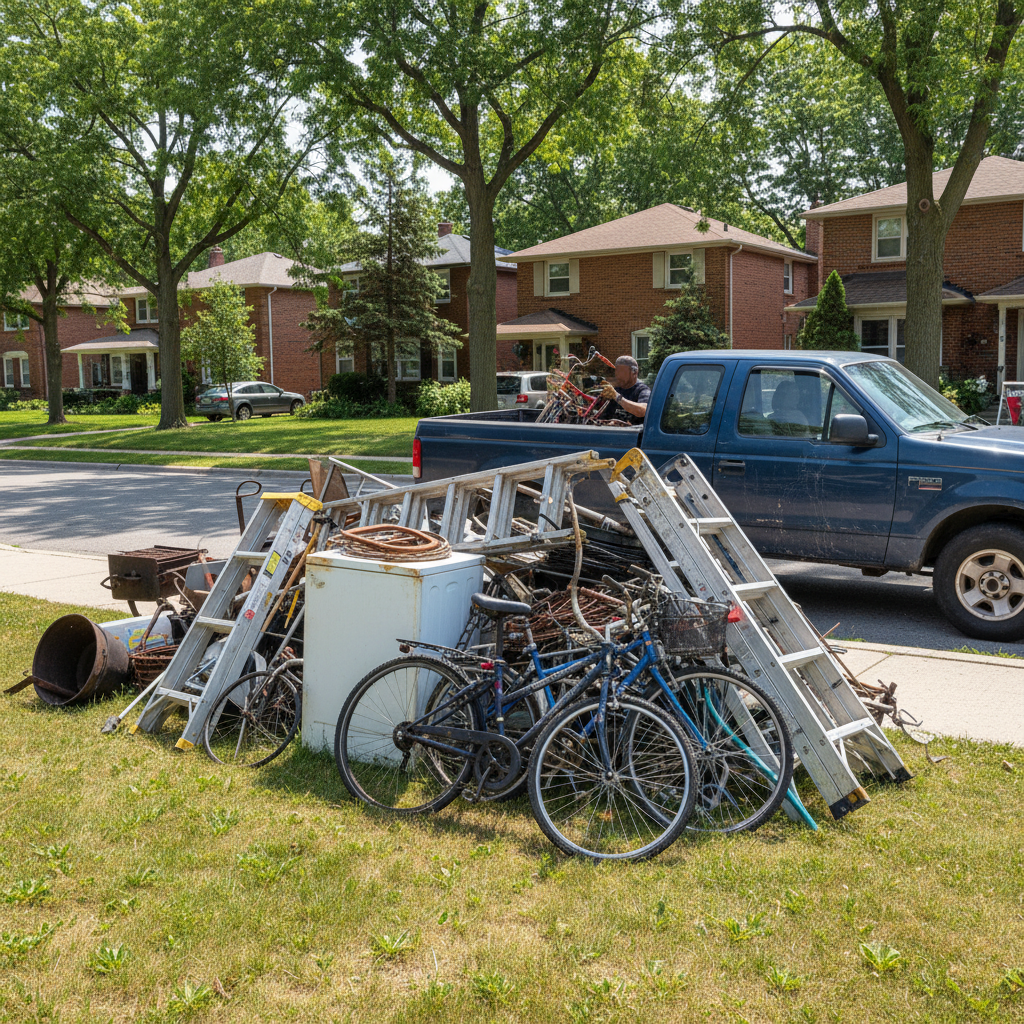
The strongest candidates are bulky, metal-heavy items that can be loaded efficiently. Common examples include washers, dryers, stoves, refrigerators, metal shelving, radiators, motors, engines, brake rotors, aluminum ladders, stainless sinks, copper wire and metal framing offcuts.
- Household appliances: Washers, dryers, stoves and other large appliances can contribute useful volume. Keep appliances accessible and unplugged.
- Non-ferrous metals: Copper, brass, aluminum, nickel and stainless steel can improve the overall value of a load when separated from garbage.
- Ferrous metals: Steel appliances, cast iron, radiators, auto parts and structural offcuts add weight and may make a collection route worthwhile.
- Electronics and e-waste: Computers, televisions, circuit boards and peripherals should be identified and kept separate so they can enter an appropriate recycling stream.
Eligibility is not determined by one item alone. A valuable category in a very small quantity may still be more convenient to bring to the yard, while a large, easy-to-load ferrous pile may qualify even when its unit value is lower.
What generally does not qualify?
Mixed garbage, construction debris with little recoverable metal, liquids, chemicals, batteries, propane cylinders and hazardous materials should not be placed in an ordinary scrap pickup. Do not put sealed tanks, pressurized containers or unknown substances into a metal pile. Ask about unusual items before moving them.
Access matters as much as material. Items inside a basement, behind a locked gate, up stairs or buried beneath other waste can require extra labour and equipment. Explain those conditions when requesting a quote or eligibility check.
How to arrange a free metal pickup
A clear description at the start prevents a failed appointment. Make an inventory, take photographs and explain where the items are located. Mention stairs, narrow driveways, construction-site conditions, overhead clearance and whether someone will be present.
- List the material: Identify appliances, wire, radiators, motors, aluminum, stainless steel, steel and electronics separately.
- Estimate the quantity: Count appliances, describe the number of bins or pallets and explain whether the load is spread across rooms.
- Photograph the pile: Take wide photographs showing access and closer photographs showing the material. Do not hide mixed waste around the metal.
- Confirm eligibility: Ask whether the load qualifies for free pickup or whether a drop-off is recommended.
- Prepare the access route: Clear snow, ice, vehicles, tools, pets and loose debris before the scheduled window.
- Be available at loading: Ensure the crew can identify the correct items and know about anything that must remain on site.
A photo-based assessment is useful, but it should not be treated as a guaranteed payout or fixed acceptance decision. Material can look different in person, and the final handling requirements may change if non-metal waste or unsafe conditions are discovered.
Seven practical ways to improve eligibility
There is no universal minimum load stated here because route economics and material composition vary. These steps improve the usefulness of the information you provide and reduce avoidable loading time.
- Combine separate small piles. A washer, a few radiators and a box of wire may be more practical together than as separate requests.
- Prioritize metal-heavy material. Remove cardboard, wood, plastic and general garbage from the collection pile.
- Separate higher-value categories. Keep copper, brass, aluminum and stainless steel identifiable instead of burying them in steel.
- Add dense items where appropriate. Motors, rotors, radiators and cast-iron pieces can contribute meaningful weight.
- Prepare appliances safely. Unplug them, secure loose doors where possible and never dismantle sealed or pressurized components.
- Make loading straightforward. Ground-level curbside or driveway staging is usually easier than stairs, tight halls or obstructed garages.
- Send accurate photographs. Showing the entire pile and the route helps the recycler decide between pickup and drop-off before dispatch.
These steps do not guarantee no-cost collection. They make the load easier to evaluate and may prevent a second visit caused by insufficient volume or unexpected access problems.
How to prepare metal and e-waste safely
Preparation should reduce risk, not create more recoverable material. Wear work gloves and closed-toe footwear, use eye protection for appropriate tasks and avoid cutting, crushing or stripping items unless you know they are safe to handle. The recycler can advise on material that should remain intact.
Sort before the truck arrives
Place ferrous metals in one area and non-ferrous metals in another. Keep electronics, batteries and items containing electrical components separate. Labeling a bin “copper wire,” “stainless” or “electronics” helps avoid accidental mixing and speeds the loading conversation.
Clear a safe path
Move loose tools, boxes and household items away from the route. Clear snow and ice in winter, secure pets and keep children away during loading. Do not stack heavy pieces where they can fall or require someone to reach underneath them.
Handle appliances and fluids carefully
Unplug appliances before moving them, but do not cut refrigerant lines or open sealed systems. Engines, equipment and other items containing fluids may need specific handling. Batteries, chemicals and pressurized containers should not be hidden in a scrap pile.
Use equipment within its limits
A dolly can help move an appliance across a level surface, but do not attempt a heavy lift alone. Keep narrow pieces bundled securely without creating a bundle that is too heavy for one person to control. When access is difficult, disclose it rather than improvising a dangerous route.
When drop-off is better than pickup
Drop-off is often the better choice when the load is small, you want quick processing or you can transport the materials safely. Quick Scrap Metal operates at 407 Rexdale Blvd in Etobicoke and accepts scrap metal, appliances and a range of electronics and e-waste. The business serves Etobicoke, Toronto and the broader GTA, including customers travelling from Mississauga and Brampton.
At a yard, you control when the material arrives and avoid waiting for a collection route. Sort items before loading, keep electronics distinct and secure loose metal so it cannot shift during transport. Bring only materials you can transport legally and safely.
| Option | Best for | What to prepare | Key limitation |
|---|---|---|---|
| Private free pickup | A worthwhile metal-heavy load with easy access | Photos, sorted material and a clear loading route | Eligibility depends on quantity, material and logistics |
| Drop-off at 407 Rexdale Blvd | Small or urgent loads and customers who can transport safely | Sorted metals, secured items and separate e-waste | You arrange transportation to the yard |
| Municipal oversized-item collection | Eligible residential oversized or metal items handled through Toronto’s system | Follow current City instructions and collection requirements | Residential waste fees apply annually; it is not free at point of use |
| General junk removal | Mixed waste or material that is not primarily recyclable metal | Describe the full contents and access conditions | A paid service may be needed for non-recyclables |
For a broader explanation of categories, preparation and yard visits, use this scrap metal recycling guide. If your priority is local service details, the Etobicoke scrap metal recycling overview provides a more focused starting point.
How sorting affects the recycling decision
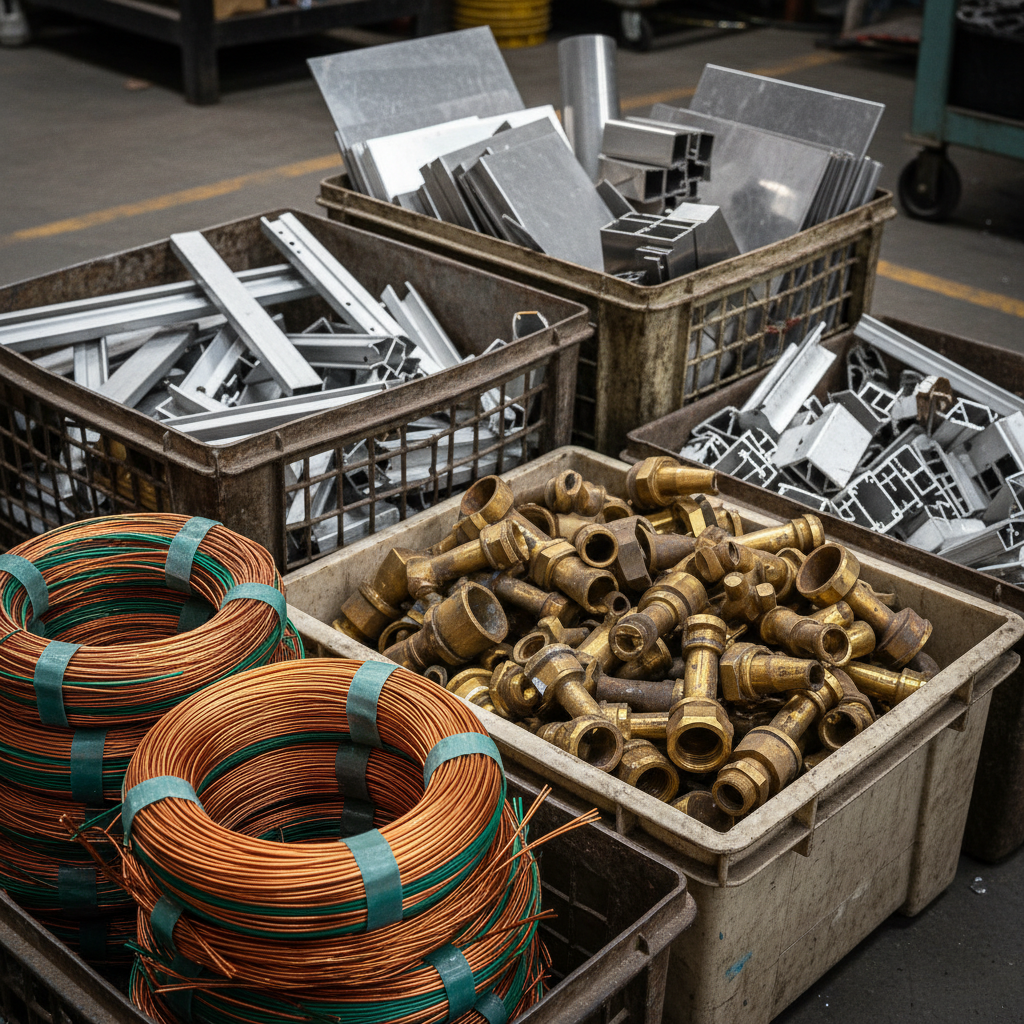
Sorting does not guarantee a particular price, and this article does not provide a rate because scrap values change. It does make the material easier to identify, weigh and direct into the correct recycling stream. Clean, separated material also reduces the chance that valuable items are treated as mixed waste.
Keep copper, brass, aluminum and stainless steel visible rather than placing them beneath steel appliances. Remove loose rubbish where safe, but do not strip insulation, dismantle appliances or expose electrical components simply to make a pile look cleaner. The safest preparation is usually the one that improves identification without creating sharp edges or unstable pieces.
Customers planning a yard visit can review the scrap metal prices overview for general planning, then confirm current conditions directly. Advice on getting the best price for scrap metal in Etobicoke can also help explain why sorting and accurate descriptions matter, without treating an online guide as a guaranteed quote.
Planning a pickup in Etobicoke
Etobicoke properties vary from detached driveways to apartment loading areas, commercial sites and renovation projects. Give the recycler enough information to understand the setting. A curbside pile is different from a basement appliance, and a pallet at a commercial entrance is different from loose metal distributed through a work site.
Seasonal conditions matter. Snow and ice can make a driveway hazardous, while summer construction activity can block access or create a mixed pile of wood, drywall and metal. Separate recyclable material before requesting pickup and keep the loading area free of people who are not involved.
For a load containing substantial non-metal junk, compare recycling with a broader removal service before booking. The guidance on scrap-metal junk removal in Etobicoke can help you decide whether the material is primarily recyclable or requires a different type of provider.
Electronics, appliances and responsible recycling
Electronics should not be treated as ordinary loose metal. Computers, televisions, circuit boards and peripherals contain recoverable materials but may also contain components requiring dedicated processing. Keep e-waste in a separate, stable area and identify it when arranging pickup or drop-off.
Appliances can contain electrical parts, fluids or sharp sheet metal. Do not open sealed systems, crush appliances or remove components that you cannot handle safely. A recycler can direct the item into the appropriate stream after assessing its condition.
Toronto residents should also check current municipal instructions for accepted items and batteries. Municipal rules and private yard acceptance are not identical, so the right destination depends on the material, quantity and whether you are seeking a pickup or transporting items yourself.
A final pickup checklist
- Write down the appliances, metals, electronics and approximate quantities.
- Remove garbage, wood and other non-metal material from the proposed pickup pile.
- Separate ferrous metals, non-ferrous metals and e-waste.
- Unplug appliances and avoid opening sealed, pressurized or fluid-containing systems.
- Take wide and close photographs that show both the material and access route.
- Move items to a safe ground-level area only if you can do so without injury.
- Tell the recycler about stairs, gates, tight spaces, vehicles, snow or other obstacles.
- Confirm whether the load qualifies for private free pickup or should be brought to the yard.
A short, accurate description is more useful than calling every unwanted item “scrap.” It gives the recycler enough information to recommend a realistic next step.
Frequently asked questions
Is free junk metal pick up actually free in Toronto?
Private scrap recyclers may offer pickup without a separate removal charge when the load has sufficient recyclable value. Eligibility depends on material, quantity, access and route. Toronto’s municipal oversized and metal-item collection is supported by annual residential waste fees, so it is not completely free at the point of use.
What is the minimum amount of metal needed for free pickup?
There is no single minimum that applies to every load. A recycler may consider the mix of metals, total quantity, weight, distance, loading time and access. Send photographs and a description before scheduling rather than assuming that one appliance or a small box of scrap will qualify.
Can appliances and electronics be collected together?
They may be accepted as part of the same request, but electronics should be identified and kept separate from ordinary scrap. Computers, televisions and other e-waste can require dedicated handling. Confirm unusual appliances, batteries, fluids and sealed components before moving them.
What should I do if my load does not qualify?
Bring sorted, safely transportable metals and accepted electronics to Quick Scrap Metal at 407 Rexdale Blvd in Etobicoke. Drop-off avoids waiting for a pickup route and may allow qualifying materials to be processed promptly. If the load is mostly garbage, renovation debris or other non-recyclables, use the appropriate municipal or paid removal option instead.
Choose the safest practical option
Free junk metal pick up is most realistic when a metal-heavy load is consolidated, accurately described and easy to access. Separate e-waste and non-metal waste, photograph the material and ask for an eligibility decision before arranging a truck. If pickup is not economical, a safe drop-off at the Etobicoke scrap yard can still clear your space and keep recoverable materials in circulation.
For customers comparing yard options and access requirements, see the Etobicoke metal junk yard guide. When you are ready to discuss a qualifying load or plan a visit, contact Quick Scrap Metal.