
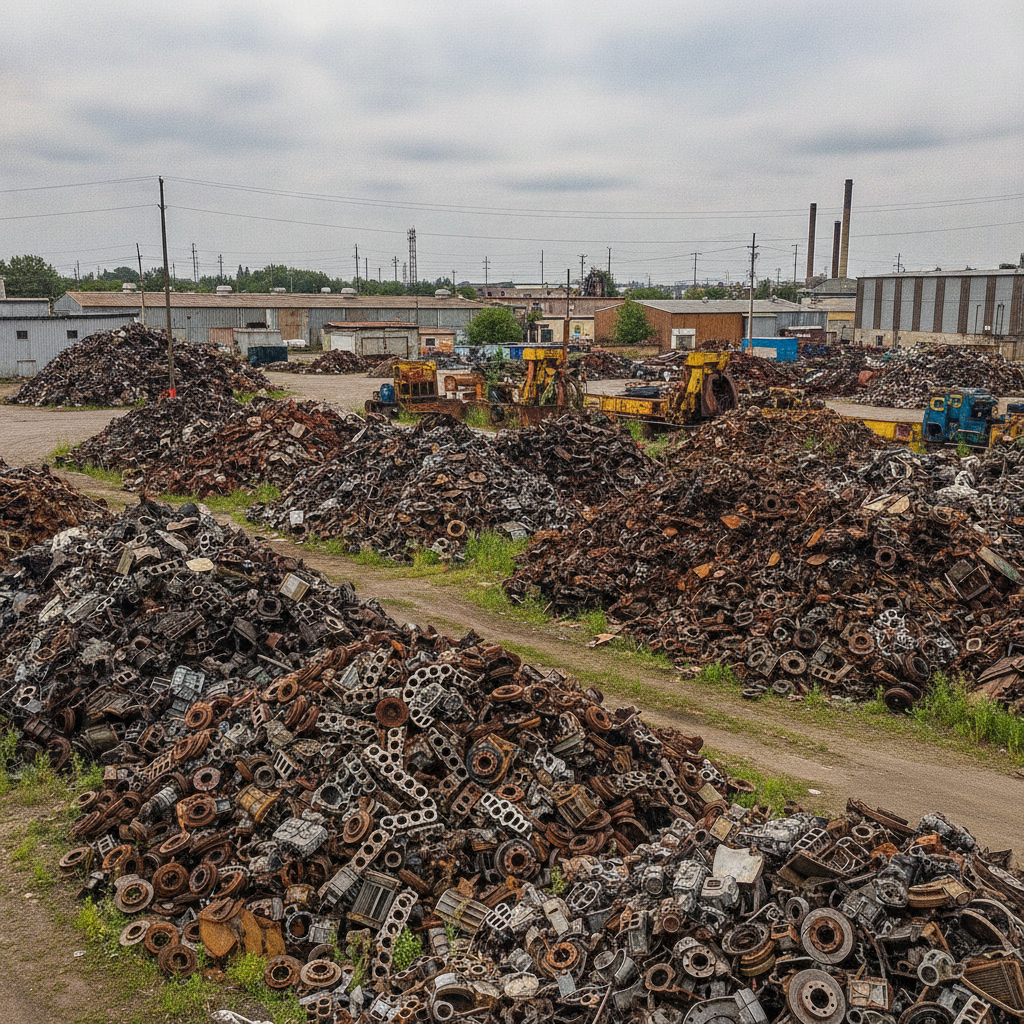
Cast iron recycling is the collection and processing of cast iron so mills can remelt it into new metal. In Etobicoke, Quick Scrap Metal buys ferrous cast iron every day with on‑the‑spot payouts and easy, drive‑in drop‑offs for homeowners and contractors, plus options to help with oversized or hard‑to‑move pieces.
By Preet Dass — Quick Scrap Metal
Last updated: July 12, 2026
| In business since | 1986 |
|---|---|
| Hours | Mon–Fri 8am–7pm; Sat 8am–5pm; Sun 9am–5pm |
| Service area | Etobicoke, Toronto, Mississauga, Brampton, GTA |
| Payment | On‑the‑spot cash for qualifying scrap |
| Accepted materials | Ferrous cast iron (rotors, auto cast), steel, aluminum, copper, brass, e‑waste, appliances |
| Open Sundays | Yes |
| Customer rating | 4.1 ★ (Google) |
| Location benefit | Easy access near HWY 27 & Rexdale; close to Woodbine Mall & Fantasy Fair |
Local tip: Faster weekend drop‑offs near Woodbine Mall
Traffic builds around Woodbine Mall & Fantasy Fair on weekend afternoons. Aim for a morning arrival for the quickest scale time. Our yard flow is set for drive‑in, unload, weigh, and go—pre‑sorted cast iron often clears the scale in minutes.
Overview
Cast iron has real recycling value because it’s dense, common on job sites and in older homes, and easy to remelt. We buy cast iron daily in Etobicoke with walk‑in service, extended weekday hours, Sunday openings, and on‑the‑spot payouts—so you clear space and get paid on the same run.
If you’re staring at a 200‑pound claw‑foot tub or a pallet of brake rotors, we’ve been in your boots. Our ferrous metal recycling lane is designed for quick in‑and‑out. Since 1986, we’ve helped homeowners, trades, and demo crews move heavy ferrous safely and fast.
What Is Cast Iron Scrap and Why It Has Real Value
Cast iron scrap is the heavy, magnetic iron you find in brake rotors, tubs, soil pipe, radiators, and cookware. It’s valuable because mills remelt it into new iron and steel. Recycling keeps bulky metal out of landfills and turns an awkward, heavy problem into cash the same day.
Real‑world signals you’re holding cast iron:
- It’s very heavy for its size and magnetic.
- It lands on concrete with a dull thud, not a bell‑like ring.
- Surfaces look grainy (think rotors or old skillets).
Bring a small piece if you’re unsure—we’ll confirm at the scale and point you to the right lane so you’re not guessing in the yard.
What Affects Your Cast Iron Payout in Etobicoke
You earn more when your cast iron is clean, sorted, and safe to handle. Rotors or “auto cast” graded on their own outperform mixed breakage. Show up with debris‑free, drained metal and we move you through quickly—with a stronger grade and no delays.
- Grade: Rotors, manhole covers, and clean pipe grade higher than mixed breakage.
- Cleanliness: No concrete, wood, rubber, or thick grease. Fluids drained.
- Consistency: A full bin of rotors beats a mixed pile of random parts.
- Timing: Markets shift; we evaluate on arrival and pay on the spot.
- Safety: Stable loads and visible tie‑downs speed unloading at the scale.
Example from the yard: Contractors working near Rexdale often toss rotors into general breakage after a brake job. Keep rotors in a separate bin—same trip, better grade. Show up with a tub still bolted to floor framing and soaked in debris—we’ll have to downgrade or refuse it.
Types of Cast Iron We Accept (and What We Don’t)
We buy cast iron daily: brake rotors, engine blocks (fluids drained), auto cast, soil/vent pipe, manhole covers, radiators, cookware, and claw‑foot tubs. We turn away pieces dripping fluids, set in concrete, or packed with non‑metal that makes handling unsafe.
- Accepted: Rotors, drums, engine blocks (drained), clean pipe, manhole covers, radiators, cookware, claw‑foot tubs.
- Condition rules: Surface rust and paint are fine. No liquids, no concrete, minimal grease.
- Remove add‑ons: Wood cradles, rubber feet, plastic trim, thick ceramic liners.
- Also buying: Steel, stainless, aluminum, copper, and brass—roll them in together for one weigh‑in. See our steel recycling guide for pairing metals.
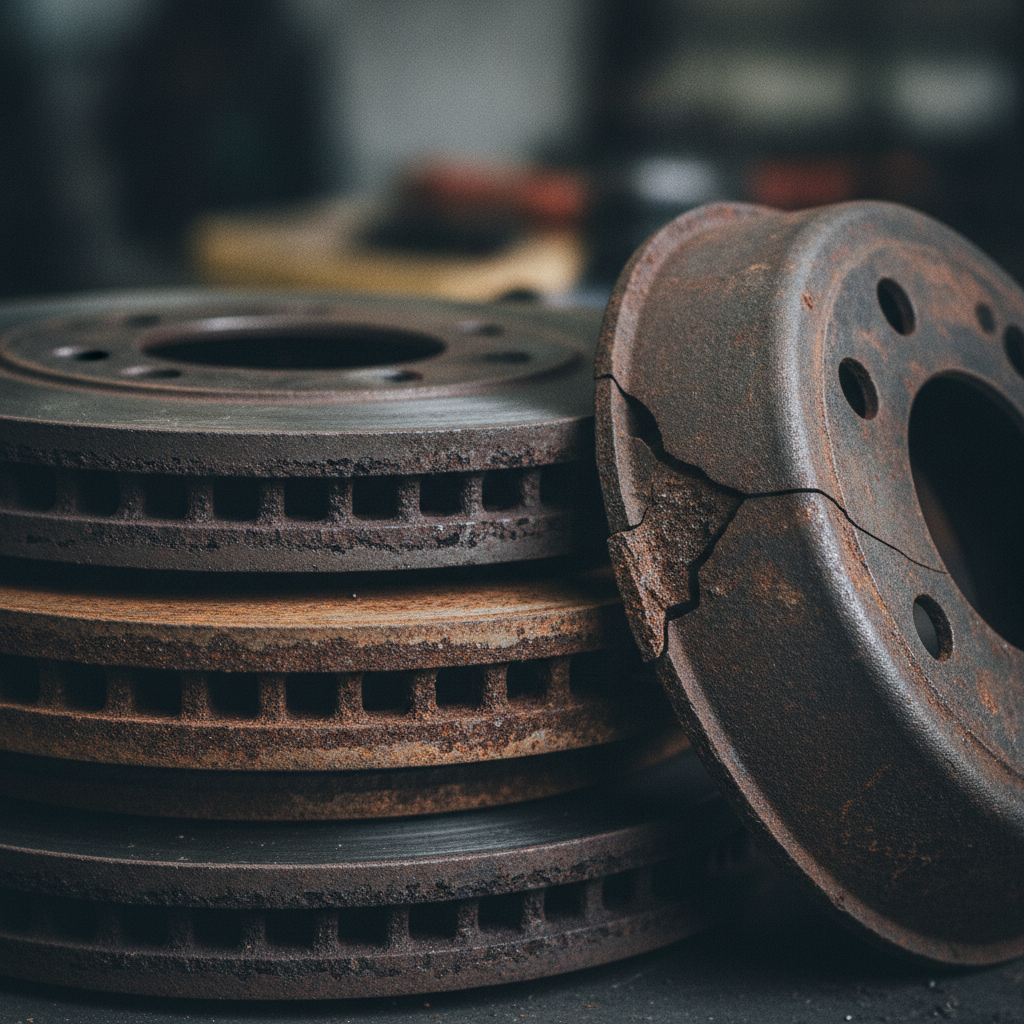
How to Prepare Your Cast Iron for Recycling
Drain fluids, strip non‑metal, sort by type, and secure the load. Put the cleanest, heaviest pieces on top for a quick check. Show up like this and you’ll unload faster and earn a stronger grade with same‑day payout.
- Drain and detach: Empty oils/coolants; pull rubber, wood, plastic, and thick ceramic.
- Sort smart: Keep rotors, pipe, and cookware separate from mixed breakage.
- Right‑size safely: Disassemble oversized items so they handle cleanly.
- Secure: Strap heavy sections so nothing rolls when you open the tailgate.
- Stage for speed: Clean items on top; mixed breakage underneath.
- Bring all metals: One trip, one weigh‑in—plan with our ferrous lane and all‑metals overview.
We’ve helped hundreds of Etobicoke renos: radiators from century homes, tubs from third‑floor walk‑ups, and boiler sections that feel bolted to the earth. Call ahead and we’ll steer you to the best lane and equipment for a smooth unload.
Cast Iron Recycling at Quick Scrap Metal: Drop‑Off or Pickup
Drive in during open hours, follow the lane, unload, and get paid. For oversized pieces or a driveway full of iron, ask about household scrap removal. If a vehicle is part of the project, we’ll help coordinate scrap car logistics with a trusted local partner.
Follow this simple process:
- Check hours (late weekdays, open Sundays).
- Pre‑sort and secure the load for safe handling.
- Follow staff direction to unload and scale‑in/scale‑out.
- Collect your on‑the‑spot payout for qualifying ferrous metal.
| Option | Best for | What to do |
|---|---|---|
| Yard drop‑off | Rotors, pipe, cookware, small machinery | Arrive mornings for fastest turnaround, pre‑sorted and debris‑free |
| Household scrap removal | Claw‑foot tubs, radiators, mixed heavy items | Call to schedule; we’ll advise safe staging and access |
| Scrap car coordination | End‑of‑life vehicles with iron/steel | Plan via our partner’s vehicle services for a same‑day handoff |
Clearing a full driveway load? Our household scrap removal option keeps you on schedule. For vehicles, line up timing with our partner’s contact page and we’ll sync the yard side.
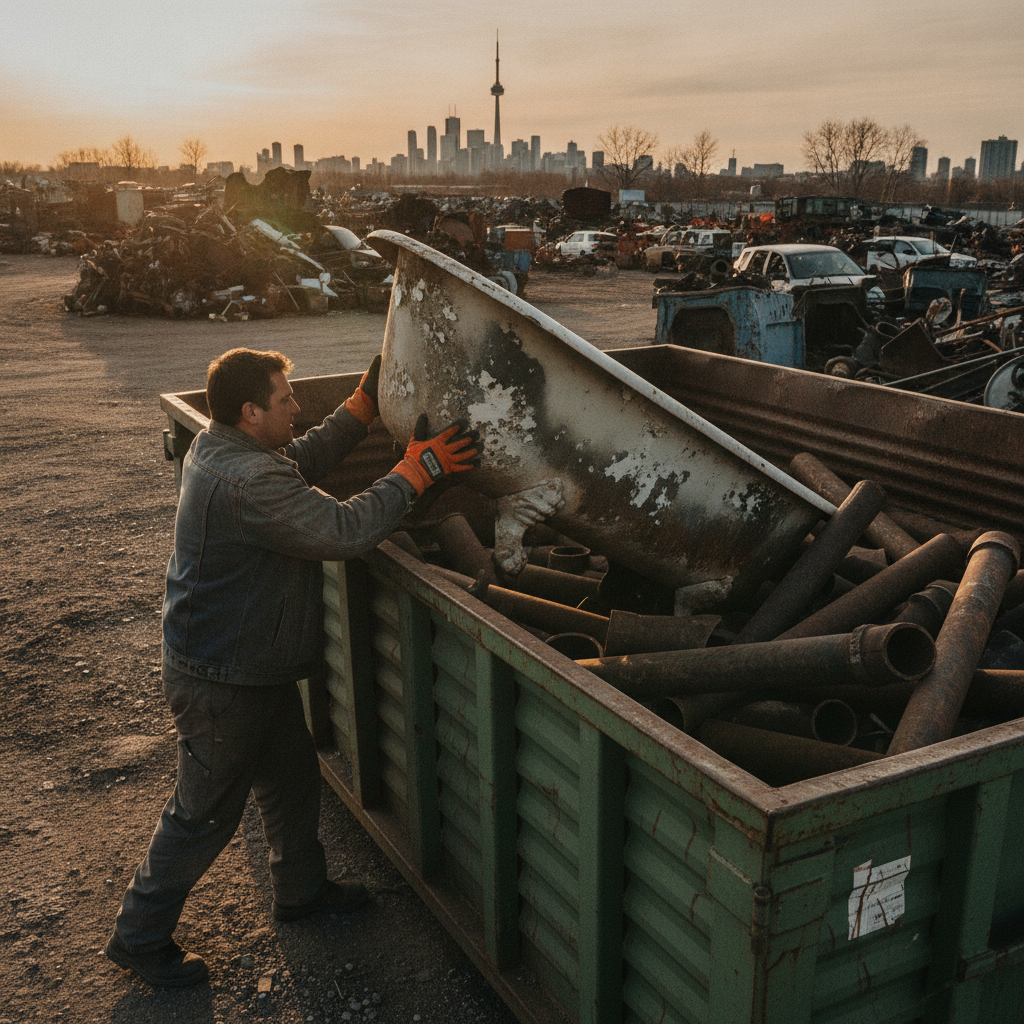
Local considerations for Etobicoke
- Plan around weekend traffic near Woodbine Mall & Fantasy Fair; mornings are quickest.
- Winter icing affects handling—bring gloves and boots for traction with heavy iron.
- Extended weekday hours help contractors wrap a job and get paid the same day.
Common Cast Iron Items Homeowners and Contractors Bring In
Expect brake rotors, engine blocks, radiators, claw‑foot tubs, skillets, soil/vent pipe, manhole covers, and heavy machine bases. These pieces are dense, magnetic, and ready for remelt—ideal for responsible recycling and same‑day payouts at a local Etobicoke yard.
- Automotive: Rotors, drums, engine blocks, cylinder heads, manifolds
- Home: Claw‑foot tubs, cast radiators, skillets, soil/vent pipe, boiler sections
- Construction: Manhole covers, trench grates, counterweights
- Industrial: Vises, machine beds, gear housings
If your cleanout also includes steel, aluminum, or copper, roll it in one shot—our scrap metal recycling in Etobicoke guide shows how to stage mixed loads for faster unloading.
Frequently Asked Questions
How can I tell cast iron from steel?
Both are ferrous and magnetic, but cast iron is heavier and more brittle. Rotors and cookware show a rough, grainy surface. If you’re unsure, bring a small piece—our scale team will identify it on the spot.
Do you accept rusty or painted cast iron?
Yes. Surface rust and paint are fine. Remove heavy non‑metal attachments and drain fluids from engine parts. Clean, sorted metal moves fast and grades stronger.
Can you pick up oversized items like tubs or pipe?
Yes—ask about household scrap removal. If a vehicle is involved, we can coordinate scrap car drop‑off or pickup through a local partner. Share photos so we can advise the safest approach.
Do I need to remove bolts or mixed materials?
Remove what you can safely—loose plastic, wood, rubber, and thick ceramic. Excess attachments downgrade the load. If something is seized, bring it as‑is and we’ll assess at the scale.
Key Takeaways
Cast iron recycling in Etobicoke is straightforward: drain, sort, secure, and drive in. Clean loads move fast and grade stronger. For oversized items or vehicles, coordinate removal so you finish the job and get paid the same day.
- Sort rotors, pipe, and cookware away from mixed breakage
- Drain fluids and strip obvious non‑metal
- Arrive mornings near busy weekends for the fastest turnaround
- Use extended weekday hours to cash out after late jobs
- Coordinate scrap cars through our trusted local partner