
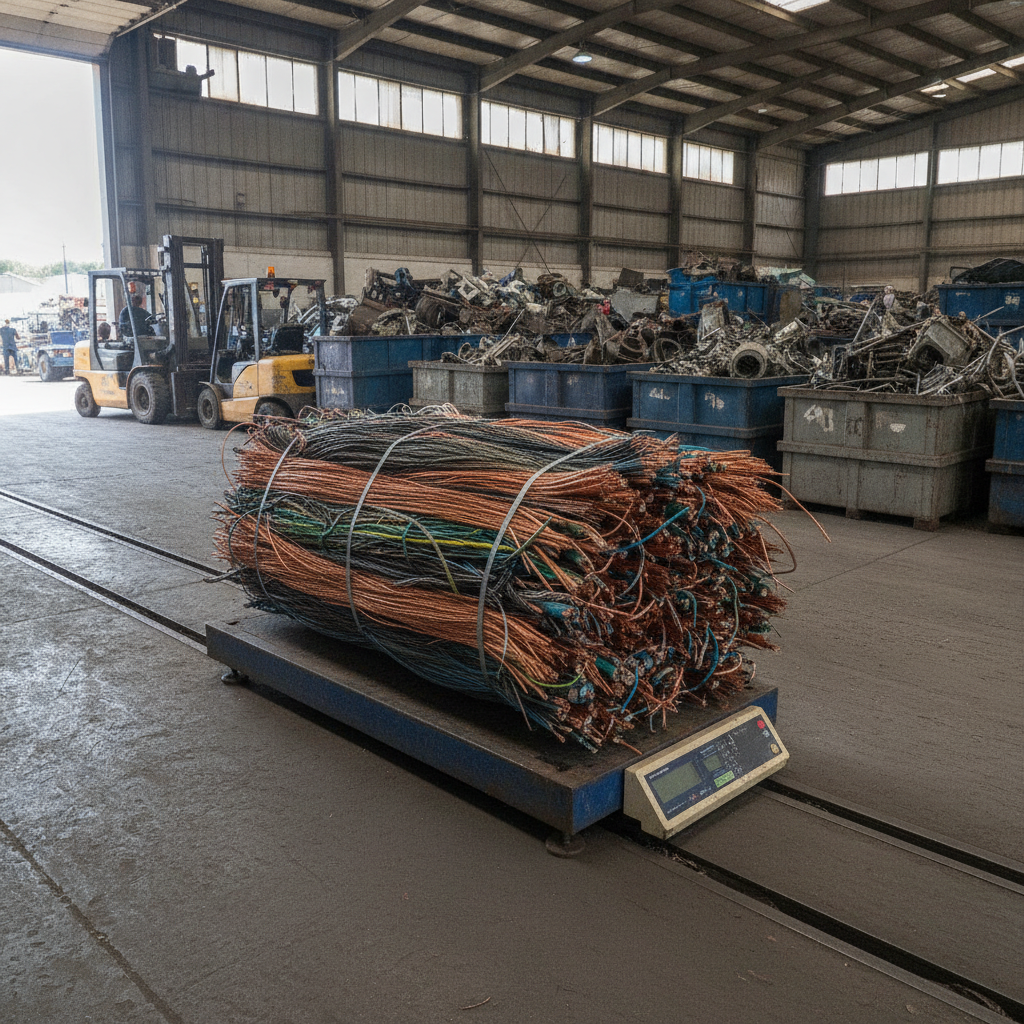
Copper cable recycling turns leftover electrical wire into value by sorting, cleaning, and (when it pays) stripping insulation so we can reclaim the copper. At our Etobicoke yard, organized coils get you on the inbound scale fast, graded cleanly, and paid on the spot. Show up mixed and wet, and you’ll wait while we sort.
By Preet Dass • Last updated: 2026-07-08
| Founded | 1986 |
|---|---|
| Service area | Etobicoke, Toronto, GTA |
| Hours | Mon–Fri 8am–7pm; Sat 8am–5pm; Sun 9am–5pm |
| Accepted | Insulated copper wire, bare bright, non‑ferrous & ferrous metals, appliances, electronics (e‑waste) |
| Payment | On‑the‑spot payout (qualified scrap) |
| Drop‑off options | Yard drop‑off; household scrap removal; scrap car drop‑off/pickup |
| Google rating | 4.1 average (20+ reviews) |
Local tip for Etobicoke sellers
Contractor rush hits late afternoons near Highway 27. Mid‑morning or Sunday is smoother. If you’re pairing a run with Woodbine Mall & Fantasy Fair errands, come to us first, then shop. Keep coils dry—rain off Flagstaff Park can leave wire wet and slow weighing.
Overview: What a fast copper-cable drop‑off looks like
A smooth run is simple: pull onto inbound scale, tell us what you’ve got, unload each bundle into the right bin, then roll across outbound for your ticket and payout. Sorted, dry, labeled coils make this a quick visit. Mixed cords and wet wire turn minutes into a wait.
We’ve been buying copper and cable in the GTA since 1986. The fastest visits follow one pattern: bundles by grade, no plugs, no mud, no tape, and small cords bagged. If you’re new to this, start with our copper wire recycling guide and hands‑on sorting checklist.
What Counts as Copper Cable (and What Doesn’t)
Copper cable covers electrical conductors with copper cores: ROMEX, THHN/THWN, feeder cable, extension cords, and many device leads. It doesn’t include aluminum-only wire, fiber optic, or steel‑armored lines without a copper core. A quick cut test shows orange‑red copper; silver indicates aluminum.
Common copper cable we buy every day
- Bare bright: shiny, uncoated copper wire, usually 12 AWG and larger; no solder or coatings.
- #1 insulated: clean copper inside with low‑residue jackets; typical for THHN/THWN and ROMEX (after outer jacket removal).
- #2 insulated: copper with heavier varnish/tar, corrosion, or solder; many appliance cords land here.
- Heavy‑gauge feeders: multi‑strand, welding leads, and service cable—often worth coiling neatly and deciding whether to strip.
- Low‑voltage cords: extension cords, tool leads, and holiday lights—bag separately.
What doesn’t qualify as copper cable
- Aluminum-only conductors: look silver on a cut; sort to non‑ferrous aluminum.
- Steel‑armored without copper: fails the cut test; a magnet sticks to the armor.
- Fiber optic/data without copper: no copper content to recover.
Not sure? Cross‑cut a small section. If you’re dropping off e‑waste looms along with cable, review our electronics recycling page for packing tips.
What You Need Before You Go (Prerequisites)
Bundle by grade, remove plugs and housings, keep coils dry, and stage the heaviest cable near the tailgate. Bring ID if requested. If motors or compressors are attached, they must be free of fluids. Photos of your load help our team route you at the scale.
Arrive prepared like a pro
- Sort by grade: bare bright, #1 insulated, #2 insulated, and low‑voltage cords.
- Remove attachments: plugs, adapters, plastic housings, zip cord reels, and tape.
- Coil and tie: zip‑tie loosely; avoid knots that trap insulation.
- Keep it dry: store indoors or under cover; wet wire slows weighing.
- Safety first: gloves and eye protection for stripping; never burn insulation—burned wire is rejected.
- Load order: heavy feeders last in, first out; bag small cords.
Local considerations for Etobicoke
- Time your visit around Highway 27 traffic; mid‑morning is usually quickest.
- If you’re stopping by Woodbine Mall & Fantasy Fair, drop at our yard first while loads are dry.
- Rain blowing off Flagstaff Park can soak coils—keep them covered to avoid delays.
How to Sort and Prepare Copper Cable for Recycling
Confirm metal type with a small cut, split cable by grade, and only strip where the jacket comes off cleanly and thickness justifies the time. Coil heavy feeders, bag small cords, label bundles, and keep everything clean and dry to speed grading and payout.
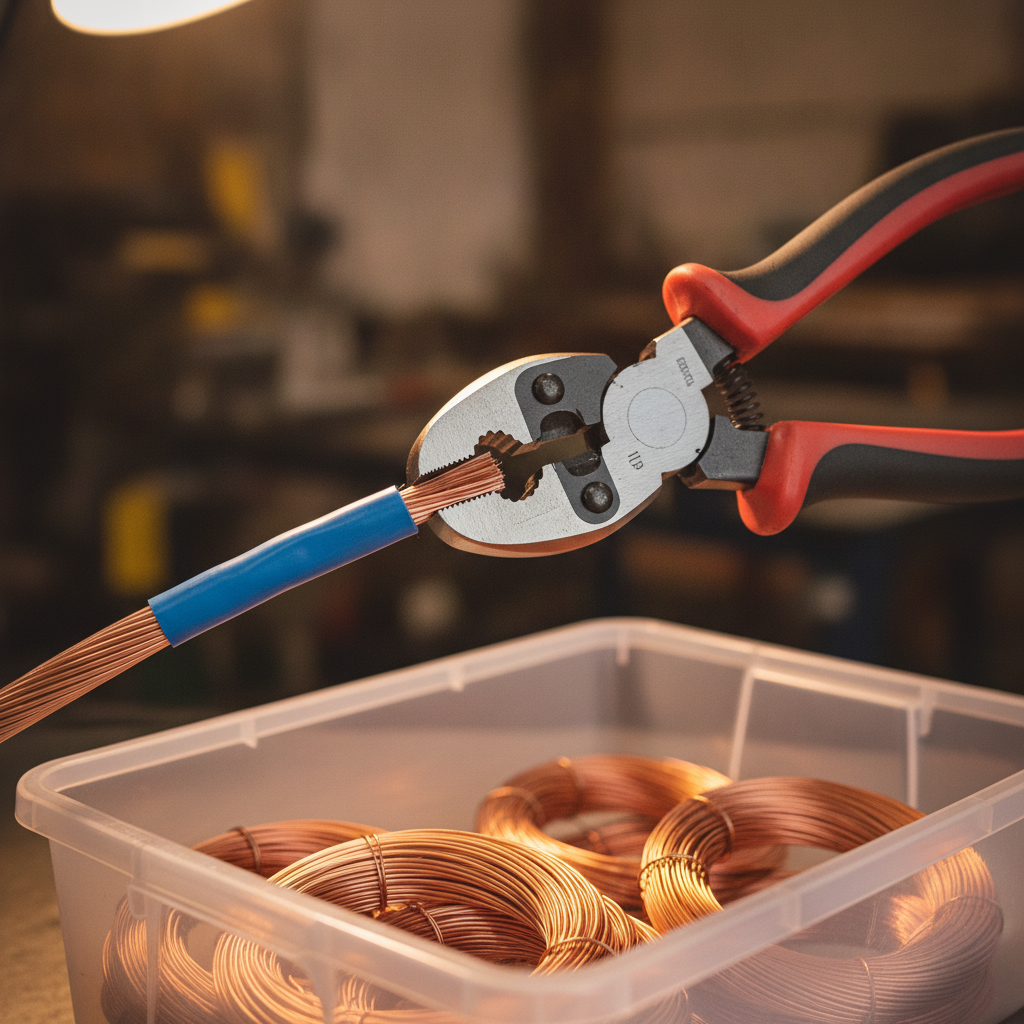
- Do the cut test: a quick slice shows copper (orange‑red) or aluminum (silver).
- Group by grade: bare bright; #1 insulated; #2 insulated; low‑voltage cords.
- Make the strip/no‑strip call: we recommend stripping heavy‑gauge feeders and clean ROMEX; skip thin cords under ~14 AWG.
- Strip safely: use a stable bench and a proper wire stripper; never use open flame.
- Coil and tie: make manageable coils; loose zip‑ties prevent tangles.
- Bag the smalls: holiday lights and device leads go in clear bags—label them.
- Keep it clean/dry: remove plugs, tape, and debris; store out of the rain.
Quick prep reference
| Wire type | Prep action | Pro tip from the yard |
|---|---|---|
| Bare bright | Coil & tie | Keep shiny, uncoated, and tangle‑free for a clean grade |
| #1 insulated | Bundle & label | Low‑residue jackets; don’t mix with #2 insulated |
| #2 insulated | Bundle & label | Accepts varnish/corrosion; keep separate from #1 |
| Heavy feeders | Consider stripping | Strip when the jacket peels cleanly; otherwise coil neatly |
| Low‑voltage cords | Bag smalls | Never mix extension cords with ROMEX—keeps grades higher |
Want a deeper walkthrough? Our copper wire guide explains the cut test, and our sorting checklist shows real‑world bundles that move through our yard quickly.
How Quick Scrap Metal Grades Your Copper (and Why Prep Matters)
We grade based on copper recovery and cleanliness: bare bright, #1 insulated, #2 insulated, and mixed cords. Clean, separated bundles help ensure fair grading on the first pass. Stripping thick cable or ROMEX can be worthwhile; stripping thin extension cords usually isn’t.
Here’s our straight talk from years on the scale:
- Don’t strip thin cords: under roughly 14 AWG, the insulation-to-copper ratio and labor rarely work in your favor.
- ROMEX wins if clean: scoring and peeling the outer jacket (not burning) keeps the inner conductors tidy.
- Heavy feeders pay for neatness: coiled and labeled, they grade faster; attached plugs and tape slow and can downgrade.
- Moisture is the silent downgrade: wet coils waste time, add non-recoverable weight, and trigger reweighs.
If you’re planning a bigger copper drop, skim our copper scrap yard overview for what we accept and glance at the factors that influence market payouts before you load.
Drop‑Off vs. Household Scrap Removal: Which Is Right for You
Choose yard drop‑off when your wire is sorted and you want speed. Pick household scrap removal for bulky, mixed loads you can’t transport. If a vehicle is part of the clean‑out, Ontario pickup services can handle transport and paperwork.

Go with yard drop‑off if you want
- Speed: sorted bundles move scale-to-payout quickly.
- Control: you decide loading order and timing.
- Same‑day payout: have ID handy if requested.
Choose household scrap removal if you need
- Help with bulk: appliances and mixed metals alongside cable.
- No truck/time: on‑site labor to clear basements, garages, or job sites.
- Vehicle solutions: end‑of‑life car pickup is available across Ontario.
For vehicle pickup specifics, see Ontario pickup options, general scrap car guidance, or arrange a pickup.
Troubleshooting: Common Mistakes That Cut Your Payout
The fastest way to lose value is mixing grades. Keep ROMEX separate from holiday lights, and remove plugs and tape. Skip stripping thin cords, store coils dry, and never bring burned wire—burn marks force a downgrade or rejection.
- ROMEX + Christmas lights in one bin: that combo turns a good ROMEX bundle into a mixed cords grade—you leave money on the table.
- Plugs and adapters still attached: they slow grading and can bump a bundle down a category.
- Wet or muddy coils: non‑recoverable weight and reweighs waste your time.
- Over‑stripping: hours on tiny cords rarely pays—put that time into better sorting.
- Burned insulation: heat‑damaged wire is rejected; it’s a safety and compliance issue.
Want more real‑world examples? Our sorting guide shows photo examples of winning bundles that roll through our Etobicoke yard in one pass.
Frequently Asked Questions
These quick answers reflect what we hear at the scale every week—from strip/no‑strip decisions to packing e‑waste with wire. Use them to shave time off your visit and keep grades clean.
Should I strip all my insulated wire before drop‑off?
No. Focus on heavy‑gauge feeders and clean ROMEX where the jacket peels easily. For thin extension cords and holiday lights, sorting by category is usually the smarter play. Clean, dry, clearly labeled bundles help ensure fair grading without over‑stripping.
Can I bring cable mixed with appliances or e‑waste?
Yes. We accept appliances and electronics alongside wire. Pack by type: bag small cords, coil heavy cable, keep TVs and monitors upright, and tell the scale operator everything you’ve got so we can route you efficiently.
How do I tell copper from aluminum quickly?
Make a small slice: copper looks orange‑red; aluminum is silver. Aluminum also feels lighter for the same diameter. If you’re unsure, bring a short sample—our team will help you sort it correctly at the scale.
Do you buy bare bright and heavy feeder cable?
Yes. Keep bare bright shiny and tangle‑free. For feeders, strip if the jacket comes off cleanly. Otherwise coil neatly and label the bundle so grading moves fast.
Quick yard check: Text us a photo of your load before you roll. We’ll confirm how to bundle so you’re on and off the scale faster. Planning a clean‑out? Ask about combining cable with appliances or e‑waste in one visit.
Key takeaways
- Sort into clear grades; skip stripping thin cords—focus on heavy feeders and clean ROMEX.
- Keep wire dry, free of plugs, and loosely coiled to speed grading.
- Bag and label small low‑voltage cords; never mix them with ROMEX.
- Choose drop‑off for speed; use household removal for bulky, mixed loads.
Ready to sell your wire today? Visit our copper yard overview and see how to sell scrap copper in Etobicoke. We’re open late on weekdays and open Sundays.