
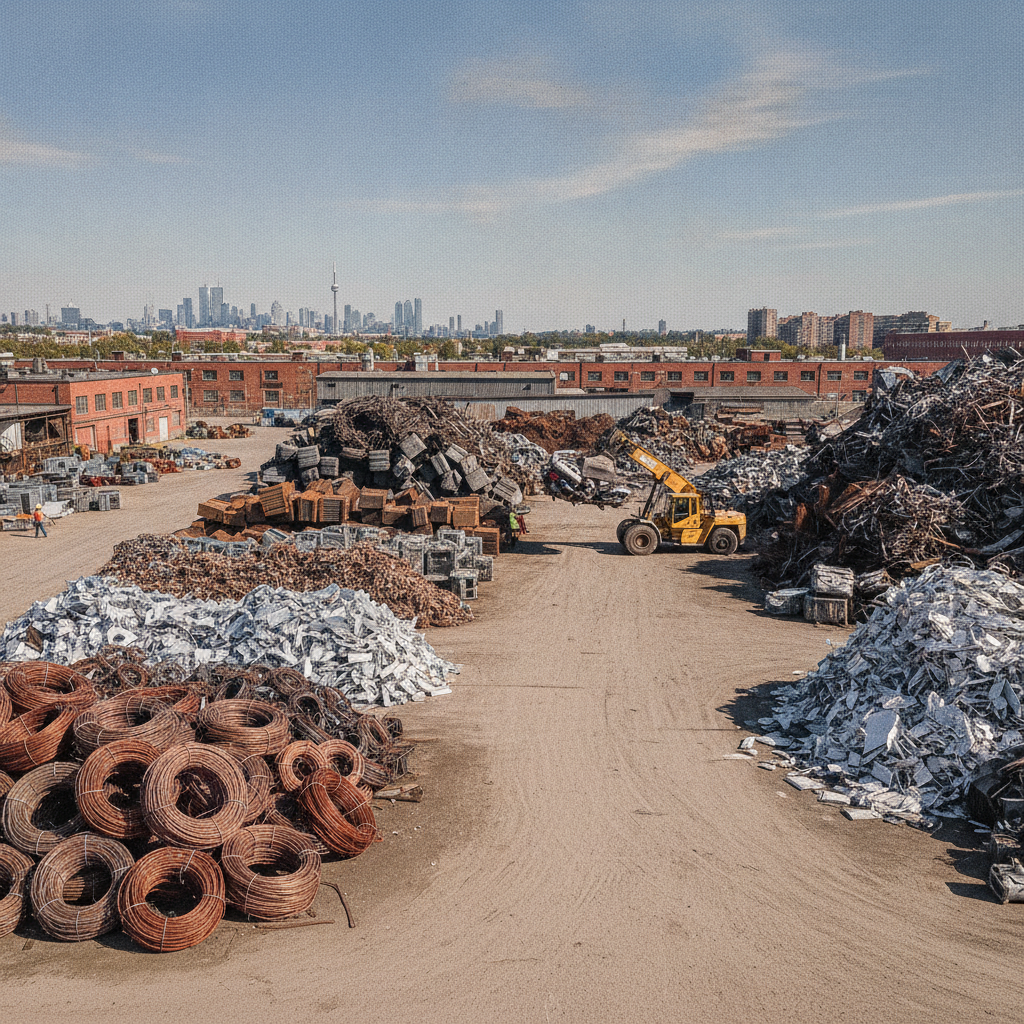
Scrap prices are the market values buyers pay for recyclable metals like copper, aluminum, steel, brass, and stainless steel. They move with global commodity indices, local demand, grade, and preparation quality. Understanding scrap pricing helps Etobicoke homeowners, contractors, and businesses plan cleanouts and maximize payouts with quick, responsible drop-offs at Quick Scrap Metal.
By Preet Dass • Last updated: July 7, 2026
Above-Fold Section: Your fast path to value
Scrap prices fluctuate daily, but you control value by sorting metals, cleaning off contaminants, and choosing a convenient, trustworthy yard. In Etobicoke, Quick Scrap Metal streamlines drop-off with extended hours, on-the-spot payments, and broad acceptance across metals, appliances, and e-waste—so your next cleanout converts to cash quickly and responsibly.
When you’re staring at a garage full of offcuts, a retired appliance, or a bin of old cables, the big question is simple: what’s it worth today? Here’s how to answer that—without guesswork or wasted trips.
- Know the drivers: metal type, grade, weight, prep quality, and demand.
- Prep for value: separate non-ferrous from ferrous, strip heavy insulation where practical, remove non-metal attachments.
- Choose convenience: Quick Scrap Metal near HWY 27 & Rexdale offers fast drop-off and immediate payment.
- Think sustainability: One stop for metals, appliances, and electronics ensures responsible recycling.
Summary
Scrap prices reward the right prep: separate metals, reduce contamination, and bring clean, sorted loads. In Etobicoke, you’ll move faster by using a buyer that accepts metals plus e-waste and appliances in one stop. This guide shows simple steps to lift value and cut time on your next cleanout.
- Who this helps: Homeowners, trades, small contractors, property managers.
- What you’ll learn: How scrap pricing works, what boosts value, and how to prepare loads.
- Where to go: An Etobicoke yard with extended weekday and Sunday hours.
- Bonus: A comparison table and an actionable prep checklist.
Local considerations for Etobicoke
- Traffic timing: Plan drop-offs outside peak periods around Woodbine Mall & Fantasy Fair to shorten travel time and yard queues.
- Seasonal rhythms: Post-storm and spring cleanups increase volume; bundling loads then helps you move faster at the scale.
- Site efficiency: Organize metals by type before arrival so unloading is quick—yard teams can weigh and pay faster when items are sorted.
What are scrap prices?
Scrap prices are real-time market rates for recyclable metals based on grade, weight, and demand. Buyers evaluate material quality at the scale, confirm weight, and apply yard payables that reflect global indices and local conditions. Clean, sorted non-ferrous typically earns stronger rates than mixed or contaminated loads.
In plain terms, scrap pricing translates metal value from commodity markets to what a local yard pays for your specific items today. The yard checks the metal type and grade, weighs it, and evaluates prep. Non-ferrous (copper, aluminum, brass, stainless) usually carries higher value density than ferrous (steel, iron) on a per-weight basis.
- Grading matters: Insulated wire vs. stripped copper; mixed aluminum vs. clean extrusion; stainless with/without attachments.
- Condition counts: Dirt, liquids, plastics, wood, and fasteners reduce net weight and value.
- Documentation helps: Labeling boxes/tubs by metal type speeds the scale process and minimizes re-sorting.
For a deeper dive into today’s market context and how a yard translates it at the scale, see our quick explainer on scrap prices today.
Why scrap prices matter for your cleanout
Scrap prices influence how you plan and stage a cleanout. When you align timing, sorting, and prep with market dynamics, you reduce trips, lift payouts, and keep metals, appliances, and e-waste out of landfills—turning a time sink into a streamlined, eco‑positive win.
For homeowners and contractors, pricing isn’t abstract—it shapes weekend schedules, jobsite cleanup plans, and how you bundle loads. In our experience serving Etobicoke and the GTA, the biggest wins come from simple organization and choosing a buyer that handles metals plus appliances and electronics in one stop.
- Save hours: One yard for copper, aluminum, steel, appliances, and electronics prevents multiple trips.
- Boost value: Sorting and removing non-metal attachments prevents downgrades.
- Reduce waste: Responsible recycling diverts materials from landfill and supports circular supply chains.
Planning a larger cleanup? Skim our junk removal and prep guide to organize your load before you drive.
How scrap pricing works (without the jargon)
Yards translate commodity signals into local payables. They weigh your metals, verify grades, adjust for contamination, and apply current market factors. Clean, well-sorted, non-ferrous metals often bring the strongest returns, while mixed, attached, or wet loads typically see deductions or downgrades.
Here’s the sequence you’ll experience at a full-service Etobicoke yard:
- Arrival and staging: Staff guide you to the right scale or unloading area.
- Weigh-in: The yard captures gross and net weights by material or bundled category.
- Inspection and grading: Teams confirm metal type/grade and note any non-metal attachments or moisture.
- Payables applied: Yard rates reflect market movements, grade, and condition.
- On-the-spot payment: You receive quick payment after weigh-out is complete.
Need a quick reference for what drives payouts across metals? Our Toronto market overview of scrap metal prices breaks down common categories and prep tips.
Types and grades: copper, aluminum, steel, brass, stainless, and e‑waste
Different metals price differently. Non‑ferrous like copper, aluminum, brass, and stainless typically carry higher value density than ferrous steel and iron. Within each, grade rules. Clean, separated, and properly identified material consistently outperforms mixed loads at the scale.
Understanding categories helps you sort faster and avoid downgrades at the window.
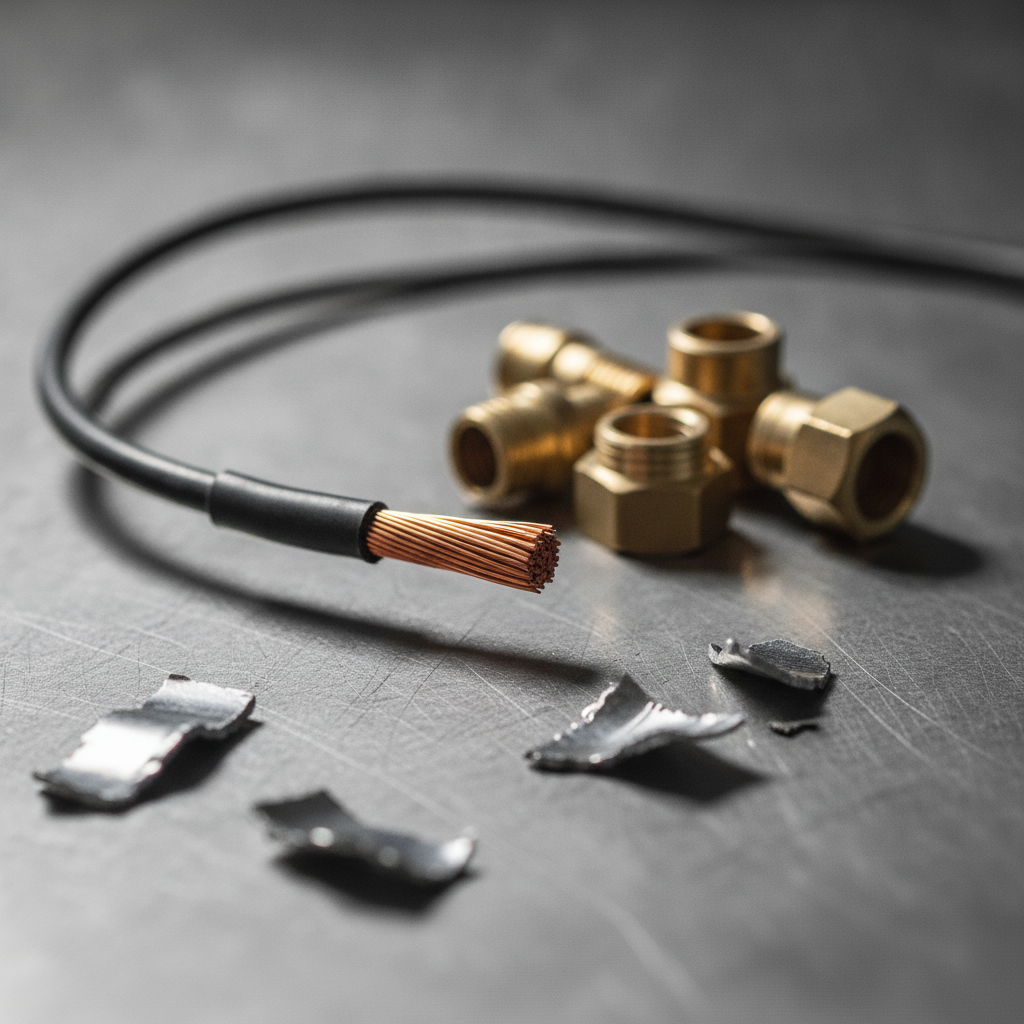
Copper
- Common items: Stripped wire, plumbing tube, bus bar, electric motors.
- Grade tips: Separate bright bare copper from mixed wire; keep paint, solder, and fittings off higher-grade material.
- Action: If safe and practical, strip heavy-gauge wire; coil and label by grade.
Aluminum
- Common items: Extrusion, sheet, siding, beverage cans, radiators.
- Grade tips: Keep extrusion clean; separate painted or attached material; drain radiators.
- Action: Remove steel screws/hinges to avoid mixed downgrades.
Steel and Cast Iron
- Common items: Appliances, rotors, tools, structural offcuts, auto cast.
- Grade tips: Ferrous is magnetic; separate heavy (rotors, cast) from light tin/steel where possible.
- Action: Bundle safely for quick unloading; remove fluids from anything that had them.
Curious about local ferrous categories? See our steel pricing overview for Etobicoke.
Brass and Stainless
- Common items: Faucets/valves, fittings, kitchenware, process scrap, stainless sinks.
- Grade tips: Remove magnets, screws, and gaskets; keep leaded brass separate from mixed metals.
- Action: Sort stainless by type if known; keep pieces free of attachments.
Electronics and Appliances
- E‑waste: Computers, laptops, motherboards/PCBs, cables, power supplies, TVs/monitors.
- Appliances: Washers, dryers, ovens, microwaves, dishwashers, A/C units.
- Action: Keep e‑waste dry and intact; remove batteries where safe. Appliances should be empty of liquids.
For an all-in-one look at accepted materials, visit our scrap metal recycling hub.
Scrap pricing factors in 2026
In 2026, scrap pricing remains driven by global commodity trends, local yard logistics, and how cleanly you prepare material. Separate metals, remove non-metal attachments, and time larger loads when your schedule aligns with calmer traffic to speed weighing and payment in Etobicoke.
- Global signals: Commodity indices and manufacturing demand inform yard payables.
- Local dynamics: Volume at the yard, trucking capacity, and downstream mill schedules affect throughput.
- Grade and contamination: Clean metals avoid deductions for moisture, plastic, rubber, or residue.
- Weight and density: Heavier, compact material moves faster and is easier to scale.
- Safety and compliance: Fluids and hazardous components must be removed before drop-off.
Construction demand also influences metals. For instance, steady framing and fit-out work sustains appetite for steel products such as studs used across the GTA; see an example of end-use context in this overview of steel studs in Toronto.
Best practices: simple prep that boosts value
The fastest way to improve outcomes is simple: sort by metal, keep materials clean and dry, and remove obvious non-metal attachments. Label containers, coil wire, and bundle ferrous safely. These small steps reduce downgrades and move you through the Etobicoke yard in minutes, not hours.
10-minute metal prep checklist
- Use a magnet test to separate ferrous (magnetic) from non‑ferrous (non‑magnetic).
- Label tubs for copper, aluminum, brass, stainless, and steel.
- Remove attachments like steel screws, plastic fittings, rubber gaskets, and wood.
- Drain liquids from radiators or A/C units; keep electronics dry.
- Coil and group wire by thickness; strip heavy-gauge where safe and practical.
- Bundle ferrous items tightly for quick unloading; keep sharp edges contained.
- Stage by weight so heavy pieces unload closest to the scale first.
Preparation impact by material (qualitative)
| Material | Typical Prep | Effort | Value Impact |
|---|---|---|---|
| Bright Bare Copper | Strip heavy insulation; keep paint/solder off | Medium | High |
| Insulated Copper Wire | Coil by gauge; remove plugs | Low–Medium | Medium |
| Aluminum Extrusion | Remove steel screws/hinges; keep clean | Low | Medium–High |
| Mixed Aluminum | Separate cans, sheet, siding | Low | Medium |
| Steel/Rotors | Bundle; keep free of non-metal | Low | Low–Medium |
| Stainless | Remove gaskets/screws; sort types if known | Low | Medium |
For a broader walkthrough of categories and prep workflow, check our values-focused 2026 guide.
Tools and resources for faster drop-offs
A basic kit—magnet, side cutters, work gloves, tubs, and a tarp—solves 80% of prep. Add a label maker or marker, and you’ll cut sorting time in half. For vehicles and bulky items, call ahead to confirm requirements and safe handling steps.
- Sorting kit: Magnet, cutters, gloves, and dedicated tubs for each metal type.
- Wire prep: Utility knife or wire stripper for heavy-gauge; avoid risky stripping on fine wire.
- Appliance handling: Dollies/straps; confirm units are empty and disconnected.
- E‑waste: Keep boards dry; remove loose batteries and store separately.
- Vehicle questions: If you’re clearing a driveway project, review our scrap car guide for documentation and safe prep.
Free 5‑minute cleanout plan: Not sure how to sort or stage your load? Our team in Etobicoke can outline a quick plan by phone so you spend less time at the scale and more time getting things done.
How drop-off works at a full-service Etobicoke yard
Arrive with sorted metals, follow staff directions to the right scale, unload safely, and keep containers labeled. The team weighs, grades, and pays on the spot. Because Quick Scrap Metal accepts metals, appliances, and e‑waste, you’ll finish your entire cleanout in one stop.
From our yard operations, here’s the smoothest path through:
- Pre-sort and label: Five labeled tubs beat one mixed bin every time.
- Stage heavy items first: Put rotors and cast iron where they unload quickly.
- Follow lane guidance: Staff will route you to the right area for each material.
- Stay clear and safe: Use gloves and eye protection while unloading.
- Weigh, grade, pay: The scale ticket reflects material quality and weight.
If your cleanout includes a vehicle, you can also coordinate removal. While we focus on metal recycling, some drivers prefer dedicated services for end-of-life vehicles; as a reference point, explore how scrap car specialists operate in Ontario.
Case studies and real-world scenarios
Small, smart changes drive outsized results. In Etobicoke, homeowners, contractors, and small businesses consistently save time and improve outcomes by pre-sorting, removing non-metal attachments, and bundling drop-offs to use one yard for metals, appliances, and electronics.
Etobicoke homeowner: garage cleanout
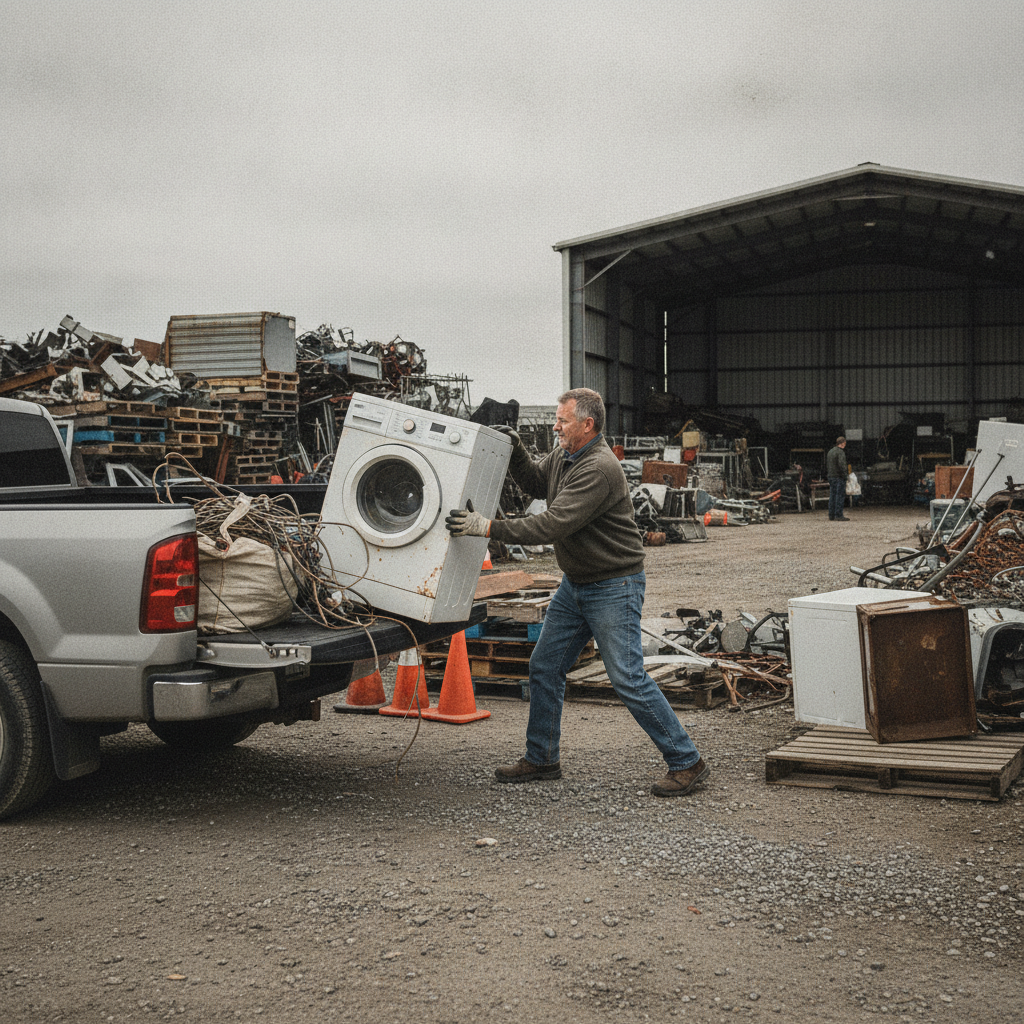
A homeowner near Flagstaff Park staged a Saturday run with an old washer, mixed cables, a box of brass fittings, and kitchen stainless. After pre-labeling containers and removing rubber gaskets from faucets, they finished the yard visit in under 20 minutes with a straightforward weigh-and-pay experience.
Electrical contractor: jobsite offcuts
A small contractor bundled weekly copper/aluminum wire, panels, and rotors from fleet service. Coiling by gauge and stripping only heavy leads (time-efficient) avoided downgrades, while keeping electronics dry simplified processing.
Property manager: multi-suite refresh
During a multi-suite refresh, a property manager used one trip for appliances, light steel, and e‑waste. Sorting appliances from ferrous scrap and confirming units were dry sped scaling and payment—no rework on site.
Planning something similar? Our quick Toronto pricing overview and junk removal tips can help you stage faster.
When junk removal complements scrapping
If your load contains lots of non-recyclables or non-metal bulk, pairing a junk-removal run with a scrap drop-off can save time. Send general waste on one truck and drive metals to the yard yourself to maximize recycling value and convenience.
For non-metal-heavy cleanouts, some residents choose a hauler for general debris and keep recyclables for the yard. As a reference for how haulers structure services in the region, see this outline of junk removal offerings.
Frequently Asked Questions
These quick answers cover how scrap pricing works at the scale, what prep helps most, and how to plan an efficient Etobicoke drop-off. Each response is concise so you can act fast on your next cleanout.
How do I get the most value from mixed wire?
Group wire by gauge and keep it dry. Strip only heavy-gauge leads where safe and practical. Remove plugs and non-metal ends. Clean, coiled wire moves faster at the scale and avoids downgrades that reduce overall value.
Do appliances need prep before drop-off?
Yes. Ensure appliances are empty, disconnected, and free of liquids. Keep units upright during transport and use straps or a dolly for safety. Separate any loose non-metal parts so the scale process is quick and clean.
What should I bring for a first-time yard visit?
Bring sorted metals in labeled tubs, a magnet for quick checks, gloves, and any basic tools you used to remove attachments. If you’re including a vehicle or large appliances, call ahead to confirm documentation and unloading steps.
Can I combine e‑waste with metal on the same trip?
Yes. Combining e‑waste with metals and appliances in one visit is efficient. Keep electronics dry, remove loose batteries, and pack boards carefully. Using a yard that accepts all three helps you finish the cleanout in one stop.
Key takeaways
Sort metals, remove non-metal attachments, and choose a one-stop Etobicoke yard to move faster and protect value. Bundle trips when possible, prep wires and appliances safely, and use labeled tubs. You’ll reduce time at the scale and keep more material circulating in the local economy.
- Scrap prices reward clean, sorted loads.
- Non‑ferrous categories benefit most from careful prep.
- One-stop drop-offs save hours on larger cleanouts.
- Bundle metals, appliances, and e‑waste for efficiency.
Conclusion
Scrap prices change, but your prep is constant leverage. Sort, label, and stage metals so grading is easy. Use an Etobicoke yard that handles metals, appliances, and e‑waste in one stop for the quickest weigh-and-pay experience and the most efficient cleanout.
Ready to turn clutter into value? Visit our hub for accepted materials and drop-off tips and get your load organized today.