
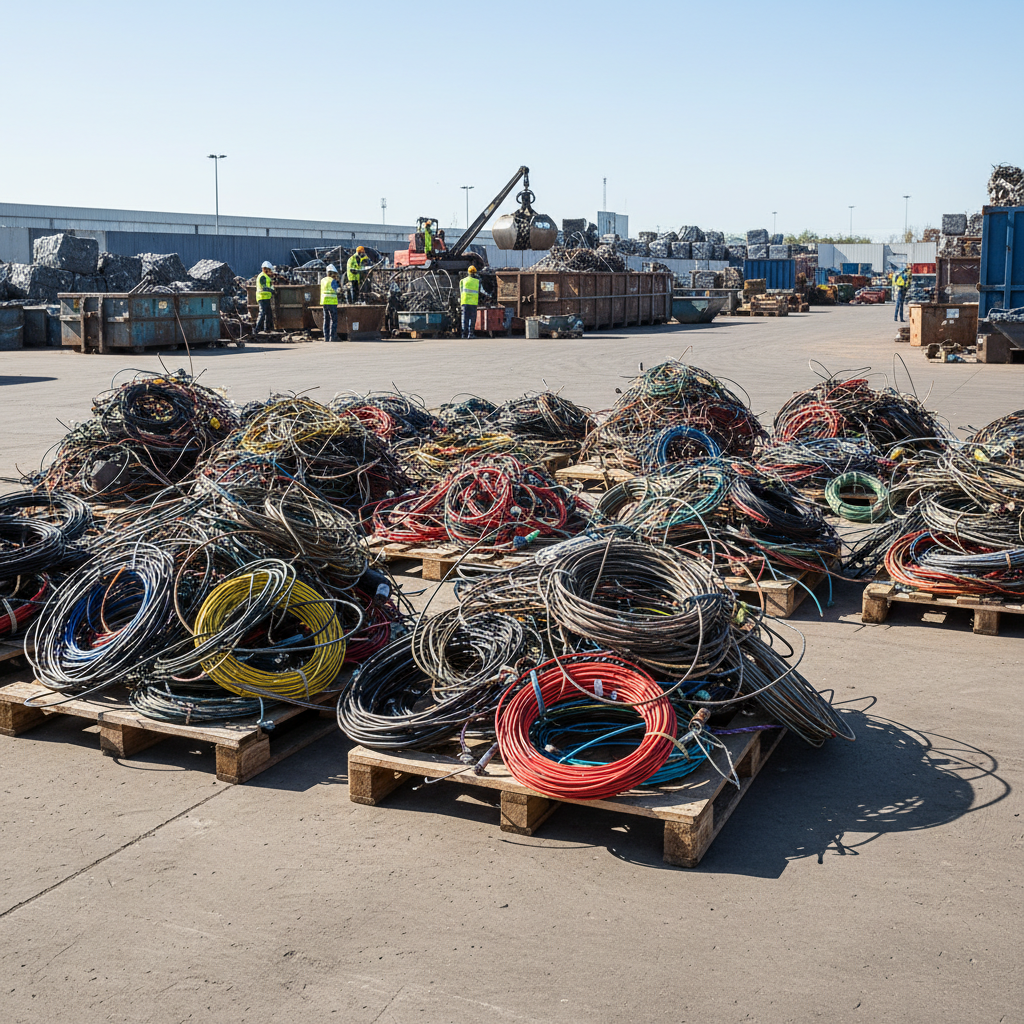
Copper cable scrap is the recovered copper found inside electrical cables and wires. It includes bare bright wire, insulated household wiring, data/telecom cable, and power cords. At our Etobicoke yard on 407 Rexdale Blvd, Quick Scrap Metal buys copper cable scrap daily and pays on the spot, helping Toronto and GTA sellers turn wire into cash responsibly.
By Preet Dass · Last updated: 2026-06-10
Quick Summary
Copper cable scrap covers any copper conductors recovered from power, household, and communication wiring. Value depends on copper purity, insulation ratio, cleanliness, and preparation. Sort by grade, remove non-metal attachments safely, and drop off at our Etobicoke yard for fast, responsible recycling and immediate payout.
This complete guide explains how copper in cables is graded, what affects value, and the safest way to prepare, transport, and sell it in the Toronto area. You’ll also see local tips for Etobicoke, common mistakes to avoid, and a straightforward step‑by‑step that mirrors our on‑site process.
- What “copper cable scrap” includes and how it’s graded
- Types of cables: household, THHN, Romex, BX/armored, telecom/data, coax
- Best practices to sort, strip, and prepare without wasting time
- How selling works at Quick Scrap Metal (Etobicoke, Toronto & GTA)
- Eco benefits, safety notes, and compliance-friendly habits
What Is Copper Cable Scrap?
Copper cable scrap is recyclable copper recovered from electrical cables and wires, with or without insulation. It’s categorized by copper purity and insulation content, from bare bright to insulated grades. Clean, well‑sorted material moves faster through the yard and typically commands stronger payouts.
When people say “copper cable,” they usually mean insulated wire pulled from homes, renovations, appliances, vehicles, and commercial jobs. At our Toronto-area facility, copper cable scrap arrives in every shape—from tidy coils of THHN to mixed bags of extension cords, Ethernet, and coax.
Why this matters for sellers
- Purity drives outcomes: Bare bright and #1 copper are the cleanest wire categories.
- Insulation ratio counts: Wire with thick jackets yields less copper per pound than thin-jacket wire.
- Clean prep wins: Brass ends, plugs, steel staples, or plastic fixtures reduce overall grade.
We see everything from carefully sorted contractor offcuts to garage-clearout cords. In our experience, sellers who separate by type, remove obvious hardware, and skip risky over-stripping enjoy the smoothest, fastest transactions.
Why Copper Cable Scrap Matters (Etobicoke & Toronto)
Recycling copper cable conserves natural resources, reduces landfill waste, and returns valuable metal to manufacturing. For Etobicoke and Toronto sellers, it’s a quick way to clear clutter, earn immediate payout, and keep materials in a responsible local recycling loop.
Quick Scrap Metal serves the GTA with extended hours, a convenient location at HWY 27 & Rexdale, and a one‑stop approach: we buy copper, plus other non‑ferrous and ferrous metals, appliances, and electronics. That means fewer trips for homeowners, tradespeople, and businesses managing mixed loads.
Local considerations for Etobicoke
- Plan drop‑offs to avoid neighborhood rush windows; late weekday hours help you miss peak traffic near Woodbine Mall & Fantasy Fair.
- Winter and shoulder seasons add moisture and road salt; store cable indoors in clean bins so insulation and copper stay dry and tidy.
- For jobsite cleanups, pack cable by type; our scale process runs faster when mixed wire is bagged or boxed separately.
How Copper Cable Scrap Is Graded and Processed
Yards grade copper cable scrap by copper purity and insulation content. Bare bright is the clean benchmark, followed by #1 and #2 copper. Insulated wire grades depend on copper recovery percentage and cleanliness. After intake and weighing, material is sorted, stripped or granulated, and shipped to downstream processors.
Common grades you’ll hear at the yard
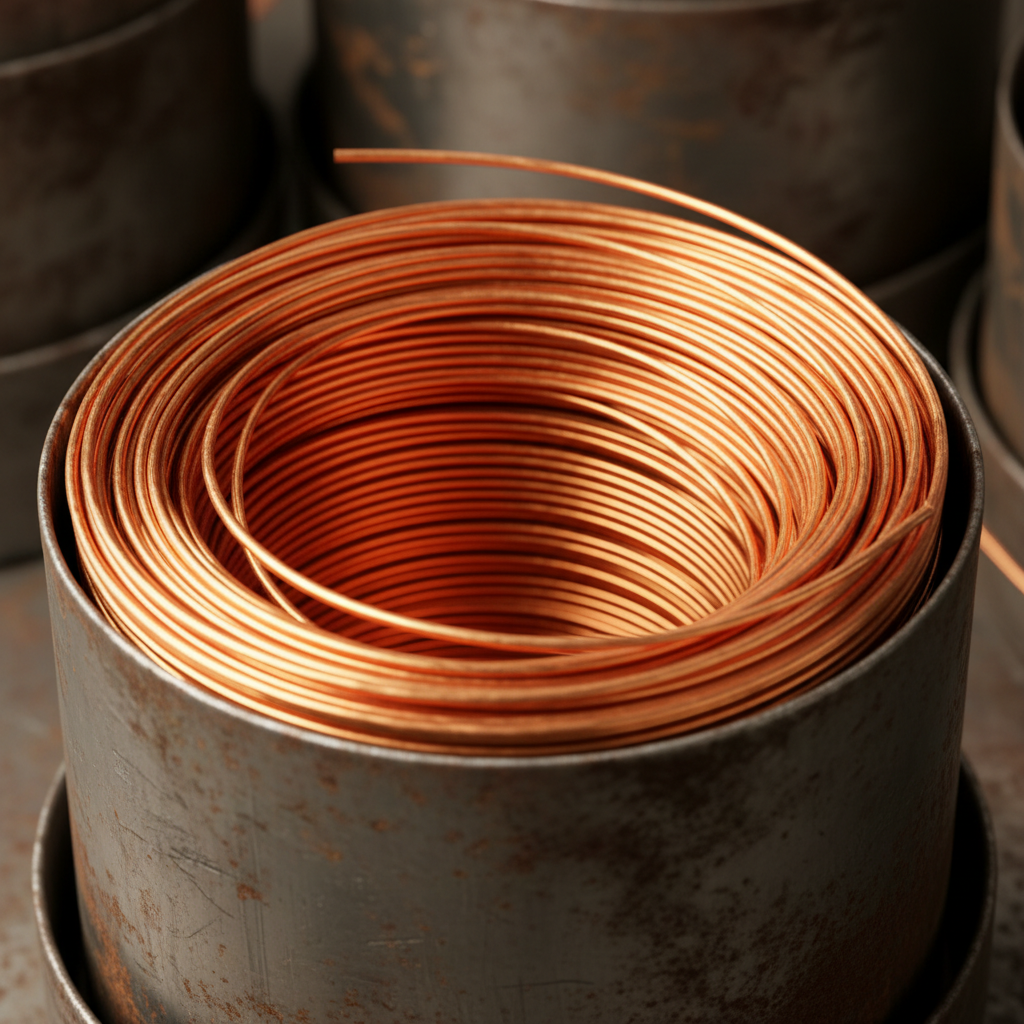
- Bare Bright (no coating): Shiny, unalloyed copper wire, typically 12 AWG or thicker, no solder or tin.
- #1 Copper: Clean copper wire/tubing with minimal tarnish; no steel, paint, or significant solder.
- #2 Copper: Painted, tinned, soldered, or slightly oily copper; still copper but not as clean as #1.
- Insulated Copper Wire (ICW): Insulated categories vary by recovery (how much copper per pound of wire).
From your trunk to the processor
- Intake: We greet you, review your load, and direct you to the right scale or receiving area.
- Sort & verify: Our team separates wire types and removes obvious non-metal attachments if needed.
- Weighing & ticket: Materials are weighed and recorded. You’ll see categories listed on your ticket.
- Downstream: Insulated wire may be stripped or granulated to isolate copper from jackets.
Preparation improves speed. Coiled, bagged, and clearly labeled wire moves through our process faster, and mixed loads (wire + appliances + electronics) benefit from our “one‑stop” setup.
Types of Copper Cables and What They Usually Grade As
Different copper cables return different recovery ratios. Household Romex and THHN often carry favorable recovery, while data/telecom and coax carry more insulation relative to copper. Sorting by type helps you set expectations and speeds up your yard visit.
| Wire/Cable Type | Typical Category | Prep Tips |
|---|---|---|
| THHN (single conductor) | Higher-recovery ICW | Coil by color/gauge; remove long runs from conduit if safe. |
| Romex/NM-B (house wiring) | Mid-to-high recovery ICW | Bundle by gauge (12/2, 14/2). Keep clean and dry. |
| BX/Armored cable | ICW with steel armor | Don’t over-strip; separate obvious hardware only. |
| Extension cords/power cords | Mixed ICW | Cut off large plugs if easy; skip tiny fiddly ends. |
| Ethernet/phone (Cat5/6), telecom | Lower-recovery ICW | Bag separately; don’t spend long stripping. |
| Coaxial | Lower-recovery ICW | Keep separate; high jacket-to-copper ratio. |
| Welding leads | Varies by jacket | Heavy but can be quality copper; keep in coils. |
Note: Yield and grading vary with cleanliness and construction. If you’re unsure, bring a small sample first. Our team will advise how to organize the rest so you don’t waste time stripping the wrong things.
How to Prepare Copper Cable Scrap (Step-by-Step)
Sort by type, keep wire clean and dry, remove large non-copper attachments, and avoid risky over-stripping. Pack coils or short lengths into sturdy bins. Label “THHN,” “Romex,” “Extension cords,” etc. This organization speeds intake and supports better grading at the yard.
Step-by-step prep checklist
- Gather and clear: Pull wire from projects, garages, basements, and appliances. Sweep off dust and debris.
- Sort by family: Make piles for THHN, Romex/NM-B, BX/armored, cords, data/telecom, and coax.
- Clip large ends: Remove oversized plugs, brass fixtures, or obvious steel brackets where safe and quick.
- Avoid tiny tasks: Skip time-consuming trimming of small molded ends and staples; the labor rarely pays you back.
- Coil and contain: Coil long runs with zip ties. Use labeled boxes or tough bags so strands don’t tangle.
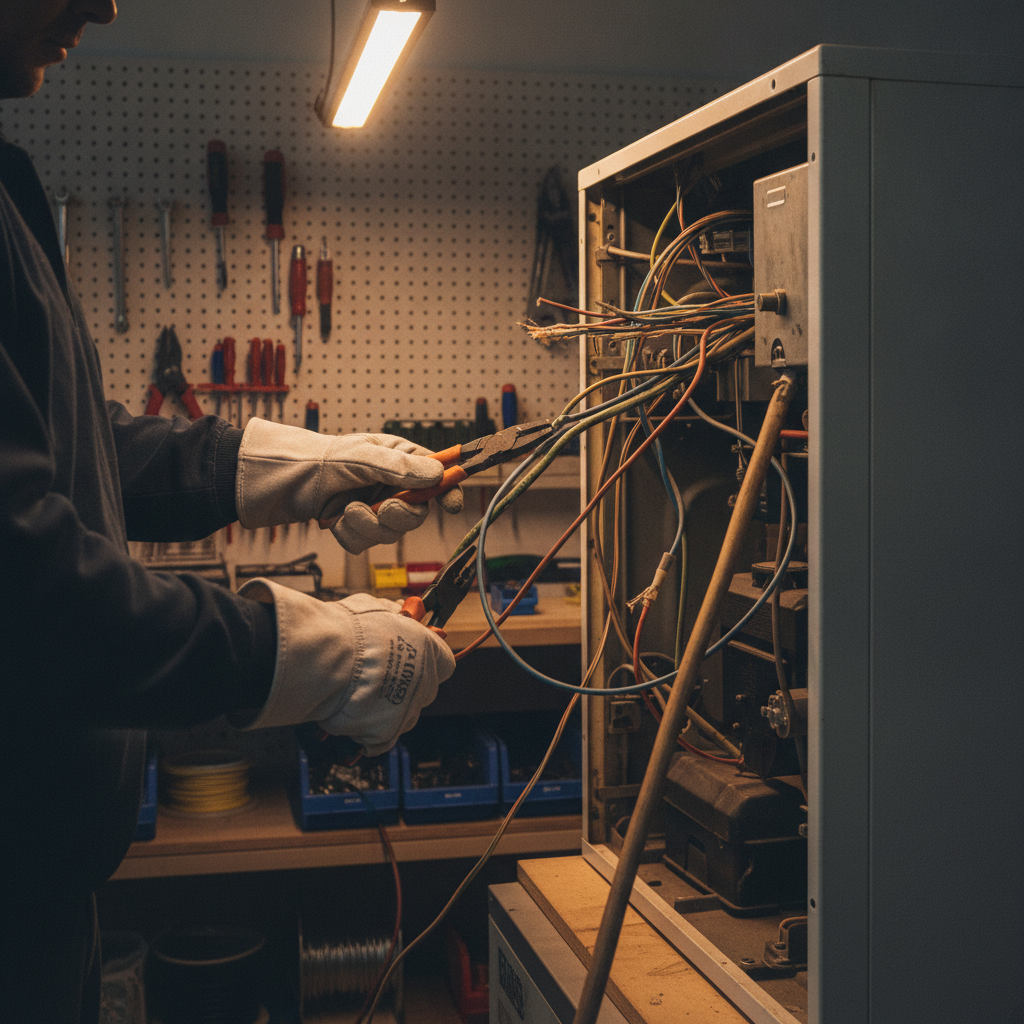
- Stay safe: Wear cut-resistant gloves and eye protection. De-energize before removing any wire.
- Bring ID if required: Keep a government-issued ID handy to speed up paperwork when applicable.
Stripping can help in select cases, but it isn’t a silver bullet. Thick, clean THHN might be worth the effort; coax and data cable usually aren’t. If in doubt, ask our team on your first visit or send a photo before you spend hours stripping.
Best Practices and Mistakes to Avoid
Focus on clean sorting, safe handling, and time-efficient prep. Don’t over-strip low-yield cables, mix copper with steel hardware, or deliver wet, muddy, or burned wire. Small habits like coiling long runs and labeling boxes save time at the scale.
Best practices we recommend
- Keep it clean: Dry, mud-free wire is easier to grade and process.
- Label boxes clearly: “Romex 12/2,” “THHN mixed,” “Coax,” “Cords.”
- Use gloves: Copper strands are sharp; BX edges can cut.
- Remove big attachments: Heavy brass fixtures or thick plugs are worth a quick clip.
- Ask before stripping: A two-minute chat can save two hours of labor.
Common mistakes that hurt outcomes
- Burning insulation: Dangerous and unacceptable. Burned wire downgrades and poses health risks.
- Over-mixing: Tossing everything into one bag slows sorting and may lower the overall category.
- Chasing tiny ends: Meticulous micro-trimming often wastes time with little gain.
- Ignoring safety: Live circuits, sharp armor, and hidden staples cause injuries.
Here’s the thing: clean, organized wire makes the whole visit faster. We’ve found that a few minutes of sorting at home saves far more time at the yard.
Selling Copper Cable Scrap at Quick Scrap Metal
Bring sorted wire to our Etobicoke yard at 407 Rexdale Blvd. We’ll review, weigh, and finalize your ticket. You get immediate payout and peace of mind that your copper is recycled responsibly alongside appliances and electronics if you bring a mixed load.
Simple on-site process
- Arrive and check in: Follow signage. Our team directs you to the correct drop-off lane or scale.
- Unload and sort: We assess wire categories. Mixed loads go to the right spots quickly.
- Weigh and confirm: Materials are weighed, recorded by type, and your ticket is prepared.
- Payout and receipt: You’re all set. Return anytime—late weekdays and Sundays available.
Managing renovation waste? Drop off copper cable scrap with old appliances, motors, and electronics in one trip. That’s the benefit of our “If it’s metal, we buy it!” approach—plus responsible e‑waste handling under one roof.
For deeper tips on maximizing your results, see our copper wire scrap guide and our practical copper value explainer. If you primarily handle wire, our wire recycling guide dives into prep dos and don’ts.
Pricing Factors (Without Numbers)
Outcomes hinge on copper purity, insulation ratio, cleanliness, and market conditions. Thicker, cleaner copper with minimal attachments typically performs better. Mixed, wet, or burned wire downgrades. Organizing by type and delivering tidy coils supports the best grade that your material can achieve.
- Purity: Bare bright and #1 copper outperform lower grades.
- Insulation: More jacket means lower copper recovery per pound.
- Cleanliness: Dry, mud-free, non-burned wire sorts faster and more favorably.
- Market basics: Copper demand cycles influence outcomes across the GTA.
Curious about the broader copper market? Our Toronto scrap market update provides ongoing context, and our buyers page explains categories we accept at the yard.
Tools and Resources for Working With Wire
Use basic PPE and simple hand tools: cut-resistant gloves, safety glasses, side cutters, and a utility knife with a fresh blade. Keep sturdy bins for transport. Most sellers don’t need powered strippers; choose effort only when recovery clearly improves.
- PPE: Gloves, eye protection, and closed-toe footwear.
- Hand tools: Quality side cutters, lineman’s pliers, and a safe, sharp utility knife.
- Organization: Zip ties and labeled totes for THHN, Romex, cords, and coax.
- Optional: A compact hand-crank or light electric stripper for thick THHN.
Working with heavy welding leads or specialty cables? Browsing product specs helps you identify copper content and jacket thickness in advance. For example, product collections for welding cable can illustrate construction and jacket types in the field—see a representative welding cable collection for context.
Real-World Examples From the GTA
Homeowners, contractors, and small businesses in the GTA bring us mixed wire every day. The best outcomes come from simple sorting and safe removal. These short scenarios show how small changes in prep make drop‑offs faster and cleaner.
Etobicoke homeowner: basement refresh
- Sorted leftover Romex by gauge in two boxes and bagged cords separately.
- Clipped two large brass fixtures from a ceiling fan cord; skipped tiny molded ends.
- Outcome: Smooth intake, quick weigh-in, straightforward grading, immediate payout.
Mississauga contractor: lighting retrofit
- Coiled long THHN runs and labeled spools by color.
- Avoided stripping; asked us first and focused on volume and organization.
- Outcome: Faster offload; better category recognition due to clean, tidy presentation.
Brampton small business: mixed renovation debris
- Brought copper cable scrap with old appliances and electronics in one trip.
- Separated cords, data lines, and Romex; packed appliances for easy unloading.
- Outcome: One-stop service—wire, appliances, and e‑waste handled together.
If you’re clearing a vehicle, remember that reputable, dedicated operators manage scrap vehicles separately. For background on specialized auto removal providers in Ontario, review a representative scrap car service site to understand typical processes and what to prepare ahead of pickup.
Eco and Compliance Benefits
Copper cable recycling conserves resources and reduces waste. Organizing and delivering wire to a reputable yard supports environmental stewardship and aligns with best practices for responsible material handling in the GTA’s circular economy.
- Resource conservation: Recovered copper returns to manufacturing rather than primary extraction.
- Waste reduction: Clean, organized drop-offs reduce contamination and landfill pressure.
- Operational integrity: Responsible handling of wire, appliances, and electronics under one roof helps you stay organized.
Managing metal with the end in mind—how it’s sorted, where it goes—helps any project run better. For comparison thinking on material categorization in construction workflows, browse a representative rebar guide that discusses classes and practical selection in another materials category.
Copper Cable Scrap in Etobicoke: Neighborhood Notes
In Etobicoke, the easiest copper cable scrap runs are planned around traffic, weather, and mixed loads. Our HWY 27 & Rexdale location simplifies access, and extended hours let you time trips outside peak periods in the broader Toronto metro.
We’re minutes from major routes, with clear signage and fast processing to reduce wait times. Whether you’re bringing a contractor’s spools of THHN or a homeowner’s mix of cords and Romex, we’re set up to sort quickly and pay immediately.
To make the most of a single trip, consider adding old appliances, motors, or electronics from the garage. We accept a wide range of items, so more clutter leaves your space, and more material enters a responsible recycling stream.
Ready to move? Visit our Etobicoke copper recycling page for directions and current service details.
Step-by-Step Drop-Off Map (What to Expect on Arrival)
Check in at the entrance, follow staff directions, unload wire in the designated area, and keep boxes labeled. We’ll weigh categories, confirm your ticket, and you’ll receive immediate payout. Most visits run quickly when wire is sorted and coiled.
- Entrance: Follow yard signs and staff directions to the right lane.
- Unload: Place THHN, Romex, cords, and data lines in separate spots.
- Weigh: We capture each category and review your ticket.
- Finalize: Receive your payout and receipt; return anytime (Sundays, late weekdays).
Want to prepare even better? Our Etobicoke prep tips cover organization habits that keep your visit short and productive.
Frequently Asked Questions
Most sellers ask about wire types, safe stripping, mixed loads, and what to bring on their first trip. These quick answers cover the essentials so you can arrive confident and save time at the scale.
Should I strip all my insulated copper wire?
No. Strip only when the copper recovery clearly justifies the effort, like thick, clean THHN. Low-yield cables such as coax or data lines usually aren’t worth the time. When in doubt, bring a sample first.
Can I bring copper wire with appliances and electronics?
Yes. We’re a one‑stop drop‑off. Bring wire alongside old appliances, motors, and electronics. Sort items by type in your vehicle to speed unloading and weighing once you arrive.
What’s the safest way to coil and transport long runs?
Use zip ties or light twine on 2–3 foot diameter coils to avoid kinks. Wear gloves, pack coils in sturdy bins, and keep loads dry. Label containers “THHN,” “Romex,” “Cords,” or “Data.”
Do you accept BX or armored cable?
Yes. Keep BX separate from other wire types. Don’t spend excessive time removing armor; we’ll assess the cable’s construction and handle it appropriately during processing.
Key Takeaways
Sort by type, keep copper cable scrap clean and dry, remove big attachments, and skip risky over‑stripping. Label bins, plan your trip around traffic, and bring mixed loads for one‑stop service. You’ll move faster through the yard and walk out with an immediate payout.
- Sorting and labeling are the biggest time-savers.
- Only strip when recovery clearly improves.
- Deliver wire clean, dry, and coiled.
- Bring mixed loads—wire, appliances, and electronics—in one trip.
- Extended hours make drop‑offs flexible for busy schedules.
Next Steps
Pack your copper cable scrap by type, add any old appliances or electronics, and head to 407 Rexdale Blvd. We’ll sort, weigh, and pay on the spot. Questions before you come? Call or visit our site for quick guidance.
Explore more details in our scrap copper insights and find directions on our dedicated Etobicoke copper recycling page. We’re here to help you recycle responsibly—EASY | FAST | CONVENIENT.