
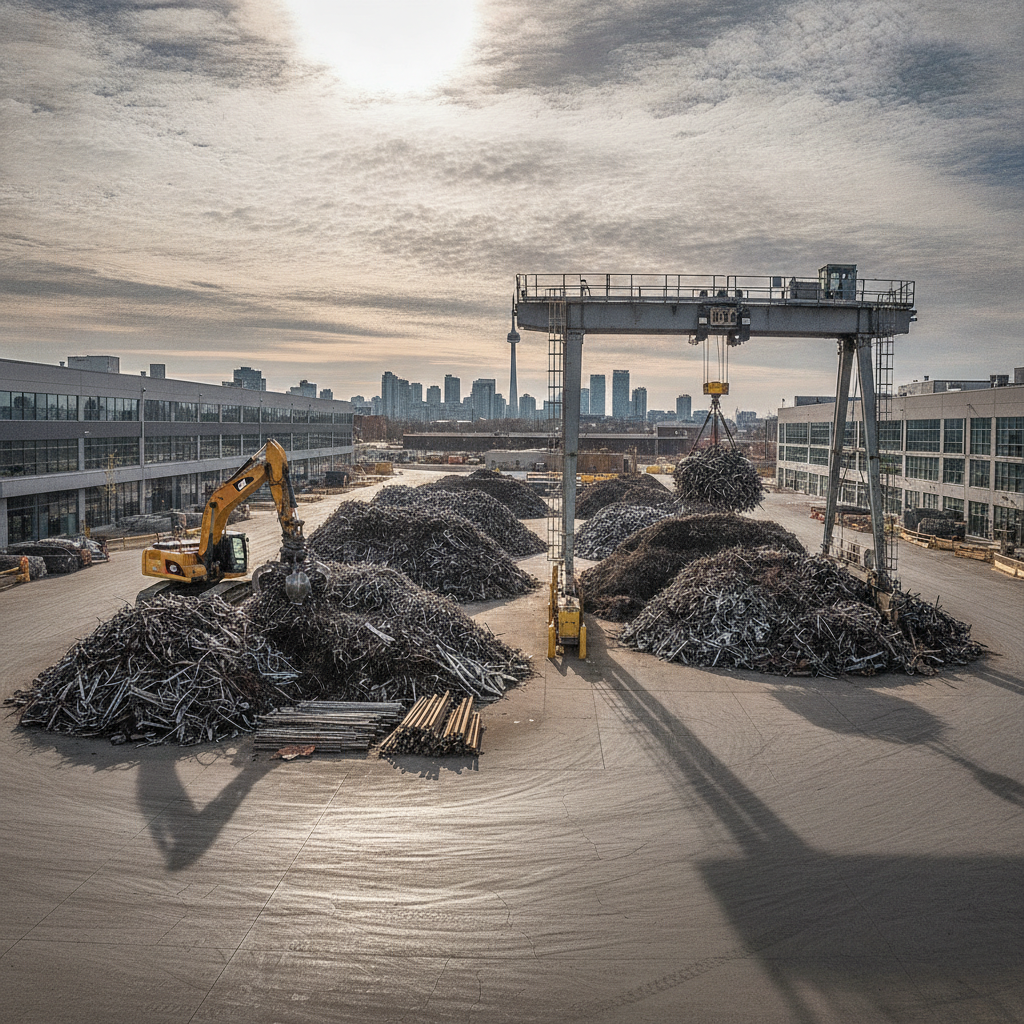
Steel recycling is the process of collecting, sorting, and processing steel so it can be melted and made into new products. At Quick Scrap Metal’s Etobicoke yard (407 Rexdale Blvd), residents, trades, and businesses can drop off steel and get paid on the spot. It saves resources, declutters space, and keeps materials in circulation.
By Preet Dass • Last updated: 2026-06-11
Overview and Table of Contents
This complete guide explains what steel recycling is, why it matters, how to prepare and sort your scrap, and what to expect when you drop off at 407 Rexdale Blvd. Use it to declutter, maximize your payout, and recycle responsibly across Etobicoke and the Toronto metro area.
Here’s what you’ll learn and how to get the most from a steel drop-off at Quick Scrap Metal. Skim the sections that match your needs, or read end-to-end for a complete playbook.
- What is steel recycling?
- Why steel recycling matters
- How steel recycling works at Quick Scrap Metal
- Types and grades of steel we accept
- Best practices to maximize payouts
- Tools and resources
- Steel recycling in Etobicoke and Toronto
- Pricing factors (no numbers)
- Case studies and examples
- Frequently asked questions
- Key takeaways
- Conclusion and next steps
What Is Steel Recycling?
Steel recycling refers to collecting and processing used steel—like beams, rotors, appliances, and tools—so mills can melt and reuse it. Because steel is magnetic and endlessly recyclable, it’s one of the most recovered materials, supporting cleaner cities and steady supplies for construction and manufacturing.
When you drop off steel at Quick Scrap Metal, it enters a proven loop: sort, process, ship, melt, and remake. That single loop keeps metal out of landfills and turns clutter into value you can actually use.
- Magnet-friendly: A magnet quickly identifies ferrous metals like steel and iron, speeding up sorting.
- Endlessly recyclable: Steel can be recycled repeatedly without losing core performance.
- Wide sources: Household items (shelving, BBQ frames), contractor offcuts, auto parts (rotors), and building demolition scrap are all common inputs.
- Local drop-off: Our Etobicoke yard consolidates community scrap and moves it to downstream processors efficiently.
In our experience, most first-time visitors are surprised by how straightforward the process is. If it’s metal, we buy it—then we route it responsibly so it can be used again.
Why Steel Recycling Matters
Steel recycling matters because it conserves raw materials, reduces energy intensity compared to making steel from ore, and cuts clutter for homes and job sites. It also helps keep local supply chains resilient by feeding mills with reliable recovered metal.
Here’s the thing: throwing away heavy steel creates cost and hazard without solving a problem. Recycling turns a headache into a clean handoff—removing bulky items, freeing up space, and directing material back to productive use.
- Environmental impact: Recovered steel helps reduce the need for virgin iron-making and supports circular-economy goals.
- Community benefits: Clearing scrap reduces safety risks around homes, yards, and job sites.
- Supply stability: Consistent recovery supports steady downstream manufacturing.
- Space reclaimed: Shelving, beams, and old tools add up; regular drop-offs keep garages and shops usable.
What most people don’t realize is how many everyday products already contain recycled steel. Your drop-off feeds that cycle so new projects—large and small—get the materials they need.
How Steel Recycling Works at Quick Scrap Metal
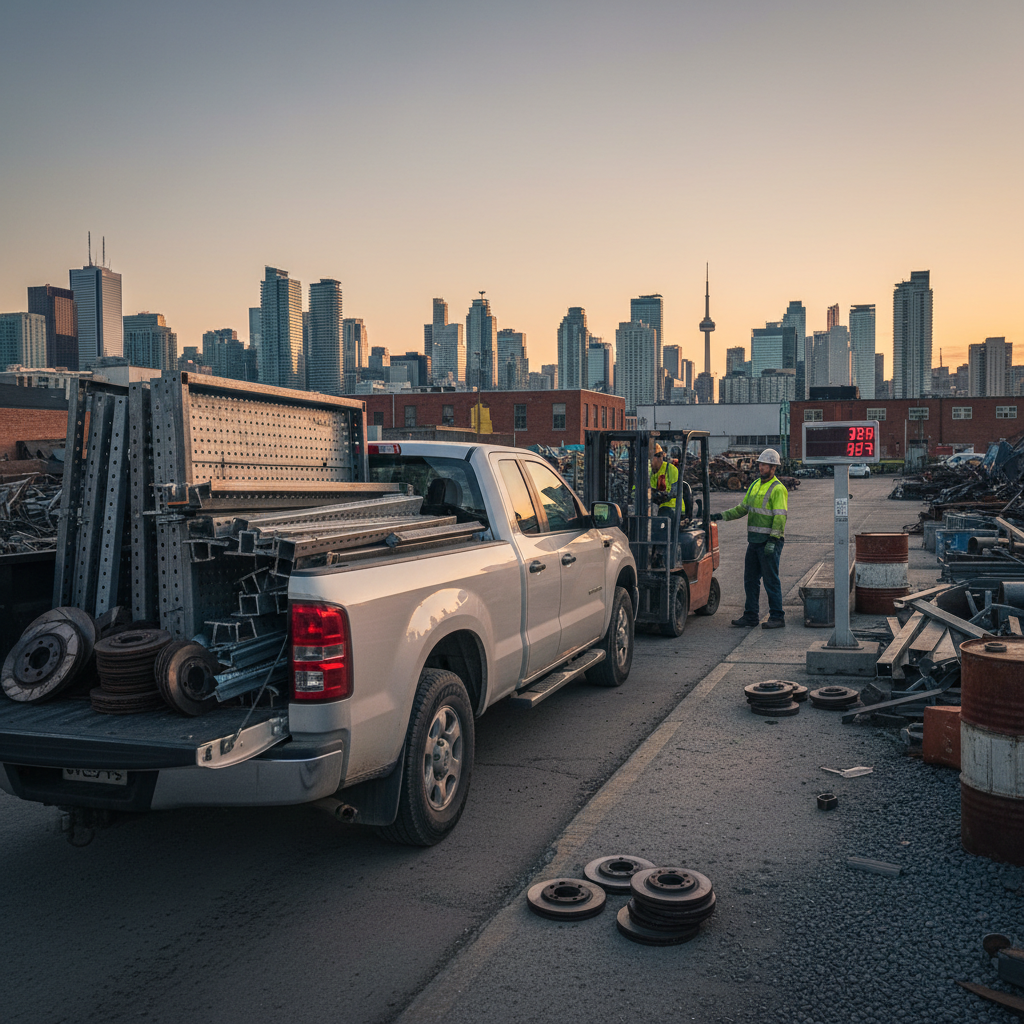
Bring your steel to 407 Rexdale Blvd, weigh in, unload with guidance, and get paid on the spot. We sort ferrous vs. non-ferrous, separate grades, and move consolidated loads to processors. You leave with a clean space and a fast, documented handoff.
We’ve built our yard operations around speed, clarity, and safety. Here’s the typical flow from driveway to payout.
- Arrive and check in: Follow yard signs to the steel lane. Our team directs you to the correct area and answers questions.
- Magnet test & sorting: We verify ferrous metals, separate obvious grades (e.g., light vs. heavy), and set aside non-ferrous items if mixed.
- Unload efficiently: Keep items loose or bundled by type. Rotors, beams, and plate are easy to handle when grouped.
- Weighing and verification: We document the load and ensure you understand the breakdown.
- On-the-spot payment: Once confirmed, you’re paid immediately and can head out—no delays.
Want a refresher on ferrous specifics? See our focused guide on ferrous metal recycling. If you’re ready to act, our step-by-step page on how to sell steel scrap walks through prep and yard etiquette.
Types and Grades of Scrap Steel We Accept
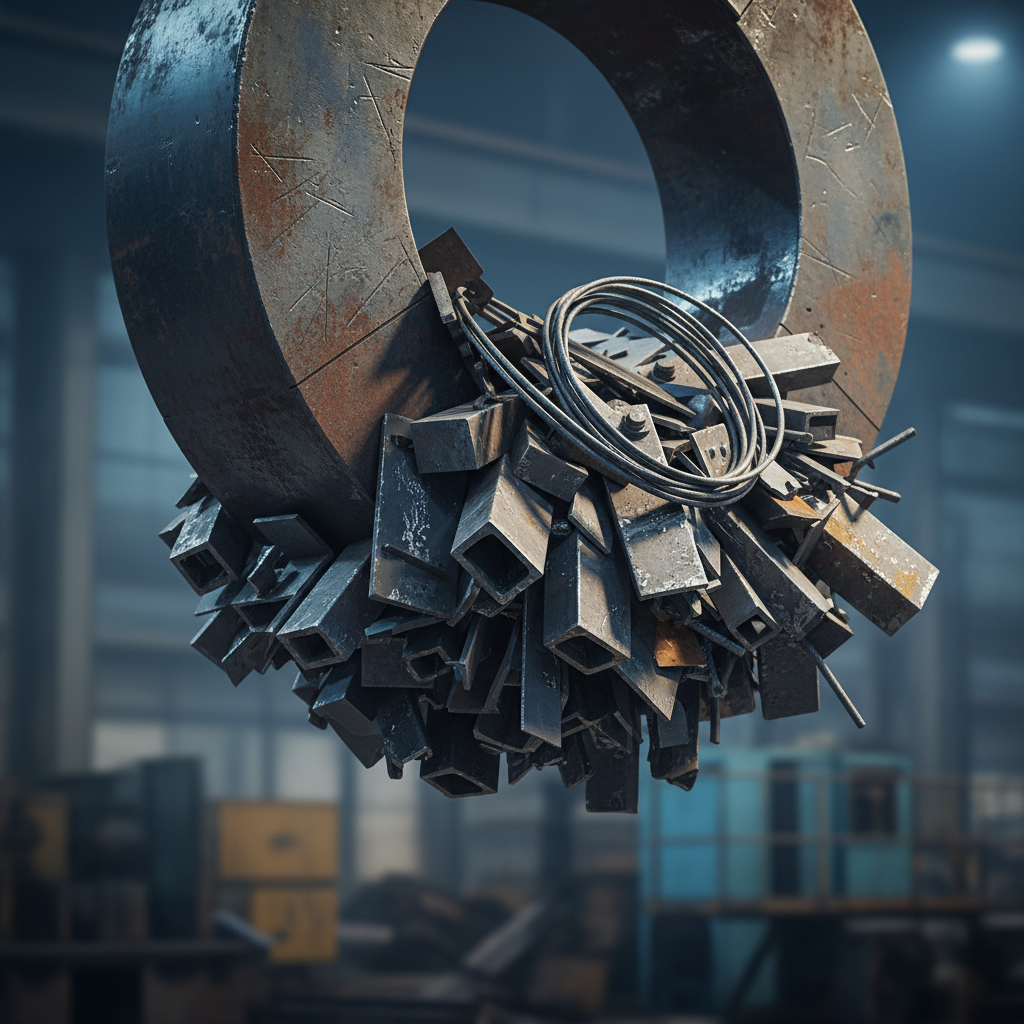
Quick Scrap Metal accepts a wide range of steel: light iron, heavy melt, structural beams, plate, rotors, cast iron, and mixed steel from appliances and tools. Clean, separated grades speed drop-off and support better overall outcomes for your load.
Knowing what you have makes everything faster. Here’s how common categories show up at our Etobicoke yard.
- Light iron / mixed steel: Shelving, wire shelving frames, thin plate, sheet metal, tin, and siding.
- Heavy melt steel: Thick plate, short beams, machinery bases, and dense structural pieces.
- Structural sections: I-beams, channels, angles from renovations or demo jobs.
- Rotors and auto cast: Brake rotors and automotive castings from DIY or shop work.
- Cast iron: Old radiators, tubs, stoves, and machine parts.
- Stainless components: Some appliances and fixtures contain stainless; we help sort these separately.
For a deeper breakdown of where value typically sits by category, review our steel scrap value guide. And if you have mixed loads, our team will point you to the right lanes to keep things moving quickly.
Prep-at-Home Checklist
- Group like with like: rotors together, beams together, light mixed steel together.
- Remove obvious contaminants: wood panels, plastic trims, concrete, or dirt where feasible.
- Empty and disconnect: drain fluids from anything that had oil or coolant; unplug and remove cords from appliances.
- Bundle smart: secure long pieces for safe transport; keep small pieces in sturdy bins.
Best Practices to Maximize Your Payouts
Maximize results by sorting steel by type, removing contaminants, keeping loads safe and compact, and arriving during steady yard hours. Clean, separated material moves faster and supports the best overall outcome for your visit.
Small changes at home and on the job site compound into real gains at drop-off. Here are practical moves we’ve seen pay off.
- Sort before you drive: Create three zones: light steel, heavy sections, and cast/rotors. This speeds unloading.
- Cut long stock safely: Shorter pieces handle faster. Wear gloves and eye protection; avoid cutting energized or pressurized items.
- Reduce contamination: Remove wood, dirt, or plastic. Cleaner steel expedites processing.
- Secure the load: Use straps and blocking. Even short trips can shift cargo.
- Use the magnet test: Quick yes/no on ferrous; separate out non-ferrous early.
- Time your visit: Aim for steady hours to minimize wait and keep your schedule predictable.
If you’re bringing more than just ferrous metals, our all-scrap metal recycling guide explains how to organize multi-metal loads. For up-to-date market context, see our page on scrap metal pricing factors in Toronto (no specific numbers shared).
Tools and Resources for Sorting and Safety
Use a strong handheld magnet, basic PPE (gloves, glasses, boots), sturdy bins, and a hacksaw or cutoff tool for long pieces. For material ID, refer to trusted steel guides and local partners so you sort confidently and stay safe.
Simple tools make a big difference in yard speed and safety. Think “identify, separate, secure.”
- Identification: Handheld magnet; visual cues like rust for carbon steel; spark patterns when grinding (for pros).
- Personal protection: Cut-resistant gloves, safety glasses, boots with good traction, and hearing protection as needed.
- Cutting and prep: Hacksaw, reciprocating saw, or cutoff wheel for safe length reduction. Never cut pressurized vessels.
- Reference materials: See an accessible overview of rebar forms in this steel rebar guide for quick structural cues.
- Home project crossover: If you’re removing light-gauge framing, this steel studs resource offers context on typical profiles you might encounter in renovations.
- Vehicle decommissioning: For end-of-life cars, a specialized partner like Cash for Scrap Cars Ontario can simplify pickup, paperwork, and safe fluids handling.
Keep tools staged before you load the truck. A few minutes upfront often saves time at the yard and helps ensure a smooth, safe visit.
Steel Recycling in Etobicoke and Toronto: What to Expect at 407 Rexdale Blvd
At our Etobicoke yard serving the Toronto metro, steel recycling is quick: sort your load, follow lane signage, unload with guidance, and receive on-the-spot payment. Extended hours and Sunday availability make drop-offs easy for busy schedules.
Our location near HWY 27 & Rexdale is built for accessibility. Whether you’re a homeowner with shelving and tools or a contractor with beams and rotors, we streamline each step.
- Access and flow: Clear signage and dedicated lanes keep vehicles moving safely.
- Mixed loads welcome: If you also have aluminum or copper, we’ll direct you to the right areas to sort fast.
- Appliance and e-waste tie-ins: We accept many appliances and electronics—keeping it all in one run.
- People-first service: Questions at any stage? Our team is easy to spot and ready to help.
Local considerations for Etobicoke
- Plan your drop-off to avoid busy retail times near Woodbine Mall & Fantasy Fair, especially on weekends.
- Winter conditions can affect unloading; keep paths clear in the truck bed and wear solid footwear.
- For neighborhood cleanups or small demo work near Flagstaff Park, group community steel in labeled bins to speed sorting at the yard.
If you’re tackling a bigger cleanout, our local page on scrap metal junk removal in Etobicoke explains how to stage material for faster, safer handling.
Pricing Factors for Steel Scrap (No Numbers)
Steel payouts reflect grade, cleanliness, quantity, and current market conditions. Separate heavy sections from light iron, remove non-metal attachments, and consolidate volume when possible to support the best overall outcome for your visit.
We don’t publish exact rates, and there’s a reason: material categories and market dynamics change. You’ll get a clear explanation of how your load is assessed—without surprises.
- Grade: Heavy melt vs. light iron, structural shapes, cast, and rotors are handled differently downstream.
- Cleanliness: Less contamination (wood, plastic, concrete) streamlines processing.
- Volume and consistency: Larger, well-sorted loads move efficiently and are simpler to route.
- Market cycle: Domestic and global conditions affect downstream demand.
Looking for the “why” behind market movement and what you can control? Our brief explainer on scrap metal pricing factors covers supply, demand, seasonality, and prep quality.
Steel Scrap Types vs. Prep Steps (Process Table)
Match your steel type to the right preparation steps. Grouping similar items, removing attachments, and sizing long pieces improves safety, speeds unloading, and supports the best overall experience at the yard.
| Scrap Type | Common Sources | Prep Steps | Notes |
|---|---|---|---|
| Light Iron / Mixed | Shelving, tin, thin plate, siding | Group loosely; remove plastic/wood; secure smalls in bins | Great for household cleanouts |
| Heavy Melt | Thick plate, short beams, bases | Cut long stock; bundle safely; keep separate from light iron | Heavier pieces unload faster when short |
| Structural Shapes | I-beams, channels, angles | Stack by size; strap securely; clear of concrete | Ideal from renos and demo |
| Rotors / Auto Cast | Brake rotors, cast parts | Keep dry; separate from mixed light steel | Dense and easy to handle |
| Cast Iron | Radiators, tubs, stoves | Remove non-metal parts; stage close to tailgate | Mind sharp edges; use gloves |
Case Studies and Real Examples
From weekend garage cleanouts to small contractor demo loads, sorted steel moves quickly at 407 Rexdale Blvd. These brief scenarios show how simple prep translates into faster unloading and better overall outcomes.
Home garage cleanout (Etobicoke): A homeowner brought light mixed steel—shelving, a BBQ frame, and old tools—grouped in bins. With plastics removed and pieces sorted, check-in to payout took only a short visit.
- Why it worked: Sorting and removing non-metal parts reduced handling time.
- What to copy: Stage items in the driveway first; make one efficient trip.
Contractor demo load (Toronto): A small contractor arrived with beams, plate, and rotors from a renovation. Longs were cut to manageable lengths and stacked by size.
- Why it worked: Bundled structural pieces unloaded quickly with clear categories.
- What to copy: Pre-cut dense sections and separate rotors from light steel.
Scrap car tie-in (GTA): A vehicle owner coordinated an end-of-life car pickup and later dropped off extra garage steel the same week. Partner support made the vehicle side simple.
- Why it worked: Streamlined scheduling and safe fluids handling by a specialist.
- What to copy: Use a dedicated service like Cash for Scrap Cars Ontario for cars; bring other steel directly to 407 Rexdale Blvd.
When working with clients across Etobicoke and the broader GTA, we see the same success pattern: a magnet test at home, basic sorting, safe bundling, and a quick yard visit.
Steel Recycling FAQ
These quick answers cover identification, prep, appliances, electronics, and timing. If you don’t see your question here, ask our team at check-in—we’re happy to help you move fast and recycle right.
How do I tell if my metal is steel?
Use a magnet—if it sticks, you likely have steel or iron (ferrous metal). Visual cues like rust also help. If you’re unsure, bring it in; we’ll confirm quickly and direct you to the correct lane.
Can I bring appliances with my steel?
Yes. Quick Scrap Metal accepts many appliances and electronics alongside steel. Remove loose plastics or food residue where possible, and disconnect cords. Our team will guide you at drop-off so everything is routed correctly.
Do I need to cut long beams before I arrive?
Cutting long sections into manageable pieces helps speed and safety. If you can’t, bundle and secure them well. We’ll still accept the load and help you unload safely at the designated area.
What about electronics and e-waste in the same trip?
Bring them. We recycle computers, TVs, and other e-waste items responsibly. Keep electronics separate from steel in the truck so sorting is fast, then follow our team’s direction at the yard.
When is the best time to drop off?
Aim for steady hours on weekdays or use our Sunday availability. Avoid peak retail times near nearby shopping areas. If timing is tight, come prepared with sorted, secured loads to keep your visit short.
Key Takeaways
Sort your steel, remove contaminants, and follow lane signage at 407 Rexdale Blvd. You’ll unload quickly, recycle responsibly, and receive on-the-spot payment—all with extended hours that fit busy Etobicoke and Toronto schedules.
- Steel recycling keeps valuable material in use and reduces waste.
- Magnet test, sort by type, and secure the load for faster yard time.
- Bring appliances and electronics in the same trip—one-stop drop-off.
- Check our guides on selling steel scrap and ferrous recycling before you drive.
Conclusion and Next Steps
Steel recycling at Quick Scrap Metal is simple: identify, sort, arrive, unload, and get paid. With extended hours and friendly guidance, your drop-off at 407 Rexdale Blvd turns clutter into value while supporting responsible recycling.
Here’s your quick next step list:
- Do the magnet test and sort into three groups: light steel, heavy sections, and cast/rotors.
- Remove obvious non-metal attachments and secure the load.
- Review our pages on selling steel scrap and pricing factors.
- Plan your visit—remember, we’re open late on weekdays and open Sundays.
- Need broader recycling? See our all-scrap metal guide for mixed loads.
When you’re ready, drop by our Etobicoke yard serving the Toronto metro. We’ll help you move fast, recycle right, and head out lighter. If it’s metal, we buy it.