
How to choose an e-waste recycling option in Toronto
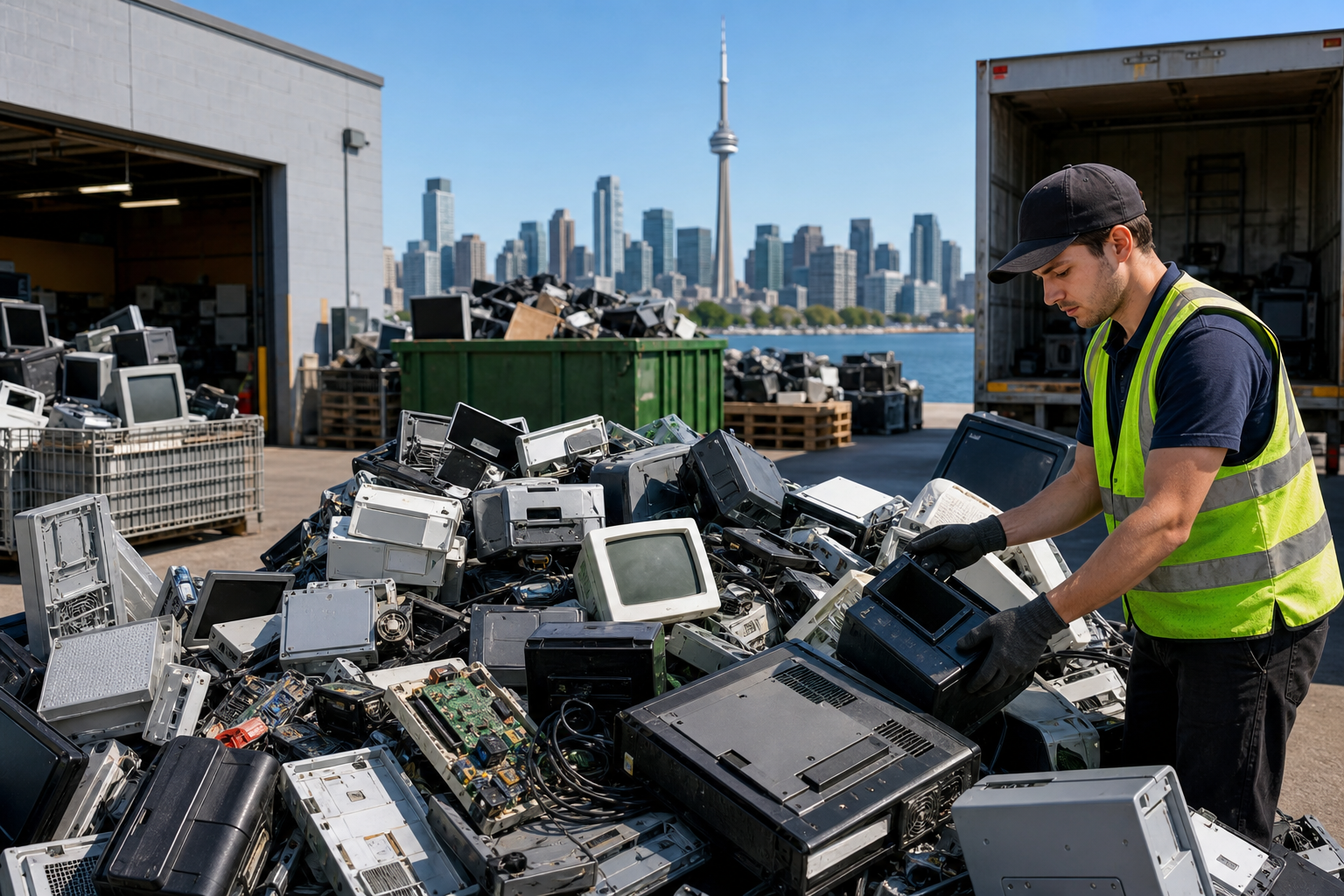
When you search for electronic waste recycling Toronto you will usually find three main channels: municipal drop-off depots, retailer take-back or trade-in programmes, and private scrap yards or specialised recyclers. Choose by weighing five decision criteria: which items are accepted, data security and device prep, hours and accessibility, cost or payment model, and pickup or bulky-item handling. The comparisons below use those criteria so you can pick the best local option quickly.
Decision criteria explained
- Accepted items: Some programmes accept only small electronics and accessories, while private yards often take appliances, computers, televisions, wiring, and non-ferrous metal components.
- Data security: For phones, laptops and storage devices, ask whether the site offers documented data destruction or certified wiping, or perform a factory reset before drop-off.
- Hours and accessibility: Municipal depots usually keep set weekday hours; private yards may offer extended evenings and Sunday service to fit busy schedules.
- Cost or payment model: Municipal depots are typically free to use. Retailers often offer trade-in credit. Private yards may pay cash for metals and appliances but will not accept every item for free.
- Pickup and bulky items: If you have fridges, washers, or large TVs, check whether the service offers pickup and whether hazardous components like batteries or refrigerants require special handling.
Municipal drop-off depots: what they do and who should use them
Municipal depots are run or contracted by local governments and provide an environmentally vetted route for household electronic waste. They are the reliable choice when you want assurance that materials will be handled under municipal rules and extended producer responsibility programmes. Federal guidance recommends checking your municipality for certified e-waste programmes and a detailed list of accepted items before you go, because rules and drop-off points vary by location (Innovation, Science and Economic Development Canada).
When to choose a municipal depot and common drawbacks
- Choose a depot if environmental stewardship, regulated handling, and a free disposal option are your priorities.
- Pros: regulated chain of custody, community programmes, and frequent acceptance of small electronics and batteries.
- Cons: depots can have limited hours, may require appointments for bulky items, and usually do not pay you for scrap.
- Tip: always check the accepted-item list before you drive there and bring any required identification or proof of residence.
Retailer take-back and trade-in programmes
Retailers and manufacturers run take-back programmes and trade-in offers that work well when a device still has market value or when you prefer manufacturer-certified handling. News reporting on e-waste recycling notes that many retailers maintain in-store or mail-in take-back schemes and that these options are commonly reliable for small electronics and accessories (AP News). Trade-in often gives store credit rather than cash, but it is convenient if you plan to replace a device.
When to use retailer take-back
- Use retailer take-back for recent phones, tablets, and laptops that still have trade-in value.
- Retailers can be the right choice for certified manufacturer data handling when you want extra assurance for sensitive business devices.
- Smaller accessories, chargers, and headphones are often accepted at store counters, making drop-off simple during a shopping trip.
Private scrap yards and recyclers: speed, cash, and accepted items
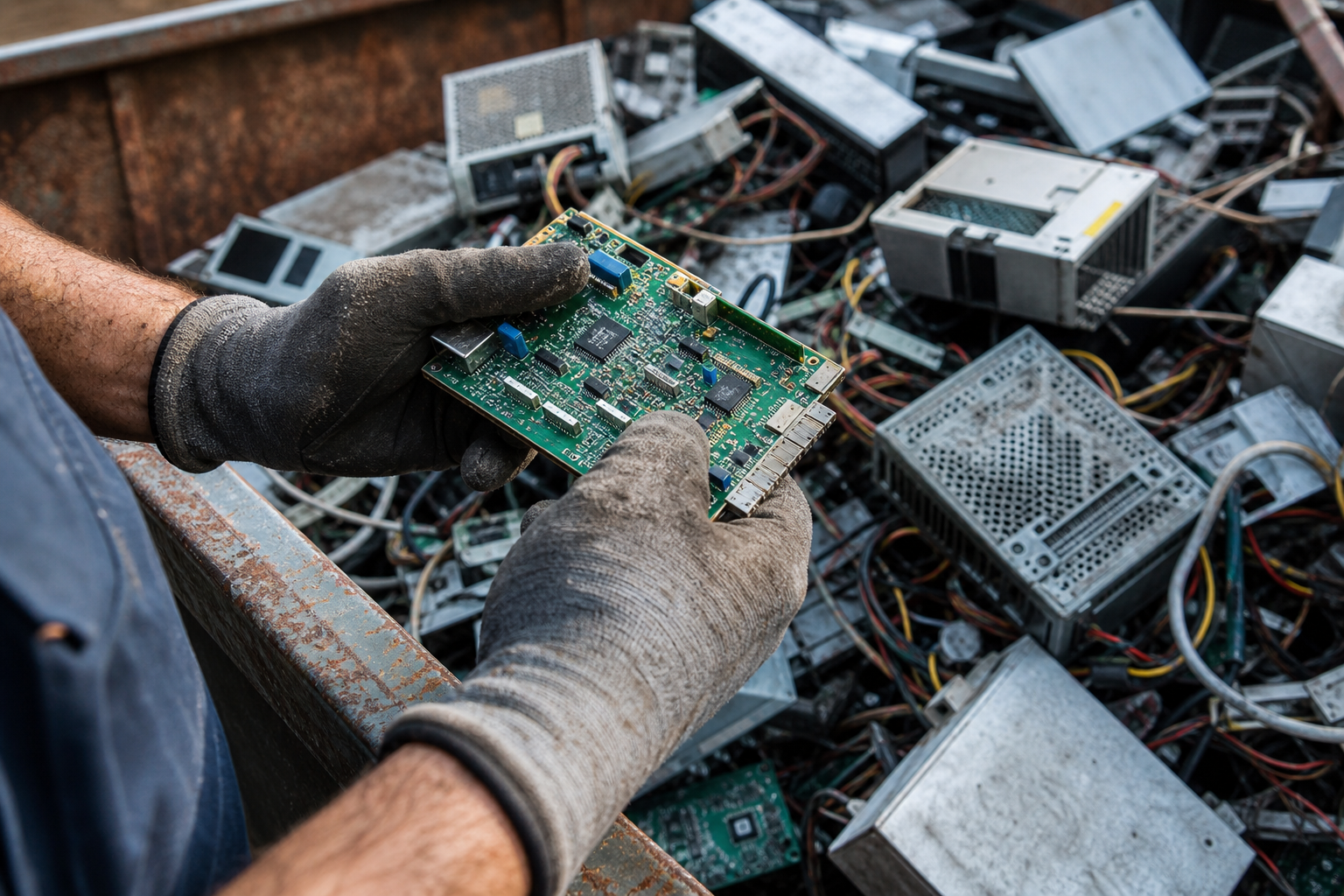
Private yards typically accept a broad range of materials from households and tradespeople, including computers, monitors, TVs, appliances, wiring and many non-ferrous metals. These yards price some items by weight and often offer cash on the spot for qualifying metals and appliances. They match well with sellers who need rapid turnaround, flexible hours, or payment for bulk scrap.
Before you go, verify the yard’s accepted items and hours and ask about payment methods. In Etobicoke and the surrounding GTA, Quick Scrap Metal lists electronics and appliances among its accepted materials and advertises extended hours and Sunday service to make drop-off more convenient (Quick Scrap Metal recycle page) and on its homepage Quick Scrap Metal.
Trust and regulatory checks for private yards
- Ask for an itemised receipt and weight breakdown when you sell items and photograph the scale if possible.
- Confirm how hazardous components such as batteries, transformers, and printed circuit boards will be handled and disposed of.
- Check online reviews and call ahead with specific questions about the materials you plan to bring.
What to expect at Quick Scrap Metal in Etobicoke
Quick Scrap Metal is located at 407 Rexdale Blvd, near HWY 27 and Rexdale. The yard accepts a long list of materials including computers, TVs, printed circuit boards, wiring, and household appliances. The company emphasises cash-on-the-spot for qualifying scrap and extended hours including Sunday service to accommodate busy schedules Quick Scrap Metal and its recycle page.
Practical checklist before you visit Quick Scrap Metal or any private yard
- Call ahead to confirm acceptance and current hours.
- Pre-sort items by type so unloading is faster.
- Remove user-replaceable batteries and loose hazardous components where safe to do so, or declare them to staff on arrival.
- Ask for an itemised breakdown and a printed receipt or record of the transaction.
Preparing devices and protecting your data
Data protection is a top concern when recycling phones, laptops, tablets, and external drives. Follow these steps before drop-off. If you prefer not to handle data destruction yourself, ask whether the facility offers documented data-wiping or certified destruction.
- Back up important files and photos to cloud storage or an external drive.
- Remove SIM cards and microSD cards from phones and tablets.
- Sign out of accounts and perform a factory reset on devices where possible.
- Record serial numbers and IMEIs for high-value items, and photograph the device for your records.
- For highly sensitive business equipment, consider certified data-destruction services rather than a standard drop-off.
Journalistic guidance suggests checking municipal and retailer programmes for certified handling if you need extra assurance about data security and chain of custody (AP News). Federal guidance recommends consulting municipal listings and certified e-waste programmes for details about acceptable materials and certified handlers (Innovation, Science and Economic Development Canada).
Pickup, bulky appliances, and hazardous components
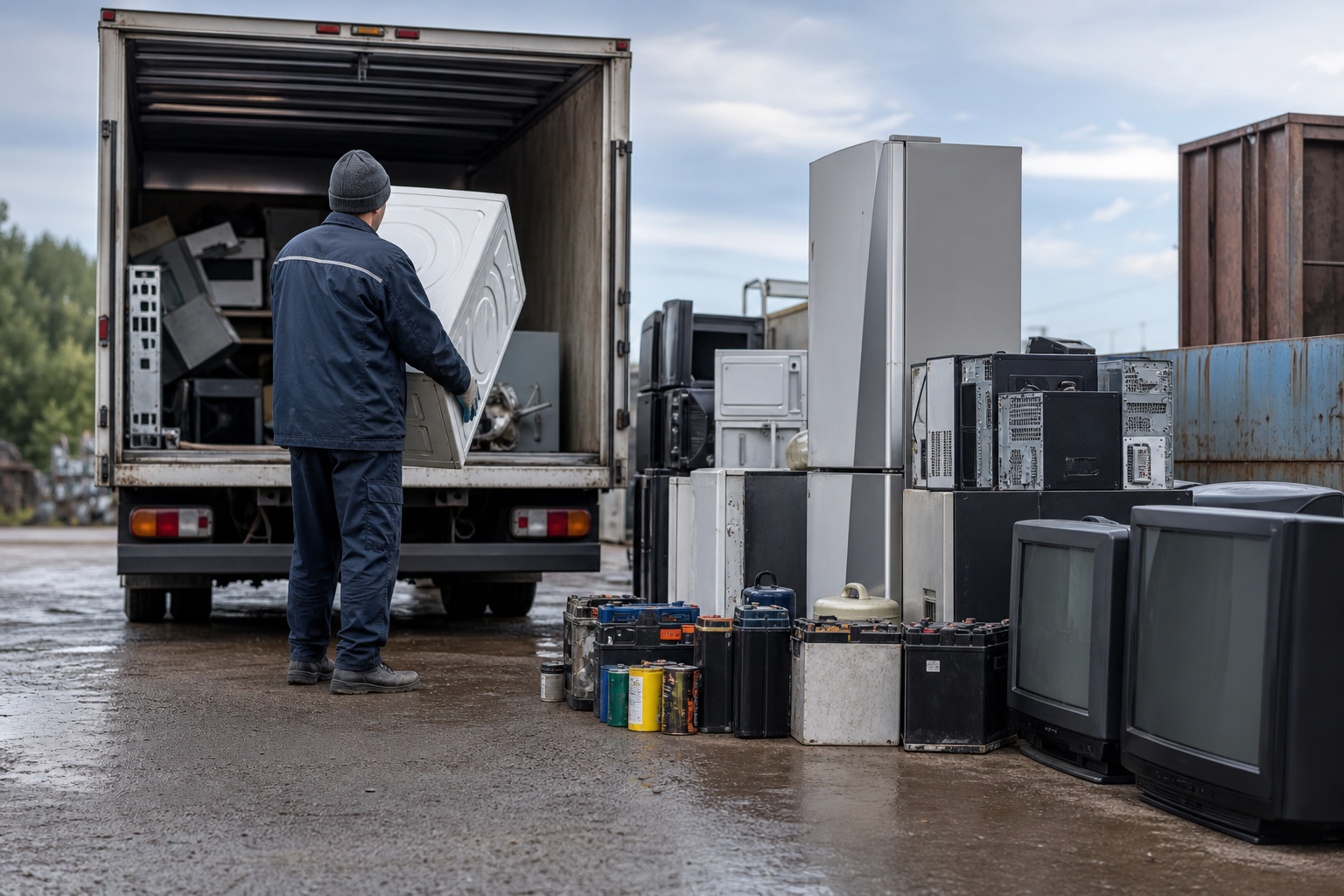
Large items such as refrigerators, washers, and large TVs need special handling. Municipal bulky-item pickup or scheduled depot drop-off can be free or low cost for residents, while private yards may offer pickup for a fee or accept appliances at their yard.
- Declare large appliances and items that contain refrigerants, batteries, or mercury before pickup or arrival.
- If items contain refrigerants or compressed gases, only certified technicians should remove them for recycling.
- Call ahead to arrange pickup or confirm depot or yard drop-off instructions so you understand any fees and preparation steps.
Addressing common objections: trust, price and paperwork
Common seller concerns include unfair pricing, chaotic yard operations, or unclear data handling. Practical steps to reduce risk include the following.
- Call ahead and describe the materials you have. Ask if the yard accepts them and how they will be priced.
- Request an itemised receipt and a weight breakdown for scrap paid by weight.
- Visit during off-peak hours to avoid busy, disorganised periods and to get clearer answers from staff.
- Keep photos of your items and any paperwork as proof of condition and transaction details.
Quick decision guide for Etobicoke and GTA residents
- Small dead phone or accessory: Try retailer take-back or a municipal depot for free disposal.
- Data-sensitive laptop: Prefer a certified depot or a professional data-destruction service, or perform a factory reset before drop-off.
- Large quantity of copper, aluminum or appliances for cash: Visit a private yard such as Quick Scrap Metal where metals and appliances are commonly accepted and cash is available on site Quick Scrap Metal.
- Bulky appliances or fridges: Schedule municipal bulky-item pickup or confirm a private pickup option and declare refrigerants and batteries in advance.
- Unsure where to go: Contact your municipality or consult federal listings to find certified e-waste programmes and local drop-off locations (Innovation, Science and Economic Development Canada).
Frequently asked questions
Can I get cash for electronics at a scrap yard in Toronto?
Yes, many private scrap yards pay cash for certain items, especially appliances and non-ferrous metals. Municipal depots usually accept items for free but do not pay. If cash matters, call the yard in advance to confirm which items qualify and ask about weight-based pricing.
How should I erase personal data before recycling a laptop or phone?
Back up your files, remove SIM and SD cards, sign out of accounts, and perform a factory reset. For additional security, encrypt the drive before resetting or use a certified data-destruction service for sensitive devices.
Do I need to remove batteries before dropping off electronics?
Where it is safe and practical, remove user-replaceable batteries. For integrated or large batteries in appliances, declare them to staff on arrival. Batteries and other hazardous components often require special handling and may be restricted.
Which option is best for bulky appliances and who pays for pickup?
Municipal bulky-item pickup can be the easiest and sometimes the cheapest option for residents, but rules vary by municipality. Private recyclers may offer pickup for a fee or accept drop-off at their yard. Always call ahead and declare refrigerants or hazardous parts.
Are municipal e-waste depots free to use and how do I find the nearest one?
Many municipal depots accept household electronics for free, but services and accepted-item lists vary. The federal Office of Consumer Affairs recommends checking your municipality to find certified e-waste programmes and the specific list of accepted materials (Innovation, Science and Economic Development Canada).
Ready to recycle or sell your electronics in Etobicoke and the GTA? Visit Quick Scrap Metal to check accepted items, hours, and drop-off details: Quick Scrap Metal.