
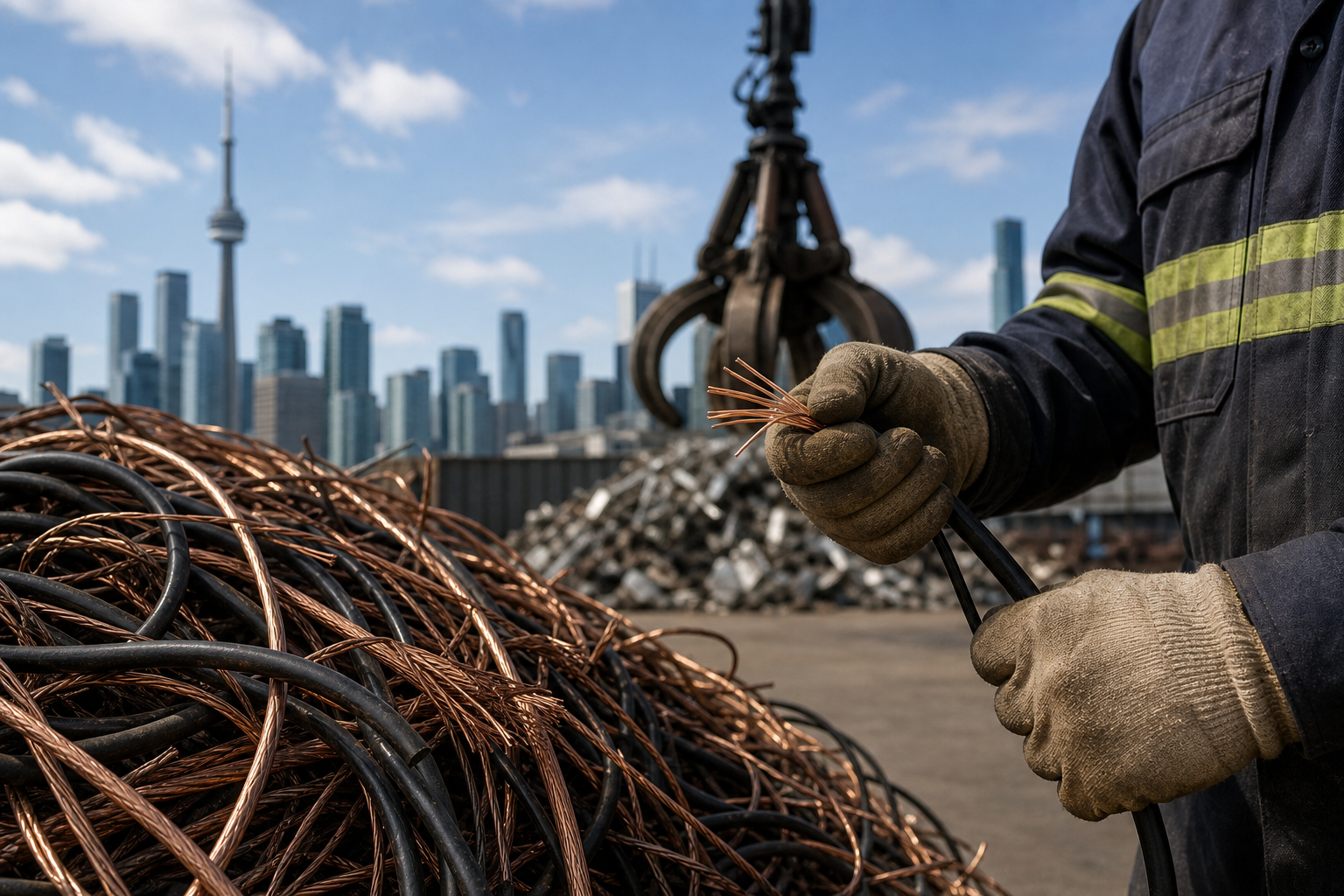
Quick answer: when to strip wire and when to leave it intact
Decision rule: strip only when the copper or aluminium inside is clean, accessible, and the time you spend removing insulation is worth the higher grade you will get. Otherwise bring whole cable or bundled insulated wire to the yard. For specific copper grades and examples that change payout, see the Copper Wire Scrap guide on the Quick Scrap Metal site.
Quick stop points
- Strip small, high value wire such as clean 12 AWG household copper if you have the right tools and under 30 minutes of labour.
- Leave large multi core, shielded, or mixed metal cable intact, because yards often accept whole cable and process it more efficiently by volume.
- Stop immediately if you find batteries, oil filled transformers, printed circuit boards, sealed capacitors, or other hazardous items; these need special handling and must not be stripped at home.
When to check with the yard first
If your load includes mixed metals, bus bars, or electronic circuit boards, call Quick Scrap Metal before arriving to confirm acceptance and any preparation they require. The copper wire guide on the Quick Scrap Metal site explains common categories and examples to help you identify materials before you visit.
How stripping changes yard acceptance, sorting, and payout potential
Why yards value stripped copper
Stripped, bare copper is a higher grade material. When insulation and contaminants are removed, yards can classify the metal as bare bright or bare number one copper which typically commands better prices per pound than insulated or mixed materials. That price premium must be balanced against your time and the cost of stripping tools.
When insulated cable still pays well
Large volumes of insulated cable, appliance cords, and wiring harnesses still have value because yards will sort and recover the metal at scale. For contractors or demolition crews with bulk cable, leaving insulation in place is often faster and more economical. Yards that handle contractor accounts may prefer whole cable rather than individually stripped lengths.
Prep choices for contractors versus homeowners
- Homeowners: strip small, easily accessible wire to boost payout if you can do it safely and quickly. Otherwise bundle and drop off.
- Tradespeople and contractors: sort by type, keep like materials together, and consider arranging pickup for large runs to avoid multiple yard trips.
Step-by-step checklist: prepare scrap wire for recycling in Toronto
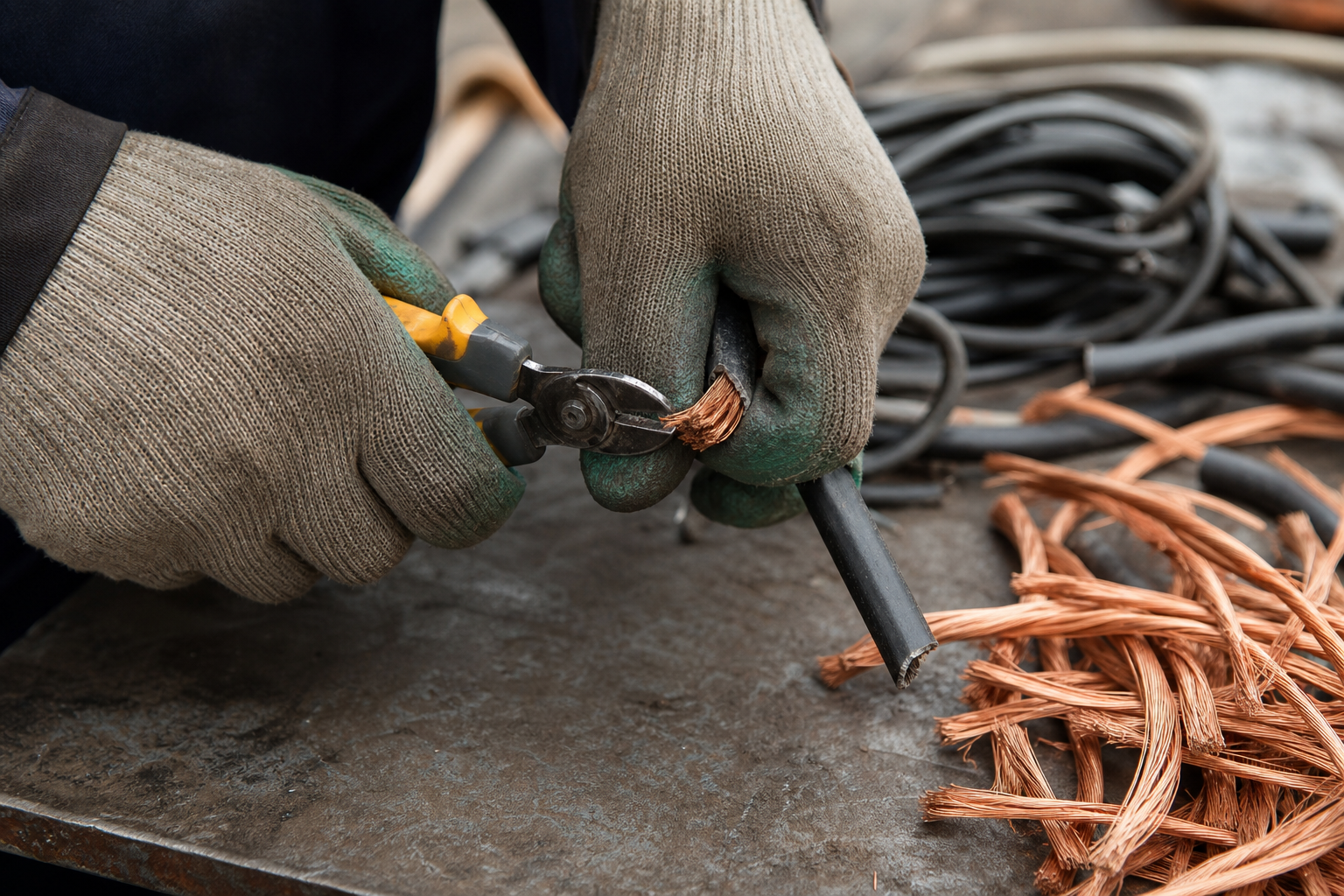
Follow this ordered checklist before you go to the yard. Each step includes a short time or effort cue so you can decide whether to continue.
1) Identify the metal type (5 to 15 minutes)
- Inspect conductors: copper is reddish, aluminium is silvery. Separate by appearance and source when in doubt.
- Note items from appliances or electronics since they may include non metal parts or hazardous components.
2) Separate insulated versus bare conductor (10 to 60 minutes)
- Group stripped or bare copper separately from insulated cable. Bare copper is generally worth more per weight.
- If you decide to strip, do short test pieces first so you know the effort required for the rest.
3) Remove non metal attachments and obvious contaminants (15 to 45 minutes)
- Cut off connectors, clamps, fasteners, and large plastic housings that are not metal.
- Do not attempt to remove glued or heavily combined components; leave those to the yard for safe processing.
4) Clean and bundle for weighing (5 to 15 minutes)
- Coil wire into manageable bundles and tie them so staff can handle them safely. Smaller, similar bundles are easier to sort and weigh.
- Label bundles with what you believe they are, for example “bare copper 12 AWG” or “insulated aluminium”.
5) Weigh roughly and estimate at home (optional, 5 minutes)
A home scale or vehicle scale can give you a rough estimate before you drive to the yard. Do not rely on your estimate for payment because the yard will use certified scales for final weigh in.
6) What to bring to the yard
- Photo ID if required by the yard, your vehicle, and secure loads to avoid loose cable during transport.
- Gloves, safety glasses, and basic tools if you plan to do final prep; bring photos or a short list of materials you are unsure about so staff can advise quickly.
- Call ahead when unsure about unusual items or pickup options at (289) 429-0159.
If anything in your load looks like it contains oil, mercury switches, or sealed electronic modules, call the yard before you bring it.
Safety limits: what you must not strip and how to handle hazardous items
Common hazardous items to avoid
Do not strip or cut into oil filled transformers, fluorescent ballast components, printed circuit boards that contain capacitors, sealed batteries, or items with visible oil or tar. These items require special handling and provincial approvals. The Environmental Registry of Ontario shows notices related to environmental compliance approvals for scrap and recycling facilities, which illustrate regulatory oversight for some materials and processes. When in doubt, contact the yard before attempting any work.
Relevant notices on the Environmental Registry of Ontario: Thank Recycle Inc. approval notice and Ram Iron & Metal Inc. approval notice.
Safe home stripping basics and PPE
- Wear cut resistant gloves and safety glasses when stripping wire.
- Use a manual stripper, a bench stripper designed for the wire gauge, or a rotary tool with the correct blade. Avoid makeshift blades that can slip and cause injury.
- Work on a stable surface and keep sparks away from flammable materials. If you see smoke or overheating, stop immediately.
When to stop and contact a recycler or hazardous waste service
Stop stripping if you encounter heavy oil stains, labelled hazardous components, or suspect PCB contamination. Contact the recycler or your municipal hazardous waste program for collection options. If you are unsure, call Quick Scrap Metal before you bring the material.
Drop-off or pickup: choosing the right option for your volume and schedule
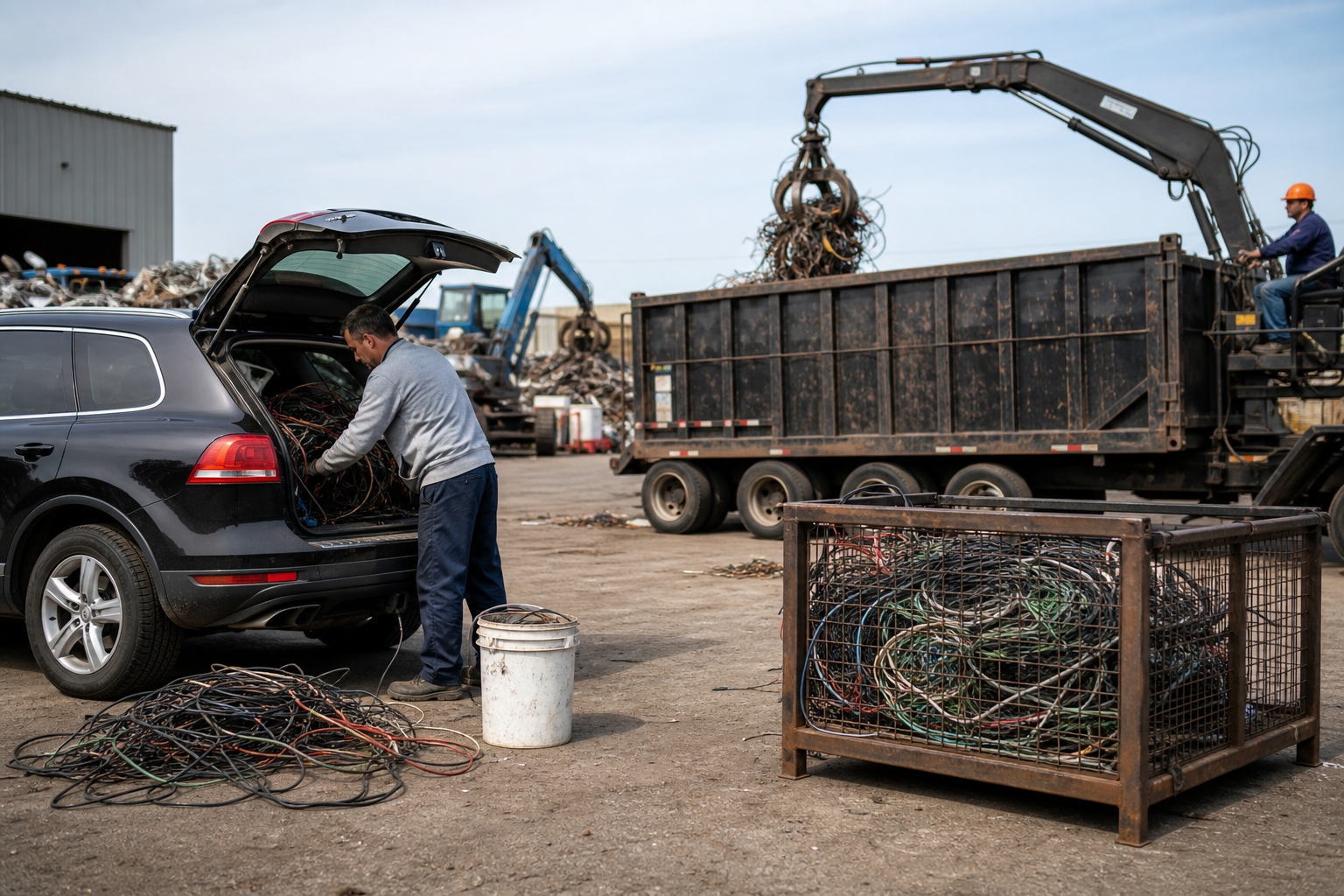
When drop-off is best
Drop-off at Quick Scrap Metal, located at 407 Rexdale Blvd in Etobicoke, is usually the fastest option for small to mid size loads and household cleanouts. The yard offers extended weekday hours and Sunday opening to help customers arrive when it fits their schedule. Bring properly bundled materials and ID if selling scrap; staff will direct you through weighing and payment.
When arrange pickup is better
Arrange pickup if you have heavy contractor loads, scrap cars, or bulky appliances that are difficult to move. Pickup saves time and reduces handling risk, but confirm service area and any pickup fees before scheduling. Quick Scrap Metal serves Etobicoke, Toronto, Mississauga, Brampton, and the GTA and can advise on pickups when you call ahead.
Quick Scrap Metal: address, hours and contact
- Address: 407 Rexdale Blvd, Etobicoke, ON M9W 6P8 (HWY 27 and Rexdale).
- Phone: (289) 429-0159. Call ahead for unusual items or to ask about pickup.
- Service area: Etobicoke, Toronto, Mississauga, Brampton, and the GTA.
What to expect at Quick Scrap Metal: arrival, weighing, payment and common objections
Typical yard process
- Arrival and check in: staff may direct traffic and ask what you are selling.
- Weigh in: the yard uses certified scales for the official weight.
- Material inspection and classification: staff will sort or inspect bundles to determine grade.
- Payment: qualifying scrap is paid on the spot in cash or by other payment methods the yard offers.
Common complaints and how to resolve them
- Wait times: come early or call to check peak times. If the yard is busy, staff can advise on expected delays.
- Pricing disagreements: ask for a clear explanation of the grade and weight used. If you still disagree, request a supervisor review before accepting payment.
- Organization or safety concerns: notify staff and management on site so they can address traffic flow or handling problems.
Documentation and receipts
Ask for a receipt showing weight and classification if you need proof of sale for business records. Bring photo ID if required by the yard for certain transactions.
Compact decision checklist: strip, leave, or call the yard
- If you have small, clean copper and the right tools, strip it to increase grade and payout.
- If you have mixed cable, multi core wire, or large volumes, bundle and drop off or arrange pickup.
- Never strip items that may contain oil, sealed capacitors, PCBs, transformers, or batteries; call the yard or hazardous waste services instead.
- Bring photo ID, secure your load, and call (289) 429-0159 if you have questions about acceptance or pickup.
- For detailed copper examples and stripping tips, read the Copper Wire Scrap guide on Quick Scrap Metal.
Frequently asked questions
Can I bring insulated cable to a scrap yard in Toronto?
Yes. Most yards accept insulated cable and will sort and process it. For large volumes, contractors should call ahead to discuss volume handling. If the cable contains hazardous components, consult the recycler before transport.
Do I need ID or paperwork to sell scrap wire in Etobicoke?
Some yards request photo ID for certain transactions or large sales. Bring a government issued ID and ask the yard on arrival whether they require a signature or additional paperwork for pickups or vehicle trade ins.
Is it safe to strip copper wire at home and what PPE should I use?
It can be safe for small jobs when you use proper tools and personal protective equipment: cut resistant gloves, safety glasses, and a proper wire stripper. Stop immediately if you encounter oil, unusual components, or signs of contamination.
Will Quick Scrap Metal pay cash on the spot for stripped copper or insulated cable?
Quick Scrap Metal pays cash on the spot for qualifying scrap materials. Final payment depends on certified scale weight and how the yard classifies the material during inspection. Call (289) 429-0159 for specific questions before you travel.
What should I do if I find PCBs, batteries, or oil filled transformers in a cable bundle?
Do not strip or cut into these items. They require special handling. Contact the yard before bringing them and consult your municipal hazardous waste program for collection options. The Environmental Registry of Ontario publishes notices about approvals and oversight for recycling facilities which can help you understand regulatory requirements.
Ready to recycle your scrap wire? Will you strip it at home or bring it bundled to Quick Scrap Metal and get paid on the spot?