
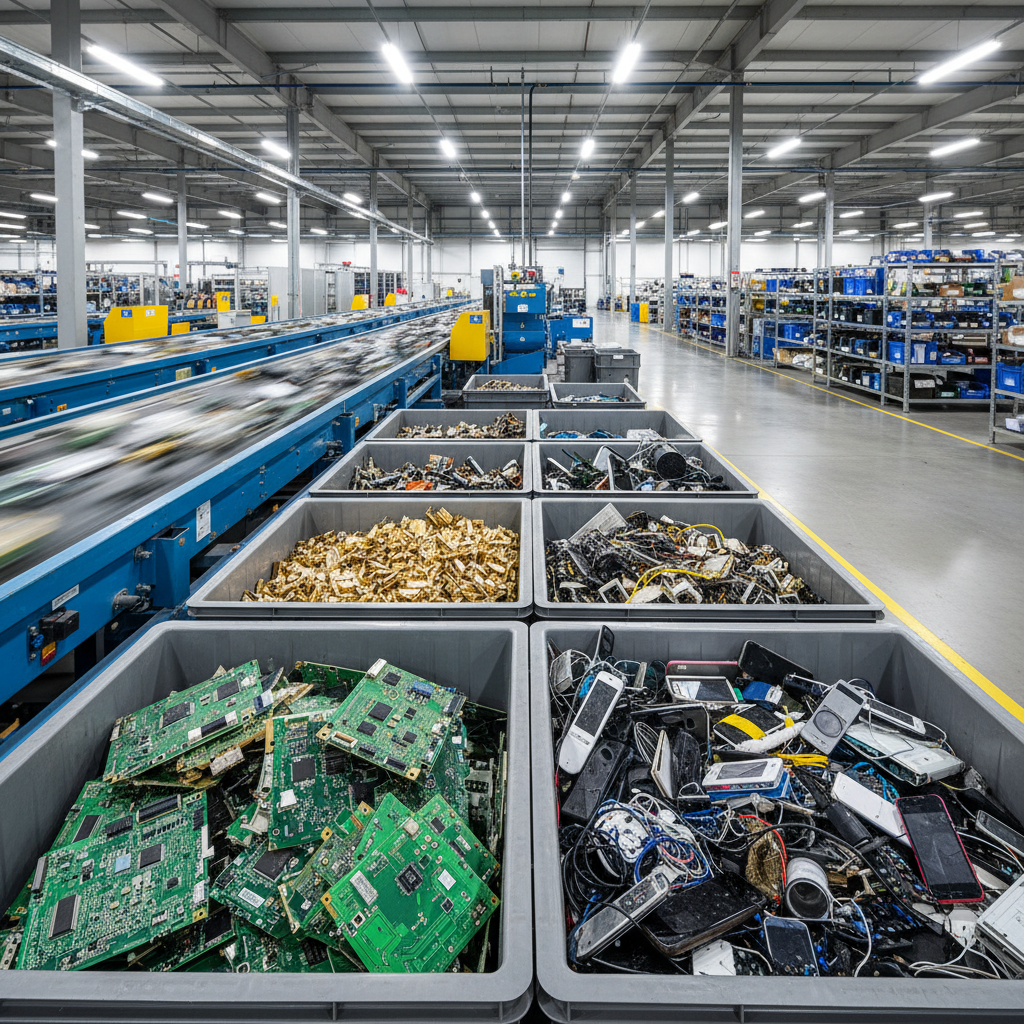
Gold recycling is the recovery and refining of gold from end-of-life products—especially electronics, jewelry, and industrial scrap—to return the metal to use. It reduces mining demand and cuts waste. At 407 Rexdale Blvd in Etobicoke, Quick Scrap Metal makes gold-bearing e-waste drop-offs fast and convenient for households, trades, and local businesses.
By Preet Dass • Last updated: May 8, 2026
Overview and Table of Contents
Gold recycling converts gold locked in electronics, jewelry, and industrial byproducts back into usable metal. It matters because recycling conserves resources and avoids landfill impacts. This complete guide covers definitions, why it matters in Etobicoke/Toronto, how the process works, best practices, local drop-off steps, and FAQs.
- What gold recycling is and how it supports a circular economy
- Why it matters for Etobicoke and the Toronto metro area
- How gold is recovered from electronics, jewelry, and industry
- Best practices for safe, efficient household and trade drop-offs
- Tools and resources to deepen your knowledge
- Real examples from Quick Scrap Metal’s visitors
- How payouts are determined (without listing prices)
- Step-by-step drop-off process at 407 Rexdale Blvd
Local considerations for Etobicoke
- Plan around extended hours. We’re open late on weekdays and on Sundays, which helps you avoid rush periods near HWY 27 & Rexdale.
- Keep electronics dry in winter thaws and summer storms; moisture can corrode boards and reduce safe handling.
- Navigating from Woodbine Mall & Fantasy Fair is simple—head toward Rexdale Blvd for a quick in-and-out drop-off.
What Is Gold Recycling?
Gold recycling is the extraction, refining, and reintroduction of gold from discarded items—especially electronics and jewelry—into the supply chain. Recycled gold achieves high purity comparable to mined metal and is critical for conserving resources, lowering environmental impact, and reducing landfill-bound e-waste.
In plain terms, gold recycling captures value you already own—in an old laptop, a bin of cables, a broken chain, or a retired server card—and routes it to certified processors who recover precious metals. For the public, most gold ends up embedded in printed circuit boards (PCBs), CPUs, RAM fingers, connectors, and small plated parts. Those items arrive at neighborhood yards like Quick Scrap Metal, which organize and move them into professional recovery streams.
Where do typical contributions come from?
- Households: old desktops and laptops, phones, routers, set-top boxes, and gaming consoles.
- Trades/contractors: telecom refreshes, automation panel upgrades, server-room decommissions, and renovation tear-outs.
- Industrial/lab users: obsolete test fixtures, contact points, and plating-line residues.
Once refined, recycled gold can return as electronics-grade material, jewelry alloys, or investment products. That circular flow preserves value and reduces the need for new extraction.
Why Gold Recycling Matters (Etobicoke and Toronto)
Gold recycling saves energy, cuts greenhouse gases, and diverts hazardous e-waste from landfills. In Etobicoke and the broader Toronto metro, easy neighborhood drop-offs help households and contractors turn old electronics into responsibly recovered materials while clearing space safely.
Here’s why this matters locally and beyond:
- Resource conservation: Precious metals recycling eases demand for new mining and preserves ecosystems.
- Waste and hazard reduction: Careful handling prevents batteries, mercury lamps, and other components from contaminating soil and water.
- Community participation: When drop-offs are easy, recovery rates rise—one closet clean-out at a time.
- Circular economy: Recovered metals flow back into manufacturing, supporting jobs and local industry.
Electronics hold small amounts of gold spread across many parts; recovery depends on scale and good sorting. The more consistently neighborhoods route material to certified streams, the more metal is reclaimed instead of lost to landfills or informal handling.
How Gold Recycling Works (Step-by-Step)
Gold recycling begins with collection and safe dismantling, then moves through shredding, separation, and professional refining to produce high-purity gold. For households and trades, the simplest action is a clean, intact drop-off so processors can recover metals efficiently and document outcomes.
- Collection: Gather gold-bearing items such as PCs, phones, servers, PCBs, RAM sticks, and connectors.
- Intake and sorting: Quick visual grading; remove or isolate batteries; separate accessories.
- Dismantling: Extract boards and high-value parts (CPUs, RAM, daughtercards) where appropriate.
- Shredding and separation: Size reduction, then magnetic, eddy-current, and density sorting of mixed streams.
- Smelting/refining: Precious metal refiners recover gold and other metals to high purities.
- Documentation: Business clients can request records from processors to support sustainability reporting.
| Stage | Your role | Processor’s role | Outcome |
|---|---|---|---|
| Collection | Keep devices intact and dry | Provide receiving and guidance | Safe intake |
| Sorting | Separate batteries and cables | Grade and pre-process | Efficient downstream |
| Dismantling | Optional basic removal | Depopulate boards safely | Targeted recovery |
| Refining | — | Recover precious metals | High-purity gold |
For most residents, you can skip dismantling entirely. Intact devices are typically safer to transport and easier for professionals to process.
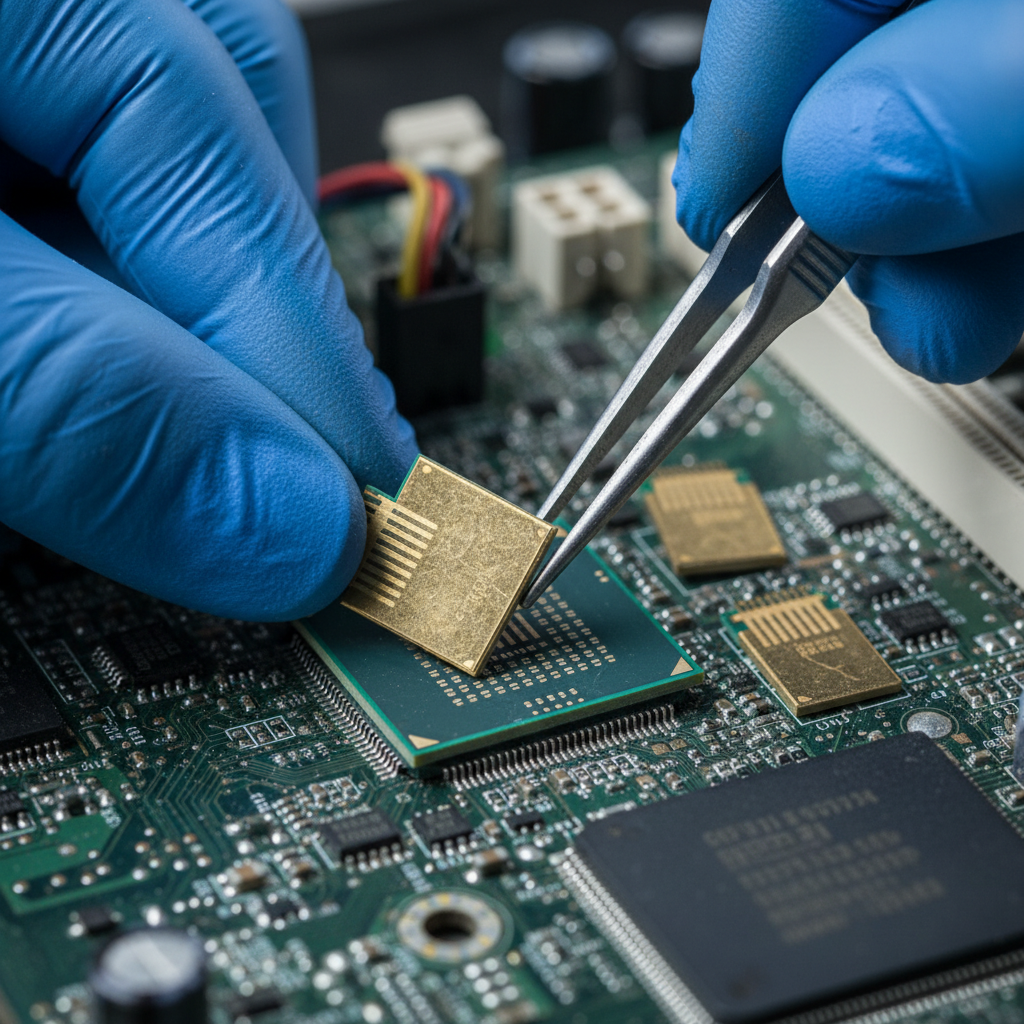
Sources and Methods: Where the Gold Comes From
Most recycled gold comes from jewelry and electronics. In electronics, CPUs, RAM fingers, and edge connectors have thin gold plating. Local consolidation speeds recovery, while certified refiners use hydrometallurgical and pyrometallurgical methods to produce pure metal at scale.
Electronics and e-waste
- Higher-yield parts: server CPUs, telecom cards, RAM, gold-finger connectors, and specialized daughterboards.
- Moderate-yield: consumer motherboards, older phones, and A/V equipment.
- Balanced streams: mixed small devices; value realized across large quantities.
Households can bring whole devices to our electronics recycling services. Contractors can box depopulated cards and CPUs securely for faster intake, or coordinate larger drop-offs for streamlined handling.
Jewelry and dental alloys
- Broken rings, bracelets, and shop sweepings often head to the same refiners who process e-waste-derived feedstock.
- Dental scrap (crowns, inlays) usually requires assay and specific processing steps.
Industrial and laboratory scrap
- Plating line filters, contact points, obsolete test fixtures, and relay contacts may contain recoverable gold.
- Discuss documentation needs up front so we can coordinate with downstream processors.
Want a deeper dive into specific device categories? See our focused guides on computer recycling and our overview of electronic waste recycling centers you can use today.
Best Practices for Responsible Gold Recycling
Support efficient recovery by keeping electronics intact, separating or taping battery terminals, and grouping items by category. Label boxes, keep everything dry, and choose a reputable local drop-off so certified processors receive material in good condition and at the right scale.
For homeowners
- Gather laptops, desktops, towers, phones, tablets, routers, and set-top boxes in one bin.
- Remove batteries where accessible; tape terminals to prevent shorting during transport.
- Wipe personal data or remove drives if you prefer; bring drives in a separate bag.
- Keep items dry; avoid leaving devices in damp garages or basements before drop-off.
For trades and small businesses
- Box server blades, telecom cards, and CPUs by category to speed intake and grading.
- Use anti-static bags for sensitive boards; protect connectors from bending or cracking.
- Bundle cables; separate power supplies and batteries for safer handling.
- Ask about documentation needs before arrival if your company tracks recycling.
Common mistakes to avoid
- Over-stripping: Pulling tiny parts at home can break boards, create injury risk, and reduce recoverability. Intact devices are usually better.
- Mixing batteries loosely: Loose batteries can short; always tape terminals or keep them in a separate bag.
- Wet storage: Moisture corrodes components and complicates safe processing later.
Follow these steps and you’ll shorten intake time while ensuring more of your material makes it into certified recovery channels.
Tools, Standards, and Resources
Pair practical drop-off habits with credible background reading on sustainability and circular economy practices. Use trusted guides to understand safe handling and combine that knowledge with a local yard that routes e-waste to certified processors.
For broad sustainability context, explore background reading on circular economy goals, examples of eco-friendly solutions, and options for greener junk removal. Then, put that insight to work using our local services and guides:
- Plan your visit with our electronics recycling services page.
- See how we handle specific devices in our TV recycling center guide.
- Get a broader snapshot of household metals in our brass scrap price explainer (no pricing listed here).
Local knowledge plus proven processes is the winning combination for safe, efficient gold-bearing e-waste recycling.
Case Studies and Local Examples
In our experience serving Etobicoke, Toronto, Mississauga, and Brampton, simple preparation—dry storage, intact devices, and basic labeling—dramatically improves downstream recovery. Whether it’s a closet clean-out or a server-room refresh, organized drop-offs speed intake and route more parts to certified processors.
- Household closet clean-out: A resident brought three laptops, two phones, and cables. Intact devices made check-in quick; boards moved straight to certified processing.
- Telecom refresh: A contractor boxed 40 cards and CPUs with labels. The organized delivery enabled faster grading and better routing to recovery partners.
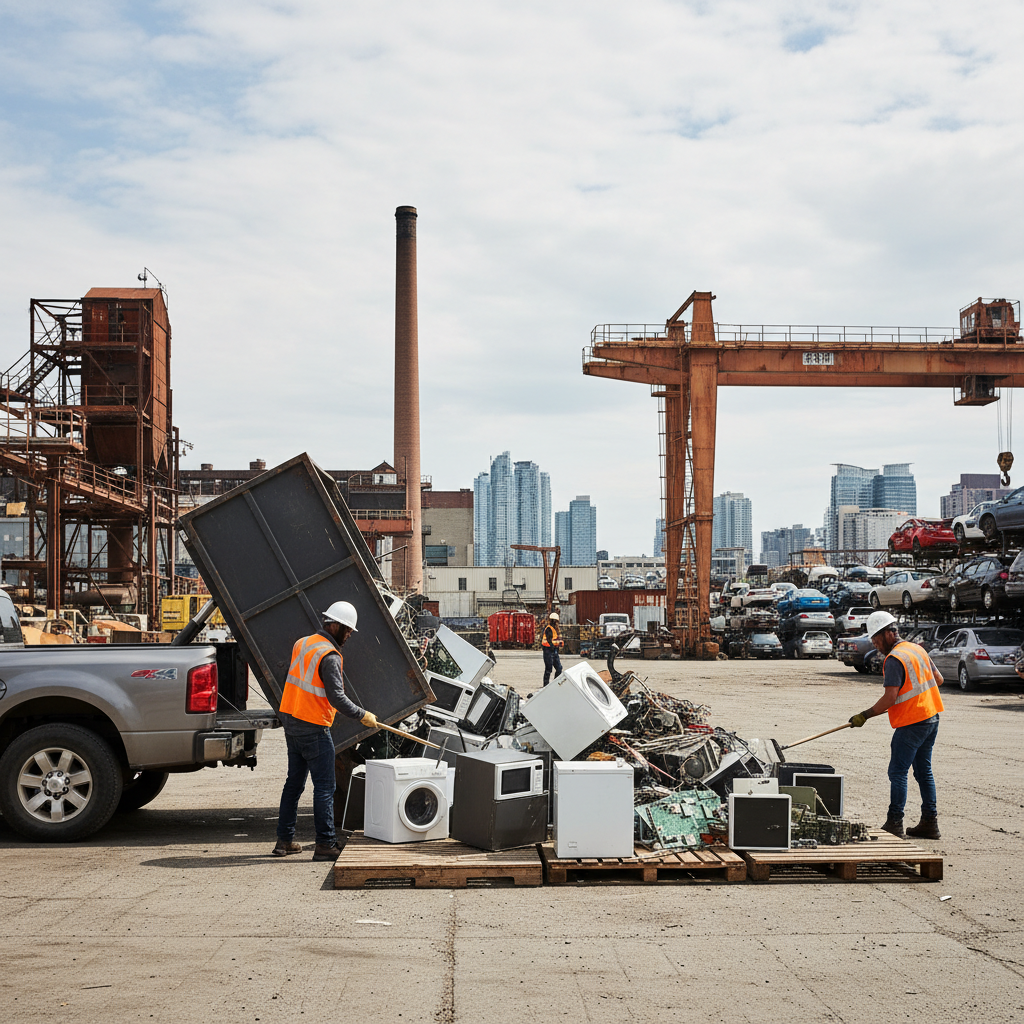
- Appliance + e-waste day: One family unloaded a washer, microwave, and A/V gear in a single visit—metal shells went to metal recycling, while boards and displays entered e-waste streams.
Across many similar visits, we’ve found that labeled boxes and dry, intact devices reduce issues during intake and keep materials in ideal condition for recovery.
Need a quick check before you visit? Call ahead and tell us what’s in your load—laptops, servers, small electronics, or appliances. We’ll recommend the best drop-off lane and any prep tips so your visit is truly in-and-out.
How Payouts Are Determined (No Prices)
Payouts reflect material composition, condition, market demand, and handling requirements. For gold-bearing e-waste, device type, parts mix (CPUs, RAM, boards), and processing complexity all matter. Arriving with intact, dry items—plus separated batteries—helps streamline intake and supports recoverable value.
Here’s what generally influences payouts—without listing any prices:
- Material mix: Server-grade parts can differ substantially from consumer devices.
- Condition: Clean, intact boards are preferred over cracked, corroded, or burnt items.
- Preparation: Labeled boxes, bundled cables, and taped battery terminals reduce handling time.
- Market signals: Metals markets and processor capacity influence recovery flows.
If you’re optimizing repeated visits, keep simple notes on what you drop off. Over time, that helps you focus on the items that route fastest through intake.
Drop-Off Process at Quick Scrap Metal
Drive to 407 Rexdale Blvd in Etobicoke, unload at the designated area, and let our team guide intake. We’re open late on weekdays and on Sundays. Mixed loads are welcome—electronics, appliances, and scrap metal—so you can clear clutter in one trip.
- Arrive during published hours. Our extended schedule helps you avoid weekday rush windows.
- Tell us what you have. We’ll direct you to the right lane for electronics, appliances, or mixed scrap.
- Unload safely. Keep removed batteries aside or taped; we’ll handle sorting.
- Ask for tips. We’ll share quick prep advice for faster future visits.
Handling multiple device types? Our how-to pages—like the TV recycling center guide and our e-waste overview—explain what goes where and why.
FAQ: Gold Recycling and E-Waste
These concise answers cover common questions about gold recycling, electronics drop-offs, and responsible recovery in Etobicoke and the GTA. For item-specific guidance, talk to our team before your visit.
What electronics contain recoverable gold?
CPUs, RAM sticks with gold fingers, motherboards, telecom cards, and edge connectors are frequent sources. Older phones and A/V gear may also include thin gold plating. Bringing whole devices is often best for safe, efficient processing.
Should I strip parts from my computer before drop-off?
It’s optional. If you’re comfortable, remove easily accessible parts like RAM or expansion cards. However, intact devices are perfectly acceptable and safer to transport. Keep batteries separate or tape terminals to prevent shorting.
Can I recycle appliances with my e-waste in one trip?
Yes. We accept home appliances and electronics together. Metal shells and frames route to metal recycling while circuit boards, displays, and gold-bearing components go to e-waste processors.
How does responsible gold recycling help locally?
It keeps e-waste out of landfills, recovers metals for reuse, and supports circular economy activity. Neighborhood drop-offs in Etobicoke and the Toronto area make participation easy for households and trades.
Deepen Your Knowledge (Optional Reading)
If you’re planning a bigger clean-out or recurring drop-offs, it helps to understand broader recycling topics. Our internal guides and service pages cover household metals, TVs, and e-waste—so you arrive ready and leave faster.
Explore our practical explainers on how e-waste centers work and browse our metal prices per pound page for general market context (no prices listed in this article). If you’re sorting mixed non-ferrous items at home, our brass scrap price overview will help you spot common household brass before you visit.
Key Takeaways and Next Steps
Gold recycling returns precious metal from electronics and other items back into productive use. Your role is simple: gather devices, keep them dry, separate batteries, and use a reputable Etobicoke drop-off. We’ll route materials to certified processors and make your visit quick.
Key takeaways
- Gold recycling is real and local—much of it starts with household and trade e-waste.
- Intact, dry devices plus taped battery terminals support safe, efficient intake.
- Extended hours at 407 Rexdale Blvd make planning easy, even on Sundays.
- Mixed loads are welcome—electronics, appliances, and scrap metal in one stop.
Next steps
- Sort and label your devices; keep batteries separate or taped.
- Check our electronics recycling services for specific item guidance.
- Bring your load to 407 Rexdale Blvd in Etobicoke during our extended hours.
Ready to recycle responsibly and clear space? Visit Quick Scrap Metal in Etobicoke. We keep the process EASY | FAST | CONVENIENT for homeowners, contractors, and local businesses across the GTA.