
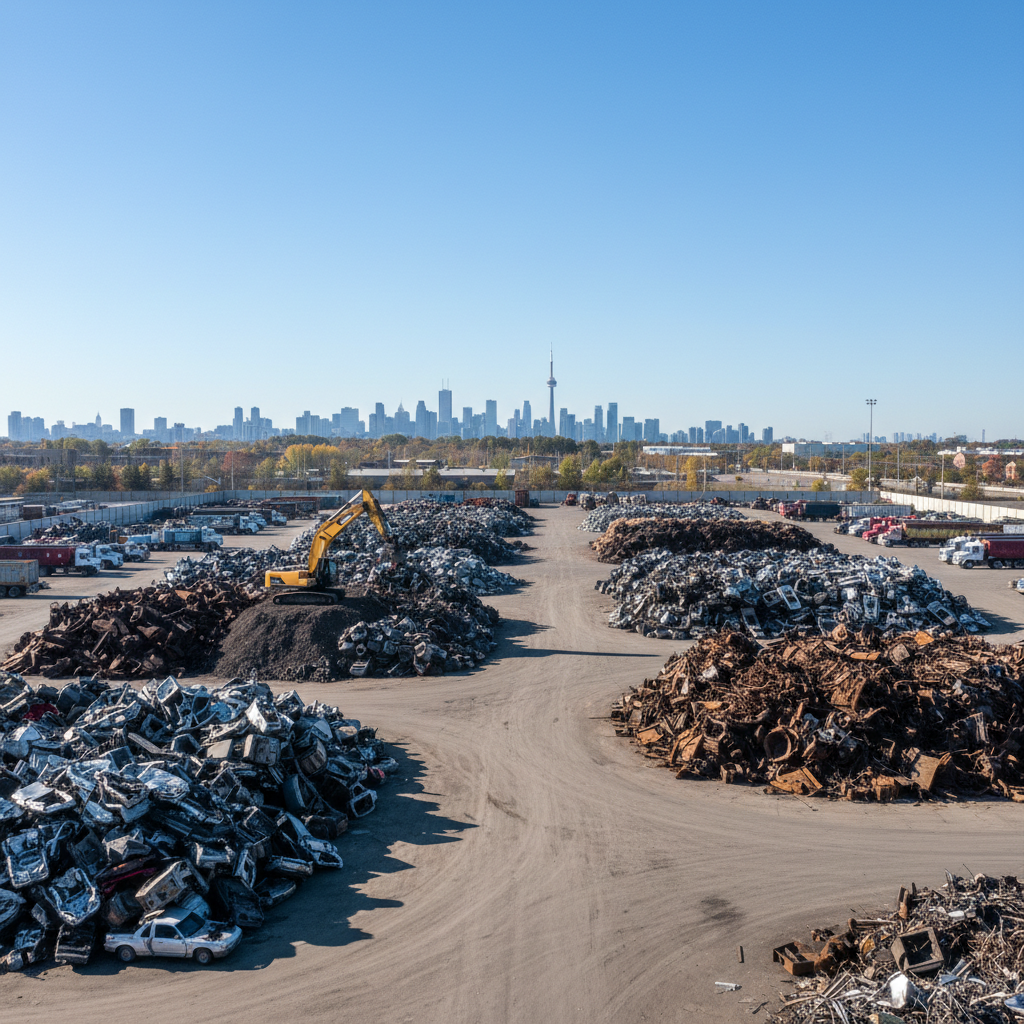
A metal junk yard is a licensed facility that buys, sorts, and recycles unwanted metals and end‑of‑life items so you can turn clutter into cash. At our Etobicoke yard at 407 Rexdale Blvd, you can drop off metals, appliances, e‑waste, and scrap cars for quick payment and responsible recycling.
By Preet Dass • Last updated: 2026-05-15
At a Glance
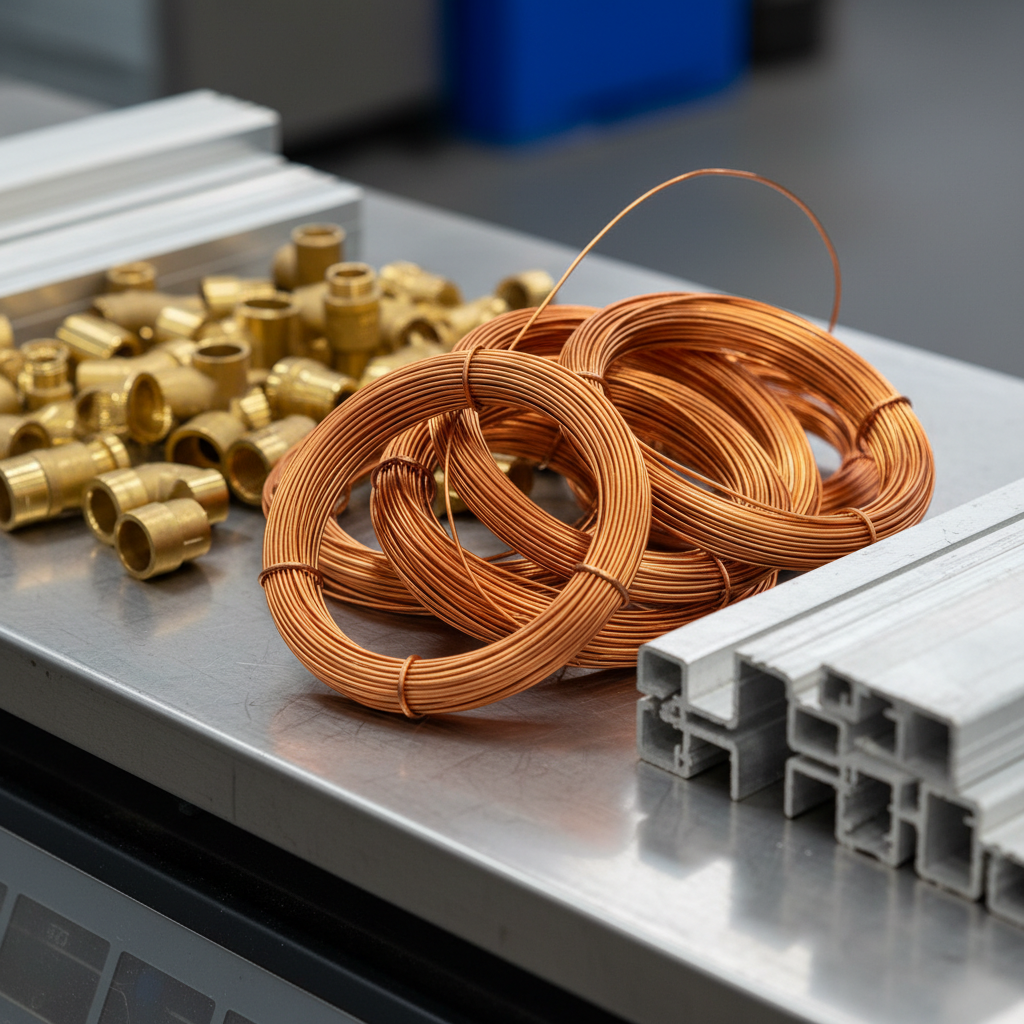
A metal junk yard accepts ferrous and non‑ferrous metals, appliances, and electronics, then pays you and moves materials into recycling streams. Bring government ID, sort metals for better value, and use a magnet to separate steel from copper, brass, and aluminum before visiting our Etobicoke location.
Here’s what you’ll learn and use today:
- What a metal junk yard is and how it operates day to day
- Why it matters for the environment and your wallet
- Step‑by‑step drop‑off process at 407 Rexdale Blvd
- Accepted metals and e‑waste with prep tips
- Comparison: drop‑off vs. pickup vs. scrap car options
- Pricing factors (no numbers) and what improves payouts
- Tool list you can use at home (magnet, pliers, scale)
- Local guidance for Etobicoke and the Toronto metro area
- Real mini case studies from our yard
What Is a Metal Junk Yard?
A metal junk yard is a regulated buyer and aggregator of scrap metals, appliances, and electronics that pays sellers and channels materials into recycling. It identifies metals by type, weighs them on certified scales, and ships sorted loads to processors that melt and return metals to manufacturing.
In simple terms, it’s where old metal becomes tomorrow’s raw material. Recycled aluminum often uses up to 95% less energy than primary production, and steel is among the world’s most recycled materials by tonnage. Those savings ripple across manufacturing, logistics, and energy grids.
- Core function: purchase, sort, and consolidate scrap into quality‑controlled categories.
- Materials: steel and iron (ferrous); copper, aluminum, brass, stainless, lead, nickel (non‑ferrous); plus appliances and many electronics.
- Why sell: declutter safely, get paid, and keep metals circulating rather than landfilled.
At Quick Scrap Metal, we combine buying with responsible recycling for electronics and household appliances. That means one trip covers mixed items that would otherwise require multiple stops.
Why Metal Junk Yards Matter for Etobicoke and Toronto
Metal junk yards reduce landfill waste, cut energy use, and return valuable metals to supply chains. For Etobicoke and the Toronto metro area, local yards provide fast drop‑offs, convenient hours, and a reliable path to recycle appliances, wiring, and scrap vehicles close to home.
The environmental upside is large. Recycling a single refrigerator diverts over 100 pounds of steel, while recovering copper and aluminum from cables and appliances supports energy‑efficient manufacturing. Keeping metals in a closed loop lowers the need for virgin mining and long‑haul shipping.
- Cleaner neighborhoods: safe handling prevents hazardous components from entering landfills.
- Circular supply chains: metals can be reused many times without losing core properties.
- Local benefits: short drive times, quick payments, and fewer disposal headaches for households and contractors.
We see these benefits daily at 407 Rexdale Blvd, where tradespeople drop off wire, homeowners bring appliances, and business owners clear mixed loads. The result: faster cleanups, safer garages and job sites, and tangible environmental gains.
How a Metal Junk Yard Works (Step‑by‑Step at Our Yard)
Drive in, get directed to the right lane, unload, and weigh. We sort ferrous vs. non‑ferrous, test with a magnet if needed, and record weights on certified scales. After verification, you receive quick payment and a receipt; materials move to responsible recycling streams.
- Arrive and check in: Our team guides you to the proper lane for appliances, electronics, or mixed metals. Extended weekday hours and Sundays help avoid rush windows.
- Unload safely: Keep items accessible. We often separate ferrous (magnetic) from non‑ferrous (non‑magnetic) on the spot.
- Weighing: Scales are calibrated for accuracy. Heavier, cleaner loads translate to better overall value.
- Material ID: We confirm grades—copper vs. brass, aluminum extrusion vs. sheet, stainless vs. steel, etc.
- Documentation: Bring a valid government‑issued ID to streamline payment and compliance.
- Payment: You’re paid promptly and provided a receipt for your records.
Tip: A simple hand magnet helps you sort at home. Ferrous grades like steel and cast iron attract the magnet; copper, aluminum, and brass do not. Better presorting often shortens total yard time and improves overall return.
Need help deciding what to bring?
Start with our scrap metal guide for a deeper look at common grades and preparation steps, or review our scrap metal recycling page for accepted materials and on‑site process details.
Types of Scrap We Accept (Metals, Appliances, Electronics)
We accept ferrous and non‑ferrous metals, home appliances, many electronics and e‑waste, and scrap vehicles. Typical items include copper wire, aluminum siding, brass faucets, stainless sinks, steel rotors, washers/dryers, computers, and TVs. If it’s metal, there’s a strong chance we buy it.
Non‑ferrous (high value density)
- Copper: house wiring, extension cords, motors, A/C units.
- Aluminum: extrusion, siding, plate, radiators.
- Brass/Bronze: faucets, valves, decorative hardware.
- Stainless steel: sinks, appliances, food‑grade scrap.
- Lead and batteries: automotive and backup power systems.
Ferrous (heavy, magnetic)
- Steel and iron: lawn mowers, rotors, cast iron, tools, heating ducts.
- Auto cast/engines: transmissions, compressors, frames.
- Sheet and tin: pop cans, light‑gauge panels, range hoods.
Appliances and e‑waste
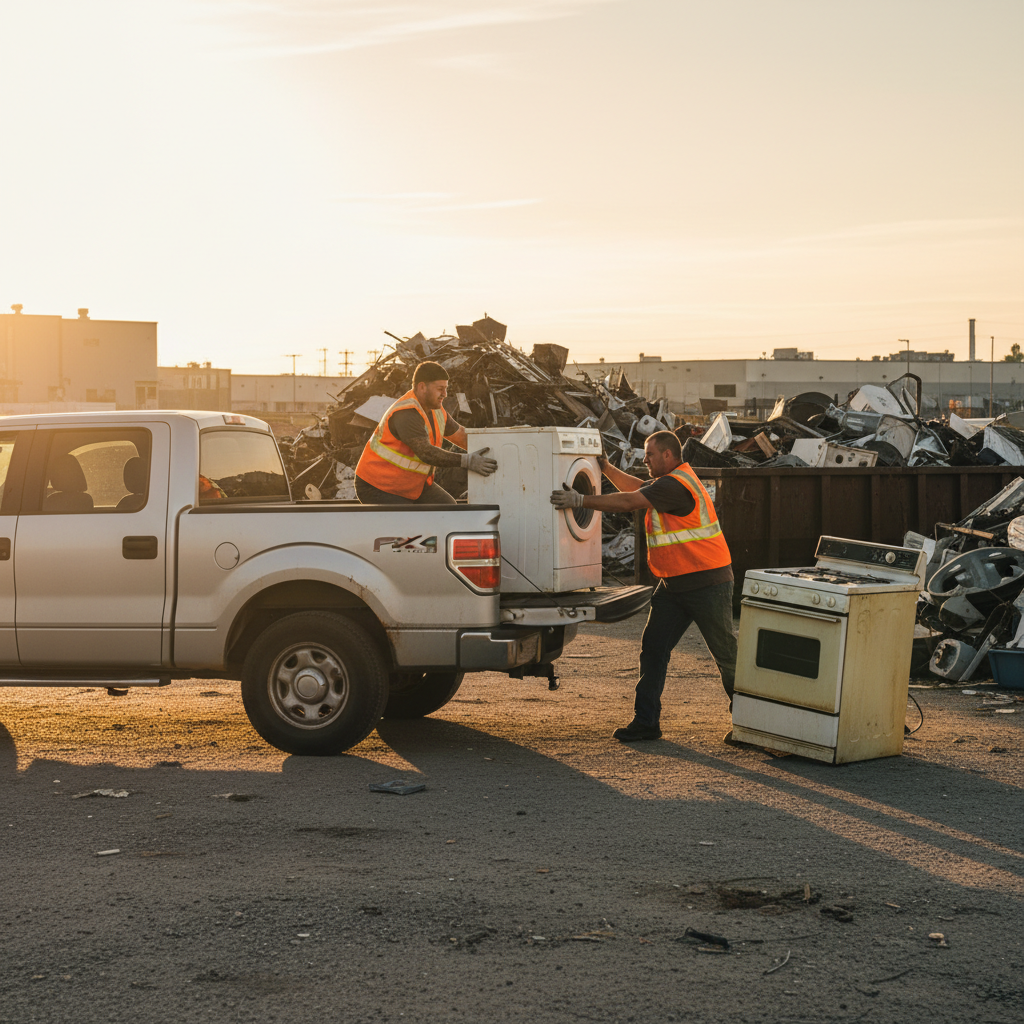
- Appliances: washers, dryers, ovens/stoves, dishwashers, microwaves, A/C units, BBQs.
- Electronics: computers, laptops, TVs/monitors, Blu‑ray/DVD players, keyboards, printers, PCBs.
Recycling electronics recovers metals, plastics, and glass while diverting hazardous components for safe handling. A single desktop computer can contain several pounds of aluminum and copper across the chassis, heat sinks, and wiring harnesses.
Learn more about accepted e‑waste on our electronics recycling center page.
Best Practices: How to Prep Scrap for Better Value
Clean, sorted, and safe scrap moves faster and typically commands stronger value. Strip easy plastics, separate metals by type, drain fluids from equipment, and bundle wire by gauge. Label boxes by metal when possible to streamline weighing and grading.
Simple at‑home prep steps
- Use a magnet: Separate ferrous from non‑ferrous before loading.
- Remove non‑metal parts: Trim obvious plastics, rubber, and wood.
- Drain fluids: For mowers, compressors, or engines, remove gas/oil safely.
- Bundle wire: Keep similar gauges together; coil extension cords neatly.
- De‑plug and de‑glass: Remove power bricks and any loose glass where safe.
- Secure loads: Tie down items for transit and easy offload.
Safety first
- Gloves and eye protection help prevent scrapes and cuts.
- Proper lifting: Use a dolly for heavy appliances; lift with legs, not back.
- Sharp edges: Tape or cap sharp ends on cut metal.
Small details add up. For example, a typical refrigerator may contain well over 100 pounds of steel, and pre‑removing shelves and loose plastics makes unloading faster and safer. Neatly separated copper, aluminum, and brass also reduce grading time at the scale.
Tools and Resources You Can Use
You don’t need a workshop to get started. A strong magnet, adjustable pliers, cable cutters, a basic luggage scale, and permanent markers help you identify, prep, and label scrap quickly. Take a photo inventory on your phone and plan your route to our Rexdale Blvd location.
Starter toolkit
- Hand magnet: fast ferrous vs. non‑ferrous check.
- Cable cutters/pliers: remove plugs and strip easy casings.
- Permanent markers and tape: label boxes by metal and gauge.
- Luggage scale: estimate small loads at home.
- Work gloves and sleeves: safe handling for sharp edges.
Helpful references
- Bookmark our scrap metal prices resource for market drivers and updates.
- Use our in‑depth scrap guide to recognize common grades.
- Find local updates on our Etobicoke recycling center tips.
If you’re part of a construction or trades crew, downstream metal products and services from affiliated JDass companies can complement your recycling workflow, such as steel studs in Toronto and rebar supply guidance for active projects.
Drop‑Off, Pickup, or Scrap Car? Compare Your Options
Most household and contractor loads work best with on‑site drop‑off. For end‑of‑life vehicles, arrange scrap car drop‑off or pickup. Businesses with bulky items can schedule assistance. Choose the path that minimizes handling, saves time, and keeps materials together.
| Option | Best For | Pros | Considerations |
|---|---|---|---|
| On‑site drop‑off | Home loads, small contractor runs | Fast, flexible, extended hours | Presort for efficiency |
| Assisted unloading | Bulky appliances, mixed metals | Safer handling, quicker offload | Follow staff directions |
| Scrap car drop‑off/pickup | End‑of‑life vehicles | One‑and‑done vehicle recycling | Have title/ownership ready |
One retired SUV can weigh several thousand pounds, and recycling its ferrous and non‑ferrous components supports significant material recovery. Vehicle recycling also captures fluids and batteries for specialized processing, improving safety and environmental outcomes.
Pricing Factors (No Numbers—What Really Drives Value)
Scrap values reflect metal type, cleanliness, weight, and market conditions. Non‑ferrous metals like copper and brass typically carry higher value density than common steels. Separate metals, keep them clean, and watch market trends to maximize your total return on drop‑off day.
- Metal type: copper, aluminum, brass, stainless, lead vs. steel and iron.
- Cleanliness: less plastic, rubber, or residue improves grading.
- Weight and volume: consolidated loads move faster through scales.
- Market dynamics: global demand, regional supply, and seasonality.
- Preparation: stripped wire, separated alloys, and labeled boxes help.
For context on market drivers and ways to prepare, review our regularly updated scrap metal prices page. It explains the signals to watch without posting fixed numbers, which vary by grade, weight, and timing.
Local Guide: Visiting Our Etobicoke Yard
We’re easy to reach at 407 Rexdale Blvd near HWY 27. Expect clear signage, extended weekday hours, and Sunday availability for convenient runs. Use off‑peak times to minimize wait, and presort wire, appliances, and steel for quicker grading in the Toronto metro area.
Local considerations for Etobicoke
- Plan drop‑offs around weekend shopping near Woodbine Mall & Fantasy Fair to avoid traffic bunching.
- Winter runs: pack gloves and straps; ice on driveways can make loading tricky in cold snaps.
- Contractor tip: keep a dedicated “scrap bin” in your van so copper offcuts and brass fittings don’t mix with job materials.
Want more local tips? Explore our practical posts under the metal scrap yard in Etobicoke tag.
Mini Case Studies: What Sellers Achieve Here
Homeowners, trades, and small businesses use our yard to declutter, earn, and recycle responsibly. Clean, sorted loads move quickly; mixed loads get graded on the spot. These brief examples show how preparation and timing improve outcomes without extra effort or special tools.
Home renovation clean‑out
- Scenario: Semi‑detached homeowner brings two appliances, mixed steel, and a tote of wires.
- Action: Removed shelves from appliances, coiled cords, taped sharp edges.
- Result: Fast offload in under 15 minutes; clear garage space and immediate payment.
Electrical contractor run
- Scenario: Weekly bin of copper offcuts and aluminum conduit from three small jobs.
- Action: Separated by gauge; labeled totes at the shop after each job.
- Result: Quick grading; consistent returns week over week and fewer shop clutter issues.
End‑of‑life vehicle
- Scenario: Older SUV with mechanical failure, plus a spare set of rotors.
- Action: Arranged scrap car drop‑off; provided ownership paperwork.
- Result: Vehicle recycled responsibly; heavy ferrous content recovered and fluids handled properly.
We’ve found that presorting at the source—your garage, site, or shop—can cut your yard time by a third while improving grade identification. It’s the simplest habit that delivers the biggest win for most sellers.
Frequently Asked Questions
Bring government ID, presort metals with a magnet, and arrive during extended hours. We accept common metals, many appliances, and e‑waste. You’ll unload, we weigh and grade, and you get paid promptly with a receipt for your records.
What should I bring to the yard?
Bring a valid government ID and your sorted materials. Use a magnet to separate steel from copper, brass, and aluminum. If you’re recycling appliances or a vehicle, make sure they’re accessible and any required paperwork (like ownership for cars) is ready.
Do you accept electronics and appliances?
Yes. We accept many appliances (washers, dryers, stoves) and a wide range of e‑waste, including computers, laptops, TVs, and printed circuit boards. Remove loose glass and personal data where possible, and keep cords bundled for faster handling at drop‑off.
How can I speed up my visit?
Presort at home with a magnet, strip obvious plastics, and label boxes by metal type. Bundle wire by gauge and secure your load for a quick offload. Arriving during off‑peak hours and using our extended weekday or Sunday hours also reduces wait times.
Can you pick up a scrap car?
Scrap car drop‑off or pickup can be arranged. Have ownership documents available and remove personal items. Vehicles are processed for safe fluid and battery handling, and metal content is recycled to recover ferrous and non‑ferrous materials efficiently.
Conclusion and Next Steps
A metal junk yard turns old metals, appliances, e‑waste, and vehicles into reusable resources—and puts cash in your hand. Sort with a magnet, label by type, and visit our Etobicoke yard for a quick, responsible drop‑off during extended hours, including Sundays.
Key takeaways
- Use a magnet and simple tools to presort and speed up grading.
- Non‑ferrous items like copper, aluminum, and brass typically carry higher value density.
- Appliances and electronics are welcome—remove loose glass and personal data.
- Choose the right option: drop‑off, assisted unloading, or scrap car service.
Action steps
- Scan our market drivers overview before you load up.
- Review accepted items on our recycling page and electronics center.
- Keep learning with our aluminum can recycling guide.
Ready to clear space?
Bring your sorted metals, appliances, and e‑waste to our accessible yard at 407 Rexdale Blvd. We make it EASY | FAST | CONVENIENT—open late on weekdays and open Sundays for your schedule.
Serving Etobicoke, Toronto, Mississauga, Brampton, and the GTA.