
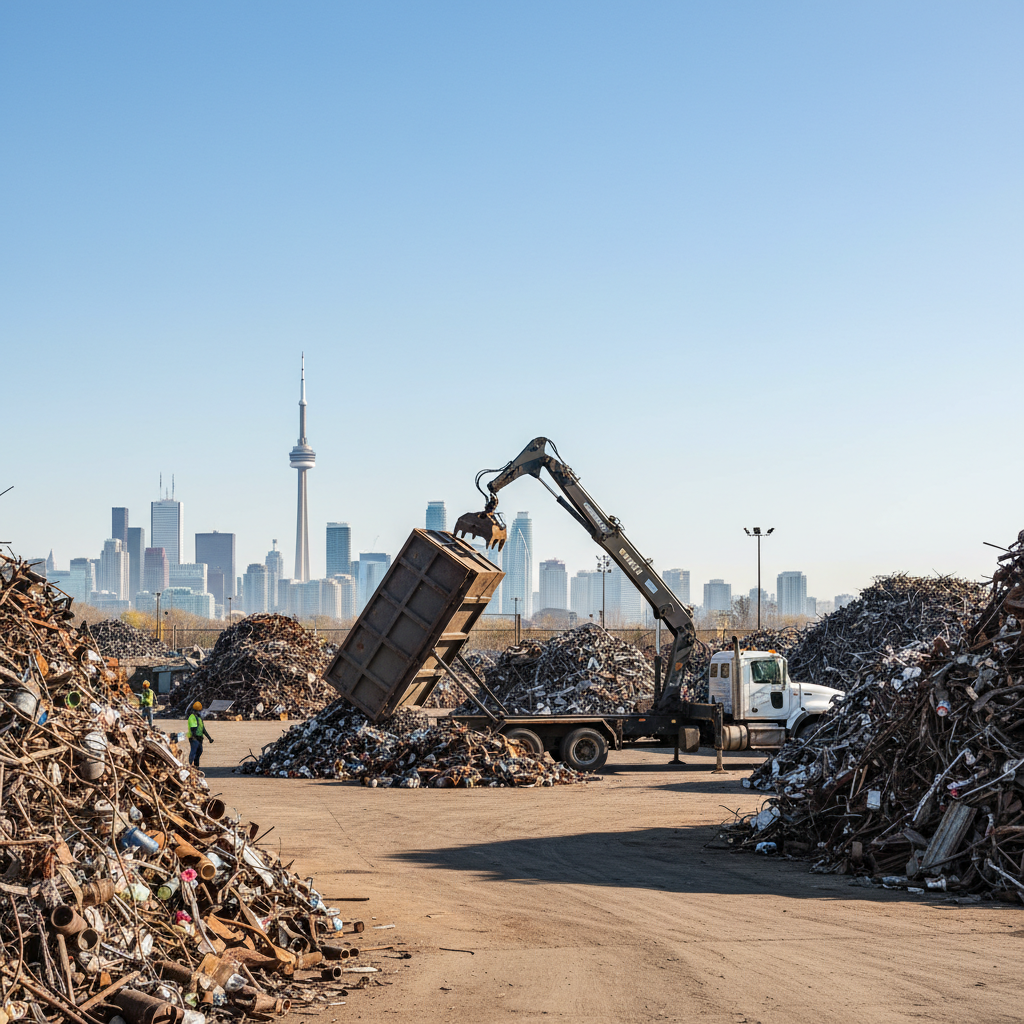
Scrap metal junk removal is the pickup or drop-off of unwanted metals, appliances, and e-waste so materials are recycled instead of landfilled. At Quick Scrap Metal (407 Rexdale Blvd, Etobicoke), you can clear clutter fast, get paid for recyclable metals, and trust responsible processing. This guide explains every step in plain English.
By Preet Dass • Last updated: 2026-05-16
Overview
Scrap metal junk removal turns metal clutter into recoverable value by sorting, preparing, and transporting metals to a qualified yard. In Etobicoke, Quick Scrap Metal accepts ferrous, non-ferrous, appliances, and electronics with extended hours, on-the-spot payouts, and simple drop-off or arranged pickup options.
Here’s what you’ll learn in this complete guide and how to use it quickly.
- What scrap metal junk removal means and why it matters
- How drop-off and pickup work at Quick Scrap Metal in Etobicoke
- Exactly which metals, appliances, and electronics are accepted
- Best practices to boost payout, safety, and speed
- Local tips around HWY 27 & Rexdale and nearby landmarks
- Real scenarios: homeowners, contractors, small businesses, and scrap cars
What is scrap metal junk removal?
Scrap metal junk removal is the process of collecting, sorting, and transporting unwanted metals and metal-containing items for recycling. It includes household pickups or yard drop-offs and covers appliances and e-waste. The goal is to recover metals efficiently, reduce landfill use, and return value to the customer.
In plain terms, you’re taking anything metal or metal-heavy—like copper pipe offcuts, aluminum siding, steel shelving, a broken washer, or an old desktop—and routing it to a proper recycler. At Quick Scrap Metal, we buy a wide range of ferrous and non-ferrous metals plus appliances and electronics, so one trip can clear a surprising amount of clutter.
Common sources include renovations, move-outs, estate cleanups, shop cleanups, and seasonal garage refreshes. If you’re unsure about a specific item, remember our rule of thumb: if it’s metal, we buy it. For a deeper primer on metals, see our scrap metal guide.
Why scrap metal junk removal matters
Scrap metal junk removal reduces landfill waste, returns valuable materials to manufacturing, and removes bulky hazards from homes and job sites. When you prepare and sort items well, yards process them faster—and you typically see better outcomes, both environmentally and practically.
The impact is threefold: environmental, space and safety, and value recovery. Recycling metals saves energy compared to primary mining and helps divert electronics with sensitive materials from the waste stream. Clearing heavy, awkward items improves jobsite safety and frees up storage. And when you separate non-ferrous (like copper and aluminum) from ferrous (steel and iron), you unlock more value from the same pile.
Renovations are a major driver of household scrap. After a kitchen or bath upgrade, you’ll often have metal fixtures, wire, and appliances that should be recycled—not trashed. Local renovators like Etobicoke kitchen projects routinely generate recyclable metal offcuts and old fixtures that belong in a responsible yard rather than in a dumpster.
Trade calls are another source. Plumbers replacing galvanized or copper runs, for example, remove significant lengths of pipe. Many Etobicoke homeowners ask their plumber what to do next. Articles like this Etobicoke plumbing guide show how repair work ties into responsible disposal—and why a quick scrap run helps keep basements clear and safe.
How scrap metal junk removal works (step-by-step)
Prepare items, separate by metal type, and choose drop-off or pickup. For drop-off at 407 Rexdale Blvd, unload in the designated area, verify materials with staff, and receive your payout. For household or vehicle pickups, schedule a time, stage items curbside or in an accessible spot, and confirm accepted materials in advance.
Quick Scrap Metal: drop-off vs. pickup
| Method | When to choose it | What to do | Turnaround |
|---|---|---|---|
| Drop-off (Etobicoke yard) | You can transport items yourself and want the fastest outcome. | Sort by metal, bring ID if required, follow yard directions for unloading. | Same visit—simple and quick during open hours (open late weekdays; Sundays). |
| Household scrap pickup | You have bulky items or limited transport. | Stage items, ensure pathways are clear, confirm accepted items beforehand. | Scheduled window—varies by volume, access, and location. |
| Scrap car drop-off or pickup | You’re disposing of an end-of-life vehicle. | Have ownership documents; remove personal items; drain accessible fluids if instructed. | Coordinated with dispatch; timing depends on vehicle access. |
As a local yard serving Toronto and the GTA, we designed the process to be EASY | FAST | CONVENIENT. If you have questions on accepted materials, our Etobicoke recycling overview outlines typical items and preparation tips.
Step-by-step checklist
- Identify items: metals, appliances, and electronics with metal frames or components.
- Use a magnet test: magnet sticks = ferrous (steel/iron). No stick = non-ferrous (copper, aluminum, brass, stainless).
- Pre-sort: keep copper, aluminum, brass, stainless, and steel in separate bins or piles.
- Prepare safely: unplug, cap wires, remove sharp fasteners, and follow any fluid-draining guidance for appliances or vehicles.
- Choose service: drop-off at 407 Rexdale Blvd or request a pickup for household scrap or vehicles.
- Bring: sturdy gloves, closed-toe shoes, and any notes about unusual items (transformers, batteries, PCBs).
Mid-article tip: If you’re cleaning out a garage, take smartphone photos of mixed piles before sorting. Our team can quickly confirm what’s accepted and advise on the best drop-off or pickup path.
Construction steel is another common stream. For context about fabrication details that affect recyclability (rebar categories, finishes, and coatings), industry explainers like this rebar detailing guide can help you name materials accurately when you call us.
What we accept: metals, appliances, and e-waste
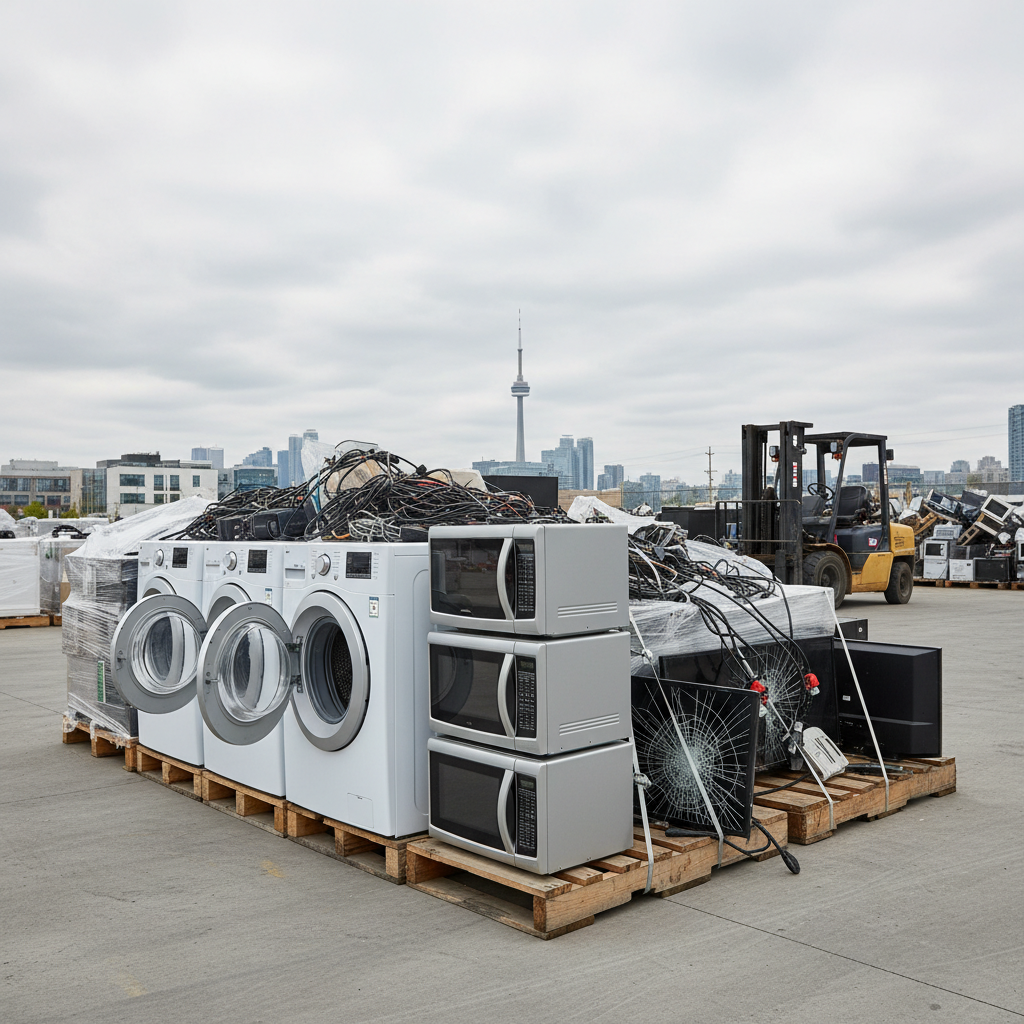
Quick Scrap Metal accepts ferrous and non-ferrous metals, appliances, and a wide range of electronics and e-waste. Typical items include copper, aluminum, brass, stainless, steel, batteries, transformers, PCs, laptops, TVs, and large household appliances like washers and stoves.
Metals
- Non-ferrous: copper (wire, pipe), aluminum (siding, extrusion, plate), brass (fittings, faucets), stainless steel, nickel-bearing items.
- Ferrous: steel and iron (shelving, beams, rotors, cast iron, auto cast, tools, mowers, snow blowers, heating ducts).
- Automotive & industrial: engines, motors, transmissions, radiators, compressors, transformers, electrical heaters, range hoods.
- Cables and wire: extension cords, insulated copper wire, low-voltage cabling.
- Lead & batteries: automotive batteries and other lead-bearing items.
Appliances
- Washers and dryers
- Stoves/ovens and microwaves
- Dishwashers and range hoods
- A/C units and dehumidifiers (follow guidance for fluids)
- BBQs and metal outdoor equipment
Electronics (e-waste)
- Computers and laptops; keyboards and peripherals
- Televisions and monitors
- DVD/Blu‑ray players, set-top boxes, small electronics
- Printed circuit boards (PCBs)
- Cables, chargers, and assorted accessories
For device-specific drop-off guidance, see our computer recycling guide and our electronics recycling services.
Best practices to maximize outcomes
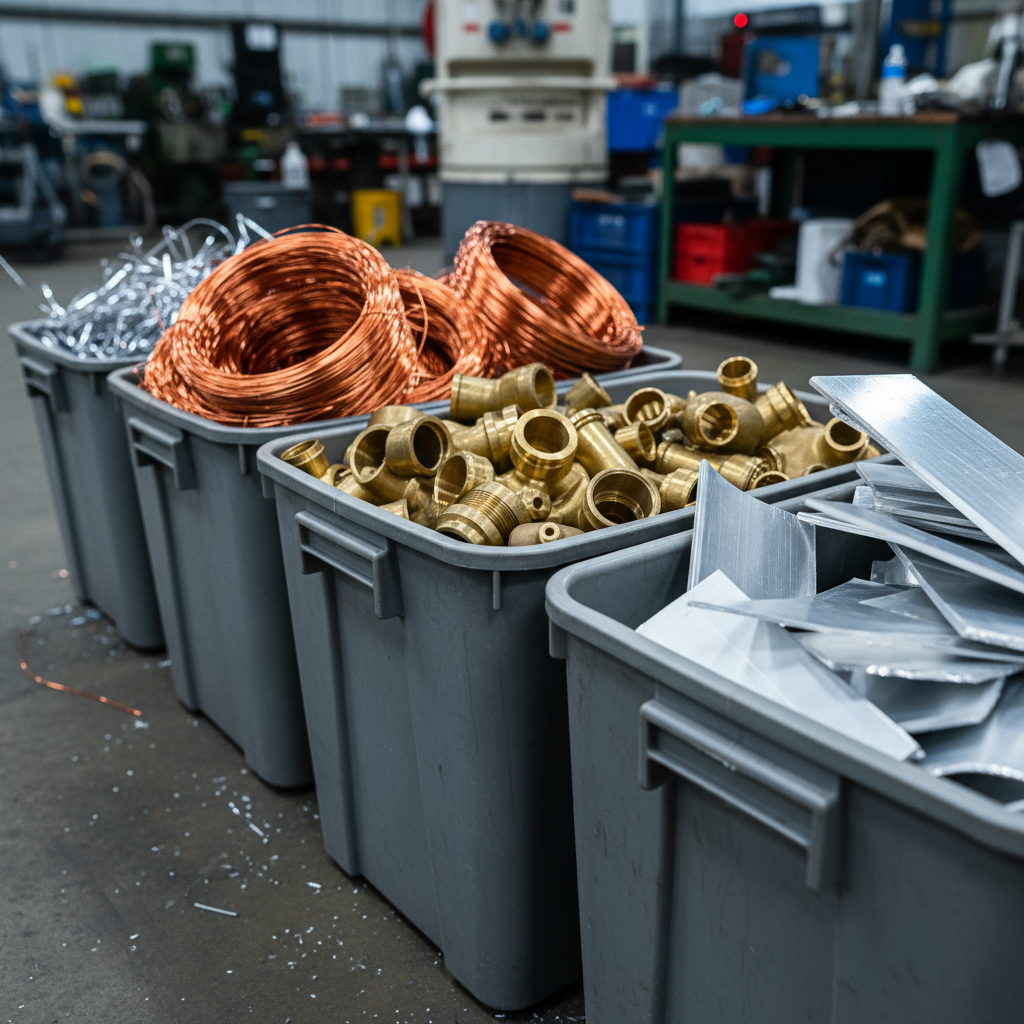
Sort metals by type, remove obvious non-metal attachments, and stage items for quick loading. Labeling bins (copper, aluminum, brass, stainless, steel) speeds yard processing and helps you recover more value from the same volume of material.
Sorting and prep
- Separate by family: keep non-ferrous apart from ferrous to avoid cross-contamination.
- Strip what’s reasonable: remove excessive plastic housings and non-metal bases when safe to do so.
- Cap cables: coil and tie wire for clean handling; avoid tangled bundles with sharp ends.
- Fasteners and attachments: drain fluids when instructed; remove wood, glass, and heavy plastic where practical.
- Appliance readiness: unplug, tape doors shut, and check for loose shelves before moving.
Safety
- Wear gloves, long sleeves, and eye protection.
- Use a hand truck or dolly for heavy appliances; lift with legs, not back.
- Keep pathways clear; avoid stacking unstable items higher than chest level.
- Disconnect power sources and verify items are cool to the touch before handling.
Documentation and access
- Have ID if required for certain categories.
- For vehicles, gather ownership documents and remove personal effects.
- For pickups, pre-clear driveways, stairwells, and elevators to reduce delays.
Tools and resources for smooth scrap runs
A few simple tools—magnet, bins, zip ties, utility knife, adjustable wrench, and a hand truck—make scrap metal junk removal faster and safer. Use labeled containers to separate metals at the source, and keep a photo log to confirm unusual items with the yard.
- Magnet and marker: test, then label “ferrous” vs. “non-ferrous.”
- Stackable bins: dedicate one each to copper, aluminum, brass, stainless, and steel.
- Zip ties and tape: bundle wire and secure loose panels.
- Basic tools: screwdriver set, utility knife, adjustable wrench, hex keys.
- Moving aids: hand truck, ratchet straps, moving blankets.
When you’re planning an electronics cleanout, our e‑waste guide walks through device categories, data considerations, and staging tips so your drop-off is quick and worry-free.
Etobicoke and Toronto: local guide for smoother visits
For Etobicoke and the wider Toronto area, Quick Scrap Metal’s HWY 27 & Rexdale location offers extended hours and easy yard access. Plan drop-offs around peak times, pre-sort at home, and use photos to confirm unusual items—small steps that make your visit fast and stress-free.
Because we’re based in Etobicoke and serve Toronto and the GTA, we’ve shaped our intake flow for neighborhood convenience. Extended weekday hours and Sunday availability mean you can swing by after work or during a weekend cleanup. If you have mixed loads—like rotors, copper wire, and an old TV—pre-sorting saves time once you arrive.
Local considerations for Etobicoke
- Use reference points near HWY 27 & Rexdale. If you’re shopping at Woodbine Mall & Fantasy Fair, you’re minutes away from a quick drop-off.
- Winter cleanouts: ice can make items slick. Shrink-wrap or strap loose doors/panels and wear boots with good traction.
- Busy weekends happen. Stage items the night before so you can load early and beat peak traffic in and out of the yard.
Case studies and real-world examples
Homeowners, trades, and small businesses in Etobicoke use scrap metal junk removal to reclaim space and unlock value. These quick scenarios show how to sort, stage, and choose drop-off or pickup so everything moves fast at the yard and nothing recyclable ends up in the trash.
1) Home garage reset in Rexdale
- Situation: After a spring clean, a household piles up aluminum siding offcuts, a broken mower, and extension cords.
- Approach: Magnet test, separate non-ferrous (aluminum) from steel, coil cords.
- Outcome: Single Saturday drop-off during extended hours; quick unload and payout.
Resources: our Etobicoke recycling overview covers common prep steps for mixed metal loads.
2) Post-renovation contractor load
- Situation: Small contractor finishes a kitchen remodel with old faucets, copper stubs, and a range hood to remove.
- Approach: Sort brass/copper into dedicated bins; tape sharp edges on the hood.
- Outcome: Monday evening drop-off after site cleanup; minimal downtime between jobs.
Context: Many renovation firms in Etobicoke (see local kitchen projects) plan a scrap run right after demolition to keep job sites clean.
3) Small business shop refresh
- Situation: A small repair shop replaces steel shelving and retires old compressors.
- Approach: Use hand truck for compressors; keep steel separate from mixed motors.
- Outcome: Weekday drop-off; floor space reclaimed for new equipment.
4) End-of-life vehicle
- Situation: A customer needs a scrap car removed from a tight driveway.
- Approach: Confirm access, gather documents, remove personal items; coordinate pickup window.
- Outcome: Smooth tow-out; materials enter the recycling stream.
FAQ: Scrap metal junk removal
Scrap metal junk removal questions usually focus on accepted items, preparation, and logistics. Here are concise answers for Etobicoke and the GTA. If you don’t see your item listed, call our yard and we’ll advise on the best drop-off or pickup option.
What items are accepted for scrap metal junk removal?
We accept ferrous and non-ferrous metals (steel, iron, copper, aluminum, brass, stainless), appliances (washers, stoves, microwaves), and electronics (PCs, laptops, TVs, cables). If it’s metal-heavy, we can likely take it—call ahead for unusual items like transformers or batteries.
Should I sort metals before dropping off?
Yes. Use a magnet to separate ferrous from non-ferrous, and keep copper, aluminum, brass, stainless, and steel in separate bins. Pre-sorting speeds intake and typically improves outcomes because materials are easier to process.
Do you offer household scrap pickup in Etobicoke?
Yes. For bulky items or limited transport, request a pickup. Stage items in an accessible spot, clear pathways, and confirm accepted materials ahead of time so everything moves quickly on arrival.
How should I prepare appliances and electronics?
Unplug, tape doors shut, and remove loose parts in appliances. For electronics, back up and wipe personal data, then bundle cables. Keep devices dry and in sturdy boxes for transport. Our e‑waste guides provide device-specific tips.
Can you take a scrap car?
Yes—arrange a scrap car drop-off or pickup. Have ownership documents ready, remove personal items, and follow any fluid-draining guidance we provide. We’ll coordinate timing based on access and location.
Conclusion and next steps
Scrap metal junk removal is straightforward when you sort, stage, and choose the right service path. Quick Scrap Metal in Etobicoke offers fast drop-offs, arranged pickups, and acceptance of metals, appliances, and e‑waste—so you reclaim space and keep recyclables out of landfills.
Key takeaways
- Sort by metal family first; a magnet test saves time.
- Pre-stage appliances and electronics for safe handling.
- Use photos to confirm unusual items before you arrive.
- Choose drop-off for speed; request pickup for bulky loads or vehicles.
- One local stop handles metals, appliances, and e‑waste.
Ready to clear space today? Visit us at 407 Rexdale Blvd or plan a pickup. For current intake guidance and common materials, start with our scrap prices overview and the Etobicoke recycling page. Prefer a quick convo? Bring photos and we’ll map the fastest route from clutter to clean.