
Last updated: October 2026
By Preet Dass • Last updated: October 30, 2026
What does the price of steel per pound mean?
The price of steel per pound is the amount a scrap yard applies to each pound of an accepted steel category. It is not one permanent price for every steel object. A load of structural plate, a pile of light-gauge appliance shells, drained cast-iron parts, and mixed tin may all be weighed differently or assigned to different categories.
Scrap yards generally inspect the material first, determine the appropriate category, and then calculate payment from the net weight. The rate can change as market conditions, processing costs, demand, and local buying schedules change. That is why a published comparison figure should never be treated as a confirmed offer from Quick Scrap Metal.
Current Canadian and Ontario pricing references commonly explain ferrous rates by grade and market conditions. Some market sources quote by net ton, while customer-facing listings may convert the figure to pounds. A conversion can help you compare formats, but it does not remove differences caused by grade, location, transaction size, contamination, or timing.
Why there is no single steel rate
Steel is a broad family of ferrous materials. A heavy beam has different handling and processing characteristics from a thin appliance panel, even though both attract a magnet. Attachments, coatings, fluids, rubber, insulation, and other materials can also change how a yard classifies the load.
- Grade: Heavy melt, plate and structural, cast, rotors, and shred or tin are commonly handled as separate categories.
- Condition: Clean, dry steel is easier to inspect and process than contaminated or wet material.
- Preparation: Cut, sorted, safely loaded pieces reduce handling time and prevent mixed-grade downgrades.
- Market: Ferrous buying rates move with regional and broader market conditions.
- Weight: Payment is based on the yard’s recorded net weight, not a visual estimate of the pile.
For a homeowner, this means the largest-looking pile is not automatically the most valuable one. For a contractor, it means separating material at the job site can make the final classification easier than trying to sort an entire mixed trailer at the receiving yard. In both cases, the goal is not to predict a guaranteed payout from appearance alone; it is to present the material clearly enough for an accurate inspection.
How scrap yards calculate a steel payout
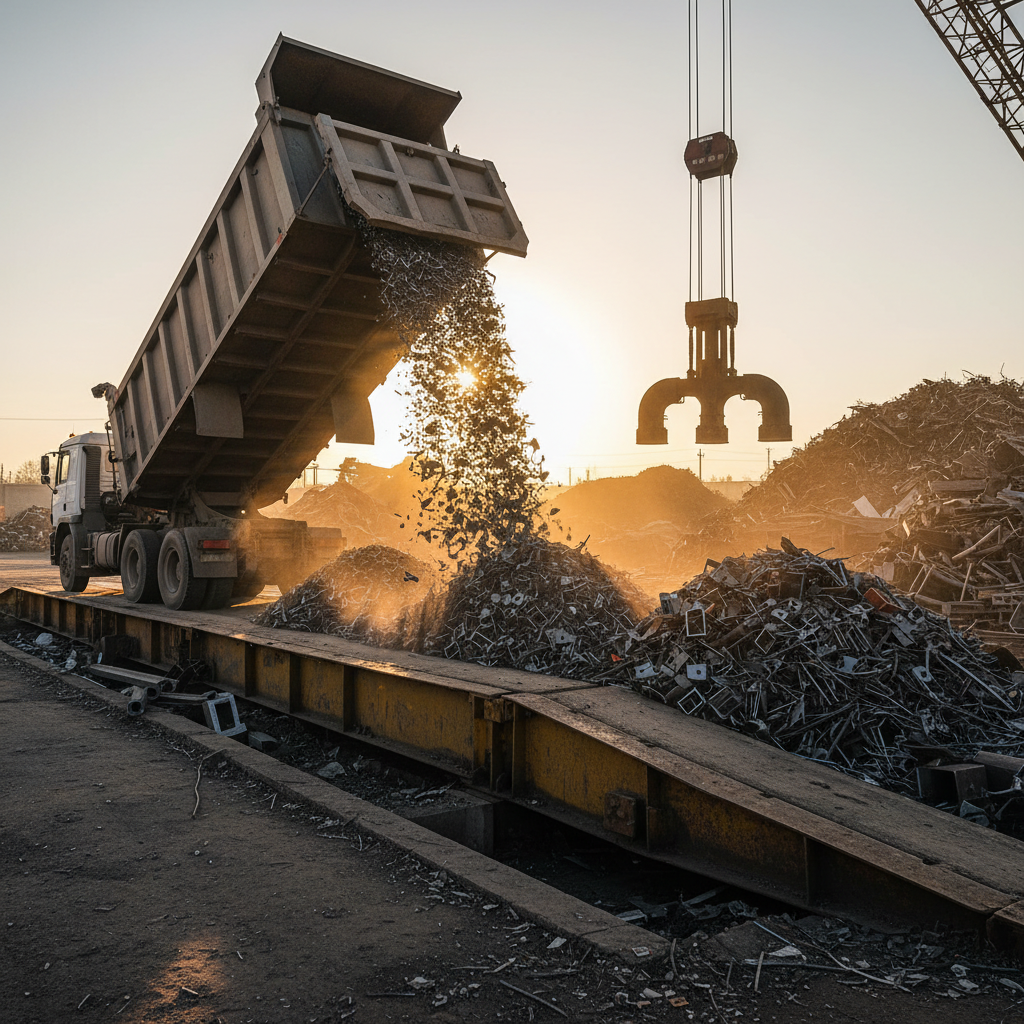
At a typical drop-off, the yard records the vehicle and load weight, inspects the material, directs you to an unloading area, and records the empty vehicle weight afterward. The difference between the loaded and empty readings is the net weight used for the transaction. The applicable category rate is then applied to that net weight.
- Arrive safely: Secure long or loose pieces and use suitable personal protective equipment.
- Inspect the load: Separate obvious non-ferrous metals, fluids, pressurized containers, and hazardous items before arrival.
- Confirm the category: The yard checks thickness, form, attachments, coatings, and cleanliness.
- Record gross weight: The loaded vehicle is weighed on the yard’s scale.
- Unload as directed: Use the assigned area and follow instructions for magnets, grapples, forklifts, or manual unloading.
- Record tare weight: The empty vehicle is weighed so the net steel weight can be calculated.
- Apply the rate: The yard uses the current rate for the accepted category and documents the transaction.
| Pricing factor | What the yard looks for | What you can control |
|---|---|---|
| Material type | Heavy, structural, cast, automotive, or light-gauge steel | Keep distinct materials separated |
| Cleanliness | Plastic, wood, rubber, dirt, fluids, and attached components | Remove practical, safe contaminants |
| Weight | Gross and tare readings on the yard scale | Keep the load dry and avoid unnecessary moisture |
| Handling | Piece size, tangles, unsafe shapes, and unloading requirements | Cut or bundle material safely for transport |
| Market timing | Current regional buying conditions and category demand | Confirm the current rate before making a dedicated trip |
The important distinction is between gross weight and net weight. Gross weight includes the vehicle and everything being carried. Tare weight is the empty vehicle’s recorded weight. The difference is the load weight used for the transaction, so a personal estimate based on the apparent size of a pile cannot replace the receiving yard’s scale reading.
How to use comparison prices responsibly
Nearby GTA references may show approximate figures for common shred, heavy-melt, or cast categories, but those figures are comparison prices rather than a confirmed Quick Scrap Metal offer. One supplied Canadian reference places common steel examples in a broad range of approximately CAD $0.11 to $0.19 per pound; the range is not a quote, may not describe your material, and can change without notice.
Some industry sources publish ferrous assessments in Canadian dollars per net ton, while local yards publish or confirm rates in other formats. Before comparing two numbers, check the unit, category, cleanliness requirement, location, transaction size, and date. For a current Etobicoke transaction, contact the receiving yard and describe the material rather than relying on an old online rate.
A useful comparison should answer five questions: What exact material does the figure describe? Is the price for clean or mixed scrap? Is it a drop-off or a delivered transaction? What unit and currency are being used? When was the number last checked? If a listing does not answer those questions, use it as general market context rather than as a promise about your payout.
Which steel grades affect the per-pound price?
Sorting by form and condition helps the yard identify the right stream. It also gives you a clearer basis for discussing the load before weighing. The names below are practical categories, not a promise that every yard uses identical specifications.
| Category | Common examples | Useful preparation | Why separation helps |
|---|---|---|---|
| Plate and structural | Beams, channels, angle iron, thick plate, and construction steel | Cut oversized pieces where safe; remove attached wood and plastic | Dense structural pieces should not be hidden in a light mixed pile |
| Heavy melt | Thick demolition steel and substantial machinery parts | Keep pieces manageable and free from avoidable attachments | Thickness and condition are easier to assess in a dedicated load |
| Cast iron | Engine blocks, cast housings, radiators, and other cast components | Drain fluids and separate non-metal parts | Distinct cast material can be weighed and categorized efficiently |
| Rotors and drums | Automotive brake rotors and drums | Remove pads and excessive non-metal attachments where practical | Dense automotive material is easier to process when isolated |
| Shred or tin | Thin appliance shells, shelving, light-gauge panels, and mixed thin steel | Remove cords, insulation, plastics, and loose non-metal | Clean light steel avoids unnecessary contamination in the pile |
Magnetic attraction is a useful first check, but it does not determine the payout by itself. Stainless steel and some other alloys may behave differently, and an object can contain both ferrous and non-ferrous components. If an item includes copper, aluminum, brass, or insulated wire, keep those parts separate for inspection.
Appliances illustrate why the item’s outer shell is only part of the decision. A refrigerator, washer, range, or shelving unit may contain a large amount of light-gauge steel, but it can also include cords, motors, insulation, glass, plastic, and non-ferrous parts. Do not dismantle an appliance in an unsafe way merely to chase a category; separate accessible materials and follow the receiving yard’s requirements.
For material-specific planning, the guide to the cast iron price per pound explains why cast components deserve their own sorting decision. If your load includes heat-transfer equipment, the radiator scrap price guide can help you identify mixed radiator materials before a drop-off.
Why visual size does not predict value
Common carbon steel has a density of roughly 7.85 g/cm3, or about 490 pounds per cubic foot. That helps explain why compact rotors, solid plate, and beams may weigh much more than a similarly sized pile of thin sheet. Density is useful for estimating transport needs, but the scale reading and assigned category control the transaction.
Density also affects how a vehicle should be loaded. A small quantity of solid steel can reach a vehicle’s weight limit before the cargo area looks full. Spread weight appropriately, remain within the vehicle’s rated capacity, and use securement suitable for the shape and length of the pieces.
How to prepare steel before visiting a scrap yard
Preparation cannot guarantee a particular rate, but it can make the category easier to verify and the drop-off safer. The best approach is to remove obvious contamination without creating unnecessary cutting, lifting, or handling risks.
Sort before loading
Use separate bins, pallets, or secured sections for structural steel, heavy pieces, cast iron, rotors, and light-gauge steel. Keep non-ferrous metals in their own containers. A mixed trailer may be convenient at the collection point but can take longer to inspect and may prevent the yard from identifying higher-value or more suitable categories.
Labeling bins is especially useful on demolition and renovation projects. A simple label such as “structural,” “rotors,” “cast,” or “light steel” helps employees and subcontractors maintain the separation throughout collection. It also makes it easier to estimate how much space and weight each material stream will require.
Remove contamination safely
- Remove loose wood, plastic, cardboard, fabric, rubber, and insulation when doing so is practical.
- Drain engines, transmissions, compressors, and other components according to safe handling requirements.
- Do not bring pressurized cylinders, sealed containers, or hazardous substances in a scrap load.
- Keep electrical cords and motors separate from clean steel where possible.
- Do not burn coatings, insulation, or wire to prepare scrap.
Contamination is not only a pricing issue. Fluids and sealed containers can create safety and environmental concerns during unloading. If you are uncertain whether an item is safe or acceptable, pause the loading process and ask the receiving yard before transporting it.
Cut and secure long pieces
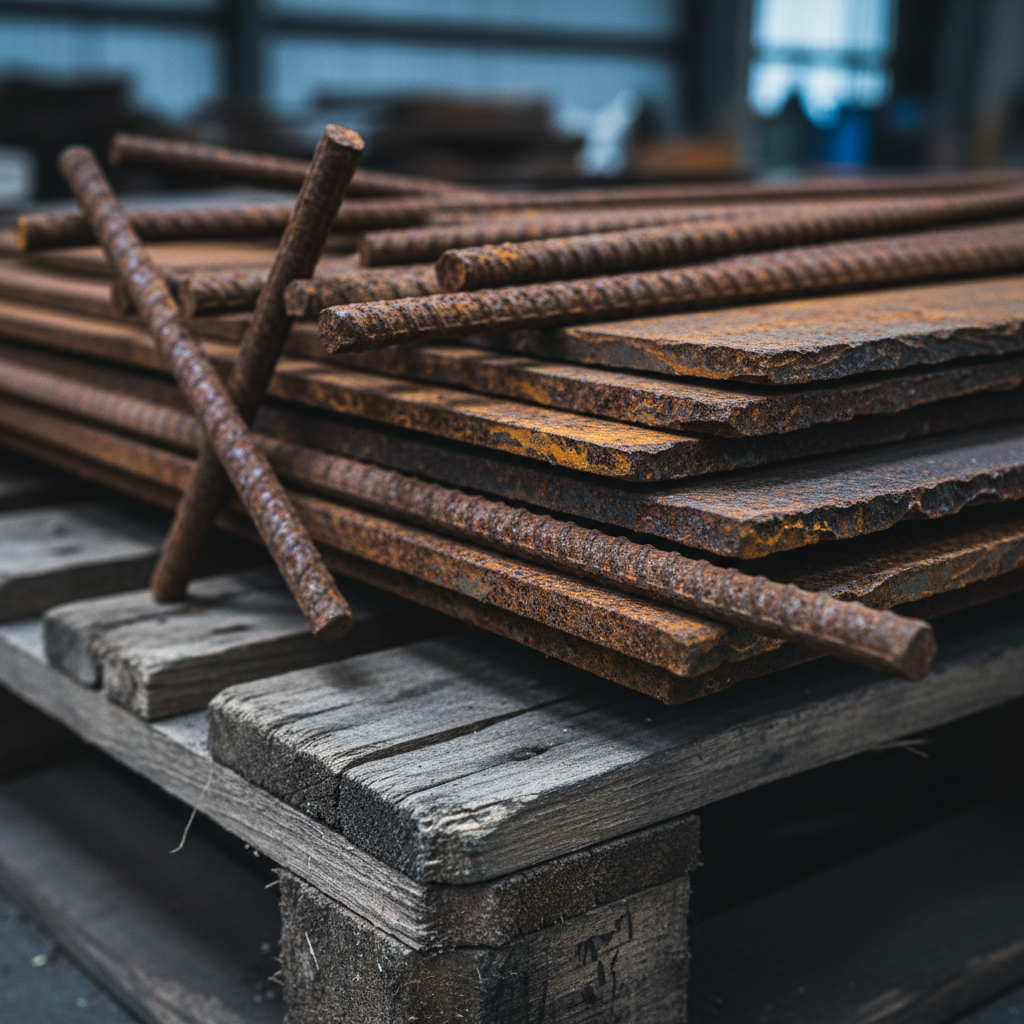
Long rebar, beams, pipe, and sheet can create loading and road-safety problems. Cut only when you have the right equipment and training, and stay within transport rules. Secure the finished load with suitable straps or chains, protect sharp edges, and flag overhangs when required.
Do not place loose short pieces on top of long stock where they can slide during braking. Keep the load balanced, use a tarp where appropriate, and check the securement again after a short distance. Safe transport protects the driver, other road users, and the people who will unload the material.
Keep steel dry when possible
Rain, snow, and ice can add avoidable moisture to a load. Store steel under cover or allow wet material to drain before weighing, while remembering that a yard’s inspection and weighing procedures determine the final transaction. In winter, ice can also make pieces slippery and increase unloading hazards.
For a broader preparation checklist, see the practical guide to getting the best price for scrap metal in Etobicoke. It covers sorting, transport, and yard etiquette across a mixed scrap load rather than focusing only on steel.
Planning a steel drop-off in Etobicoke and Toronto
Quick Scrap Metal is located at 407 Rexdale Blvd in Etobicoke, near the Highway 27 and Rexdale area, and serves customers from Toronto and the broader GTA. For a homeowner, contractor, or business, route planning matters because steel is bulky, heavy, and often awkward to secure.
Choose a practical trip time
Traffic around major Etobicoke destinations can affect the time required for a drop-off. Trips near Woodbine Mall and Fantasy Fair may be slower during busy periods, so an off-peak visit can make loading and unloading easier. Confirm current hours and buying requirements before leaving, particularly if you are bringing an unusual item or a large commercial load.
Plan loads across the GTA
Customers travelling from Toronto, Mississauga, Brampton, or nearby GTA communities can reduce wasted trips by sorting the load at the source and calling ahead about category requirements. Contractors may find it useful to keep structural pieces, automotive material, and light-gauge steel in labelled bins throughout a renovation or demolition project.
A dedicated trip should be worthwhile after considering fuel, labour, vehicle capacity, and loading time. If the material is a small amount of low-density shred, consolidating it with another planned errand may be more practical than making a special journey. If the load contains dense structural steel or mixed materials that need inspection, calling first can prevent an avoidable second trip.
Bring identification and any information needed to explain the source of commercial or demolition material. Keep the load accessible for inspection rather than burying heavy steel beneath loose light scrap. These steps support a faster intake and help the yard determine what it is buying.
Drop-off checklist
- Sorted steel separated from copper, aluminum, brass, electronics, and other non-ferrous materials.
- Secure straps, tarps, gloves, eye protection, and suitable footwear.
- Manageable pieces with sharp edges controlled and long stock safely secured.
- Drained equipment with hazardous or pressurized items excluded.
- Identification and any requested business or vehicle information.
- A description of the load if you are calling to confirm the current category or rate.
If steel is only one part of a cleanout, Quick Scrap Metal also accepts electronics and e-waste. The guide to recycling old electronics can help you separate computers, televisions, circuit boards, and other electronic components from the ferrous portion of the load.
Common mistakes that reduce clarity at the scale
Most avoidable problems occur before the vehicle reaches the yard. A mixed, wet, unsafe, or poorly secured load can make inspection slower and obscure the distinction between categories.
- Assuming all steel has the same rate: Identify the form and likely category before estimating value.
- Mixing non-ferrous metals with steel: Separate copper, aluminum, brass, and insulated wire so they can be assessed correctly.
- Using a comparison price as a quote: Check the date, unit, grade, location, and conditions behind any published figure.
- Leaving fluids in equipment: Drain materials safely and follow the yard’s requirements.
- Overloading a vehicle: Stay within vehicle limits and secure the load for the road.
- Cutting without a safe plan: Do not create sharp, unstable, or hazardous pieces merely to save space.
- Arriving without checking: Contact the yard if the load is unusual, large, contaminated, or time-sensitive.
Another common error is estimating value from the total number of objects rather than their net weight and category. Ten thin panels may take up more room but weigh less than one compact cast component. Photographing the separated piles and noting approximate dimensions can help you describe the load accurately when asking about current buying conditions.
A practical example of a well-prepared load
Imagine a renovation contractor collecting beams, short plate sections, rebar, brake rotors, and light appliance panels. Instead of placing everything in one trailer, the contractor keeps structural steel together, puts rotors in a separate bin, removes loose plastic and wood, and secures the longer pieces for transport.
At the yard, the separated load is easier to inspect and direct. The contractor still receives the current category rates available at the time of the visit, not a guaranteed premium, but the preparation reduces confusion and makes it less likely that distinct materials will be treated as one mixed stream.
For another material stream, the guide to how to sell iron scrap in Etobicoke provides related advice on loading, routing, and site etiquette. Iron and steel may be discussed together by customers, but the yard still needs to inspect the actual material and condition.
A homeowner can apply the same principle on a smaller scale. Put bed frames and shelving in one section, heavier tools or cast items in another, and remove loose plastic, fabric, and cords before loading. The result may not change every category, but it gives the receiving team a cleaner, safer basis for inspection.
Frequently asked questions about the price of steel per pound
What is the current price of steel per pound?
There is no single confirmed price for every steel load. Nearby GTA comparison listings may show approximate figures, but rates vary by category, cleanliness, net weight, market conditions, and yard, and the available Etobicoke-specific information does not publish a current numeric Quick Scrap Metal rate. Contact the receiving yard before hauling material for the applicable rate.
Is steel priced by the pound or by the ton?
Scrap yards and market sources may use either pounds or net tons. A net ton contains 2,000 pounds, but converting the unit does not make two listings equivalent if they describe different grades, locations, dates, or transaction conditions.
What type of steel usually has a different category from light scrap?
Heavy structural steel, plate, substantial machinery pieces, cast iron, and automotive rotors are commonly separated from light-gauge shred or tin. The exact category depends on the material’s thickness, attachments, cleanliness, and the receiving yard’s specifications.
How can I get a more accurate estimate before visiting?
Separate the material by form, remove safe-to-remove contaminants, estimate the net weight, and take clear photos if the yard accepts photo-based inquiries. Then describe the load and confirm the current rate, hours, identification requirements, and any restrictions before making the trip.
Confirm today’s steel category before you haul
Sort your steel, keep the load safe and dry, and confirm the current category-based rate with Quick Scrap Metal before travelling to 407 Rexdale Blvd in Etobicoke. Contact Quick Scrap Metal for current drop-off information and practical guidance on your load.