
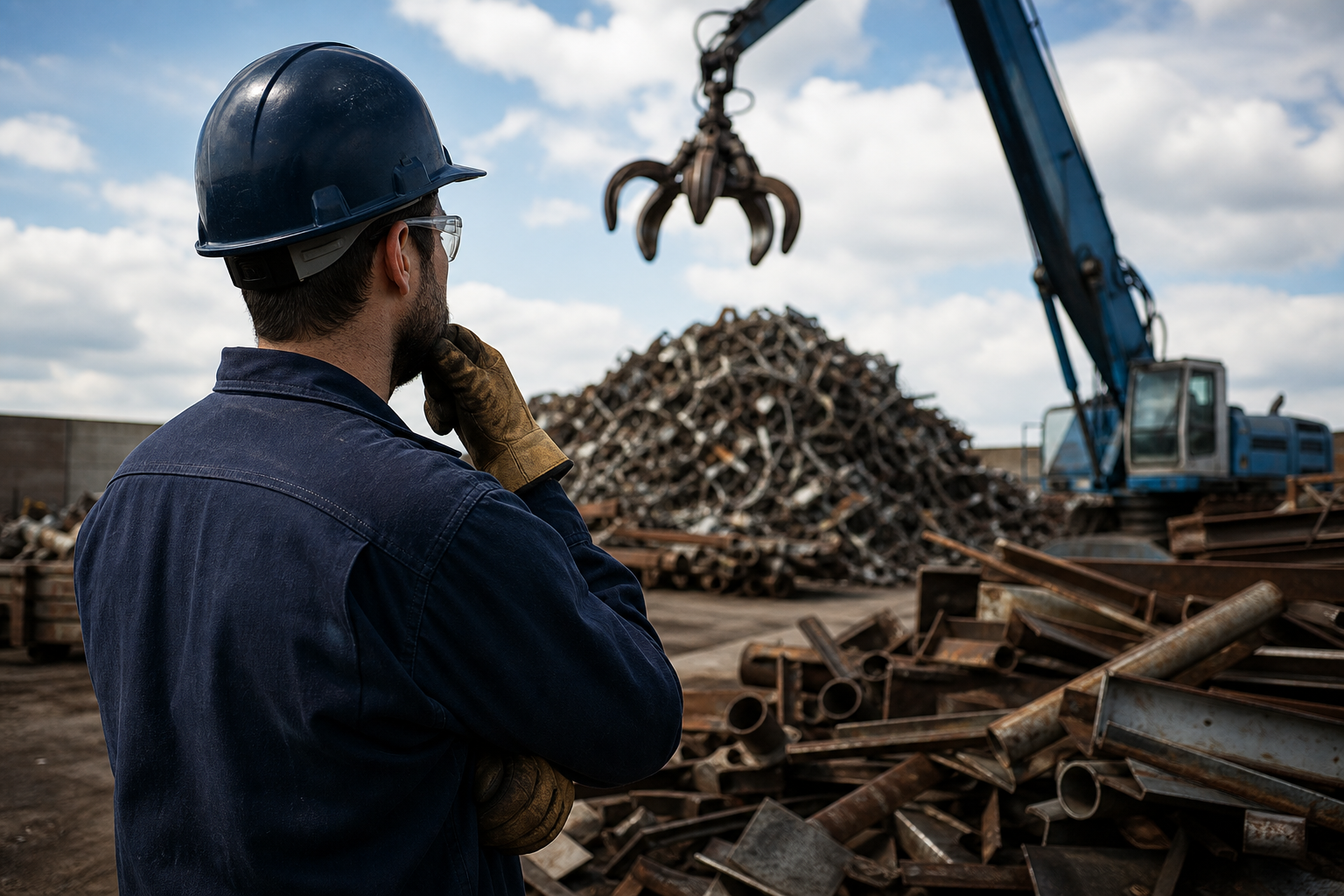
How to use this checklist before you visit
If you plan to sell metal, appliances, or electronics in Etobicoke, a short phone check followed by a focused inspection at the yard can protect your payout and your time. Start by calling the buyer to confirm basic facts, then bring identification, the load separated by material, and a camera or phone to record weights and receipts. Expect some answers to be confirmed only on site, for example exact weight and final condition. For pricing and negotiation tips after you verify a yard, see how to get the best price for scrap metal in Etobicoke.
Pricing transparency: the questions that protect your payout
Before you drive to a yard ask these exact questions so you are not surprised at the scale or the pay window. Transparent yards will answer directly and consistently.
- How do you set prices and how often do they change? Ask whether prices update daily, weekly, or by market movement. Industry guidance recommends asking about the price cycle and how you will be informed of changes, because some yards use live market links while others set internal prices less frequently. See guidance from Iron and Metals for why this matters.
- Is the price quoted per gross weight or net weight? Get clarification whether they deduct containers, non-metal parts, or refrigerant tanks before paying. Gross versus net can change your payout significantly.
- Do you charge separation, processing, or handling fees? Some yards deduct fees for mixed loads, motors, or hazardous items. Ask for a simple list of common deductions so there are no surprises.
- Do you accept auctioned or market-priced items like aluminum extrusions and catalytic converters? Certain materials are sold through auction or market platforms, which can affect the buyer’s offer. Local operators have written about auction systems and how that chain influences yard prices in Etobicoke and Ontario; for background see SMASH Recycling.
Sample phone script: “Hi, I have about X kg of [material]. How do you price it today, do you use daily market rates, and are there any expected deductions I should know about?” If you receive vague answers, that is a warning sign.
Scale and weighing checks: simple red flags for short-weighing
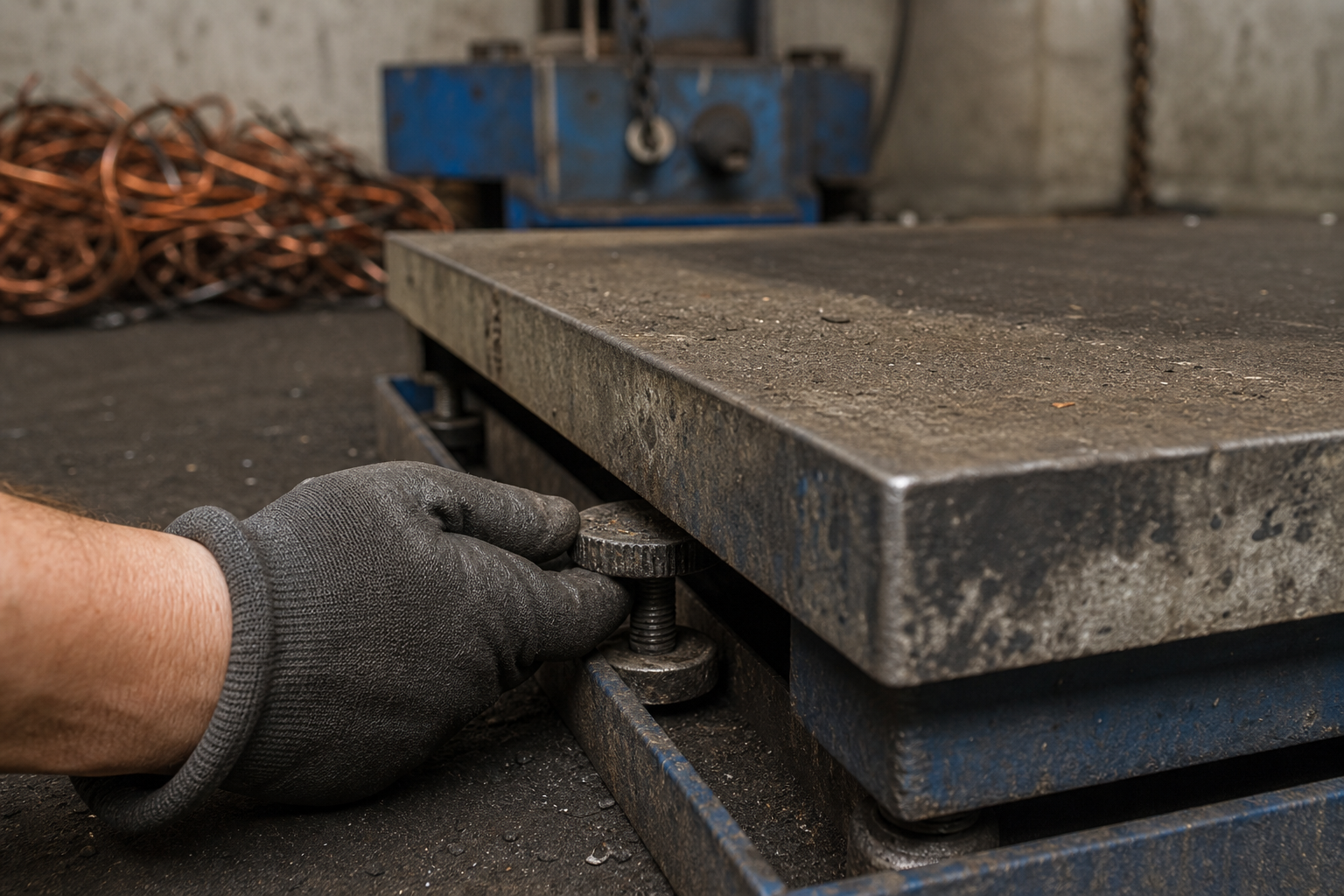
Weighing accuracy is the single most practical check to protect your payout. Ask for a printed ticket before and after unloading when applicable, and watch the process. Independent guides recommend paying attention to how the buyer weighs and records loads, because short-weighing and confusing paperwork are common seller complaints. See practical weighing checks in the industry resource from Just Scrap It.
What to watch for on site
- Request a visible scale and a printed weight ticket, and verify the vehicle tare weight if possible.
- Compare the inbound and outbound tickets if you are entering the yard loaded and leaving empty. The ticket should show both weights and the net weight paid.
- Record the ticket number, date, and time with your phone photo. If the yard is unwilling to supply a ticket or insists on verbal numbers only, walk away.
- Watch how staff handle your load. If they add or remove mixed items during weighing without documenting them, ask for the change to be recorded.
If numbers look wrong, ask the attendant to repeat the weighing in view of you. If you still suspect short-weighing, note the scale ID and refuse payment until an explanation is provided. Keep all paperwork and photos for later dispute if needed.
Accepted materials and safe preparation
Most Etobicoke buyers accept ferrous and non-ferrous metals, appliances, and many electronics, but condition and preparation affect price and acceptance. Quick Scrap Metal lists a wide range of accepted items at their Etobicoke yard, including household appliances and electronic components, which makes drop-off convenient for many sellers. Confirm acceptance and any preparation rules before you travel by checking the yard’s list of accepted materials on their website at Quick Scrap Metal.
Preparation checklist
- Drain fluids from appliances and motors where required, and secure loose doors or parts. Do not attempt to remove refrigerant yourself; certified technicians must handle those systems.
- Separate ferrous steel from non-ferrous metals such as copper, brass, and aluminum. Clean, untinned copper or clean aluminum often fetches better offers than heavily contaminated pieces.
- Bundle similar materials and tape small parts into labelled containers. Clearly marked loads reduce sorting time and the chance of deductions for contamination.
- For scrap cars and large appliances ask about pickup or drop-off procedures and whether the yard will accept them with minimal disassembly.
Do not attempt to remove hazardous components like batteries, mercury switches, or refrigerant canisters yourself. For appliances and e-waste, ask the yard how they handle those parts so you remain compliant and safe.
Electronics and appliances: data security and environmental handling questions
When you sell computers, phones, or devices that store personal data, ask how the yard handles data destruction and hazardous components. Many scrap yards accept e-waste and printed circuit boards, but handling varies. Ask three direct questions on arrival.
- Do you offer data destruction or documentation that devices are processed securely? Some yards strip drives for recycling but may not provide formal certificates. If you require formal data destruction, ask whether they can provide a receipt or whether you should wipe drives prior to arrival.
- How do you manage batteries, CRTs, and refrigerants? These components are hazardous and require special processing. A responsible yard will describe the accepted disposal path and may separate or refuse certain items.
- Will you provide a receipt that lists items destroyed or recycled? A clear receipt helps you prove responsible disposal for business or landlord records.
Urbanmine and other local recyclers require valid government photo ID for sellers and maintain item lists to comply with accountability and safety procedures. When you ask about e-waste handling, reference this expectation of clear ID and item tracking such as the examples shown in the Urbanmine FAQ.
Customer experience red flags: yard layout, staff, and safety concerns
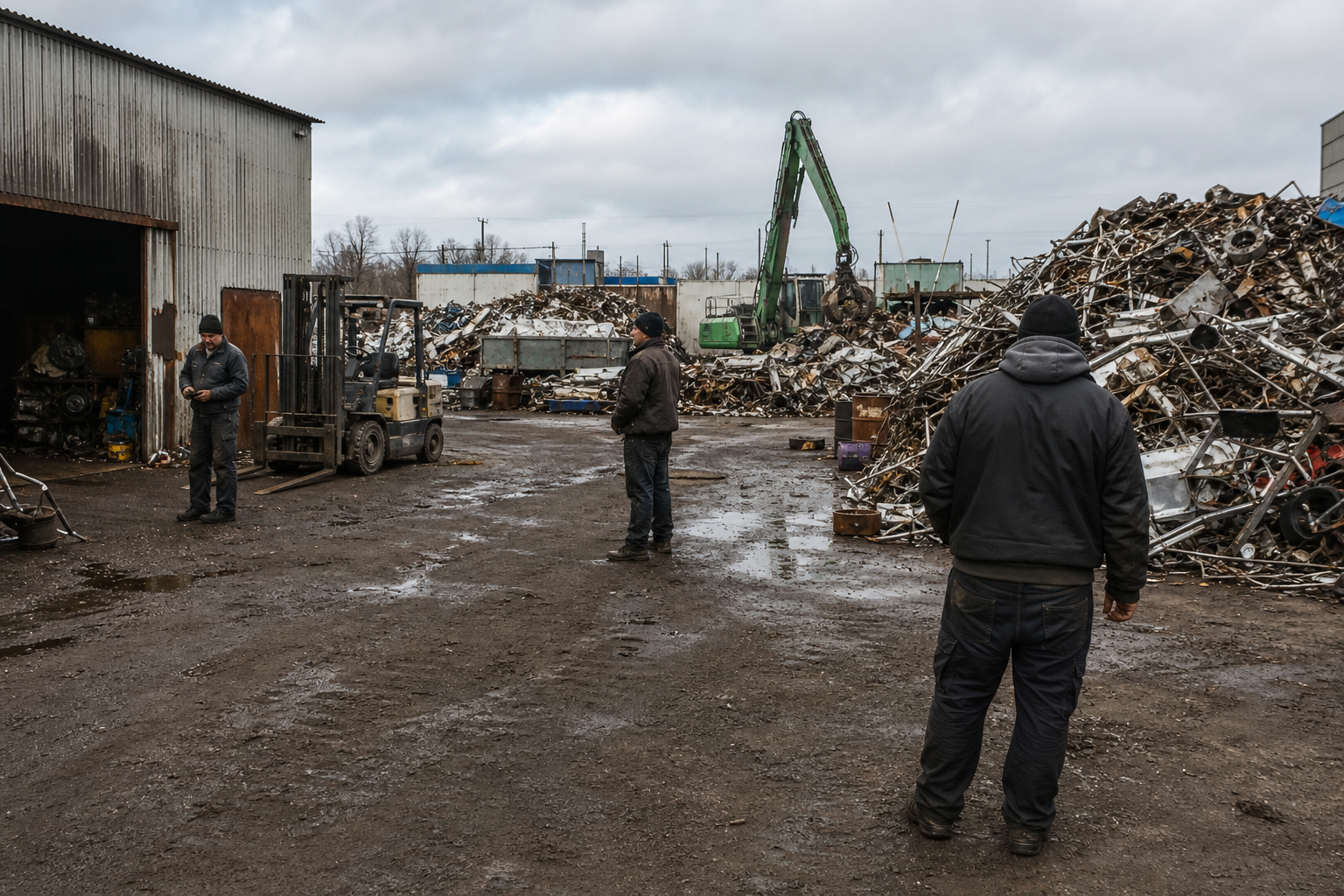
Some of the most telling signs that a yard may be unreliable are visible within the first five minutes on site. Look for these red flags and ask a few quick questions if you see them.
- Poor traffic flow or no clear unloading zone, especially if staff do not give simple directions. Excessive disorder can cause delays and mistakes during weighing.
- Lack of visible identification, scale certificates, or inability to produce a weight ticket. Legitimate yards use documented scales and will provide printed tickets.
- Aggressive buying tactics or pressure to accept an offer immediately without time to review the ticket. Professional buyers expect negotiation to occur before you accept payment.
- Unclear staff answers about what happens to hazardous materials or how electronics are processed. If staff cannot describe where batteries, refrigerants, or PCBs go, treat that as a warning.
If you notice any of these behaviours, ask to speak with a manager. If the explanation is vague or defensive, walk away and visit a different buyer. Good yards want repeat customers and will be transparent and patient.
Documentation, payment, and legal basics
Bring a government issued photo ID and be ready to sign a simple transaction form. Many yards in Ontario require valid ID for traceability, particularly for higher value loads or catalytic converters. Confirm the ID requirement when you call so you are not turned away; see the Urbanmine FAQ for common ID expectations at local facilities at Urbanmine FAQ.
Payment and receipts
- Ask what payment methods are accepted. Many yards pay cash on the spot, and some offer e-transfer or cheque for larger transactions. Confirm before arrival to avoid surprises.
- Always request a printed receipt that shows gross weight, deductions, net weight, price per unit, total payout, and the attendant name or ticket number. Keep photos of the ticket for your records.
- For business sellers, ask whether the yard can provide an invoice or a more detailed document for accounting purposes.
Decision criteria and red flags that mean walk away
Turn your findings into a quick pass or fail. Use this mini score when deciding whether to sell at a yard.
- Pass indicators: clear, consistent pricing answers; printed tickets showing inbound and outbound weights; staff that explain e-waste handling; and polite, patient service.
- Warning signs: vague price explanations, refusal to provide a printed ticket, visible scale certificate missing, or staff who become defensive when asked about deductions.
- Immediate red flags that justify leaving: no ID or ticket option, insistence on verbal-only weights, pressure to accept payment before seeing a net weight, or obvious unsafe handling of hazardous items.
If you leave without selling, keep the photos and notes and try another reputable buyer. For competitive pricing strategies and more ways to maximize your payout, visit how to get the best price for scrap metal in Etobicoke.
Frequently asked questions
What ID do I need to sell scrap metal in Etobicoke?
Bring a government issued photo ID such as a driver’s licence or passport. Many yards require ID for traceability, particularly for high value items, so confirm the requirement before you travel and keep a copy of the transaction ticket for your records. See examples of ID policies in the Urbanmine FAQ.
Do scrap yards accept appliances and electronics and will my data be erased?
Many yards accept appliances and electronics, but e-waste handling varies. Ask whether the yard offers data destruction or whether you should remove and wipe drives prior to drop-off. Request a receipt that documents how e-waste items were processed.
How can I check whether a scrap yard is weighing my load correctly?
Request printed weight tickets for inbound and outbound weights, note the scale ID if visible, photograph the tickets, and ask staff to repeat any unclear steps in view of you. Independent industry guidance recommends these checks to prevent short-weighing; see the practical tips from Just Scrap It.
Should I strip copper wire before selling it to a scrap yard in Etobicoke?
Stripping wire can increase value for clean copper, but it can also reduce volume and take time. Ask the buyer whether they prefer stripped or unstripped wire. If you decide to strip, do so safely outdoors and avoid cutting wiring in a way that leaves hazardous insulation or contaminates other loads.
What payment methods should I expect and when should I ask for a receipt?
Expect cash on the spot at many yard counters, though larger transactions may be paid by e-transfer or cheque. Always ask for a printed receipt immediately after weighing and before accepting payment. The receipt should list weight, deductions, unit price, and total paid.
Quick Scrap Metal is a local option in Etobicoke that buys a wide range of metals, appliances, and electronics and provides on-the-spot cash payouts. Use the checklist above to verify pricing and weighing practices before you sell, and bring ID and photos of tickets for your protection.
Ready to turn scrap into cash? Visit Quick Scrap Metal.